Best summer smallmouth spots on the Housatonic
Finding active smallmouth bass on the Housatonic River during the dog days of summer can sometimes feel like solving a complex puzzle. The heat makes fish sluggish, water levels can fluctuate, and knowing where these feisty bronzebacks hide when the sun is high is a true angler's challenge. This guide is dedicated to helping you unlock the secrets to successful summer smallmouth fishing on Connecticut's iconic Housatonic, pinpointing the best spots and offering strategies to land that trophy catch.
Understanding Summer Smallmouth Behavior on the Housatonic
Summer brings a unique set of challenges and opportunities for smallmouth bass fishing on the Housatonic. The river, famous for its wild trout fishery in certain sections, also holds a robust population of smallmouth that truly thrive in its diverse environment. But as temperatures climb, their habits shift, and understanding these changes is crucial for consistent success.
Why Summer Can Be Tricky for Smallmouth
When the scorching summer sun beats down, the Housatonic's water temperatures can rise significantly, especially in shallower, slower-moving stretches. This rise in temperature directly impacts smallmouth bass in a few critical ways. Firstly, warmer water generally holds less dissolved oxygen, making fish less energetic and more prone to seeking out cooler, more oxygenated areas. This means those shallow, sunny flats that were productive in spring might be barren in July. Secondly, increased recreational boat traffic, particularly on wider sections, can put fish on edge, driving them to seek deeper cover during peak daylight hours. It’s a real frustration to hit a spot that was hot just weeks ago, only to find nothing but empty water.
Key Holding Structure and Cover for Summer Smallmouth
Despite the challenges, summer smallmouth are still catchable, you just need to know where to look. They become masters of efficiency, conserving energy by holding tight to specific types of structure and cover that offer relief from the heat and current. Think of it like this: if you were a smallmouth trying to stay comfortable and ambushing prey without expending too much energy, where would you hang out?
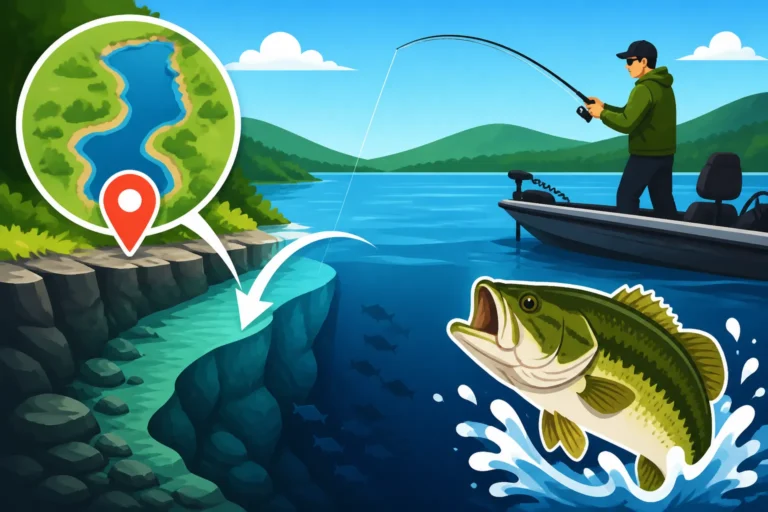
They instinctively gravitate towards current breaks – those subtle areas where the main flow is disrupted, allowing them to rest while still having easy access to passing food. This could be behind a large boulder, in the slack water eddy created by a fallen tree, or even on the downstream side of a bridge pilings. Depth is also key; smallmouth will often drop into deeper pockets and pools during the brightest parts of the day, especially those with some overhead cover or shade. Submerged rock piles, ledges, and deep bends in the river that offer thermal refuge are prime targets. And don't overlook the obvious: shady spots provided by overhanging trees or steep banks can be goldmines, particularly during midday. Understanding these patterns is your first step to unlocking success. For more general insights into smallmouth behavior, you might want to read our guide on how to catch smallmouth bass in Connecticut rivers.
Prime Smallmouth Hotspots Along the Housatonic River
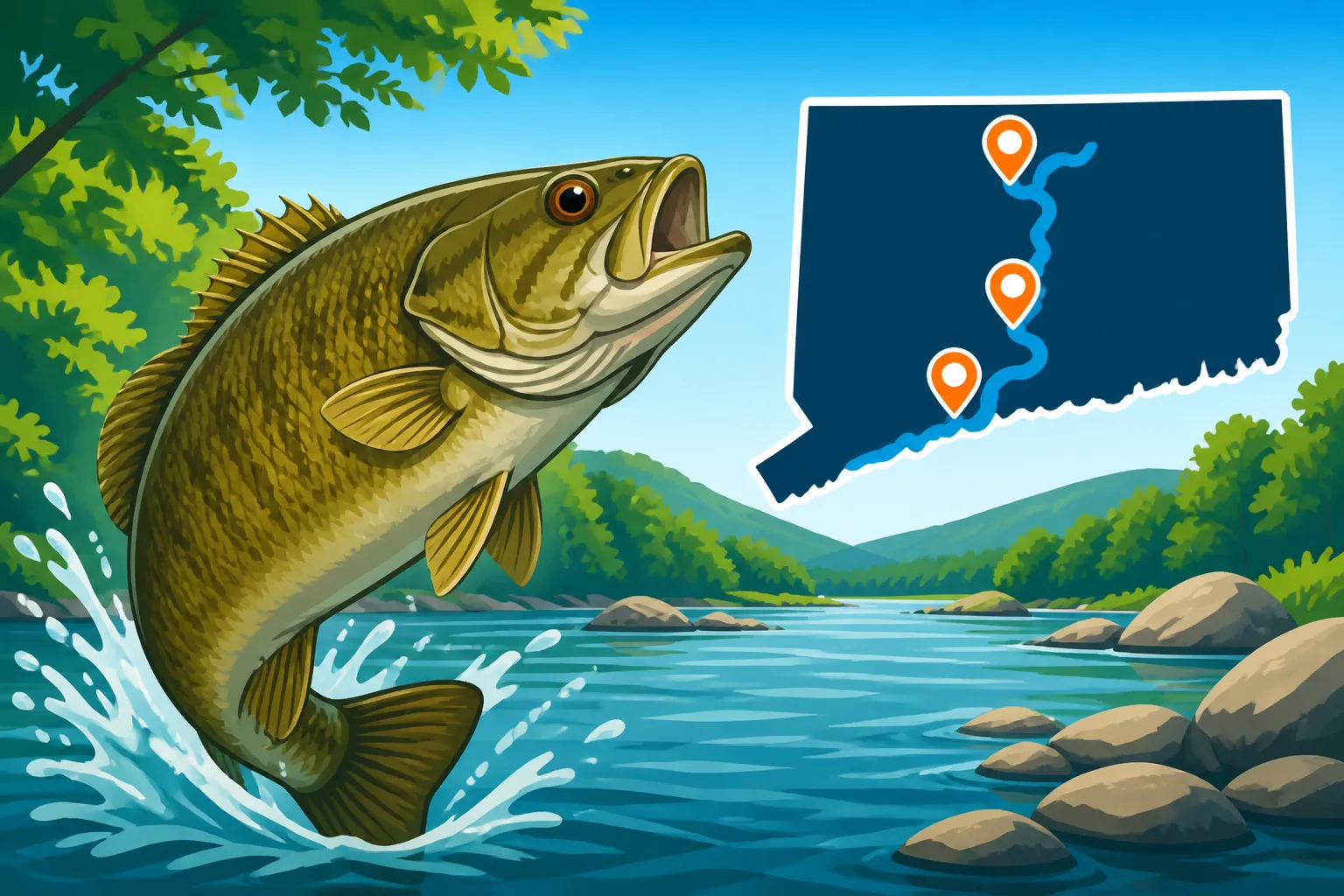
The Housatonic River is a long and varied waterway, each section offering different characteristics that appeal to smallmouth bass. While the entire river holds fish, some stretches really shine in the summer months when smallmouth are looking for specific conditions.
The New Milford to Kent Stretch
This section of the Housatonic, particularly from the Bulls Bridge area down through New Milford and towards Kent, offers a fantastic blend of productive smallmouth habitat. Here, the river alternates between faster runs and deeper, slower pools, often punctuated by large boulders and fallen timber.
One excellent area is around Bulls Bridge itself, near Kent. The rapids below the bridge create significant current breaks and eddies, which are natural congregating points for smallmouth. Look for fish holding in the seams where the fast water meets the slower water, or tucked behind the larger boulders. Further downstream, the river widens and deepens in certain areas, providing ideal summer holding water. Public access points like those found near Lover's Leap State Park in New Milford offer excellent entry for wade anglers, kayaks, and small boats. Focus on the deeper runs and pockets, especially where the river makes a sharp bend or where larger rock fields create submerged habitat. These areas often have slightly cooler water due to increased depth and current, making them magnets for smallmouth seeking refuge from the heat. This stretch also tends to have good bankside cover, providing essential shade during sunny afternoons.
The Kent to Cornwall Bridge Section
Moving north from Kent, the Housatonic River takes on a slightly different character, becoming somewhat more defined by its rocky bottom and consistent current. This stretch, particularly leading up to the iconic Cornwall Bridge, is renowned for its wild trout, but savvy anglers know it holds some impressive smallmouth as well, especially during summer.
The key here is to target the transition zones between rapids and deeper pools. Smallmouth in this area will often stack up at the heads and tails of pools, using the current to their advantage to ambush prey. The numerous large rocks and submerged ledges provide crucial current breaks and cover. Access around Housatonic Meadows State Park (while primarily a trout park, it offers river access) can put you in some prime smallmouth territory. Look for the deeper, darker sections of the river, often where there's a strong current seam right next to a slow eddy. These spots offer the perfect combination of food delivery and reduced energy expenditure for the bass. Kayaks and canoes are particularly effective here, allowing you to quietly drift through productive stretches and reach spots that are difficult to access from the bank. If you're planning a trip to this part of the river, it's a good idea to brush up on Connecticut Fishing Regulations Explained to ensure you're fishing within the rules.
Beyond Cornwall Bridge Towards Falls Village
North of Cornwall Bridge, the Housatonic continues its journey, eventually reaching areas like Falls Village. This segment maintains a strong current and rocky bottom, with some sections resembling true mountain streams, while others open up into broader, slower stretches.
In the vicinity of Falls Village, particularly near the old dam site, you can find excellent smallmouth fishing. The structure created by historical industrial remnants and natural rock formations offers abundant hiding spots. Downstream from any noticeable current acceleration, smallmouth will often hold in the immediate slack water or deeper depressions. Look for larger pieces of natural structure such as huge boulders, bedrock ledges, and sections of the bank that have significant undercut areas. The river in this northern portion of the state can be less crowded than some southern sections, offering a more peaceful angling experience. Using a local guide, perhaps found through a platform like FishingBooker, can be incredibly beneficial here, as they often know specific deep pockets and honey holes that aren't obvious to the casual angler. They can also provide up-to-date information on river conditions, which is invaluable.
Essential Techniques and Lures for Summer Housatonic Smallmouth
Catching summer smallmouth on the Housatonic requires a bit of finesse and an understanding of what these fish are looking for in warmer conditions. You can't just throw the same old lures in the same old spots and expect consistent results.
Adapting to Summer Conditions
Summer smallmouth are often less aggressive than their spring counterparts, meaning slower presentations can often out-produce fast, erratic retrieves. When the sun is high and the water is warm, smallmouth tend to hug the bottom or hold tight to cover. This means targeting deeper water and areas with shade or current breaks becomes paramount. Consider fishing during low-light conditions—dawn, dusk, or even into the night—when smallmouth are more likely to move out of cover and actively feed.
Another adaptation is to focus on subtle bites. Sometimes a summer smallmouth will just "tick" the line or feel like a little extra weight, rather than delivering a jarring strike. Paying close attention to your line and rod tip is crucial. When wading, make sure to move slowly and deliberately, disturbing the water as little as possible. For those using kayaks, quiet approaches to prime spots are key. You can find more detailed tips on adapting your approach in our article on Kayak Fishing Techniques for Connecticut Rivers.
Top Lures for Housatonic Smallmouth in Summer
The right lure can make all the difference when coaxing a strike from lethargic summer smallmouth. Here are some reliable options:
- Soft Plastics: These are arguably the most versatile for summer smallmouth. Tube baits (especially in green pumpkin, watermelon, or natural crayfish colors) rigged on a leadhead jig work wonders when dragged or hopped along the bottom in deeper pools or around rocky structure. Grubs (single or double tail) on a jig head are also excellent, particularly when twitched through current seams. Ned rigs with small stickbaits or worm segments are fantastic for those ultra-finesse situations when fish are particularly finicky. They mimic small baitfish and crawfish, which are common forage items.
- Crankbaits: Smaller, deep-diving crankbaits that mimic crayfish or small baitfish can be very effective when bounced off rocks or retrieved through deeper runs. Look for natural patterns like crawfish, browns, and greens. Squarebill crankbaits that deflect off submerged timber or rocks can trigger reaction strikes.
- Jigs: Small finesse jigs with soft plastic trailers, often mimicking crawfish or small sculpins, can be deadly when pitched into current breaks or along shaded banks. Vary your retrieve, letting the jig fall and then hopping it a few times.
- Topwater Lures: While summer days might call for subsurface presentations, don't rule out topwater action, especially during dawn, dusk, or on cloudy days. Small poppers, walking baits (like a Zara Spook Puppy), or even prop baits can draw explosive strikes when worked over calmer sections of water near cover. These can be particularly exciting when you see a smallmouth commit to the surface. For a deeper dive into lure selection, check out our piece on Best smallmouth bass lures for the Housatonic in summer.
Accessing the Housatonic River for Summer Smallmouth Fishing
Getting to and on the Housatonic River is a crucial part of your summer smallmouth adventure. The river offers diverse access options, from easily reachable public parks to more remote stretches perfect for wade fishing.
Public Access Points and Boat Launches
Connecticut boasts several fantastic public access points along the Housatonic, catering to different fishing styles.
- Boardman Bridge (New Milford): This area provides good access for wade fishing and launching kayaks or canoes. You'll find diverse habitat here, including rocky runs and deeper pools. Parking can sometimes be limited, so plan to arrive early, especially on weekends.
- Lover's Leap State Park (New Milford): Offers excellent bank access and opportunities for wade fishing, particularly in the lower, slower sections below the park. It's a beautiful spot, but always be mindful of river currents.
- Kent Furnace (Kent): Another popular access point for kayaks and wade anglers. This section of the river is known for its rocky bottom and consistent current, holding good numbers of smallmouth in the deeper pockets.
- Housatonic Meadows State Park (Cornwall Bridge): While heavily focused on trout, this park still provides extensive river frontage and access for smallmouth anglers. You can find deeper, faster water here that smallmouth will utilize. Check for specific fishing regulations as some areas may be fly-fishing only or catch-and-release only.
- Falls Village (near the old dam): This area provides some more remote access points, often favored by experienced anglers. Check local maps for specific parking and launch areas.
When planning your trip, consider the water levels. The Housatonic can be influenced by dam releases upstream, so checking local river flow gauges is always a good idea. This can impact wading safety and boat navigation. Speaking of boats, ensure you understand Connecticut Boating Laws for Anglers before heading out.
Guide Services and Local Expertise
If you're new to the Housatonic or just want to maximize your time on the water, hiring a local fishing guide can be an invaluable investment. These professionals spend countless hours on the river and possess an intimate knowledge of where the fish are holding, what they're biting on, and how to safely navigate different sections.
A guide can teach you specific techniques for the Housatonic, help you understand the nuances of its currents, and even take you to spots that are difficult to find on your own. They typically provide all the necessary gear, making it a hassle-free experience. Many fantastic guides who list their services on platforms like FishingBooker specialize in targeting smallmouth bass during the summer months. Booking a trip through FishingBooker can take the guesswork out of finding a good boat and captain, ensuring you're with an experienced professional. This can be particularly helpful for navigating sections of the river that require more technical boating or wading skills.
| Housatonic River Section | Best for Wading? | Best for Kayak/Canoe? | Best for Motorboat? | Key Summer Features | Typical Smallmouth Size |
|---|---|---|---|---|---|
| New Milford (Boardman Bridge area) | Yes | Yes | No | Rocky runs, deeper pools, current breaks, bank shade | 10-16 inches |
| Lover's Leap State Park | Yes | Yes | No | Slower pools, submerged rocks, fallen trees, deep bends | 9-15 inches |
| Kent Furnace (Kent) | Yes | Yes | No | Consistent current, rocky bottom, deep pockets | 10-17 inches |
| Cornwall Bridge (Housatonic Meadows) | Yes | Yes | No | Heads/tails of pools, large boulders, strong currents | 11-18 inches |
| Falls Village (upper section) | Yes | Yes | No | Old dam structure, bedrock ledges, varied current | 10-16 inches |
Disclaimer
Fishing conditions and regulations in Connecticut can change. Always consult the latest Connecticut Department of Energy and Environmental Protection (DEEP) fishing guide for the most up-to-date information on licenses, limits, and specific water body rules before heading out. Safety should always be your top priority when on or near the water.