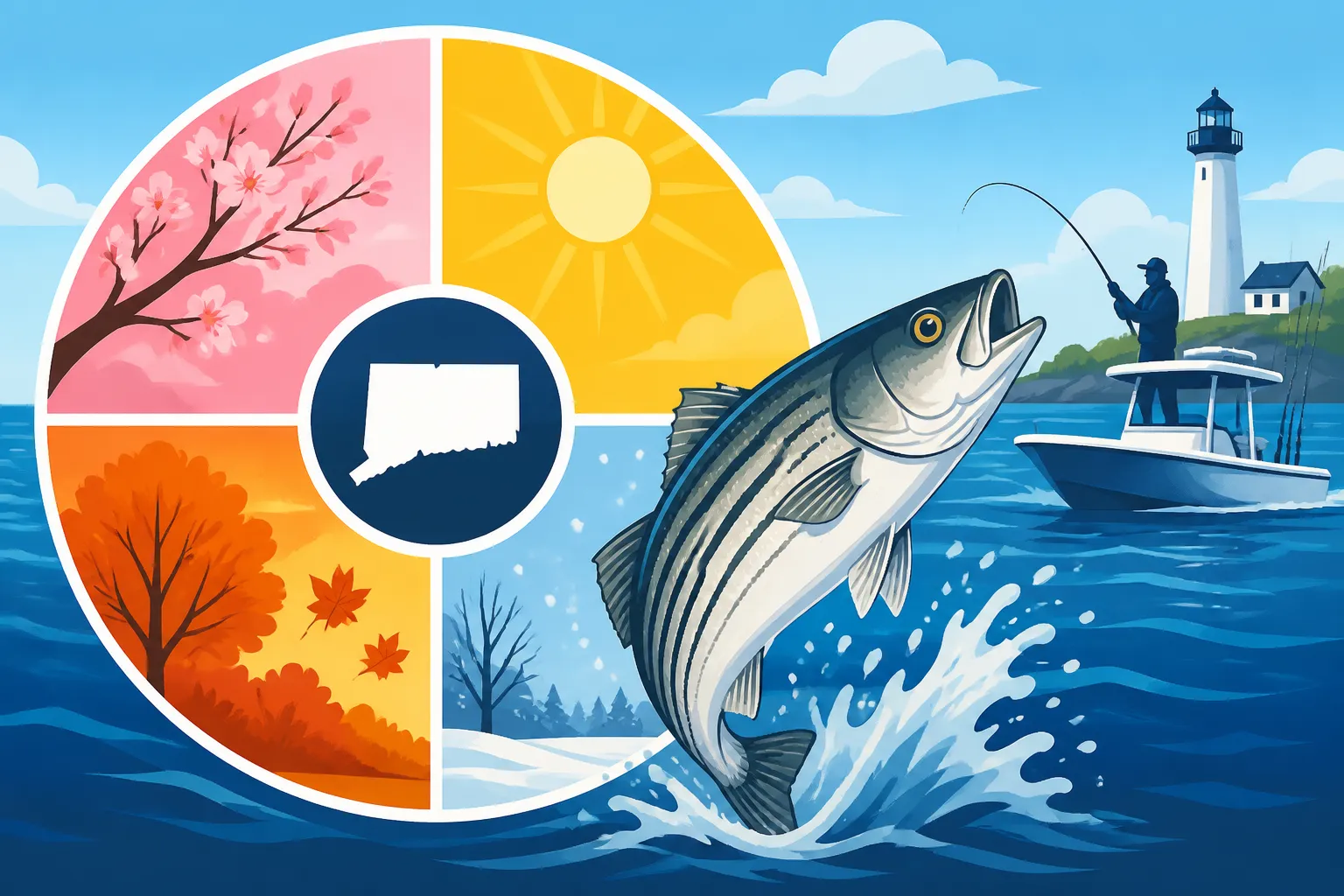
Best Season to Book a Striped Bass Charter
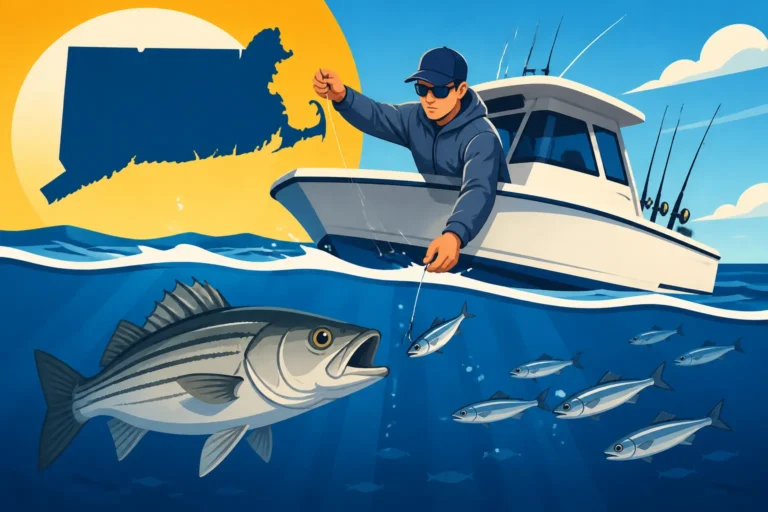
Figuring out the absolute best time to book a striped bass charter in Connecticut can feel like chasing a ghost, especially when you're dreaming of that trophy fish or just a solid day of non-stop action. So many factors come into play, from the fish's elusive migration patterns to unpredictable weather, leaving many anglers wondering when to commit to a trip. This comprehensive guide will cut through the confusion, breaking down the prime seasons and key considerations to help you plan your ultimate Connecticut striped bass adventure.
Understanding the Striped Bass Migration in Connecticut
Striped bass are migratory fish, and their presence in Connecticut waters is dictated by water temperature and the availability of baitfish. They follow a fairly predictable, though sometimes variable, seasonal pattern along the Atlantic coast, moving into Long Island Sound and its feeder rivers in spring, settling in for the summer, and then making their grand exit in the fall. Understanding this cycle is the first step to knowing when to target them.
The Spring Run: Eager Arrivals and Feeding Frenzy
As the waters of Long Island Sound and Connecticut's major rivers begin to shed their winter chill, typically starting in April and picking up steam through May, the first wave of striped bass makes its appearance. These are often eager fish, fresh from their wintering grounds, and they're hungry. They push into the estuaries and river mouths, like the Connecticut River and the Housatonic, looking for an easy meal after a long journey.
This early spring migration is characterized by smaller "schoolie" stripers, though larger "cow" bass often follow close behind, particularly as the water temperatures creep into the mid-50s Fahrenheit. They're primarily focused on feeding, making them excellent targets for anglers. You'll find them lurking around structure, current breaks, and anywhere baitfish like herring and bunker are pushing into the rivers to spawn. It's a fantastic time for action, often seeing good numbers of fish, making it a favorite for many anglers who value consistent bites.
Summer Patterns: Deep Water and Nocturnal Hunters
By mid-June and throughout the summer months (July and August), Connecticut's waters warm considerably. This shift often pushes striped bass out of the shallower, warmer river mouths and into the cooler, deeper confines of Long Island Sound. The fish spread out more, often seeking thermal refuge in deeper channels, around offshore reefs, rock piles, and wrecks. This doesn't mean they're gone, but their behavior changes dramatically.
During the peak of summer, striped bass can become more lethargic in the heat, often feeding most actively during the cooler hours of dawn, dusk, and throughout the night. Targeting them during the day usually means seeking them in deeper water or strong currents where the water stays cooler and oxygen levels are higher. This is often the time when dedicated anglers, especially those seeking truly large, trophy-sized striped bass, will focus on specialized techniques like live-lining bunker or eels, or jigging deep structure. Best Night Fishing Charters for Striped Bass often shine during these warmer months.
The Fall Blitz: Last Chances and Fat Fish
As September rolls around and the air starts to get that crisp autumn feel, the waters of Long Island Sound begin to cool, signaling a massive change for striped bass. This is often heralded as the "fall blitz" – a period of intense, aggressive feeding as the fish pack on calories for their journey south to their wintering grounds. Baitfish, including vast schools of menhaden (bunker), anchovies, and spearing, start to move out of the estuaries and migrate along the coast, and the stripers follow them with gusto.
This can be one of the most exciting times to be on the water. Stripers of all sizes can be found crashing bait on the surface, often creating spectacular feeding frenzies that are visible from a distance. They are less particular about the time of day and will often feed aggressively throughout the day, especially when the bait is plentiful. Anglers can experience incredible action, with both quantity and quality fish possible. It's a race against time, as eventually, usually by late October or November, the majority of the fish will have moved out of Connecticut waters entirely.
Why Timing Your Charter Matters for Striped Bass
Booking a fishing charter isn't just about picking a random date on the calendar; it's about making an informed decision that aligns with your goals and increases your chances of a successful and memorable trip. For striped bass in Connecticut, timing is practically everything. The seasonal migration patterns aren't just an interesting biological fact; they directly influence your fishing experience.
Maximizing Catch Potential
The primary reason to carefully consider the season for your striped bass charter is to maximize your catch potential. Different seasons offer different types of fishing opportunities. If your dream is to catch a high number of schoolie stripers, feeling a constant tug on the line and enjoying consistent action, then the spring run or early fall might be your sweet spot. These periods often see large aggregations of fish that are actively feeding and less finicky.
However, if your ambition is to land a true trophy-sized striped bass – a "cow" that could potentially become your personal best – then the summer months, particularly during specialized night trips or when targeting deeper structure, often offer the best chance. While the numbers might be lower, the size potential goes up. Understanding this distinction between quantity and quality, and aligning it with your personal fishing goals, is crucial for a satisfying outing.
Weather and Water Conditions
Beyond just where the fish are, the season also dictates the prevailing weather and water conditions you'll encounter. Early spring charters can be brisk, requiring extra layers, and water temperatures might still be quite cold. While the fishing can be hot, the comfort level for anglers, especially families or those sensitive to cold, might be lower. The seas can also be choppier as spring storms move through.
Conversely, peak summer offers warm, often calm days, perfect for being out on the water. However, the heat can impact the fish, making daytime fishing tougher and potentially requiring longer runs to deeper, cooler water. Fall can offer a beautiful balance: crisp air, comfortable temperatures, and often settled seas, ideal for a full day on the water before winter sets in. Always check the long-range forecast and discuss potential conditions with your captain, especially if you're prone to seasickness or planning a trip with children.
Availability of Charters and Booking Ahead
Connecticut's striped bass fishery is incredibly popular, and the best captains and charter boats book up fast, especially during prime seasons. If you wait until the last minute to book a trip during the spring run or the fall blitz, you might find your options severely limited or completely booked. This is particularly true for weekend dates and holidays.
Popular platforms like FishingBooker can help you see availability, but even with those resources, booking several weeks, if not months, in advance is highly recommended. Not only does this secure your spot with a reputable captain, but it also gives you flexibility if you need to reschedule due to unforeseen circumstances or adverse weather. Good communication with your chosen charter captain is key here, allowing you to discuss preferred dates, target species, and contingency plans.
Seasonal Breakdown for Booking Your Striped Bass Charter
Let's dive deeper into what each major season in Connecticut offers for striped bass fishing and what you can realistically expect when booking a charter. Each period has its unique charm, challenges, and opportunities, catering to different angler preferences.
Spring (May – Mid-June): Early Season Excitement
The spring season for striped bass in Connecticut typically kicks off in May and runs through mid-June, though some early arrivals can show up in late April. This is a time of awakening for the fishery. Water temperatures climb from the low 50s into the low 60s Fahrenheit, triggering widespread baitfish movements.
What to Expect: During this period, you'll primarily find stripers concentrated in the lower reaches of major rivers like the Connecticut River, Housatonic River, and Thames River, as well as along the nearshore coastline of Long Island Sound. The fish are often aggressive, having just completed their migration, and are looking to feed actively. While there will be plenty of smaller "schoolie" stripers, it's also a prime time for larger fish to move in, especially as big spawning bunker and herring run upriver. Techniques often include trolling with tube-and-worm rigs, livelining or chunking cut bait (like bunker), and casting artificials like soft plastics or swimbaits near river mouths and rocky points. It’s an excellent time to get good numbers of fish. You might want to review Connecticut River Striped Bass Fishing for more localized insights.
Why Book Now: If you're looking for consistent action and a good chance at catching multiple fish, spring is hard to beat. The fish are hungry, and often less pressured than later in the season. It's a great time for beginners or families, as the bites can be frequent and exciting. Weather can be a bit variable, so layering up is wise, but calm days can be absolutely gorgeous. Booking in May or early June gives you the best chance to hit this initial feeding frenzy.
Summer (Mid-June – August): Seeking the Big Ones
From mid-June through the end of August, summer conditions settle in across Connecticut. Water temperatures in Long Island Sound can reach into the 70s Fahrenheit, significantly altering striped bass behavior. The fish tend to spread out, often moving to deeper, cooler waters or feeding primarily during low-light conditions.
What to Expect: During summer, your charter captain will likely focus on deeper structure in Long Island Sound – offshore reefs, rock piles, ledges, and deeper channels. Fish might be found around the mouth of the Connecticut River and other major estuaries during strong current flows, but many will be holding in 20-60 feet of water or more. Techniques shift to live-lining large baitfish (like adult bunker or eels), jigging with heavy diamond jigs or soft plastics over structure, and drift fishing. Night fishing really comes into its own during summer, offering some of the best opportunities for trophy-sized striped bass that move shallow to feed under the cover of darkness. Don't be surprised if your charter departs before dawn or stays out after sunset.
Why Book Now: If your goal is to land that one massive, memory-making striped bass, summer offers the highest potential for trophy fish. While the sheer numbers of fish caught might be lower than in spring or fall, the average size can be significantly larger. The weather is generally warm and comfortable, though midday sun can be intense. It’s ideal for dedicated anglers who enjoy specialized techniques and don't mind putting in the time for that one big bite.
Fall (September – November): The Grand Finale
As summer fades and the air cools in September, the striped bass in Connecticut begin their final, furious feeding push before migrating south. This autumn period, extending into early November, is often considered by many to be the absolute prime time for charter fishing.
What to Expect: The fall run is characterized by massive schools of baitfish, particularly bunker and spearing, making their way out of the estuaries and along the coast. Striped bass will follow these baitfish relentlessly, often creating "blitzes" where they push bait to the surface in spectacular feeding events. You can find them almost anywhere in Long Island Sound – nearshore, offshore, around prominent rips, rocky points, and river mouths. All sizes of stripers, from schoolies to genuine giants, can be present. Best Techniques for Fall Striped Bass often involve casting topwater plugs into breaking fish, throwing large soft plastics, jigging, chunking, and trolling.
Why Book Now: Fall offers the best of both worlds: high numbers of actively feeding fish and a significant chance at trophy-sized specimens. The fish are aggressive, trying to pack on weight, leading to exhilarating surface feeds and strong bites. The weather is typically cool and comfortable, often with stable conditions ideal for a full day of fishing. This is arguably the most consistent time for exciting striped bass action in Connecticut and is highly recommended for anyone looking for a dynamic and rewarding charter experience. This season books up fast, so use a platform like FishingBooker to secure your spot well in advance.
Factors Influencing Striped Bass Behavior Beyond Season
While the overarching seasonal patterns are critical, striped bass are also highly sensitive to localized and short-term environmental cues. A successful charter often hinges on the captain's ability to read these nuanced factors, which can change day by day, or even hour by hour.
Water Temperature and Baitfish Movement
Think of water temperature and baitfish as the twin engines driving striped bass behavior. Stripers are cold-blooded, so their metabolism and activity levels are directly tied to the water temperature. They prefer a certain range, generally from the mid-50s to upper 60s Fahrenheit, for optimal feeding. When water gets too hot (above 70°F), they become sluggish and seek cooler depths. When it’s too cold, they hunker down and eat less.
But the real key is baitfish. Striped bass are predators, and they go where the food is. Changes in water temperature often trigger baitfish migrations, and the stripers follow. For example, the spring arrival of river herring and bunker into the estuaries for spawning draws stripers in. In the fall, the mass exodus of Atlantic Menhaden as Forage Fish in Long Island Sound along the coast triggers the famous "fall run." A good captain is constantly monitoring baitfish reports, water temperature gauges, and bird activity, as diving birds often signal schools of bait being busted by stripers.
Tides, Currents, and Structure
In a tidal environment like Long Island Sound, tides and currents are paramount. Striped bass are ambush predators and use currents to their advantage, conserving energy while waiting for bait to be swept to them. This means certain spots, like rocky reefs, submerged ledges, points, and channel edges, become highly productive during specific stages of the tide.
An outgoing tide might flush bait out of a river mouth, creating a feeding frenzy, while an incoming tide could push bait up against a rocky breakwater, concentrating fish. Rips, where strong currents meet opposing currents or structure, are classic striper haunts because they disorient baitfish, making them easy prey. A local captain with years of experience will have an intimate knowledge of how the tides and currents affect different fishing spots, knowing exactly when and where to position the boat for the best chances. This is why knowing the Best Time of Day to Book a Charter for Striped Bass often correlates with specific tidal movements.
Moon Phases and Weather Systems
While perhaps less impactful than temperature and bait, moon phases and broader weather systems can also play a role in striped bass activity. Full and new moons often correlate with stronger tidal currents, which in turn can stimulate more aggressive feeding, especially around areas of strong flow. Some anglers swear by fishing around these lunar cycles for larger fish.
Rapid changes in weather, such as an approaching cold front, can also influence fish behavior. Before a front, fish might feed heavily, sensing the change. After a front passes, the fishing can sometimes slow down as the fish become less active. While these factors are usually secondary to bait and temperature, an experienced captain will certainly take them into account when planning a day's strategy, sometimes adjusting departure times or fishing locations based on the forecast.
Choosing the Right Charter and Booking Strategies
Even with a clear understanding of the best seasons, a successful striped bass charter still hinges on choosing the right captain and boat, and approaching the booking process strategically. Don't just pick the first charter you find online – do your homework.
Researching Captains and Their Specialties
Not all charter captains are created equal, and many specialize. Some are renowned for their ability to find trophy-sized striped bass, often focusing on nocturnal trips or specific deep-water techniques. Others might excel at putting clients on high numbers of fish, perfect for a family outing. Some captains might be experts in specific areas, like the eastern Long Island Sound or the lower Connecticut River.
When researching, look beyond just pricing. Read reviews, check out their websites or social media to see their recent catches and fishing styles. Don't hesitate to call potential captains and ask questions: What's their experience targeting striped bass in the season you're interested in? What techniques do they primarily use? What kind of boat do they run? Platforms like FishingBooker are excellent for aggregating this information, allowing you to filter by species, location, and even read reviews from past clients, giving you a good sense of who will best match your fishing aspirations.
Booking in Advance and Communication
As mentioned earlier, the most popular and successful charter captains book up quickly, especially during the prime spring and fall striped bass runs. To avoid disappointment, aim to book your charter several weeks, or even months, in advance, particularly if you have specific dates or a weekend in mind. This foresight also allows for better communication with your captain.
Once booked, maintain open communication. Confirm your trip details a week or two beforehand. Discuss your expectations for the day – are you hoping for numbers of fish, or are you chasing a personal best? Are you interested in catch and release, or do you want to keep some fish for dinner (within legal limits)? A good captain will appreciate your input and can offer advice on what to bring or what to expect based on recent conditions. This collaborative approach ensures everyone is on the same page for a successful trip.
Flexibility and Contingency Planning
While you might pick what you think is the "best" season, Mother Nature has her own plans. Weather can be unpredictable, and high winds, heavy rain, or even dense fog can lead to a captain canceling or postponing a trip for safety reasons. This is where flexibility comes in.
When booking, try to have a few alternative dates in mind, if possible, especially if you're traveling a long distance. Discuss the charter's cancellation and rescheduling policy upfront. Most reputable captains will offer a full refund or the option to reschedule if they cancel due to weather. However, if you cancel last minute for non-weather reasons, you might lose your deposit. Having a flexible attitude and understanding that safety always comes first will save you a lot of potential frustration.
Seasonal Striped Bass Charter Comparison
To help summarize, here's a quick look at the typical expectations for a Connecticut striped bass charter across the different seasons:
| Season | Primary Months | Typical Water Temp (F) | Fish Behavior | Common Techniques | Avg. Fish Size | Best For |
|---|---|---|---|---|---|---|
| Spring | May – Mid-June | 50s – Low 60s | Aggressive, moving into estuaries and nearshore | Trolling, Live/Chunk Bait, Casting | Schoolie to Mid | High Numbers, Consistent Action, Beginners |
| Summer | Mid-June – August | Mid 60s – Low 70s | Deeper water, nocturnal, around offshore structure | Live-lining, Jigging, Night Fishing | Mid to Trophy | Seeking Trophy Fish, Warm Weather Trips |
| Fall | September – November | Low 60s – Low 50s | Aggressive, following baitfish, "blitzes" | Topwater, Chunking, Trolling, Jigging | All Sizes | Exciting Surface Action, Both Size & Numbers |
Disclaimer
This article is for general informational purposes only and does not constitute professional advice. Laws, prices and regulations vary by location and change over time. Consult a qualified professional for guidance on your specific situation.