Best Techniques for Fall Striped Bass
The crisp air, the changing leaves, and the sudden chill in the mornings—these are all signs that fall has arrived in Connecticut, and with it, some of the most exciting striped bass fishing of the year. But let's be honest, chasing fall stripers can feel like a game of hide-and-seek. One day they're busting bait everywhere, the next they've seemingly vanished, leaving you wondering if you're even in the right spot with the right lure. This comprehensive guide is here to unravel the mysteries of the fall run, helping you understand the bass's behavior, identify prime locations, select the right gear, and master the techniques needed to consistently connect with these incredible fish in Connecticut's autumn waters.
Understanding Fall Striped Bass Behavior in Connecticut
Fall is a time of urgency for striped bass. As the water temperatures begin their steady decline, these powerful predators shift into high gear, driven by an instinctive need to feed heavily before their long migration south. This makes them incredibly aggressive and often leads to some of the most memorable fishing experiences of the year, but understanding their motivations is key.
The Autumn Migration Pattern
The annual fall run is a legendary event for anglers up and down the East Coast, and Connecticut's section of Long Island Sound plays a crucial role in this grand migration. As summer wanes and water temperatures dip, striped bass, which have been dispersed throughout the Sound, begin to coalesce and move with a purpose. Their journey typically sees them pushing westward along the Connecticut shoreline, often concentrating in large schools. This initial movement is largely fueled by the availability of dense baitfish populations.
After staging in the western Sound, the main body of the migrating striped bass eventually turns south, heading towards warmer, more hospitable wintering grounds in the Mid-Atlantic. This "push" can happen quite suddenly, making timing a critical factor for success. One day the Sound might be alive with feeding fish, and the next, they've thinned out considerably as the main schools have passed. This continuous movement means that yesterday's hotspot might be today's ghost town, requiring anglers to be constantly adaptable and observant. Knowing when and where these migratory patterns typically occur can give you a significant edge in planning your trips. If you want a deeper dive into these movements, check out our guide on the Striped Bass Migration Along the Connecticut Coast.
Key Forage and Feeding Frenzies
The primary driver behind the fall striped bass frenzy is, without a doubt, bait. As the days shorten, countless schools of baitfish—like Atlantic menhaden, often called bunker, in both adult and "peanut" (juvenile) forms, as well as silversides and mullet—begin their own southward migrations. These baitfish often gather in vast, dense schools in the shallower waters of Long Island Sound and around river mouths, creating irresistible targets for hungry stripers.
When a school of striped bass encounters a large concentration of bait, the result is often an explosive, surface-busting feeding frenzy. This is the stuff of legends for anglers: birds diving, water boiling with splashing baitfish, and the unmistakable "thwack" of a striper crashing through the surface. Identifying these feeding events is paramount. Keep a keen eye out for flocks of gulls, terns, or even ospreys aggressively diving into the water. These birds are often reliable indicators of bait being driven to the surface by predatory fish below. Pay attention to changes in the water surface itself—nervous baitfish, splashes, or even the distinct V-wakes of larger fish chasing through a school. These visual cues are your green light to cast, and if you're looking to understand more about a critical forage species, you'll find our article on Atlantic Menhaden as Forage Fish in Long Island Sound particularly insightful.
Prime Locations for Fall Striped Bass in Connecticut
Connecticut's diverse coastline offers a multitude of hotspots for fall striped bass, from the expansive river estuaries to rocky offshore reefs. Knowing where to focus your efforts as the fish move through can significantly increase your chances of success.
Coastal Estuaries and River Mouths
As the fall migration gets into full swing, some of the most consistent action for striped bass can be found in and around the mouths of Connecticut's major rivers. These areas act as natural funnels, concentrating both migrating baitfish and the stripers that pursue them. The rich ecosystems of these estuaries provide abundant food and shelter, making them essential staging grounds for bass.
The Connecticut River mouth near Old Saybrook is a prime example. Here, the sheer volume of water meeting Long Island Sound creates complex currents and eddy lines where baitfish often get disoriented or trapped. Stripers will lie in wait, ambushing passing schools of bunker or herring. Further west, the Housatonic River mouth in Stratford is another legendary spot. Its confluence with the Sound creates extensive flats and channels where bass feed voraciously. Similarly, the Thames River in southeastern Connecticut draws migrating fish, offering excellent opportunities, especially on outgoing tides that flush bait out into the Sound. For those eager to explore this particular waterway, our dedicated guide on Connecticut River Striped Bass Fishing offers detailed insights into its specific nuances and hotspots. Fishing these river mouths often requires understanding the tide and current, as bass will position themselves in predictable ambush points.
Reefs, Rips, and Shoreline Structure
Beyond the river mouths, Long Island Sound is littered with underwater structure—reefs, humps, and ledges—that act as magnets for both baitfish and striped bass. These features create strong current rips, which are essentially underwater rapids, where food is swept past waiting predators. For boat anglers, places like The Race off Fishers Island, Plum Gut between Plum Island and Orient Point, and Southwest Reef are iconic fall striper destinations. The currents in these areas can be incredibly powerful, but they concentrate bait like nowhere else, often leading to massive schools of bass feeding aggressively.
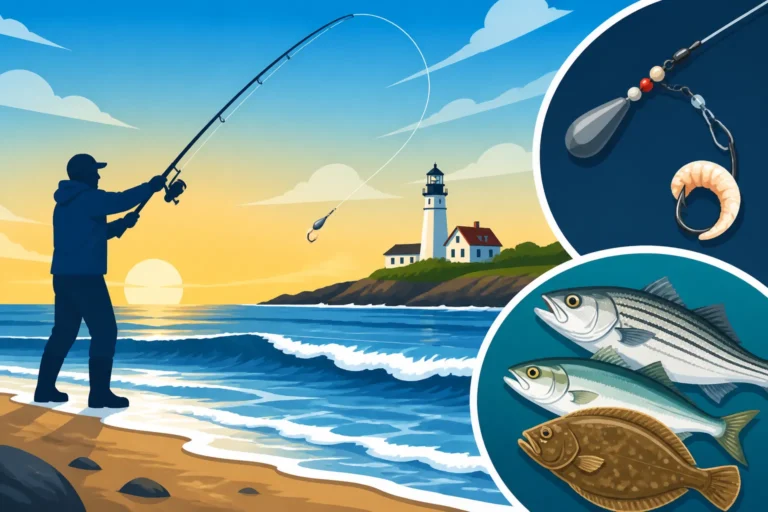
For shore-bound anglers, the fall run also provides fantastic opportunities near jetties, rocky points, and breachways along the coastline. These structures extend into deeper water, providing current breaks and ambush points. Places like Bluff Point State Park in Groton, various jetties in Niantic, and the rocky coastline around Greens Farms offer excellent access. Casting from shore requires patience and often a good understanding of where the deeper channels and current seams are located. Fish will often hold tight to these structures, especially during strong tides, waiting for an easy meal to swim by. Whether you're in a boat or on foot, understanding the lay of the land—or rather, the lay of the seafloor—is crucial. Our detailed article on Long Island Sound Striped Bass Spots is an excellent resource for pinpointing these high-probability areas.
Essential Gear for Fall Striped Bass Fishing
Having the right tackle can make all the difference when battling a powerful fall striper. While you don't need to break the bank, investing in quality gear that can stand up to strong fish and potentially challenging conditions is a wise move.
Rods, Reels, and Line Selection
For fall striped bass fishing in Connecticut, you'll want gear that offers a good balance of casting power, sensitivity, and brute strength. A medium-heavy to heavy action spinning or conventional rod, typically in the 7 to 9-foot range, is ideal. This length provides the leverage needed to cast heavier lures long distances and to effectively fight larger fish, especially when dealing with strong currents or rough water. Brands like Penn, Shimano, and Daiwa offer a wide range of reliable options suitable for this type of fishing. Many anglers find durable and cost-effective setups on platforms like Amazon that are perfectly capable of handling the demands of fall stripers.
Pair your rod with a sturdy reel designed for saltwater use. For spinning reels, look for models in the 5000 to 8000 series, known for their strong drags and corrosion resistance. Conventional reels in a similar size class are excellent for boat fishing, especially when chunking or live-lining heavier baits. Spool your reel with braided line. Braid offers superior casting distance, incredible sensitivity to detect subtle bites, and high strength-to-diameter ratio. A common choice is 30 to 50-pound test braid, which provides plenty of power without being too bulky. Always tie on a fluorocarbon leader of 30 to 60-pound test, typically 3 to 6 feet long. Fluorocarbon is nearly invisible underwater, providing a stealthy presentation, and its abrasion resistance is crucial when fishing around rocky structure or toothy bluefish, which often mix with striped bass.
Lures and Baits of Choice
The fall run means stripers are actively hunting, and your lure or bait selection should reflect this aggressive feeding behavior. Matching the prevalent baitfish in size, profile, and color is often the most effective strategy.
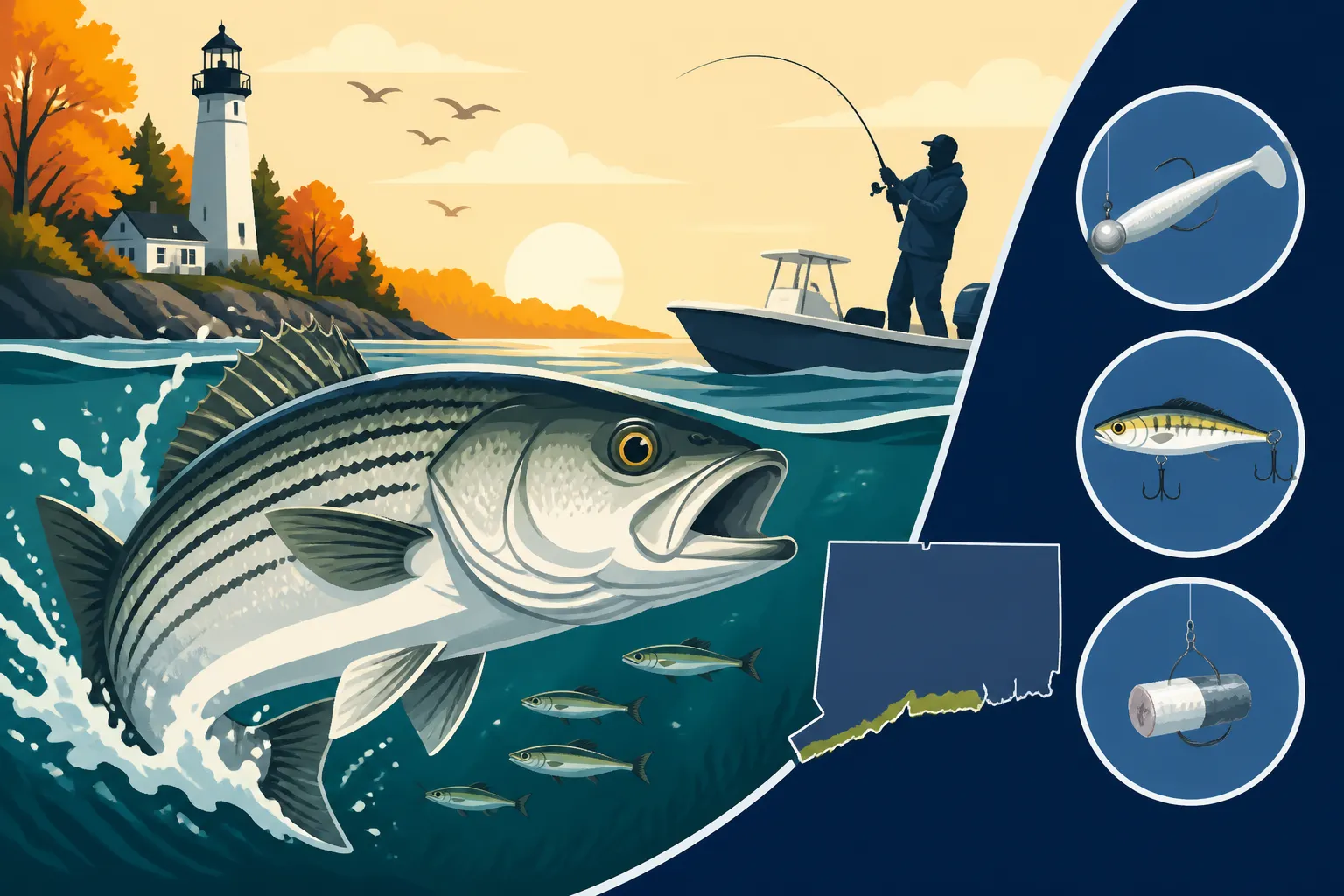
- Topwater Plugs: When stripers are busting bait on the surface, nothing beats a topwater plug. Poppers create a loud splash and commotion, mimicking a struggling baitfish, while walk-the-dog baits like a Heddon Super Spook or a smaller, slender plastic baitfish glide enticingly across the surface. These are exhilarating to fish and often draw explosive strikes.
- Soft Plastics: These are incredibly versatile and can imitate almost any baitfish. Paddle tail swimbaits from brands like Z-Man or Keitech, often rigged on a jig head, are deadly when cast into breaking fish or retrieved along structure. Slug-Gos or other jerk shads, fished weightless or lightly weighted, are fantastic for mimicking wounded baitfish. Carrying a variety of sizes and colors, especially bunker and olive patterns, is a smart move.
- Swimming Plugs: Lipped swimming plugs, like a Bomber Long A or a Yo-Zuri Mag Darter, are excellent for covering water and fishing just below the surface. They have an enticing wobble and can be cast or trolled. Sinking versions are great for deeper water or strong currents.
- Metal Jigs: When fish are holding deep, or in areas with fast currents like river mouths or rips, diamond jigs or other heavy metal lures are invaluable. They sink quickly and can be jigged vertically or cast and retrieved with a yo-yo motion, imitating fleeing baitfish.
- Live Bait: For targeting larger, less active fish, or simply when you want to maximize your chances, live bait is hard to beat. Live bunker (menhaden), eels, or mullet are prime choices. These can be fished free-lined or under a balloon from a boat, or even from jetties.
- Chunking: Using cut pieces of fresh bunker or mackerel, known as chunking, can be highly effective, especially at night or in areas with strong current. The scent trail draws fish in, and it's a favorite technique for targeting trophy-sized stripers. If you're looking to stock up on a good assortment, check out the options on Amazon for various brands and styles of these productive lures. To truly optimize your tackle box, you might also want to consult our detailed guide on the Best Lures for Striped Bass in Long Island Sound.
Top Techniques for Targeting Fall Striped Bass
With the right gear in hand, it's time to put it to use. Fall striped bass fishing often requires a dynamic approach, adapting your tactics to the specific conditions and the behavior of the fish.
Topwater Assaults During Feeding Frenzies
There's nothing quite as heart-stopping as a striped bass exploding on a topwater lure, and fall provides ample opportunities for this exciting method. When you see birds diving, baitfish scattering on the surface, or the water boiling with activity, it's time to grab your topwater rod.
The key is to cast your popper or walk-the-dog bait into the fringes of the commotion, or just beyond it, and work it back with an erratic retrieve. For poppers, a "pop-pop-pause" retrieve is often effective, mimicking a struggling baitfish. For walk-the-dog lures, a rhythmic twitch of the rod tip will make the lure sashay back and forth across the surface. Don't be afraid to let it sit for a few seconds after the initial cast; sometimes a wary striper needs a moment to zero in. The best times for topwater action are typically at dawn and dusk, or on overcast days when the light is low, making fish feel more comfortable feeding on the surface. These low-light conditions often trigger massive feeding events, making it crucial to be on the water during these windows. If you're aiming to maximize your chances, understanding the best times to hit the water is critical, and our article on the Best Time of Day to Catch Striped Bass offers even more strategic advice.
Jigging and Soft Plastics in Current and Structure
Not all fall stripers are on the surface. Many will hold deeper, especially during strong currents or when bait is congregating near underwater structure. This is where jigging and soft plastics truly shine.
Vertical Jigging: From a boat, position yourself directly over reefs, humps, or deep channels where you've marked fish or bait. Drop a heavy diamond jig, flutter jig, or a large bucktail jig straight down to the bottom. Once it hits, quickly lift your rod tip sharply and let the jig fall back on a semi-slack line. This erratic up-and-down motion mimics a wounded baitfish. Strikes often occur on the fall, so pay close attention to your line. This technique is highly effective in strong tidal rips like The Race or Plum Gut.
Casting Soft Plastics: This is a versatile method for both boat and shore anglers. Rig a paddle tail swimbait or a jerk shad on a jig head that's heavy enough to reach the desired depth and maintain contact with the bottom or current. Cast it near rocky points, jetties, or into current seams. Allow it to sink, then retrieve it with a steady retrieve, a slow roll, or a series of short twitches and pauses, depending on how the fish are reacting. Experiment with different retrieve speeds and jig head weights. Matching the size and color of your soft plastic to the prevalent baitfish is key. For instance, if peanut bunker are abundant, a 4-inch olive or silver paddle tail might be perfect.
Live Lining and Chunking for Bigger Fish
When targeting larger, more elusive striped bass, or when the bite is tough, live bait and cut bait (chunking) often prove to be the most effective methods. These techniques appeal to the striper's natural instincts and can draw fish from a distance.
Live Lining: This involves fishing a live baitfish, typically a bunker or an eel, either free-lined or with minimal weight to allow it to swim naturally. From a boat, you can drift live bunker or eels over reefs or through channels where stripers are known to lurk. For shore anglers, live eels are a classic choice, especially at night around jetties or rocky points. Hook your live bait carefully to keep it lively, usually through the nose or back, depending on the bait type and how you're fishing it. Watch your rod tip closely, as a striper will often "tap" the bait before engulfing it. Patience is a virtue with live bait; let the fish commit before setting the hook. For specific guidance on rigging eels, you might find our article on How to rig eels for striped bass incredibly useful.
Chunking: This method creates a scent trail in the water, drawing stripers to your offering. Start by cutting fresh bunker (menhaden) into 1- to 2-inch chunks. You can then free-line these chunks on a single hook, or use a fish finder rig with an egg sinker if you need to get down to the bottom in current. The key to successful chunking is to create a steady chum slick with smaller pieces of cut bait, letting the scent drift down current and attract fish to your larger hooked chunk. This technique is particularly effective from an anchored boat in areas with strong current or during nighttime hours when large bass often feed more aggressively.
Strategic Considerations for Fall Fishing Success
Beyond just casting and retrieving, truly successful fall striped bass fishing involves a deeper understanding of the environmental factors at play and prioritizing safety.
Tides, Weather, and Water Temperature
The ever-changing marine environment profoundly impacts striped bass behavior, and ignoring these factors can lead to a frustrating day on the water.
Tides: Moving water is almost always better for striped bass fishing. Whether it's the incoming or outgoing tide, currents concentrate baitfish, create ambush points around structure, and generally stimulate feeding. The last two hours of an incoming tide and the first two hours of an outgoing tide are often considered prime times in many areas of Long Island Sound. However, some specific locations, like river mouths, might fish best on a strong outgoing tide as bait is flushed out. Always consult a tide chart for your specific fishing location and plan your trip around these windows of opportunity.
Weather: While bluebird skies and calm seas are pleasant, don't overlook fishing during or immediately after a period of foul weather. Overcast days can extend topwater bites, and a moderate chop on the water can actually help obscure your presence, making stripers less wary. However, severe weather, especially strong winds, can make fishing dangerous and unproductive. Pay close attention to wind direction and strength, as it can create uncomfortable conditions or make certain spots unfishable.
Water Temperature: This is perhaps the most critical factor in the fall. As the season progresses, declining water temperatures trigger the striped bass migration and intensify their feeding drive. Generally, water temperatures between 50 and 65 degrees Fahrenheit are excellent for active stripers. Once temperatures drop consistently below 50 degrees, the bite often slows significantly as fish move to deeper, warmer offshore waters or complete their southward journey. Monitoring local water temperature reports can help you understand where the fish are likely to be most active.
Safe Boating and Shore Fishing Practices
Fall fishing can be incredibly rewarding, but it also presents unique safety challenges. The cooling water and unpredictable weather demand extra precautions for both boat and shore anglers.
Boating Safety: If you're heading out on the water in the fall, always remember that the water itself is getting colder. A fall into cold water can quickly lead to hypothermia, even on a sunny day. Always wear an approved personal flotation device (PFD), not just have it on board. Modern PFDs are comfortable and designed for active fishing. Ensure your boat is properly maintained, your engine is serviced, and all required safety equipment, such as flares, a horn, and a first-aid kit, are easily accessible. Let someone know your float plan, including where you're going and when you expect to return. Be especially vigilant when navigating around rips and strong currents, as these areas can become treacherous quickly. For essential safety information, especially concerning colder conditions, be sure to read our guide on the Connecticut Cold Water Life Jacket Rule (October to May) and a broader overview of Life Jacket Requirements for Connecticut Boaters.
Shore Fishing Safety: For those fishing from jetties, rocks, or beaches, safety is equally important. Slippery, algae-covered rocks can be extremely dangerous. Wear appropriate footwear with good grip, like Korkers, and consider using a wading staff for stability. Be aware of incoming tides and rogue waves, especially when fishing rocky points or jetties exposed to the open Sound. Never turn your back on the ocean. If fishing at night, a headlamp is essential for visibility and navigating uneven terrain. Inform someone of your plans and carry a fully charged cell phone.
Regulations and Conservation in Fall
As enthusiastic as we get about the fall run, it's paramount that we always fish responsibly and adhere to current regulations to ensure the sustainability of this incredible fishery for future generations.
Current Striped Bass Regulations
Regulations for striped bass, particularly in Long Island Sound, are subject to change based on stock assessments and management decisions. It's crucial to always check the most up-to-date rules from the Connecticut Department of Energy and Environmental Protection (DEEP) before heading out. However, a few key regulations have been consistent in recent years and are particularly relevant to fall fishing.
The most prominent regulation is often a slot limit, meaning you can only keep fish within a specific size range. For instance, in recent years, the slot limit for recreational striped bass in Connecticut has typically been 28 to 31 inches. This measure is designed to protect both the smaller, juvenile fish and the larger, spawning-age females, ensuring they have a chance to reproduce. There's also usually a bag limit, often one fish per person per day. Another critical regulation, especially when using bait, is the circle hook requirement. When fishing with bait for striped bass, non-offset circle hooks are typically mandatory. These hooks are designed to lodge in the corner of a fish's mouth, significantly reducing the chance of gut-hooking and improving the survival rate of released fish. Always confirm these details before your trip. For a thorough understanding of the legal requirements, consulting our article on the Connecticut Striped Bass Slot Limit and Season and specifically on the Connecticut Striped Bass Circle Hook Requirement will ensure you're compliant.
Practicing Responsible Catch and Release
Given the conservation efforts surrounding striped bass, practicing responsible catch and release is not just good etiquette, it's a vital contribution to the health of the fishery. Many anglers choose to release fish outside the slot limit, or even all their catch, especially during the fall run when fish are stressed from migration and intense feeding.
Here are some tips to maximize the survival of released stripers:
- Minimize Fight Time: Use tackle appropriate for the size of fish you're targeting to bring them in quickly. A prolonged fight can exhaust a fish, making it more vulnerable after release.
- Handle With Care: Avoid touching the fish's gills or eyes. If you must handle the fish, use wet hands or a wet towel to protect its protective slime coat. Try to keep the fish in the water as much as possible, especially if it's a large one.
- Dehook Quickly and Gently: Use a dehooking tool or pliers to remove the hook as quickly and gently as possible. If the fish is deeply hooked, it may be better to cut the line as close to the hook as possible rather than risk further injury. This is where non-offset circle hooks truly shine, as they dramatically reduce deep-hooking incidents.
- Revive If Necessary: If a fish appears lethargic, hold it upright in the water, facing into the current, and gently move it back and forth to force water over its gills until it regains strength and can swim away on its own.
- Be Mindful of Water Temperature: During the fall, especially late in the season, water temperatures can be quite cold. Releasing fish into very cold water can shock them. Take extra care to revive them fully.
By following these practices, you help ensure that the robust fall run continues for years to come. For more detailed advice on handling and releasing striped bass effectively, our guide on Striped bass catch and release survival tips is an invaluable resource.
| Technique/Lure Type | Optimal Conditions | Best for | Pros | Cons |
|---|---|---|---|---|
| Topwater Plugs | Dawn, dusk, overcast days, active feeding frenzies | Active, surface-feeding fish | Exciting visual strikes, covers water quickly, attracts aggressive fish | Less effective when fish are deep or inactive, requires surface activity |
| Soft Plastics | All conditions, mimicking specific baitfish | Versatile for varied depths and retrieves, imitating live bait | Highly adaptable, can be fished shallow or deep, stealthy presentation | Can be prone to tangles if not rigged properly, hook sets can be tricky |
| Metal Jigs | Deep water, strong currents, vertical jigging | Deep-holding fish, fast current situations | Sinks quickly, mimics fleeing bait, effective for vertical jigging | Less appealing to inactive fish, requires strong currents for best action |
| Live Bait | Tough bites, targeting large fish, specific spots | Wary, larger fish, specific ambush points | Natural presentation, often triggers aggressive strikes from big fish | Requires live bait, can be messy, less active presentation |
| Chunking | Night fishing, strong current, anchored boat | Large, nocturnal or scent-oriented fish | Creates scent trail, attracts fish from a distance, effective for big fish | Can be messy, requires patience, less active than artificials |
Disclaimer
Please note that fishing regulations in Connecticut, including those for striped bass, are subject to change. Always consult the latest official Connecticut Department of Energy and Environmental Protection (DEEP) fishing guides and regulations before heading out on the water to ensure compliance. This guide is for informational purposes only and does not supersede state regulations.