Best Night Fishing Charters for Striped Bass
There's nothing quite like the allure of the water at night, especially when you're hunting for a monster striped bass. But let's be real, going out on your own after dark can be intimidating, and knowing where to go or what to use in the pitch black is a whole different ballgame. This guide is all about helping you cut through the confusion and find the absolute best night fishing charters in Connecticut, so you can experience the thrill of chasing striped bass under the stars with confidence.
Why Night Fishing for Striped Bass is a Game Changer in Connecticut
If you've spent any time on the water during the day, you know that summer sun can be brutal, and so can the crowds. Night fishing, especially for striped bass, offers a completely different, often more rewarding experience. It's not just about avoiding sunburn; it's about tapping into a different rhythm of the fish and the environment.
The Nocturnal Advantage: Striped Bass Behavior After Dark
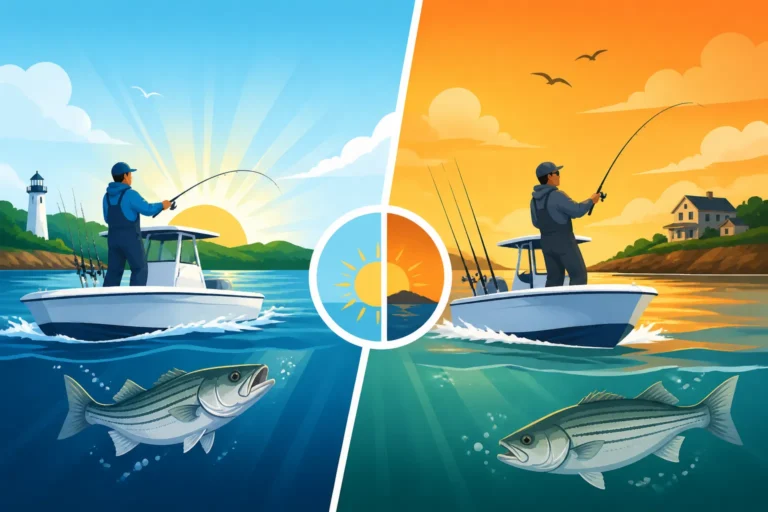
Striped bass are opportunists, and their feeding habits often shift dramatically once the sun goes down. Many anglers have found that the biggest, most cautious fish become more active and less wary under the cover of darkness. This isn't just folklore; it's based on how these powerful predators interact with their environment.
Think about it: during the day, they might be hiding in deeper, cooler water or tucked away in dense structure, waiting for an ambush opportunity. But as night falls, the water cools, and their primary forage—think squid, eels, and smaller baitfish—often become more active or move into shallower feeding grounds. This triggers the stripers to come out of their daytime hiding spots, patrolling flats, rips, and rocky shorelines with renewed vigor. You might encounter a "blitz" where big fish are smashing bait on the surface, or you could find them quietly lurking in current seams, waiting for an easy meal. This change in behavior means they might be more aggressive towards your offerings and less spooked by boat traffic or human presence.
Beating the Crowds and the Heat
One of the most immediate and appreciated benefits of night fishing in Connecticut is the escape from the daytime hustle and bustle. Popular fishing spots, particularly during peak summer months, can feel like Grand Central Station with boats, kayaks, and jet skis all vying for space. This constant activity can put fish down, making them harder to entice.
At night, the waterways transform into a much quieter, more serene environment. You'll find fewer recreational boaters, fewer pleasure craft, and often, even fewer fishing boats. This means less competition for prime fishing spots and a more peaceful angling experience. Plus, let's not forget the sheer comfort factor. Those sweltering summer days can be exhausting on the water, but cool, crisp nights offer a refreshing alternative, allowing you to focus on the fishing without battling oppressive heat. It's a calmer, more focused way to fish, leading to a much more enjoyable outing.
The Thrill of the Unknown: What Makes Night Fishing Unique
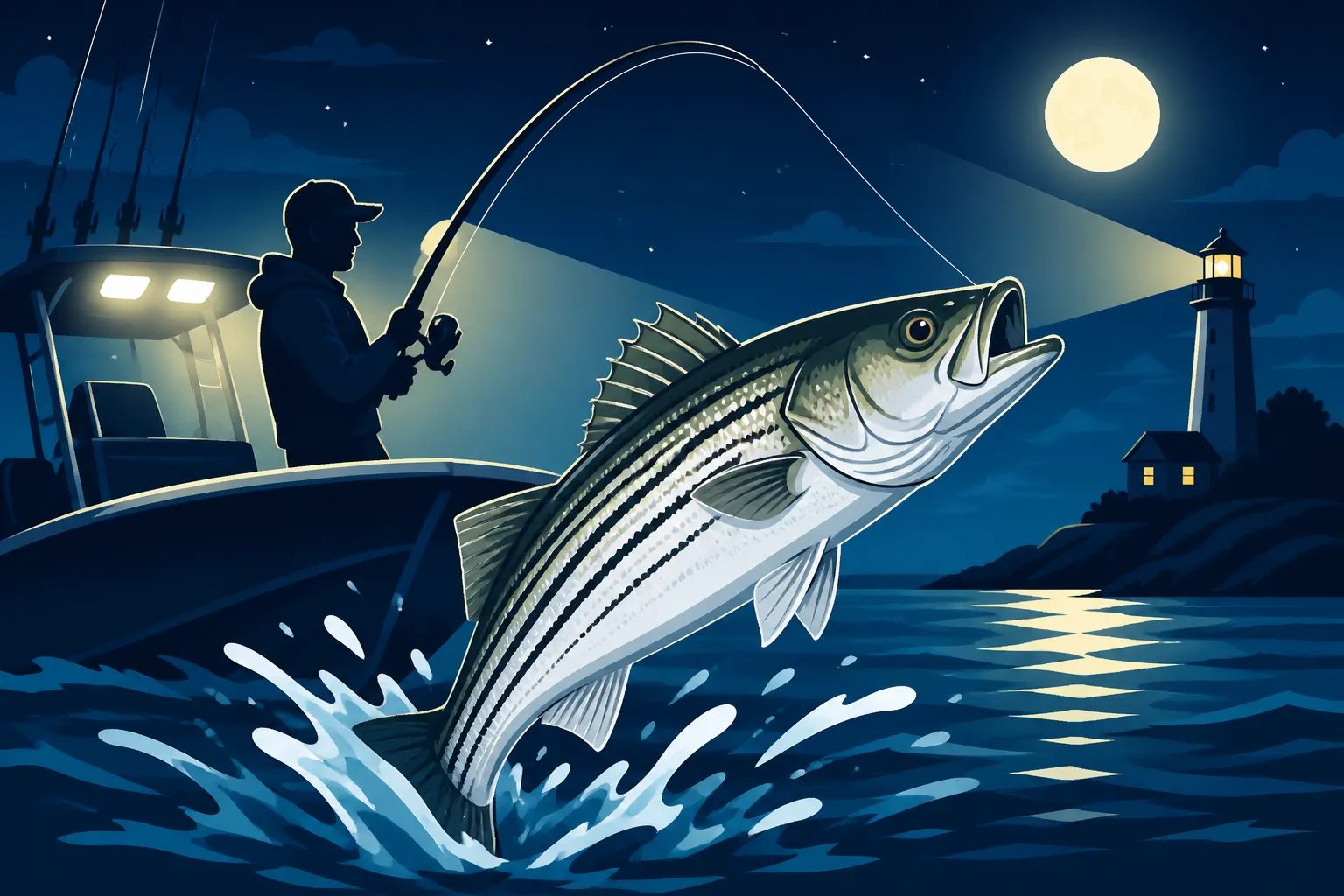
There's an undeniable mystique to fishing under the cover of darkness. Every splash, every tug, every unseen movement takes on a heightened sense of excitement. Your senses become more attuned to subtle changes – the sound of breaking water, the feel of a soft bite in the rod, the glimmer of phosphorescence in the wake of a chasing fish.
This unique atmosphere adds a layer of adventure to your trip that daytime fishing simply can't match. You’re relying more on feel and sound than sight, sharpening your angling instincts. The anticipation of what might be lurking in the shadows, the sudden explosive strike that jolts your rod, and the epic battle with a powerful striped bass under the moonlit sky or the stars are experiences you won't soon forget. It's a truly immersive experience that connects you more deeply with the nocturnal world of the ocean.
What Makes a Great Night Fishing Charter for Striped Bass?
Choosing the right charter for a night striped bass trip isn't just about finding someone with a boat. It's about finding a captain and a vessel that are specifically equipped and experienced for the unique demands of fishing after dark. Safety, expertise, and the right gear are paramount when you're navigating and fishing in low light conditions.
Captain's Expertise and Local Knowledge
When the sun goes down, knowing the water becomes absolutely critical. A captain's experience and deep local knowledge are the most valuable assets on a night fishing charter. They don't just know where the fish might be; they understand why they're there at night. This includes intimate familiarity with underwater structure, tidal currents, baitfish movements, and how these factors change after dark. A truly great captain will have spent countless hours on the water at night, honing their understanding of specific rips, rock piles, and estuaries where big stripers feed.
They'll also possess the nuanced skill of interpreting sonar and radar readings in the dark, identifying subtle changes that indicate bait schools or lurking predators. Furthermore, their expertise extends to safety protocols. A seasoned captain will know how to navigate safely in limited visibility, avoid hazards, and handle any unexpected situations that may arise. They can also read the weather signs and make informed decisions about safe operation, which is incredibly reassuring when you're miles offshore in the dark. Don't be shy about asking about their nighttime experience when you're How to Choose a Connecticut Fishing Charter.
Boat Features and Safety Equipment for Night Operations
A fishing boat used for daytime trips might not be adequately equipped for night operations. A top-notch night fishing charter will have specific features and safety equipment that are essential for successful and secure nighttime excursions. This includes robust navigation electronics like radar, powerful spotlights, and advanced GPS systems with detailed chart plotters that mark hazards and productive fishing spots.
Beyond navigation, proper deck lighting is crucial for angler safety and ease of movement, but it should be controllable or adjustable so as not to spook fish. Red or green lights are often preferred as they preserve night vision better than white lights. The vessel should also be outfitted with all required safety gear, including ample life jackets, flares, a first-aid kit, and reliable communication systems (VHF radio, satellite phone). Space and comfort are also key—a heated cabin or enclosed area can be a godsend on cooler nights, and a clean, accessible head is always appreciated. A stable platform is also important, as choppy conditions feel much more pronounced in the dark.
Tackle and Techniques Optimized for Darkness
Night fishing for striped bass often requires a slightly different approach in terms of tackle and techniques compared to daytime endeavors. A quality charter will have rods, reels, and terminal tackle specifically suited for the unique challenges of fishing in low light. This might include heavier rods for handling large fish that tend to be more aggressive at night, and reels spooled with lines that offer good sensitivity.
Captains who specialize in night trips often have a specific arsenal of lures and baits that are particularly effective after dark. This could mean different color patterns for soft plastics, specialized plugs that produce strong vibrations or glow in the dark, or a preference for live baits like eels, bunker, or squid. Best Lures for Striped Bass in Long Island Sound often include darker profiles or those with high contrast for night fishing. The captain and mate will also be adept at teaching or assisting with techniques like slow retrieves, vertical jigging, or quiet bait deployments, all of which become more critical when fish are relying on their lateral line and scent rather than sight. Their expertise ensures you're not just fishing, but fishing smart for the nocturnal striper.
Top Considerations When Booking Your Night Striped Bass Charter
Booking a night fishing charter isn't quite the same as booking a daytime trip. There are a few extra layers of consideration to peel back to ensure you get the experience you're truly hoping for. From the type of trip to the nitty-gritty of costs, being informed will make all the difference.
Understanding Charter Types: Private vs. Open Boat
When you're looking to book a night striped bass charter, you'll generally encounter two main types: private charters and open boat (or headboat/party boat) charters. Each has its own distinct advantages and disadvantages, and the best choice for you will depend on your group size, budget, and desired experience.
Private Charters: This is where you charter the entire boat for your group, typically ranging from 1 to 6 anglers. The biggest advantage here is customization. You get to decide the focus of the trip (e.g., target trophy fish, try different techniques, fish specific spots), and the captain can dedicate their attention entirely to your party. This often means more personalized instruction, quicker adjustments to fishing strategies, and a more intimate experience. For families, groups of friends, or those seeking a highly focused fishing adventure, a private charter is usually the way to go. The downside, of course, is the cost, which is generally higher than an open boat when split among fewer people.
Open Boat Charters: These trips sell individual spots on the boat, and you'll be fishing alongside other anglers you might not know. Open boats are typically larger vessels, accommodating many more people, and are often a more budget-friendly option since the cost is spread among a larger group. While you lose some of the personalized attention and flexibility of a private trip, open boats can be a great way to meet fellow anglers and experience a specific fishery without a huge upfront investment. However, be prepared for less room to cast and potentially less say in where the boat goes or what techniques are employed. For a solo angler or a pair looking to keep costs down, an open boat might be ideal.
Here's a quick comparison:
| Feature | Private Charter | Open Boat Charter |
|---|---|---|
| Cost | Higher overall, but fixed for your group | Lower per person |
| Group Size | 1-6 anglers (typical), entire boat is yours | Many anglers, individual spots sold |
| Customization | High (target species, techniques, locations) | Low (captain dictates trip details) |
| Attention | Dedicated attention from captain/mate | Shared attention, less personalized |
| Flexibility | High (can adjust plans, departure/return) | Low (fixed schedule, route) |
| Social Aspect | Intimate with your group | Opportunity to meet new anglers |
| Comfort/Space | More personal space, less crowded | Can be crowded, less casting room |
Platforms like FishingBooker can help you sort through both private and open boat options, letting you compare availability and features side-by-side.
Duration and Timing: Half-Night vs. Full-Night Trips
Just like daytime trips, night charters come in different lengths, typically ranging from half-night to full-night excursions. Understanding the difference and what each entails is crucial for planning your trip and managing expectations, especially when you consider the unique aspects of fishing after dark.
Half-Night Trips: These charters typically run for about 4-6 hours, often starting around sunset and returning late evening, or sometimes running from late evening into the very early morning hours. They're a fantastic option for those who might be new to night fishing, have a tighter schedule, or are bringing along younger anglers who might not be up for an all-nighter. A half-night trip gives you a solid chunk of prime nocturnal fishing time without requiring you to completely overhaul your sleep schedule. You'll still get to experience the magic of the night bite and the thrill of landing stripers, but with a more manageable commitment. The downside is that if the bite is slow to start, you might not have as much time for it to pick up before you head back to the dock.
Full-Night Trips: These are for the hardcore anglers, often lasting 8 hours or more, sometimes even extending well past midnight or until dawn. A full-night trip gives you the maximum amount of time on the water to chase those elusive trophy stripers. It allows the captain to move between different spots as the tides change or as fish move, and it gives you ample opportunity to capitalize on various feeding windows throughout the night. If you're serious about targeting a truly large fish or want to experience the full spectrum of nocturnal striper behavior, a full-night trip is likely your best bet. Be prepared, though, for a long night that can be physically demanding. It's not for everyone, but for those who commit, the rewards can be monumental.
When considering duration, think about your energy levels, the energy levels of your group, and what kind of fishing experience you're seeking.
Pricing Structure and What's Included
Charter costs can vary significantly depending on the boat, captain's experience, duration, and what's included. While I can't give you exact figures, I can tell you what to look for when evaluating pricing. Most charters charge a flat rate for the entire trip (for private charters) or a per-person rate (for open boats).
What to Expect: Generally, the charter fee covers the boat, the captain, and a mate (on larger vessels), fuel, and basic tackle (rods, reels, and standard bait). Some charters might include bottled water or light snacks. When comparing options, always ask for a clear breakdown of what is and isn't included.
Potential Extras: Be aware that some items might be an additional cost. These can include:
- Specialty baits: Live eels, for example, might be extra.
- Fish cleaning: Some charters offer this service for a fee.
- Gratuity: Tipping the mate and captain is customary and highly encouraged if you received good service. Factor this into your budget.
- Licenses: While many charters offer a blanket license that covers everyone on board, always confirm if you need to purchase your own Connecticut Fishing License Guide for 2026 beforehand, especially for specific species or durations.
- Food and Drink: Beyond basic water, you'll typically need to bring your own food and beverages.
Don't hesitate to ask specific questions about the total cost before you commit. It's much better to have clarity upfront than to be surprised by hidden fees at the end of a fantastic night on the water.
Reputation and Reviews: Finding Trusted Captains
In today's interconnected world, one of the best ways to gauge the quality of a night fishing charter is through the experiences of past customers. Online reviews and testimonials are invaluable resources for finding trusted captains in Connecticut.
Look for consistency in reviews across various platforms. Pay attention to comments regarding the captain's professionalism, the mate's helpfulness, the condition of the boat, safety practices, and, of course, fishing success. While every trip can't guarantee a boatload of fish, a consistently positive reputation usually indicates a captain who prioritizes customer experience, safety, and working hard to put clients on fish.
Websites like FishingBooker are excellent for aggregating reviews and providing detailed profiles of charter captains and their boats. You can filter by location, target species, and even specific types of trips, like night fishing for striped bass. Don't just look at the star rating; read the actual comments. Do people mention the captain's knowledge of Striped Bass Fishing in Long Island Sound specifically at night? Do they highlight their patience with beginners, or their ability to handle experienced anglers? These details paint a more complete picture and can help you select a charter that aligns with your expectations. A captain with a stellar reputation often has a waiting list, so plan to book well in advance for peak season dates.
Key Fishing Grounds for Night Striped Bass in Connecticut
Connecticut's diverse waterways offer incredible opportunities for chasing striped bass, and at night, certain areas truly come alive. Knowing these prime hunting grounds can help you visualize your trip and understand why a particular charter might focus on one area over another.
Estuaries and River Mouths: The Connecticut River and Beyond
When darkness falls, the mouths of rivers and their associated estuaries become absolute hotspots for striped bass. These areas are ecological goldmines, serving as highways and feeding grounds for various baitfish, which in turn attract hungry stripers. The Connecticut River Striped Bass Fishing is particularly renowned, offering incredible action as these fish migrate in and out of its brackish waters.
Striped bass will often stage in these transitional zones, moving in and out with the tides to ambush prey. The confluence of freshwater and saltwater creates nutrient-rich environments that support vast schools of baitfish, such as Atlantic menhaden, eels, and various smaller finfish. At night, these baitfish often become disoriented or move into shallower water, making them easier targets for stripers. Charters frequently work the channel edges, jetties, and sandbars around river mouths, using live bait or large artificials that mimic the local forage. The currents here are strong and consistent, providing predictable ambush points for bass. Other notable estuaries like the Thames River and Housatonic River also hold great potential for night striper action.
Reefs and Rocky Structure in Long Island Sound
Long Island Sound itself is a vast and productive fishery, and its numerous reefs, rock piles, and submerged structures become prime feeding grounds for striped bass after dark. These underwater formations create complex habitats that attract baitfish seeking shelter and provide excellent ambush points for larger predators.
A good night fishing charter captain will have an extensive knowledge of these underwater landscapes, often marked by years of personal experience and detailed GPS waypoints. They know precisely where the current will sweep bait over a particular reef or where a big boulder offers a lurking striper the perfect hideout. These areas are often fished with live eels or large soft plastics that can be worked close to the structure without excessive snagging. The deep rips and eddies around these structures are magnets for trophy-sized fish, as the current brings a continuous buffet of food right to their doorstep. While fishing these spots at night can be challenging due to the need for precise boat positioning and knowledge of the terrain, the rewards—in the form of large, powerful stripers—can be well worth the effort.
Tidal Rips and Current Seams
Tidal rips are essentially areas where strong currents collide with underwater structure or opposing currents, creating turbulent water. These seemingly chaotic spots are incredibly important feeding zones for striped bass, especially at night. The turbulent water disorients baitfish, making them easy targets, and the strong currents provide a constant delivery system of food.
Whether it's a dramatic rip near a major point or a more subtle current seam around an island, these areas concentrate bait and, consequently, concentrate stripers. At night, stripers will sit on the edges of these rips, or even right in the middle, expending minimal energy while waiting for prey to be swept to them. Charters often target these areas by drifting live bait or large jigs through the rips, letting the current do some of the work. Understanding the Best Time of Day to Catch Striped Bass often hinges on timing these tidal movements. The key is to be there when the current is running strong, as this is when the feeding frenzy can ignite. A captain who knows the timing and intricacies of Connecticut's tidal rips is a huge advantage for a successful night fishing trip.
Essential Gear and Preparedness for Your Night Trip
Heading out on the water at night for striped bass is an exhilarating experience, but it’s one that calls for careful preparation. Even with a top-notch charter, bringing the right personal gear and understanding safety protocols are crucial for a comfortable, enjoyable, and productive trip.
Personal Items: Clothing, Food, and Comfort
Even on a warm summer day, the temperature can drop significantly once the sun sets, especially on the open water. This is where layering your clothing becomes absolutely essential. Start with a moisture-wicking base layer, add an insulating fleece or sweater, and top it off with a waterproof and windproof outer shell. Even if the forecast looks clear, a sudden shower or sea spray can leave you soaked and cold if you're not prepared. Remember, it's easier to shed layers than to conjure them out of thin air if you get chilly.
Comfort extends beyond just clothing. Bring a hat to keep your head warm and protect from any dew or light rain, and comfortable, non-slip deck shoes are a must for safety on a wet deck. While some charters might offer basic refreshments, it's always a good idea to pack your own snacks and drinks. A thermos with hot coffee or tea can be a lifesaver on a long, cool night. Consider bringing a small, soft-sided cooler to keep your provisions fresh. Lastly, a small headlamp with a red-light setting is incredibly useful for tying knots or rummaging through your bag without ruining your night vision or disturbing other anglers.
Fishing Gear: What Charters Provide vs. What to Bring
Most reputable night fishing charters for striped bass in Connecticut will provide all the necessary fishing gear—rods, reels, terminal tackle, and bait. This is a huge convenience, especially for those flying in or who don't have specialized heavy-duty saltwater tackle. Their gear is typically well-maintained and suited for the target species and conditions. However, it's always wise to clarify exactly what they provide when you book.
Despite the charter supplying the main gear, some anglers prefer to bring their own lucky rod and reel, especially if they are experienced and comfortable with their personal setup. If you do bring your own, make sure it's appropriate for fighting large striped bass in potentially strong currents; a medium-heavy to heavy conventional or spinning setup with a strong drag and plenty of line capacity is usually suitable. Always double-check with the captain beforehand if you plan to bring your own gear, as they might have specific recommendations or restrictions. Additionally, a pair of fishing gloves can be helpful for handling fish, especially large stripers with abrasive mouths, and for getting a better grip on the rod during a prolonged fight. Don't forget a camera to capture those memorable moments!
Safety First: Lights, Communication, and Emergency Protocols
On a night fishing charter, safety isn't just a suggestion; it's the absolute priority. A professional charter captain will adhere to strict safety regulations, but it's important for anglers to also be aware and prepared. The boat should be equipped with all required navigation lights, spotlights, and emergency lighting to ensure visibility and safe operation.
Before the trip departs, the captain or mate should provide a safety briefing, explaining the location of life jackets (which should be readily accessible and available for everyone on board), first aid kits, fire extinguishers, and emergency communication equipment like the VHF radio. Pay attention during this briefing. Knowing the location of these items and how to use them can be critical in an unforeseen situation. Furthermore, modern charter boats are equipped with advanced navigation and communication systems, including radar to detect other vessels in the dark, and multiple GPS units. In the unlikely event of a medical emergency or other distress, the captain has direct communication with the Coast Guard and local emergency services. Always follow the captain's instructions, especially concerning movement on deck and when fishing in close quarters or strong currents. Remember, your personal safety is a collaborative effort between you and the crew.
Maximizing Your Chances: Techniques and Tips from the Pros
Night fishing for striped bass is a specialized art, and a good charter will leverage proven techniques to put you on fish. While the captain and crew will guide you, understanding some of these methods can enhance your appreciation for the trip and even help you refine your own skills.
Live Bait Tactics Under the Stars
There's a reason live bait is often considered king for striped bass, especially at night. Under the cover of darkness, large, fresh, and active baitfish are incredibly enticing to wary stripers. Eels are arguably the most effective live bait for night stripers in Connecticut, particularly for targeting trophy-sized fish. Their slithering motion and distinct scent are irresistible to big bass. Charters will often drift eels over structure, along channel edges, or through tidal rips.
Another popular live bait is menhaden (bunker), which can be caught by the charter using a cast net or sabiki rigs, or purchased ahead of time. Whether free-lined or fished with a small weight to get them down, a struggling bunker is a beacon for hungry stripers. The key to successful live baiting at night is often a quiet presentation, allowing the bait to swim naturally. The captain will position the boat to maximize the bait's effectiveness in the current. You might also encounter squid as a prime live bait, particularly during certain seasons when they are abundant in Long Island Sound Fishing Guide. The subtle nuances of how to hook and present these baits for maximum effect are skills the charter crew excels at sharing.
Artificial Lures and Their Nighttime Appeal
While live bait is hard to beat, artificial lures can also be incredibly effective for night fishing for striped bass, offering a more active and engaging style of fishing. The right lure, presented correctly, can trigger aggressive strikes from bass that are actively hunting.
Dark-colored soft plastics, such as large paddle-tail swimbaits or weighted soft plastic stick baits, are excellent choices at night. The silhouette they create against the moonlight (or lack thereof) is very visible, and their vibrations are easily detected by a striper's lateral line. Jigging these baits vertically over structure or casting and retrieving them slowly can be very productive. Plugs, particularly those that create a strong vibration or distinct wobble, also have a place in the night angler's tackle box. Metal lip swimmers, with their wide-wobbling action, can be very effective when slowly retrieved over shallow flats or along current lines. Some anglers even use "glow-in-the-dark" lures or those with rattles to add another dimension of attraction. The trick is often a slower, more deliberate retrieve than you might use during the day, allowing the fish more time to locate and commit to the lure in the dark.
Reading the Water and the Tides in the Dark
Successfully navigating and fishing at night relies heavily on understanding the intricacies of the water and tides, even more so than during the day. While you'll have an expert captain at the helm, having a basic grasp of these concepts will enhance your appreciation for their skill.
Tides are the lifeblood of striper fishing in Long Island Sound and Connecticut's river systems. The movement of water in and out of estuaries and over reefs creates currents that concentrate bait and position stripers for feeding. A charter captain meticulously studies tidal charts and local knowledge to determine the optimal times to fish specific locations. Best Time of Day to Catch Striped Bass is often tied directly to a specific stage of the tide—whether it's the beginning of an incoming flow, the peak of an outgoing current, or a slack tide window.
Reading the water at night isn't about seeing the fish; it's about interpreting subtle signs. This could be the sound of baitfish splashing on the surface, the sight of diving birds silhouetted against the sky, or the feel of temperature changes in the water. The captain will use their radar and sonar not only for navigation but also to identify bait balls and schools of predatory fish. They'll also pay close attention to the wind, as it can affect boat drift, lure presentation, and overall comfort. Learning to trust your senses beyond just sight is a key component of effective night fishing for stripers.
Navigating the Booking Process and Finding the Right Fit
Booking your night fishing charter for striped bass in Connecticut should be an exciting step towards an unforgettable adventure. Knowing how to navigate the booking process, what questions to ask, and the importance of good communication will ensure a smooth experience from start to finish.
Online Platforms and Direct Booking
In today's digital age, there are two primary ways to book a fishing charter: through online booking platforms or directly with the captain. Both have their advantages.
Online Platforms: Websites like FishingBooker have revolutionized the charter booking experience. They act as a centralized hub where you can browse numerous charters, compare prices, read reviews, check availability, and often book directly online. These platforms provide a level of transparency and convenience that can be hard to match. You can easily filter by location (e.g., Niantic, Old Saybrook, Greenwich), target species, trip duration, and even amenities. Many platforms also offer secure payment processing and clear cancellation policies, which can provide peace of mind. They are particularly useful if you're planning your trip from out of state or are new to the area and don't have personal recommendations.
Direct Booking: If you know a specific captain or have received a recommendation, contacting them directly is also a great option. This allows for a more personal conversation, where you can discuss specific trip preferences, ask detailed questions about their approach to Night Fishing for Striped Bass in Connecticut, and potentially negotiate aspects of the trip. Direct booking might also lead to better pricing since there are no platform fees involved, though this isn't always the case. The key here is to ensure you have all the necessary information confirmed in writing (e.g., date, time, price, what's included, cancellation policy) to avoid any misunderstandings. Whichever method you choose, make sure you're comfortable with the captain's communication style and professionalism.
Questions to Ask Before You Book
Before you commit to a night fishing charter, having a list of questions ready will help you gather all the essential information and ensure the trip meets your expectations. Don't be shy; a good captain will welcome your inquiries.
Here are some key questions to consider:
- What exactly is included in the price? (e.g., bait, tackle, licenses, fish cleaning).
- What is your experience with night fishing for striped bass in this specific area? (Look for captains who clearly specialize in this).
- What are your policies for weather cancellations or rescheduling? (Crucial for night trips where conditions can change rapidly).
- How many anglers can comfortably fish at once? (Even on a private charter, boat size matters for comfort).
- What type of fish are we primarily targeting, and what methods will we be using? (Confirm it aligns with your goals).
- Is there a restroom on board? (Very important for longer trips).
- What should we bring with us? (Beyond the obvious, ask about specific clothing, food, and drinks).
- What is the tipping etiquette for the mate/captain? (Good to know beforehand).
- Do you operate under a blanket fishing license, or do I need my own? (Reconfirm Connecticut Fishing License Guide for 2026 requirements).
Asking these questions upfront will clarify any uncertainties and set the stage for a smooth and enjoyable experience.
The Value of Communication and Flexibility
Once you've booked your charter, clear and consistent communication with your captain is paramount. This is especially true for night trips where factors like weather and fish movement can be more dynamic. A good captain will keep you informed about any potential changes due to weather or sea conditions. They might suggest slight adjustments to departure times to hit a particular tide or move to a more productive area based on recent reports.
As an angler, being flexible is a huge asset. The captain's priority is your safety and putting you on fish, so if they recommend a change, trust their judgment. For example, if severe weather is forecast, they might suggest rescheduling or adjusting the trip duration. Remember, fishing is about adapting to conditions, and a successful trip often comes down to the captain's ability to make real-time decisions. Promptly respond to any communications from the charter and don't hesitate to reach out if you have last-minute questions or concerns. This open dialogue ensures that everyone is on the same page and contributes to a stress-free and ultimately more successful fishing adventure under the Connecticut night sky.
Disclaimer
This article is for general informational purposes only and does not constitute professional advice. Laws, prices and regulations vary by location and change over time. Consult a qualified professional for guidance on your specific situation.