Best charters running late-night trips for big stripers
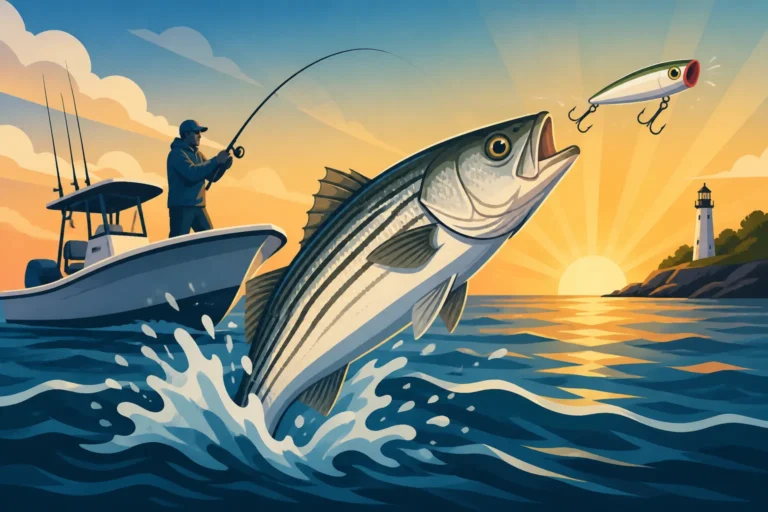
There's nothing quite like the dream of battling a truly colossal striped bass, but for many anglers, the best chance to hook into those big, elusive "cow" stripers feels out of reach. We often think of fishing as a daytime activity, but the reality is, the biggest, smartest stripers often become nocturnal. They use the cover of darkness to hunt, escaping boat traffic and the relentless sun. That's where a late-night charter comes in, offering you a unique opportunity to chase these giants when they're most active. This guide will walk you through everything you need to know about finding and preparing for the best charters running late-night trips specifically designed to target those elusive, trophy-sized stripers here in Connecticut.
Why Late-Night Trips Are Key for Big Stripers in Connecticut
You might wonder why anyone would intentionally head out onto the water in the dead of night when they could be comfortably fishing during the day. For trophy striped bass, the answer is simple: it's when they feel safest and are most aggressive. Connecticut's waters, especially Long Island Sound Fishing Guide, can be bustling during daylight hours, and these larger, more experienced stripers have learned to avoid the commotion.
The Nocturnal Nature of Trophy Stripers
Big striped bass are not just bigger versions of their smaller counterparts; they often have entirely different behavioral patterns. As stripers mature and grow in size, they become incredibly wary. They learn that daylight brings more pressure from boats, anglers, and even predators. This makes them seek refuge in deeper, darker waters or tight to structure during the day, only venturing out to feed under the cloak of night. Think about it from their perspective: the darkness provides the perfect ambush scenario, allowing them to stalk baitfish with less risk to themselves. Their highly developed lateral lines and keen sense of smell make them formidable night hunters.
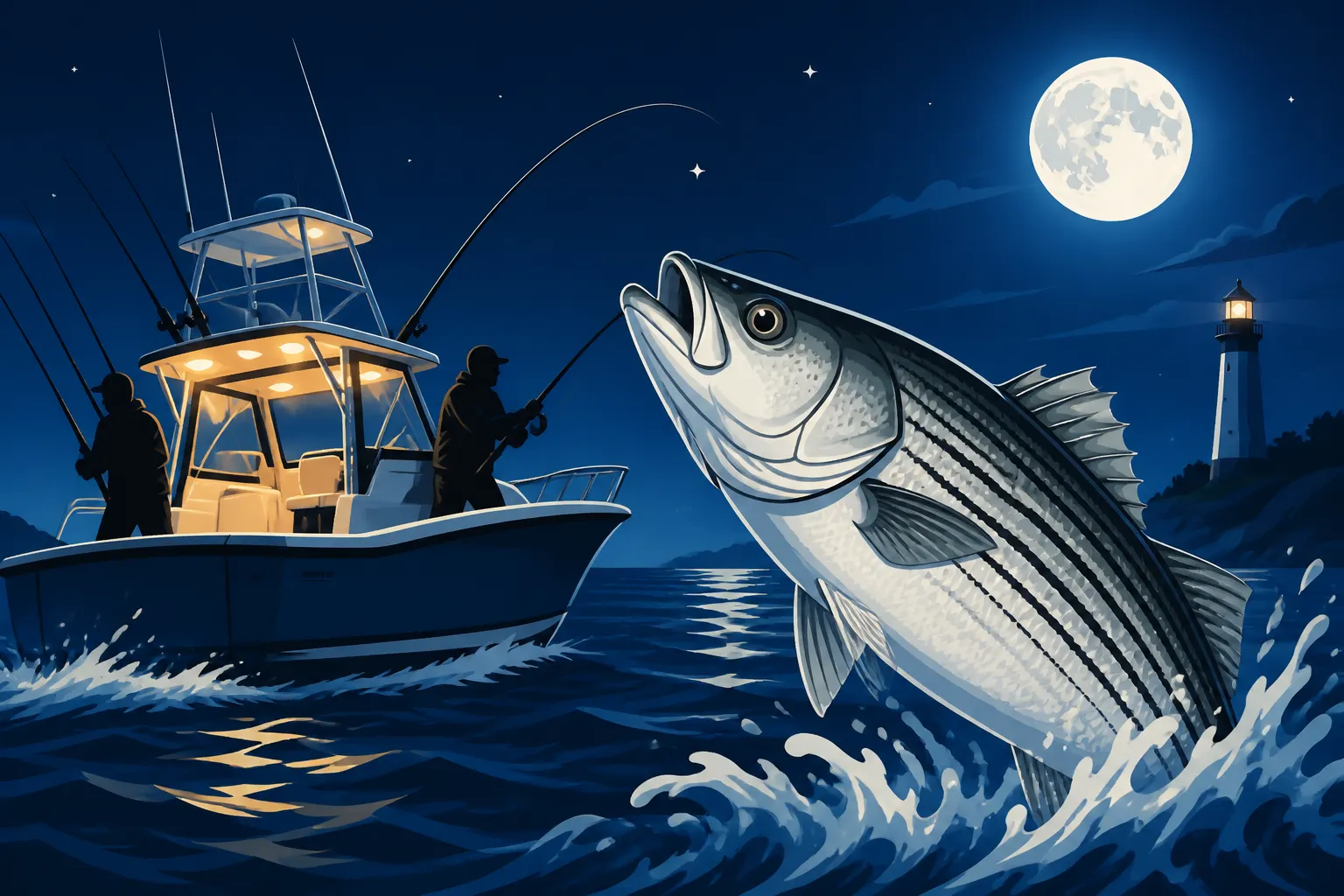
When you're out on a late-night charter, you're tapping into this natural instinct. You're fishing during their prime hunting hours, when they are less skittish and more focused on finding a meal. This shift in behavior is precisely why dedicated night trips so often produce the biggest fish. The massive stripers that ignore daytime presentations suddenly become aggressive, opportunistic feeders once the sun dips below the horizon, especially under a new or full moon phase.
Reduced Pressure and Increased Opportunity
Daytime fishing in popular Connecticut spots can sometimes feel like a highway. There are pleasure boats, commercial traffic, recreational anglers, and kayakers all vying for space. All that noise and activity can put off larger, more sensitive fish. By contrast, the night offers a profound sense of calm on the water. The reduction in boat traffic is dramatic, leading to a much quieter and less disturbed environment for the fish. This calm directly translates into increased opportunities for anglers.
With fewer boats around, your charter captain has the freedom to position the boat precisely over prime feeding grounds without interference. This lack of pressure means the fish are more comfortable, less scattered, and often more willing to take a bait or lure. It creates a more natural feeding scenario, and a more focused fishing experience for you. You'll find yourself able to concentrate more on the bite and the rhythm of the ocean, rather than navigating a crowded waterway. It's a truly different experience that seriously ups your chances of connecting with a once-in-a-lifetime fish.
Cooler Water, More Active Fish
While stripers are cold-blooded, water temperature plays a massive role in their metabolism and activity levels. During the warmer months of summer, particularly, daytime water temperatures in shallower parts of Long Island Sound can become quite warm. This can make large stripers sluggish and less inclined to chase bait aggressively. They'll often move to deeper, cooler thermal refuges.
As the sun sets and the air cools, the surface waters also begin to drop in temperature, creating a more comfortable and energizing environment for these powerful fish. This drop in temperature often signals to the stripers that it's time to feed. Their metabolism picks up, and they become far more active hunters. This is especially true during hot summer spells. Heading out on a late-night trip capitalizes on these optimal feeding windows, giving you an edge when targeting truly large fish that might be inactive during the heat of the day. The cooler water means more oxygen and less stress for the fish, encouraging them to roam and strike.
What to Look for in a Late-Night Striper Charter
Not all fishing charters are created equal, and this is especially true when it comes to specialized late-night trips for big stripers. You're not just looking for a boat; you're looking for a seasoned professional who understands the nuances of nocturnal fishing. Making the right choice can mean the difference between a memorable trophy catch and a long, quiet night on the water.
Captain Experience and Local Knowledge
When the sun goes down, the ocean transforms, and navigating it safely and effectively requires a specific skill set. The absolute most critical factor in a successful late-night striper trip is the captain's experience. Look for a captain with a proven track record of successful night trips, not just general fishing charters. They should have years of experience specifically targeting large striped bass in the dark. This means knowing the subtle changes in currents, recognizing the faint ripples of a bait school, and understanding where big stripers hold and feed after dark.
Local knowledge is paramount. A great night captain knows the secret rips, the specific rock piles, and the deep channels where trophy stripers congregate under the cover of darkness. They understand how different moon phases, tides, and weather patterns affect nighttime striper behavior. This isn't something you learn from a book; it comes from countless hours on the water. Don't be shy about asking prospective captains about their experience with night striper trips. Platforms like FishingBooker often allow you to see captain profiles and read reviews that might mention their expertise in specific types of fishing, including night trips.
Proper Gear and Safety Equipment
Night fishing brings its own unique set of challenges, particularly regarding safety and effective fishing. A reputable late-night charter must be exceptionally well-equipped. First and foremost, safety is key. The vessel should have robust navigation lights, ample deck lighting, a radar system, and advanced GPS to ensure safe passage and precise positioning in the dark. Communication equipment, like multiple VHF radios, is also critical. Beyond the required safety gear, an experienced captain will also have extra emergency equipment on board, understanding that conditions can change rapidly.
For the actual fishing, the gear needs to be top-notch and suited for heavy-hitting stripers in low light. This includes powerful rods and reels capable of handling big fish, strong lines, and appropriate leaders. The captain should have a diverse selection of specialized nighttime lures, jigs, and live bait rigs. Many big striper charters rely heavily on live bait, such as eels or bunker, or chunking fresh bait, so look for a boat equipped with a quality livewell and proper bait preparation areas. They should also have specialized landing nets or gaffs designed for safely handling large fish in the dark. Make sure to inquire about what tackle is provided and if it's included in the trip cost.
Target Species and Techniques
While many charters fish for a variety of species, a late-night striper trip should be singularly focused on trophy striped bass. This dedication means the captain will employ specific strategies and techniques optimized for these large, nocturnal predators. Common techniques include live-lining large baitfish like bunker or eels around structure, chunking with fresh cut bait on the bottom, or slow-trolling big plugs or umbrella rigs in productive rips. Trolling Techniques for Long Island Sound Striped Bass can be highly effective at night when fish are scattered.
A good captain will assess the conditions and adapt their approach to what the fish are doing that particular night. They won't just blindly troll; they'll use their knowledge to put you on the fish. You should expect a charter that primarily focuses on these big-fish techniques rather than general bottom fishing or light-tackle pursuits, though some trips might start earlier in the evening targeting other species before transitioning to the striper hunt. Clarify the charter's primary focus and the methods they intend to use to ensure it aligns with your goal of catching big stripers.
Preparing for Your Overnight Striper Adventure
Embarking on a late-night striper trip is an exciting prospect, but it's crucial to be adequately prepared. Unlike a sunny daytime excursion, fishing under the stars requires a bit more thought and specific gear to ensure you're comfortable, safe, and ready for action.
Essential Personal Gear
The most common mistake anglers make on a night trip is underestimating the chill. Even on a warm summer day, the temperature can drop significantly once the sun goes down and you're out on the open water. Layers are your best friend! Start with a moisture-wicking base layer, add a fleece or wool mid-layer, and top it off with a waterproof and windproof outer shell. A warm hat, gloves, and a neck gaiter are also highly recommended. You'll be glad to have them when the breeze picks up or if there's a damp fog. Non-slip, waterproof boots are essential for safety on a wet deck.
Beyond clothing, a reliable headlamp with a red light option (to preserve night vision for both you and the captain) is a must. Bring a small, waterproof bag for personal items, sunglasses for the morning ride back (if you're out that long!), and any personal medications you might need. Don't forget snacks and plenty of water or other non-alcoholic beverages. While some charters might offer drinks, it's always best to bring your own supply for a long night. Ask your captain if there's a cooler for personal items or if you should bring your own small soft-sided cooler.
Understanding the Trip Logistics
Late-night striper charters typically have unique schedules. They often depart in the late afternoon or early evening, timing their arrival at prime fishing grounds around dusk, and then fish well into the wee hours before returning to the dock as the sun rises, or even later depending on the bite. Be sure to confirm the exact departure and return times, as well as the duration of the trip. Some might be 6-hour trips, while others could stretch to 10 or even 12 hours.
It's also crucial to clarify what's included in the charter price. Does it cover bait, tackle, and ice? Are fish cleaning services available? While many charters will supply rods, reels, and bait, it's good practice to confirm. Most importantly, remember that you will still need a valid Connecticut Fishing License Guide for 2026, even if you're on a charter. It's often up to the individual angler to have their license sorted before stepping aboard. Don't let a missing license ruin your big striper night!
Booking Your Charter
Finding the right late-night striper charter requires a bit of research, but it's well worth the effort. Start by looking for charters specifically advertising "night striper trips," "trophy striper charters," or "eel trips." Word-of-mouth recommendations from local tackle shops or fellow anglers can be incredibly valuable. Online platforms like FishingBooker are fantastic resources for browsing available charters, reading reviews, and directly contacting captains. You can often filter searches by location, target species, and even preferred trip times, making it easier to find those specialized late-night offerings.
When you contact a prospective captain, be clear about your goals: you're specifically looking for big striped bass at night. Ask them about their typical fishing grounds, the techniques they use, and their success rates for trophy fish. Don't hesitate to ask about their safety protocols for night operations. A good captain will be happy to answer all your questions. Be prepared to book in advance, especially during peak season, as specialized night trips tend to fill up quickly. Remember that a clear, concise communication about your expectations and their offerings will lead to the best possible experience.
Top Spots and Tactics for Connecticut Night Stripers
Connecticut's diverse coastline offers numerous fantastic opportunities for chasing striped bass, and at night, certain locations and techniques become even more potent for targeting those larger, more wary fish. A knowledgeable charter captain will know these areas intimately and adapt their tactics to the prevailing conditions.
Productive Nighttime Zones
When hunting big stripers at night, captains often gravitate towards areas with strong current, abundant baitfish, and significant structure. Long Island Sound Striped Bass Spots like the tidal rips and rocky reefs around the mouth of the Connecticut River are legendary. These areas act as natural ambush points where stripers can lay in wait for baitfish being swept by the currents. Other prime locations include deep channels, especially those with sharp drop-offs or underwater humps. Think about the strategic bottlenecks and feeding lanes where fish can corral their prey.
Rocky shorelines, jetties, and major river mouths that flow into Long Island Sound are also hotbeds for night striper activity. These areas often hold resident baitfish, and the structure provides excellent cover for large stripers. Places like the Thimble Islands, or the deep water near Watch Hill (even though it's technically Rhode Island, many CT charters run there), can be incredibly productive on the right tide and moon phase. Look for charters that operate in these known striper haunts, as their captains will have spent countless hours mastering these specific spots under the stars.
Proven Nighttime Techniques
While daytime striper techniques can work at night, specialized approaches often yield the biggest fish after dark. One of the most effective methods is live-lining. This involves presenting a lively baitfish, such as an eel or a large bunker (menhaden), to a waiting striper. Eels are particularly effective at night, as their natural swimming action and scent are irresistible to big bass. Live-lining bunker for striped bass is another popular and successful technique, especially when large schools of bunker are present. The captain will position the boat up-current or up-tide from structure, allowing the live bait to drift naturally into the feeding zone.
Chunking is another prime nighttime tactic. This involves anchoring up-current from a productive area and deploying cut pieces of baitfish (chunks of bunker, mackerel, or herring) into the current, creating a scent trail to attract stripers. This method can draw in big, wary fish that might not actively chase a live bait. Heavy tackle is crucial for both live-lining and chunking, as these methods often hook truly enormous fish that fight hard. Additionally, slow-trolling large swimming plugs or umbrella rigs in productive rips can also entice strikes from cruising stripers looking for a substantial meal in the dark. The key is to present baits and lures that imitate the natural prey these big fish are hunting under cover of darkness.
Best Seasons for Trophy Stripers
While you can catch stripers throughout the warmer months, certain periods offer the best chances for truly trophy-sized fish on a late-night trip. The spring run (typically late April through June) sees large migratory stripers entering Long Island Sound to feed heavily before heading further north. This is a fantastic time for big fish, as they are hungry after their long migration. Charters targeting these fish in the spring will often focus on river mouths and major estuaries.
The late summer and fall run (August through November) is arguably the absolute peak for trophy stripers. As baitfish like bunker, herring, and spearing begin to stage for their own migration south, stripers gorge themselves, often becoming incredibly aggressive. The cooler water temperatures of fall also invigorate these fish. This period provides consistent opportunities for substantial catches, especially on those dark, moonless nights. Many charters will run late-night trips deep into the fall, sometimes even into December, as the biggest fish are often the last to leave Connecticut waters. Knowing the general Connecticut Fishing Season Dates and Closures for stripers will help you plan your trip accordingly.
| Night Striper Fishing Technique | Description | Target Areas | Best Bait/Lure | Considerations |
|---|---|---|---|---|
| Live-lining | Presenting a live baitfish on a hook to mimic natural prey. | Deep channels, rocky reefs, tidal rips | Live eels, bunker (menhaden) | Requires a good livewell; patience is key; heavy tackle needed for big fish. |
| Chunking | Anchoring and deploying cut bait to create a scent trail. | Anchored over structure, channel edges, current seams | Fresh cut bunker, mackerel, herring | Messy but highly effective for wary fish; attracts other species too. |
| Slow Trolling | Dragging large plugs or umbrella rigs slowly through productive water. | Rips, deeper flats, areas with bait schools | Large swimming plugs, umbrella rigs, tube and worm rigs | Covers a lot of water; can be effective when fish are scattered; specific boat speed. |
| Jigging | Vertically jigging heavy lures near the bottom. | Deep structure, wrecks, channel ledges | Bucktail jigs, soft plastics on lead heads | Active fishing; good for locating schools; requires good boat control. |
Chasing big stripers at night on a dedicated charter is an unparalleled experience. It's a chance to connect with the biggest, most powerful fish in our waters in an environment that few ever get to see. With the right captain, the right preparation, and a little bit of luck, you could be telling the tale of your own monster striper for years to come. Don't let the darkness deter you; embrace it, and you might just find your new favorite way to fish. For more guidance on finding the perfect trip, remember that resources like FishingBooker can help you sort through options and read reviews from fellow anglers.
Disclaimer
This article is for general informational purposes only and does not constitute professional advice. Laws, prices and regulations vary by location and change over time. Consult a qualified professional for guidance on your specific situation.