Connecticut Fishing License Guide for 2026
It's incredibly frustrating when you just want to enjoy a peaceful day on the water, but the thought of navigating complex regulations and licenses looms over you. Many anglers feel overwhelmed by the seemingly endless rules, especially when it comes to getting the right fishing license in Connecticut. You're not alone in wondering if you've got everything covered, or if there's some obscure stamp you're missing. This comprehensive guide is here to cut through the confusion, helping you understand exactly what you need for a worry-free fishing experience in Connecticut.
Why a Fishing License is Essential in Connecticut and Why It's Not Just Bureaucracy
Let's be real, no one enjoys filling out paperwork or paying fees. It often feels like just another hurdle between you and the serene quiet of a casting line. But when it comes to a Connecticut fishing license, it’s far more than just bureaucratic red tape. It's a fundamental piece of responsible angling, serving crucial purposes that benefit every single person who loves fishing in our beautiful state. Skipping this step isn't just risking a fine; it's opting out of supporting the very resources that make fishing possible here.
Understanding the Law and Its Purpose
First and foremost, a fishing license is a legal requirement. The Connecticut Department of Energy and Environmental Protection (DEEP) sets these rules, and they're in place for good reasons. Imagine if everyone could just fish whenever and wherever they wanted, without any oversight. Our lakes, rivers, and coastal waters would quickly become overfished, leading to depleted fish populations and damaged ecosystems. The license system helps manage the harvest of fish, ensuring that there are enough fish left for future generations and for the health of the aquatic environment. It's a way for the state to track who is fishing, and in what capacity, to maintain sustainable practices. If you're ever stopped by an Environmental Conservation (EnCon) Police Officer, the first thing they'll ask for is your valid license. Knowing you're compliant means you can enjoy your time on the water without that nagging worry in the back of your mind.
Supporting Conservation Efforts
This is perhaps the most important, and often overlooked, aspect of purchasing your fishing license. The money generated from license sales isn't just disappearing into a black hole; it directly funds critical conservation programs here in Connecticut. We're talking about things like fish stocking initiatives in our freshwater lakes and streams, which are vital for maintaining healthy populations, especially for popular species like trout. This revenue also supports habitat restoration projects, ensuring that vital spawning grounds and feeding areas remain healthy. Furthermore, it funds scientific research into fish populations, water quality monitoring, and the enforcement of fishing regulations. Without these funds, the incredible diversity and abundance of fish we enjoy in Connecticut would simply not exist. So, every time you buy a license, you're not just getting permission to fish; you're actively investing in the future of fishing for everyone. It's truly a contribution to the natural beauty and ecological balance of our state's waterways. You can learn more about how these funds are allocated by Reading the Connecticut Fishing Guide.
Who Needs a Fishing License in Connecticut? It's Not Always Obvious!
This is where a lot of the confusion often starts. You might think it's straightforward, but there are nuances depending on age, residency, and even the type of water you're fishing. Misunderstanding these requirements can lead to an uncomfortable conversation with an EnCon officer, or worse, a fine, which is definitely not how you want to end a fishing trip. Let's clear up exactly who needs a license in our state.
Age Requirements and Exemptions
Connecticut has specific age guidelines for who needs a fishing license, and thankfully, it's pretty clear-cut. Generally, if you are 16 years of age or older, you must possess a valid Connecticut fishing license to fish in any public waters. This applies to both freshwater and saltwater fishing. Now, if you're a young angler, say under 16, you're in luck! Children under the age of 16 are exempt from needing a fishing license. This is a fantastic initiative to encourage youth participation in fishing, allowing them to learn and develop a love for the sport without the barrier of purchasing a license. However, even if they don't need a license, they are still expected to follow all other fishing regulations, such as creel limits, size limits, and season dates. It's a great opportunity for families to get out together, with parents ensuring their younger companions understand and respect the rules of the water. We dive deeper into this in our article on Connecticut Fishing License Age Requirements.
Resident vs. Non-Resident Status
Your residency status plays a significant role in both if you need a license and how much that license will cost. A Connecticut resident is generally defined as someone who has resided in the state for the preceding six months. If you fit this description, you'll be eligible for resident rates, which are typically lower as you're already contributing to the state's tax base. Non-residents, on the other hand, are individuals who do not meet the state's residency criteria. If you're visiting from out of state, perhaps on a vacation or just for a fishing trip, you'll need to purchase a non-resident license. This ensures that everyone who enjoys Connecticut's fishing resources contributes to their maintenance, regardless of where they call home. It's a fair system that ensures the burden of conservation isn't solely on the shoulders of Connecticut residents. Understanding the difference is key to avoiding issues, and you can get all the specifics on Resident vs Nonresident Fishing License Costs in Connecticut.
Special Cases and Waters
While the general rules cover most situations, there are a few special cases and specific water bodies that sometimes cause confusion. For instance, if you're fishing on private property, say a pond in your backyard that has no connection to public waters, you typically do not need a state fishing license. However, if that pond is fed by a stream or river that is considered public, or if fish can move between your pond and public waters, then a license is required. Always err on the side of caution and assume public waters require a license. Another common question revolves around fishing charters. If you're on a licensed fishing charter boat, you often don't need your own individual marine fishing license, as the vessel itself is covered under a blanket license. However, it's always wise to confirm this with your specific charter captain before you go, just to be absolutely sure. These nuances are important to be aware of, so always double-check if you're unsure about a particular spot or situation.
Different Types of Connecticut Fishing Licenses Explained
Connecticut's waters offer a fantastic variety of fishing, from battling trout in crystal-clear streams to chasing striped bass in Long Island Sound. But this diversity also means there isn't just one "fishing license" that covers everything. Understanding the different types available is crucial to ensure you're legally covered for your chosen fishing adventure. Getting the wrong one might mean you're technically fishing illegally in certain waters, even if you think you've done your part.
Inland, Marine, and All-Waters Options
When you go to purchase your license, you'll typically be presented with a few main categories:
- Inland Fishing License: This license is specifically for fishing in Connecticut's freshwater bodies. Think rivers, lakes, ponds, and streams that are not tidal. If your passion is casting for trout in the Farmington River, bass in Candlewood Lake, or panfish in a local pond, this is the license you'll need. It's your ticket to Connecticut's abundant freshwater opportunities.
- Marine Fishing License: As the name suggests, this license covers saltwater fishing in Connecticut. This includes the entirety of Long Island Sound, its estuaries, tidal rivers, and coastal embayments. If you're planning to target striped bass, fluke, blackfish, or bluefish from shore, a jetty, a kayak, or a boat in saltwater, the marine license is a must-have.
- All-Waters Fishing License: This is the ultimate convenience package for the angler who enjoys both freshwater and saltwater fishing. Instead of buying two separate licenses, the All-Waters license covers you for all fishable waters in Connecticut, both inland and marine. For many anglers, especially those who like to switch between different environments throughout the year, this offers simplicity and often a slight cost saving compared to purchasing both licenses individually. It truly simplifies things and means you don't have to worry if that river mouth is still technically fresh or has become tidal. We break down the specifics of these choices in our article, Connecticut Inland vs Marine vs All-Waters License, Explained.
Short-Term vs. Annual Licenses
The duration of your license is another important consideration, especially for non-residents or those who only fish occasionally.
- Annual Licenses: These are the most common and cost-effective option for residents and non-residents who plan to fish regularly throughout the year. An annual license is valid from January 1st through December 31st of the year it's purchased. If you're a dedicated angler, an annual license offers the best value and convenience, as you won't have to worry about renewal dates for 12 months.
- Short-Term Licenses (primarily Non-Resident 3-Day): For non-residents visiting Connecticut, or even residents who only plan a very short, specific fishing trip, the 3-day non-resident inland or marine fishing license is a fantastic option. This license is valid for three consecutive days from the date of purchase. It's perfect for a long weekend trip or a quick vacation where fishing is just one of many activities. It provides flexibility and a lower upfront cost than an annual non-resident license. This option is particularly popular for visitors enjoying the beautiful Connecticut coastline or exploring a specific trout stream for a few days.
Additional Stamps and Permits
Beyond the basic inland, marine, or all-waters licenses, certain fishing activities or species in Connecticut require additional stamps or permits. This is particularly true for trout and salmon fishing, which are highly managed species due to their popularity and the extensive stocking programs.
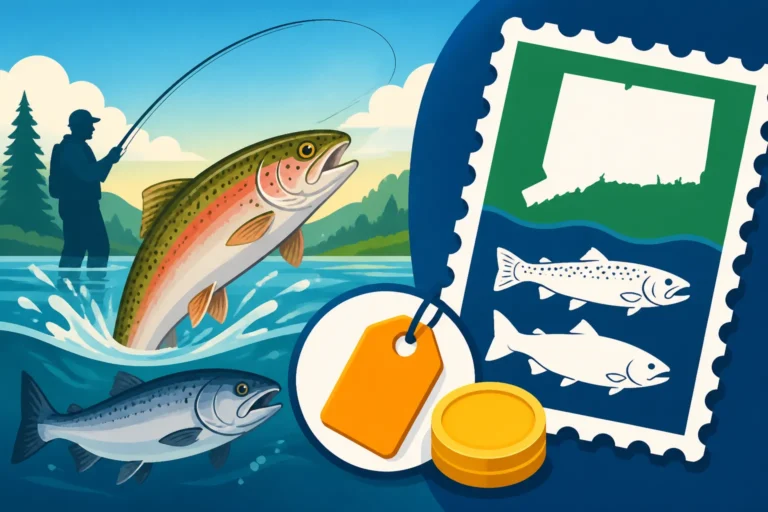
- Trout & Salmon Stamp: If you plan to fish for trout or salmon in designated trout management areas, trout parks, or any other waters where trout or salmon are stocked or managed, you must purchase a Connecticut Trout and Salmon Stamp in addition to your regular fishing license. This stamp is not optional for these specific species and waters. The revenue generated from these stamps directly supports the state's robust trout and salmon stocking program, ensuring that anglers continue to have excellent opportunities to catch these prized fish. It's a small extra step that makes a huge difference in maintaining healthy trout fisheries across the state. Without it, you're not legally entitled to keep or even target trout and salmon in these managed areas. More details can be found in Connecticut Trout and Salmon Stamp, Explained.
- Commercial Fishing Permits: For those looking to engage in commercial fishing activities, entirely different and more complex permits are required. These are not covered by recreational licenses and involve a separate application process with the DEEP. This guide focuses on recreational fishing, so if commercial fishing is your aim, you'll need to explore those specific regulations.
How to Purchase Your Connecticut Fishing License (Step-by-Step Guide)
Okay, you've figured out which license you need. Now comes the practical part: actually getting your hands on it. The good news is that Connecticut has made the process fairly straightforward and accessible, with options for online purchasing and in-person visits. No matter your preference, having a clear understanding of the steps will save you time and potential headaches. Forget standing in line at the crack of dawn, hoping the small town clerk knows exactly what you're asking for.
Buying Online Through the DEEP Portal
This is by far the most convenient and popular method for purchasing your Connecticut fishing license. The Connecticut Department of Energy and Environmental Protection (DEEP) maintains a user-friendly online licensing system that allows you to buy your license from the comfort of your home, 24/7.
- Visit the Official DEEP Website: Start by navigating to the Connecticut DEEP's official sports licensing website. You'll typically find a clear link for "Online Licensing" or "Buy a License." Be wary of unofficial third-party sites, as these might charge extra fees or not provide valid licenses.
- Create or Log In to Your Account: If it's your first time, you'll need to create an account. This usually involves providing some personal details like your name, date of birth, address, and contact information. If you're a returning user, simply log in with your existing credentials. Your account will keep a record of your past licenses, making renewals a breeze.
- Select Your Licenses: Once logged in, you'll be presented with various license options. Carefully select the appropriate fishing license (Inland, Marine, or All-Waters) and any necessary stamps (like the Trout & Salmon Stamp). Make sure to choose the correct resident or non-resident option based on your status. The system is designed to guide you through the choices.
- Review and Pay: Before finalizing, double-check all the details of your selected licenses and your personal information. Then proceed to the payment section. The DEEP portal accepts major credit cards.
- Print or Save Your License: After a successful transaction, you'll usually receive an email confirmation with a link to download and print your license. You can also typically print it directly from the website. It's a good idea to save a digital copy on your phone as well, just in case. This digital convenience means you can literally purchase a license while sitting by the water, realizing you forgot it. We have a detailed guide on How to Buy a Fishing License Online in Connecticut.
Visiting an Authorized Vendor
For those who prefer a face-to-face interaction, or perhaps don't have easy access to a printer, purchasing a license from an authorized vendor is a great alternative. These vendors are typically bait and tackle shops, sporting goods stores, and even some town clerks.
- Locate a Vendor: The DEEP website usually provides a list or a map of authorized license vendors across the state. A quick search for "Connecticut fishing license vendors near me" should also point you in the right direction. Places like Bass Pro Shops or local tackle stores are common spots.
- Bring Required Identification: When you go to a vendor, make sure to bring a valid form of identification, such as a driver's license. This is necessary to confirm your residency status and personal details. If you're applying for a discounted or special license (e.g., a senior license), you might need to bring additional proof of eligibility.
- Fill Out the Application (if needed): Some vendors might have you fill out a brief application form, or they might enter your details directly into their system. Be prepared to provide the same personal information as you would online.
- Pay and Receive Your License: Once processed, you'll pay the fee, and the vendor will print out your official Connecticut fishing license on the spot. This instant gratification is a huge plus for many anglers. It's also a great opportunity to ask local fishing questions or pick up some fresh bait! You can find a comprehensive list of vendors in our article on Where and How to Buy a Connecticut Fishing License.
Mail-In Applications
While online and in-person purchases are the norm, mail-in applications for fishing licenses are generally not a primary option for recreational licenses in Connecticut. The DEEP has streamlined its process so much through online and vendor sales that mail-in applications for general fishing licenses are largely obsolete. If there are specific, highly specialized permits or exceptions, they might still allow mail-in, but for your standard recreational fishing license, it's best to stick to the digital portal or a local vendor. Don't waste your time with a stamp and an envelope hoping it gets to the right desk; go online or visit a store for immediate service.
What to Do After You Get Your License and What to Carry
Alright, you've successfully navigated the purchase process and your shiny new 2026 Connecticut fishing license is in hand (or on your phone!). But the journey isn't quite over. There are a few critical things to understand about carrying, displaying, and maintaining your license to ensure you remain compliant throughout the fishing season. After all, what good is having a license if you can't prove it when asked?
Printing, Digital Copies, and Display Requirements
Connecticut is pretty modern when it comes to how you can carry your license, which is a huge convenience in this digital age.
- Physical Copy: Traditionally, anglers printed their license and carried it with them. This is still a perfectly valid and recommended method. It’s a good idea to keep it in a waterproof wallet or a Ziploc bag to protect it from the elements while you're out on the water. If you get your license from a vendor, they'll print it for you, typically on durable, water-resistant paper.
- Digital Copy: The Connecticut DEEP allows you to carry a digital image of your license on your smartphone or other mobile device. This is incredibly handy! You can simply save the PDF you receive via email or take a clear screenshot of your license details. When an EnCon officer asks to see your license, you can pull it up on your phone. Just make sure your device is charged! This flexibility makes things much easier for modern anglers. However, always have a backup plan, as phone batteries die and screens can break.
- Display: While you don't typically need to display your recreational fishing license prominently on your person like some states require for hunting, you must be able to present it upon demand to any authorized law enforcement officer. This means it should be readily accessible, whether it's in your tackle box, fishing vest pocket, or on your phone. Having it tucked away deep in a backpack or at home in a drawer is a recipe for trouble. For a more in-depth look at this, check out Printing or Carrying a Digital Fishing License in Connecticut.
Understanding Your License Details
Once you have your license, take a moment to actually look at it. It’s not just a piece of paper; it contains important information that confirms your legal status as an angler.
- Personal Information: Double-check that all your personal details – name, address, date of birth – are correct. Mistakes can cause issues if you're ever questioned.
- License Type and Endorsements: Verify that the license type (Inland, Marine, All-Waters) and any additional stamps (Trout & Salmon) you purchased are correctly listed. This confirms you're covered for the specific waters and species you intend to pursue.
- Effective and Expiration Dates: Most annual licenses are valid from January 1st through December 31st of the calendar year they're purchased. Short-term licenses will clearly show their specific valid dates. Knowing your Connecticut fishing license expiration date is crucial to avoid accidentally fishing without a valid license. Don't let a great day on the water turn sour because you thought your license was good for another month!
Replacements and Refunds
Life happens. Licenses get lost, torn, or accidentally run through the wash. The good news is, replacing a lost or damaged Connecticut fishing license is a relatively simple process.
- Online Replacement: The easiest way to get a replacement is usually through the DEEP's online licensing system. Log into your account, and there should be an option to reprint your license. Sometimes there's a small nominal fee for a reprint. This is instantaneous and saves you a trip to a vendor.
- Vendor Replacement: You can also visit an authorized vendor, and they can typically look up your record and print a duplicate for you, often for a small fee.
- Refunds: Generally, fishing licenses in Connecticut are non-refundable once purchased. The funds are immediately allocated to conservation programs, and the system isn't set up for easy returns. So, be absolutely certain of the license type and duration you need before completing your purchase. There are very few exceptions to this rule, so choose wisely! For more specifics, you can refer to our guide on Replacing a lost Connecticut fishing license.
Common Questions and Tricky Scenarios with Connecticut Fishing Licenses
Even with all the information laid out, there are always those "what if" scenarios or common misconceptions that can trip up even experienced anglers. Navigating the legalities of fishing can sometimes feel like trying to untangle a particularly nasty leader knot. Let's tackle some of these head-on, so you're prepared for whatever comes your way.
Fishing Without a License: Penalties and Risks
This is perhaps the most important "don't do it" of all. Fishing without a valid license in Connecticut is a violation of state law, and the consequences can range from a minor inconvenience to a significant financial hit.
- Fines: The most common penalty is a monetary fine. These fines can vary depending on the specific circumstances, such as whether it's your first offense, if you also violated other regulations, or if you were fishing in a particularly sensitive area. Expect fines to be substantial enough to make you wish you'd just bought the license in the first place, often costing more than the annual license itself.
- Confiscation of Gear: In more serious cases, EnCon officers have the authority to confiscate your fishing gear, including rods, reels, and even your catch. Imagine losing your favorite rod and reel, not to mention your day's hard-earned fish, because of an oversight.
- Legal Consequences: While less common for a first-time, simple license violation, repeated offenses or other egregious violations can lead to more serious legal action, including court appearances. It's simply not worth the risk. The small cost of a license pales in comparison to the potential legal fees, fines, and stress. Always make sure you're properly licensed before casting a line. You can learn more about the specific consequences in Fishing Without a License in Connecticut: Penalties.
Reciprocity with Neighboring States
A frequent question, especially for those who live near state borders or fish shared waterways like the Connecticut River or Long Island Sound, is about license reciprocity. Can your Massachusetts license cover you in a section of the Connecticut River? What about New York on the Sound?
- Connecticut River: Unfortunately, there is generally no reciprocity for fishing licenses between Connecticut and Massachusetts on the Connecticut River for inland fishing. If you're fishing the Connecticut River within Connecticut's state boundaries, you need a Connecticut inland fishing license, regardless of whether you hold a Massachusetts license. This also applies to the marine sections of the river, where a Connecticut marine license is needed.
- Long Island Sound: Similarly, there is no blanket reciprocity for marine fishing licenses between Connecticut and New York on Long Island Sound. If you are fishing in Connecticut waters of Long Island Sound, you must possess a valid Connecticut marine or all-waters fishing license. New York license holders must purchase a Connecticut non-resident marine license if they intend to fish Connecticut waters.
- General Rule: The safest and most straightforward rule of thumb is this: if you are physically fishing in the waters of Connecticut, you need a Connecticut fishing license. Always assume state boundaries apply, and if in doubt, purchase the local license. It prevents any confusion or potential fines.
Licenses for Tournaments and Special Events
If you're planning to participate in a fishing tournament, derby, or other organized fishing event in Connecticut, you'll still need your standard recreational fishing license (Inland, Marine, or All-Waters) as applicable to the waters of the event. The tournament itself does not exempt you from this state requirement.
- Tournament Permits: While individual anglers need their licenses, tournament organizers themselves may need to obtain specific permits from the DEEP, especially if the event involves a large number of participants, prizes, or if it's held on certain managed waters. These permits help the DEEP monitor impact on fish populations and ensure fair play.
- Youth Events: For youth fishing derbies, while participants under 16 may not need a license, the event organizers often work with the DEEP to ensure rules are followed and to perhaps even coordinate special fish stockings for the event. Always check with the tournament organizers about any specific rules or requirements they might have in addition to the standard state license.
Planning Your Connecticut Fishing Adventures
With your 2026 Connecticut fishing license secured, you're officially ready to explore the incredible angling opportunities our state has to offer. But a license is just one piece of the puzzle. To truly make the most of your time on the water, a bit of forward planning, staying informed, and equipping yourself properly can make all the difference between a good trip and a truly memorable one.
Combining with Hunting Licenses
For the outdoor enthusiast who loves more than just fishing, Connecticut offers convenient combination licenses. Instead of purchasing separate fishing and hunting licenses, you can often buy a "Resident Combination Fishing and Hunting License."
- Cost-Effectiveness: These combination licenses are typically more cost-effective than buying both licenses individually, offering a nice discount for those who enjoy both pursuits. It also simplifies things, as you only have one license to manage for an entire year.
- Convenience: All the information is on one document, making it easier to carry and present. This streamlines your outdoor recreation life, freeing you up to focus on the thrill of the chase, whether it's fish or game. Check out the specifics of Connecticut Combination Hunting and Fishing License Options to see if this is the right choice for you.
- Stamps Still Required: Remember, even with a combination license, if you plan to target specific species like trout or salmon, or engage in certain hunting activities, you will still need to purchase the appropriate stamps or endorsements in addition to your combination license. These stamps are species-specific and are designed to fund those particular conservation efforts.
Staying Updated on Regulations
Regulations aren't static; they can and do change. What was legal last year might not be this year, especially as fish populations fluctuate, and conservation efforts evolve. Staying informed is paramount to responsible and legal angling.
- The Connecticut Angler's Guide: This is your bible! The DEEP publishes an annual Connecticut Angler's Guide, which details all current fishing regulations, season dates, creel limits, and special regulation areas for both freshwater and saltwater. It's usually available online as a PDF download and in print at license vendors. Always consult the current year's guide.
- DEEP Website & Social Media: The DEEP website is constantly updated with news releases, regulation changes, and stocking schedules. Following their social media channels can also provide real-time updates and important alerts.
- Local Bait & Tackle Shops: These shops are often hubs of local knowledge. The owners and staff are usually avid anglers themselves and can provide invaluable insights into current conditions and any recent regulation changes. They're often the first to know about local nuances. Always cross-reference with the official guide, but their advice is a great starting point. Regularly reviewing resources like Connecticut Fishing Regulations Explained will keep you informed.
Recommended Gear
Having the right license is essential, but so is having the right gear to actually enjoy your time on the water. While I won't go into a full gear guide here, here are a few essentials to consider, especially for new anglers.
- Rod and Reel Combo: Start with a versatile medium-light or medium action spinning rod and reel combo. This will handle most freshwater species and even smaller inshore saltwater fish. For beginners, a combo that's already spooled with line is a great starting point.
- Tackle Box Basics: A small tackle box stocked with a variety of hooks (sizes 6-1/0), sinkers (split shot and egg sinkers), bobbers, and a few basic lures (spoons, inline spinners, soft plastic worms) will get you started. Don't overcomplicate it!
- Pliers and Line Cutters: Essential for safely removing hooks and cutting line. Look for a pair specifically designed for fishing, often with a sturdy grip and corrosion resistance if you're venturing into saltwater.
- Life Jacket: Always. Always. Always have a properly fitting life jacket, especially if you're on a boat, kayak, or even fishing near deep water. Safety first!
- Sun Protection: Hat, sunglasses, and sunscreen are non-negotiable for protecting yourself from the sun's harsh rays.
- Waterproof Bag: A small dry bag or a large Ziploc is invaluable for keeping your phone, keys, and license dry.
- First Aid Kit: A small kit with essentials like bandages, antiseptic wipes, and pain relievers is always a good idea for minor scrapes or cuts.
For many of these essentials, places like Amazon offer a vast selection, often with competitive prices and customer reviews that can help guide your choices. You can easily find starter fishing kits or individual pieces of gear on Amazon to suit your budget and needs. It’s also a great place to pick up extras like fishing line or specialized hooks. Just remember to read reviews and ensure you’re getting quality gear that will stand up to Connecticut's fishing conditions. Also, consider checking out local bait and tackle shops; they often have great advice and gear tailored for our specific waters, plus you're supporting a local business!
| License Type | Water Covered | Typical User | Valid For | Key Additional Notes |
|---|---|---|---|---|
| Inland Fishing | Freshwater (Lakes, Rivers, Ponds) | Freshwater Anglers (Bass, Trout, Panfish) | Calendar Year | Requires Trout & Salmon Stamp for those species/waters |
| Marine Fishing | Saltwater (Long Island Sound, Tidal Rivers) | Saltwater Anglers (Striped Bass, Fluke) | Calendar Year | No reciprocity with NY for LI Sound fishing |
| All-Waters | All CT Waters (Fresh & Salt) | Versatile Anglers (Switches between fresh/salt) | Calendar Year | Most comprehensive; also requires T&S Stamp for trout |
| Non-Resident 3-Day Inland | Freshwater | Visiting Anglers, Short Trips | 3 Consecutive Days | Cost-effective for short visits |
| Non-Resident 3-Day Marine | Saltwater | Visiting Anglers, Short Trips | 3 Consecutive Days | Ideal for a weekend coastal trip |
| Trout & Salmon Stamp | Specific Managed Trout/Salmon Waters | Any angler targeting Trout/Salmon | Calendar Year | Required in addition to a fishing license |
Disclaimer
Please note that while this guide aims to provide accurate and up-to-date information regarding Connecticut fishing licenses for 2026, regulations can change. It is always the angler's responsibility to consult the most current official Connecticut Department of Energy and Environmental Protection (DEEP) Angler's Guide and website for the definitive and most recent regulations before fishing. This content is for informational purposes only and does not constitute legal advice.