Connecticut striped bass circle hook requirement
There's nothing quite like the thrill of feeling a strong tug on your line, knowing it could be a powerful striped bass on the other end. But for many Connecticut anglers, the excitement can quickly turn to confusion when trying to navigate the specific rules for targeting these incredible fish, especially the often-misunderstood circle hook requirement. This guide aims to clear up all the mystery surrounding the mandate, helping you fish legally and effectively while also contributing to the conservation of this beloved species.
Understanding the Circle Hook Mandate for Striped Bass
Let's face it, fishing regulations can sometimes feel like a moving target, designed more to trip you up than to help. But when it comes to the circle hook mandate for striped bass in Connecticut, there's a clear, science-backed reason behind it: protecting the fish. It’s not just another hoop to jump through; it's a vital measure to ensure that these magnificent fish continue to thrive in our waters for generations to come.
Why Circle Hooks? The Conservation Angle
For years, traditional J-hooks were the standard for bait fishing. They're what many of us grew up using, and they work by piercing the fish's mouth, or sometimes, unfortunately, deeper. The problem with J-hooks, especially when used with bait, is that striped bass often swallow the bait whole, leading to deep hooking in the gills or gut. When a fish is deep-hooked, even if you release it, the chances of it surviving are significantly lower. This is where the circle hook comes in as a game-changer.
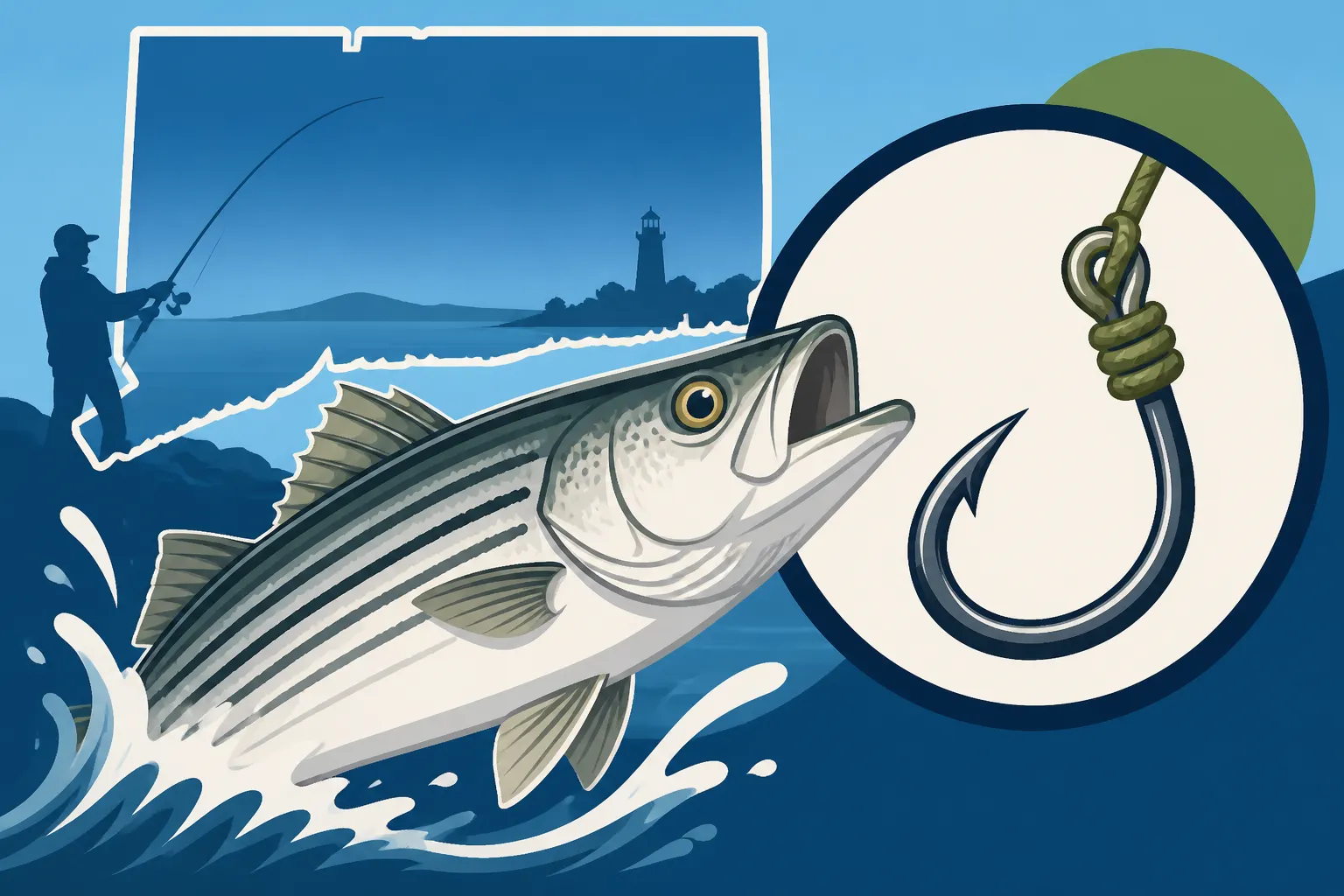
The unique design of a circle hook, with its point curving inward towards the shank, makes it incredibly difficult for a fish to swallow. Instead, as the fish moves away with the bait, the hook is designed to slide out of the esophagus and into the corner of the mouth, typically in the jaw. This "lip-hooking" dramatically reduces internal injuries, making it much easier and safer to release fish that are not within the legal slot limit or those you choose to let go. It's a simple change that has a profound impact on the survival rates of released striped bass, a critical factor for the long-term health of the species. Many of us have seen those sad cases of released fish floating belly-up, and the goal of this regulation is to minimize such occurrences.
What Constitutes a "Circle Hook" in Connecticut?
This is where some of the biggest confusion lies. Not all hooks that look like they might be "circle-ish" actually meet the legal definition. In Connecticut, the regulations are quite specific about what counts as a legal circle hook for striped bass when using bait. The key characteristic is that the hook's point must be oriented perpendicularly to the shank and must curve inward, towards the shank. This design is what prevents deep hooking.
A common pitfall is the "offset" circle hook. While these hooks also have an inward-curving point, the point is slightly offset from the shank. This offset can, in some cases, still lead to gut-hooking, which defeats the purpose of the regulation. Therefore, for bait fishing for striped bass in Connecticut, you must use a true, non-offset circle hook. If you're unsure, look for packaging that explicitly states "non-offset circle hook" or check the point's alignment. If the point and the shank are on the same plane, you're good to go. It’s always best to err on the side of caution and ensure your gear is compliant. You don't want to get caught on the wrong side of the law, especially when a simple check can prevent it.
When and Where Does This Rule Apply?
Knowing what a circle hook is is only half the battle; understanding when and where you need to use it is just as crucial. The Connecticut striped bass circle hook requirement applies specifically when you are fishing for striped bass using bait. This includes both live bait, such as fresh bunker or eels, and dead bait, like cut chunks of fish. It applies across all Connecticut waters where striped bass are found, which means both our inland marine district (think the lower stretches of tidal rivers) and the expansive Long Island Sound.
It's important to note what this rule doesn't cover. If you're primarily using artificial lures, such as plugs, soft plastics, or jigs, the circle hook requirement does not apply. The reason is that fish typically strike artificial lures differently; they tend to hit them more aggressively, and the hook-up often occurs in the mouth rather than being swallowed. So, if you're out there casting a topwater popper at dawn or jigging a flutter spoon, you can stick with your treble or J-hooks. However, if you're drifting a live eel or soaking a chunk of menhaden, those non-offset circle hooks are absolutely mandatory. Make sure to check the specific guidelines for all saltwater species in the Connecticut Saltwater Fishing Regulations by Species to stay informed.
Practical Application: Making the Switch to Circle Hooks
Switching to circle hooks can feel a little different at first, especially if you're accustomed to the aggressive rod-jerking hookset of traditional J-hooks. But trust me, once you get the hang of it, you'll find them incredibly effective and surprisingly easy to use. It’s all about adjusting your technique just a little bit.
Choosing the Right Size and Style
Selecting the correct circle hook for your intended bait and target fish is paramount. A hook that’s too small might get swallowed anyway, defeating the purpose, while one that’s too large could deter bites. For most striped bass applications in Connecticut, especially when using larger baits like whole bunker or sizeable chunks, hooks ranging from 7/0 to 10/0 are common. If you’re using smaller baits, like sand worms or chunks of clam, you might go down to a 4/0 or 5/0. The goal is to match the hook size to your bait such that the bait doesn't completely engulf the hook, leaving the point exposed enough to catch the fish’s mouth.
When shopping, remember to look for "non-offset" circle hooks. Brands like Gamakatsu, Owner, and Mustad all produce excellent quality non-offset circle hooks that meet Connecticut's requirements. You can easily find a wide selection of these hooks on platforms like Amazon, ensuring you have the right gear before you hit the water. It’s always a good idea to have a variety of sizes in your tackle box to adapt to different bait options and fishing conditions.
Rigging Your Bait with Circle Hooks
Properly rigging your bait is key to the success of a circle hook. The fundamental principle is to allow the hook to be exposed and positioned in a way that encourages it to catch in the corner of the fish's mouth as it tries to swim away.
For live bait, like a bunker or an eel, avoid burying the hook deep into the bait. Instead, gently run the hook through the nose or lips of the bait. For a bunker, many anglers prefer to hook it through the top of the nose, allowing it to swim naturally. For an eel, hooking it through the jaw or the eye socket works well. The goal is to keep as much of the hook's curve and point exposed as possible.
When using dead bait chunks, such as a piece of fresh bunker or mackerel, thread the hook through the meat and skin once or twice, leaving the entire gap and point of the hook clear of the bait. You want the point to swing freely. A common mistake is to cram the hook too far into the bait, which can prevent it from turning and setting properly. Think about how the fish will grab the bait; the hook needs to be able to rotate into that sweet spot. Getting this part right will significantly improve your hook-up ratio and ensure ethical releases.
Fighting and Landing Fish with Circle Hooks
This is perhaps the biggest adjustment for anglers used to J-hooks: there is no aggressive hookset with a circle hook. That instinct to "set the hook hard" as soon as you feel a bite needs to be completely rewired. With circle hooks, the fish sets the hook itself.
Here’s how it works:
- Feel the Bite: When a striped bass takes your bait, you'll feel a pull or a gentle peck. Resist the urge to yank.
- Let the Fish Take It: Allow the fish to swim off with the bait. This is crucial. The tension created as the fish pulls away will cause the circle hook to slide out of its throat and rotate into the corner of its jaw.
- Engage the Reel: Once you feel a steady pull and the line starts peeling off the reel, slowly tighten your drag and begin reeling. The pressure from your retrieve, combined with the fish’s movement, will effectively set the hook.
- Maintain Pressure: Keep steady pressure on the fish throughout the fight. You’ll be surprised at how well these hooks hold once they’re set.
It takes a bit of patience and trust in the hook's design, but once you experience that solid, perfectly placed hook-up in the corner of the mouth, you'll understand why this technique is so effective and beneficial for the fish. Mastering this will make your striped bass fishing much more enjoyable and successful.
Common Misconceptions and Troubleshooting
It’s completely normal to have questions or even some skepticism when a new regulation or technique comes into play. Change can be hard, especially when it involves something you’ve been doing one way for years. Let’s tackle some of the common concerns anglers have about the circle hook mandate.
"My Catch Rate Will Drop!" Addressing Efficiency Concerns
One of the most frequent complaints or fears about switching to circle hooks is that it will lead to fewer bites or lost fish. Anglers often worry that the different hook design will make it harder to catch fish, or that they won't feel the bite as well. While there might be a slight learning curve, the reality is that many experienced anglers find their catch rates remain stable or even improve once they adjust their technique.
The key is that gentle, steady pressure approach. If you try to set a circle hook like a J-hook, you'll often pull the bait right out of the fish's mouth. But when you let the fish swim and the hook does its job, the hook-up is often incredibly solid. In fact, because the hook sets in the corner of the mouth, it’s less likely to tear out during a long fight compared to some J-hook placements. You might even find that you lose fewer fish at the boat once you're accustomed to the circle hook's secure hold. It's a different rhythm, but it's an effective one. Many anglers, after a season or two, become firm believers in their efficiency.
Dealing with Unintended Catches
What happens if you're targeting another species, say bluefish or fluke, with bait and accidentally hook a striped bass on a J-hook? This is a valid concern, and it highlights the importance of understanding the regulations fully. While the intention of the rule is to require circle hooks when targeting striped bass with bait, if you inadvertently catch a striped bass on a J-hook while legally fishing for another species, you must release it immediately and unharmed.
However, the Connecticut DEEP’s stance is that if you are using bait in waters where striped bass are present, you should assume you might catch a striped bass. Therefore, to be fully compliant and responsible, if you're using bait in Long Island Sound or tidal rivers, it's generally best practice to use non-offset circle hooks regardless of your primary target. This proactive approach ensures you're always adhering to the spirit and letter of the law and doing your part for conservation. If you find yourself in a situation where you're specifically targeting other fish that require J-hooks and accidentally catch a striper, remember that quick and careful release is paramount. Always be familiar with Connecticut Fishing Regulations Explained to ensure compliance across all species.
Penalties for Non-Compliance
Let's be blunt: regulations exist for a reason, and not following them can lead to consequences. Fishing without the required non-offset circle hook when targeting striped bass with bait in Connecticut is a violation of state fishing laws. The penalties can range from fines to confiscation of gear or even suspension of fishing privileges. A DEEP Conservation Officer has the authority to issue citations, and trust me, they're out there on the water, making sure everyone is playing by the rules.
It's not worth the risk. A fine can easily outweigh the cost of a few packs of compliant circle hooks from Amazon. Beyond the legal ramifications, there's also the ethical consideration. Ignoring the circle hook mandate undermines the collective effort to conserve striped bass stocks, which ultimately impacts every angler. Make sure your tackle box is stocked with the right hooks, and always be prepared to explain your gear choices to an officer if asked. For broader implications, understand the full scope of Fishing Without a License in Connecticut: Penalties, as this covers various fishing infractions.
Beyond the Hook: Additional Striped Bass Regulations
The circle hook mandate is just one piece of the puzzle when it comes to responsible striped bass fishing in Connecticut. These fish are a prized resource, and their management involves a suite of regulations designed to ensure their sustainability. Being a knowledgeable angler means understanding the full picture.
Size and Bag Limits to Keep in Mind
Beyond the hook, knowing what you can actually keep is critical. Striped bass populations are carefully monitored, and their health is reflected in fluctuating size and bag limits. In Connecticut, and across the Atlantic coast, a "slot limit" is currently in place for striped bass. This means you can only keep fish within a specific length range, not too small and not too large, often one fish per angler per day. The exact slot limit can change, so always check the most current regulations before heading out. This is why knowing the latest Connecticut Striped Bass Slot Limit and Season is so vital.
The slot limit is designed to protect both juvenile fish, allowing them to grow and mature, and the large, mature spawning females, which are crucial for future generations. These big breeders produce the most eggs, and keeping them in the water is a primary conservation goal. Measuring your fish accurately from the tip of the snout to the end of the tail is essential. Having a reliable measuring tape or board on your boat or in your tackle bag is a must. If a fish is outside the slot, it must be released immediately and carefully.
Safe Handling and Release Practices
Even with circle hooks, proper handling of released fish is crucial for their survival. While circle hooks greatly reduce internal injury, the stress of being caught, fought, and handled can still take a toll. Here are some best practices to ensure a healthy release:
- Minimize Fight Time: Bring the fish to the boat as quickly as possible without over-stressing it. Prolonged fights can exhaust a fish, reducing its chances of survival.
- Keep it Wet: Try to keep the fish in the water as much as possible. If you need to bring it aboard for a quick photo or measurement, do so swiftly. Avoid dragging it onto hot, dry surfaces.
- Handle with Care: Support the fish horizontally, ideally with two hands—one grasping the lower jaw (without crushing it) and the other supporting the belly. Avoid holding large fish vertically by the jaw, as this can damage their internal organs.
- Use a De-hooker: Keep a de-hooking tool handy. If the circle hook is set in the corner of the mouth, these tools make it quick and easy to remove the hook without excessive handling.
- Revive if Necessary: If a fish seems lethargic before release, hold it gently in the water, facing into the current, allowing water to flow over its gills. Move it back and forth slightly until it regains its strength and swims away on its own.
These practices, coupled with the use of circle hooks, significantly increase the survival rate of released fish, playing a direct role in conservation. Learning more about Striped bass catch and release survival tips can further enhance your contribution to the fishery.
Looking Ahead: The Future of Striped Bass Conservation
The implementation of the circle hook mandate, along with strict size and bag limits, reflects a broader commitment to the long-term health of the striped bass fishery. Striped bass populations have faced challenges over the years, from overfishing to environmental factors. The regulations we have today are a direct response to these pressures, aimed at rebuilding and sustaining the stock.
As anglers, we are direct stakeholders in this future. Our adherence to regulations, our commitment to ethical fishing practices, and our support for conservation efforts are all vital. Organizations like the Connecticut DEEP continuously monitor fish populations and adjust regulations based on scientific data. Being informed, adaptable, and responsible is not just about following rules; it's about being part of the solution. Every time you choose the right hook, release a fish carefully, or respect the limits, you’re making a tangible difference for the future of fishing in Connecticut. To better understand the species you're protecting, check out our guide on Striped Bass Fishing in Long Island Sound.
| Hook Type | Description | Common Uses (Striped Bass) | Pros | Cons | Where to Find |
|---|---|---|---|---|---|
| Non-Offset Circle Hook | Point curves sharply inward, parallel to the shank. No offset from shank. | Live/dead bait for striped bass (Mandatory) | Maximizes mouth hook-ups, reduces mortality | Requires different hookset technique, initially lower hook-up | Amazon, tackle shops |
| Offset Circle Hook | Point curves inward but is slightly offset from the shank. | Often used for other species with bait | Can sometimes be easier to set for some species | May still cause deep hooking, illegal for CT stripers | Tackle shops |
| J-Hook | Traditional hook, point runs parallel to shank without curving inward. | Lures, bait for other species (not stripers) | Familiar, strong hooksets | High risk of deep hooking for bait-fed stripers | Tackle shops |
Disclaimer
The information provided in this guide is for general informational purposes only and is not intended as legal advice. Fishing regulations can change frequently. While we strive to provide accurate and up-to-date information, it is the angler's responsibility to consult the official Connecticut Department of Energy and Environmental Protection (DEEP) fishing regulations prior to any fishing activity. Always verify current laws and limits directly from the official DEEP website or printed guide to ensure compliance.