Reading the Connecticut Fishing Guide
It's incredibly frustrating when you're just trying to enjoy a peaceful day on the water, but the rules and regulations feel like a tangled mess of fishing line. Every year, it seems like something changes, or you hear conflicting information from fellow anglers, leaving you wondering if you're even legal. This guide is here to untangle that knot, showing you exactly how to navigate and understand the official Connecticut Fishing Guide, so you can fish with confidence and peace of mind.
Why the Connecticut Fishing Guide is Your Angler's Bible
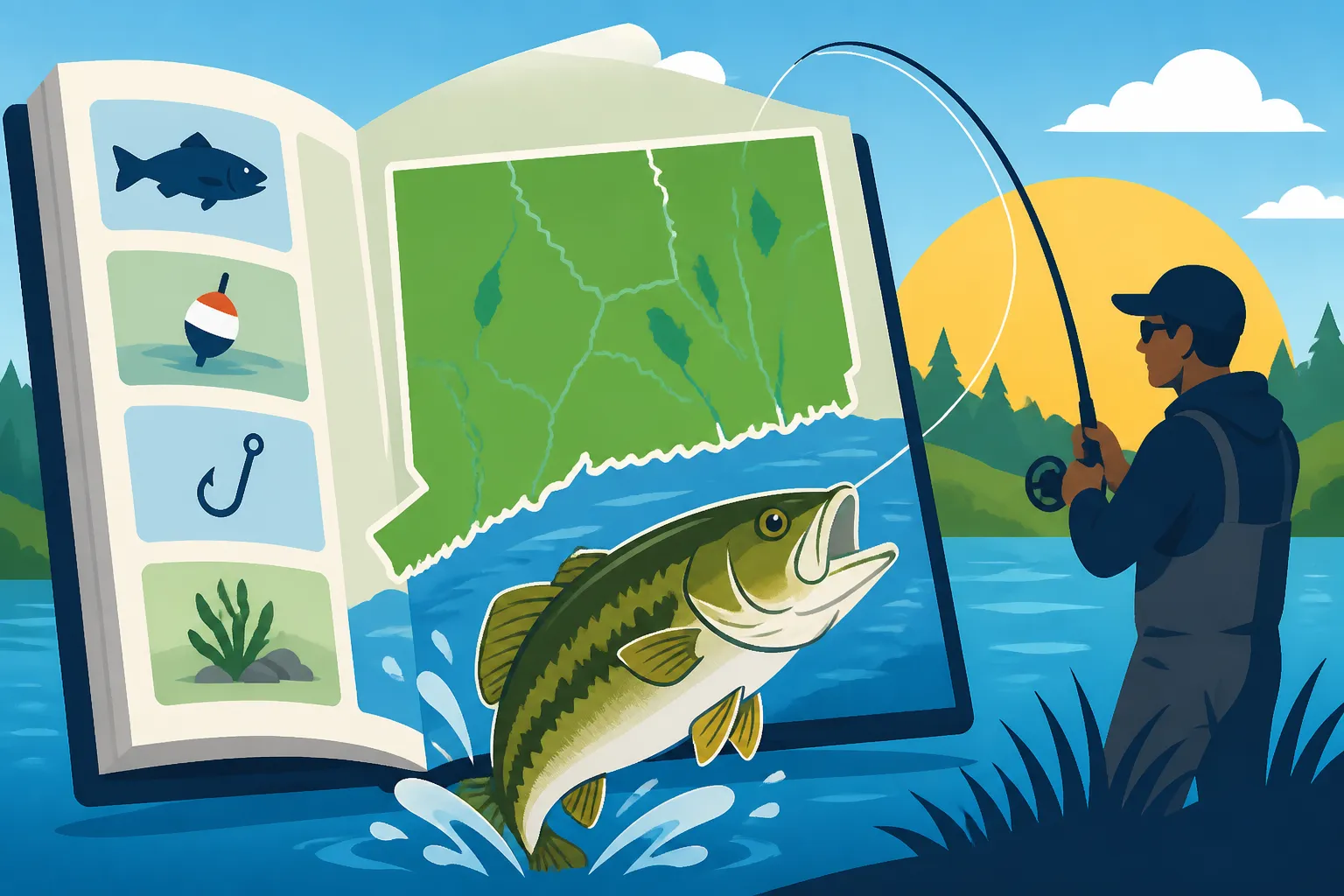
Let's be honest, nobody loves reading government documents, especially when you're itching to get your line in the water. But the Connecticut Fishing Guide isn't just another dry set of rules; it's genuinely the most crucial piece of literature any angler in our state can have. Think of it as your essential roadmap to understanding what's allowed, where to go, and even what fish you might find. Ignoring it is like trying to drive across the state without a map – you might get there eventually, but you're probably going to take a lot of wrong turns and hit some roadblocks.
More Than Just Rules: A Wealth of Information
Many folks, especially those new to fishing in Connecticut, mistakenly believe the guide is solely about legal limits and closed seasons. While those are certainly a huge part of it, the guide offers so much more. It's packed with information about various water bodies across the state, outlining species present, specific access points for boats or shore fishing, and even details about trout stocking schedules. For a beginner, it's an invaluable educational tool that helps you understand the nuances of our diverse fisheries, from the tranquil inland ponds to the dynamic waters of Long Island Sound. For the seasoned veteran, it's the definitive source to confirm those little details that might have changed since last season, ensuring you're always fishing within the bounds.
The regulations in Connecticut are anything but static; they evolve based on fish populations, environmental concerns, and federal guidelines. What was legal last year might not be this year, or a particular stretch of river might suddenly have new restrictions to protect a spawning run. The official guide, published by the Connecticut Department of Energy and Environmental Protection (DEEP), is the only truly reliable source for this up-to-date information. Relying on hearsay or a quick, unverified internet search can lead you down a tricky path.
The Frustration of Misinformation and Outdated Rules
You've probably been there: you're chatting with a buddy at the bait shop, and he tells you that the daily limit for striped bass just changed, or that a certain lake is now catch-and-release only. Then, you hear something completely different from someone else on a fishing forum. It's enough to make your head spin! This kind of conflicting information is precisely why leaning on the official guide is non-negotiable. The internet is a wonderful tool, but it's also a breeding ground for outdated or simply incorrect information about fishing regulations.
Imagine spending a beautiful day fishing, only to realize later that you were in violation of a specific rule for that body of water. The consequences can range from a stern warning to a hefty fine, and even the confiscation of your gear or catch. Not to mention the potential harm to fish populations if everyone disregards the rules. The DEEP works hard to compile this guide, and it's our responsibility as anglers to educate ourselves. Having the correct, current information directly from the source protects you, protects the fish, and ultimately, protects the future of fishing in our state. It's far better to spend a little time upfront reading the guide than to deal with the headache and cost of a violation later.
Where to Find Your Copy and What to Expect Annually
Alright, so you're convinced that the Connecticut Fishing Guide is a must-have. Now, where do you actually get your hands on it? Thankfully, the DEEP makes it pretty accessible, offering both traditional paper copies and convenient digital versions. And because regulations aren't set in stone forever, you'll need to keep an eye out for updates each year.
Accessing the Guide: Digital and Physical Copies
For those who love the feel of paper in their hands, or just prefer to flip through pages without worrying about battery life, physical copies of the Connecticut Fishing Guide are readily available. You can typically pick one up wherever fishing licenses are sold. This includes many bait and tackle shops, town clerks' offices, and some sporting goods stores like Cabela's or your local independent outdoor retailer. If you're ever near a DEEP office, you can often grab a copy there too. These printed guides are usually free, thanks to the support of local sponsors, so there's no excuse not to have one in your tackle box or glove compartment.
However, in our increasingly digital world, many anglers find the electronic version far more convenient. The entire Connecticut Fishing Guide is published as a PDF on the official Connecticut DEEP website. You can easily download it to your smartphone, tablet, or laptop. This means you have instant access to all the regulations, maps, and information right there with you on the water, without adding extra bulk to your gear. It’s perfect for those spontaneous fishing trips or for quickly looking up a rule about a specific species or body of water you've just discovered. Just make sure your device is charged! Sometimes, you might even find the current year's guide available for purchase as an eBook on platforms like Amazon, though the official DEEP PDF is always the most direct and free source.
Understanding the Annual Update Cycle
It's absolutely critical to understand that the Connecticut Fishing Guide is an annual publication. This isn't a "set it and forget it" kind of document. Each year, usually in the late winter or early spring, the DEEP releases a new edition. This annual cycle is necessary because fishing regulations are dynamic. They can change due to a variety of factors: conservation efforts, changes in fish populations, new scientific data, federal mandates (especially for marine species managed regionally), or even shifts in angler pressure.
What this means for you is that you must make an effort to obtain and review the current year's guide. Relying on last year's guide is a common mistake that can lead to unintentional violations. For instance, the exact dates for Connecticut Trout Season and Stocking Rules or the slot limits for Connecticut Striped Bass Slot Limit and Season could shift slightly from one year to the next. The DEEP usually announces the release of the new guide through their website, social media channels, and local news outlets. Staying subscribed to DEEP email newsletters is a great way to be immediately notified when the new guide is available for download or pickup. So, when the new guide drops, ditch the old one and get updated!
Navigating the Core Sections: A Deep Dive
Once you have the guide in hand, whether digital or physical, it can still feel a bit overwhelming. There's a lot of text, and it's organized in a way that requires a bit of understanding. The key is to start with the foundational rules and then drill down to the specifics.
General Regulations You Must Know First
The very first few pages of the Connecticut Fishing Guide lay out the statewide general regulations. These are the rules that apply everywhere in Connecticut, to all species, unless explicitly stated otherwise in a later section. Think of them as the bedrock of our fishing laws. This is where you'll find crucial information like the basic requirement to have a valid fishing license, general definitions of terms used throughout the guide (like "daily creel limit" or "possession limit"), and often, a quick overview of statewide legal fishing methods.
For instance, you'll learn about Connecticut Fishing License Age Requirements right at the beginning. Generally, anyone 16 years of age or older needs a valid license to fish in Connecticut. The guide also details general statewide restrictions, such as the use of barbed hooks in certain trout waters or restrictions on baitfish collection. It’s imperative to read and grasp these universal rules before you even think about looking up specific fish or locations. Missing these foundational elements can put you in violation before you even get to the tricky stuff. Always assume these general rules apply unless a more specific regulation for a particular water body or species overrides them.
Inland vs. Marine Waters: Why It Matters
One of the most significant distinctions you'll encounter early in the guide, and one that trips up many anglers, is the clear separation between inland (freshwater) and marine (saltwater) fishing regulations. Connecticut boasts incredible diversity, from its countless freshwater ponds, lakes, and rivers to its expansive coastline along Long Island Sound. The rules, species, and even the licensing requirements for these two environments are often completely different.
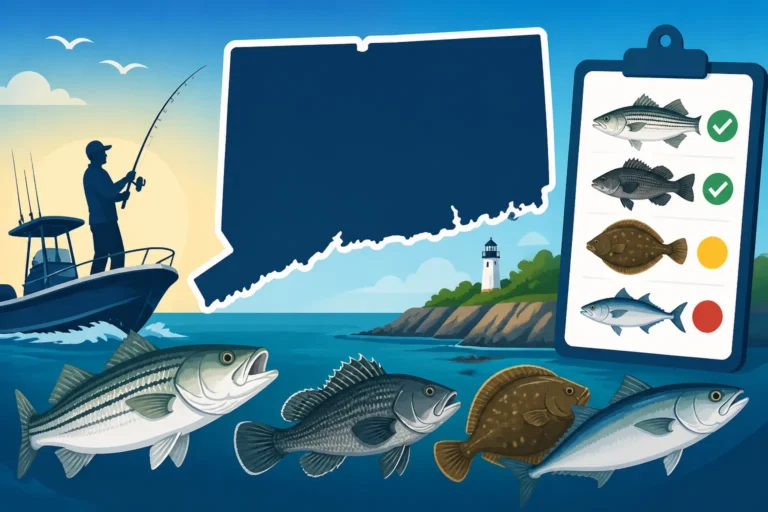
The guide is typically structured to reflect this. You'll find a dedicated section for inland fishing, covering species like trout, bass, pike, and panfish, with regulations specific to freshwater bodies. Then, a separate, equally detailed section will cover marine fishing, focusing on saltwater species such as striped bass, fluke, blackfish, and sea bass. It's critical to know which type of water you'll be fishing in, as this dictates which section of the guide you need to scrutinize. For example, if you plan to fish both the Salmon River for trout and then head out to Long Island Sound for stripers, you'll need to consult both sections. Furthermore, understanding this distinction is crucial when purchasing your license; you might need an Connecticut Inland vs Marine vs All-Waters License, Explained, depending on your fishing plans. Getting this wrong means you could inadvertently be fishing without the proper authorization, even if you thought you had a license.
| Regulation Category | General Statewide (Inland) | Special Regulation Water (Trout Management Area) |
|---|---|---|
| License Required? | Yes, 16+ years | Yes, 16+ years (plus Trout/Salmon Stamp) |
| Daily Trout Limit | Varies by species and size, e.g., 5 | Often 2, or Catch & Release Only |
| Trout Season | Generally runs April to Feb | Often year-round, but with specific rules |
| Methods Allowed | Generally bait, lure, fly | Often single hook, artificial lures/flies only |
| Hook Type | Barbed hooks generally allowed | Barbless hooks often required |
| Location Example | Most ponds, lakes, unlisted rivers | Farmington River, Housatonic River (specific sections) |
Decoding Species-Specific and Location-Specific Rules
Once you understand the general framework and the inland/marine split, it’s time to dive into the nitty-gritty: the rules for the particular fish you're targeting and the specific places you plan to cast your line. This is where most anglers spend their time in the guide, and for good reason – these details can vary wildly.
The Species Breakdown: Limits, Seasons, and Sizes
This is arguably the most referenced part of the entire guide. The Connecticut Fishing Guide dedicates extensive sections to individual fish species, listing their specific regulations. For each species, you’ll find information on:
- Minimum Length Limits: This is the smallest size a fish can be for you to legally keep it. Anything shorter must be immediately released. These are crucial for protecting juvenile fish and ensuring sustainable populations. For example, if you're targeting Connecticut Fluke and Summer Flounder Regulations, you'll find very specific length requirements that change based on the season.
- Daily Creel Limits: This tells you how many fish of a particular species you can keep in a single day. Go over this limit, and you’re in violation.
- Possession Limits: This refers to the total number of fish you can have on your person, in your cooler, or in your vehicle, regardless of when they were caught. Often, it's the same as the daily limit, but sometimes it might differ, especially if you're on a multi-day trip. Pay close attention to Connecticut Trout Limit and Possession Rules as these can be a bit nuanced.
- Open and Closed Seasons: Many species have specific times of the year when they can be legally harvested. This is especially true for anadromous fish like shad, or popular game fish that have critical spawning periods. Trying to catch blackfish outside of Connecticut Blackfish Tautog Season Dates is a no-go, for instance.
Beyond these basics, you'll also discover special provisions. For instance, Connecticut Striped Bass Circle Hook Requirement mandates the use of non-offset circle hooks when fishing with natural bait for striped bass in saltwater, a critical detail aimed at reducing mortality for released fish. Always confirm these details for the species you're pursuing before you even tie on your first hook.
Special Regulation Waters: The Exception to the Rule
This section is where many anglers, even experienced ones, can get confused if they're not careful. "Special Regulation Waters" are specific bodies of water, or even specific stretches of rivers, where the rules override the general statewide regulations. This is often done to create unique fishing opportunities, protect fragile populations, or enhance certain fisheries, like trophy trout programs.
The guide will have a dedicated section, often organized by county or watershed, listing these special areas. For example, some stretches of the Farmington River are designated as Connecticut Farmington River Trophy Trout Stream Rules, meaning they have different length limits, daily creel limits, and even tackle restrictions (e.g., artificial lures or flies only) than the general trout waters. Similarly, Connecticut Trout Management Area Regulations throughout the state, such as those on the Housatonic River, have their own sets of rules that might include catch-and-release only periods or specific harvest seasons that differ from the statewide trout season.
It cannot be stressed enough: always check if the water you plan to fish is listed as a Special Regulation Water. If it is, those specific rules take precedence over anything in the general regulations section. Overlooking this detail is one of the most common reasons anglers receive citations. The DEEP outlines these areas meticulously, sometimes even with maps within the guide, or referring to them as Special Regulation Waters in Connecticut. Understanding and respecting these unique rules is key to being a responsible angler.
Beyond the Regulations: Extra Resources in the Guide
While the regulations are undoubtedly the main event, the Connecticut Fishing Guide offers more than just rules. It's also a fantastic resource for planning your trips, discovering new spots, and brushing up on your general angling knowledge. Don't skip these valuable bonus sections!
Stocking Information and Maps
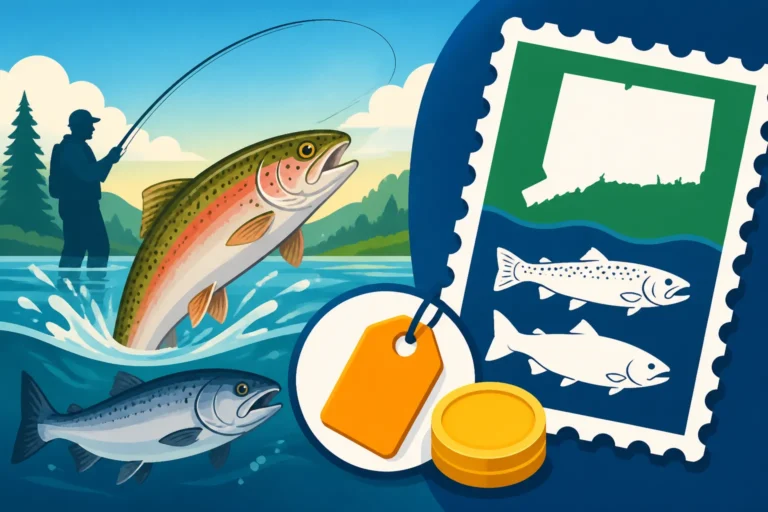
For many anglers, especially those who love chasing trout, the stocking information found in the guide is pure gold. The DEEP prides itself on its robust trout stocking program, releasing hundreds of thousands of trout into Connecticut's rivers, streams, and lakes each year. The fishing guide often includes detailed tables listing which waters are stocked, the species of trout (rainbow, brown, brook) released, and sometimes even the general timeframes for these stockings. This information allows you to strategically plan your trips to coincide with fresh stockings, increasing your chances of success.
Beyond trout, the guide might also mention other stocking programs for species like broodstock Atlantic salmon or certain warmwater fish. While the printed guide provides an excellent overview, it's worth noting that the DEEP also maintains an incredible Connecticut Interactive Trout Stocking Map, Explained online. Using the map in conjunction with the guide allows you to see the most up-to-date stocking details, pinpoint exact stocking locations, and explore new potential fishing spots. It’s an angler's best friend for finding where the fish are biting, especially during the spring opening days.
Access Points and Boating Information
Ever wanted to fish a new spot but weren't sure where to park or if there was public access? The Connecticut Fishing Guide often comes to the rescue with maps and descriptions of public fishing access points. These sections can detail boat launches, shore fishing access areas, and relevant parking information, making it easier for you to explore new waters without trespassing or wasting time searching for a legal entry point. This is especially helpful for new anglers or those venturing into unfamiliar territory, whether you're looking for a spot on the Best Fishing Rivers in Connecticut or a quiet lake.
Furthermore, if you plan on using a boat, kayak, or canoe, the guide often includes a condensed version of critical boating regulations. This might cover everything from required safety equipment, like the necessity of having enough life jackets for everyone on board (check out Life Jacket Requirements for Connecticut Boaters), to rules regarding vessel registration and operator certification. For instance, you might find details about when you need a Connecticut Safe Boating Certificate Requirement. While the guide provides an overview, remember that the full scope of Connecticut Boating Laws for Anglers is much more extensive, so if you're a serious boater, you'll want to consult the dedicated DEEP boating regulations as well. Having this information handy means you're not just fishing legally, but boating safely too.
Tips for Effective Reading and Staying Compliant
The Connecticut Fishing Guide is a powerful tool, but like any tool, its effectiveness depends on how you use it. Simply having a copy isn't enough; you need to engage with it thoughtfully to truly understand its contents and ensure you stay on the right side of the law.
Active Reading and Cross-Referencing
Don't just skim through the guide once and assume you remember everything. Treat it like an important manual. Get a highlighter, a pen, and actively read. Underline key regulations for the species you target most often. Jot down notes in the margins about specific rules for your favorite fishing spots. If you have the digital PDF, many programs allow you to highlight and annotate directly on the document, which you can then save to your device.
A crucial technique is cross-referencing. Start with the general statewide regulations. Then, when you look up a specific species, always check if there are any special regulations for the particular body of water you intend to fish. For example, if you're interested in Trout Fishing in Connecticut, first read the general trout regulations, then immediately check the "Special Regulation Waters" section to see if your chosen stream or lake has different rules. This layered approach ensures you don't miss any critical details that might override a general rule. Think of it like this: the general rules are the baseline, but the specific water or species rules are the amendments.
Common Pitfalls and How to Avoid Them
Even with the best intentions, anglers can sometimes make mistakes. Being aware of common pitfalls can help you avoid them:
- Assuming Rules are Static: As mentioned, regulations change annually. Always get the current year's guide. Don't rely on memory from last season.
- Ignoring Special Regulation Waters: This is perhaps the biggest pitfall. Many anglers, especially those new to a specific area, simply don't realize that a particular stretch of river or a small pond might have unique rules that completely contradict the statewide norms. A quick glance at the list of Special Regulation Waters in Connecticut is essential before every trip to an unfamiliar spot.
- Species Misidentification: Some fish look similar, and misidentifying your catch can lead to keeping an illegal fish. For instance, distinguishing between different trout species or different types of flounder can be tricky for beginners. Take the time to learn identification characteristics for the species you might encounter.
- Not Checking for Emergency Closures or Addendums: While the printed guide is annual, sometimes emergency regulations or closures happen mid-year due to unforeseen events (e.g., environmental issues, sudden fish population declines). Always check the CT DEEP fisheries website for any last-minute updates, press releases, or addendums before you head out. These can be crucial and might not be in your printed guide.
- Fishing Without a License: This seems obvious, but it happens. Make sure your license is current and covers the type of water you're fishing (inland, marine, or all-waters). The penalties for Fishing Without a License in Connecticut: Penalties can be severe, and ignorance is truly no excuse in the eyes of the law.
By actively engaging with the Connecticut Fishing Guide and being mindful of these common mistakes, you'll be well-equipped to enjoy our state's fantastic fishing opportunities responsibly and legally.
Disclaimer
The information provided in this guide is for general informational purposes only and is intended to help you understand how to navigate the official Connecticut Fishing Guide. While we strive to provide accurate and up-to-date content, fishing regulations can change. It is always the angler's responsibility to consult and comply with the most current official Connecticut Department of Energy and Environmental Protection (DEEP) Fishing Guide and all applicable state and federal laws and regulations before engaging in any fishing activities. This guide does not constitute legal advice.