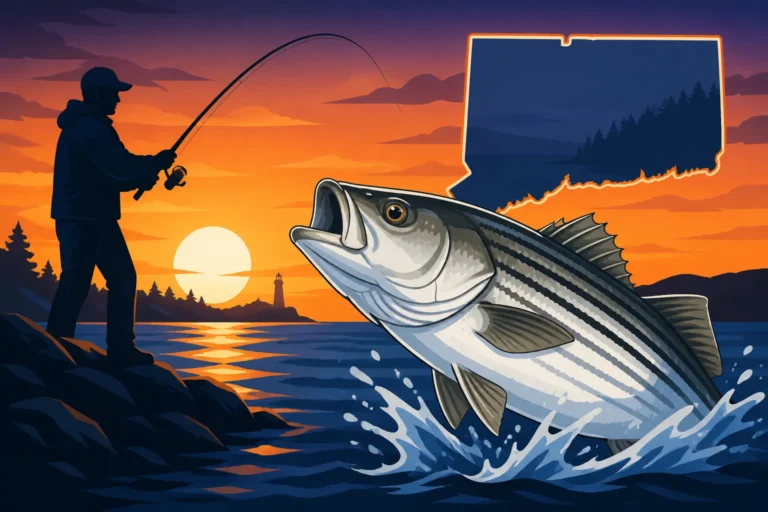
Best time of day to catch striped bass on the incoming tide
There's nothing quite like the anticipation of chasing striped bass in Connecticut, but sometimes it feels like they have a secret schedule only they know. You've heard the advice: "Fish the incoming tide!" but when exactly on that tide, and what time of day, truly makes the difference between a frustrating skunk and a bent rod? This comprehensive guide will pull back the curtain on the mysteries of the incoming tide, helping you dial in your timing for striped bass success.
Understanding Striped Bass Behavior and Tides
Striped bass are apex predators, and their entire existence revolves around finding food and expending the least amount of energy possible to get it. Tides, especially the incoming tide, create dynamic changes in their environment that directly influence their feeding patterns. Understanding these fundamental principles is your first step to consistent catches.
Why the Incoming Tide Matters
An incoming tide, also known as a flood tide, is a period when the water level rises, pushing water from Long Island Sound and the Atlantic Ocean further into Connecticut's estuaries, rivers, and along its coastline. This influx of water brings several critical advantages for striped bass, making it a prime feeding window. First, it often brings cooler, oxygen-rich water from deeper offshore areas, which is especially attractive to stripers during warmer months when inshore waters might get a bit stagnant. Think of it like fresh air being pumped into their dining room – much more comfortable!
Second, and perhaps most importantly, the incoming tide acts like a conveyor belt for baitfish and other forage. As the water pushes inland, it stirs up the bottom, dislodging crabs, worms, and other small critters from their hiding spots. More significantly, it moves schools of baitfish, like bunker (Atlantic Menhaden), spearing, and silversides, closer to shore, into estuaries, and around structures where stripers lie in ambush. These baitfish are often concentrated against points, ledges, and channels as they try to hold their position against the current or seek refuge in calmer pockets. For a striped bass, this means an easier meal is on the way, making them more active and willing to strike. This dynamic is a key aspect of successful fishing, as detailed in our guide on how to Catch Striped Bass in Long Island Sound.
Striped Bass Feeding Habits During Tidal Swings
Striped bass are opportunistic feeders, but they are also incredibly efficient. They don't just randomly chase food; they use the current to their advantage. During a slack tide, when the water movement is minimal, stripers often conserve energy, sometimes holding in deeper pockets or lying low on the bottom. But as the current begins to build on an incoming tide, their activity levels increase.
The initial push of the incoming tide can trigger a feeding frenzy, especially if there's a strong influx of bait. Stripers will position themselves strategically behind structure – rocks, jetties, bridge pilings, or submerged humps – waiting for bait to be swept past them. This allows them to dart out, grab a meal, and then return to their ambush point with minimal effort. As the tide progresses towards its peak, the current can become quite strong. During these stronger flows, stripers will often move out of the most powerful currents and hold in eddy lines, current seams, or slightly shallower areas where the current is still present but not overwhelming. They're still feeding, but they're using less energy to do so. The period just before and just after the peak of the incoming tide, often referred to as "the swing," can be particularly productive as baitfish get disoriented by the changing currents, presenting easy targets.
Pinpointing the Best Time of Day on an Incoming Tide
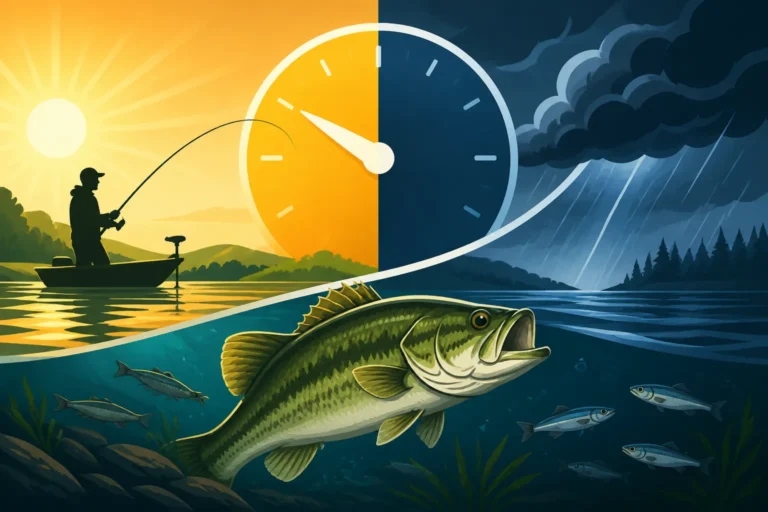
While the incoming tide itself is a crucial factor, the time of day, particularly the available light, profoundly influences when striped bass are most aggressive. Combining the right tide with the right light conditions can be a game-changer for anglers.
The Magic Hours: Dawn, Dusk, and Night
For striped bass, the "magic hours" are undeniably dawn, dusk, and throughout the night. This is especially true when these periods coincide with an incoming tide. Why? Striped bass have superior low-light vision, giving them a distinct advantage over many of their prey species during these times.
- Dawn: As the first light begins to creep over the horizon, often just before or right as the sun breaks, the world underwater transitions. Baitfish might still be schooling tightly or just starting to disperse from their nighttime resting areas, but the stripers are already awake and hunting. An incoming tide during dawn means fresh bait is being pushed into their feeding zones under the cover of low light. This combination often leads to aggressive topwater blow-ups or strong subsurface bites. It’s a prime window that demands an early start, but the rewards can be spectacular.
- Dusk: The transition from day to night mirrors dawn's productivity. As the sun dips below the horizon, casting long shadows and softening the light, striped bass become more confident and active. An incoming tide during dusk is fantastic because baitfish are often moving into shallower, safer areas for the night, only to be intercepted by hungry stripers using the current and fading light to their advantage. This is another excellent time for both topwater and subsurface presentations, as described in our broader article on the Best Time of Day to Catch Striped Bass.
- Night: Don't overlook the cover of darkness. Many veteran striper anglers swear by night fishing, and for good reason. Under the cloak of night, striped bass are often at their boldest, moving into very shallow water or onto flats that they wouldn't dare approach during daylight hours. If an incoming tide is running at night, especially around new or full moons that create stronger tidal flows, the potential for a trophy striper increases significantly. They feed by feel and lateral line more than sight, making noisy plugs, large soft plastics, or live bait exceptionally effective. Night fishing also offers a tranquility that daytime doesn't, allowing you to truly focus on the bite. For dedicated night anglers, our guide on Night Fishing for Striped Bass in Connecticut offers deeper insights.
Factors Beyond Just Tide and Time
While the incoming tide and the magic hours are paramount, a few other environmental factors can further enhance or detract from your success. Ignoring these can lead to missed opportunities, even with perfect timing.
- Moon Phase: The moon's gravitational pull significantly influences tidal strength. Full moons and new moons create the strongest tides, known as spring tides, resulting in more pronounced current flow and higher water levels. If an incoming tide coincides with these moon phases during dawn, dusk, or night, you're looking at a truly exceptional fishing window. Conversely, during quarter moons (neap tides), the tidal swings are weaker, which can make fishing a bit tougher as bait dispersal is less dramatic.
- Weather and Barometric Pressure: Stable weather, especially a few days of consistent high pressure, often translates to more active fish. A falling barometer, indicative of an approaching storm front, can sometimes trigger a pre-front feeding spree, but extreme changes or violent weather will usually shut down the bite. Overcast days can extend the "magic hours" as they provide natural low-light conditions, making mid-day incoming tides more productive than under a bright, cloudless sky.
- Presence of Bait: No matter how perfect the tide or time, if there's no bait in the water, the stripers won't be there to feed. Keep an eye out for signs of baitfish: nervous water, diving birds (gulls, terns), or even the subtle flick of a bunker's tail. If you see bait pushed up against a shoreline or concentrated in a specific area by the incoming current, that's where the stripers will be. Sometimes, this means adjusting your planned spot based on where the forage is concentrated. Many anglers check local fishing reports or even utilize resources like marine apps that track bait schools to stay ahead.
Practical Strategies for Incoming Tide Striper Fishing
Knowing when to fish is only half the battle; knowing how to fish effectively on an incoming tide is just as crucial. Your gear, how you approach the water, and your bait presentation all play significant roles in converting those prime conditions into hookups.
Gear Up for Success
Having the right tackle for Connecticut fishing is non-negotiable, especially when you're targeting strong fish like striped bass in varying current conditions. For most inshore and nearshore applications, a medium-heavy to heavy spinning rod, roughly 7 to 9 feet in length, paired with a reliable spinning reel (size 4000-6000) spooled with 30-50 lb braided line, is a versatile setup. Braided line offers superior sensitivity and casting distance, which are vital when detecting subtle bites in current or reaching distant rips. You'll want a 3-4 foot fluorocarbon leader (30-50 lb test) tied with an FG knot or similar strong knot, as its invisibility and abrasion resistance are a huge asset.
When it comes to lures and baits, variety is key. For topwater action during dawn/dusk incoming tides, popular choices include poppers like the Heddon Super Spook or various walk-the-dog lures. For subsurface work, soft plastics on jig heads (e.g., Al Gag's Whip-It Fish or Z-Man paddletails) are incredibly effective, mimicking fleeing baitfish. Bucktail jigs, often tipped with a piece of Gulp! or pork rind, are classic choices for bouncing along the bottom or jigging in current. And don't forget swimming plugs, like Daiwa SP Minnows or Bomber Long A's, which are excellent for mimicking baitfish struggling against the current. Many anglers find their go-to lures and tackle online through retailers like Amazon, ensuring they have exactly what they need for varied conditions. For a deeper dive into lure choices, check out our guide on the Best Lures for Striped Bass in Long Island Sound.
Reading the Water and Locating Fish
Successful striper fishing on an incoming tide isn't about blindly casting; it's about understanding how the current interacts with the underwater topography and surface features.
- Look for Structure: Points, jetties, rock piles, bridge pilings, and submerged humps are all prime ambush points. As the incoming current hits these structures, it creates current seams, eddies, and rips where stripers can lie in wait for bait. Cast up-current of these structures and allow your lure to drift naturally into the strike zone, mimicking a struggling baitfish being swept by the tide.
- Identify Current Seams and Eddies: A current seam is where fast-moving water meets slower water. This is a common highway for bait and a classic ambush point for stripers. Eddies are pockets of relatively calm or swirling water behind structure, offering a place for bait to regroup and for stripers to conserve energy while still being close to the food source. Fishing the edges of these seams and the "backwash" of eddies can be incredibly productive.
- Watch for Surface Activity: Keep an eye out for any signs of feeding activity. Diving birds, splashing bait, or even a subtle "swoosh" on the surface can indicate stripers are actively hunting. Often, schools of bluefish or striped bass will push bait to the surface, creating a chaotic, but exciting, feeding frenzy. If you see this, cast near (but not directly into) the disturbance to avoid spooking the school, and let your lure imitate an injured baitfish.
- Observe Baitfish Behavior: Pay attention to how baitfish are behaving. Are they hugging the shoreline? Are they in tight schools or scattered? Are they jumping out of the water? Their behavior will tell you where they're concentrating and where the predators might be lurking. Sometimes, it's not about the biggest rip, but where the bait is getting cornered by the incoming flow against a bank or a deep channel.
Mastering Specific Incoming Tide Scenarios
Whether you're casting from shore or navigating a boat, the incoming tide presents different opportunities and challenges. Tailoring your approach to your fishing platform is essential for maximizing your chances.
Shore Fishing Tactics for Incoming Water
Shore-bound anglers often have a distinct advantage on an incoming tide, as new water moves into areas previously inaccessible or unfishable at low tide. This is when the bait moves in, and the stripers follow close behind.
- Target Inlets and Breaches: Inlets, breaches in barrier beaches, and the mouths of tidal rivers are absolute magnets for stripers on an incoming tide. These funnels concentrate bait and create strong currents, making them ideal ambush points. Position yourself where you can cast into the main flow and allow your lure or bait to drift naturally into deeper holes or along current seams. Think about using heavier bucktail jigs or weighted soft plastics to get down in the current.
- Work Jetties and Rock Walls: Jetties and rock walls extend into the current, creating structure for stripers to hold behind. Cast parallel to the structure, letting your lure swing with the current, or cast out into the main channel and retrieve it back along the face of the rocks. The wash and turbulence created by the incoming tide hitting these structures disorients bait and creates prime feeding zones. Live eels are incredibly effective at night when fished along these structures on an incoming tide, as are large swimming plugs retrieved slowly. For more on land-based opportunities, explore the Best Shore Fishing Spots in Connecticut.
- Fish Salt Ponds and Estuary Entrances: As the tide floods, these areas become accessible to stripers pushing in to feed on crabs, shrimp, and smaller baitfish like spearing. Early incoming tide can be excellent for light tackle fishing with smaller soft plastics or flies in these shallower, calmer zones before the current gets too strong. As the tide pushes further, stripers will move deeper into these systems.
Boat Fishing Strategies for Incoming Currents
For boat anglers, the incoming tide opens up a vast array of possibilities, allowing access to deeper channels, offshore rips, and areas unreachable from shore.
- Drift Fishing Rips and Reefs: The strongest currents of an incoming tide often create prominent rips over submerged reefs, shoals, and structure. These rips are prime feeding grounds. Position your boat up-current of the rip and drift through it, presenting live bait (like bunker or eels), cut bait, or vertical jigs as you move over the structure. Trolling with Mojo rigs or umbrella rigs along the edges of these rips can also be incredibly effective, as discussed in our guide on Trolling Techniques for Long Island Sound Striped Bass.
- Anchor and Live-Line: If you find a productive boulder field, a deep channel edge, or an area where bait is heavily concentrated, anchoring can be a great strategy. Drop anchor up-current from the desired zone and live-line bunker or other local baitfish into the current. The incoming tide will carry your bait naturally, presenting it to stripers holding in the ambush points. Make sure to have a strong anchor and plenty of rope, as the incoming current can be powerful.
- Target Channel Edges and Drop-offs: As the incoming tide pushes water into deeper channels and along significant drop-offs, stripers will often patrol these areas, looking for bait being funneled by the current. Use your fishfinder to locate bait schools or individual fish holding along these contours. Jigging with heavier bucktails or soft plastics can be very effective, as can casting large swimming plugs parallel to the channel edges. Remember, the Connecticut Striped Bass Slot Limit and Season is important to abide by, so be sure to check current regulations before you head out.
Wrapping Up Your Incoming Tide Strategy
There's no single "best" time of day on an incoming tide that guarantees success every single time. However, by understanding the fundamental principles of how striped bass interact with tidal flows and light conditions, you dramatically improve your odds. The consistent truth is that the periods around dawn, dusk, and throughout the night, when combined with the influx of an incoming tide, offer the most reliable windows for encountering active and aggressive stripers in Connecticut's waters.
By strategically positioning yourself, utilizing appropriate gear, and paying close attention to the subtle cues the water provides, you'll start to unlock the patterns that lead to those memorable bent-rod moments. Don't be afraid to experiment, learn from each outing, and most importantly, enjoy the chase. Every cast is a new opportunity, and with these insights into the incoming tide, you're well on your way to a more successful striped bass season. For further reading on seasonal opportunities, check out our piece on the Best Time of Year to Fish in Connecticut.
Disclaimer
Fishing regulations and conditions in Connecticut are subject to change. Always consult the latest Connecticut Department of Energy and Environmental Protection (DEEP) fishing guides and advisories before heading out on the water. This information is provided for educational and entertainment purposes only and should not be considered a substitute for official regulations.