Connecticut Striped Bass Slot Limit and Season
The ever-shifting and often confusing regulations for striped bass can be a real headache for anglers, making it tough to know what's legal to keep, what must be released, and how to best play by the rules. It's frustrating when you just want to enjoy a day on the water but are constantly worried about unknowingly breaking a rule. This comprehensive guide is here to clear up the confusion around Connecticut's striped bass slot limit and season, ensuring you're fishing by the book and doing your part for conservation.
Demystifying Connecticut's Striped Bass Slot Limit
For many saltwater anglers in Connecticut, the striped bass is the quintessential game fish. They're powerful, beautiful, and a blast to catch, whether you're tossing a plug from shore or trolling the rips in a boat. However, the excitement of a striper on the line often comes with a bit of anxiety: "Is this fish a keeper?" That's where the slot limit comes in, and understanding it is absolutely critical for any responsible angler. It's not just a suggestion; it's a legal requirement designed to protect this incredible fishery.
What Exactly is a Slot Limit?
A slot limit, in simple terms, isn't about setting a minimum or maximum size for a fish you can keep, but rather a range of sizes. Think of it like a "sweet spot" for harvesting. For striped bass, this means you can only keep fish that fall between two specific lengths. Any fish smaller than the minimum or larger than the maximum must be immediately released, unharmed. This might seem counterintuitive at first glance, especially if you're used to simple "minimum length" rules for other species. Many anglers find this system a bit perplexing when they first encounter it, feeling like they're being asked to ignore the biggest, most impressive fish. However, there's a very sound biological reason behind it, rooted deeply in conservation science that focuses on the health of the overall fish population rather than just individual trophies.
The primary goal of a slot limit for species like striped bass is to protect the younger, immature fish so they have a chance to grow and contribute to the spawning stock, and critically, to protect the large, mature breeders that are essential for producing the next generation of fish. These big "cows" are the most prolific spawners, laying millions of eggs, and allowing them to continue their reproductive cycles year after year is vital. By only allowing harvest from the middle range, the slot limit aims to strike a balance, permitting some recreational harvest while safeguarding the future of the species. It's a nuanced approach, and it requires anglers to adapt their mindset from simply "bigger is better" when it comes to keeping fish.
The Current Slot Limit in Connecticut Waters
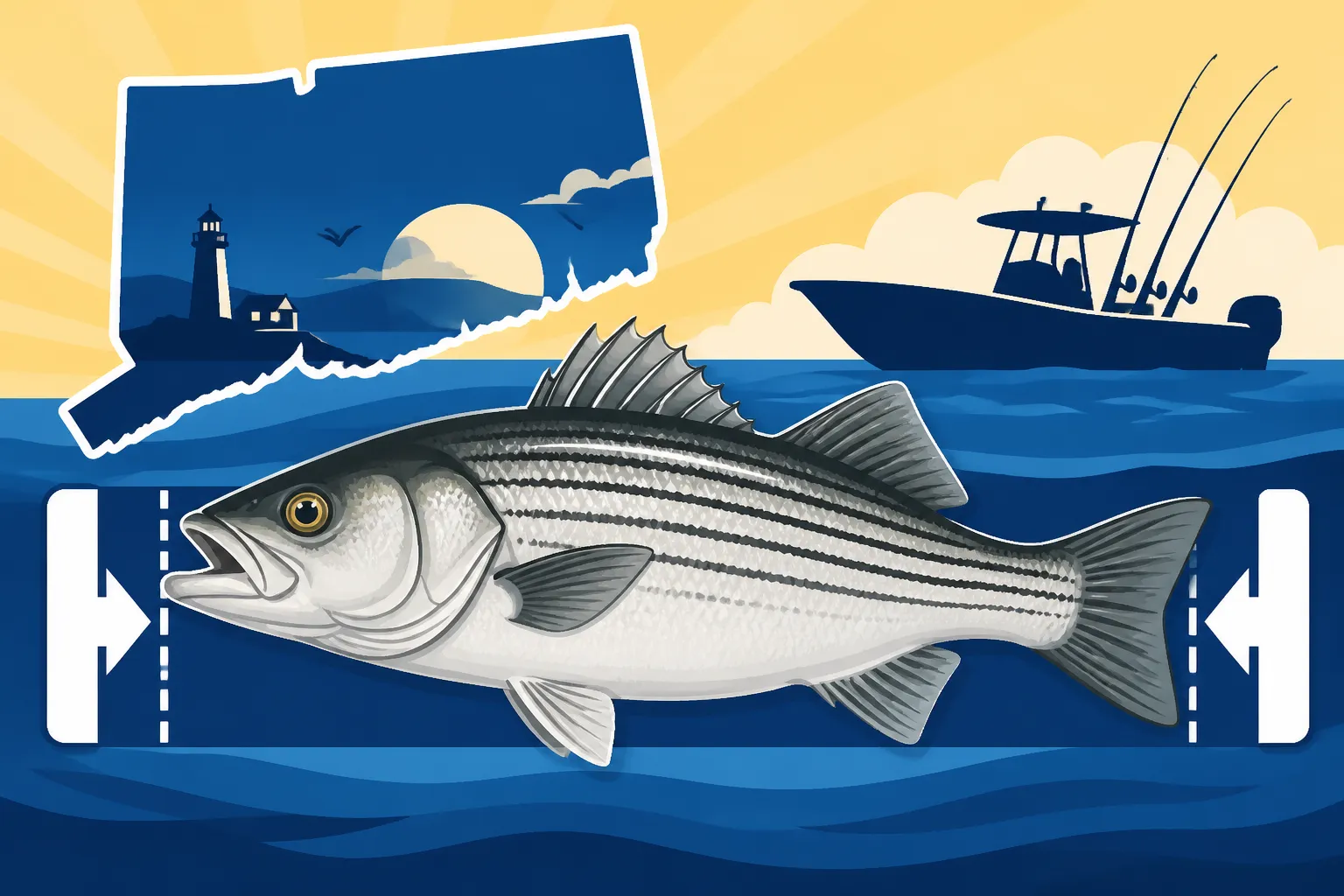
Now, let's get down to the specifics for Connecticut. As of the most recent regulations, the recreational striped bass slot limit in Connecticut waters is 28 inches to less than 31 inches. This means that if you catch a striped bass, it must measure at least 28 inches in total length but be shy of 31 inches to be legally kept. A fish measuring exactly 31 inches, for example, would be too large and must be released. This can be a tricky measurement to get right, especially on a rocking boat or a sandy beach, and it's where a lot of honest mistakes can happen. You need to be precise, as even half an inch can be the difference between a legal keeper and a violation.
When you're measuring your fish, it's crucial to understand the proper technique. Connecticut DEEP regulations, consistent with regional guidelines, stipulate that the fish must be measured from the tip of its snout to the end of its tail, with the tail compressed or squeezed together. This is often referred to as "total length." Simply holding a fish up to a ruler can be deceptive if the tail isn't properly compressed, potentially leading to an inaccurate measurement. Many anglers invest in a quality measuring board or mat, sometimes purchased online from retailers like Amazon, that allows for an accurate and quick measurement against a flat surface. This helps eliminate human error and ensures consistency every time. Failing to measure accurately can result in fines and the loss of your catch, which is a frustrating lesson to learn the hard way.
Enforcement and Your Role as an Angler
The Connecticut Department of Energy and Environmental Protection (DEEP) Environmental Conservation Police are the ones who enforce these regulations out on the water and at boat ramps and shore access points. They are well-versed in the rules and are diligent in ensuring compliance. While no one wants to encounter an enforcement officer under negative circumstances, their presence is vital for the health of our fisheries. As anglers, we play an equally important role in upholding these regulations. We are, in effect, the first line of defense for conservation.
Self-regulation is key. Every angler has a responsibility to know the rules, carry the necessary measuring tools, and make honest decisions. If you're ever in doubt about a fish's length, it's always best to err on the side of caution and release it. Remember, these regulations are designed for the long-term sustainability of the fishery, not just to make your day harder. By accurately measuring every fish, understanding the Connecticut Striped Bass Daily Limit, and promptly releasing any fish outside the slot, you're directly contributing to the future of striped bass fishing in our state. Having a dedicated measuring device, like a sturdy plastic ruler or a soft, flexible measuring tape, readily accessible in your tackle box or boat can make all the difference when that keeper-sized striper comes aboard. Many anglers even pre-mark their nets or boats at the minimum and maximum lengths to provide a quick visual reference before taking a more precise measurement.
Navigating the Connecticut Striped Bass Season
Beyond the slot limit, understanding the seasonal rules for striped bass is another fundamental aspect of responsible fishing in Connecticut. While some fish species have very clear-cut open and closed seasons that shift annually, the striped bass season often operates a bit differently, focusing more on the daily limits and length restrictions that apply year-round for recreational anglers. However, it's still crucial to be aware of any nuances or specific area closures that might affect your fishing plans.
Understanding the Open Season for Striped Bass
For recreational anglers in Connecticut, the striped bass season is generally considered open year-round. This means you can fish for striped bass any day of the year. However, this "open season" comes with the critical caveat that the slot limit and daily bag limit are always in effect. It's not a free-for-all; rather, it means the opportunity to fish for them is constant, but the rules for retention are non-negotiable every single day. This is a common point of confusion, as many folks associate "open season" with a period where you can keep whatever you catch. Not so with striped bass.
This continuous open season approach differs significantly from, say, the strict opening day of trout season or specific windows for species like blackfish. For striped bass, the focus is less on a calendar-based closure and more on managing the harvest through size and quantity limits that are consistently applied. This reflects the migratory nature of striped bass and their presence in Connecticut waters throughout much of the year, although their abundance and specific locations will certainly vary with the seasons. You'll find them actively feeding in Long Island Sound and its estuaries during the warmer months, with some resident populations present even through the winter.
Daily Bag Limits and Possession Rules
While the season might be year-round, the number of fish you can keep is strictly controlled by the daily bag limit. As of current regulations, recreational anglers are allowed to keep one (1) striped bass per person per day, provided it falls within the legal slot limit of 28 inches to less than 31 inches. This daily limit applies whether you're fishing from shore, a private boat, or a charter. There's no exception for multiple trips in a day; once you've retained your one legal fish, your harvest for striped bass for that day is complete.
Possession limits are typically tied to the daily bag limit for striped bass, meaning you cannot possess more than the daily limit at any given time, unless you are legitimately transporting your catch to your home and are no longer actively fishing. This is rarely an issue for recreational anglers who are usually heading home directly after a trip, but it's important to be mindful if you were, for example, planning a multi-day fishing excursion without immediate access to proper storage. Always check the official Connecticut Striped Bass Daily Limit to ensure you have the most up-to-date information, as these regulations can sometimes be adjusted based on stock assessments and regional management decisions by the Atlantic States Marine Fisheries Commission (ASMFC). It's a critical detail that ensures sustainability and prevents overharvest, validating the need for every angler to truly understand and respect these limits.
Special Considerations and Regulations
Beyond the slot limit and daily bag, there are other important rules to be aware of when targeting striped bass in Connecticut. One of the most significant in recent years is the circle hook requirement when fishing with bait. For a long time, J-hooks were common when bait fishing, but studies have shown they often lead to "gut hooking" fish, resulting in high mortality rates for released fish. To combat this, recreational anglers are now required to use inline circle hooks when fishing for striped bass with natural bait, such as bunker, eels, or worms. This requirement dramatically increases the survival rate of released fish by typically hooking them in the jaw or corner of the mouth, making for easier, safer unhooking. Understanding the Connecticut Striped Bass Circle Hook Requirement is not just good practice, it's the law.
Another consideration involves filleting your catch. Generally, it is illegal to possess a striped bass that has been cut up or filleted at sea if it's not immediately prepared for consumption. This regulation exists to ensure that law enforcement can accurately verify the length and species of the fish. If you plan to keep your one legal striped bass, it should remain whole until you return to shore and are ready to prepare it. It's also worth noting that while striped bass are present across a wide range of Connecticut's coastal waters, specific localized regulations might apply in certain areas or during particular events. Always consult the comprehensive Connecticut Fishing Regulations Explained guide or the DEEP website for the most current and detailed information before heading out, especially for Connecticut Saltwater Fishing Regulations by Species. Regulations are a dynamic beast, and staying informed is your best defense against unintended infractions.
The Science Behind the Slot: Why These Rules Matter
It’s easy to get caught up in the immediate gratification of a bent rod and a fish on the line. However, the regulations governing striped bass aren’t arbitrary hurdles; they’re carefully crafted tools based on scientific data, designed to protect a species that faces significant environmental and fishing pressures. Understanding the "why" behind the slot limit and season can transform frustration into a sense of purpose and contribution.
Protecting the Spawning Stock
The core biological principle behind the slot limit, particularly for a species like striped bass, is the protection of its reproductive capacity. When we implement a slot limit, we are intentionally allowing smaller, immature fish to grow to sexual maturity and contribute to spawning before they become eligible for harvest. Even more critically, the upper end of the slot protects the largest, most prolific breeders. These large female striped bass, sometimes called "broodstock," produce exponentially more eggs than smaller, younger females. A 40-pound striped bass might lay millions of eggs in a single season, while a 10-pound fish might only produce hundreds of thousands.
By releasing these larger fish, we ensure they survive to spawn multiple times throughout their lives, maximizing the genetic diversity and sheer quantity of eggs released into the ecosystem. The striped bass population has faced challenges in recent decades, with declines in spawning success in critical areas like the Chesapeake Bay. The slot limit is a direct response to these concerns, aiming to rebuild and sustain healthy spawning populations. It's a tough pill to swallow sometimes, letting go of a true trophy, but that big fish represents untold potential for future generations of stripers and the anglers who will pursue them. Every time you release a giant striper, you’re making a tangible investment in the fishery's future.
Interstate Management and Conservation Efforts
Striped bass are highly migratory fish, meaning they don't just stay in Connecticut waters. They travel extensively along the Atlantic coast, from North Carolina to Maine, often following baitfish migrations and temperature changes. This migratory behavior means that managing their population effectively requires a coordinated, interstate effort. Connecticut's regulations are not set in isolation; they are part of a larger management plan developed by the Atlantic States Marine Fisheries Commission (ASMFC). The ASMFC is an interstate compact that coordinates the conservation and management of fisheries resources from Maine to Florida.
Connecticut, through its representation on the ASMFC, plays an active role in these regional discussions and decisions. When you see changes to the slot limit or other regulations, it’s often a result of a consensus among coastal states, aiming to manage the entire Atlantic striped bass stock as a single unit. This complex dance of states agreeing on regulations can be slow and, yes, sometimes frustrating for anglers who just want consistent rules. However, it’s essential. Without this interstate cooperation, individual states could undermine conservation efforts, leading to a fragmented and ineffective management system. Understanding Striped Bass Migration Along the Connecticut Coast helps illustrate why this collaborative approach is so vital. It’s a collective responsibility to protect a shared resource that belongs to no single state.
Environmental Factors and Stock Assessments
The management of striped bass isn't static; it's a dynamic process heavily influenced by ongoing scientific research, stock assessments, and environmental factors. Biologists regularly conduct comprehensive stock assessments to evaluate the health of the striped bass population, looking at factors like spawning success, fishing mortality, natural mortality, and recruitment (the number of young fish entering the fishery). These assessments are the backbone of regulation changes. If a stock assessment reveals that the population is in decline or that overfishing is occurring, management bodies like the ASMFC will recommend more restrictive measures, such as tightening the slot limit or reducing daily bag limits.
Beyond fishing pressure, environmental factors also play a significant role. Changes in water temperature due to climate change, habitat degradation in spawning rivers, and fluctuations in baitfish populations (like menhaden) can all impact striped bass numbers. For example, recent concerns about the overall health of the striped bass stock have directly led to the implementation of the tighter slot limits we see today, a move widely supported by scientific data and conservation groups. This dynamic nature of regulations can certainly be a source of frustration for anglers, as rules seem to change frequently. However, it underscores the living, breathing nature of our fisheries and the continuous effort required to adapt and protect them. It's not about making fishing harder; it's about making sure there's fishing to be had for generations to come.
Practical Approaches for Responsible Striped Bass Fishing
Knowing the regulations is one thing, but putting them into practice effectively and ethically is another. As anglers, we have a profound impact on the fish we pursue, not just by what we keep, but by how we handle what we release. Responsible fishing practices, especially when dealing with a species under conservation management like striped bass, are paramount.
Gear Selection for Conservation-Minded Anglers
The tools we choose can make a significant difference in the survival rate of released fish. For striped bass, especially when fishing with bait, the requirement for inline circle hooks is a prime example of gear selection directly linked to conservation. These hooks are designed to catch in the corner of a fish's mouth, rather than deep in its throat or stomach, making removal much easier and less traumatic. Beyond hooks, considering the strength of your tackle is also important. While it might be tempting to use ultra-light gear for a thrilling fight, prolonging the fight with heavy fish can exhaust them to the point where they have little energy left to recover after release. Using appropriately sized rods, reels, and lines allows you to land fish efficiently, minimizing stress.
Having the right de-hooking tools on hand is also crucial. Pliers, like long-nose models, and specialized de-hookers, which you can easily find on Amazon, are essential for quickly and safely removing hooks. Some anglers even carry specialized jaw spreaders, particularly useful for larger fish with powerful jaws, to ensure a clear path for hook removal without injuring the fish or themselves. The goal is always a quick, clean release. Think about the entire process, from the hookset to the release, and choose gear that facilitates the fish's well-being.
Best Practices for Catch and Release
Since the slot limit often means releasing many fish you catch, mastering proper catch-and-release techniques is vital for ensuring the survival of those fish. The general rule of thumb is to minimize handling and maximize the fish’s time in the water. Here are some key practices:
- Keep them wet: Whenever possible, avoid removing the fish from the water, especially larger ones. If you must bring it aboard for a quick photo or measurement, do so as swiftly as possible and return it to the water immediately.
- Wet hands: If you need to handle the fish, wet your hands first. Dry hands can remove the protective slime coat from a fish, making it vulnerable to disease and infection.
- Support their weight: When holding a fish, especially large ones, support their body horizontally. Do not hold a large fish vertically by the jaw or tail, as this can cause internal damage to their organs or spine.
- Quick hook removal: Use your de-hooking tool to remove the hook as quickly and gently as possible. If a fish is deeply hooked, sometimes it's better to cut the line as close to the hook as you can rather than trying to rip it out, which can cause severe internal damage.
- Revive them: After releasing, hold the fish gently in the water, facing into the current (if there is one), until it regains its strength and swims away on its own. Never just toss a tired fish back into the water; give it time to recover.
These practices, especially outlined in guides like Striped bass catch and release survival tips, significantly increase a released fish's chances of survival and contribute directly to the health of the stock. Remember, it's not just about getting the fish back in the water; it's about getting it back in healthy.
Mastering Measurement and Retention Decisions
When you hook a striped bass that feels like it might be in the slot, the adrenaline is pumping, and decisions need to be made quickly. Having a reliable, easy-to-read measuring device is indispensable. Consider keeping a specific, rigid measuring board on your boat or in your tackle bag that goes up to at least 36 inches. Flexible tape measures can be prone to errors if not laid perfectly flat. These boards are widely available, including from online retailers like Amazon, and are often made of durable, marine-grade plastic.
When you land a fish that looks like a potential keeper, wet your hands, gently lay the fish on your measuring board, and quickly get an accurate measurement from snout to compressed tail. If it falls within the 28-to-less-than-31-inch slot and you haven't already retained your daily limit, you can decide to keep it. If it's too small or too large, release it immediately following the catch-and-release guidelines. It's helpful to have these numbers committed to memory – 28 to 31 inches. What happens if a fish outside the slot limit is accidentally mortally wounded during the fight or handling? While rare, such incidents can occur. The regulations are generally clear: you cannot retain a fish outside the slot, even if it's dead. The best practice is to learn from the experience, improve your handling techniques, and report any unusually high mortality to the DEEP. The emphasis is always on conservation and adherence to the slot limit, regardless of the unfortunate outcome for an individual fish.
Common Pitfalls and Staying Informed
Even the most experienced anglers can occasionally make mistakes or find themselves confused by evolving regulations. The dynamic nature of fishery management means that what was legal last year might not be this year. Being proactive in avoiding common pitfalls and staying on top of the latest information is crucial for enjoyable, legal fishing trips.
Avoiding Common Measurement Mistakes
Measuring a live, wriggling fish on a boat or slippery dock can be a challenge, and it's where many anglers accidentally misstep. Here are some frequent errors to watch out for:
- Not compressing the tail: A common mistake is measuring to the end of a naturally splayed tail, which will give a shorter measurement than to a compressed tail. Always pinch the tail together for an accurate total length.
- Measuring on an unstable surface: Trying to measure a fish while it's flopping on a boat deck or uneven ground can lead to an inaccurate reading. Use a flat, stable measuring device.
- Skipping the measurement altogether: In the excitement of the catch, some anglers might try to "eyeball" the length, especially if it looks "close." Never do this. Always measure. The few seconds it takes are worth avoiding a fine and embarrassment.
- Misreading the device: Double-check your numbers. Is it 28 inches or 27.5? Is it 30 inches or exactly 31? Precision is key.
The pressure of wanting to land a keeper can sometimes lead to hasty measurements. Take a breath, secure the fish as gently as possible, and get an accurate read. This not only keeps you compliant but also respects the fish and the regulations designed to protect it.
The Importance of Up-to-Date Information
Fisheries regulations are not set in stone; they are living documents that evolve based on stock assessments, scientific research, and conservation needs. This means that the slot limit or bag limit for striped bass could change, sometimes with relatively short notice, often annually. Relying on outdated information from a few years ago or even last season can lead to unintentional violations. For instance, the regulations around Connecticut Trout Season and Stocking Rules or Connecticut Boating Laws for Anglers are regularly updated, and saltwater regulations are no different.
The single most reliable source for the most current regulations is the official Connecticut DEEP website and their annual Angler's Guide. Before every season, and certainly before any significant fishing trip, make it a habit to check the latest rules. You can usually find the most recent Connecticut Fishing Regulations Explained online, often in a downloadable PDF format. Many tackle shops also carry printed copies of the guide. Taking a few minutes to review these documents is a small investment of time that can save you a lot of hassle and potential penalties. It's important to remember that ignorance of the law is not a valid defense, and it’s every angler's responsibility to be informed.
Reporting Violations and What to Do
While most anglers strive to follow the rules, unfortunate instances of illegal fishing do occur. Whether it's someone keeping undersized fish, going over the bag limit, or violating the slot limit, these actions directly harm the conservation efforts everyone else is working so hard to uphold. The Connecticut DEEP Environmental Conservation Police rely on the public's help to monitor and protect our natural resources.
If you witness a suspected fishing violation, it's important to report it. You can contact the DEEP's 24-hour dispatch line. When reporting, try to gather as much information as possible without putting yourself in harm's way: location, date, time, description of individuals, vessel name/number (if applicable), vehicle description/license plate, and the nature of the violation. Do not approach or confront individuals you suspect are violating fishing laws; leave that to the professionals. Your anonymous tip can make a real difference in protecting our fisheries for everyone. We all have a stake in ensuring the rules are followed, and sometimes, that means stepping up when something looks wrong.
Looking Ahead: The Future of Striped Bass Fishing in CT
The management of striped bass is an ongoing saga, a constant negotiation between scientific data, environmental pressures, and the desires of the angling community. Looking forward, it’s clear that changes will continue to happen. As anglers, our ability to adapt, stay informed, and engage constructively will shape the future of this beloved fishery.
Potential Future Regulation Changes
The Atlantic States Marine Fisheries Commission (ASMFC) is continually monitoring the health of the striped bass stock. Stock assessments are periodically updated, and based on those findings, the ASMFC may recommend further adjustments to regulations for all member states, including Connecticut. This could mean tighter slot limits, changes to the daily bag limit, or even more restrictive seasonal closures in the future if the stock continues to struggle. Conversely, if conservation efforts prove successful and the stock rebuilds significantly, there might be opportunities for more liberal regulations down the road. It’s a delicate balance.
Anglers should remain flexible and understand that these changes are driven by data, not by a desire to simply make fishing harder. For instance, recent discussions at the ASMFC have explored options like coast-wide closures or further reductions in the slot. These are difficult conversations, but they are necessary to ensure the long-term viability of the striped bass population. Staying abreast of these discussions and official announcements from the Connecticut DEEP is crucial, as the rules you fish under next year might not be exactly the same as today.
Advocating for Sustainable Practices
Anglers are often the most passionate advocates for healthy fisheries, and our collective voice has power. If you care deeply about striped bass, consider becoming involved in conservation efforts. Joining local fishing clubs or national organizations that advocate for marine conservation, such as the Coastal Conservation Association (CCA) or Stripers Forever, can provide avenues for your voice to be heard. These groups often participate in public comment periods for proposed regulation changes, lobbying on behalf of recreational anglers and conservation.
Attending public meetings, submitting written comments, and simply educating fellow anglers about the importance of sustainable practices are all ways you can contribute. It's about more than just catching fish; it's about being a steward of the resource. By actively participating in the conversation and advocating for sound, science-based management, we can help ensure that our interests, both recreational and conservational, are represented in future decision-making processes. Your passion for Striped Bass Fishing in Long Island Sound can be a powerful force for good.
Embracing the Spirit of Conservation
Ultimately, the future of striped bass fishing in Connecticut, and along the entire Atlantic coast, rests on a shift in mindset for many anglers. While the thrill of harvesting a legal fish is undeniably rewarding, there's growing emphasis on the joy of the pursuit itself, the fight, and the successful release. For many, catch and release, especially for the larger, more mature fish, is becoming the norm rather than the exception. Even within the legal slot, some anglers choose to release their catch, prioritizing the fish's role as a breeder.
Embracing this spirit of conservation means viewing yourself not just as a consumer of the resource, but as a guardian. It means taking pride in practicing impeccable catch-and-release techniques, educating others, and understanding that every fish released successfully is a win for the entire ecosystem. The beauty of a striper, its power, and its elusive nature make it one of the most exciting fish to target. By respecting the regulations, staying informed, and prioritizing conservation, we ensure that future generations of anglers will have the same opportunities to experience the exhilarating fight of a Connecticut striped bass.
| Aspect | Current Connecticut Striped Bass Recreational Regulations (as of 2024) |
|---|---|
| Season | Open Year-Round |
| Slot Limit | 28 inches to less than 31 inches Total Length |
| Daily Bag Limit | One (1) fish per person per day |
| Circle Hook Rule | Required when fishing with natural bait |
| Filleting at Sea | Not permitted (fish must remain whole) |
Disclaimer
The information provided in this guide is for general informational purposes only and is based on current Connecticut fishing regulations. Regulations are subject to change at any time. It is the angler's responsibility to consult the official Connecticut Department of Energy and Environmental Protection (DEEP) website or the current year's Connecticut Angler's Guide for the most up-to-date and complete regulations before engaging in any fishing activity. Non-compliance with fishing regulations can result in fines and penalties.