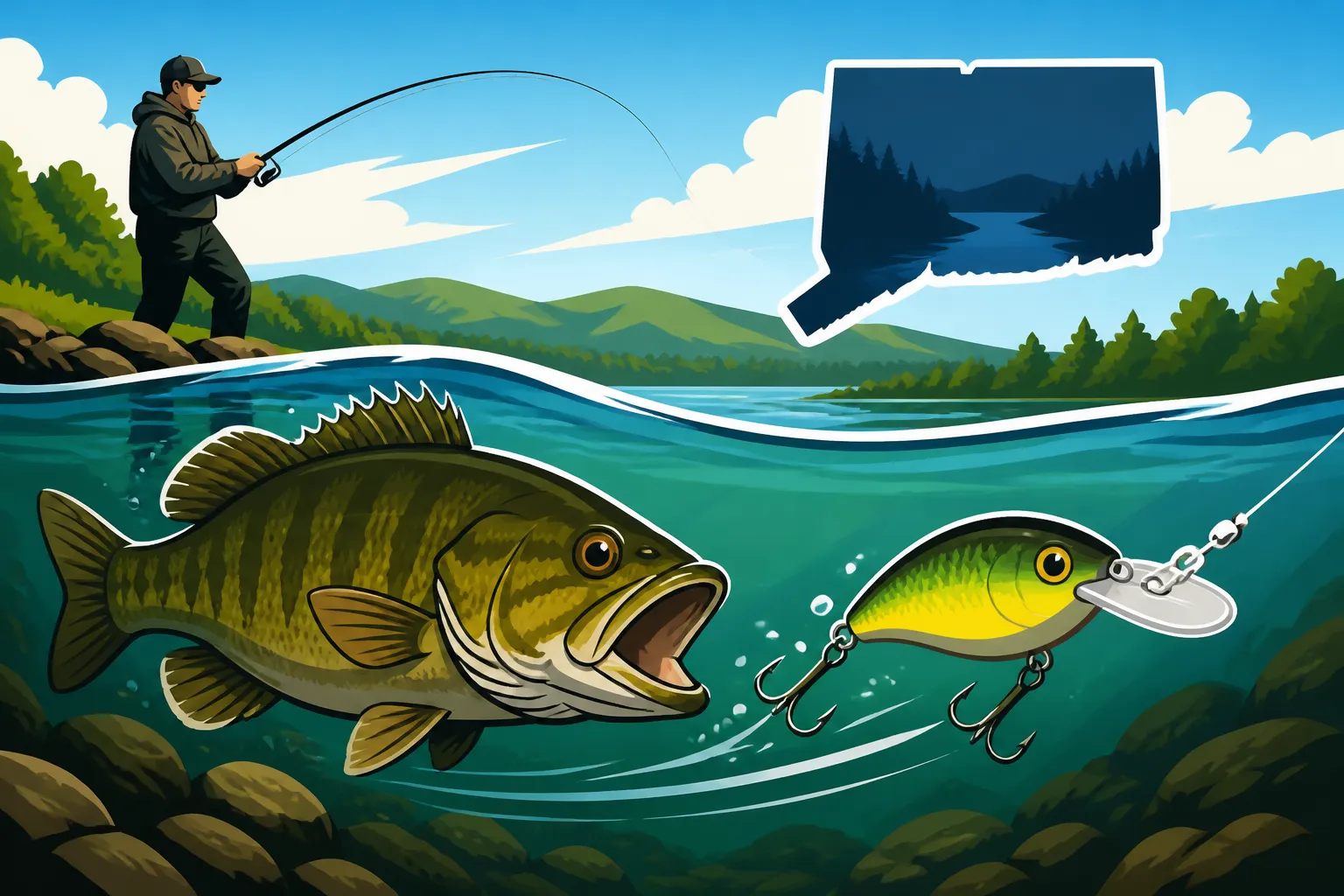
Best crankbait retrieve for Housatonic smallmouth
Fishing for smallmouth bass on the Housatonic River can be incredibly rewarding, but it can also be downright frustrating when you're not getting bites. There's nothing worse than casting your favorite crankbait repeatedly, feeling nothing but current, and wondering if you're doing something wrong. This guide is dedicated to helping you master the best crankbait retrieve techniques specifically tailored for the Housatonic's feisty smallmouth, ensuring you get more strikes and fewer head-scratching moments.
Understanding Housatonic Smallmouth Bass Behavior
Before we even talk about cranking, we need to get inside the head of a Housatonic smallmouth. These bronze beauties are creatures of habit, yet they're also highly adaptable to the dynamic conditions of a river system. Their behavior dictates where they'll be, what they'll eat, and most importantly for us, how they'll react to your presentation. If you want to consistently catch smallmouth bass in Connecticut rivers, understanding these fundamentals is key.
Seasonal Influences on Feeding Patterns
The Housatonic River smallmouth bass are not static creatures; their activity levels and preferred feeding zones shift dramatically with the seasons.
- Spring Awakening: As the ice recedes and water temperatures climb into the 40s and 50s Fahrenheit, smallmouth begin to shake off their winter lethargy. They'll start moving out of deeper wintering holes and into shallower, sun-warmed areas, often near spawning grounds. During this pre-spawn period, they are aggressive, looking to bulk up. A slower, more deliberate retrieve that gives them a chance to eye the lure is often best. They might be in eddy lines, behind current breaks, or in slower pools adjacent to faster water. Once spawning begins, typically when water temps hit the mid-60s, they become fiercely protective of their nests. During this time, they'll often strike anything that comes too close, even if they're not actively feeding.
- Summer Heat: When the Housatonic truly warms up in July and August, smallmouth activity can become a bit more nuanced. While they'll still chase a fast-moving bait, especially during dawn and dusk, they'll often seek refuge in deeper, cooler pockets of water or dense current breaks during the hottest parts of the day. Structure like large boulders, submerged logs, and deeper riffles become prime real estate. During summer, the smallmouth in the Housatonic can be very active, but you might need to target them earlier or later in the day. The retrieve should often be faster and more erratic, mimicking a frantic baitfish trying to escape. Understanding the Best time of year to fish in Connecticut, especially for smallmouth, often comes down to these seasonal nuances.
- Autumn Aggression: Fall is arguably one of the best times to target Housatonic smallmouth with crankbaits. As water temperatures drop, these fish enter a "feeding frenzy" phase, packing on calories for the lean winter months. They'll be found throughout the river, often in shallower stretches near deeper pools, actively chasing baitfish. This is when aggressive retrieves with larger, flashier crankbaits can really shine. They're trying to eat as much as possible, making them less finicky about presentation speed and more focused on the meal itself.
River Structure and Current Preferences
The Housatonic River is a dynamic environment, filled with diverse structures and varying current speeds. Smallmouth bass are masters at using this to their advantage, positioning themselves to ambush prey while conserving energy. If you want to learn how to fish a river for smallmouth bass, you need to think like one.
- Current Breaks and Eddies: These are prime smallmouth holding areas. Any obstruction—a large rock, a fallen tree, a bridge abutment—that breaks the main current creates a calmer "slack water" zone. Smallmouth will sit just out of the main current, waiting for food to be swept past them. Your retrieve should focus on drifting your crankbait into these zones, or running it parallel to the current break, allowing the lure to pause or slow down as it enters the calmer water, mimicking a disoriented baitfish.
- Riffles and Runs: These shallower, faster-moving sections of the river are often overlooked but can hold aggressive fish, especially during periods of lower light or when insect hatches are prevalent. Smallmouth here are often smaller but extremely feisty. A fast, erratic retrieve that darts and dives can be deadly, as the fish have less time to inspect the lure in the turbulent water.
- Pools and Deep Pockets: Deeper pools offer sanctuary and cooler temperatures, especially in summer. Look for structure within these pools, like rock piles, ledges, or submerged timber. Cranking these areas requires lures that can reach deeper depths and retrieves that allow the bait to "work" in the strike zone longer. A methodical approach, sometimes with pauses, can trigger strikes from less active fish. Understanding the Housatonic River Fishing Guide and its various sections will greatly enhance your success. The Housatonic River Trout Management Area Fishing sections, while known for trout, often hold strong smallmouth populations as well, especially below trout stocking points where they feed on displaced forage.
The Art of the Crankbait Retrieve for Housatonic Smallmouth
Now that we understand where and when these fish are likely to be, let's dive into the core of the matter: how to retrieve your crankbait effectively. It’s not just about reeling in; it’s about creating an illusion, a story, that makes that smallmouth want to strike.
The Stop-and-Go Jerk
This retrieve is a classic for a reason – it works! It’s particularly effective when fish are somewhat lethargic, perhaps in cooler water, or when they're hiding tightly to cover and need a strong trigger to react. The key is unpredictability, mimicking a struggling baitfish.
- How it works: Cast your crankbait to your target zone. Once it reaches its desired depth (for diving crankbaits) or begins its retrieve path, give your rod tip a sharp, downward twitch or sweep, then pause. During the pause, the crankbait will float up slightly (if it's a floating crankbait) or suspend (if it's a suspending crankbait), often turning to one side. This erratic motion and subsequent "dying" action is incredibly enticing.
- When to use it: This retrieve shines in colder water conditions, like early spring or late fall, when smallmouth are less inclined to chase a fast-moving meal. It's also fantastic when fishing around heavy cover such as submerged trees, rock piles, or dense weed edges. The pause allows the fish a moment to hone in on the lure. I’ve found great success with this technique in the slower, deeper pools of the Housatonic, particularly when targeting less active fish hunkered down against current.
- Gear consideration: For this retrieve, a medium-heavy rod with a moderate-fast action is ideal. The softer tip allows for a better "jerk" without ripping the bait too far, while the backbone helps drive the hooks home. A baitcasting reel with a gear ratio around 6.4:1 or 7.1:1 provides enough speed to pick up slack quickly after the pause, but doesn't encourage you to reel too fast during the "go" part of the retrieve. You can find some excellent crankbait rods and reels on Amazon that are perfect for this technique.
The Steady Grind
Sometimes, simplicity is key, especially when smallmouth are actively feeding and aggressive. The "steady grind" isn't just a straight retrieve; it's about maintaining consistent contact with the bottom or desired structure, creating a constant vibration and deflecting off obstacles.
- How it works: Cast your crankbait and let it dive. Once you feel it ticking the bottom or bumping into structure, maintain a steady retrieve speed. The key is to feel those deflections. Every time the crankbait hits a rock, log, or gravel patch, it changes direction abruptly, often triggering a reactionary strike. It's like a hungry smallmouth is waiting for that exact moment of vulnerability.
- When to use it: This retrieve is excellent for covering a lot of water and locating active fish, especially during periods of higher fish activity like late spring, summer, or fall. It's fantastic in riffles and runs where smallmouth are holding tight to current breaks, or along gravel bars and rocky stretches. The constant vibration helps fish locate the lure in turbulent water. I’ve often used this when traversing longer stretches of the Housatonic, letting the lure bump and grind its way through promising areas.
- Matching the lure: For the steady grind, you’ll typically want crankbaits with a good, tight wobble that can maintain their action at various retrieve speeds. Look for ones with durable lips that can withstand repeated impacts with rocks. A medium-diving crankbait is often versatile enough for many Housatonic scenarios, but be prepared to adjust to a shallow or deep diver depending on the specific depth you're fishing.
The Deflection Dance
This is perhaps the most exhilarating and effective crankbait retrieve for Housatonic smallmouth, as it directly capitalizes on their predatory instincts. Smallmouth are ambush predators, and a crankbait careening off a rock mimics an injured or disoriented baitfish perfectly.
- How it works: The goal here is to intentionally crash your crankbait into submerged objects like rocks, logs, or even the river bottom. Cast your lure so it dives down and makes contact. The moment you feel that "thump" or "tick," pause your retrieve for a split second, then resume. The sudden change in direction and brief pause often triggers an immediate strike from a nearby smallmouth. It's a game of chicken with the river bottom.
- When to use it: This is absolutely deadly when fishing rocky bottom areas, around large boulders, bridge pilings, or submerged wood. Anywhere smallmouth have cover to hide and ambush prey, the deflection dance will excel. The Housatonic has endless stretches of prime smallmouth habitat like this, particularly where the current flows over rocky beds.
- Choosing the right crankbait: You’ll want durable crankbaits with strong hooks for this technique. Lures like the Rapala Shad Rap or the Strike King KVD 1.5 are renowned for their ability to deflect effectively. The lip design is crucial here; a wider, squarer lip helps the bait "kick" off structure rather than simply snagging. Look for something that dives to just above the depth of the structure you're targeting, allowing it to "bang" into it rather than constantly digging. Ensure you have extra crankbaits on hand when using this method, as snags are an inevitable part of the game!
Matching Crankbaits to Conditions and Retrieve Styles
Choosing the right crankbait is just as critical as the retrieve itself. With countless options available, narrowing it down for the Housatonic River can feel overwhelming. But understanding some basic principles about dive depth, lip design, and color can make all the difference.
Diving Depths and Lip Designs
Crankbaits are essentially classified by how deep they run, which is primarily determined by their lip (or bill) design and angle.
- Shallow Divers (0-5 feet): These usually have a short, steep-angled lip. They’re fantastic for fishing shallow flats, rocky shorelines, or over submerged weed beds in the Housatonic. When smallmouth are chasing baitfish in shallower current breaks, a shallow diver retrieved with a steady grind or even a walk-the-dog style can be incredibly effective. They're also great for covering the top of submerged structure without getting constantly hung up. Brands like Berkley and Rapala offer excellent shallow-diving options that are readily available on Amazon.
- Medium Divers (5-12 feet): These are perhaps the most versatile for the Housatonic, featuring a longer, less steep lip than shallow divers. They can reach those mid-depth pockets, sweep through deeper runs, and deflect off rocks that are a bit further down. If you're unsure of the depth, a medium diver is a great starting point. They perform well with all three retrieve styles mentioned above, adapting to what the fish prefer. Many anglers find their "go-to" river crankbait falls into this category.
- Deep Divers (12+ feet): Characterized by a very long, often horizontal lip, these are for reaching the deepest pools, river channels, and ledges. While much of the Housatonic is relatively shallow, there are deeper stretches, particularly near larger bridge structures or dam outflows, where a deep diver is necessary. The key is to get it down to the fish’s level. When fishing these, a slower, steady retrieve or a deliberate stop-and-go can be effective, letting the lure plumb the depths and bounce off bottom structure where those bigger smallmouth might be lurking.
Color and Pattern Choices
Crankbait color can be a hotly debated topic among anglers, but for Housatonic smallmouth, it often comes down to matching the hatch and water clarity.
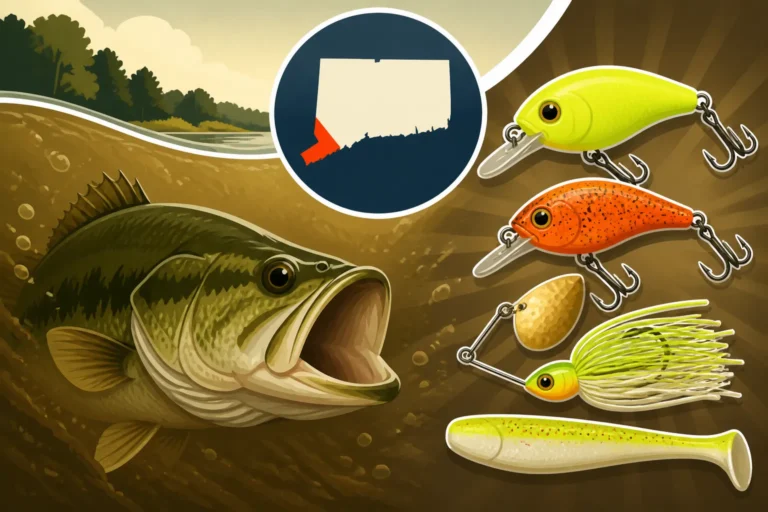
- Natural Patterns: These are your bread and butter. Think crawfish imitations (browns, oranges, greens), baitfish patterns (shad, minnow, perch, bluegill), or even subtle olive and silver. When the water is clear, and the smallmouth have time to inspect the lure, natural colors are almost always the way to go. Consider what forage is present in the Housatonic; if you see shiners, use a shiner pattern. If there are plenty of crawfish, a brown or orange craw pattern is a must.
- Flashy and Bright Patterns: Sometimes, you need to grab attention. Chartreuse, fire tiger, bright blues, or fluorescent oranges can be incredibly effective, especially in stained or murky water. The added visibility helps fish locate the lure. They can also trigger a reactionary strike from aggressive fish, even in clear water, if they’re highly active. On a cloudy day, or after a rain when the river might have a bit more color, don't be afraid to tie on something brighter.
- Water Clarity is King: As a general rule, in clear water, stick to natural, translucent colors. In stained or muddy water, switch to brighter, opaque patterns that offer a stronger silhouette and more contrast. Pay attention to how the light hits the water too; on bright, sunny days, a little flash can be good, but too much might scare finicky fish. On overcast days, brighter colors can cut through the gloom.
Gear Considerations
The right rod, reel, and line can significantly improve your crankbait presentation and hook-up ratio.
- Rod Selection: A medium to medium-heavy power rod with a moderate or moderate-fast action is ideal for crankbaits. The "softer" action allows the rod to load up better during the cast, absorb violent strikes without tearing the hooks out, and transmit the lure's action and bottom contact effectively. For river fishing, a rod length of 6'6" to 7'2" is usually versatile enough, allowing for accurate casting in tighter spots while still providing good leverage.
- Reel Choice: A baitcasting reel is generally preferred for crankbait fishing due to its power and control. A gear ratio between 5.4:1 and 6.4:1 is often recommended. This slower retrieve speed encourages you to work the bait more deliberately and allows the lure to achieve its maximum diving depth and action. If you're primarily doing a steady grind or covering vast areas, a slightly faster 7.1:1 reel can be useful, but be mindful not to overwork the bait. Look for reels with a smooth drag system, as Housatonic smallmouth fight hard!
- Line Options:
- Fluorocarbon: My go-to for crankbaits. It's nearly invisible underwater, extremely abrasion-resistant (critical when deflecting off rocks), and sinks, which helps your crankbait dive deeper and track more accurately. A 10-15 lb test is usually perfect for most Housatonic smallmouth applications.
- Monofilament: A good alternative, especially if you want your crankbait to run a little shallower or have a bit more stretch. Its buoyancy can also be an advantage for shallow-diving crankbaits where you want to keep them just over weeds or rocks. 10-14 lb test is common.
- Braided Line: While incredibly strong and sensitive, braid's lack of stretch can be detrimental with treble hook lures, potentially ripping hooks out. If you do use braid, consider a fluorocarbon leader of at least 3-4 feet to add some shock absorption and invisibility.
Advanced Tips and Troubleshooting Your Crankbait Retrieve
Even with the right gear and techniques, the Housatonic can throw curveballs. Mastering crankbaits means knowing how to adapt.
Reading the Water for Optimal Retrieve Speed
The Housatonic River's current is a dynamic force that directly impacts how your crankbait behaves and how smallmouth react. Learning to read the water flow is paramount.
- Against the Current: When retrieving directly against the current, your lure will work harder and dive deeper than indicated on its package, and its action will be more pronounced. You’ll need a slower retrieve speed to keep it in the strike zone and prevent it from "blowing out" (losing its action) due to excessive speed. A slow, steady grind or a methodical stop-and-go works well here, letting the current enhance the lure's natural wobble. This is often the most common and effective way to fish a crankbait in a river, allowing the smallmouth to see the bait coming with the current pushing it naturally towards them.
- With the Current (Downstream): Retrieving with the current makes your lure run shallower and with less action. You'll need to increase your retrieve speed to get the bait to dive and work properly. This can be tricky, as fish often face upstream, so they might not see the lure approaching head-on as easily. However, a fast, erratic retrieve downstream can imitate a fleeing baitfish, triggering pursuit strikes. This is a great way to cover water quickly, especially in shallower, wider stretches.
- Across the Current (Quartering): Casting quartering upstream or downstream and letting the current sweep your bait as you retrieve is incredibly effective. It allows the crankbait to swing through prime holding areas like eddy lines and current seams, presenting a natural drift. Vary your retrieve speed as the lure moves from faster to slower water, giving it a natural "dart and pause." Learning how to catch smallmouth in a Connecticut river current involves mastering this quartering retrieve, letting the current do some of the work.
Troubleshooting Common Retrieve Issues
No matter how experienced you are, you'll encounter problems. Here's how to tackle some common ones when fishing the Housatonic.
- Constant Snags: If you're constantly getting hung up, it's a sign your crankbait is diving too deep for the area you're fishing. Try a shallower-diving crankbait, lighten your line (which allows the lure to run shallower), or simply increase your retrieve speed to keep the bait higher in the water column. You might also be fishing too slowly. Sometimes, a faster retrieve that allows the bait to bounce off structure quickly prevents it from getting wedged. Using a crankbait with a square lip can also help; these lips are designed to deflect off obstacles rather than dig in. If fishing heavily snaggy areas, consider a weedless soft plastic jig or a Texas-rigged plastic instead.
- Missed Strikes or Short Bites: When smallmouth are bumping your crankbait but not committing, it's frustrating. This often means they're following the lure but not aggressively eating it.
- Slow Down: Try a slower retrieve with more pauses. The stop-and-go jerk can often convert those tentative bumps into full strikes.
- Change Lure Size: Sometimes a slightly smaller crankbait, mimicking a less intimidating meal, can do the trick. You can often find smaller, highly effective crankbaits for different scenarios on Amazon.
- Change Color: A different color might be the subtle trigger they need.
- Check Hooks: Dull hooks will lead to missed fish. Always check your treble hooks; sharpen them or replace them if they're bent or dull.
- Vary the Retrieve: If you're consistently using a steady retrieve, switch to erratic twitches or deflections. Unpredictability often triggers reactionary strikes.
- No Bites at All: The dreaded skunk. If you're not getting any action, systematically troubleshoot:
- Change Location: Smallmouth might have moved. Explore different types of Housatonic structure – from riffles to deep pools to current breaks.
- Change Lure: Swap out your crankbait for a different diving depth, color, or even lure type entirely. Maybe they want a jig or a topwater bait.
- Change Retrieve: Try all three retrieve styles discussed. If one isn't working, the others might.
- Check Water Temperature: Understanding the Best water temperature for smallmouth bass fishing is crucial. If the water is too cold, they'll be lethargic; too hot, they'll be deep and inactive. Adjust your retrieve depth and speed accordingly.
- Consider the Weather: A cold front can shut down a bite entirely. If you're fishing after a cold front, fish will likely be tight to cover, less aggressive, and require a much slower, more subtle presentation.
By paying close attention to these nuances and being willing to adapt your approach, you'll significantly increase your chances of hooking into some fantastic Housatonic River smallmouth bass. Don't be afraid to experiment, and remember, every day on the water is a learning experience!
Disclaimer
Fishing regulations and conditions can change rapidly. Always consult the latest Connecticut DEEP fishing regulations before heading out. This guide is for informational purposes only and does not constitute official legal advice. Enjoy your time on the water, and fish responsibly!