Best lure color for muddy water bass fishing
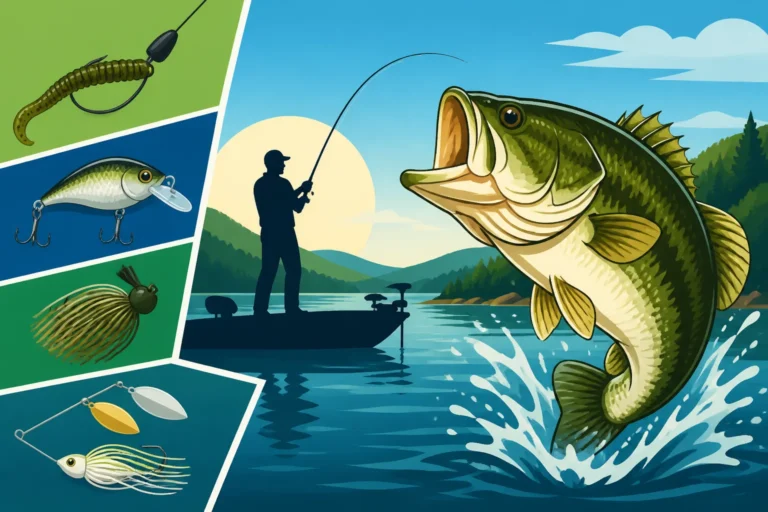
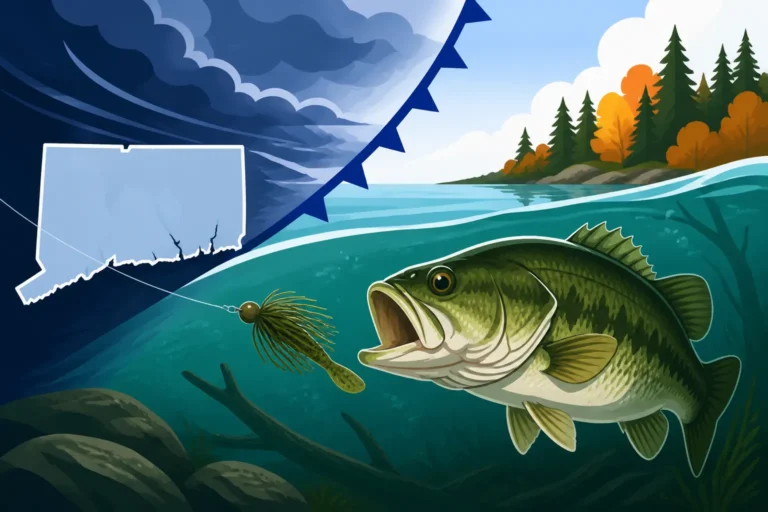
Nothing is more frustrating than heading out to your favorite Connecticut bass spot, only to find the water a chocolatey mess after a heavy rain or an unseasonably windy day. The clear, inviting waters you envisioned are gone, replaced by murky conditions that make you wonder if the bass even know your lure is there. Understanding the best lure colors for muddy water bass fishing is key to turning a potentially wasted trip into a successful one, ensuring you don't pack up your gear in defeat.
Understanding Bass Behavior in Muddy Water
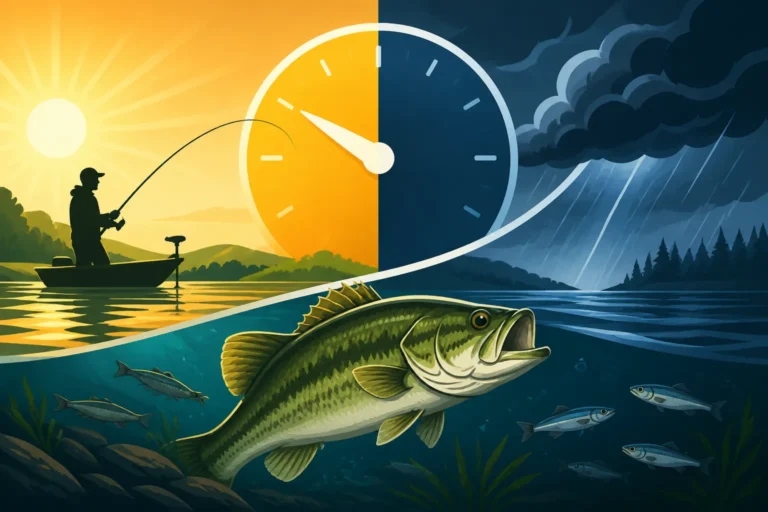
When a lake or river turns muddy, it’s not just an aesthetic change; it profoundly impacts the entire aquatic environment, especially for bass. Imagine trying to hunt in a thick fog – that’s essentially what bass deal with when their world gets murky. Their primary sense of sight becomes severely limited, forcing them to rely more heavily on their other senses. This shift in sensory reliance dictates how we, as anglers, need to adapt our approach.
The Impact of Low Visibility on Bass Senses
Bass, both largemouth and smallmouth, are highly visual predators in clear water. They use their keen eyesight to track down baitfish, crayfish, and other forage. But when the water clarity drops to just a few inches, their vision becomes almost useless. This doesn't mean they stop eating; it just means they switch to a different hunting strategy. They start to lean heavily on their lateral line, a sensory organ that detects vibrations and pressure changes in the water. This allows them to "feel" prey moving nearby. Additionally, their sense of smell can become a more significant factor in locating food, though perhaps not as dominant as their lateral line.
This shift means that a lure that might be a killer in clear water could be completely ignored in muddy conditions if it doesn't offer the right sensory cues. It's not just about the color anymore; it's about the entire presentation. We need to grab their attention in a different way.
Where Bass Relocate in Murky Conditions
Muddy water also causes bass to change their preferred habitats. In clear water, they might roam open flats or suspend over deeper structure. But when the visibility plummets, they tend to move to shallower, more defined areas where they can ambush prey more effectively. Think about it: if you can't see far, you're better off waiting for dinner to come to you in a narrow hallway rather than a wide-open field.
Look for bass to congregate around prominent cover such as fallen trees, docks, rock piles, and thick weed lines. These spots provide both cover for ambush and often hold baitfish that are also trying to cope with the low visibility. Shallow coves, creek mouths, and shoreline eddies can also become hotspots, as these areas often have slightly better clarity or funnel baitfish where bass can more easily intercept them. Knowing How to pattern bass on an unfamiliar Connecticut lake becomes even more critical in these conditions.
The Science of Lure Color in Murky Water
When the water turns murky, the way light penetrates and reflects changes dramatically. This isn't just guesswork; there's real science behind which colors are most visible and therefore most effective in low-light, low-visibility conditions. Understanding this science helps us make informed choices rather than just throwing darts at a tackle box.
Light Penetration and Color Visibility
Water, especially muddy water, absorbs and scatters light. Red, orange, and yellow are the first colors to be absorbed by water, disappearing relatively quickly as depth increases or clarity decreases. This is why a red lure might look black or dark brown just a few feet under the surface in truly muddy conditions. Blue and green light, on the other hand, penetrate deeper, but in heavily stained water, even these wavelengths struggle to make a significant impact.
What this means for us is that traditional "natural" colors that mimic baitfish in clear water often become ineffective. The bass simply can't see them. Instead, we need colors that either stand out sharply against the dark background or absorb so much light that they create a distinct silhouette. It’s a bit counterintuitive, but often, the most "unnatural" colors become the most productive.
Why Bright and Dark Colors Rule in Muddy Water
Given the limitations of light penetration, two categories of colors tend to perform best:
- Bright, Fluorescent Colors: These colors, like chartreuse, neon green, and bright orange, don't rely on natural light reflection as much as they do on their pigment's ability to "glow" or maintain vibrancy even with minimal light. They offer a strong contrast against the dark water, making them easier for a bass to detect, especially at close range. Think of them as a beacon in the fog. Many anglers swear by chartreuse in particular, claiming it's almost always a good starting point in any stained water scenario.
- Dark, Opaque Colors: This might seem contradictory, but dark colors like black, junebug (black with purple flake), and dark blue create a very strong silhouette against whatever little ambient light is available. When a bass is looking up from below, a dark lure appears as a solid, distinct shape moving through the water, making it easy to track with its lateral line and limited vision. This is especially true on overcast days or in very deep, dark mud.
The key is contrast and visibility. Whether it's a vibrant, almost glowing color or a stark, silhouetted dark color, the goal is to present something the bass can actually perceive and react to.
Top Lure Colors for Muddy Water Bass
Alright, let's get down to brass tacks. You're standing by the water, it's churned up, and you need to pick something that's actually going to get a bite. Forget subtle, natural hues for now. In muddy water, we're talking about loud, proud colors that scream "eat me!" to a visually impaired bass.
Chartreuse: The Unofficial King
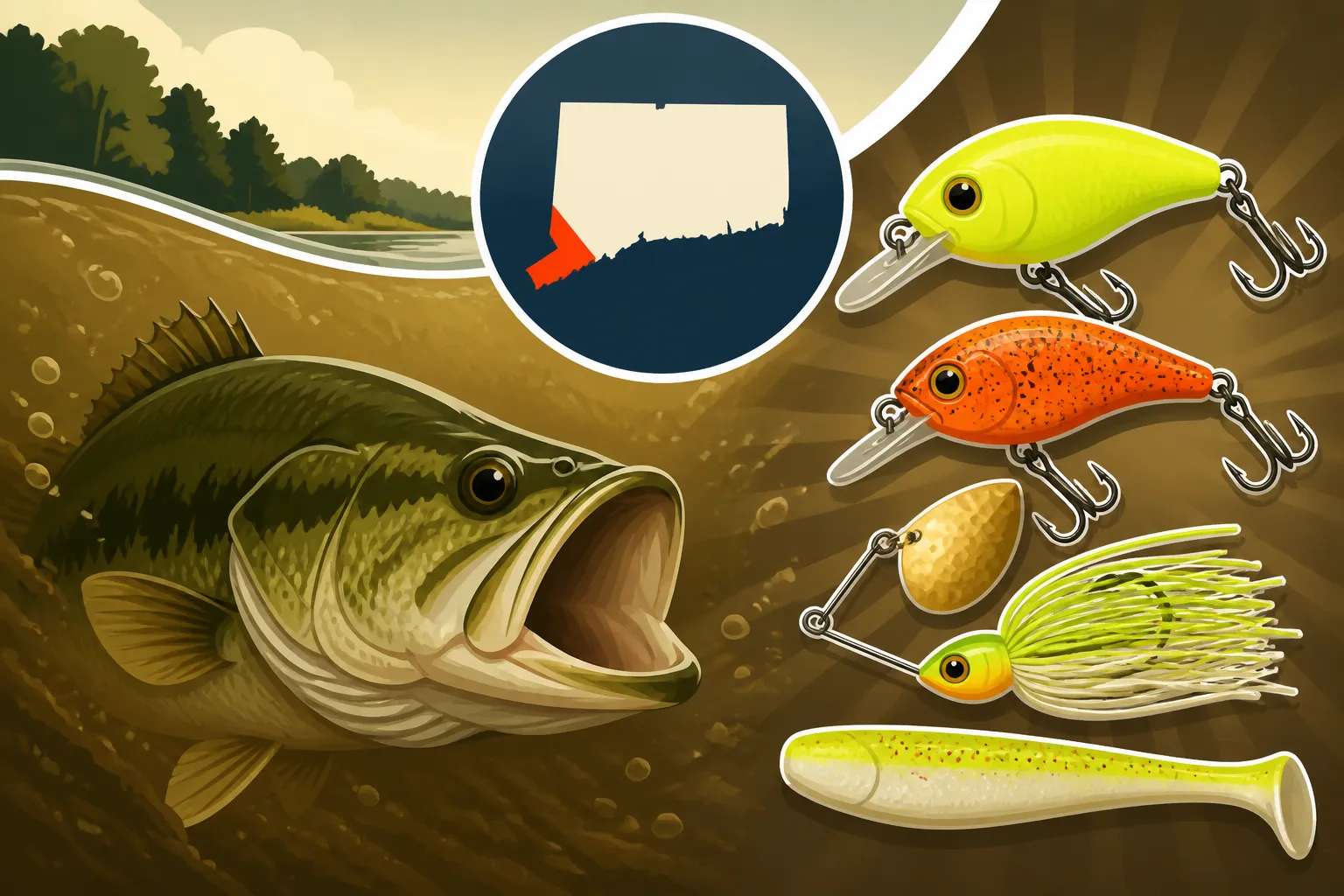
If there's one color you absolutely must have in your tackle box for muddy water bass fishing in Connecticut, it's chartreuse. This vibrant, almost glowing green-yellow is a perennial favorite for a reason. It offers incredible visibility in low light conditions, standing out like a neon sign in the murky depths. Whether it's a crankbait, spinnerbait, jig, or even a soft plastic, chartreuse gets noticed.
- Spinnerbaits: A chartreuse blade or skirt is a go-to. The flash combined with the color makes an irresistible target.
- Crankbaits: Medium-diving crankbaits in solid chartreuse or a chartreuse/black back combination can be deadly, especially when bumping off cover.
- Jigs: Pair a chartreuse jig head with a dark skirt for maximum contrast and visibility.
Many anglers even prefer a chartreuse/white combination on their spinnerbaits or chatterbaits. This mix can mimic a baitfish struggling in the low visibility, creating both visual and vibratory appeal. If you're looking for new gear, you can find a huge selection of chartreuse lures on Amazon.
Black and Blue: The Silhouette Specialists
While chartreuse works by being bright, black and blue work by being dark and creating a powerful silhouette. This combination is especially effective on jigs and soft plastics. The black provides the ultimate contrast against any available light, and the blue adds a subtle hint of color that bass seem to key in on, perhaps mimicking crayfish or dark baitfish.
- Jigs: A black and blue jig with a matching trailer is arguably the most consistent muddy water bass lure. The bulk of the jig, combined with its thumping action when retrieved, creates vibration, and the dark profile makes it easy to track. This is an excellent choice for targeting those shallow, covered areas we discussed.
- Worms and Creature Baits: Large, bulky black or junebug (black with purple flake) worms or creature baits can be Texas-rigged or Carolina-rigged to be fished slowly through heavy cover. Their bulk displaces a lot of water, sending out vibrations, and their dark profile is easily visible. When considering Best techniques for largemouth bass in Connecticut ponds, black and blue jigs are often at the top of the list.
Bright Orange and Red: The Contrast Catchers
While red is typically absorbed quickly by water, vibrant oranges and reds can still be surprisingly effective in extremely muddy, shallow conditions, particularly when jigging or using a lipless crankbait that creates a lot of vibration. These colors provide a stark contrast, much like chartreuse, and can sometimes trigger an aggressive reaction strike.
- Lipless Crankbaits: Firetiger patterns (which include orange, yellow, and black stripes) or solid orange lipless crankbaits are great for covering water quickly and generating a lot of vibration.
- Crawfish Imitations: If you suspect bass are keying in on crawfish, which are often active in muddy bottom environments, a red or orange crawfish imitation, especially one with a lot of scent, can be a game-changer.
- Jig Trailers: Sometimes just adding a small, bright orange or red trailer to a dark jig can provide that extra pop of color to seal the deal.
The Power of White and Pearl
White and pearl, especially in brighter muddy water conditions (think slightly stained rather than chocolate milk), can be surprisingly effective. These colors reflect light extremely well, and in water with even a slight amount of clarity, they can mimic shad or other baitfish that are struggling in the low visibility.
- Spinnerbaits and Chatterbaits: A white or pearl spinnerbait with silver blades can be a fantastic choice, offering both flash and a bright profile.
- Swimbaits: Pearl white paddle tail swimbaits retrieved slowly can be irresistible. Consider brands like Keitech or Zoom for their exceptional action.
- Flukes and Jerkbaits: White or pearl flukes, twitched erratically, can imitate a disoriented baitfish, drawing strikes from curious bass.
When browsing for these versatile options, checking out the soft plastic section on Amazon will give you a good idea of the variety available in white and pearl.
Table of Recommended Lure Colors and Types for Muddy Water
| Lure Type | Best Muddy Water Colors | Primary Visibility Factor | Ideal Conditions |
|---|---|---|---|
| Jigs | Black & Blue, Chartreuse/Black | Silhouette, Bright Contrast | Heavy cover, bottom fishing, very muddy water |
| Spinnerbaits | Chartreuse, Chartreuse/White | Flash, Vibration, Contrast | Covering water, shallow to mid-depth, moderate mud |
| Crankbaits | Chartreuse, Firetiger, Black/Blue | Vibration, Contrast, Deflection | Covering water, bumping structure, moderate to heavy mud |
| Lipless Crankbaits | Chartreuse, Firetiger | Vibration, Bright Contrast | Covering water, shallower flats, moderate mud |
| Soft Plastics (Worms, Creature Baits) | Black, Junebug, Black/Blue, Chartreuse | Silhouette, Scent, Displacement | Slow presentations, heavy cover, very muddy water |
| Swim Jigs/Chatterbaits | Chartreuse, White, Black/Blue | Vibration, Flash, Contrast | Shallow to mid-depth, around weeds/cover, all mud levels |
| Topwater (Frogs, Poppers) | Black, White, Chartreuse | Silhouette, Surface Disturbance | Extremely shallow, heavily matted cover, low light |
Beyond Color: Other Key Factors in Muddy Water
While lure color is crucial, it's not the only piece of the puzzle when fishing in muddy conditions. Bass are relying on all their senses, and we need to appeal to more than just their limited eyesight. Thinking about vibration, size, and scent can dramatically increase your success rate. This is especially true when applying Cold Front Fishing Tactics for Connecticut Bass, where bass can be even more sluggish.
Vibration: The Muddy Water Magnet
As mentioned, a bass's lateral line is its superpower in murky water. It detects minute changes in water pressure and vibrations, allowing them to pinpoint prey even when they can't see it. This means your lure needs to create a disturbance!
- Spinnerbaits: Large, thumping blades (like Colorado blades) are excellent for this. The wider blade displaces more water, sending out stronger vibrations. For How to fish a spinnerbait for Connecticut lake bass in muddy conditions, focus on retrieving it just fast enough to get the blades turning, allowing the bass to track it easily.
- Chatterbaits: The unique bladed jig design of a chatterbait creates an intense, erratic vibration that bass can't ignore. This is a phenomenal muddy water lure.
- Crankbaits: Deeper diving crankbaits with a wide wobble and internal rattles are fantastic. The deflection off cover creates additional commotion that draws attention.
- Jigs: Heavy jigs that thump the bottom and have bulky trailers also create significant vibration.
- Topwater: In very shallow, muddy water, particularly around dense cover, a large popping frog or a popper that moves a lot of water can be incredibly effective. The surface disturbance is a strong indicator to bass that something is there.
Size and Profile: Make It Noticeable
In clear water, subtle, realistic profiles can be key. In muddy water, you often need to go bigger and bulkier. A larger lure displaces more water, creating a stronger vibration signature. It also presents a more substantial silhouette, making it easier for a bass to see against the dark background.
- Larger Baits: Don't be afraid to throw a 1/2 oz or 3/4 oz spinnerbait instead of a 3/8 oz. Use a bulkier soft plastic trailer on your jig.
- Bulky Soft Plastics: Large creature baits, big worms, or even swimbaits with significant paddle tails will push more water and present a more enticing target. When you're trying to figure out How to Catch Largemouth Bass in Connecticut in murky conditions, sometimes "go big or go home" really applies.
Scent: A Secret Weapon
While often overlooked, scent can be a powerful enhancer in muddy water. If a bass can't see or feel your lure perfectly, a strong scent trail can be the final trigger to encourage a bite.
- Scented Baits: Many soft plastics come pre-scented, particularly with garlic, shad, or crawfish formulas. Consider brands like Berkley PowerBait or Yum.
- Applied Scents: You can purchase gel or spray scents to apply directly to your lures. A good quality scent like Pro-Cure or MegaStrike can make a huge difference, especially when fishing slowly. Reapply often, as muddy water can wash scent off quickly. This can be especially effective when targeting areas like best largemouth bass lakes in Connecticut where conditions might vary.
Retrieval Speed and Location
Your retrieval speed also needs to change in muddy water. Bass are generally less aggressive and have a harder time tracking fast-moving baits. Slowing down your retrieve allows them more time to locate and commit to the lure.
- Slow Down: Fish your jigs slowly along the bottom, let your crankbaits pause after deflection, and retrieve your spinnerbaits just fast enough to keep the blades turning.
- Target Cover: Remember, bass will be tighter to cover. Cast right into those laydowns, dock pilings, and weed edges. Repeated casts to the same piece of cover can often trigger a strike from a bass that was initially hesitant. Even in specific areas like Best largemouth bass ponds in Connecticut, slowing your retrieve and hitting cover is key.
- Shallow Water Focus: Often, the shallower water in coves or protected areas will clear up first or hold bass seeking slightly better visibility. Don't be afraid to really work those skinny water spots.
By combining the right lure colors with strong vibration, a noticeable profile, added scent, and a methodical retrieval, you'll significantly increase your chances of success, even when the water looks like a chocolate milkshake. Remember that Best technique for fishing muddy runoff conditions often involves a combination of all these elements. And sometimes, knowing when the Best water temperature for smallmouth bass fishing is can also inform your choices in challenging conditions. So next time you're facing that murky challenge, don't despair – grab some chartreuse, black and blue, and get to work! If you need some new gear, many of these options are readily available on Amazon.
Maximizing Your Chances in Muddy Connecticut Waters
Fishing in muddy water can feel like a daunting challenge, but it truly presents a unique opportunity to test your skills and adapt your approach. It’s less about finesse and more about making your presence known to bass that are primarily relying on their non-visual senses. By focusing on the right lure colors, maximizing vibration, considering the lure's profile and size, and incorporating scent, you can turn a frustrating day into a rewarding one.
Remember that bass still need to eat, and in low visibility, they become opportunistic. Your job is to present a target that is easy for them to find and enticing enough to trigger a strike. Don't be afraid to experiment with different lure types and presentations, but always keep those core principles of contrast, vibration, and scent in mind. Whether you're targeting How to Catch Smallmouth Bass in Connecticut Rivers or big bucketmouths in local ponds, these muddy water strategies will put more fish in your boat. When approaching structure, remember that Best technique for docks and laydowns often means slowing down and allowing your lure to spend more time in the strike zone. And if you’re fishing a new area, using a fan casting approach, as described in Best technique for fan casting a new lake, can help you quickly locate active fish, even in murky conditions.
Ultimately, muddy water teaches us resilience and forces us to think like a bass. It's a reminder that fishing isn't just about pretty scenery; it's about understanding the underwater world and adapting to its ever-changing conditions.
Disclaimer
Please note that fishing regulations and conditions in Connecticut can change. Always consult the latest Connecticut DEEP (Department of Energy and Environmental Protection) fishing guide and regulations before heading out. This guide provides general information and best practices.