Best Techniques for High Water Spring Conditions
Spring in Connecticut brings a vibrant energy to our waterways, but it often comes with a challenge that can confound even seasoned anglers: high water conditions. Those torrential spring rains and rapid snowmelt can turn your favorite fishing hole into a raging torrent or a sprawling, murky expanse, making it tough to figure out where the fish are hiding or what they’ll even bite. This comprehensive guide is here to unravel the mysteries of fishing in swollen spring waters, offering practical strategies to help you successfully adapt and find those hungry fish.
Understanding High Water Dynamics in Spring
When the rivers swell and lakes expand in the spring, it's not just "more water" – it's a complete shift in the aquatic environment. Understanding these dynamics is the first step to figuring out how to approach your fishing. It’s about more than just dodging debris; it’s about recognizing how fish react to these dramatic changes.
Causes of Spring High Water
Connecticut's spring high water isn't a random event; it's a predictable cycle driven by a few key factors. First, we have the lingering snowmelt from the hills and mountains, especially after a heavy winter. As temperatures rise, that packed snow turns into a slow, steady trickle that eventually funnels into our rivers and streams, contributing significantly to water levels. Then, of course, there are the infamous spring rains. April showers, and often March and May downpours, can be relentless. These heavy rain events add huge volumes of water rapidly, sometimes causing flash floods. Finally, the resulting runoff from saturated ground, agricultural fields, and urban areas carries not just water but also silt, nutrients, and organic matter into the system. This influx of runoff often leads to murkier water, which impacts visibility for both fish and anglers. This combination of snowmelt and persistent rain can keep water levels elevated for weeks, completely changing the character of our beloved fishing spots.
How High Water Changes Fish Behavior
Fish are incredibly adaptable creatures, but they definitely react to high water. Think about it from their perspective: their comfortable lies might be swept away, food sources can become dislodged, and the increased current requires more energy to hold position. Generally, fish in high, fast water will seek refuge from the main current. This means they’ll often move to slower-moving water along the banks, in eddies, behind large obstructions like fallen trees or boulders, or into flooded side channels and backwaters. The turbidity that often accompanies high water also reduces visibility, which can make fish less wary and more reliant on scent and vibration to locate food. They might become more opportunistic feeders, grabbing whatever comes by easily. For species like trout, the increased flow can also trigger migrations or push them into specific holding areas. Understanding these instinctual shifts is critical. It’s not that the fish aren’t biting; it's that they've moved and changed their preferences, and you need to adjust your approach to meet them where they are.
Gear and Safety Considerations for Flooded Waters
Fishing in high water demands a bit more attention to your gear and, most importantly, your safety. The increased flow, potential for hidden obstacles, and colder temperatures mean you need to be prepared. Skimping on safety or using inadequate gear in these conditions is a recipe for trouble.
Essential Tackle Adjustments for Strong Currents
When the current is ripping, your standard light setup might not cut it. You need tackle that can handle the increased force and get your bait or lure down to the fish. This often means heavier lines, both main line and leader. Braid can be a good choice for its strength and lack of stretch, but consider a fluorocarbon leader for abrasion resistance and stealth in slightly clearer pockets. You’ll also want to up your game with heavier weights – think bigger split shot, heavier jig heads, or even bell sinkers to hold bottom effectively. Lures need to be chosen carefully. Avoid anything with too much lip that will blow out or spin uncontrollably in the current. Instead, opt for designs that are streamlined or have sufficient weight to cut through the water column. You might even find yourself needing a slightly stiffer rod with a fast action to effectively cast heavier rigs and fight fish in strong currents.
Navigating Increased Debris and Hazards
High water acts like a broom, sweeping everything in its path downstream. This means your fishing spots might be riddled with snags and hazards. Logs, branches, leaves, and even man-made trash can accumulate in eddies and along current breaks, creating potential headaches. Keep an eye out for these debris fields, as they can foul your line, snag your lures, and make landing a fish difficult. If you’re wading, watch for submerged logs or rocks that weren't there before. For those in boats, this is even more critical. Keep a sharp lookout for submerged trees, floating logs, and strong current boils that could capsize a smaller craft. A good quality pair of polarized sunglasses, available from retailers like Amazon, can help you spot these hidden dangers lurking just beneath the surface. Being aware of these dynamic changes in the waterway is paramount to preventing lost tackle and ensuring a safe outing.
Safety First: Wading and Boating Precautions
No fish is worth risking your life, and high spring water can be incredibly dangerous. For waders, never wade alone and always use a wading staff. A sturdy staff provides a third point of contact, helping you maintain balance against strong currents and probe for unseen drop-offs or obstacles. Shuffle your feet rather than lifting them to avoid tripping. Always wear a wading belt to prevent your waders from filling with water should you take a tumble. Furthermore, wearing a life jacket, especially when water temperatures are cold, is not just smart, it’s often a legal requirement. In Connecticut, the "Connecticut Cold Water Life Jacket Rule (October to May)" dictates that anyone on vessels 26 feet or less must wear a life jacket during these months. For boaters, the risks are amplified. Besides debris, strong currents can make navigation challenging, especially around bridges or bends. Always wear a life jacket, ensure your boat is in good working order, and carry all required "Connecticut Boating Laws for Anglers" safety equipment. If in doubt, stay on shore or stick to calmer, smaller bodies of water. Even for shore anglers, slippery banks can be dangerous, so good footwear with traction is a must.
Targeting Specific Species in High Water
Different fish species react to high water in unique ways. What works for trout in a swollen river might be completely ineffective for bass in a flooded lake. Understanding these nuances will help you tailor your approach for better success.
Trout Tactics in Swollen Streams and Rivers
Trout are particularly sensitive to sudden changes in water flow and temperature. In high, fast-moving rivers like the Farmington River or the Housatonic River, trout will instinctively move out of the main current to conserve energy. This means your best bet is to target current seams, eddies, and slower pockets along the banks. Look for areas where the main flow bumps up against a large rock, a log jam, or an undercut bank – these are prime holding lies. Overhanging trees or brush that are now partially submerged also create excellent cover and current breaks.
When it comes to "Spring Trout Fishing Techniques for Connecticut Streams", you'll need to get your offering down to them quickly. Heavy nymph rigs, often with multiple split shot or tungsten-beaded flies, are essential. Consider using larger, flashier nymphs or even egg patterns, as the reduced visibility in murky water can make a subtle fly hard to see. If using bait, PowerBait, corn, or worms fished with a substantial sinker to hold bottom can be very effective. Casting slightly upstream and allowing your bait or lure to drift naturally into these slower zones is often the most productive method. Don't be afraid to fish closer to the bank than you normally would; many trout will hug the edge to avoid the strongest current. Remember that "Connecticut Trout Management Area Regulations" might apply in specific zones, so always check the local rules.
Bass Strategies in Flooded Lake Coves and River Backwaters
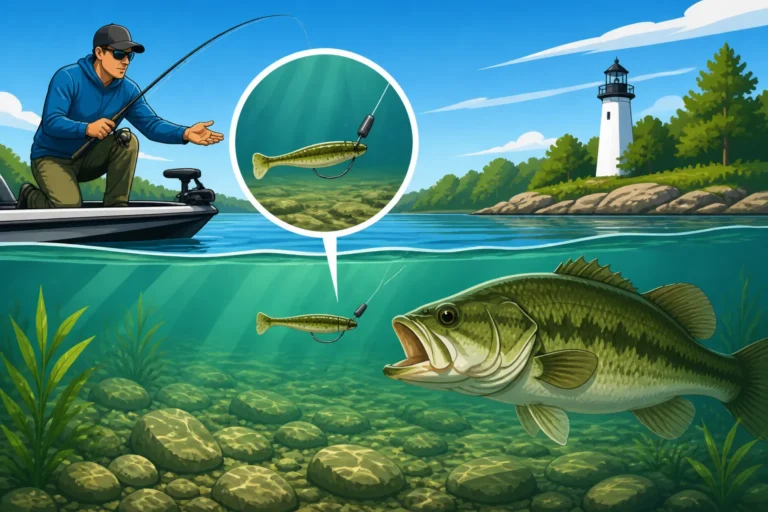
Largemouth and smallmouth bass respond to high water by often expanding into newly flooded areas, especially in lakes and slower-moving rivers. In lakes like Candlewood Lake or Bantam Lake, look for flooded coves, shoreline brush, and inundated fields that are now underwater. These areas often provide new cover and access to food sources like worms and insects that have been washed in. Bass will cruise these newly expanded margins, looking for an easy meal.
For river smallmouth bass, high water can be tricky. While they’ll also seek out current breaks, they might move into flooded backwaters or side channels that offer calmer water and warmer temperatures. Think about areas where small tributaries spill into the main river, creating a temporary slack water zone. When pursuing "How to Catch Smallmouth Bass in Connecticut Rivers" in these conditions, jigs with large plastic trailers, spinnerbaits with big thumping blades, or crankbaits that dive deep and deflect off submerged cover can be incredibly effective. The added vibration and profile of these lures help bass locate them in murky water. Don't overlook slower presentations like Texas-rigged worms or creature baits pitched into flooded brush, as bass might be hunkering down, waiting for food to drift by.
Panfish Opportunities in Expanded Floodplain Zones
Panfish – think bluegill, crappie, and yellow perch – are often overlooked in high water, but spring floods can present fantastic opportunities. In ponds and lakes, the expanded water often floods shallow areas, providing new feeding grounds. These species will move into newly submerged grass, brush, and timber along the banks. They’re less likely to fight strong currents, so focus on the very shallow, slowest-moving water, often in mere inches of water.
Small jigs tipped with a grub, a tiny spinner, or a simple worm under a bobber can be deadly. The key is to fish these areas slowly and thoroughly, as the panfish might be spread out but actively feeding on newly available insects and invertebrates. Look for small, calm pockets near culverts or flooded ditches that are now connected to the main body of water. These spots can concentrate panfish, offering easy pickings for anglers, especially those just learning to fish or taking kids out. A simple worm and bobber setup is often all you need, making it a great way to introduce someone to the joys of "Panfish Fishing in Connecticut".
Effective Lures and Baits for Turbulent Conditions
High water and strong currents demand specific presentations. Your finesse techniques might get washed out, and delicate baits could be ignored. It's time to think about lures and baits that can make an impact in a turbulent, often murky environment.
Heavy Lures and Jigs for Penetrating Current
When the water is high and fast, getting your offering down to where the fish are holding is half the battle. This is where heavy lures and jigs truly shine. For trout and smallmouth bass in rivers, think about using heavy-gauge inline spinners, like those from Mepps or Panther Martin, that have enough weight to sink quickly and maintain their depth without blowing out of the water. Deep-diving crankbaits with substantial bills are excellent for probing current seams and bouncing off submerged structure, creating reactive strikes.
Jigs, especially those with larger lead heads, are indispensable. Whether you're targeting trout with a heavy nymph jig or bass with a football head jig and a chunky plastic trailer, the weight helps you maintain bottom contact and control in the current. Some anglers even add an extra split shot a foot or so above their jig to ensure it plummets through the water column. You can find a fantastic selection of these heavier jigs and lures on Amazon, perfect for bulking up your tackle box for those challenging spring days. The goal is to present your lure effectively in the strike zone, which often means getting past the surface turbulence and down to the calmer water near the bottom.
Natural Baits and Scent for Low Visibility
Murky, high water significantly reduces a fish's ability to see. In these conditions, natural baits and scent become powerful tools. Earthworms, nightcrawlers, and garden worms are absolute classics for a reason. They exude a natural scent trail that fish can pick up, even in clouded water, and their wiggling action is irresistible. Drift them naturally with just enough weight to keep them near the bottom, and let the current do the work.
For trout, live minnows (where legal) can be incredibly effective, presenting a struggling profile that predatory fish can home in on. If using artificial baits, consider soft plastics infused with strong scents, such as Berkley Gulp! or PowerBait. These scent-emitting baits give fish an extra reason to investigate, even if they can't clearly see the offering. The beauty of natural baits is their universal appeal; nearly every freshwater fish, from panfish to large bass, will readily consume a well-presented worm. Always ensure you're using fresh bait for maximum appeal, which you can often purchase at local bait shops across Connecticut.
Power Fishing with Larger Profile Baits
High water can sometimes mean aggressive fish that are opportunistic and less picky, especially if the current has dislodged new food sources. This is where power fishing with larger profile baits can be incredibly effective. Instead of delicate presentations, think about lures that create a lot of commotion, vibration, and displacement.
Spinnerbaits with big, thumping blades (like a Colorado blade) create significant vibration that bass and pike can feel from a distance in murky water. Their flash can also be an attractant if there’s any light penetration. Bladed jigs, often called ChatterBaits, combine the vibration of a spinnerbait with the profile of a jig and soft plastic, making them phenomenal choices for covering water and triggering reaction strikes. Larger lipless crankbaits, retrieved with a yo-yo retrieve or a steady burn, can also be deadly, especially when fish are relating to flooded grass or submerged cover. These baits are designed to elicit an aggressive response, perfect for when fish are actively feeding but visibility is low. Don't be shy about experimenting with brighter colors either, such as chartreuse or orange, as these can stand out more in turbid water.
Reading the Water and Locating Fish
In high water, the classic fishing spots might be completely unproductive. The key to success lies in your ability to "read the water" and identify the new, temporary holding patterns and feeding lanes that fish will adopt.
Identifying Current Breaks and Eddies
Current breaks and eddies are your best friends in high water. As mentioned earlier, fish will always seek respite from the energy-draining force of the main current. A current break is any obstruction – a large boulder, a fallen tree, an island, or even a subtle indentation in the bank – that disrupts the flow and creates a calmer pocket of water behind it. Fish will stack up in these areas, waiting for food to be swept past them.
Eddies are swirling pockets of slack water, often forming downstream from a prominent current break or along a sharp bend in the river. These are not only excellent holding areas but also natural collection points for debris and, crucially, for food. Look for obvious swirling water or foam lines; these indicate a distinct change in current speed where fish are likely to be staging. Pay close attention to the seams where the fast water meets the slow water – fish will often position themselves right on this seam, darting out to grab food and then retreating to the calmer water. Successfully "Wading Techniques for Connecticut Trout Streams" in these conditions heavily relies on identifying and approaching these current breaks and eddies carefully.
Exploiting Overflows and Inundated Areas
High spring water often means new connections and expanded territories. Look for overflows where water is spilling out of the main channel into fields, woods, or even over roads. These temporary floodplains are goldmines for baitfish and invertebrates that have been washed into the system, and predatory fish will follow. Think of it like a temporary buffet line for the fish.
Similarly, inundated areas – places that are normally dry land but are now underwater – offer new cover and feeding opportunities. Flooded grass, bushes, and even small trees become excellent ambush points for bass and panfish. These areas are typically shallower and might warm up faster than the main body of water, attracting fish seeking comfort and food. Explore these newly accessible zones with topwater lures, spinnerbaits, or weedless plastics, as fish can be surprisingly shallow. You might be casting into what was a hiking trail just a few days prior, proving that adaptability is key when dealing with Mother Nature's spring deluge.
Utilizing Shoreline Cover and Structure
Even if the main channel is a raging torrent, the shoreline often provides invaluable cover and structure where fish can find refuge. This includes undercut banks, submerged brush piles, fallen trees (log jams), and even man-made structures like bridge pilings or docks that are now partially or fully submerged. These areas offer both protection from the current and ambush points for feeding.
Fish will often hug these banks and structures very tightly, sometimes in only a few feet or even inches of water. Don't cast too far out; focus your efforts right against the bank or structure. Work your lures or baits slowly and meticulously through these zones. If you're fishing a river, look for larger rocks or boulder fields along the bank that create small pockets of calmer water. For lake fishing, pay attention to the newly flooded terrestrial vegetation; bass, in particular, love to hide in flooded bushes. This strategy is essential for finding fish that have been displaced from their usual haunts and are seeking new, temporary homes in the high water.
| Lure Type | Best Use in High Water | Pros | Cons | Target Species |
|---|---|---|---|---|
| Heavy Jigs | Deep water, strong currents, contact with bottom | Excellent depth control, good vibration with trailers, versatile | Can snag easily in heavy cover, requires feel for bottom contact | Trout, Bass, Panfish |
| Spinnerbaits | Murky water, covering water, around flooded cover | High vibration, good flash, weedless design for cover | Less effective in extremely fast currents, limited depth control | Bass, Pike, Pickerel |
| Crankbaits | Probing current seams, bouncing off structure, deep diving | Excellent depth control, strong vibration, deflects off cover | Can foul in heavy debris, can blow out in extreme currents | Bass, Trout (smaller sizes) |
| Natural Baits | Low visibility, slower currents, targeting less aggressive | Strong scent trail, natural action, universally appealing | Can be hard to keep on hook, less action in very fast water | All Species |
| Bladed Jigs | Aggressive fish, moderate current, covering water | Combines vibration and profile, good flash, weedless | Can be less subtle, not ideal for super deep presentations | Bass, Pike |
| Heavy Nymphs | Trout in fast-moving streams, getting deep fast | Efficiently sinks, mimics natural food, can be fished in tandem | Requires specific fly rod/gear, less visible in very murky water | Trout |
Disclaimer
The information provided in this guide is for educational and informational purposes only. Fishing regulations in Connecticut can change, and it is the angler's responsibility to review and understand the most current rules and regulations published by the Connecticut Department of Energy and Environmental Protection (DEEP) before heading out. Always prioritize safety on the water.