Hopeville Pond Fishing Guide
Finding a new fishing spot that truly delivers, especially one tucked away like Hopeville Pond, can feel like hitting the jackpot – but figuring out where to go, what to use, and when to be there can be a real head-scratcher. You don't want to spend your precious time casting into dead water, right? This guide is here to cut through the guesswork, offering you a comprehensive look at how to successfully navigate and fish Hopeville Pond, ensuring your next outing is productive and enjoyable.
Hopeville Pond at a Glance: What Makes It Special?
Hopeville Pond State Park, nestled in Griswold, Connecticut, is one of those places that truly embodies the essence of classic New England angling. It's not just a body of water; it's a diverse ecosystem that offers a little something for every type of angler, from those chasing trophy bass to families hoping to catch a stringer of panfish. The pond itself is a roughly 130-acre impoundment of the Pachaug River, giving it a unique mix of riverine flow and pond tranquility.
What really sets Hopeville Pond apart is its blend of accessibility and varied habitat. You'll find everything from shallow, weedy coves perfect for bass to deeper sections that hold trout. The surrounding state park offers beautiful scenery, making it a pleasant experience even when the fish aren't biting every cast. It's a fantastic local gem, often overlooked by those who head to larger, more well-known lakes, but don't let its modest size fool you – it packs a punch when it comes to fishing opportunities.
Location and Access Points
Hopeville Pond is located within Hopeville Pond State Park in Griswold, Connecticut, making it quite accessible from various points in eastern Connecticut. For those coming from I-395, it's typically just a short drive off the highway, leading you directly into the state park. This ease of access is a huge plus, especially for anglers who don't want to spend half their day just getting to their fishing spot.
The primary public access for boaters is via a state boat launch located within the park. This ramp is generally well-maintained and suitable for trailered boats, canoes, and kayaks. It provides direct access to the main body of the pond, allowing anglers to quickly get out to their preferred fishing grounds. For those who prefer to keep their feet on solid ground, the park also offers various shoreline access points, particularly around the park's picnic areas and designated fishing spots. While not always as expansive as a boat, these shore access points still provide plenty of opportunities to cast a line, especially for panfish or stocked trout near the deeper edges.
General Characteristics and Habitat
Hopeville Pond is characterized by its relatively shallow average depth, though it does have some deeper sections, particularly near the dam and river channel. The pond features a diverse bottom composition, ranging from soft, silty areas to harder gravel and rock. This variety in substrate creates a mosaic of habitats for different fish species. Expect to find plenty of submerged structure, including fallen trees, brush piles, and healthy weed beds, especially in the shallower coves and along the edges.
These weed beds are crucial, acting as nurseries for baitfish and providing excellent ambush points for predatory species like largemouth bass and chain pickerel. The flow from the Pachaug River also brings in nutrients and creates some subtle current areas, which can be key holding spots for fish, particularly during warmer months. During the spring and fall, these areas can be absolute hotspots. Understanding these characteristics helps you decide where to focus your efforts, whether you're targeting a specific species or just looking for active fish.
Targeting Hopeville Pond's Top Species
Hopeville Pond is a true multi-species fishery, boasting a healthy population of popular freshwater game fish. While some ponds might specialize in one or two species, Hopeville gives you options, which is fantastic for those days when your primary target isn't cooperating. Knowing what's in the water and how they behave is the first step to a successful day.
You'll find a good mix of warm-water species that thrive in the pond's weed-rich environment, as well as cold-water fish thanks to the state's stocking programs. This variety means you can often switch tactics and target different species throughout the day if conditions change or if you simply want to try something new. It also makes it a great spot for family outings, as there's usually something willing to bite for anglers of all skill levels.
Largemouth Bass: Techniques and Hotspots
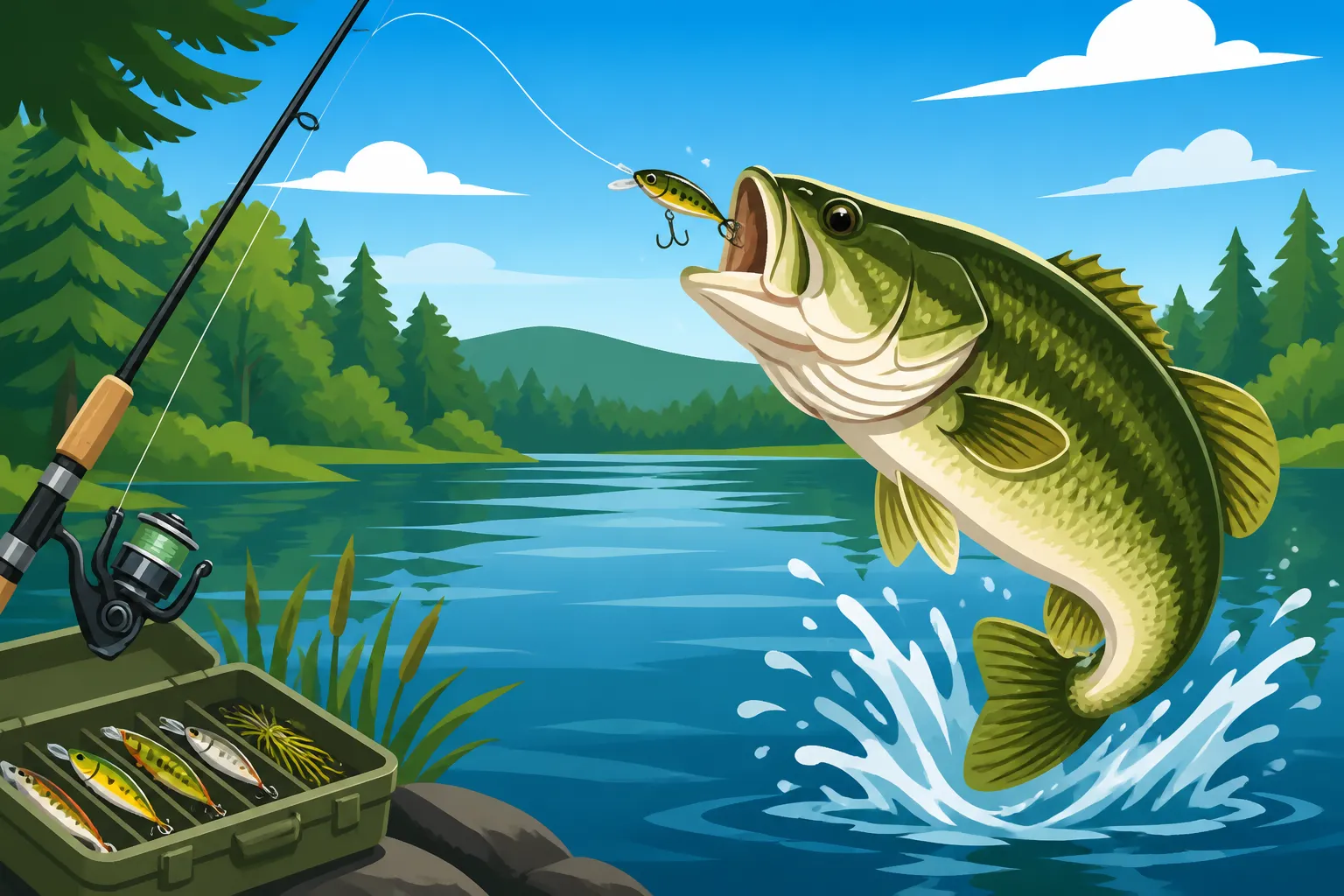
Largemouth bass are undoubtedly one of the star attractions at Hopeville Pond. These aggressive predators thrive in the pond's numerous weed beds, submerged timber, and shoreline cover. If you're looking to target largemouth, focus your efforts on the shallower coves, especially those with dense lily pads, hydrilla, or coontail grass. These areas provide excellent cover for bass to ambush unsuspecting prey and are often where you'll find their nests during the spring spawn.
Effective techniques include pitching jigs or Texas-rigged soft plastics (like worms or creature baits) into heavy cover. Work these baits slowly and deliberately, allowing them to fall into any pockets or openings in the vegetation. Spinnerbaits and chatterbaits retrieved along the weed lines or over submerged grass can also be incredibly effective, especially during low-light conditions or on overcast days. Don't overlook topwater lures like frogs or poppers fished over mats of lily pads during early mornings or late evenings – the explosive strikes are truly exhilarating! For more detailed advice, you might want to check out our guide on how to catch largemouth bass in Connecticut.
Chain Pickerel: Ambush Predators
The chain pickerel in Hopeville Pond are often an overlooked but incredibly fun species to target. These toothy predators share much of the same habitat as largemouth bass, preferring dense weed beds and any type of vertical structure where they can lie in wait. They are notorious for their aggressive strikes and spirited fights, making them a blast on lighter tackle. You'll often find them lurking just outside the thickest cover, ready to dart out and snatch anything that swims by.
To catch pickerel, focus on casting spoons, inline spinners, or jerkbaits along the edges of weed lines, around fallen trees, and over submerged grass. They are not particularly finicky about baits, but anything with a bit of flash or erratic action will often trigger a strike. Keep your retrieve relatively steady, but don't be afraid to add a few twitches or pauses to entice a bite. Be sure to use a wire leader or heavy monofilament/fluorocarbon leader to prevent bite-offs, as their sharp teeth can easily slice through standard fishing line.
Panfish Bonanza: Crappie, Perch, and Bluegill
Hopeville Pond is a fantastic spot for panfish, offering abundant populations of black crappie, yellow perch, and various sunfish, including bluegill. These smaller species are perfect for younger anglers or anyone looking for consistent action throughout the day. They are often found in schools, so once you find one, you're likely to find more. Panfish tend to congregate around submerged brush, docks (if present), and the edges of weed beds, particularly in slightly deeper water than bass might prefer during the midday sun.
For crappie, focus on fishing small jigs tipped with a grub or a live minnow under a bobber around submerged brush or standing timber. Yellow perch are often caught on small jigs, worms, or even tiny spoons fished near the bottom. Bluegill and other sunfish are notoriously easy to catch on small pieces of worm, corn, or tiny artificial baits presented under a bobber near any shoreline cover. These fish provide excellent opportunities for continuous action and are a great way to introduce someone new to the joys of fishing. For more tips on targeting these smaller species, our guide on the best techniques for panfish in Connecticut can be a real game-changer.
Trout Stocking and Strategy
One of Hopeville Pond's unique appeals is its inclusion in Connecticut's trout stocking program. The Connecticut Department of Energy and Environmental Protection (DEEP) regularly stocks rainbow trout into the pond, especially in the spring and fall. This provides a fantastic cold-water fishing opportunity in a predominantly warm-water fishery. These stocked trout tend to congregate in the deeper sections of the pond, particularly near the dam or where the river channel flows through.
When targeting these recently stocked trout, traditional methods are often most effective. PowerBait, corn, or small worms fished off the bottom with a light sinker are proven producers. Small inline spinners (like Rooster Tails or Mepps) or spoons (such as Kastmasters or Little Cleos) can also be very successful when retrieved steadily. Fly anglers can also find success using small streamers or nymph patterns. Keep an eye on the official DEEP stocking schedules for the best chance to intercept fresh fish. Our detailed guide on Connecticut trout season and stocking rules can give you a better idea of when and where to expect these fish to be abundant.
Seasonal Strategies for Hopeville Pond
Fishing success often hinges on understanding how fish behavior changes with the seasons. Hopeville Pond is no exception. The fluctuations in water temperature, forage availability, and spawning cycles dictate where fish will be and what they'll be willing to bite. Adapting your approach throughout the year is key to consistent catches.
Whether you're visiting in the brisk air of spring or the quiet solitude of winter, there's always a productive way to fish Hopeville Pond. The beauty of a multi-species lake like this is that something is almost always active, you just need to know what to look for. And remember, conditions can change rapidly, so staying flexible with your techniques is always a good idea.
Spring: Reawakening Waters
Spring at Hopeville Pond is a time of awakening and incredible fishing opportunities. As the water temperatures begin to climb after the cold winter, fish become more active, moving into shallower waters to feed and eventually spawn. This is arguably one of the best times to fish for nearly every species in the pond.
For largemouth bass, the pre-spawn period (late April to early May) sees them moving to secondary points and shallow flats near spawning coves. Jigs, spinnerbaits, and lipless crankbaits are excellent choices during this time. As the water warms further and they begin to spawn, sight-fishing for bass on beds with soft plastics can be productive, but always practice ethical catch and release to protect these fish. Crappie will also be found in shallow brush piles, and yellow perch will school up in numbers. The DEEP's spring trout stockings make this an exciting time for trout anglers too, particularly in the deeper, cooler sections of the pond. Early spring is when the state performs most of its major stockings, providing a surge of fresh fish. If you want to know more about the best times to fish in Connecticut, checking out our guide on Connecticut fishing seasons by month can provide even more insight.
Summer: Heat, Weeds, and Early Mornings
Summer fishing at Hopeville Pond can be a bit more challenging due to warmer water temperatures and dense weed growth. Fish often become more lethargic during the heat of the day and retreat to deeper, cooler waters or seek refuge in the shade of heavy cover. However, this doesn't mean fishing is impossible; it just requires a strategic approach.
The key to summer success is often fishing during low-light periods: early mornings, late evenings, and even into the night for some species. Largemouth bass will hit topwater lures over weed mats at dawn, or jigs and worms pitched into the deepest, thickest cover during midday. Panfish can still be found in numbers, but you might need to target them in slightly deeper water or around submerged structure that offers shade. Chain pickerel will remain active in the weeds, often striking aggressively during cooler parts of the day. The trick is often to penetrate the heavy vegetation, so heavier line and weedless presentations are your friends.
Fall: Feeding Frenzies
Fall is another prime fishing season at Hopeville Pond, often rivaling spring in terms of action. As water temperatures begin to cool, baitfish start to school up, and all predatory species go on a feeding frenzy, trying to fatten up before winter. The weed beds might start to die back, making it easier to fish certain areas.
Largemouth bass will be actively chasing baitfish in open water and around remaining cover. Crankbaits, jerkbaits, and soft plastic swimbaits mimicking baitfish are highly effective. Fall is also an excellent time for chain pickerel, which become incredibly aggressive. Panfish will also be schooling up, providing steady action for anglers using small jigs and live bait. Furthermore, the DEEP often conducts fall trout stockings, adding another layer of excitement for anglers. The cooler temperatures and vibrant foliage make for a truly enjoyable fishing experience, often with fewer crowds than in the spring.
Winter: Ice Fishing Opportunities
When the ice gets thick enough, Hopeville Pond transforms into a popular destination for ice fishing. This provides a unique and often productive way to target many of the pond's species. Just be sure to check ice conditions meticulously; safety is paramount. The minimum recommended ice thickness for safe travel on foot is usually 4 inches, but always verify current conditions before venturing out.
Common targets through the ice include yellow perch, crappie, chain pickerel, and even largemouth bass. Small jigs tipped with wax worms, mealworms, or small minnows are highly effective for panfish. For pickerel and bass, tip-ups set with live minnows are a classic and often deadly method. Consider using a service like FishingBooker if you're looking for local guides who specialize in ice fishing and can take you to the safest, most productive spots on other Connecticut lakes, although for Hopeville Pond itself, it's more of a DIY adventure for most. Our guide on best techniques for ice fishing pike might offer some transferable strategies for pickerel as well.
Essential Gear and Bait for Hopeville Pond
Having the right tackle can make all the difference between a frustrating day and a fantastic one on Hopeville Pond. While you don't need a boatload of specialized equipment, understanding the basics for the species you're targeting will set you up for success. Remember, a good angler adapts, but starting with a solid foundation of gear is always smart.
You'll find that many of the essential items overlap for different species, allowing you to be versatile without carrying a ton of gear. However, a few specialized items can significantly improve your chances, especially if you're targeting toothy critters or sensitive trout.
Rods, Reels, and Line Recommendations
For the majority of fishing at Hopeville Pond, a versatile medium-light to medium power spinning rod, 6 to 7 feet in length, is an excellent all-around choice. This setup will handle everything from panfish on light line to a respectable largemouth bass or pickerel. Pair this with a 2500-3000 series spinning reel spooled with 6-10 pound monofilament or fluorocarbon line. Monofilament is forgiving and offers good knot strength, while fluorocarbon provides lower visibility and good abrasion resistance.
If you're specifically targeting larger largemouth bass in heavy cover, a medium-heavy baitcasting setup with 15-20 pound fluorocarbon or braided line (with a fluorocarbon leader) would be ideal. Braided line offers superior strength and sensitivity, perfect for punching through weeds or feeling subtle bites. For ice fishing, short, sensitive ice fishing rods are a must, paired with small spinning reels and light monofilament or fluorocarbon lines in the 2-6 pound test range.
Lures, Baits, and Tackle Box Staples
Your tackle box for Hopeville Pond should be a mix of versatile baits that cover a range of species and conditions. Here's a breakdown:
-
For Largemouth Bass:
- Soft Plastics: Wacky-rigged Senkos, Texas-rigged worms (e.g., Zoom Trick Worms, Berkley Power Worms), and creature baits. Colors like green pumpkin, black and blue, or junebug are consistently effective.
- Jigs: Flipping and pitching jigs (1/4 to 1/2 oz) with craw trailers for heavy cover.
- Spinnerbaits/Chatterbaits: 3/8 to 1/2 oz in white, chartreuse, or black/blue.
- Topwater: Frogs (like the Livetarget Frog or Snag Proof Bobby's Perfect Frog) for fishing over mats, and poppers or walking baits for open water.
- Crankbaits: Squarebills for shallow cover, and lipless crankbaits for covering water.
-
For Chain Pickerel:
- Spoons: Silver or gold spoons (e.g., Johnson Silver Minnow)
- Inline Spinners: Mepps or Rooster Tails in larger sizes.
- Jerkbaits: Suspending jerkbaits in natural baitfish patterns.
- Leaders: Always use a wire or heavy fluorocarbon leader (20lb+) to prevent bite-offs.
-
For Panfish (Crappie, Perch, Bluegill):
- Live Bait: Small worms (redworms, nightcrawlers), minnows for crappie/perch.
- Small Jigs: 1/32 to 1/16 oz tube jigs, grubs, or micro-jigs in white, chartreuse, or black.
- Bobbers: Small slip bobbers or clip-on bobbers.
- PowerBait: For trout, especially the PowerBait Trout Nuggets in various colors.
-
For Trout:
- Live Bait: Worms, corn.
- PowerBait: Moldable dough baits in popular colors (chartreuse, rainbow, pink).
- Spinners/Spoons: Small inline spinners or spoons (Kastmaster, Phoebe) in silver or gold.
Don't forget essential tools like pliers (especially for pickerel!), a net, and a stringer or cooler if you plan to keep your catch.
Navigating Hopeville Pond: Boating and Shore Access
Hopeville Pond is one of those places that truly caters to all forms of angling, whether you prefer the freedom of a boat or the simplicity of fishing from shore. Each method offers a distinct experience and access to different parts of the pond. Understanding your options can help you plan your day for maximum enjoyment and success.
The park setting means that while you're enjoying your fishing, you're also surrounded by nature, making for a very relaxing outing. But it's important to know the rules and capabilities of each access type so you don't run into any surprises upon arrival.
Public Boat Launch and Restrictions
Hopeville Pond State Park features a public boat launch that is quite popular, especially during peak fishing seasons. This launch is designed to accommodate various types of boats, from small jon boats to larger bass boats, as well as canoes and kayaks. It’s generally well-maintained by the state, providing a good concrete ramp for easy launching and retrieval. There's usually ample parking available for trailers, though it can fill up quickly on busy weekends.
It's important to be aware of any state boating laws for anglers, especially concerning speed limits, no-wake zones, and proper boat registration. While Hopeville Pond is not typically restricted to electric motors only, it's always a good idea to check the latest Connecticut Department of Energy and Environmental Protection (DEEP) regulations or any posted signs at the ramp. Smaller, less powerful boats often thrive here due to the pond's size and relatively protected waters. When launching, remember to be courteous to other anglers and ensure you have all necessary safety equipment, including life jackets, especially for children. For a deeper dive into what's required, take a look at our guide on life jacket requirements for Connecticut boaters.
Shoreline Fishing Opportunities
For those who prefer to fish without a boat, Hopeville Pond offers several excellent shoreline fishing opportunities. The state park setting provides easily accessible areas, often with mowed grass paths or designated fishing spots near picnic areas and the main beach. These areas are particularly well-suited for families, beginners, or anyone looking for a relaxed day of fishing without the hassle of launching a boat.
Shore anglers can have fantastic success, especially for panfish, smaller bass, and recently stocked trout that tend to cruise closer to the banks. The key is to find spots with access to deeper water or areas with submerged cover, like fallen trees or docks. Casting small jigs, worms under a bobber, or even small spinners can be very effective from shore. While you might not be able to reach every prime hotspot, the existing access points are still incredibly productive. Our guide to the best shore fishing spots in Connecticut can offer some universal tips that apply well to Hopeville Pond's accessible banks. You can even use services like FishingBooker to explore other shore fishing opportunities around Connecticut if you're looking for more options.
Rules, Regulations, and Conservation Efforts
Fishing is a privilege, and with that comes the responsibility to understand and abide by the rules. In Connecticut, these regulations are put in place to ensure sustainable fish populations and enjoyable experiences for all. Hopeville Pond, like all public waters, has specific rules that anglers must follow. It’s not just about avoiding a fine; it’s about being a good steward of our natural resources.
Staying informed about the latest regulations is crucial, as they can sometimes change from year to year. The Connecticut DEEP is the primary source for all official fishing rules, and familiarizing yourself with their guidelines will ensure your fishing trips are legal and ethical.
Connecticut Fishing Regulations Specific to Hopeville Pond
Before you cast a line at Hopeville Pond, ensure you have a valid Connecticut Fishing License Guide for 2026. This is non-negotiable for anyone over the age of 16 (and certain exceptions may apply, so it's best to check). Beyond the general license, Hopeville Pond falls under statewide fishing regulations for most species. This means adhering to specific minimum length limits, daily creel (possession) limits, and open seasons for species like largemouth bass, chain pickerel, and panfish.
However, because Hopeville Pond is a stocked trout water, there might be specific rules concerning trout fishing, such as a special trout and salmon stamp requirement or different creel limits during certain times of the year. Always consult the latest Connecticut Fishing Regulations Explained booklet, available online through the DEEP website or at most license vendors, before your trip. It's your responsibility as an angler to know these rules. For instance, there are often different rules for artificial lures vs. live bait in certain trout management areas, though Hopeville Pond typically allows both. Keep an eye out for any specific signage at the pond itself, as local rules can sometimes supersede general ones.
Practicing Catch and Release and Ethical Angling
While keeping a legal limit of fish for the dinner table is certainly part of the fishing experience, practicing catch and release, especially for larger game fish, is vital for maintaining healthy populations in Hopeville Pond. This is particularly true for largemouth bass, which can take many years to reach trophy size. If you plan to release fish, handle them with care. Wet your hands before touching them, support their body weight, and release them quickly. Avoid excessive handling or dragging them on rough surfaces.
Beyond catch and release, ethical angling also means respecting the environment and other users of the pond. Always pack out everything you pack in, including fishing line, bait containers, and any other trash. Leave no trace. Be mindful of others fishing nearby, maintaining a respectful distance, and keeping noise levels down. If you're using a boat, be aware of swimmers and other recreational users of the park. Consider using circular hooks when targeting certain species, as they can reduce gut-hooking and improve fish survival rates, especially for striped bass if you ever venture into saltwater, but it's a good practice generally.
Disclaimer
Please remember that fishing conditions and regulations can change rapidly. Always consult the official Connecticut Department of Energy and Environmental Protection (DEEP) website or their latest fishing guide for the most up-to-date information on licenses, limits, and specific rules for Hopeville Pond before planning your trip. Safety should always be your top priority when on or near the water.