Are There Muskellunge in Connecticut?
Connecticut lacks established muskellunge populations because state agencies do not stock the species and local waters lack proper habitat.
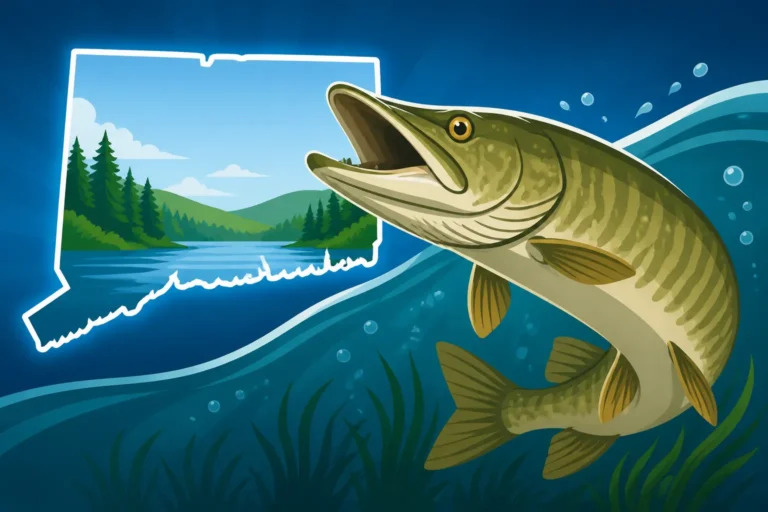
Connecticut lacks established muskellunge populations because state agencies do not stock the species and local waters lack proper habitat.
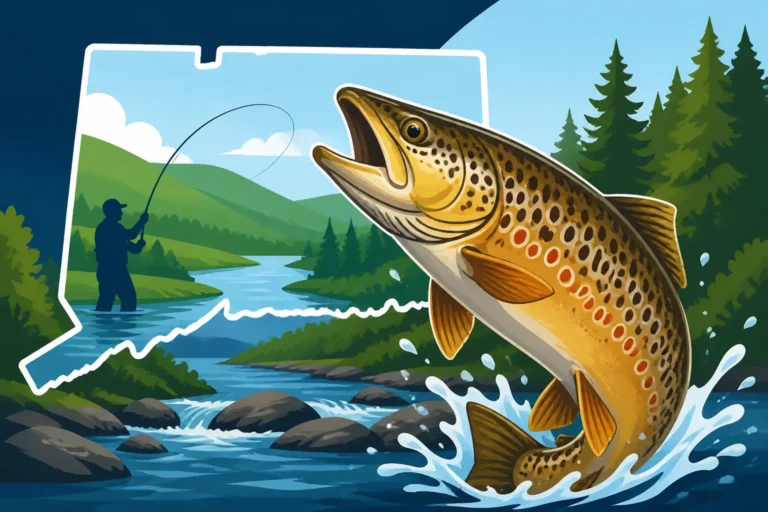
Connecticut waters holding trophy brown trout exceeding twenty inches, plus tactical methods for locating elusive giant fish.
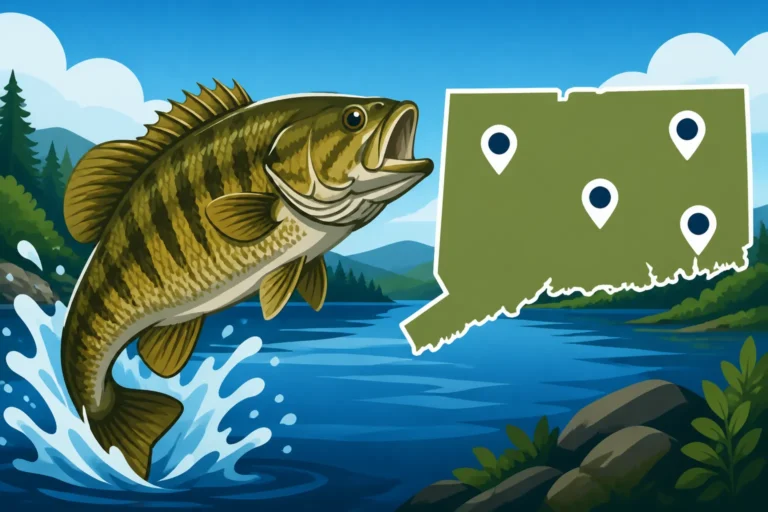
Trophy smallmouth bass in Connecticut reach five to six pounds, requiring deep clear water, rocky structure, and abundant forage.
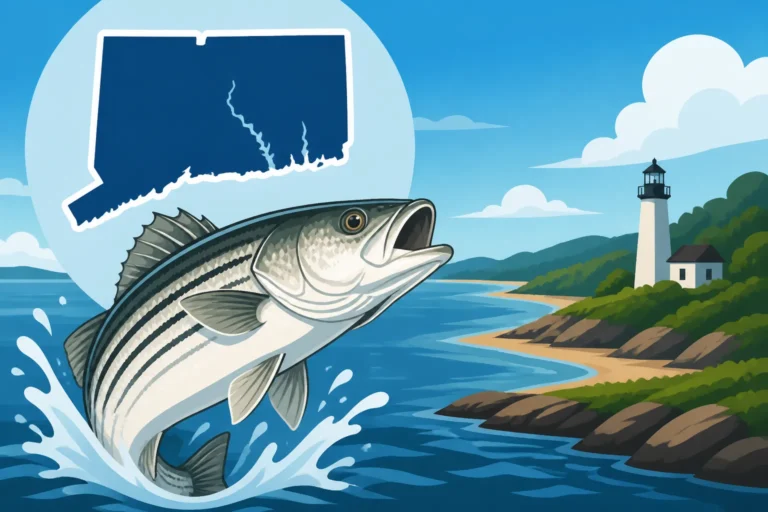
Connecticut waters in Long Island Sound, deep channels, and rocky reefs provide prime habitats for catching trophy striped bass.
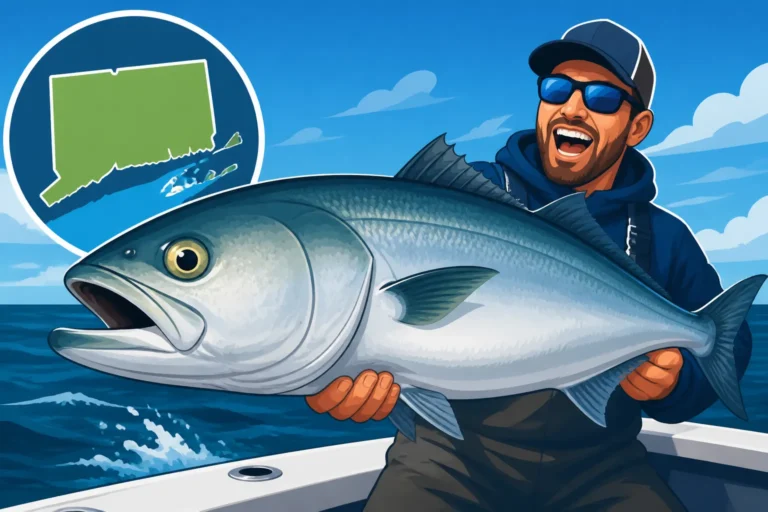
Connecticut state record bluefish details and local legend stories explain the size and power of massive saltwater predators.
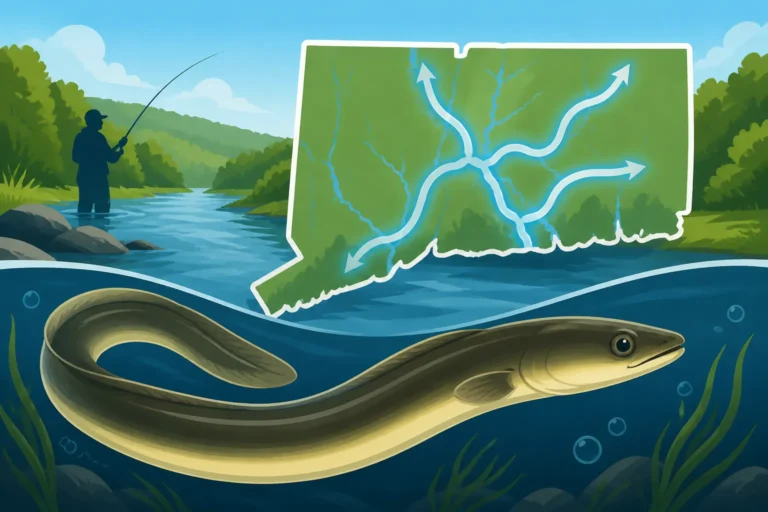
American eel migration routes span from the Sargasso Sea to freshwater rivers and ponds in Connecticut over twenty years.
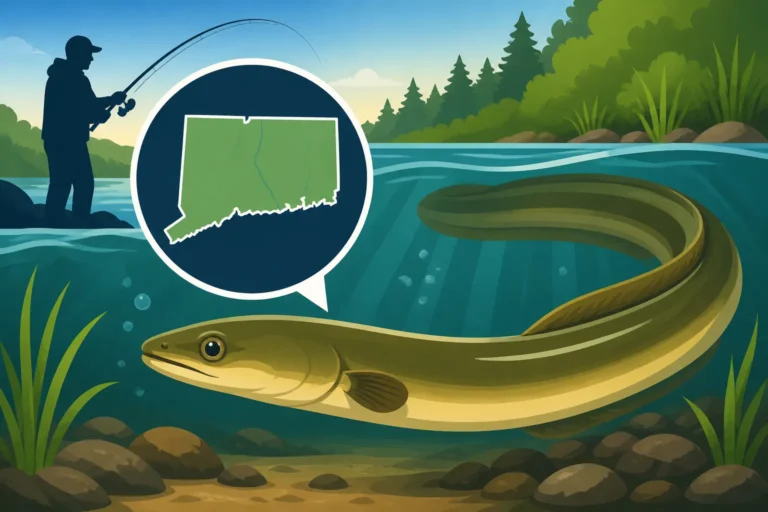
American eels feature elongated brownish-yellow bodies, small scales, and a catadromous life cycle migrating to the Sargasso Sea.
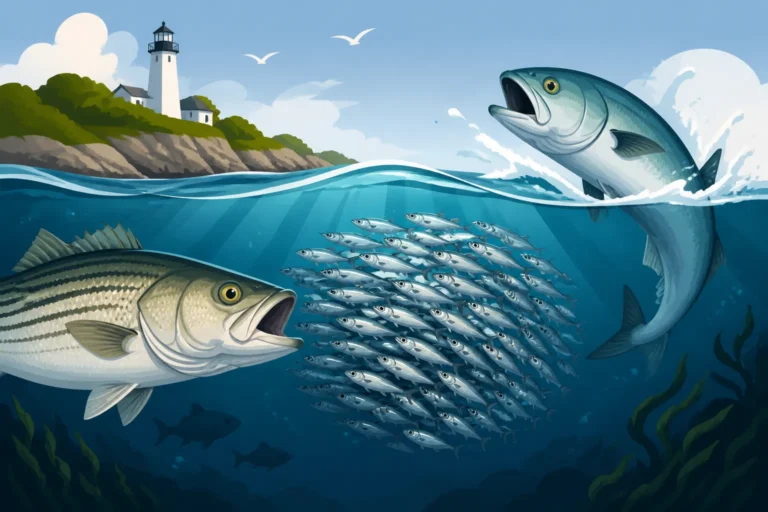
Menhaden schools attract striped bass and bluefish in Long Island Sound because these oily baitfish provide rich calories.
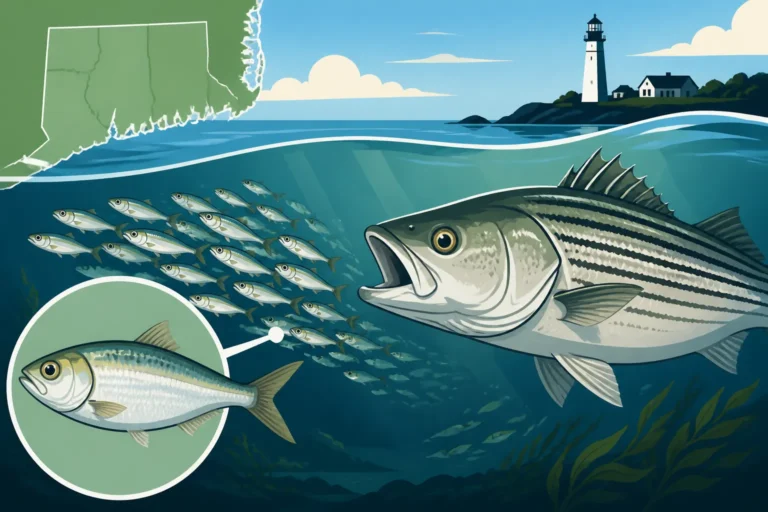
Atlantic menhaden are fifteen-inch coastal herring family fish that strain plankton and serve as vital prey for striped bass.
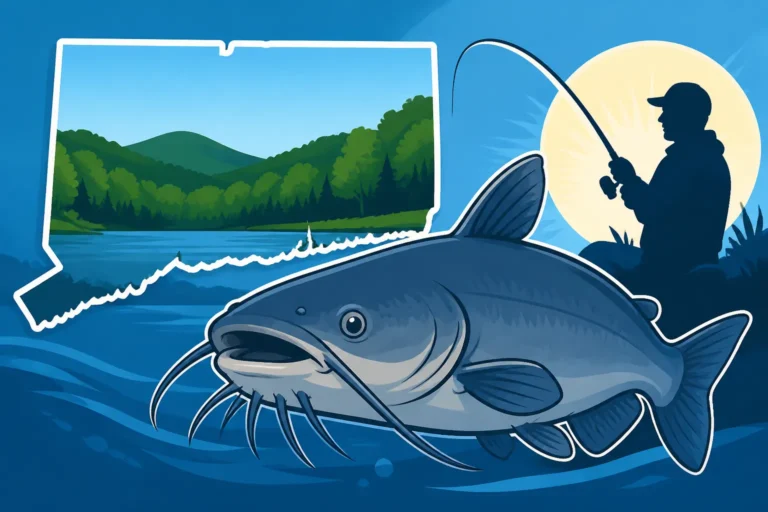
Blue catfish populations in Connecticut do not exist, though anglers frequently catch channel catfish and brown bullheads instead.