Differences between Connecticut’s freshwater and saltwater fish populations
Connecticut fish populations, divided by water salinity, include trout in freshwater streams and striped bass in Long Island Sound.
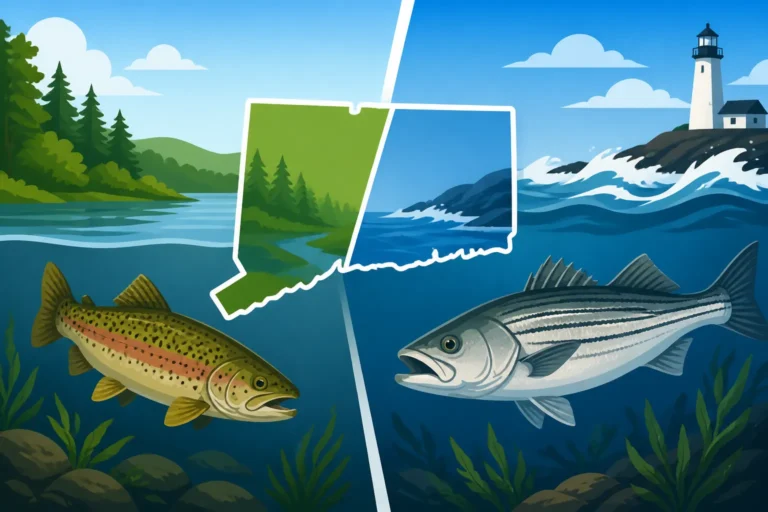
Connecticut fish populations, divided by water salinity, include trout in freshwater streams and striped bass in Long Island Sound.
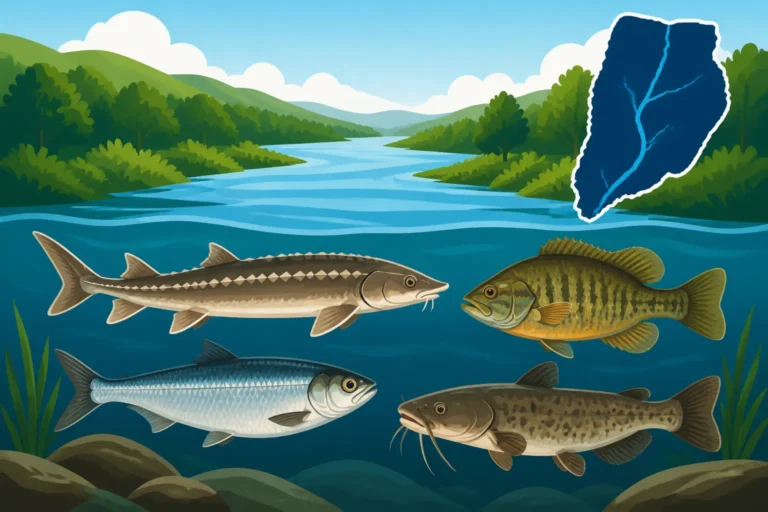
Connecticut River fish species and their ecological significance, including migratory populations across the northeastern United States.
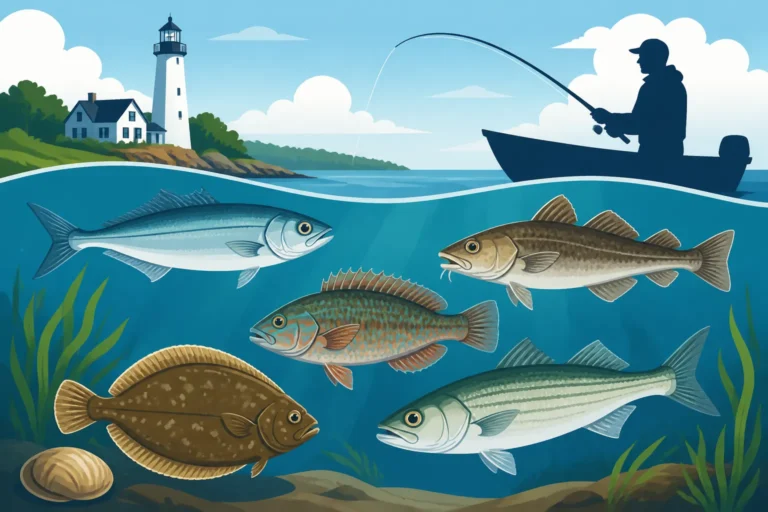
Long Island Sound fish species and their ecological roles are explained using estuary habitats and local fishing dynamics.
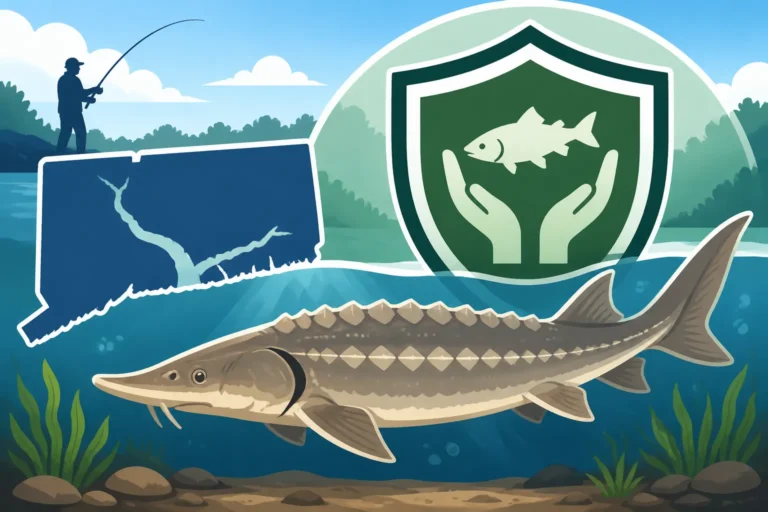
Connecticut shortnose sturgeon conservation rules explain why this prehistoric fish is protected and how anglers can safeguard it.
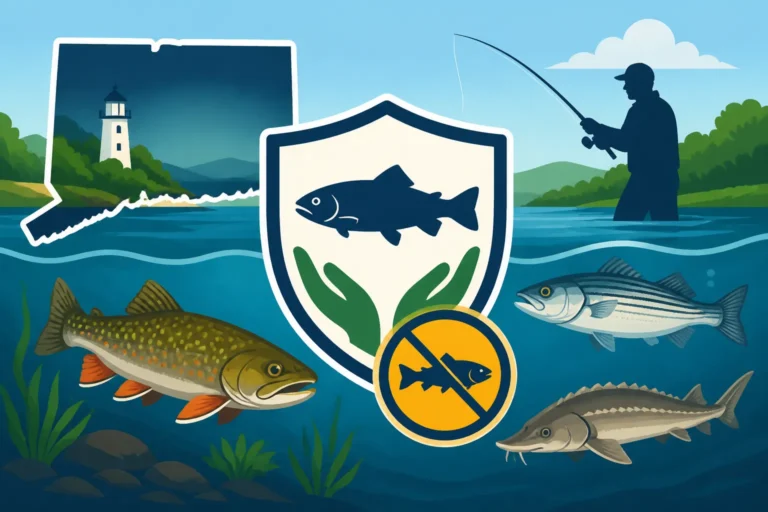
Connecticut fish species facing protected, threatened, or endangered federal and state legal status classifications and regulations.
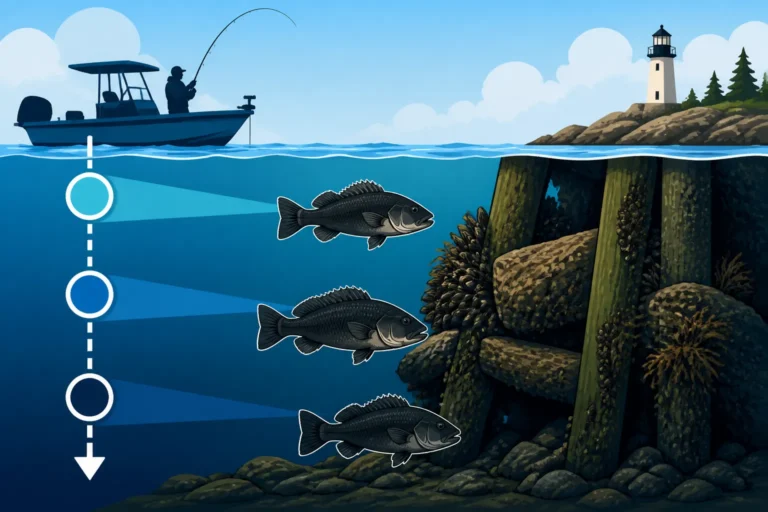
Connecticut blackfish and tautog depth preferences around natural and man-made underwater structures across different seasons.
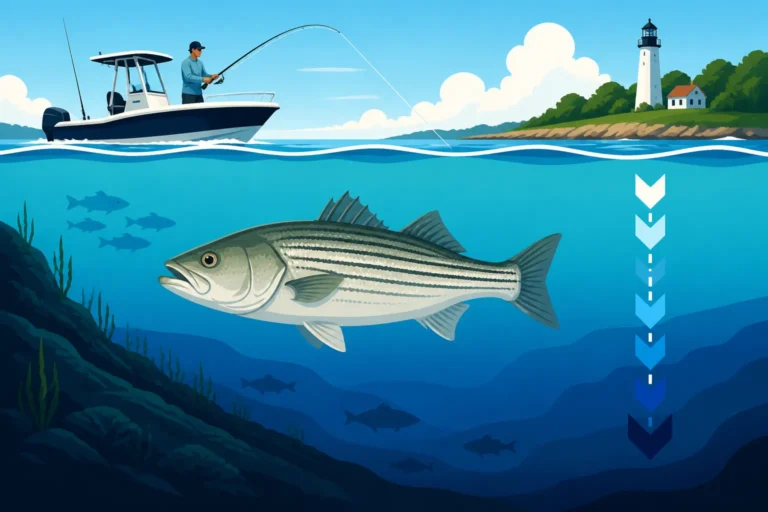
Connecticut striped bass move to deeper water during summer because warm temperatures and low oxygen levels force their retreat.
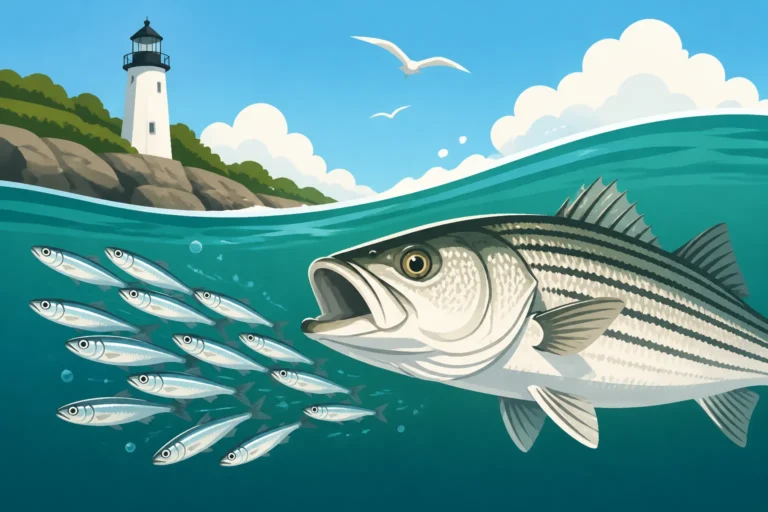
Connecticut striped bass foraging habits and Atlantic menhaden help anglers match the hatch in Long Island Sound waters.
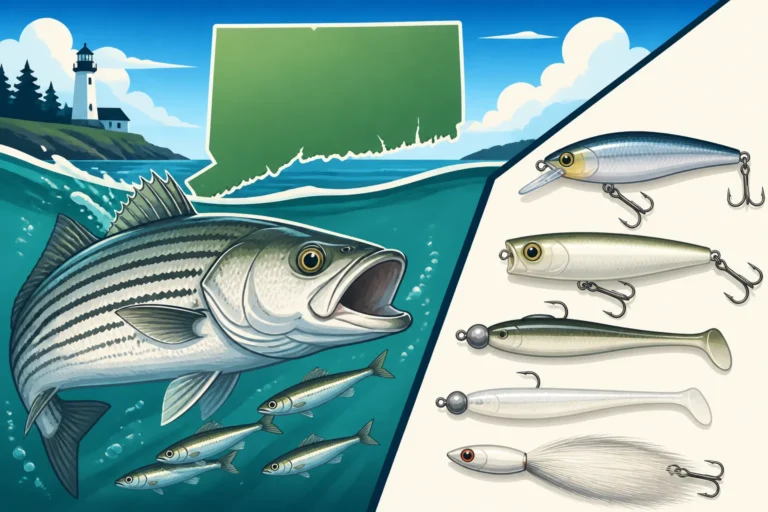
Lures imitating menhaden, herring, eels, and mackerel in Connecticut waters help anglers catch striped bass effectively.
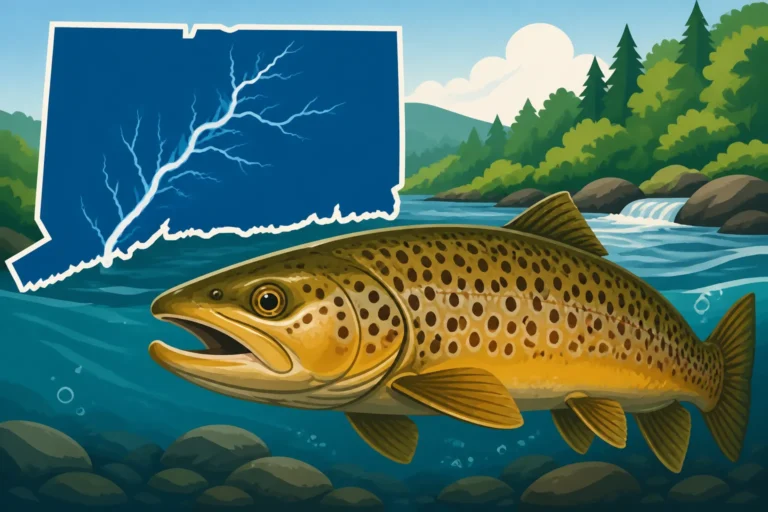
Connecticut rivers with cold clean water and deep pools hold trophy brown trout that feed on sculpins, dace, and shiners.