Best charters for photographing striped bass releases
There's nothing quite like the surge of adrenaline when a powerful striped bass takes your line, the fight, and then the incredible satisfaction of a clean, healthy release. But let's be honest, trying to capture that perfect moment on camera – the fish in its glory, the excited angler, the beautiful backdrop – while also ensuring a quick, safe release, can feel like a juggling act. This guide is here to help you navigate the world of Connecticut fishing charters to find those special captains and boats that truly understand and cater to anglers who want stunning photographs of their striped bass releases.
Why Focus on Photographing Striped Bass Releases?
For many anglers, the memory of a successful catch and release is as valuable as the fish itself. A photograph allows you to relive that moment, share it with friends and family, and celebrate the beauty of the fish and the environment. But getting that perfect shot isn't always easy, especially when you're prioritizing the fish's welfare.
The Thrill of the Catch and Release
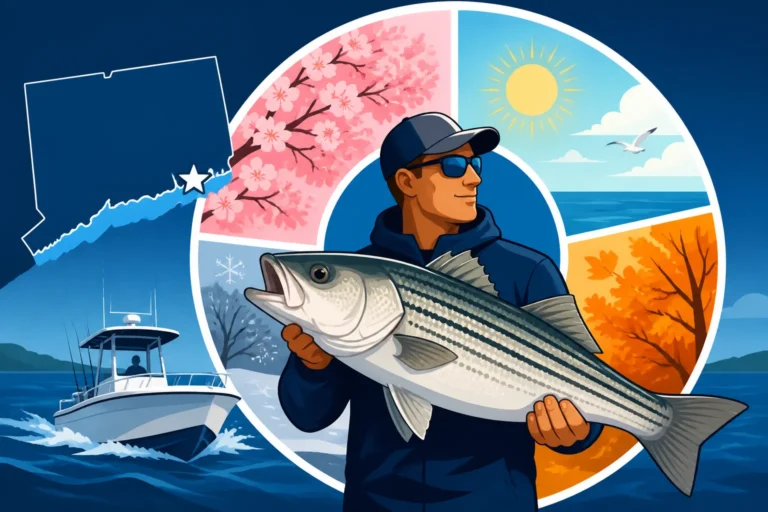
The catch-and-release philosophy has become a cornerstone of responsible angling, particularly for iconic species like the striped bass, which many anglers cherish for their fighting spirit and beauty. It’s not just about landing the fish; it’s about the entire experience: the anticipation, the struggle, the moment of triumph, and then the conscious decision to send that fish back to swim another day. These are moments steeped in emotion and a deep connection to nature.
When you manage to capture these moments in photographs, you're not just taking a picture; you're preserving a story. A photo of a healthy striped bass, just before it splashes back into the Sound, tells a tale of conservation, respect, and an unforgettable adventure. It's a tangible piece of a transient moment, something you can look back on and share for years to come. Think about showing your kids or grandkids that incredible shot of you with a trophy striper, detailing the fight, and explaining how you carefully sent it back. That’s a powerful legacy.
The Challenge of Getting Great Shots on the Water
Let's face it, trying to manage a feisty striped bass, a camera, and the rocking motion of a boat all at once is a recipe for chaos, or at best, blurry, poorly composed photos. You're often dealing with limited light, reflections off the water, and the urgent need to get the fish back in the water as quickly and gently as possible. Nobody wants to jeopardize a fish's health for a photo, so speed and efficiency are paramount.
This is where a photo-friendly charter truly shines. They understand these inherent challenges and are set up to help you overcome them. A good captain and crew know how to handle the fish to minimize stress, how to position the boat for the best light, and even how to snap a quick, high-quality shot themselves if you're the one holding the fish. Without that understanding and cooperation, you're often left with a choice: a great photo or a healthy fish. On the right charter, you can often have both. Striped Bass Catch and Release Survival Tips is a great resource to ensure the fish's well-being is always first priority.
What Makes a Charter "Photo-Friendly" for Releases?
Finding a charter that truly supports your photography goals isn't just about looking for someone with a nice camera. It's about a captain and crew who understand the entire process, from fish handling to boat positioning, all to facilitate those stunning release shots.
Captain's Experience and Patience
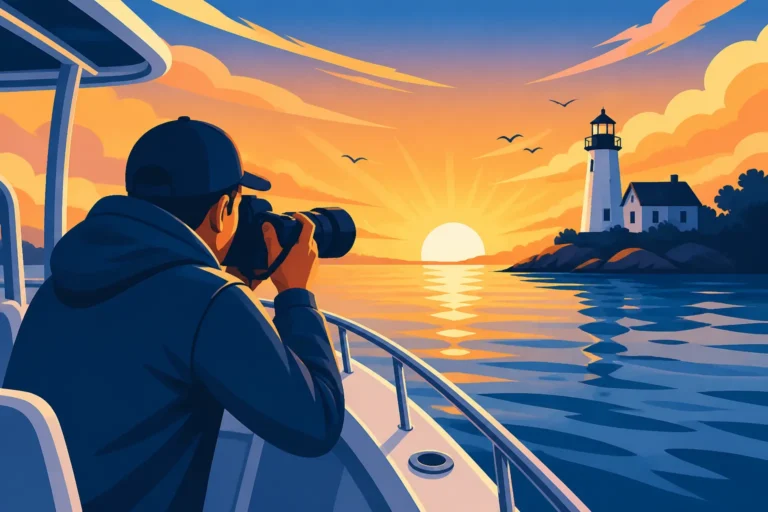
A photo-friendly captain isn't just an expert angler; they're also keenly aware of the nuances of on-water photography. They'll understand how crucial light is, often positioning the boat so the sun is behind the photographer or at an optimal angle, avoiding harsh shadows or blown-out highlights. They know that a few extra seconds, carefully managed, can make all the difference between a rushed snapshot and a frame-worthy image.
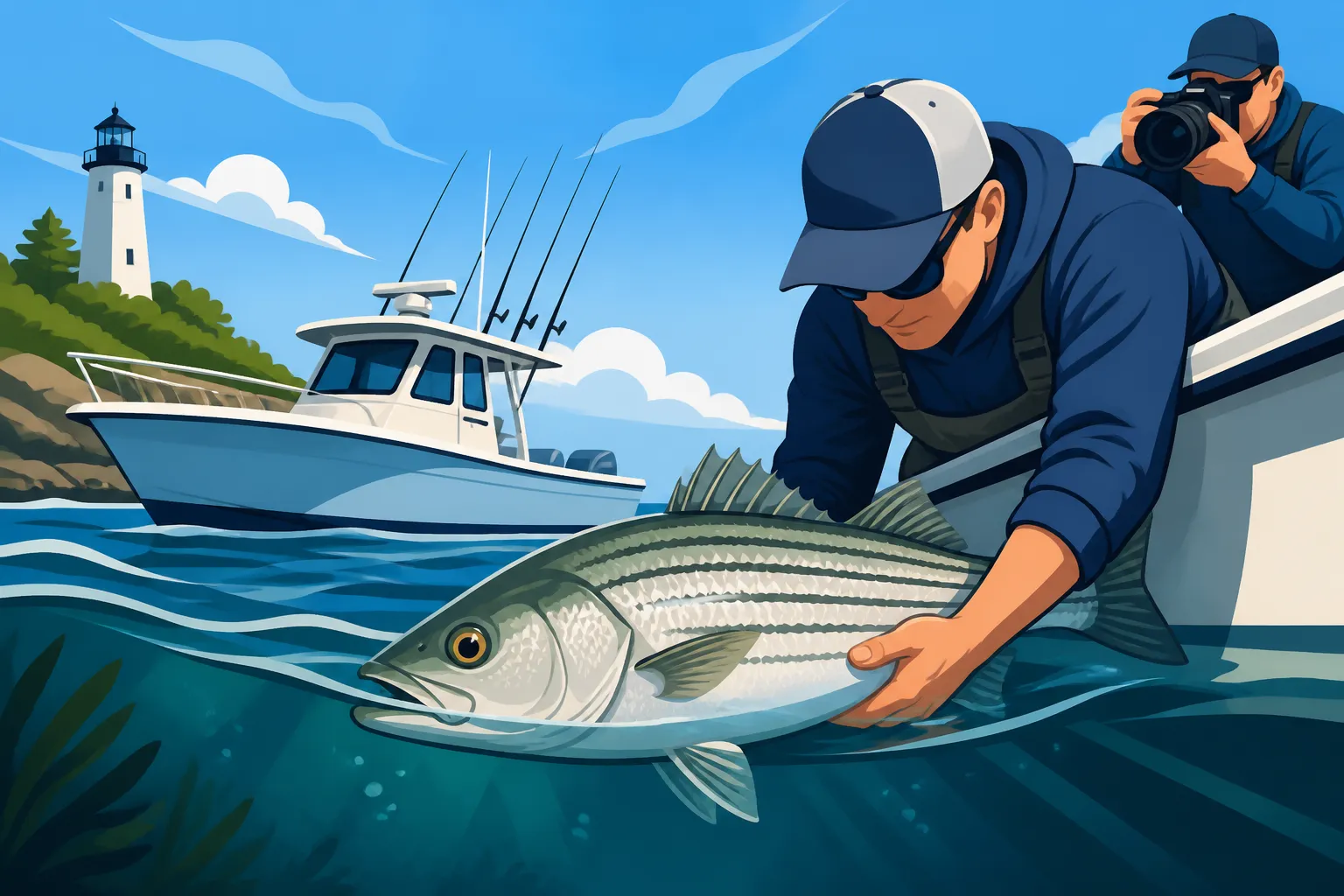
More importantly, they'll have the patience to allow for those moments. This means they won't rush you or the fish handler. They understand that a quick de-hooking, a brief moment for a photo, and a gentle release are all part of the experience. They'll also be knowledgeable about fish welfare, ensuring that any pause for a photo is as brief and low-stress as possible for the striped bass. This often means having the fish over the side of the boat, just barely out of the water, or supporting it in the water for a quick hero shot before letting it go. Their experience not only helps you catch more fish but also ensures those catches are documented beautifully and responsibly.
Boat Design and Deck Space
Believe it or not, the layout of the boat can significantly impact your ability to get great photos. You need adequate space to move around, compose your shots, and even sometimes get low for a dramatic angle, all without being in the way of the crew or fellow anglers. A cramped deck means you're constantly bumping into things, struggling for footing, and potentially missing shots.
Look for charters with open, uncluttered deck space, especially in the stern area where most fish are handled and released. A wide gunwale or transom platform can be incredibly useful for getting different perspectives. Some larger vessels might even have a dedicated area that naturally lends itself to fish handling and photography. A stable platform is also key; while no boat is perfectly still, a stable hull design can help reduce camera shake and make it easier to focus, especially when trying to capture a lively striped bass. You can often glean details about boat layout by looking at photos on booking platforms like FishingBooker or on the charter's own website.
Gear Handling and Fish Welfare
This is perhaps the most critical aspect. A truly photo-friendly charter prioritizes the health of the fish above all else, even the photo. However, they understand that with proper technique, both can be achieved. This means the captain and crew are highly skilled in proper fish handling for catch and release.
They will likely use best practices such as:
- Circle hooks: These are highly recommended for striped bass as they typically hook in the corner of the mouth, making de-hooking faster and less damaging. Connecticut Striped Bass Circle Hook Requirement is an important regulation to be aware of.
- Netting techniques: Using a large, rubberized net that is gentle on scales and slime coat, rather than an abrasive knotless nylon net.
- Minimizing air exposure: The fish should be out of the water for the shortest possible time. Many great release photos are taken with the fish still partially submerged or held just above the water for a quick snap before being revived.
- Support: If the fish is held horizontally, it should be supported under its belly to protect internal organs.
- Revival: For larger, harder-fighting fish, the crew should be adept at reviving them boat-side until they swim off strong.
A charter that promotes these practices ensures your photo opportunity doesn't come at the expense of the fish, which ultimately leads to more ethical and satisfying photography.
Flexibility and Timing
Fishing is often about being at the right place at the right time. But for photography, it's also about the right light. A photo-focused charter will understand that angling for striped bass during prime "golden hour" light – early morning or late afternoon – can yield truly spectacular images, even if it means adjusting departure or return times slightly.
They might be willing to chase the light or prioritize certain fishing grounds that offer better photographic backdrops, such as a rocky coastline with a dramatic sky, rather than just open water. This flexibility extends to the pace of the trip. While they are still focused on putting you on fish, they won't be solely driven by numbers. They'll appreciate the value of pausing to admire a particularly beautiful fish or allowing for multiple angles for a release shot. This isn't about slowing down the entire trip, but about having the understanding that some moments deserve a little extra care and attention. Best Time of Day to Catch Striped Bass often aligns well with the best light for photography.
Key Features to Look for in a Charter
When you're trying to find that perfect charter for your photo ambitions, you need to do a bit of detective work. Not all charters advertise their photographic friendliness explicitly, but there are definite indicators you can look for and questions you should ask.
Communication is Key
Before you ever step foot on the boat, open lines of communication with the captain are paramount. Don't assume anything. Call or email the charter directly and clearly state your intentions. Explain that your primary goal (beyond catching fish, of course!) is to capture high-quality photographs of striped bass releases, and you're looking for a charter that can accommodate this.
Here are some specific questions to ask:
- "Do you have experience with anglers who want to photograph their catches before release?"
- "Are you comfortable with me or a dedicated photographer spending a few extra moments to get good shots, provided it's done quickly and safely for the fish?"
- "What are your typical fish handling practices for catch and release? Do you use rubberized nets, de-hooking tools, etc.?"
- "How do you usually position the boat for landing fish? Can we adjust for better light if needed?"
- "Would you or your mate be willing to assist with holding the fish for a quick photo, ensuring its welfare?"
Listen carefully to their responses. A captain who is enthusiastic and knowledgeable about fish welfare and photography will stand out. One who sounds hesitant or dismissive might not be the right fit for your specific goals. Platforms like FishingBooker often allow you to send direct messages to captains to ask these sorts of questions before booking.
Types of Photography Support
The level of photography support can vary widely from charter to charter. Some might offer minimal assistance, simply understanding your needs, while others might be much more hands-on.
Here's a breakdown of what you might encounter:
- Basic Understanding: The captain and crew are aware of your photo goals and will work with you to ensure quick, safe releases, perhaps pausing briefly for a shot. They won't actively help take photos, but they won't hinder you either.
- Active Assistance: The mate might be skilled at handling fish for quick photos, positioning them perfectly for your camera, or even using your camera or phone to snap a few shots of you with your catch. This is ideal if you're the sole angler and photographer.
- Dedicated Photography Services: Some high-end charters or guides might even offer a package that includes a professional photographer on board, or the captain themselves might be an avid photographer with professional gear. This is less common but worth seeking out if photography is your top priority.
- Lighting and Positioning: The best charters will actively try to optimize the boat's position for lighting. They'll consider the sun's angle, any glare, and the background elements to ensure your photos pop. For example, positioning the boat so the angler faces away from the harsh midday sun can make a huge difference. Best Charters for Photographing Sunrise on the Water often excel in this area.
Reviewing Past Trips and Testimonials
One of the best ways to gauge a charter's photo-friendliness is by doing your homework. Look at their social media pages, their website's photo galleries, and reviews on booking sites.
What should you look for?
- Quality of client photos: Do the photos posted by the charter or by previous clients look good? Are the fish handled respectfully? Are the angles and lighting decent? This gives you a direct insight into their attention to photographic detail.
- Specific mentions in reviews: Look for reviews where clients explicitly mention how accommodating the crew was for photography, or how helpful they were in getting great shots.
- Consistency: Are there many high-quality photos, or just a few isolated good ones? Consistency suggests a dedicated approach to photography.
- Focus on catch and release: Do their photos emphasize catch and release, or is it mostly about fish on a stringer? Charters that value C&R are more likely to also value the respectful documentation of the fish.
Platforms like FishingBooker allow you to scroll through countless photos from real trips and read detailed reviews, giving you an excellent starting point for your research. The more you dig, the better informed your decision will be. How to Choose a Connecticut Fishing Charter elaborates on selecting the right vessel for your trip.
Booking Your Photo-Focused Striped Bass Charter in Connecticut
Once you've done your research and identified a few potential charters, the booking process itself becomes crucial. It's about setting clear expectations and ensuring everyone is on the same page for your photography adventure.
Researching and Inquiring
Start your search using online platforms that specialize in fishing charters. As mentioned, FishingBooker is a popular choice because it allows you to filter by location (like the Connecticut shoreline, perhaps near Niantic or Old Saybrook), read reviews, and view extensive photo galleries from past trips. You can often see the boats and get a sense of their deck space.
While browsing, pay close attention to charter descriptions. Some captains might explicitly state that they cater to photographers or are passionate about catch-and-release photography. Don't be afraid to reach out through the platform or directly via their website contact forms with your specific questions regarding photography. You might want to consider specific times of day that offer the best light, such as early morning or late afternoon trips. Best Night Fishing Charters for Striped Bass might also offer unique, low-light photo opportunities.
What to Discuss Before Booking
Once you've shortlisted a few charters, a direct conversation with the captain is invaluable. This is your chance to clearly articulate your photographic goals and confirm their willingness and capability to assist.
Consider discussing the following:
- Dedicated Photographer: If you're bringing a friend solely to take photos, confirm this is acceptable and whether there's an additional cost or space limitation.
- Specific Shots: Briefly describe the kind of shots you're hoping for (e.g., in-water release, fish held horizontally, angler interaction). This helps the captain understand your vision.
- Safety Protocols: Ask about their standard fish handling and release procedures. This reiterates your commitment to fish welfare and ensures their methods align with ethical photography.
- Timing Flexibility: Inquire if there's any flexibility in scheduling to hit prime lighting conditions, such as a slightly earlier morning departure to catch the sunrise.
- Contingency for Bad Weather: What happens if the weather doesn't cooperate and conditions aren't good for photography or fishing? Understanding their cancellation or rescheduling policy is important.
- Expectations: Reiterate that while photos are important, you understand that fishing is dynamic and conditions might not always allow for the perfect shot, but you appreciate their effort.
Here's a handy table of questions to consider asking:
| Category | Specific Questions to Ask | Why It Matters |
|---|---|---|
| Photography Support | Do you have experience assisting with catch-and-release photography? | Confirms their understanding and willingness. |
| Are you and your mate comfortable pausing briefly for photos, prioritizing fish welfare? | Ensures fish health comes first but photos are supported. | |
| Can you or your mate assist in holding the fish for a quick shot, or taking photos with my camera/phone? | Determines level of crew involvement. | |
| Fish Handling | What are your standard fish handling practices for striped bass (nets, de-hooking, revival)? | Assesses commitment to ethical catch and release. |
| Do you use circle hooks for striped bass? | Circle hooks reduce harm and aid quick releases. | |
| Boat & Logistics | What does the deck layout look like? Is there ample space for a photographer to move safely? | Ensures safety and freedom of movement for photography. |
| Can we position the boat for optimal lighting if the fishing allows? | Maximizes chances for well-lit, visually appealing photos. | |
| What happens if we can't get good photos due to fish behavior or weather? | Manages expectations and discusses contingencies. | |
| General | Do you have a photo gallery or social media I can review to see past client photos? | Provides visual evidence of their previous success with photo ops. |
| What is your general approach to striped bass fishing (e.g., quantity vs. quality, specific techniques)? | Aligns their fishing style with your overall experience goals. |
What to Bring for Your Photo Expedition
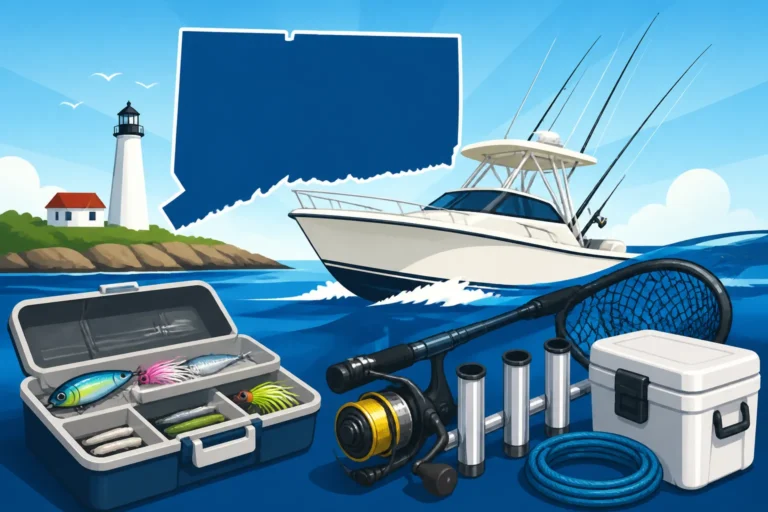
Packing correctly for a photo-focused fishing trip is vital. Beyond your usual fishing gear (if you're bringing your own), here are some photography-specific items to consider:
- Camera Gear: A waterproof or weather-sealed camera is ideal. If using a DSLR or mirrorless, bring a lens in the 24-70mm or 70-200mm range for versatility. A polarizing filter can drastically reduce glare off the water, enhancing colors and visibility.
- Protection: Waterproof bags (dry bags) are non-negotiable for camera gear, extra batteries, and memory cards. Sea spray and unexpected splashes are always a possibility on Long Island Sound Fishing Guide trips.
- Cleaning Supplies: Lens cloths and a blower bulb for removing water spots and dust.
- Comfort: Polarized sunglasses will help you see into the water and protect your eyes. Sunscreen, a hat, and appropriate clothing for changing weather conditions are also essential. Check out What to Bring on a Connecticut Fishing Charter for a comprehensive list.
- Communication: A two-way radio or Bluetooth headset can be helpful for communicating with a dedicated photographer from a distance on larger boats, though usually unnecessary on smaller charters.
Remember, a good photo-focused charter is a partner in your angling and artistic endeavor. By communicating clearly, doing your homework, and coming prepared, you significantly increase your chances of returning with not just incredible fishing stories, but incredible photographs to prove them.
Disclaimer
This article is for general informational purposes only and does not constitute professional advice. Laws, prices and regulations vary by location and change over time. Consult a qualified professional for guidance on your specific situation.