Best time of year to book a Connecticut striped bass charter
It's an age-old dilemma for every angler eager to hook into a trophy striper in Connecticut: when is the absolute best time to book that charter? You don't want to show up when the bite's dead, or worse, miss out on those epic runs of big fish because you picked the wrong month. This guide is all about helping you navigate the seasonal rhythms of striped bass in Long Island Sound and beyond, so you can confidently pick the perfect window for your next unforgettable fishing adventure.
Understanding the Striped Bass Migration in Connecticut
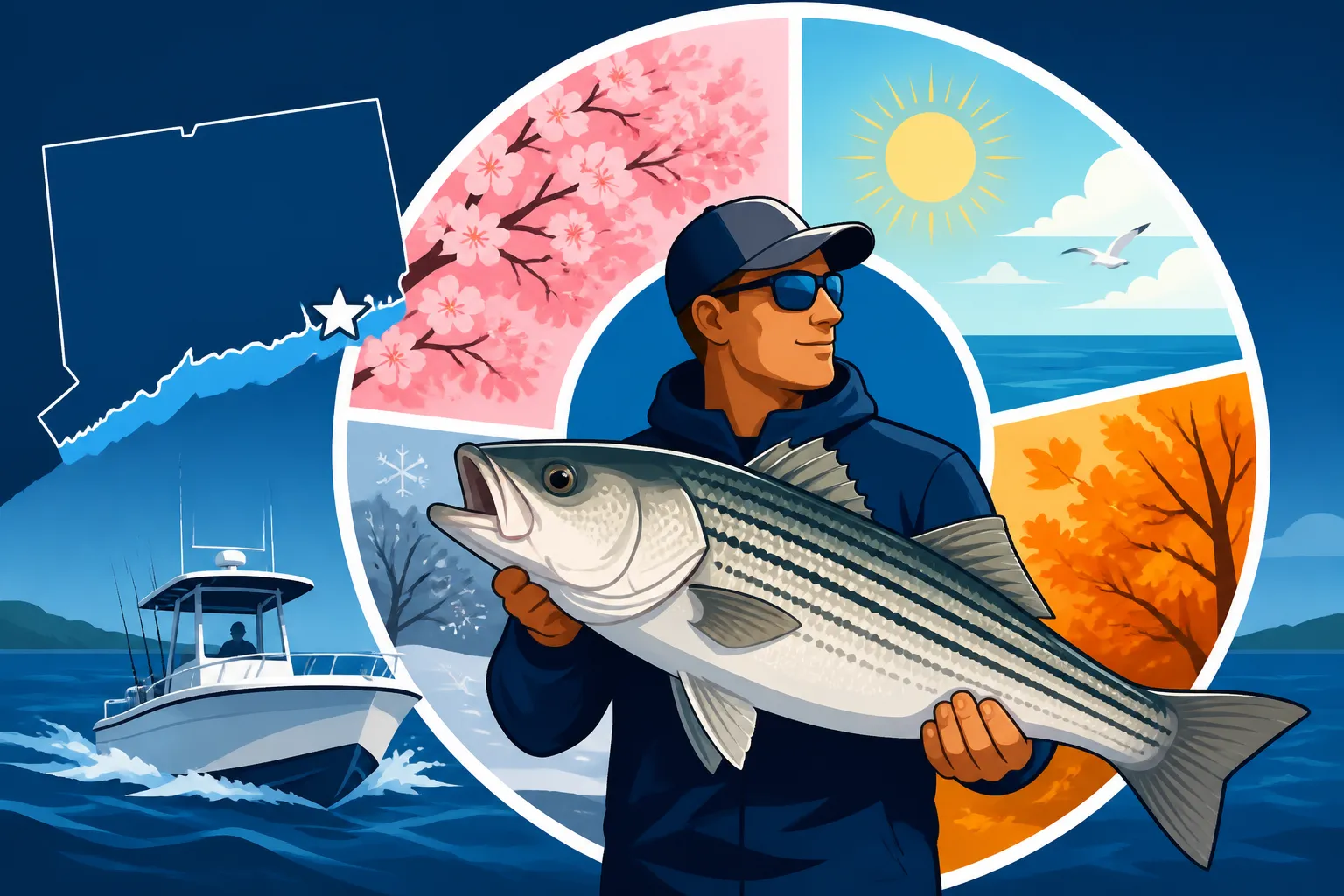
The key to timing your striped bass charter perfectly in Connecticut lies in understanding their migratory patterns. Stripers aren't static residents; they're constantly on the move, chasing baitfish and seeking optimal water temperatures. Their journey dictates when and where you'll find them in our local waters, and consequently, when your charter captain will have the best shot at putting you on fish. It’s a dynamic dance between predator and prey, influenced heavily by the calendar.
Early Spring: The First Push (April-May)
As the ice retreats and coastal waters slowly begin to warm, usually around April, we start to see the first signs of striped bass returning to Long Island Sound. These are often the "schoolie" stripers, smaller but feisty fish that are eager to feed after their long winter. They follow the warming waters and the first waves of baitfish, pushing up into estuaries and rivers.
This early spring period can be fantastic for consistent action, especially for those who enjoy light tackle fishing. The fish are hungry, less pressured, and often found in shallower waters as they begin their pre-spawn feeding. Charter captains during this time will often focus on the estuaries and river mouths, looking for concentrations of herring or other smaller bait. While trophy fish are less common during this initial push, the sheer numbers and aggressive bites make for a thrilling trip, perfect for getting back into the swing of things after the colder months. It's a great time to introduce kids to the sport, as the action can be steady.
Peak Season: Summer's Bounty (June-August)
By June, Connecticut's waters are fully alive, and the striped bass fishery is in full swing. This is what most anglers consider the "peak season" for striped bass. Larger migratory fish have arrived in force, and they're feeding aggressively throughout Long Island Sound and surrounding estuaries. Water temperatures are comfortable, and the abundance of baitfish like bunker (menhaden) means the stripers are actively hunting.
During these summer months, charter captains have a wider array of options. They might be live-lining bunker in deeper channels, trolling umbrella rigs along structure, or chasing breaking fish on the surface during dawn or dusk. You'll find these fish congregating around reefs, rocky outcrops, and tide rips, where the current brings them an easy meal. This is a prime time for targeting both good-sized keepers and the occasional cow striper. The weather is generally more stable, making for comfortable days on the water, though you'll want to book well in advance, as these are the most popular months for Best Fishing Charters in Connecticut and specifically for Best Striped Bass Charters on Long Island Sound.
Fall Run: The Grand Finale (September-November)
For many seasoned anglers, the fall run is the Holy Grail of striped bass fishing in Connecticut. As summer gives way to autumn, baitfish begin their southern migration out of the estuaries and through Long Island Sound. The striped bass, knowing that winter is approaching, follow these bait schools with an almost frantic intensity, creating spectacular feeding frenzies.
This is arguably the best time of year for targeting true trophy stripers. The fish are at their heaviest, having gorged themselves all summer, and they are incredibly aggressive. You might encounter situations where vast schools of bunker are being attacked from below by stripers and from above by diving birds – a surefire sign of red-hot action. Charter captains will often be on the lookout for these birds, indicating where the fish are actively feeding. Big plugs, live eels, or fresh bunker are often the baits of choice during this epic period. The fall also offers cooler, crisp weather, which many find more enjoyable for a full day on the water. This is an absolutely crucial time to understand Striped Bass Migration Along the Connecticut Coast to maximize your chances.
Factors Influencing Striped Bass Charter Success
While the general seasons provide a great roadmap, successful striped bass fishing isn't just about the month. Several other critical factors play a huge role in determining how good the bite will be on any given day. A good charter captain keeps a close eye on all of these, and understanding them yourself can help you appreciate why one day might be epic and another a bit slower.
Water Temperature and Baitfish Availability
These two elements are inextricably linked and perhaps the most important drivers of striped bass activity. Stripers are cold-blooded, and their metabolism, feeding behavior, and migratory patterns are directly tied to water temperature. They generally prefer water temperatures between 50 and 68 degrees Fahrenheit. Too cold, and they become sluggish; too warm, and they seek deeper, cooler water or become stressed.
Crucially, baitfish also respond to water temperatures. The arrival of migratory bait like river herring in the spring or large schools of Atlantic menhaden (bunker) in summer and fall dictates where the stripers will be and how actively they'll feed. If the bunker aren't around, the stripers will be harder to locate and less concentrated. Charter captains spend countless hours studying these patterns, knowing that finding the bait is often key to finding the bass. Knowing What striped bass eat in Long Island Sound helps you understand why baitfish availability is so critical.
Tide Cycles and Moon Phases
For saltwater anglers, understanding the tides is paramount, especially when targeting striped bass in a dynamic environment like Long Island Sound. Tides create current, and current concentrates baitfish and positions stripers in ambush points. Incoming and outgoing tides can both be productive, but it often depends on the specific location and the structure present. For instance, strong rips and eddies around rocky points or islands are often most productive during peak tidal flow.
Many experienced captains pay close attention to the moon phases as well. While not as universally agreed upon as tide, many believe that full and new moons, which produce stronger tidal currents, can trigger more aggressive feeding by striped bass. These stronger currents can dislodge more bait and create more active feeding lanes. Discussing the tide plan with your captain before the trip can give you a better idea of what to expect and can even help you pinpoint the Best Time of Day to Catch Striped Bass.
Weather Conditions and Their Impact
Connecticut weather can be fickle, and it can significantly impact your striped bass charter experience. Calm, sunny days are pleasant for anglers, but sometimes a little chop or overcast skies can actually improve the fishing, as it provides cover for both predators and prey. Conversely, sudden cold fronts can shut down a bite instantly, making fish lethargic and less willing to chase. Strong winds can make fishing uncomfortable or even unsafe, leading to cancellations.
A good charter captain will always prioritize safety and will communicate openly about weather concerns. This is why having some flexibility in your schedule, if possible, is always a good idea. Sometimes moving a trip by a day or two can make all the difference in both comfort and catch rates. While you can't control the weather, booking with a reputable charter that has a fair cancellation policy is wise.
Booking Strategies for Different Angler Goals
Not every angler wants the same thing from a striped bass charter. Some are chasing a personal best, others just want consistent action for the kids, and some are trying to coordinate a group trip. Your specific goals should influence when and how you book your charter.
Targeting Trophy Stripers
If your dream is to battle a massive, "cow" striper – one of those truly large, brooding fish – your best bet will typically be in the late spring (think late May/early June) or, more consistently, during the full swing of the fall run (September through November). These are the periods when the largest migratory bass are most prevalent in our waters and are actively feeding. During the late spring, these larger fish are often pre-spawn and aggressively feeding before they head off to spawn. In the fall, they're packing on the pounds for their southern journey.
Captains targeting these fish might employ specific techniques like live-lining large bunker, trolling big plugs, or even night fishing with eels or large soft plastics. They'll often focus on deeper channels, prominent reefs, and major migratory choke points like the mouth of the Connecticut River. If a trophy is your goal, be prepared for potentially fewer bites but a higher chance of a truly epic fish. This is when specific regulations like the Connecticut Striped Bass Slot Limit and Season become very important, as you'll want to know what you can legally keep, if anything.
Maximizing Action and Numbers (Schoolies)
For anglers who prioritize consistent bent rods, frequent bites, and a lot of action, especially for beginners, children, or those simply wanting a fun day of catching, the early spring (April-May) is often fantastic. During this time, the "schoolie" stripers are abundant, hungry, and often found in shallower, more accessible areas. They respond well to a variety of lures and baits, making for a very active and engaging fishing experience.
Summer can also offer plenty of action, especially if the bunker schools are thick. While you might encounter larger fish, there will still be plenty of smaller, feisty stripers to keep things exciting. This type of trip is less about landing a monster and more about the joy of constant engagement with the fish. Many captains offer family-friendly half-day trips during these periods to cater to this exact goal.
Planning for a Specific Event or Group
Are you planning a bachelor party, a corporate outing, or a family reunion trip? When you have a fixed date or a large group, booking far in advance becomes absolutely essential, regardless of the target species. The most popular charter boats and prime weekend dates fill up quickly, sometimes six months to a year ahead of time.
If your date is set in stone, you might need to be flexible on your exact fishing goals. For instance, if you're set on a specific July weekend, you'll likely be targeting summer-run stripers. Platforms like FishingBooker are excellent for this, as you can see captain availability across many different charters at a glance, allowing you to compare options and secure your date well in advance. Don't underestimate the demand for peak season weekends; waiting until the last minute will severely limit your choices.
Practical Tips for Booking Your Connecticut Striped Bass Charter
Booking a fishing charter can feel a bit overwhelming, especially if it’s your first time or if you're trying to nail down that perfect striped bass trip. However, with a little planning and good communication, you can ensure a smooth and successful experience.
Researching and Communicating with Captains
Once you have a general idea of the time of year you want to go and your fishing goals, start researching charter captains. Look at their websites, social media, and online reviews. Pay attention to their specialties – do they primarily target stripers? Are they known for certain techniques like fly fishing or live baiting? When looking on a platform like FishingBooker, you can often filter by target species and type of trip, which is incredibly helpful.
Don't hesitate to call or email prospective captains. Ask them about their typical game plan for the time of year you're considering. For example, if you're thinking of a fall trip, ask about Best techniques for Fall Striped Bass they use. Inquire about what's included in the trip (bait, tackle, fish cleaning) and what you should bring. A good captain will be happy to answer your questions and help set realistic expectations. Clear communication upfront prevents misunderstandings later on. Remember, you're not just booking a boat; you're booking an experienced guide who knows the local waters inside and out. How to Choose a Connecticut Fishing Charter delves deeper into selecting the right one.
Flexibility and Backup Plans
Fishing is an outdoor activity, and nature doesn't always cooperate. Weather can change rapidly, and even the best captain can't guarantee fish will bite on any given day. This is where flexibility comes in. If possible, consider booking your trip with a day or two of wiggle room on either side of your preferred date. This allows the captain to reschedule if high winds, thunderstorms, or other unsafe conditions pop up.
Most reputable charters have a clear cancellation policy regarding weather. Make sure you understand it before you book. They typically won't take you out if conditions are genuinely dangerous, and they'll usually offer to reschedule or provide a refund. Having a backup plan, even if it's just knowing what other activities you could do in the area, can help mitigate any disappointment if your fishing trip needs to be altered.
When to Secure Your Booking
The golden rule for booking any popular fishing charter, especially for target species like striped bass during peak seasons in Connecticut, is to book as early as possible. For the prime summer months (June, July, August) and the coveted fall run weekends (September, October), many top captains are booked solid months, sometimes even a year, in advance.
If you have a specific date in mind, especially a weekend, don't wait. Even weekdays in peak season can fill up. For a more flexible schedule, or if you're targeting the shoulder seasons like early spring or late fall, you might have more luck with shorter notice. However, for a guaranteed spot with a captain you've researched and trust, securing your booking well in advance is the smart play.
| Season | Typical Months | Striped Bass Activity | Best For | Booking Lead Time (Estimate) |
|---|---|---|---|---|
| Early Spring | April – May | First migratory fish arrive, "schoolies" in estuaries. | High action, light tackle, family trips. | 1-3 months |
| Peak Summer | June – August | Large migratory fish abundant, chasing bunker. | Consistent action, good chance for larger fish. | 3-6+ months (especially weekends) |
| Fall Run | September – November | Trophy fish feeding aggressively, following baitfish. | Trophy hunting, intense feeding frenzies. | 4-8+ months (especially weekends) |
| Winter | December – March | Stripers largely absent from CT waters, overwintering. | Not a viable time for striped bass charters. | N/A |
Keep in mind that factors like the specific baitfish runs can shift slightly year to year, influencing exactly when the "best" window opens. Staying in touch with your chosen captain or checking local fishing reports (if you have the means to do so) as your trip approaches can offer the most up-to-date insights. The more information you have, the better prepared you'll be to land that magnificent Connecticut striped bass! You can also check out resources like Best Lures for Striped Bass in Long Island Sound to prepare your gear or What to Expect on a Connecticut Fishing Charter for general guidance on your trip.
Disclaimer
This article is for general informational purposes only and does not constitute professional advice. Laws, prices and regulations vary by location and change over time. Consult a qualified professional for guidance on your specific situation.