Best jetty fishing spots near New Haven
Finding reliable, accessible jetty fishing spots near a bustling area like New Haven can feel like searching for a needle in a haystack, especially when you’re dealing with limited parking or crowded areas. Many anglers struggle to pinpoint the jetties that truly offer a good chance at a memorable catch, or even which ones are open to public access. This comprehensive guide will shine a light on the best jetty fishing locations around New Haven, Connecticut, offering practical advice, target species insights, and essential tips to help you make your next trip to the rocks a resounding success.
Understanding Jetty Fishing in Coastal Connecticut
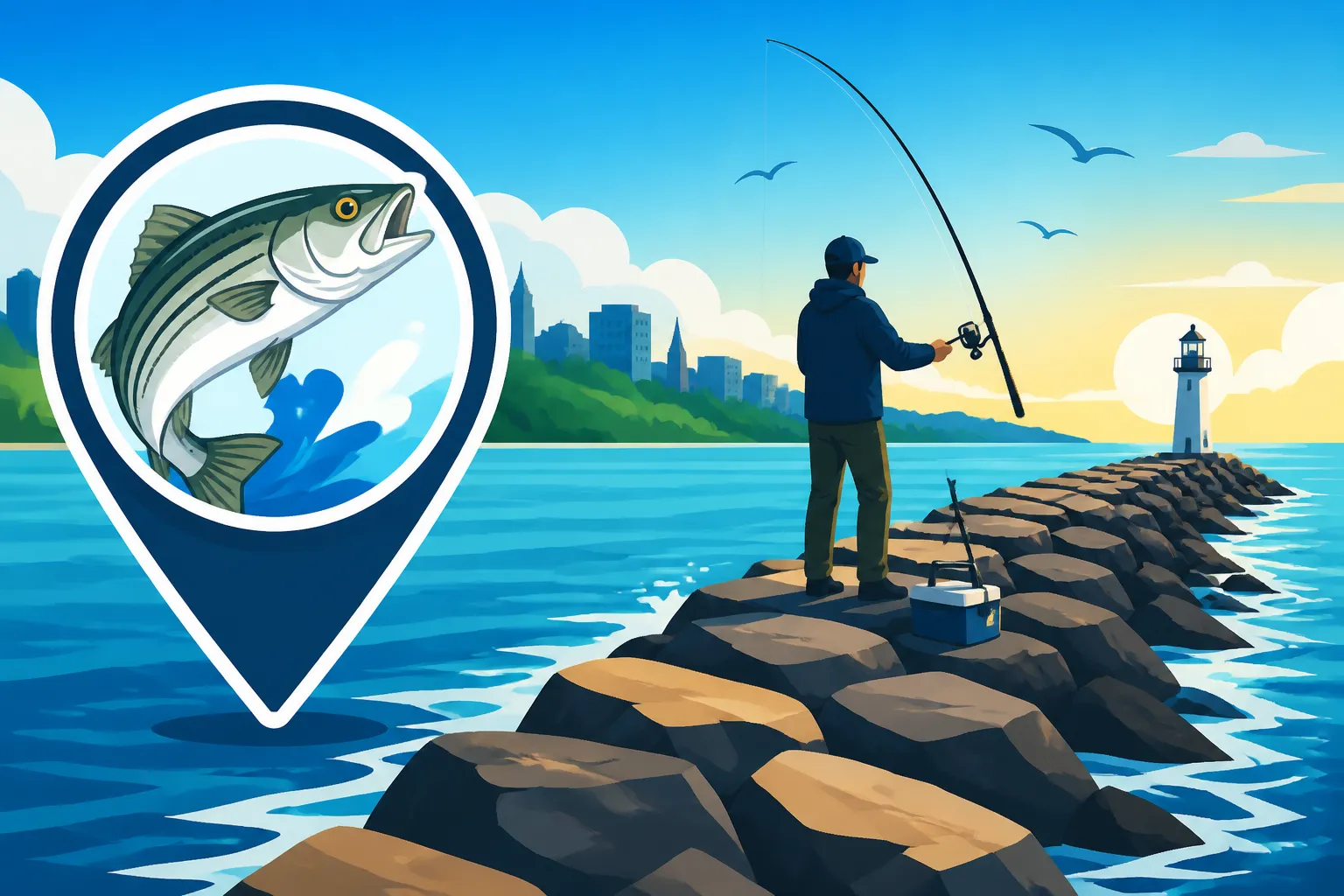
Jetties are fantastic fishing structures, acting like natural fish magnets along the Connecticut shoreline. These man-made rock piles extend out into the water, serving as vital navigation aids, but for anglers, they represent prime real estate for a variety of saltwater species. The magic of a jetty lies in its ability to create currents, eddies, and structure that baitfish love, which in turn attracts larger predatory fish. Think about it: where there's food, there's always a crowd!
These rock formations break up the otherwise uniform sandy or muddy bottom, providing shelter, ambush points, and foraging grounds for everything from striped bass to blackfish. The changing tides bring fresh water and new food sources, making jetties dynamic environments where conditions can shift rapidly, and with them, the fishing opportunities. Understanding these dynamics is key to unlocking their potential.
Why Jetties are Prime Fishing Grounds
Jetties aren't just random piles of rocks; they're intricate underwater ecosystems. As the tide pushes and pulls, water rushes around and through these structures, creating currents that dislodge crabs, worms, and small baitfish, washing them into the open water where larger fish lie in wait. The rocks themselves are often covered in barnacles and mussels, attracting species like blackfish, also known as tautog, who love to graze on these crustaceans.
Furthermore, jetties often provide deeper water access closer to shore than you might find elsewhere. This means you can cast into channels, rips, and drop-offs that would typically require a boat, all while keeping your feet firmly on solid ground (or at least, semi-solid rock!). This accessibility, combined with the structural complexity, makes jetties incredibly productive for shore-bound anglers.
Common Species Targeted from New Haven Jetties
When you're perched on a jetty near New Haven, you're primarily looking for a few key players. The star of the show for many is the striped bass, especially during their spring and fall migrations. These powerful fish use the jetties as feeding lanes, ambushing baitfish that get pushed around by the currents. Bluefish are another common catch, known for their aggressive strikes and sharp teeth, especially during the warmer summer months.
Bottom dwellers are also abundant. Fluke, or summer flounder, often lie in wait on the sandy bottom adjacent to the jetties, ready to pounce on passing bait. And, of course, the ever-popular blackfish (tautog) cling to the rocks, providing a challenging fight for those targeting them with crabs. You might also encounter scup (porgy), sea bass, and even a rogue weakfish depending on the season and specific location. Checking the current Connecticut Saltwater Fishing Regulations by Species is always a good idea to ensure you're fishing legally.
Top Jetty Fishing Locations Near New Haven
The New Haven coastline offers several fantastic jetties that are easily accessible to anglers. Each spot has its own unique charm, target species, and best fishing conditions. It’s worth exploring a few to find your personal favorite, but here are some of the most consistent producers.
West Haven Town Beach Jetties
Just a stone's throw west of New Haven, the West Haven Town Beach area boasts a series of jetties that are incredibly popular with local anglers. These jetties, part of the extensive West Haven shoreline, extend into Long Island Sound, offering excellent opportunities for both casting and bottom fishing.
Access and Parking: The jetties are generally accessible from various points along the West Haven boardwalk and beaches. Parking can be found in several municipal lots along Beach Street and Captain Thomas Boulevard. During peak summer, especially on weekends, these lots can fill up quickly, and some may require payment or a town pass. It’s always best to arrive early. There's ample public access to the beach, and you'll often see families enjoying the sand alongside serious anglers.
Target Species and Techniques: The West Haven jetties are renowned for striped bass, bluefish, and fluke. For striped bass and bluefish, casting artificial lures like bucktails, soft plastics, or swimming plugs can be very effective, particularly around dawn, dusk, or during a moving tide. Many anglers also have success live-lining bunker or eels from these jetties. For fluke, drifting Gulp! artificial baits or fresh cut bait (like squid strips or spearing) on a three-way rig near the sandy edges of the jetty can yield good results. Blackfish can also be targeted with green crabs fished directly against the rocks, especially on the outgoing tide. You might find some excellent insights into specific techniques by looking at resources like How to Catch Striped Bass in Long Island Sound.
Pros and Cons:
- Pros: Easy public access, diverse target species, good structure, often productive during spring and fall migrations. Family-friendly environment with amenities nearby.
- Cons: Can get very crowded, especially on weekends and during prime fishing times. Parking can be a challenge. Debris and snags are common due to heavy fishing pressure.
Lighthouse Point Park Jetty, New Haven
Located right in New Haven, Lighthouse Point Park is a historic and scenic location that also offers a decent jetty for fishing. While perhaps not as extensive as some other structures, its proximity to the city and the types of fish it attracts make it a worthwhile spot.
Access and Parking: Lighthouse Point Park is at 2 Lighthouse Rd, New Haven, CT. There is a gate, and during the peak season (typically April-October), there's a vehicle entrance fee (or a free pass for New Haven residents). Outside of peak season, access is often free. Ample parking is available within the park, usually a short walk from the jetty.
Target Species and Techniques: The jetty at Lighthouse Point Park can produce striped bass and bluefish, particularly on the incoming and outgoing tides as baitfish move in and out of New Haven Harbor. Lure casting with metal jigs or topwater plugs can be exciting here. It’s also a good spot for bottom fishing, with scup (porgy) and occasional black sea bass being caught on high-low rigs baited with squid or clam. Fluke can also be found in the shallower areas around the jetty. Consider reviewing the Connecticut Fishing License Guide for 2026 before you head out, as a license is required for most anglers.
Pros and Cons:
- Pros: Convenient location for New Haven residents, beautiful park setting, generally well-maintained, offers diverse fishing opportunities.
- Cons: Park entrance fee during peak season. The jetty isn't as long or exposed as some others, potentially limiting deeper water access. Can be popular with general park visitors, so watch for swimmers and non-fishing traffic.
Silver Sands State Park Jetties, Milford
While technically in Milford, Silver Sands State Park is just a short drive from New Haven and offers some fantastic jetty fishing opportunities. The park features a unique sandbar that leads to Charles Island at low tide, flanked by jetties that can be incredibly productive.
Access and Parking: Silver Sands State Park is located at 1201 Gulf St, Milford, CT. There's a large parking lot, and like most state parks, there's a parking fee for out-of-state vehicles or if you don't have a CT State Parks Pass. Parking is generally plentiful, but the park can get very busy on hot summer days. The jetties are accessible via the main beach areas.
Target Species and Techniques: Silver Sands is a prime location for striped bass, bluefish, and fluke. The currents around the sandbar and jetties create ideal ambush points. Casting spoons, topwater plugs, and soft plastics can be very effective for stripers and blues, especially during low light conditions or when schools of baitfish are present. The sandy areas adjacent to the jetties are excellent for fluke, using bucktails tipped with Gulp! or natural bait like spearing. Blackfish can also be found clinging to the rocky structures. For insights on gear specific to these locations, you might find articles like Best Lures for Striped Bass in Long Island Sound helpful.
Pros and Cons:
- Pros: Excellent for migratory striped bass and bluefish, good fluke opportunities, beautiful natural setting, generally good parking. The sandbar to Charles Island offers unique opportunities if you time your trip with the tides.
- Cons: The sandbar can be dangerous if you don't pay attention to the tide schedule. Can be crowded with beachgoers. The walk to the jetties can be a bit longer than at other spots.
Essential Gear and Techniques for Jetty Anglers
Successfully fishing from a jetty requires more than just a rod and reel. The unique challenges of these rocky structures, from sharp edges to strong currents, demand specific gear and thoughtful techniques. Being prepared will not only increase your chances of catching fish but also ensure your safety and comfort.
Rod and Reel Setups
For jetty fishing, you'll generally want a robust setup. A medium-heavy to heavy action spinning rod, typically 7 to 10 feet in length, is ideal. The longer rod helps with casting distance, especially important when trying to reach deeper channels or rips, and provides better leverage when fighting a strong fish around rocky obstacles. Pair this with a reliable spinning reel in the 4000 to 6000 size range, capable of holding 200-300 yards of 20-50 lb braided line. Braided line is crucial here for its strength, sensitivity, and resistance to abrasion.
Leader material is equally important. A fluorocarbon leader of 30-50 lb test is recommended. It's nearly invisible underwater and more abrasion-resistant than mono, which is a big plus when fishing around jagged rocks and barnacles. You'll want to use a strong knot to connect your braid to your leader, such as an FG knot or an Albright knot.
Terminal Tackle and Baits
When it comes to what you tie on, versatility is key. Jetties can be fished effectively with both artificial lures and natural baits.
- Artificial Lures: Bucktail jigs (1-3 oz) are workhorses for striped bass and fluke. Tip them with a soft plastic trailer or a strip of squid for added attraction. Soft plastic paddletails or swim shads rigged on heavy jig heads are also excellent for casting for stripers and bluefish. Metal casting spoons and various swimming plugs (both surface and subsurface) are great for covering water and mimicking baitfish.
- Natural Baits: For blackfish, green crabs or Asian shore crabs are king. Break them in half or use them whole on a small, strong hook (like a Trokar or Gamakatsu octopus hook). For fluke, fresh strips of squid, spearing, or silversides are top choices. For striped bass and bluefish, live bait like bunker (menhaden) or eels, or cut bait like mackerel or bunker chunks, can be irresistible. Consider using a fish finder rig for bottom fishing with bait, or a three-way swivel rig for fluke.
Specialized Gear for Safety and Comfort
Safety on a jetty cannot be overstated. The rocks are often wet, slimy, and incredibly slippery.
- Footwear: Invest in proper wading boots with felt soles or, even better, studded soles designed for traction on slippery rocks. Kahtoola MICROspikes or similar traction devices can be added to regular boots for enhanced grip.
- PFD: A personal flotation device (PFD) is always a good idea, especially if you're fishing alone or in rough conditions. You can find comfortable, low-profile versions that won't impede your casting.
- Lighting: If you're fishing at dawn, dusk, or night (which are often the best times for stripers), a headlamp is essential.
- Other Essentials: A sturdy backpack to carry gear, a pair of pliers for hook removal, a rag to wipe down fish slime, and a sharp fillet knife if you plan to keep your catch. A small cooler with ice for your fish is also a must.
Here's a quick look at some recommended gear:
| Category | Recommended Item | Purpose |
|---|---|---|
| Rod | 7-10 ft Medium-Heavy to Heavy Spinning Rod | Casting distance, power for fighting fish, handling heavy lures |
| Reel | 4000-6000 Size Saltwater Spinning Reel | Line capacity, durability, smooth drag |
| Main Line | 20-50 lb Braided Line | Strength, sensitivity, abrasion resistance |
| Leader | 30-50 lb Fluorocarbon Leader | Stealth, abrasion resistance around rocks |
| Lures | Bucktail Jigs (1-3 oz), Soft Plastic Swim Shads, Metal Spoons | Versatility for stripers, blues, fluke |
| Bait | Green Crabs (blackfish), Squid Strips (fluke/scup), Bunker/Eels (stripers/blues) | Species-specific attraction |
| Footwear | Studded Wading Boots or Traction Devices | Crucial for safety on slippery rocks |
| Safety | Personal Flotation Device (PFD), Headlamp | Personal safety, visibility in low light |
| Tools | Fishing Pliers, Rag, Fillet Knife | Hook removal, cleanup, processing catch |
Maximizing Your Catch and Ensuring Safety
Fishing from a jetty is an exhilarating experience, but it comes with its own set of challenges. By understanding the environment and adopting smart practices, you can significantly increase your success rate and, more importantly, stay safe.
Reading the Tides and Currents
Tide is everything when jetty fishing. A moving tide, whether incoming or outgoing, typically brings the best fishing. This is because the moving water stirs up bait, creates eddies, and pushes food past waiting predators. Slack tide, when the water movement is minimal, can often be slow.
- Incoming Tide: As the tide rises, it can push baitfish closer to shore and into the jetty structures. This is often a great time for striped bass and bluefish.
- Outgoing Tide: As the tide recedes, it can wash bait out from the marsh and shorelines, attracting fish waiting at the mouth of the channels created by the jetty. This can be excellent for fluke and blackfish.
- Currents and Eddies: Observe how the current flows around the jetty. Look for areas where the main current meets a slower, swirling eddy. These transition zones are prime ambush points for predatory fish. Casting your lure or bait into the current and letting it drift naturally into an eddy can be incredibly effective. Understanding the Best Time of Day to Catch Striped Bass often involves knowing the local tide charts.
Targeting Specific Fish Species
To truly maximize your catch, it helps to focus on one or two species per trip, as their habits and preferred methods can vary widely.
- Striped Bass and Bluefish: These are often caught by casting lures that imitate baitfish or by live-lining bunker or eels. Focus on the tips of the jetties, where the strongest currents and deepest water are, or along the edges where current rips form. Early morning and late evening, or even night, are often the most productive times.
- Fluke (Summer Flounder): Fluke prefer sandy bottoms. Cast your fluke rig (bucktail or traditional fluke rig) to the sandy areas adjacent to the jetty, letting it drift or slowly jigging it along the bottom. Pay attention to changes in depth. You might want to brush up on How to Catch Fluke in Long Island Sound for more detailed tips.
- Blackfish (Tautog): Blackfish are rock dwellers. Your best bet is to fish directly down into the rocks, using a heavy sinker to keep your bait (green crabs are king!) on the bottom. You'll need a sensitive rod to feel their notoriously subtle bites. Strong leader and hooks are essential as they will try to pull you into the structure. Check the Connecticut Blackfish Tautog Season Dates as they have specific seasons and limits.
Prioritizing Safety on the Rocks
Jetty fishing can be dangerous if you're not careful. The wet, barnacle-covered rocks are treacherous, and unexpected waves can sweep you off your feet.
- Footwear is Non-Negotiable: As mentioned, studded boots or traction devices are a must. Do not wear regular sneakers or flip-flops.
- Watch the Waves: Always be aware of incoming waves, especially on windy days or when boat wakes are present. Never turn your back on the ocean. A rogue wave can knock you down or even into the water.
- Buddy System: Whenever possible, fish with a friend. If something goes wrong, you'll have someone to help.
- Carry a First-Aid Kit: Minor cuts and scrapes from rocks and barnacles are common. Be prepared to treat them.
- Know Your Limits: Don't venture out onto slippery or unstable rocks, especially if you're not confident in your footing. No fish is worth risking your life.
- Check Weather and Tides: Before you even leave home, check the marine forecast for wind and wave conditions, and consult a tide chart.
Environmental Responsibility
As anglers, it’s our responsibility to protect the places we love to fish.
- Pack It In, Pack It Out: Always take all your trash with you, including discarded fishing line and bait containers.
- Respect Wildlife: Observe seals, birds, and other wildlife from a distance.
- Adhere to Regulations: Always follow the current Connecticut Fishing Regulations Explained for size limits, creel limits, and season dates. This ensures sustainable fishing for future generations.
- Consider a Charter: If you're new to the area or want expert guidance, a local fishing charter can be a great way to learn the ropes. You can often find reputable captains through platforms like FishingBooker who specialize in jetty or inshore fishing, offering a guided experience that covers safety and local techniques.
Conclusion
Jetty fishing near New Haven, Connecticut, offers some truly fantastic opportunities for anglers willing to brave the rocks. From the extensive jetties of West Haven to the scenic spot at Lighthouse Point Park and the productive structures of Silver Sands State Park, there’s a variety of experiences waiting. By understanding the local species, arming yourself with the right gear, and always prioritizing safety, you can unlock the full potential of these amazing fishing grounds. So, grab your gear, check the tides, and get ready to experience some of the best shore fishing that Long Island Sound has to offer!
Disclaimer
Please note that fishing regulations, access policies, and environmental conditions can change. Always consult the official Connecticut Department of Energy and Environmental Protection (DEEP) website for the most current fishing regulations, license requirements, and park information before planning your trip. Anglers are responsible for their own safety and adherence to all rules and regulations.