Best jetty fishing spots near Stonington
Finding those perfect spots to cast a line from shore in Connecticut can feel like a secret society, especially when you're looking for productive jetty fishing near Stonington. Many anglers struggle to identify accessible jetties that consistently produce fish, often wasting precious fishing time searching or settling for less-than-ideal locations. This guide aims to cut through that frustration, providing you with detailed insights into the best jetty fishing opportunities in and around Stonington, ensuring your next trip is a success.
Why Jetty Fishing Near Stonington is a Game-Changer
Stonington and its surrounding coastal areas offer a unique charm for shore anglers, particularly those who appreciate the structure and accessibility of jetties. These man-made formations act like magnets for baitfish and predators alike, creating prime feeding grounds right within casting distance. The blend of freshwater influence from nearby rivers and the rich saltwater environment of Long Island Sound makes this a truly dynamic fishing locale.
The Unique Appeal of Stonington's Jetties
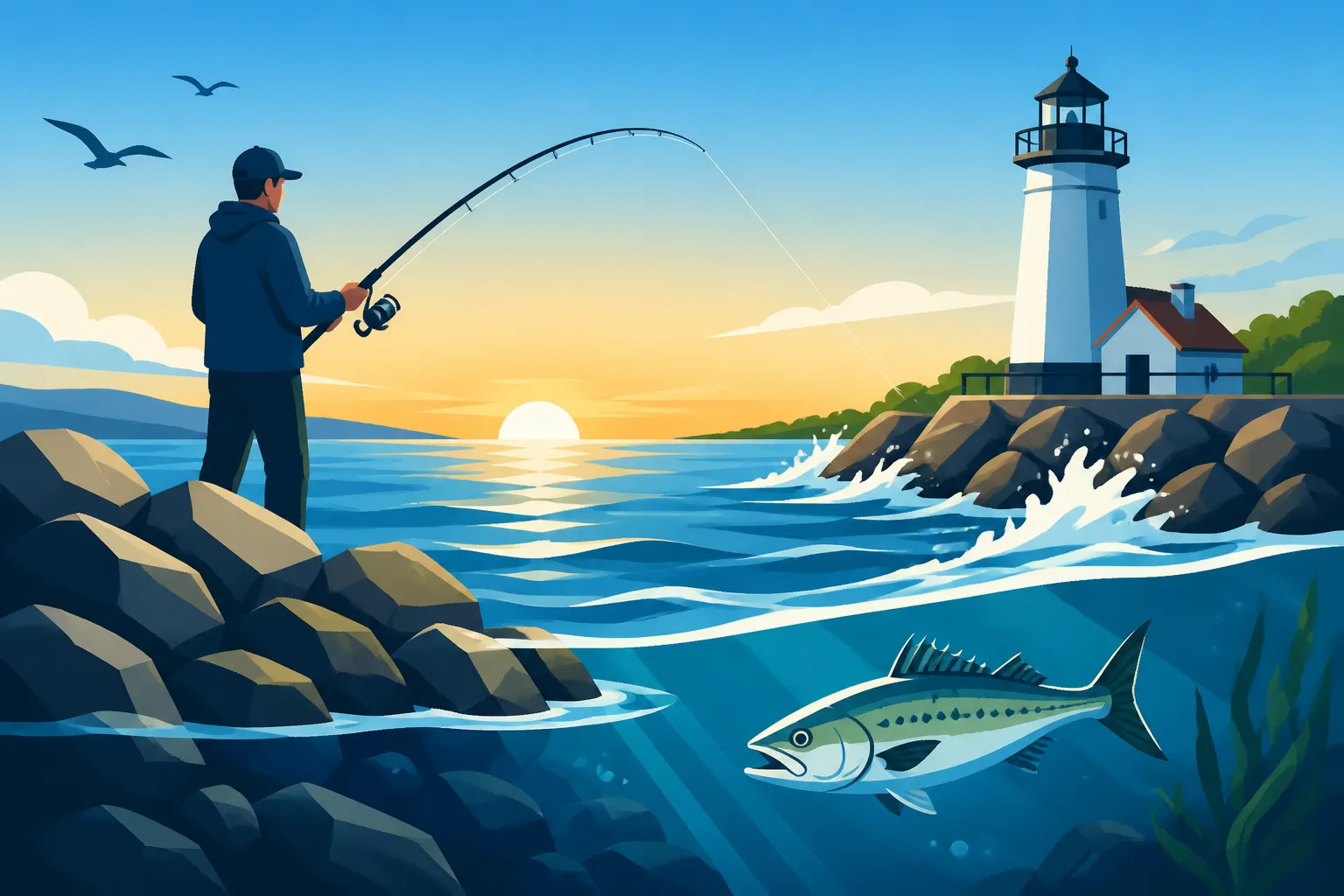
Jetties, by their very nature, disrupt the natural flow of water, creating eddies, current breaks, and deep pockets that fish absolutely love. They provide shelter from strong currents and offer a smorgasbord of food sources, from crabs and mussels clinging to the rocks to schools of baitfish seeking refuge. Near Stonington, these jetties are typically rock or rubble constructions that extend into the Sound, offering varying depths and exposures to tidal currents. This structural diversity means you can target different species and employ a range of techniques, from bottom fishing for tautog to casting lures for striped bass. The accessibility is a huge draw too; no boat needed, just your gear and a willingness to explore.
Species You'll Encounter
The waters around Stonington's jetties are teeming with a fantastic array of fish species, making every outing an exciting unknown. You'll primarily be targeting popular inshore game fish, but surprises are always possible.
- Striped Bass (Stripers): These are perhaps the most sought-after species. Stripers patrol the jetty edges, ambushing baitfish caught in the currents. You'll find schoolie-sized fish, but larger cows are definitely a possibility, especially during the spring and fall migrations. Understanding the Connecticut Striped Bass Slot Limit and Season is crucial for these prized catches.
- Bluefish: The "chopper" of the Sound, bluefish are aggressive predators that will readily hit lures and bait. They often run in schools, providing fast and furious action, particularly in summer. Be prepared for their sharp teeth!
- Fluke (Summer Flounder): These flatfish love to lie in wait on sandy bottoms near structure, ambushing passing bait. Jetties that have sandy areas adjacent to them can be prime fluke territory. Check out Connecticut Fluke and Summer Flounder Regulations before heading out.
- Blackfish (Tautog): If you enjoy a challenging fight and delicious table fare, tautog are your target. They are structure-oriented, clinging to the rocks and making powerful runs. Their bite is subtle, and you'll need specialized gear and bait to tempt them. Knowing the Connecticut Blackfish Tautog Season Dates is essential for a successful trip.
- Scup (Porgy): Abundant and fun to catch, scup are often found around rocky bottoms and structure. They provide consistent action and are excellent eating.
- Sea Bass (Black Sea Bass): Another fantastic bottom fish, black sea bass are often found on rocky reefs and around structure. They are voracious eaters and put up a good fight. Make sure you're up to date on Connecticut Black Sea Bass Regulations for 2026.
Top Jetty Fishing Spots Near Stonington
Stonington and its neighboring areas boast several fantastic jetties and shore-accessible rocky areas that provide excellent fishing opportunities. Each spot has its own character, access points, and optimal conditions, so understanding the nuances will significantly improve your chances of success.
Stonington Point Jetty
This is arguably the most iconic and easily accessible jetty in Stonington. Located at the very tip of Stonington Point, it guards the entrance to Stonington Harbor.
- Accessibility: You can drive right up to the point, where there's parking available. The jetty itself is a sturdy, walkable rock structure. Be mindful of pedestrians enjoying the scenic views, especially during peak season.
- Fishing Characteristics: The jetty extends into the confluence of Long Island Sound and the harbor entrance, creating strong currents that funnel baitfish. This makes it a prime location for striped bass and bluefish. The deeper water on the outer edges and the calmer pockets inside the harbor offer diverse fishing.
- Target Species and Techniques:
- Striped Bass & Bluefish: Cast bucktails, swim shads, or topwater plugs at dawn or dusk, especially on outgoing tides. Live eels or chunk bait can also be highly effective, fished on the bottom or under a float.
- Fluke & Sea Bass: Focus on the sandy patches adjacent to the jetty or where the jetty meets the sandy bottom. Drift a SPRO bucktail tipped with a Gulp! grub or strip of squid, or use a hi-lo rig with bait.
- Blackfish & Scup: Concentrate your efforts right alongside the rocks, using green crabs, fiddler crabs, or small pieces of clam on a tautog jig or a single hook bottom rig.
- Tips for Success: Pay close attention to the tide. The moving water brings in bait and positions predators. Early morning and late evening, or overcast days, tend to be the most productive. Always wear sturdy footwear, as the rocks can be slippery.
Dubois Beach Jetty (Barn Island Wildlife Management Area)
Just a short drive from Stonington Borough, within the expansive Barn Island Wildlife Management Area in Pawcatuck (a section of Stonington), you'll find Dubois Beach. While not a massive jetty, the rocky outcropping and the channel it creates are excellent.
- Accessibility: Barn Island WMA offers ample parking, and Dubois Beach is a short walk. The "jetty" here is more of a natural rocky breakwater, but it serves the same purpose. The walk itself through the wildlife management area is beautiful, offering a chance to enjoy nature before you even cast a line.
- Fishing Characteristics: This area features a combination of rocky structure and shallow sand flats, especially around the mouth of the Pawcatuck River. The currents here are influenced by the river outflow and the tides of Little Narragansett Bay, leading to a unique brackish environment that can hold a variety of fish.
- Target Species and Techniques:
- Striped Bass: Often found cruising the channel where the rocks meet the deeper water. Soft plastics like Fin-S Fish or larger paddle tails, fished slowly along the bottom, can be very effective. Live bait, such as peanut bunker if present, can also be deadly.
- Fluke & Sea Bass: The sandy areas surrounding the rocky breakwater are ideal. Try casting and slowly retrieving bucktails or using a traditional fluke rig with a squid strip.
- Eels & White Perch: Due to the proximity to the Pawcatuck River, you might also encounter some interesting freshwater-tolerant species, especially near the river mouth. Small pieces of bait on a bottom rig can entice them.
- Tips for Success: Wading out a bit can give you better casting angles, but be aware of submerged rocks and soft sand. This spot can be very productive during an incoming tide as bait gets pushed into the bay. It's also a great spot for targeting smaller stripers.
Watch Hill Jetties (Westerly, Rhode Island)
While technically across the state line in Westerly, Rhode Island, the Watch Hill jetties are so close to Stonington and so popular among Connecticut anglers that they absolutely deserve a mention. It's a quick drive, and the fishing can be phenomenal.
- Accessibility: Parking is available in Watch Hill village, but it can be extremely competitive and expensive during summer. Be prepared for a walk or visit during the shoulder seasons. The jetties themselves are robust stone structures that provide excellent access to deep water.
- Fishing Characteristics: Watch Hill offers two prominent jetties: the East Jetty (on the Watch Hill side, protecting the harbor entrance) and the West Jetty (extending from Napatree Point). Both jetties face the open Atlantic and experience strong currents and significant wave action, especially during swells. This "oceanic" exposure often draws larger, migratory fish.
- Target Species and Techniques:
- Trophy Striped Bass: This area is famous for big stripers, especially in spring and fall. Large bucktails, big swimbaits, and live eels are the go-to baits for serious trophy hunters. Fish the rips and current lines where the jetties meet the open ocean.
- Bluefish: When bluefish are around, they'll hit almost anything. Metal lures, poppers, and large soft plastics cast into the white water are effective.
- False Albacore & Bonito: In late summer and early fall, these speedsters can make appearances, offering incredible light tackle action. Small metals like Deadly Dicks or Kastmasters cast far and retrieved quickly often do the trick.
- Tips for Success: Due to the exposure and strong currents, safety is paramount. Wear a PFD, even if not required, and always keep an eye on incoming waves. Long casting rods are beneficial here. Consider a Connecticut Fishing License Guide for 2026 and familiarize yourself with Rhode Island regulations if you plan to fish frequently on that side of the border.
Bluff Point State Park Rocky Outcrops
Bluff Point State Park in Groton, just west of Stonington, doesn't have traditional long jetties, but its extensive coastline features numerous rocky outcrops, points, and coves that function much like jetties in attracting fish. This is a wilderness area, so be prepared for a walk!
- Accessibility: This is a walk-in only park. You'll park in the main lot and hike several miles along the coast to reach many of the best fishing spots. The walk itself is beautiful but can be strenuous, especially with heavy gear.
- Fishing Characteristics: Bluff Point offers a rugged, natural shoreline with a mix of rocky ledges, boulder fields, and small sandy coves. The varying depths and structures provide excellent habitat for a range of species. It feels wilder and less pressured than more accessible spots.
- Target Species and Techniques:
- Striped Bass & Bluefish: Work the areas where current sweeps around points and ledges. Poppers, darters, and various swimbaits are effective, especially during low light. Live lining or chunking bunker (if available) can also yield impressive results.
- Blackfish: The rocky bottom is ideal for tautog. Focus on spots with good structure and use green crabs. This is a prime spot for the Blackfish Tautog Fishing in Connecticut.
- Sea Bass & Scup: Bottom fishing with squid or clam pieces around the numerous rocky formations will produce these species.
- Tips for Success: Pack light, but bring plenty of water, snacks, and extra tackle. A backpack is essential. Study a map of the park beforehand to identify promising coves and points. This is an excellent spot for anglers who enjoy solitude and a bit of adventure.
Essential Gear and Techniques for Stonington Jetties
Successfully fishing jetties in and around Stonington requires more than just a rod and reel. The right gear and a keen understanding of various techniques will significantly enhance your experience and your catch rate.
Rods, Reels, and Line Choices
Selecting the proper tackle is paramount when fishing from jetties, as you'll often be dealing with strong currents, abrasive rocks, and powerful fish.
- Rods: For general jetty fishing, a medium-heavy to heavy action spinning rod, 8 to 10 feet in length, is a versatile choice. This length provides the casting distance needed to reach beyond the immediate jetty structure and offers leverage for fighting fish in current and over rocks. Brands like St. Croix or Ugly Stik offer durable options that can withstand the abuse of jetty fishing.
- Reels: Pair your rod with a robust spinning reel in the 4000 to 6000 size range, capable of holding a good amount of line and handling saltwater conditions. Look for reels with smooth drags and good corrosion resistance, like those from Penn or Shimano.
- Line: Braided line is highly recommended for jetty fishing due to its superior strength-to-diameter ratio, zero stretch for excellent sensitivity, and abrasion resistance. A 20-30 lb test braided line is a good all-around choice. Always use a fluorocarbon leader (20-50 lb test, depending on target species and conditions) to provide additional abrasion resistance against rocks and invisibility to fish.
Baits and Lures That Get Bites
The variety of fish around Stonington's jetties means you'll want a diverse tackle box.
- Artificial Lures:
- Bucktail Jigs: These are absolute jetty staples. White, chartreuse, and natural colors in 1/2 oz to 2 oz sizes are effective for striped bass, bluefish, and fluke. Tip them with a soft plastic trailer or a strip of squid for added attraction.
- Soft Plastics: Paddle tail swimbaits (3-6 inches) like those from Z-Man or Berkley Gulp! rigged on jig heads are deadly for stripers, bluefish, and fluke. Twitchbaits and finesse worms can also work for finicky fish.
- Topwater Plugs: Poppers and walk-the-dog style lures are exhilarating for surface strikes from striped bass and bluefish, especially during low light conditions or when baitfish are schooling on top.
- Metal Lures: Kastmasters, A.C.E. lures, or diamond jigs are excellent for long casts and imitate fleeing baitfish, attracting blues, stripers, and even false albacore.
- Live and Dead Baits:
- Green Crabs: The undisputed king for blackfish (tautog). Fiddler crabs and Asian crabs also work.
- Clams & Worms: Clams are great for scup and can tempt sea bass and stripers. Bloodworms or sandworms are excellent for smaller species and schoolie stripers.
- Squid: A universal bait that works for almost everything – fluke, sea bass, scup, and even stripers.
- Live Eels/Bunker: If targeting large striped bass, live eels fished after dark or fresh chunked bunker can be incredibly effective.
Safety First
Jetty fishing, while rewarding, comes with inherent risks. Prioritizing safety is non-negotiable.
- Footwear: Invest in sturdy, non-slip footwear with good ankle support. Felt-soled wading boots or specialized jetty boots are ideal. Wet rocks are incredibly slippery.
- Tides: Always check the tide charts before you go. Jetties can become submerged or inaccessible at high tide, and strong currents can sweep you off. Understand when the tide will turn and plan your exit accordingly.
- Weather: Sudden storms can turn calm waters dangerous. Watch the forecast, and if lightning is spotted or heavy weather rolls in, pack it up. Strong winds can also make casting difficult and dangerous.
- Life Jackets: While not always legally required for shore fishing, wearing a PFD (Personal Flotation Device) is a smart move, especially on exposed jetties or if you're not a strong swimmer.
- Respect the Environment: Pack out everything you pack in. Leave no trace. Be mindful of others fishing and enjoying the area. Knowing your Connecticut Fishing Regulations Explained will also help you stay safe and legal.
Mastering the Tides and Conditions
The tides, currents, and seasonal changes are the lifeblood of jetty fishing. Understanding how these elements influence fish behavior is the key to consistent success near Stonington.
Reading the Water Around Jetties
Fish are intimately connected to the flow of water, using currents to their advantage for feeding and conserving energy.
- Ingoing vs. Outgoing Tides: Both tides can be productive, but often one is better than the other depending on the specific jetty and target species.
- Incoming Tide: As the tide pushes in, it often brings cooler, cleaner ocean water and baitfish closer to shore and into the jetty's structure. This can be excellent for striped bass and bluefish pushing into coves and channels.
- Outgoing Tide: As the water drains out, it can sweep baitfish out of bays and estuaries, concentrating them around jetty mouths and points. This can create feeding frenzies for predators. For example, the outflow from the Pawcatuck River near Dubois Beach can be very productive on an outgoing tide.
- Current Breaks and Eddies: Look for areas where the current slows down behind a rock or where two currents meet. These are prime ambush points for striped bass and bluefish. Cast your lure or bait into the faster current and allow it to drift naturally into these calmer zones.
- Rips: Strong currents flowing over submerged structure or against the jetty can create visible "rips" on the surface. These churning waters are often highly productive, indicating active feeding lanes.
Seasonal Considerations
The time of year dramatically impacts what species are present and how they behave around the jetties. The Best Time of Year to Fish in Connecticut truly varies by species.
- Spring (April – June): This is a prime time for the arrival of migratory striped bass and bluefish. As water temperatures rise, baitfish move into the Sound, and the predators follow. Trout season also begins in inland waters, but for jetties, it's all about the anadromous species. Look for early season fluke as well.
- Summer (July – August): Warm water brings in a wider variety of species like scup, black sea bass, and sometimes even Spanish mackerel. Stripers and blues are still present but may be more active during cooler low-light hours. Fluke fishing can be excellent, particularly in deeper channels and cooler pockets. Remember to check Connecticut Saltwater Fishing Regulations by Species as they can vary.
- Fall (September – November): This is arguably the best time for jetty fishing near Stonington. The "fall run" sees an exodus of baitfish and migratory striped bass and bluefish moving south. The action can be incredibly intense. False albacore and bonito may also show up, offering thrilling light tackle opportunities. Tautog fishing also picks up as waters cool.
- Winter (December – March): While most migratory species have departed, you can still find some hardy holdover striped bass in deeper, sheltered areas, though they are often sluggish. Tautog fishing can be productive early in winter, but generally, jetty fishing slows significantly until spring.
Comparing Stonington Area Jetties
To help you plan your next outing, here's a quick comparison of the primary jetty fishing spots near Stonington:
| Feature | Stonington Point Jetty | Dubois Beach Jetty (Barn Island) | Watch Hill Jetties (RI) | Bluff Point Rocky Outcrops (Groton) |
|---|---|---|---|---|
| Accessibility | Easy walk from parking | Moderate walk from parking | Challenging parking, long walk | Long walk from parking (wilderness) |
| Primary Species | Striped Bass, Bluefish, Fluke | Striped Bass, Fluke, Sea Bass, Perch | Trophy Striped Bass, Bluefish, Albacore | Striped Bass, Blackfish, Bluefish |
| Bottom Type | Rocky, sandy edges, deep channel | Rocky, sandy flats, river mouth | Rocky, open ocean, rips | Very rocky, ledges, small coves |
| Current | Strong, harbor entrance | Moderate, river & bay influence | Very strong, open ocean | Varied, around points and coves |
| Best Seasons | Spring, Summer, Fall | Spring, Summer, Fall | Spring, Fall | Spring, Fall |
| Crowd Level | Moderate to High | Low to Moderate | High (especially summer) | Low (due to walk-in only) |
| Unique Feature | Historic setting, diverse fishing | Wildlife habitat, calm waters | Open ocean exposure, big fish potential | Wilderness feel, less pressure |
If you're looking to explore more of the region's diverse fishing, remember that guided trips can often provide invaluable local knowledge. Sites like FishingBooker list many experienced captains who run trips specifically targeting these inshore species. While this guide focuses on shore-based jetty fishing, some captains on FishingBooker specialize in light tackle inshore trips that can mimic jetty techniques from a boat.
For anglers looking to try other shore-based options, consider exploring a Long Island Sound Fishing Guide or specific articles like Best Shore Fishing Spots in Connecticut to broaden your horizons beyond just jetties. Whether you're targeting the big striped bass on the fall run or jigging for fluke in the summer, understanding these spots will significantly boost your success. Don't forget that many excellent local bait and tackle shops near Stonington can provide up-to-the-minute reports and advice on what's biting and what gear is working best. Plus, if you're ever considering a day on the water but don't own a boat, platforms like FishingBooker can connect you with local charters who know these waters intimately.
Ultimately, jetty fishing near Stonington offers a blend of accessibility, diverse species, and exciting angling action. From the busy Stonington Point to the wild shores of Bluff Point, there's a jetty or rocky outcrop waiting for you to cast a line and create some unforgettable fishing memories.
Disclaimer
Fishing regulations and conditions in Connecticut can change. Always consult the official Connecticut Department of Energy and Environmental Protection (DEEP) website or the current Connecticut Angler's Guide for the most up-to-date information on licenses, seasons, size limits, and any special regulations before heading out. Fishing involves inherent risks; always prioritize safety and be aware of your surroundings.