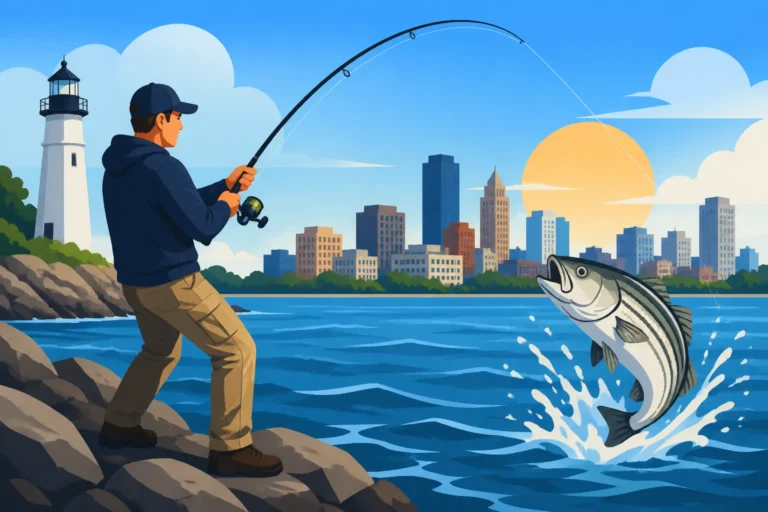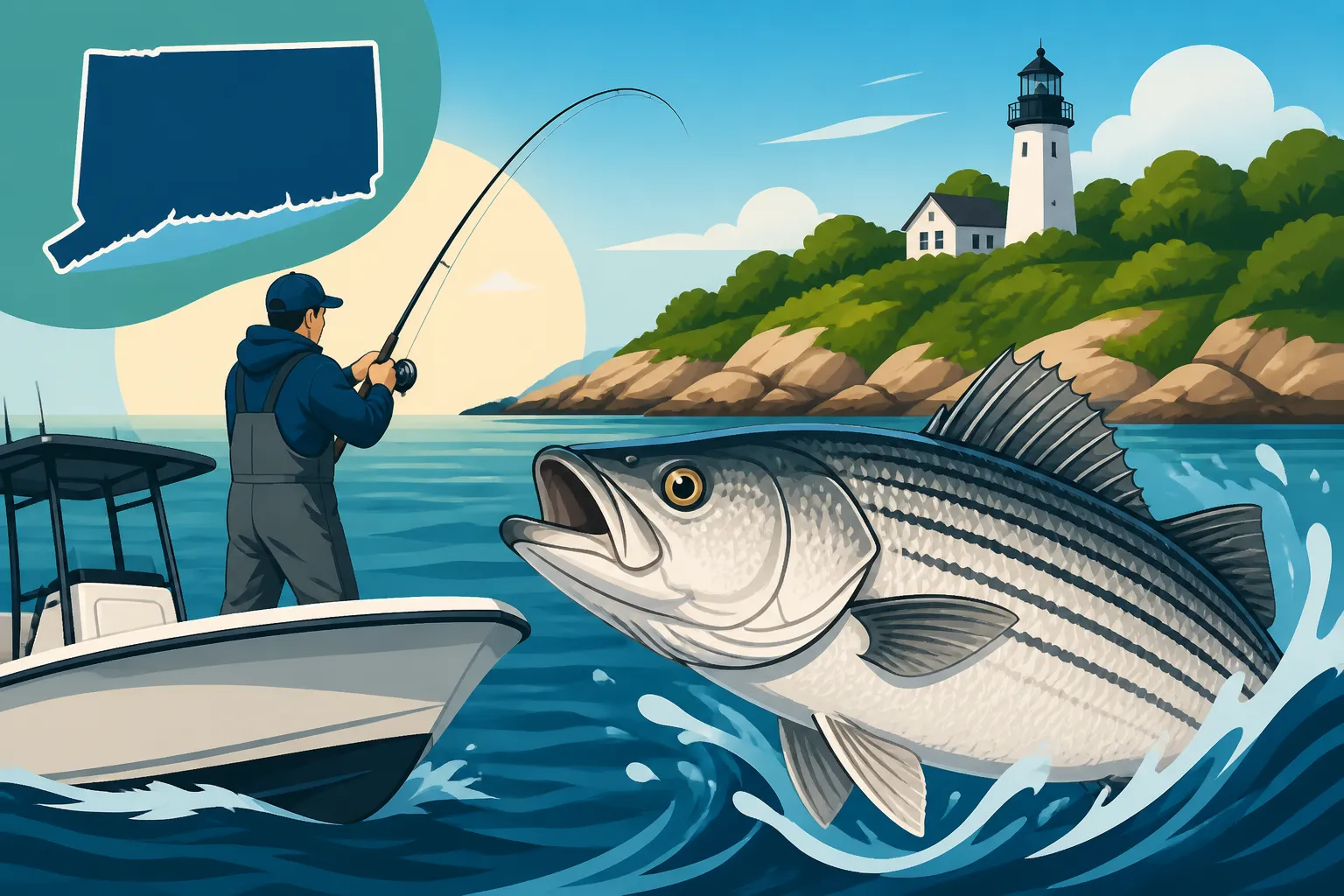
Where locals fish for striped bass on Long Island Sound
It's a tale as old as time: you hear whispers of incredible striped bass fishing spots, but every time you try to pin down an exact location, it's like asking for a family recipe – closely guarded! Long Island Sound is massive, and while stripers are certainly present throughout, knowing where the locals consistently pull in keepers or even trophy cows is a game-changer. This guide is dedicated to shedding light on those tried-and-true Connecticut spots where the striped bass action truly heats up, giving you the insider knowledge to make your next trip a success.
Western Long Island Sound Hotspots: Where Structure Meets Current
The western end of Long Island Sound, particularly in Fairfield County, is characterized by a mix of rocky shorelines, numerous harbors, and significant tidal flows. While often overlooked by anglers heading east, this region holds a wealth of phenomenal striped bass opportunities, especially if you know where to look and how to fish it. Locals here understand that consistent success often comes from fishing the choke points and current breaks that congregate baitfish and create ambush points for predators.
The sheer amount of boat traffic and population density can be a deterrent for some, making it feel less "wild," but don't let that fool you. The stripers thrive in these environments, often using man-made structures to their advantage. From the bustling harbors to the quiet coves, the fish are here, and the local knowledge is key to finding them.
Estuaries and Harbor Mouths of Fairfield County
When you're looking for striped bass in the western Sound, focusing on the mouths of major harbors and the estuaries feeding into them is a surefire strategy. These areas are natural funnels for baitfish, particularly during tidal changes. Towns like Norwalk, Stamford, and Greenwich boast productive waters that local anglers consistently frequent.
Take Norwalk Harbor, for instance, particularly the area where the Norwalk River empties into the Sound. Locals know that the outgoing tide here flushes out an abundance of bait – think silversides, spearing, and juvenile bunker – drawing stripers right to the drop-offs and channel edges. You’ll often see anglers casting soft plastics or small bucktails around the navigation markers and the bridge abutments, especially during the low light hours of dawn and dusk. The strong currents can make boat control a challenge, but that's precisely why the stripers are there, waiting to ambush unsuspecting prey. Further west, Greenwich Harbor offers similar opportunities. Its mouth and surrounding jetties create excellent current breaks, and the nearby coves can hold schools of bait, attracting hungry bass. It’s not uncommon to see local boats working the edges of these channels, often focusing on the first hour of the incoming or outgoing tide.
Rocky Structure and Tidal Rips
Beyond the harbors, the western Sound is dotted with prominent rocky points, reefs, and rips that are absolute magnets for striped bass. These natural features create turbulent water, oxygenating the water and disorienting baitfish, making them easy targets for waiting stripers. One prime example is the area around Penfield Reef, just off Fairfield. This structure, visible at low tide, is a well-known striper magnet. The currents surging around it create distinct rips that concentrate bait, and larger striped bass will hold in the eddies and current seams, waiting for an easy meal.
Fishing these rocky areas requires a keen understanding of the tides and boat positioning. Locals often use heavier jigs, lead head plastics, or even live eels drifted along the edges of the rips. Another fantastic spot is the stretch of rocky coastline and numerous small islands and ledges found between Bridgeport and Milford. Places like the waters around Stratford Shoal and other unmarked reefs are fished heavily by those in the know. These spots require local knowledge or good electronics to navigate safely, but the reward can be substantial, often yielding larger fish that aren't afraid to hold in the deeper, more turbulent waters. Understanding the Striped Bass Fishing in Long Island Sound generally is a good start, but these specific structures are where the magic truly happens.
Central Connecticut's Productive Waters for Stripers
Moving east into the central part of Connecticut, the landscape of Long Island Sound changes slightly, becoming less congested with harbors but featuring larger, more prominent river systems and extensive estuaries. This region, encompassing New Haven and Middlesex Counties, is renowned for its consistent striped bass action, particularly around its major river mouths and the unique underwater structures that define its coastline. Local anglers here have a deep appreciation for the powerful currents and abundant baitfish that funnel through these areas, making them prime targets for both resident and migratory stripers.
The confluence of freshwater and saltwater in these areas creates rich ecosystems, attracting massive schools of baitfish like Atlantic menhaden, which in turn draw in large numbers of striped bass. Fishing these waters often involves heavier tackle and a more strategic approach, given the stronger currents and deeper channels.
New Haven Harbor and Its Tributaries
New Haven Harbor is a gem for central Sound striped bass fishing, not just for its main channel but also for its tributaries, the Quinnipiac and Mill Rivers. The harbor itself is a complex network of deeper channels, industrial structures, and rocky breakwalls that serve as perfect ambush points for stripers. Savvy local anglers often focus on the areas near the New Haven Lighthouse and the surrounding breakwalls. These structures create current breaks and eddies that larger stripers adore, especially when baitfish are schooling in the harbor. The deep water here can hold fish year-round, and it's a popular spot for night fishing with live eels or large plugs.
Further up the Quinnipiac River, particularly in the lower reaches before it becomes too brackish, smaller striped bass can be found, offering exciting light tackle action. While not always trophy fish, these provide consistent action and are often a good indicator of the overall health of the fishery. Understanding how to navigate and fish these busy waterways safely, especially during peak season, is part of the local etiquette. For those interested in accessing some of these spots, particularly from shore, a guide on some of the Best Shore Fishing Spots in Connecticut might offer valuable insights.
The Mighty Connecticut River Mouth and Estuary
Without a doubt, the mouth of the Connecticut River is a world-class striped bass fishery and a jewel in central Connecticut's fishing crown. The sheer volume of water, diverse baitfish populations, and complex network of channels, flats, and rips make it an unparalleled destination for stripers. Locals in towns like Old Saybrook and Old Lyme live and breathe fishing the river mouth, knowing that the dynamic tides and incredible bait concentrations make it a consistent producer of both numbers and trophy fish.
The area around Great Island, The Race (further out, but heavily influenced by the river's outflow), and the various smaller guts and channels are legendary. During the spring and fall migrations, stripers pour into and out of the river, chasing bunker, herring, and anything else they can get their mouths on. Live-lining bunker is a highly effective technique here, especially for larger fish. Many local captains operating out of Old Saybrook specialize in this fishery, taking clients directly to the hot spots. It's also a place where you'll hear about specific "holes" or "lumps" on the bottom that consistently hold fish. For more detailed information on this specific area, check out our guide on Connecticut River Striped Bass Fishing.
Eastern Long Island Sound's Trophy Grounds
As we venture further east along the Connecticut coastline, the character of Long Island Sound transforms once more. The waters here become deeper, the currents stronger, and the influence of the open Atlantic more pronounced. This eastern stretch, encompassing New London County, is renowned for its raw power and the potential for true trophy-sized striped bass. It’s where the migratory giants often make their last stop before heading further north or settle in for the summer. Locals in towns like Niantic, Stonington, and Mystic have perfected techniques for fishing these challenging but incredibly rewarding waters, often venturing into exposed rips and offshore reefs where the biggest fish reside.
The eastern Sound requires a different approach, often favoring stout gear, larger baits, and a willingness to brave more open water conditions. But for those who put in the effort, the rewards can be legendary. This is where you connect with truly massive striped bass, fish that have traveled hundreds of miles and are fueled by the abundant baitfish that gather in these dynamic waters.
Niantic Bay and the Black Point Area
Niantic Bay is a significant feature in the eastern Sound, offering both sheltered fishing within the bay and access to the more exposed waters around Black Point. The Niantic River feeds into the bay, creating a fertile estuary that attracts baitfish and, consequently, striped bass. Locals know that during certain tides, especially the outgoing, stripers will stack up at the mouth of the Niantic River, waiting for an easy meal. This spot is great for both boat and kayak anglers, with soft plastics, live eels, and even topwater plugs being effective during low light.
Outside the bay, the rocky shoreline and numerous ledges around Black Point are notorious striper haunts. The currents here can be robust, creating excellent feeding lanes. Anglers often troll tube-and-worm rigs or drift live bunker along these rocky edges, particularly when searching for bigger fish. It's a prime example of how understanding the local geography and tidal dynamics is paramount. Many of the Best Kayak Fishing Spots in Connecticut can be found in and around these bays, offering access to less pressured areas.
Stonington to Mystic: Rips, Reefs, and Islands
This stretch of the eastern Sound is arguably Connecticut's most famous for trophy striped bass. The confluence of strong tidal currents, deep water, and numerous offshore structures creates an environment perfectly suited for large migratory fish. Areas like The Race, Fisher's Island Sound, and the countless smaller reefs and islands off Stonington and Mystic are legendary. The Race, in particular, is a magnet for massive striped bass, known for its intense currents and deep-water rips where bunker and other baitfish get trapped and disoriented. Fishing The Race demands robust tackle, experienced boat handling, and a thorough understanding of the tides. Jigging with heavy spoons or large soft plastics is common, as is live-lining bunker or eels.
Around Stonington and Mystic, numerous unmarked reefs and rocky outcroppings hold resident and transient stripers. Locals often guard these coordinates closely, but a good fish finder and an eye for structure can help you locate promising areas. Many anglers rely on charter captains from these ports who possess generations of local knowledge. If you're looking to tap into that expertise, platforms like FishingBooker can help you find reputable local guides who specialize in these trophy grounds. They’ll not only put you on fish but also ensure you’re adhering to important regulations like the Connecticut Circle Hook Requirement for Striped Bass when using natural bait.
Unlocking Local Secrets: Tactics and Resources
Finding where the locals fish for striped bass on Long Island Sound isn't just about knowing a specific GPS coordinate; it's about understanding the subtle nuances of the fishery and how seasoned anglers approach it. It involves a combination of respecting the tides, selecting the right gear, and knowing how to access or acquire that invaluable local knowledge.
Many of these local spots become productive due to very specific conditions that only those who fish them regularly truly understand. It's a continuous learning process, and every trip, even a slow one, can teach you something new about the Sound's intricate ecosystem and the habits of its most prized game fish.
The Importance of Tides and Time of Day
If there's one piece of advice that every successful local striped bass angler will impart, it's to "fish the tide." Striped bass are inherently tied to tidal movements, using them to conserve energy and ambush prey. In many of the hotspots we've discussed, whether it's an estuary mouth or a rocky rip, the incoming or outgoing tide will dictate where the fish are positioned and how actively they're feeding.
For instance, at the mouth of a river, the outgoing tide often flushes out bait, concentrating stripers at the choke points. Conversely, an incoming tide might push bait into shallower flats or along rocky edges, where stripers will follow. Slack tide, the period of minimal current between tide changes, can sometimes be slow, but it can also be an opportunity to fish deep structure that's otherwise inaccessible due to strong currents. Beyond tides, the time of day is crucial. Dawn and dusk are almost universally the most productive periods, offering low light conditions that give stripers an advantage over their prey. For a deeper dive into optimizing your timing, explore our guide on the Best Time of Day to Catch Striped Bass. Understanding these rhythms is often more important than the exact location.
Gear, Bait, and Lure Choices for Local Success
Local anglers have refined their gear and bait choices to match the specific conditions and preferred forage in their respective hotspots. While a general striped bass setup will work, optimizing your tackle for local success can significantly increase your catch rates.
For those fishing the deep, powerful rips of the eastern Sound, heavy spinning or conventional gear capable of handling 4-8 oz jigs and powerful fish is standard. Large soft plastics, diamond jigs, and live bait like bunker or eels are preferred. When fishing the shallower estuaries and rocky shorelines of the western Sound, lighter tackle might be more appropriate, allowing for more finesse with soft plastics, bucktails, and topwater plugs. Live eels are a universal favorite across the Sound, especially for targeting larger, nocturnal stripers. Make sure you're always using the appropriate terminal tackle, especially with natural baits; remember to abide by the Connecticut Striped Bass Slot Limit and Season and its associated circle hook rules. For a comprehensive look at what to tie on, our guide on the Best Lures for Striped Bass in Long Island Sound offers a detailed breakdown.
Tapping into Local Knowledge and Fishing Charters
While this guide provides a starting point, there's no substitute for direct local knowledge. The best way to learn these nuances is to spend time on the water, observe other anglers (respectfully, of course), and frequent local bait and tackle shops. These shops are often treasure troves of information, and the proprietors are usually happy to share tips on what's biting and where, provided you're buying some tackle!
Alternatively, for a guaranteed shortcut to local hotspots and proven techniques, consider booking a fishing charter. A seasoned captain who fishes Long Island Sound daily will know precisely where the fish are, what they’re eating, and the best way to catch them. Platforms like FishingBooker make it easy to find and book highly-rated local captains, many of whom specialize in striped bass. This is especially true for the more challenging, open-water spots that might require a larger, more capable boat. If you’re considering this option, our guide on How to Choose a Connecticut Fishing Charter can help you pick the perfect trip for your needs, ensuring you get the most out of your time on the water and learn directly from the experts. Many of the Best Striped Bass Charters on Long Island Sound are run by captains who've spent their entire lives mastering these local waters.
| Region of Long Island Sound | Common Hotspot Types | Key Characteristics for Stripers | Prime Local Techniques |
|---|---|---|---|
| Western (Fairfield County) | Harbor mouths, estuaries, rocky points, jetties | Strong tidal flows, abundant bait (silversides, spearing), man-made structures | Light tackle casting: soft plastics, bucktails, topwater, live eels |
| Central (New Haven/Middlesex) | Major river mouths (CT River, Quinnipiac), deep channels, breakwalls | Massive bait schools (bunker, herring), strong currents, transition zones | Live-lining bunker, chunking, large plugs, jigs |
| Eastern (New London County) | Rips (The Race), offshore reefs, island structures, deep water | Intense currents, exposed waters, large migratory baitfish schools | Trolling, heavy jigging, live eels/bunker, large plugs |
Disclaimer
Please be aware that fishing regulations, including size limits, bag limits, and seasons, can change. Always consult the latest Connecticut Department of Energy and Environmental Protection (DEEP) fishing guide before heading out on the water. This information is provided for general guidance and informational purposes only.