Connecticut bluefish daily limit
It's incredibly frustrating when you're out on the water, having a fantastic day reeling in some feisty bluefish, only to start second-guessing yourself about the rules. Did I catch too many? Is this one too small? These questions can quickly turn a relaxing fishing trip into a stressful guessing game. This guide is here to clear up all the confusion surrounding the Connecticut bluefish daily limit, helping you fish confidently and responsibly.
Understanding Connecticut's Bluefish Regulations
Let's dive right into the heart of the matter: what are the actual rules for catching bluefish in Connecticut? Bluefish are a beloved species for many anglers in the state, known for their aggressive strikes and strong fights. However, their popularity, combined with the need to maintain healthy fish populations, means that strict regulations are in place. Understanding these rules isn't just about avoiding a fine; it's about being a responsible steward of our marine resources.
Why Bluefish Limits Exist
You might wonder why there are limits on bluefish at all. It boils down to conservation and the long-term health of the species. Bluefish populations, like many other migratory fish, experience natural fluctuations, but they can also be heavily impacted by fishing pressure. Fisheries scientists and managers, through organizations like the Atlantic States Marine Fisheries Commission (ASMFC) and NOAA Fisheries, continuously monitor bluefish stocks. They conduct regular stock assessments to determine the overall health of the population, how many fish are reproducing, and what harvest levels are sustainable.
These limits aren't arbitrary; they are scientific recommendations designed to prevent overfishing and ensure that future generations of anglers can also enjoy catching bluefish. Without these limits, it's possible for a species to decline rapidly, leading to closures or severely restricted seasons, which nobody wants. It’s a delicate balance between allowing recreational opportunity and protecting the resource.
The Current Daily Limit and Size Restrictions
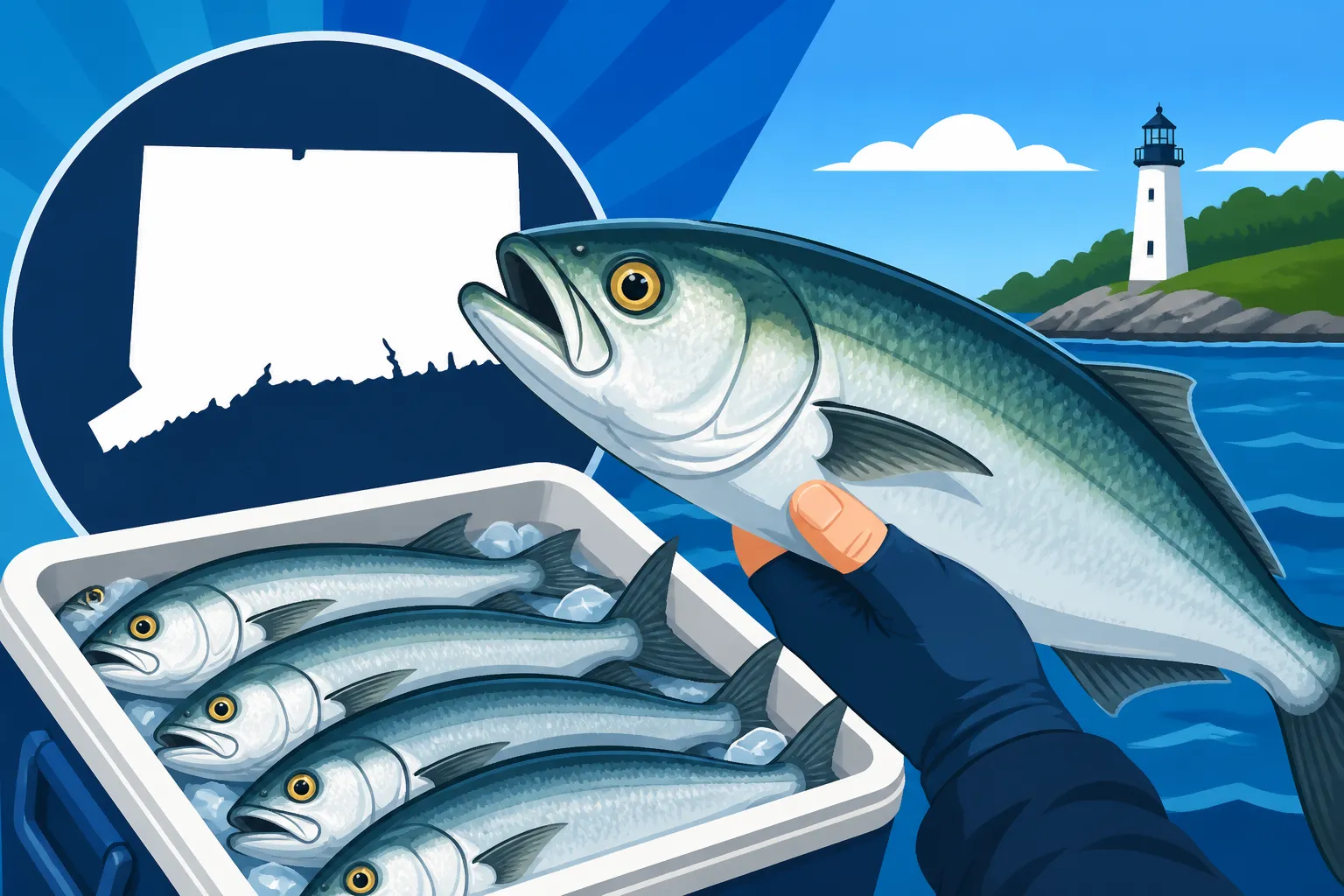
For recreational anglers in Connecticut, the current daily possession limit for bluefish is 10 fish per person, per day. This means that once you've caught and kept ten bluefish, your day of keeping bluefish is done, regardless of how many hours you've spent on the water.
Now, it gets a little more nuanced when we talk about size. There's a special category for what are often called "snapper bluefish." These are typically smaller bluefish, under 12 inches in length. For these smaller fish, you actually have a separate daily limit of 15 fish per person, per day. So, if you're specifically targeting these smaller, pan-sized bluefish, you can keep more of them. However, if you're catching larger bluefish, the 10-fish limit applies.
It's crucial to understand that these two limits are not cumulative for the same fish. A bluefish under 12 inches falls under the "snapper" limit, while a bluefish 12 inches or greater falls under the general bluefish limit. You can't catch 10 large bluefish and then another 15 snapper bluefish and consider it within the general limit; you can keep up to 10 larger bluefish OR up to 15 snapper bluefish, or a combination where you don't exceed either individual limit for that size class. For example, you could keep 5 large bluefish and 8 snapper bluefish, but not 12 large bluefish and 5 snapper bluefish. This is key to avoiding an accidental violation. Keep in mind that these regulations are for 2024 and 2025; while generally stable, remember that fishing regulations, including the Connecticut bluefish daily limit, can change annually, so it's always wise to check the most up-to-date guide.
Possession Limits Versus Daily Limits
This is a common point of confusion for many anglers. The terms "daily limit" and "possession limit" are often used interchangeably, but there can be subtle differences depending on the species and the state. In Connecticut, for recreational bluefish, the daily limit and the possession limit are effectively the same: 10 fish per person (or 15 snapper bluefish).
What does this mean in practice? It means that at any given time, you cannot possess more than 10 bluefish (or 15 snapper bluefish). If you go out fishing for multiple days and decide to keep your catch from day one in a cooler for a few days, then go fishing again on day two, you cannot exceed the possession limit when combining fish from both days. For instance, if you caught 10 bluefish on Monday and kept them, then went out again on Tuesday, you couldn't keep any more bluefish on Tuesday until Monday's fish were no longer in your possession (e.g., eaten or given away). This rule is designed to prevent anglers from stockpiling fish by repeatedly hitting the daily limit over several days. Always ensure that the number of bluefish you have in your cooler, livewell, or at home does not exceed the stated possession limit at any time.
Navigating Regulation Changes and How to Stay Updated
Fishing regulations aren't set in stone. They are dynamic, often changing year to year based on new scientific data, stock assessments, and management goals. This can be a real headache for anglers who just want to enjoy their hobby without constantly worrying if the rules have shifted since their last trip. It’s a valid concern, and knowing where to find the most accurate and current information is paramount.
Where to Find Official Connecticut Bluefish Regulations
The absolute best source for the most up-to-date and legally binding regulations is the official website of the Connecticut Department of Energy and Environmental Protection (DEEP). They publish the full text of all fishing and boating laws, and it's updated as soon as any changes are finalized. Beyond the website, DEEP also produces the annual "Connecticut Fishing Guide", a comprehensive booklet that covers all freshwater and saltwater regulations. This guide is usually available at local tackle shops, town clerks' offices, and DEEP offices. Some anglers even find older versions of these guides available on platforms like Amazon for reference, though always double-check against the official DEEP site for the very latest updates.
Another excellent way to stay informed is to sign up for email newsletters from the Connecticut DEEP. They often send out alerts when significant regulation changes are proposed or enacted. Staying connected with local fishing forums or joining a fishing club can also keep you in the loop, as passionate anglers are often quick to share news about regulatory updates. Remember, ignorance of the law is no excuse, so taking a few minutes to verify the rules before each season, or even before a specific trip if it's been a while, can save you a lot of trouble.
Common Misconceptions About Bluefish Rules
There are several common misunderstandings that can trip up even experienced anglers when it comes to bluefish regulations. One frequent misconception is that the "snapper bluefish" limit means you can keep 15 small bluefish in addition to 10 large bluefish. As we discussed, these are separate categories, and you cannot exceed either individual limit for a fish of that size class. It's not a combined total of 25.
Another common mistake involves reciprocity with neighboring states. While Connecticut has some agreements, such as on the Connecticut River, these generally don't extend to marine species like bluefish in Long Island Sound. Your Connecticut Saltwater Fishing Regulations by Species govern what you catch in Connecticut waters, regardless of where you might have fished previously or what rules apply in New York or Rhode Island waters. Always abide by the regulations of the waters you are currently fishing in.
Finally, some anglers mistakenly believe that if they are on a charter boat, the captain's license covers all their individual limits, or that the boat has a higher collective limit. This is usually not the case. While charter captains are licensed and follow strict rules, individual anglers are still responsible for adhering to their personal daily and possession limits for species like bluefish. The total catch on a charter boat might be significant, but it must be legally divided among the paying passengers, each adhering to their individual daily limit. It's always best to clarify this with your captain before you head out.
Practical Implications for Anglers Targeting Bluefish
Knowing the rules is one thing, but actually applying them on the water is another. These limits have real consequences for how you plan and execute your fishing trips, especially when bluefish are biting enthusiastically. It's about more than just numbers; it's about strategy, ethics, and making the most of your time while respecting the resource.
Planning Your Bluefish Trip Around the Limits
When you're heading out specifically for bluefish, considering the daily limit is a crucial part of your trip planning. If you're planning to keep fish for dinner, decide beforehand how many you actually want. Ten bluefish can be a substantial amount of meat, especially if they are larger choppers. You might even decide to keep fewer than the limit, opting for just one or two fresh meals. If you have multiple anglers on board, such as a family outing, remember that each person with a valid fishing license can keep their own limit. This means a boat with three licensed anglers could potentially keep 30 bluefish (or 45 snapper bluefish), which is a significant haul!
Thinking about how to manage your catch while fishing is also important. Bring a good cooler with plenty of ice to properly preserve your bluefish, as they are a strong-flavored fish that benefits from immediate cooling. For anglers interested in the full experience, considering a high-quality filet knife, often found on Amazon, can make processing your catch much easier once you get home. It’s not just about the catch; it’s about what you do with it.
What to Do When You Hit Your Limit
Hitting your daily limit for bluefish is a fantastic problem to have – it means you've had a successful day! But what then? Do you pack up and go home? Not necessarily. Many anglers choose to switch to catch-and-release fishing once they've reached their limit. This allows you to continue enjoying the thrill of the fight without violating regulations.
If you choose to switch to catch and release, it's vital to do so responsibly. Bluefish are aggressive eaters and can often be deeply hooked. Using appropriate tackle, like larger, sturdier hooks that are easier to remove, can help. Consider switching to artificial lures, which often result in lip hooks, making release easier. Having the right tools on hand, like long-nose pliers or a dehooking tool (which you can easily find on Amazon or at any local tackle shop), is essential for quick and safe release. The goal is to minimize stress and injury to the fish, giving it the best chance of survival. Always handle fish gently, supporting their weight, and avoid touching their gills.
Gear Considerations for Catch-and-Release Bluefish
When planning to catch and release bluefish, especially after you've kept your limit, your gear choices become even more critical for the fish's welfare. Bluefish have incredibly sharp teeth, so a heavy leader is a must. Many anglers use a short wire leader or heavy fluorocarbon to prevent bite-offs, but this can also protect your line if you need to quickly cut it to release a deeply hooked fish.
Using single, barbless hooks, or crimping down the barbs on your treble hooks, can make a huge difference in reducing injury and speeding up the release process. While bluefish are known for swallowing baits, barbless hooks often slide out much more easily. You might lose a few more fish, but for catch-and-release, it's a worthwhile trade-off. Additionally, consider using lures with single hooks instead of treble hooks whenever possible. Many popular bluefish lures, like metal spoons or topwater poppers, can be modified with single hooks. This practice is part of being a responsible angler and helps ensure the long-term sustainability of the fishery. Looking into "Connecticut Circle Hook Requirement for Striped Bass" can also offer insights into responsible hooking practices, even if specifically for a different species.
The Broader Picture: Bluefish Conservation and Management
Understanding daily limits and regulations is just one piece of the puzzle. For bluefish, like many other migratory species, their management extends far beyond Connecticut's borders. It's a complex, multi-state, and sometimes even federal effort to ensure these fish continue to thrive. As anglers, recognizing this broader context helps us appreciate why specific rules are in place and how our individual actions contribute to the bigger picture.
The Role of Fisheries Management in Bluefish Stocks
Bluefish are highly migratory, traveling up and down the Atlantic coast throughout the year. This means that no single state can manage them effectively in isolation. Instead, bluefish stocks are primarily managed through the Atlantic States Marine Fisheries Commission (ASMFC) and NOAA Fisheries. These bodies work together to develop regional management plans that states then adopt into their local regulations. These plans consider factors such as spawning success, fishing mortality rates (how many fish are caught and kept), and environmental factors.
Every few years, comprehensive stock assessments are conducted by scientists. These assessments analyze data from commercial landings, recreational catches, and scientific surveys to determine if the bluefish population is overfished or experiencing overfishing. Based on these findings, management measures, including daily limits, size limits, and commercial quotas, are adjusted. It's a continuous cycle of science, policy, and regulation, all aimed at achieving a sustainable fishery. If you're interested in learning more about how these broad regulations translate locally, checking out the full "Connecticut Fishing Regulations Explained" can provide additional context.
How Anglers Contribute to Bluefish Conservation
Beyond simply following the daily limits, recreational anglers play a vital role in bluefish conservation. One of the most important contributions is through reporting your catch data. Programs like the Marine Recreational Information Program (MRIP) collect data from angler surveys to estimate total recreational harvest. Participating in these surveys, if contacted, provides invaluable information to fisheries managers.
Additionally, practicing responsible catch-and-release techniques, as discussed earlier, significantly improves the survival rate of released fish. Minimizing handling, using appropriate gear, and quickly releasing fish are simple actions that make a big difference. Many anglers also advocate for strong conservation measures through local fishing clubs or by contacting their representatives, ensuring that sound science guides management decisions. The future of bluefish fishing in Connecticut and beyond depends on the collective efforts of managers, scientists, and, most importantly, the dedicated anglers who cherish this incredible species.
Here's a quick summary of the Connecticut bluefish regulations for recreational anglers:
| Species | Daily Limit (Per Person) | Size Limit (Minimum) | Notes |
|---|---|---|---|
| Bluefish | 10 fish | None (for this limit) | Applies to bluefish 12 inches and greater. |
| Snapper Bluefish | 15 fish | Under 12 inches | Applies specifically to bluefish under 12 inches. |
| Possession Limit | Same as Daily Limit | N/A | Cannot possess more than the daily limit at any given time. |
Please remember that these regulations are subject to change. Always consult the latest official Connecticut DEEP fishing guide before heading out.
Disclaimer
The information provided in this guide is for general informational purposes only and is subject to change. Fishing regulations in Connecticut can be updated frequently. Always consult the official Connecticut Department of Energy and Environmental Protection (DEEP) website or their current annual fishing guide for the most accurate and up-to-date regulations before you go fishing. Failure to comply with regulations can result in penalties.