Life Jacket Requirements for Connecticut Boaters
Navigating the myriad of rules and regulations for boating in Connecticut can feel like trying to untangle a particularly stubborn fishing line – confusing, frustrating, and sometimes, you just want to give up! One of the most critical, yet often misunderstood, aspects revolves around life jacket requirements. It’s not just about having them on board; it's about having the right kind, in the right place, and sometimes, even wearing them. This guide will cut through the jargon, making sure you understand exactly what Connecticut law expects from you and your passengers, so you can enjoy the beautiful waters safely and legally.
Understanding Connecticut's General Life Jacket Requirements
When you're out on the water, whether it’s a calm lake or the brisk Long Island Sound, safety should always be your top priority. And when it comes to personal safety, life jackets are non-negotiable. Connecticut, like all states, follows federal guidelines set by the U.S. Coast Guard, but then adds its own layers of specifics. It's not enough to simply own a life jacket; the law dictates how many, what type, and where they need to be on your vessel.
The "Readily Accessible" Rule for All Vessels
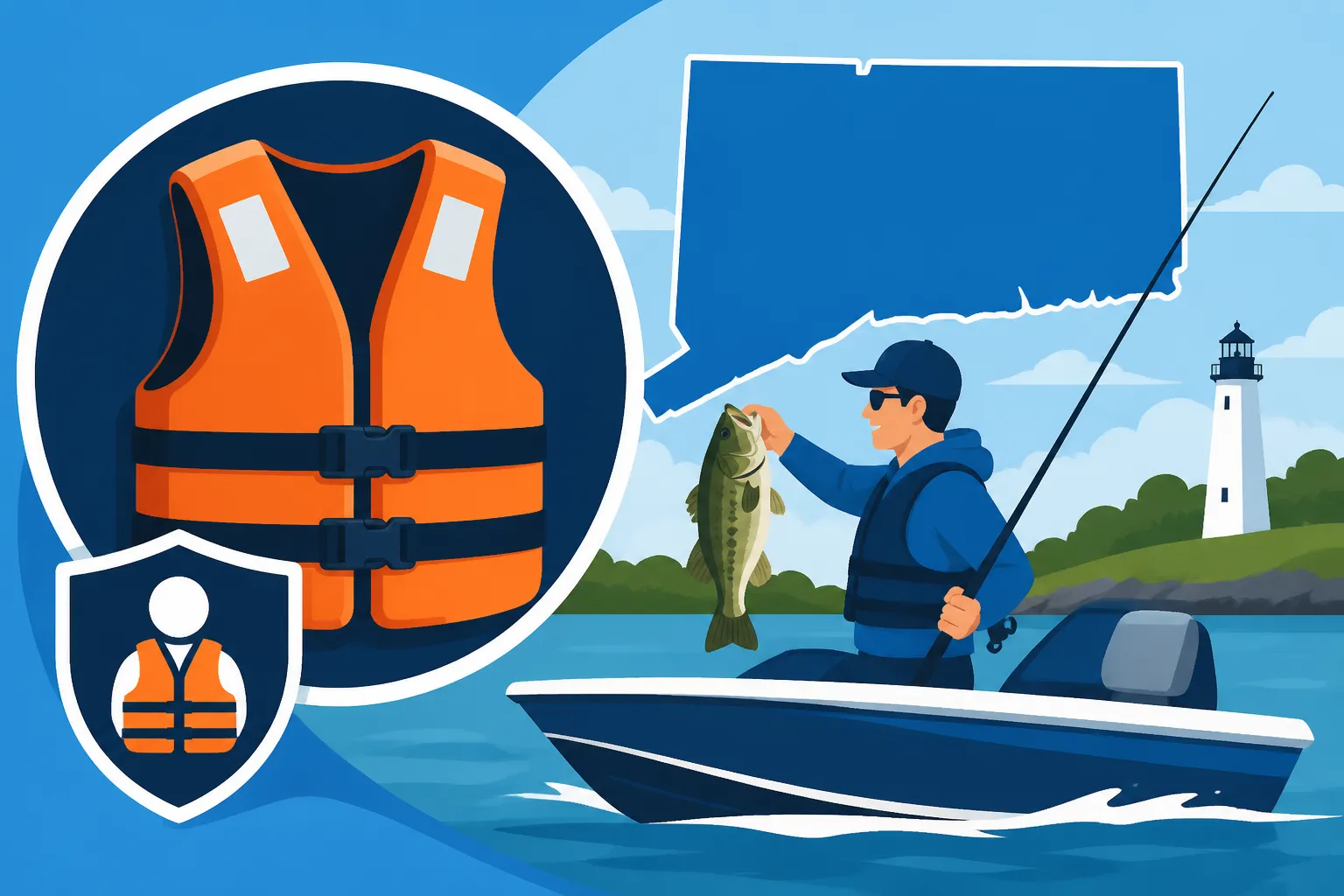
This is where many boaters get tripped up. It's not enough to have your life jackets stashed away in a hard-to-reach locker, buried under coolers and tackle boxes. Connecticut law, mirroring federal regulations, requires that all recreational vessels must have at least one wearable U.S. Coast Guard-approved life jacket for each person on board. The crucial part? These life jackets must be "readily accessible."
What does "readily accessible" truly mean? It means they need to be within arm's reach or quickly retrievable in an emergency. Imagine this scenario: your boat suddenly takes on water, or someone unexpectedly falls overboard. You don't have time to rummage through a storage compartment or unlock a hatch. A life jacket hanging on a hook, stored under the seat, or in an easily opened bin is considered readily accessible. One shoved in a tightly packed storage locker with other gear? Not so much. This rule aims to ensure that in a genuine emergency, there's no delay in getting a life jacket to someone who needs it most, potentially saving a life. It's a small detail that makes a monumental difference.
How Many Life Jackets Do You Really Need?
The general rule is straightforward: one U.S. Coast Guard-approved wearable life jacket for every single person on board your vessel. This includes yourself, any passengers, and even potential guests you might pick up. If you have a boat that carries six people, you need six wearable life jackets. This seems simple, but there's an added layer for vessels 16 feet or longer (excluding canoes and kayaks). In addition to the wearable life jackets, these vessels must also carry one throwable device, classified as a Type IV PFD.
A throwable device, like a ring buoy or a cushion, isn't meant to be worn. Instead, it's designed to be thrown to someone who has fallen overboard, providing them with immediate flotation while you maneuver your boat to pick them up. Again, just like wearable life jackets, this throwable device must be "readily accessible" and in serviceable condition. You don't want to discover your throwable cushion is waterlogged or ripped when a crisis strikes. Always check your Connecticut Boating Laws for Anglers to make sure you're up to date on all safety equipment, not just PFDs.
Approved Types and Conditions for Wear
Not all life jackets are created equal, and the U.S. Coast Guard has specific classifications to help you choose the right one for your activity and needs. Connecticut adheres to these types: Type I, II, III, IV, and V. Each type is designed for different conditions and levels of flotation and performance. For most recreational boating, Type II and Type III are the most common and comfortable options, offering good flotation and a reasonable amount of freedom of movement. Type I provides maximum flotation and is designed to turn an unconscious person face-up in the water, ideal for offshore boating where rescue might be delayed.
It's also crucial that your life jackets are in "serviceable condition." This means no rips, tears, broken buckles, faded straps, or waterlogging. If a life jacket is damaged, it might not provide the intended buoyancy, making it essentially useless in an emergency. Periodically check your life jackets for any signs of wear and tear, especially before the start of a new boating season. Think of it like inspecting your fishing line for nicks; a compromised line can mean losing a big fish, and a compromised life jacket can mean much, much worse. For a deeper dive into boat safety, you might want to review the Connecticut required boat safety equipment checklist.
| USCG Life Jacket Type | Description & Best Use | Key Feature |
|---|---|---|
| Type I | Offshore PFD. Best for all waters, especially rough/remote. | Maximum buoyancy; designed to turn unconscious wearer face-up. |
| Type II | Near-Shore Buoyancy Vest. Good for calm, inland waters. | Turns some unconscious wearers face-up; less bulky than Type I. |
| Type III | Flotation Aid. Good for calm, inland waters; recreational. | Good for conscious wearers; allows freedom of movement. Not guaranteed to turn. |
| Type IV | Throwable Device. Cushion or ring buoy. | Designed to be thrown to a person in the water. |
| Type V | Special Use Device. Kayaking vests, work vests, hybrids. | Designed for specific activities; must be worn for approved use. |
Specific Rules for Vulnerable Boaters and Certain Vessel Types
While the general rules apply to everyone, Connecticut has specific, more stringent requirements for certain groups and certain types of vessels. These rules are put in place to protect those who might be most at risk or those engaging in activities with higher inherent dangers. Ignoring these rules isn't just a legal misstep; it puts lives at risk.
Children Under 13: Mandatory Wear Requirements
This is one of the most important rules, and frankly, it's a no-brainer for any parent or guardian on the water. In Connecticut, any child under the age of 13 must wear a properly fitted U.S. Coast Guard-approved life jacket at all times while on a recreational vessel. This rule applies whether the vessel is underway, at anchor, or even tied up to a dock, if it's considered part of an active boating trip. The only exception is if the child is below deck or in an enclosed cabin.
"Properly fitted" is key here. A life jacket that's too big can ride up around a child's ears, hindering their ability to breathe or keep their head above water. One that's too small might not provide enough buoyancy. Many children's life jackets are brightly colored and feature additional safety measures like head support and a crotch strap to prevent them from slipping out. Investing in a good quality, well-fitting life jacket for your child is one of the best safety decisions you can make. Brands like Stearns or O'Neill offer excellent options that you can often find on platforms like Amazon, ensuring a good selection for various sizes and comfort levels. It’s also important to note the Connecticut Fishing License Age Requirements; typically, kids under 16 don't need a license, but the life jacket rule applies regardless of age.
Personal Watercraft (PWC) and Towing Activity Requirements
If you're zooming around on a Personal Watercraft (PWC), like a Jet Ski or a WaveRunner, or if you're towing someone on skis, a tube, or a wakeboard, the rules become even stricter – and for good reason. PWCs are nimble and fast, and accidents can happen quickly, often resulting in occupants being ejected into the water. Therefore, every person on a PWC, regardless of age, must wear a U.S. Coast Guard-approved life jacket at all times while the PWC is in operation. This isn't just about having it readily accessible; it's about having it on.
Similarly, if you're towing a person on water skis, a tube, or any other recreational device, both the operator of the towing vessel and the person being towed must wear a U.S. Coast Guard-approved life jacket. For the person being towed, a Type III vest is often preferred for its comfort and range of motion. The high-impact nature of these activities makes wearing a life jacket absolutely essential. For those operating these vessels, remember that a Connecticut Safe Boating Certificate Requirement, often including PWC endorsement, is also mandatory, demonstrating a comprehensive approach to safety.
Paddlecraft Specifics: Kayaks, Canoes, and Paddleboards
Paddlecraft—kayaks, canoes, and stand-up paddleboards (SUPs)—have seen a huge surge in popularity across Connecticut's lakes, rivers, and coastal waters. They offer a unique way to experience the outdoors, but they also come with their own set of safety considerations, particularly regarding life jackets. For everyone on board a canoe, kayak, or stand-up paddleboard, there must be a U.S. Coast Guard-approved life jacket readily accessible.
However, there's a crucial distinction: while the life jacket must be on board, it doesn't always have to be worn by adults over 13, unless the specific Connecticut Cold Water Life Jacket Rule (October to May) is in effect (more on that in a moment). Many paddlers prefer to wear a Type III vest, often specifically designed for paddle sports, which offers more arm mobility and comfort. For children under 13, the mandatory wear rule still applies. It's a smart practice for all paddlers, regardless of age, to wear their life jacket, as these vessels can capsize quickly and without warning, leaving little time to retrieve a stowed PFD.
The Critical Cold Water Life Jacket Rule in Connecticut
Connecticut's waters, especially during the shoulder seasons, can be deceptively cold. Even on a sunny autumn day, the water temperature can be dangerously low, leading to hypothermia much faster than you might realize. This is why Connecticut has one of the most important and specific life jacket regulations: the Cold Water Life Jacket Rule.
Defining Connecticut's Cold Water Period October to May
This rule is often overlooked, but it's vital for safety. In Connecticut, from October 1st through May 31st, all operators and passengers on any manually propelled vessel (think canoes, kayaks, and stand-up paddleboards) and any vessel under 21 feet in length must wear a U.S. Coast Guard-approved life jacket. This isn't just about having it on board; it's about wearing it from the moment you step onto the vessel until you're back on solid ground.
The reasoning behind this rule is simple and stark: cold water immersion. Water temperatures below 70°F (and especially below 60°F) can quickly incapacitate a person, leading to cold shock, loss of motor control, and eventually hypothermia. Wearing a life jacket in these conditions dramatically increases your chances of survival if you unexpectedly end up in the water. It keeps your head above water and provides some thermal insulation, buying you critical time for self-rescue or to be rescued. This is a critical distinction from the warmer months when adults might simply need a life jacket readily available.
Exemptions and Practical Considerations for Cold Water Boating
While the cold water rule is broad, there are some specific exemptions. If you're in a vessel that is an enclosed cabin or below deck, the mandatory wear rule doesn't apply. However, it's generally good practice to consider the risk even in these scenarios, especially if you're transitioning in and out of the cabin. Additionally, active anglers fishing from an anchored boat might have a specific exemption if they're actively engaged in fishing, though the life jacket must still be readily accessible. Always consult the official Connecticut Fishing Regulations Explained for the most precise details on any exemptions related to specific fishing activities.
For practical purposes, when heading out during the colder months, even if you're not in a vessel under 21 feet or manually propelled, considering wearing your life jacket is a smart choice. Accidents can happen to anyone, and the shock of cold water can be disorienting and dangerous regardless of your vessel type. Layering your clothing, bringing a change of clothes in a dry bag, and always letting someone know your float plan are also excellent safety practices in cold weather. Look for comfortable, low-profile life jackets from reputable brands on sites like Amazon that are specifically designed for all-day wear.
Choosing the Right Life Jacket for Your Adventures
With so many types and styles of life jackets out there, it can feel a bit overwhelming trying to pick the "right" one. But understanding the different USCG classifications and considering your specific boating activities can make the choice much simpler and ensure you're both safe and comfortable on the water.
Deciphering USCG Approval Types I, II, III, IV, V
The U.S. Coast Guard's five type classifications are designed to help you understand the performance characteristics of each PFD.
- Type I PFDs (Offshore Life Jackets): These provide the most buoyancy (22 lbs. for adults) and are best for all water conditions, especially rough, remote, or offshore waters where rescue might be delayed. They are designed to turn an unconscious person face-up in the water. While bulky, they are incredibly effective.
- Type II PFDs (Near-Shore Buoyancy Vests): Good for calm, inland waters or where there's a good chance of immediate rescue. They offer less buoyancy (15.5 lbs. for adults) than Type I and might not turn an unconscious person face-up in all circumstances. They are less bulky and generally more comfortable for extended wear.
- Type III PFDs (Flotation Aids): These are the most common and comfortable for general recreational boating. They offer the same buoyancy as a Type II (15.5 lbs. for adults) but are designed for maximum comfort and freedom of movement. They will not turn an unconscious person face-up, so they are best for situations where rescue is quick and the wearer is likely to be conscious. Think fishing vests, watersport vests, and general recreational vests.
- Type IV PFDs (Throwable Devices): These are not designed to be worn but to be thrown to a person in the water. Examples include ring buoys and boat cushions. They are required on all vessels 16 feet or longer (excluding canoes and kayaks) in addition to wearable PFDs.
- Type V PFDs (Special Use Devices): These are designed for specific activities and must be worn to be considered legal. Examples include inflatable PFDs, deck suits, and hybrid PFDs. Many Type V inflatables are incredibly comfortable and low-profile, but they require regular inspection and maintenance to ensure they will inflate when needed. They often have specific use conditions, like being manually inflatable or only approved for certain activities. When shopping for these on sites like Amazon, always ensure they clearly state USCG approval and the specific conditions for that approval.
Comfort, Fit, and Activity-Specific Designs
Choosing a life jacket isn't just about meeting the legal requirements; it's also about comfort and fit. An uncomfortable life jacket is one that people are less likely to wear, defeating its entire purpose. When trying on a life jacket, it should feel snug but not restrictive. If it's too loose, it can ride up around your ears when you're in the water, which can be dangerous. For children, ensuring a proper fit is even more critical. Many reputable brands offer sizing guides to help you make the right choice.
Consider your primary activity. If you're kayaking, a life jacket designed with high-back flotation and large armholes will be much more comfortable for paddling than a bulky offshore vest. If you're fishing, a Type III fishing vest with extra pockets for tackle can be incredibly practical. For watersports like wakeboarding, a snug-fitting Type III with good mobility is essential. Inflatable PFDs (often Type V) are very popular for their low profile and comfort, especially for adults, but they require more maintenance and are not typically recommended for children or non-swimmers. The key is to find a jacket that you and your passengers will actually want to wear.
Maintaining Your Life Jacket and Avoiding Common Pitfalls
Having the right life jacket is only half the battle; keeping it in good, working order is just as crucial. A damaged or poorly maintained life jacket is a safety hazard waiting to happen. Just like you'd never go out with a rusty hook or a frayed line, you shouldn't rely on a compromised PFD.
Regular Inspections: What to Look For
Before every boating season, and periodically throughout, give all your life jackets a thorough inspection. Look for these common issues:
- Rips, Tears, and Frayed Straps: Any damage to the outer shell or straps can compromise the jacket's integrity and ability to stay on.
- Broken Zippers or Buckles: These are essential for keeping the life jacket securely fitted to the wearer. If they're broken, the jacket isn't safe.
- Sun Damage/Fading: Prolonged exposure to UV rays can degrade the fabric and stitching, making the jacket weaker and less reliable.
- Waterlogging or Compression: Feel the flotation material. It should be firm and even. If it feels lumpy, compressed, or like it's absorbed water, its buoyancy is compromised.
- Mildew and Mold: Not only can these degrade the fabric, but they also make the jacket unpleasant to wear.
- Inflatable PFD Specifics: For inflatable life jackets, check the CO2 cylinder to ensure it's charged and properly installed. Inspect the inflation mechanism and ensure the oral inflation tube is functional. Always follow the manufacturer's specific inspection guidelines.
If a life jacket shows any of these signs of significant wear or damage, it's time to replace it. A damaged life jacket is not a serviceable one, and relying on it is a dangerous gamble. You can often find great deals on replacement jackets from retailers like Amazon, ensuring you always have safe, approved gear on board.
Proper Storage and Care for Longevity
Proper storage and care can significantly extend the life of your PFDs. After each use, especially if they've been in saltwater, rinse them with fresh water and allow them to air dry completely out of direct sunlight. Never store them wet, as this encourages mold and mildew growth, which can break down the fabric.
Store life jackets in a well-ventilated area, away from direct sunlight, extreme temperatures, and petroleum products or other chemicals that can degrade the materials. Avoid compressing them for long periods, as this can reduce the buoyancy of the foam over time. Having dedicated storage bags or compartments on your boat helps keep them accessible but also protected. By taking these simple steps, your life jackets will be ready and reliable for years to come. Remember that Printing or Carrying a Digital Fishing License in Connecticut, and keeping it protected, is also part of good preparation.
What Happens If You Don't Comply: Penalties for Non-Compliance
Ignoring life jacket requirements in Connecticut isn't just risky; it comes with legal consequences. Law enforcement agencies, including the Connecticut Department of Energy and Environmental Protection (DEEP) Environmental Conservation Police, regularly patrol the state's waters to ensure compliance with boating safety regulations.
If you are found in violation of life jacket laws, you could face fines. These penalties can vary depending on the specific violation (e.g., not having enough PFDs, having unserviceable PFDs, or failing to ensure a child wears one). Beyond the immediate financial penalty, you might also be required to return to shore to rectify the situation, cutting your boating trip short. More importantly, in the event of an accident where a life jacket was required but not present or worn, your liability could significantly increase. The financial and legal ramifications pale in comparison to the tragic consequences that can arise from a lack of safety equipment on the water. It’s a good idea to understand Fishing Without a License in Connecticut: Penalties, as these can also quickly derail a day on the water. Ultimately, compliance isn't just about avoiding a ticket; it's about safeguarding lives.
Disclaimer
The information provided in this guide is intended for general informational purposes only and does not constitute legal advice. While we strive to provide accurate and up-to-date information, boating laws and regulations are subject to change. Always consult the official Connecticut Department of Energy and Environmental Protection (DEEP) website or relevant state statutes for the most current and specific regulations pertaining to life jacket requirements and all other boating laws. Safe boating is your responsibility.