Endangered and Protected Fish Species in Connecticut
It's heartbreaking to be out on the water, enjoying the beauty of Connecticut's lakes, rivers, or Long Island Sound, and realize that some of the incredible fish species we share these waters with are struggling to survive. As anglers, we have a unique connection to these ecosystems, and it's natural to feel a sense of responsibility, or even frustration, when you hear about fish populations in decline. This guide is here to shed light on the endangered and protected fish species in Connecticut, helping you understand who they are, why they need our help, and what you can do to be part of the solution.
Why Caring About Protected Fish Species Matters
When we talk about "protected" or "endangered" fish, it's not just about a single species in isolation. It's about the intricate web of life that makes up our aquatic environments, and how the health of one species often indicates the health of the entire system. Ignoring their plight means potentially losing a vital piece of the puzzle.
The Delicate Balance of Our Ecosystems
Every fish, from the tiniest baitfish to the largest predator, plays a role in the health of our waterways. Think of it like a finely tuned orchestra: if one instrument is missing, or performing poorly, the whole piece suffers. Protected fish species are often indicators of environmental health; their decline can signal broader issues like habitat degradation, pollution, or changes in food availability that could eventually impact the species we regularly target. Protecting these vulnerable populations helps maintain the diversity and resilience of Connecticut's waters, ensuring a healthier future for all fish, and for all of us who enjoy them. It's about preserving the natural heritage we cherish.
The Angler's Role in Conservation
For many of us who love to fish, it's more than just a hobby—it's a passion, a way to connect with nature, and a source of peace. With that passion comes a responsibility to be good stewards of the environment. Imagine hooking into something truly ancient and rare, only to realize you don't know what it is or how to properly release it. That's a frustration no one wants to experience. By understanding which species are protected, how to identify them, and the best practices for handling them, we transform from mere participants into active conservationists. Our actions, both on and off the water, can make a tangible difference in the survival of these vulnerable species. It reflects a deeper respect for the resources we enjoy.
Federally and State Protected Species You Might Encounter
Connecticut's waters are home to a few species that receive special protection under federal and state laws. These are not fish you should be targeting, and accidentally catching one requires careful handling to ensure its survival. Knowing who they are is the first step.
The Ancient Shortnose Sturgeon
The shortnose sturgeon (Acipenser brevirostrum) is a truly remarkable fish, an ancient species that has been swimming in our rivers for millions of years, predating the dinosaurs! Unfortunately, due to historical overfishing, damming of rivers which blocked their migrations, and habitat loss, these incredible fish are now federally endangered. In Connecticut, they are primarily found in the lower Connecticut River and Long Island Sound, and are critically protected.
Shortnose sturgeon have a distinctive appearance: a long, torpedo-shaped body, rows of bony plates (scutes) instead of scales, and a unique mouth on their underside that they use to suck up invertebrates from the river bottom. As their name suggests, they have a relatively short, blunt snout compared to other sturgeon species. They can grow to be quite large, several feet long, and live for decades. If you ever accidentally hook one while fishing, it's crucial to release it immediately and unharmed. These fish are slow-growing and late to mature, making every individual vital to the species' recovery. You cannot keep one, not even for a moment out of the water, so knowing how to identify it is key.
The Elusive Atlantic Sturgeon
Similar to their shortnose cousins, the Atlantic sturgeon (Acipenser oxyrinchus oxyrinchus) is another majestic and ancient fish that calls some of Connecticut's larger river systems and Long Island Sound home. This species is also federally endangered. Atlantic sturgeon are anadromous, meaning they spend most of their adult lives in saltwater but migrate into freshwater rivers to spawn. These fish can grow truly massive, often exceeding six feet in length and living for up to 60 years! Imagine a fish that big, that old, cruising the same waters you fish.
Atlantic sturgeon have a more pointed, triangular snout compared to the shortnose, which is often a key identification feature. Like the shortnose, they have those distinctive rows of bony scutes. Due to their protected status, it is illegal to fish for, possess, or harm Atlantic sturgeon. If you accidentally catch one, whether it's in a river or out in Long Island Sound, you must release it as quickly and gently as possible, preferably without removing it from the water. They are powerful fish, so handle them with care to avoid injury to yourself and the fish. Keeping them wet and supported is paramount for their survival.
Sea Lamprey: A Misunderstood Native
When people hear "sea lamprey," they often conjure images of parasitic monsters, and while their feeding habits on other fish can be quite dramatic, the sea lamprey (Petromyzon marinus) is actually a native species to Connecticut's river systems and Long Island Sound. Historically, they've played a role in the natural ecosystem. They are anadromous, migrating from the ocean into freshwater rivers to spawn, similar to salmon or shad.
However, the reputation of the sea lamprey is largely tied to its destructive impact on the Great Lakes fisheries, where it became an invasive species after the construction of canals allowed it to bypass Niagara Falls. In that environment, without natural predators, their populations exploded, and they devastated native fish. This led to extensive control efforts, and they are often perceived negatively. In Connecticut, while they are managed and their populations are monitored, they are considered a native component of the ecosystem, and you aren't allowed to harm them when encountered. They are not "protected" in the same conservation sense as the sturgeon, but they are recognized as a part of the natural fauna. They are quite distinct, with an eel-like body and a circular, sucking mouth lined with teeth. If you see one, simply let it go about its business.
Other Species of Concern and Important Conservation Efforts
Beyond the federally protected sturgeon, Connecticut has other native fish species that are currently experiencing population declines or are considered "species of special concern." These fish might not have the same strict legal protections as the sturgeon, but they are crucial for a healthy ecosystem, and efforts are underway to help them rebound.
American Shad and River Herring
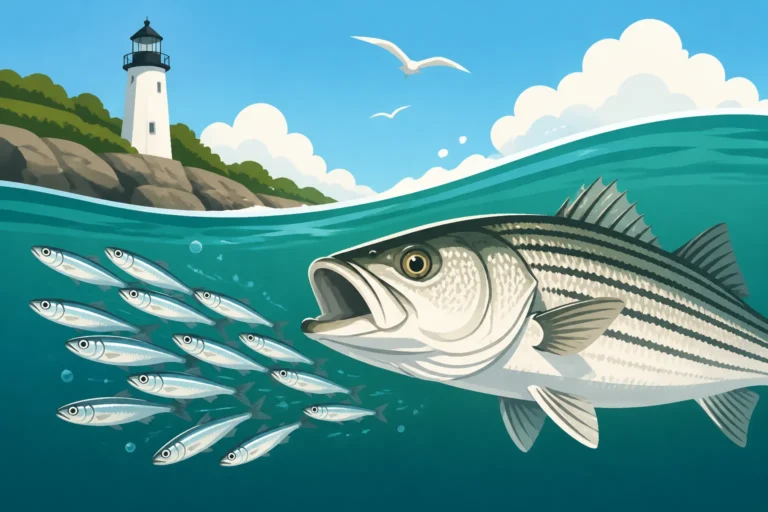
The American Shad (Alosa sapidissima) and other river herring species like Alewife and Blueback Herring were once incredibly abundant in Connecticut's rivers, undertaking massive spawning runs each spring that provided a crucial food source for a wide array of wildlife, including striped bass, osprey, and even bears. These anadromous fish are a vital link in the food chain, connecting marine and freshwater environments. For decades, however, their numbers have plummeted due to a combination of factors, primarily historical damming of rivers which blocked their access to spawning grounds, and habitat degradation.
Thankfully, there are significant efforts underway to reverse these declines. Fish ladders have been installed on many dams, and some obsolete dams have even been removed entirely, opening up miles of historical spawning habitat. When you’re fishing a river like the Connecticut River during the spring shad run, you’re witnessing a natural spectacle that conservationists are working hard to restore. Anglers can contribute by respecting catch limits for shad and practicing careful catch and release, especially for river herring, which are often mistakenly caught with shad. Supporting river restoration projects also helps these species immensely.
Connecticut's Native Brook Trout
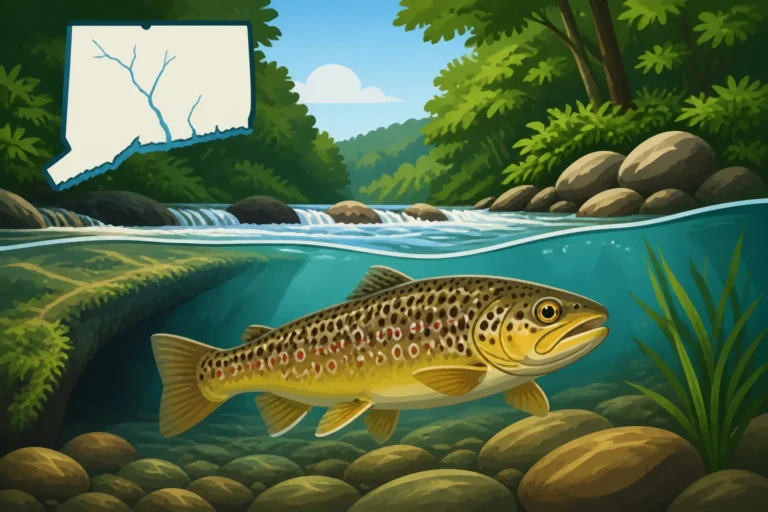
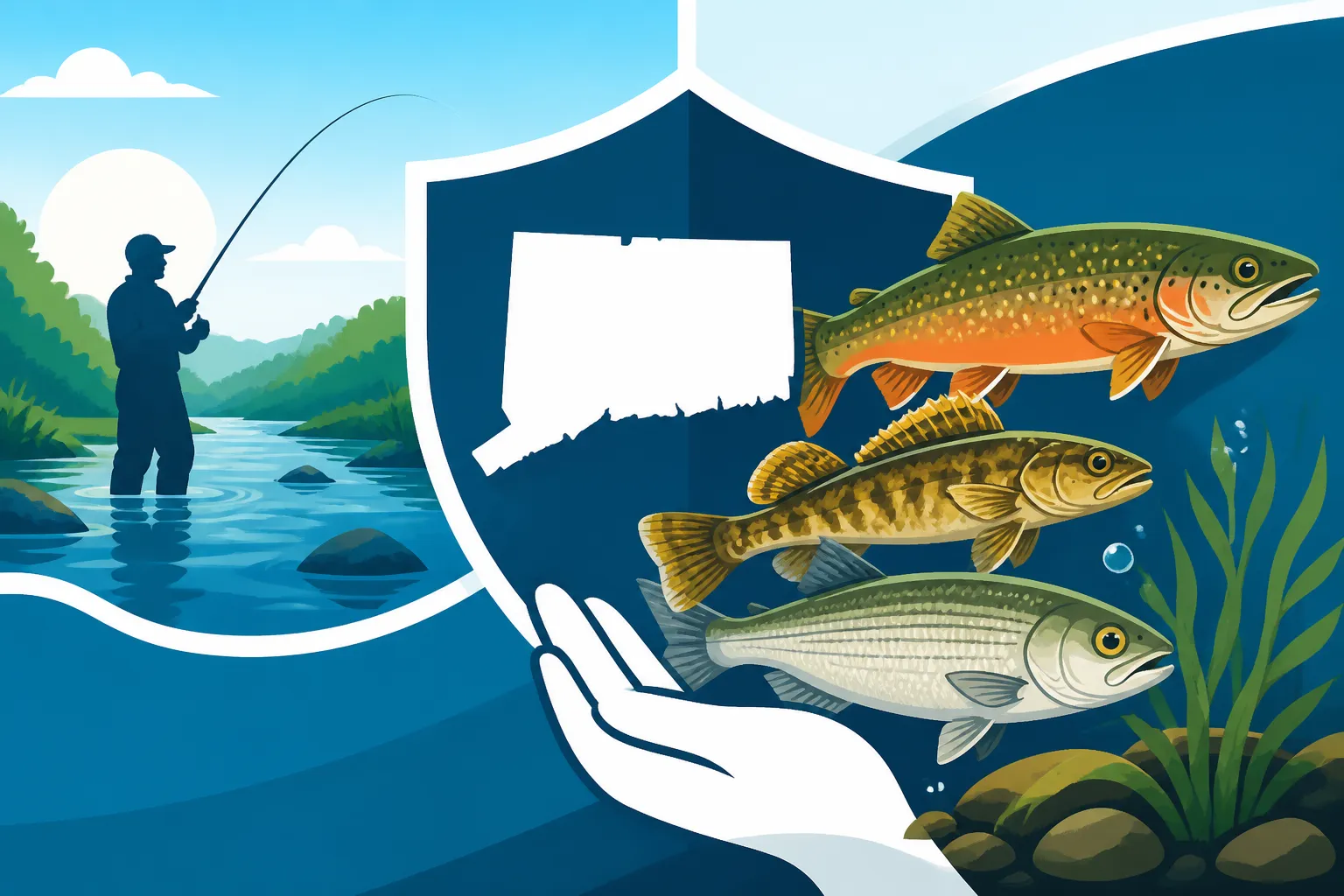
The Brook Trout (Salvelinus fontinalis) holds a special place in the hearts of many Connecticut anglers. It's our state's only native trout species, found in the cold, clear headwater streams of our forests. Unlike stocked rainbow or brown trout, these brookies are wild, often smaller, and exquisitely beautiful with their vibrant colors. Unfortunately, wild brook trout populations have faced significant challenges over the years. Habitat loss due to development, stream warming from deforestation, pollution, and competition from non-native stocked trout have all taken their toll.
Protecting these native populations often means focusing on stream habitat restoration, ensuring cold water temperatures, and advocating for responsible land use. Many pristine headwater streams in Connecticut are managed as "Wild Trout Management Areas" or "Trout Parks" with specific regulations to protect these delicate fish, sometimes even requiring Connecticut catch and release fly fishing only waters. Anglers can help by being mindful of their impact on these fragile stream environments, practicing careful catch and release, and supporting organizations dedicated to wild trout conservation. Identifying a wild brook trout versus a stocked trout can be challenging, but generally, wild fish often have more vibrant colors and pristine fins. Learn more about Brook Trout: Connecticut's Native Trout to appreciate their unique place in our waters.
The Journey of the American Eel
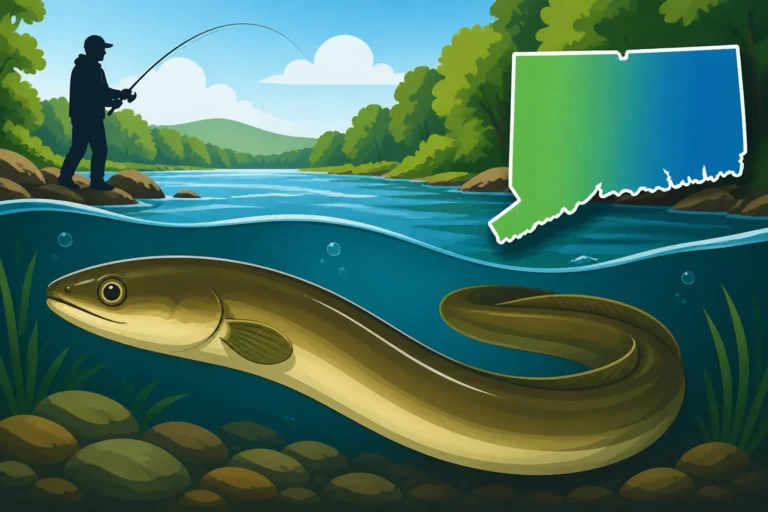
The American Eel (Anguilla rostrata) might not be as glamorous as a striped bass or a trout, but it's an incredibly important and fascinating part of Connecticut's aquatic ecosystem. These unique fish have a truly epic life cycle, spawning in the Sargasso Sea in the Atlantic Ocean and then migrating thousands of miles as tiny "glass eels" into freshwater rivers, estuaries, and even small ponds all along the East Coast, including ours. They live in freshwater for many years before returning to the Sargasso Sea to spawn and complete their life cycle.
As juveniles and adults, American eels are a critical forage species for many predatory fish, birds, and mammals. They are also important scavengers, helping to keep our waters clean. However, their populations have been in decline across their range, and they are currently a "species of special concern." Factors like dams blocking their upstream migration, habitat loss, and potential impacts from changing ocean conditions are believed to contribute to their struggles. Anglers can help by carefully releasing any eels caught accidentally and being aware of their presence. Some local conservation groups even participate in eel monitoring and passage projects to help these fascinating creatures complete their incredible journey.
What Anglers Can Do to Help
As anglers, we're on the front lines of conservation. Our actions directly impact the fish populations we cherish. Knowing how to identify and properly handle protected species, and understanding the role we play in the broader conservation effort, is essential for every responsible angler.
Identification and Best Practices for Release
The first and most critical step is knowing what you might encounter. Familiarize yourself with the appearance of shortnose and Atlantic sturgeon, as well as the unique features of American eels. Keep a waterproof field guide handy, or bookmark reliable online resources on your phone. Many excellent guides are available, and you can often find them on platforms like Amazon to keep in your tackle bag.
If you do accidentally hook a protected species, here's what to do:
- Do Not Remove from Water: This is paramount. Keeping the fish in the water minimizes stress and physical damage.
- Cut the Line: If the fish is deeply hooked or tangled, and you cannot easily remove the hook without causing more harm, cut the line as close to the hook as possible. Don't try to pull the hook out forcefully. Many hooks will rust out over time.
- Minimize Handling: Avoid touching the fish's eyes, gills, or any bony plates. If you must handle it, do so with wet hands and support its full body weight. For sturgeon, their heavy, scute-covered bodies can be surprisingly fragile internally if not properly supported.
- Revive If Necessary: If the fish seems stunned or sluggish, gently hold it upright in the water, facing into the current, until it shows signs of recovery and swims off under its own power.
- Use Appropriate Gear: When fishing in areas where protected species might be present, consider using circle hooks, especially if bait fishing for species like striped bass. Connecticut Circle Hook Requirement for Striped Bass are already mandatory for striped bass when using bait, and they are proven to reduce gut-hooking, which can be fatal for incidentally caught protected species like sturgeon or sea turtles.
Reporting and Education
Beyond direct action, our collective voice and vigilance are powerful tools for conservation. If you witness someone illegally possessing or harming a protected species, or observe any other suspicious activity that could impact aquatic wildlife, it's your responsibility to report it.
- Contact DEEP: The Connecticut Department of Energy and Environmental Protection (DEEP) is the primary agency responsible for managing and protecting our state's natural resources. They have enforcement divisions that can investigate reports. Note down as much detail as possible: location, date, time, description of the activity, and any identifying features of individuals or vessels involved.
- Spread Awareness, Not Alarm: Share what you've learned with fellow anglers, friends, and family. Educating others about the importance of these species and proper handling techniques helps foster a culture of conservation. However, avoid spreading misinformation or causing unnecessary panic. Focus on factual information and positive actions. You can find many educational resources on Amazon that help explain these topics to younger generations.
Supporting Conservation Efforts
Being an angler means you care about fish, and there are many ways to channel that care into direct support for conservation.
- Volunteer: Many local watershed associations, conservation groups, and even state programs rely on volunteers for habitat restoration, stream cleanups, fish stocking assistance, and public education events. Getting your hands dirty (literally!) is a rewarding way to contribute.
- Donate: Financial contributions to reputable conservation organizations, both local and national, help fund critical research, habitat restoration projects, and advocacy efforts. Look for groups specifically focused on native fish, watershed health, or anadromous fish restoration in Connecticut.
- Participate in Citizen Science: Some programs engage anglers in data collection, such as reporting observations of specific species or participating in angler surveys. This data is invaluable for scientists and managers to understand population trends and the health of our waters.
Navigating Regulations and Resources
It can sometimes feel overwhelming to keep up with all the rules and recommendations, but understanding Connecticut's fishing regulations is not just about avoiding penalties—it's about protecting the resource for everyone.
Understanding the Rules of Engagement
Connecticut's fishing regulations are designed to protect fish populations and ensure sustainable angling opportunities. This includes specific rules for certain species, sizes, catch limits, and even tackle restrictions in certain areas. For protected species like the shortnose and Atlantic sturgeon, the rule is simple: do not possess them. It's a zero-tolerance policy because their populations are so fragile.
Always make it a habit to check the latest Connecticut Fishing Regulations Explained before heading out, especially if you're exploring a new body of water or targeting a new species. Regulations can change annually based on scientific assessments of fish populations and management goals. Ignorance of the law is never an excuse, and a quick check can prevent a frustrating and potentially costly encounter with a conservation officer. This applies whether you're fishing in freshwater or out on Long Island Sound Fishing Guide.
Digital Resources and Essential Gear
In today's world, there are more resources than ever to help you be a responsible and informed angler. The Connecticut DEEP website is a treasure trove of information, offering detailed regulations, species identification guides, and news on conservation initiatives. They also provide interactive maps, such as the Connecticut Interactive Trout Stocking Map, Explained, which can indirectly help you understand where efforts are concentrated.
Beyond online resources, having the right gear can make a huge difference in your ability to protect vulnerable fish. Consider adding these items to your fishing kit, many of which are readily available on Amazon:
- De-hooker Tool: A long-handled de-hooker allows you to remove hooks quickly and safely, often without touching the fish or removing it from the water.
- Pliers/Forceps: Essential for removing hooks from the mouths of fish you intend to release. Make sure they are rust-resistant.
- Knotless Rubber Landing Net: Traditional knotted nets can strip the protective slime coat from a fish, making it vulnerable to disease. Rubberized, knotless nets are much gentler on fish scales and slime.
- Measuring Device: A flexible tape measure or ruler can help you quickly determine if a fish meets legal size requirements, minimizing its time out of water.
- Waterproof Field Guide: A compact guide with clear photos and descriptions of common and protected fish species in Connecticut is invaluable. You can find excellent options on Amazon.
Disclaimer
This article is for general informational purposes only and does not constitute professional advice. Laws, prices and regulations vary by location and change over time. Consult a qualified professional for guidance on your specific situation.