Invasive Fish Species in Connecticut Waters
It's a disheartening feeling when you cast your line into a favorite Connecticut pond or river, hoping for a familiar tug from a native trout or bass, only to pull in something entirely alien and potentially harmful to our fragile ecosystems. The presence of invasive fish species is a silent but serious problem that affects the health of our waters and the future of fishing in our state. This guide will help you understand what makes a fish invasive, identify the most common culprits you might encounter, and, crucially, empower you with actionable steps to protect Connecticut's invaluable aquatic resources.
The Unseen Threat: What Exactly Makes a Fish Species Invasive?
When we talk about "invasive" species, it's easy to picture something menacing from a sci-fi movie, but in reality, it's often a fish that just doesn't belong here. The distinction is critical because not every fish that isn't native is automatically a problem, but those that are invasive certainly are.
Distinguishing Between Native, Non-Native, and Truly Invasive Species
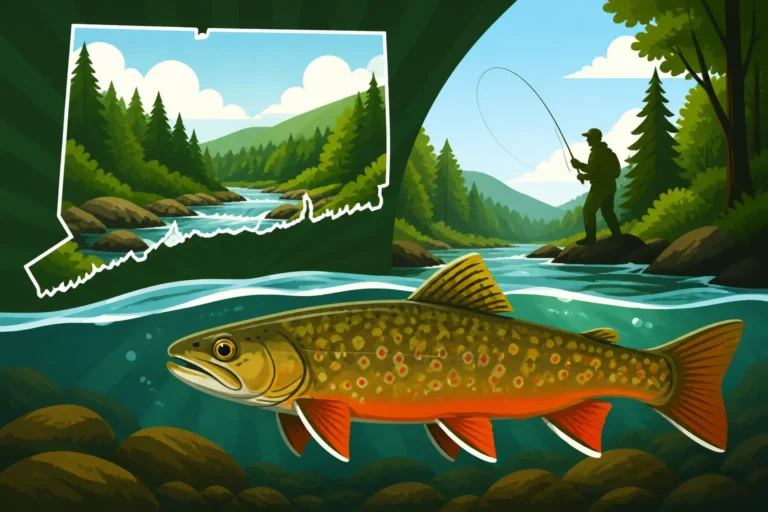
Let's clear up some common confusion. A native species is one that naturally occurs in a particular ecosystem without human intervention. Think of our beloved Brook Trout: Connecticut's Native Trout or the resilient smallmouth bass in the Housatonic. They evolved here, they belong here, and they're part of the natural balance.
A non-native species, sometimes called an introduced or exotic species, is one that has been brought into an ecosystem where it doesn't naturally occur, but without causing significant harm. For instance, rainbow trout and brown trout are non-native to Connecticut, having been introduced over a century ago for sport fishing. While they are stocked widely, they generally don't outcompete native brook trout in their specific habitats to the point of extinction, especially when managed carefully. They coexist, largely because they fill different niches or are stocked in waters where native trout populations are sparse.
However, an invasive species is a non-native species whose introduction causes or is likely to cause economic or environmental harm, or harm to human health. These are the troublemakers. They spread aggressively, outcompete native species for food and habitat, disrupt ecosystems, and can even introduce diseases. They often lack natural predators in their new environment, allowing their populations to explode unchecked. This is where the real concern lies for Connecticut anglers and conservationists.
How Uninvited Guests Arrive: Vectors of Introduction in Connecticut
It's rare for invasive fish to just magically appear in our waters. Their introduction is almost always linked to human activity, whether intentional or accidental. Understanding these pathways is the first step in prevention.
One of the most common ways invasive fish arrive is through the release of aquarium pets. Someone might have a goldfish or a pacu that outgrows its tank, and rather than finding it a new home or disposing of it properly, they mistakenly think releasing it into a local pond is a humane solution. What they don't realize is that these fish can survive, reproduce, and introduce parasites or diseases, or compete directly with native species for food. This seemingly innocent act can have devastating, long-term consequences.
Another significant vector is the unauthorized stocking or transfer of baitfish. Anglers sometimes catch bait in one body of water and then release unused bait into another, unknowingly introducing non-native species or even native species to waters where they don't belong and can become invasive. For example, catching minnows in a pond that has a population of unwanted species, then using those minnows in a pristine trout stream and releasing the survivors, could introduce those unwanted species into a delicate ecosystem. Connecticut Fishing Regulations Explained strictly prohibit the transfer of live fish between water bodies for good reason.
Finally, commercial shipping and canals can sometimes facilitate the spread, although this is less common for freshwater fish in Connecticut specifically. More broadly, the transport of watercraft between different bodies of water without proper cleaning can also transfer eggs, larvae, or small fish. Think about a boat that's been in a lake known for an invasive species, then is launched in a new lake without being thoroughly cleaned, drained, and dried.
Why Invasives Are More Than Just "New Fish"
It's tempting to think of a new fish species as just adding to the diversity, but that couldn't be further from the truth when it comes to invasives. These species aren't just "different"; they actively disrupt the natural order that has evolved over millennia.
Firstly, they often outcompete native species. This isn't just a friendly rivalry; it's a fight for survival. Invasive fish can be more aggressive feeders, grow faster, or reproduce more quickly than native fish, giving them a distinct advantage. This pressure can reduce the food available for native fish, leading to declines in their populations, stunted growth, or even local extinctions. Imagine a school of native sunfish struggling to find insects and larvae when a population of aggressive common carp has already siphoned off much of the available food at the bottom.
Secondly, invasives can alter habitats. Some species, like carp, are notorious for rooting around in the substrate, stirring up sediment. This makes the water murky, reduces light penetration, and can destroy delicate aquatic vegetation that serves as crucial habitat for native fish, insects, and amphibians. This turbidity can also make it harder for sight-feeding fish to hunt. This isn't just an aesthetic issue; it's a fundamental change to the ecosystem's structure, affecting everything from water quality to the food chain.
Lastly, invasive species can introduce diseases and parasites. When a new species is introduced, it often brings with it pathogens that native species have no natural immunity to. A disease that might be benign in the invasive species could be lethal to native populations, leading to widespread fish kills and further ecological imbalance. This silent killer can decimate populations of our beloved native fish without anglers ever seeing a visible cause.
Spotlighting Connecticut's Most Troublesome Aquatic Invaders
While Connecticut is home to a fantastic array of fish, some of the newcomers are less welcome than others. Let's shine a light on a couple of the most notorious invasive fish species that have found their way into our waters and what makes them such a concern.
The Northern Snakehead: An Apex Predator's Proliferation
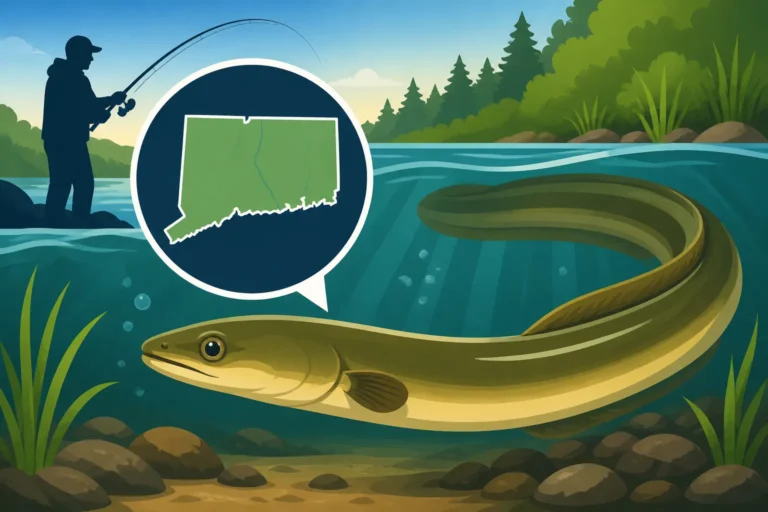
The Northern Snakehead (Channa argus) is arguably one of the most concerning invasive fish species in the United States, and unfortunately, it has established populations in parts of Connecticut. These fish are native to parts of Asia and are formidable predators that can grow quite large, sometimes exceeding three feet in length. They have a distinctive elongated body, a large mouth full of sharp teeth, and a somewhat "snake-like" head, hence their name.
What makes Northern Snakeheads particularly alarming is their incredible resilience and adaptability. Unlike most fish, they can breathe air directly from the atmosphere, allowing them to survive for extended periods out of water. This means they can even "walk" short distances over land to find new water bodies, especially during wet conditions. This ability to travel overland allows them to bypass natural barriers that would typically contain aquatic species. Once established, they are incredibly effective ambush predators, consuming a wide variety of prey including other fish, frogs, and even small mammals or birds. Their predatory nature directly threatens native fish populations, especially juveniles of species like bass, pickerel, and panfish. An unchecked population can quickly decimate the food web in a pond or slow-moving river section. If you encounter one, it's crucial to understand the rules for What to do if you catch an invasive fish species in Connecticut.
Common Carp: Bottom Dwellers with Big Impacts
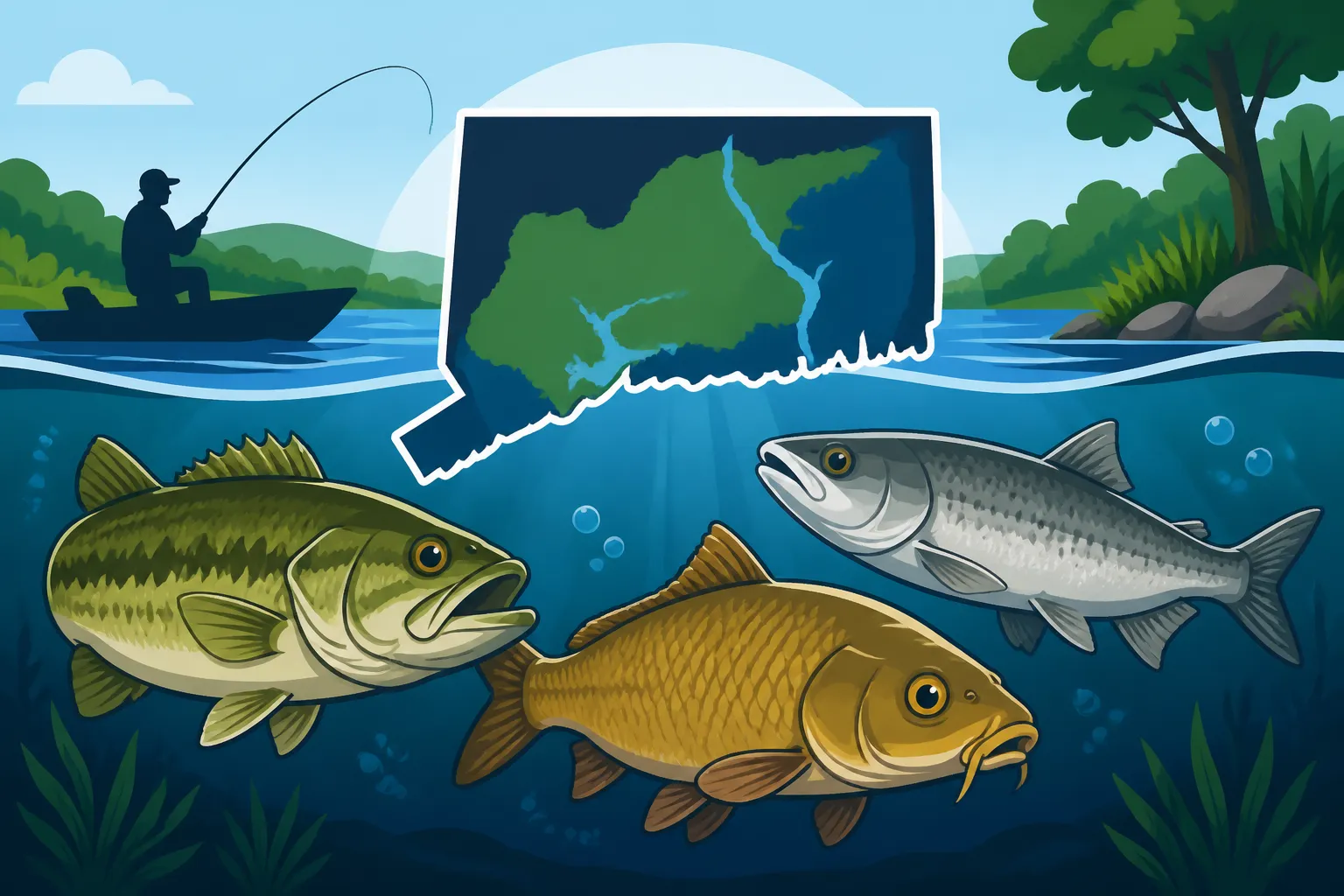
The Common Carp (Cyprinus carpio) might seem less exotic than a snakehead, but don't let their familiarity fool you; they are a widespread and highly impactful invasive species in Connecticut. Native to Eurasia, carp were introduced to North America in the 19th century as a food fish and have since spread throughout much of the continent. They are easily recognized by their large scales, two pairs of barbels around their mouth, and often bronze or olive coloration.
While some anglers enjoy fishing for carp, their impact on aquatic ecosystems is undeniable. Common carp are bottom feeders, constantly rooting and stirring up sediment as they search for insects, larvae, and plant matter. This activity leads to increased water turbidity, making the water cloudy and reducing light penetration. This murkiness directly harms sight-feeding predators and, more critically, suppresses the growth of submerged aquatic vegetation. Native plants are vital for oxygen production, stabilizing sediments, and providing essential habitat, food, and cover for countless native fish, amphibians, and invertebrates. When carp destroy this vegetation, it creates a cascade of negative effects throughout the entire aquatic food web, making it harder for native species to thrive. They also compete directly with native bottom-dwelling fish for food resources. The sheer biomass that a carp population can achieve means they consume vast amounts of available food, leaving less for native species. If you're looking for gear to specifically target and remove these, many effective carp baits and heavy-duty tackle can be found on Amazon.
Other Noteworthy Non-Native Species to Watch For
While snakeheads and common carp are prominent, Connecticut's waters can also harbor other non-native species that, while not always officially labeled "invasive" statewide, can still cause localized problems or have the potential to spread.
Goldfish (Carassius auratus), often released from home aquariums, are essentially domesticated versions of carp. They can survive and reproduce in the wild, growing to surprisingly large sizes and reverting to a drab olive-brown color, making them difficult to distinguish from small carp. Like their larger cousins, goldfish can contribute to water turbidity and compete with native panfish for food. Their presence is a direct result of improper pet disposal and highlights the need for public education on responsible pet ownership.
Another species, though less common but still a concern, is the Tench (Tinca tinca). This European species, also a member of the carp family, has been found in some waters in the Northeast. While not as widespread or destructive as common carp, tench are another bottom-feeder that can contribute to habitat degradation and compete with native species. They are often dark olive to green with small scales and distinct red eyes. Knowing how to identify these lesser-known invaders is just as important as recognizing the more infamous ones. Being familiar with different fish species can certainly help you be a more informed angler, and resources like Panfish Species Identification Guide for Connecticut can help you recognize the native species you want to catch, making it easier to spot an intruder.
The Ripple Effect: Ecological and Angling Consequences
The presence of invasive fish species isn't just an abstract biological problem; it has very real, tangible effects on the delicate balance of our aquatic ecosystems and, by extension, on the very quality of our fishing experiences here in Connecticut.
Outcompeting Our Native Fish: The Battle for Resources
Imagine a neighborhood where suddenly a new family moves in, and they're louder, they eat more, and they use up all the playground equipment before anyone else gets a chance. That's essentially what happens when invasive fish species establish themselves. They are often highly adaptable, aggressive, and prolific breeders, which gives them a significant edge over our native fish.
Take, for example, the impact on species like our native Brook Trout: Connecticut's Native Trout. These fish thrive in cold, clear, oxygen-rich streams. If a non-native species, perhaps a particularly hardy sunfish or even released exotic aquarium fish, were to establish itself in such a delicate ecosystem, it could outcompete the brook trout for insects, larvae, and other food sources. These invasives often tolerate a wider range of water conditions, allowing them to thrive in areas where native species are already stressed by environmental changes. Over time, this intense competition leads to a decline in native populations, not just in terms of numbers, but also in terms of individual fish health and size, impacting the overall vitality of the native fishery.
Furthermore, invasive species can prey directly on the eggs and fry of native fish, further hindering their reproductive success. A strong year class of invasive fish can mean a devastating blow to the recruitment of native species, leading to a noticeable drop in the populations anglers typically seek. This isn't just about catching fewer fish; it's about the very survival of Connecticut's unique aquatic biodiversity.
Habitat Havoc: Altering Aquatic Ecosystems
Beyond direct competition, many invasive fish species fundamentally alter the physical and chemical characteristics of their new homes, transforming healthy habitats into less hospitable environments for native flora and fauna. This "habitat havoc" can have long-lasting and far-reaching consequences.
Common carp are prime offenders here. Their constant bottom-feeding behavior, known as "grubbing," stirs up vast amounts of sediment. This makes the water murky and turbid, blocking sunlight from reaching submerged aquatic plants. These plants are the foundation of many freshwater ecosystems: they produce oxygen, provide food and cover for small fish and invertebrates, and stabilize the bottom. When these plant beds are destroyed by carp, the entire food web suffers. Water quality degrades, invertebrate populations decline, and native fish that rely on clear water and vegetation for spawning or cover struggle to survive. It's a chain reaction that can turn a vibrant, diverse aquatic ecosystem into a barren, muddy pond or river section.
The physical alteration of habitat by invasive fish can also change water flow dynamics in rivers, erode banks, and even impact water temperatures. This means that an invasive fish isn't just a fish; it's an ecological engineer, inadvertently rebuilding the ecosystem in a way that benefits itself while harming virtually everything else. Protecting these habitats is why we often have specific rules for different bodies of water, like the Connecticut Trout Management Area Regulations.
Shifting Angling Dynamics: Good for Some, Bad for Many
The introduction of invasive fish species creates a complex situation for recreational anglers. On one hand, some anglers might find a new challenge or even a new fishery in targeting certain invasives. Species like common carp, for example, can grow very large and offer a strong fight, attracting a niche group of anglers. Northern Snakeheads, too, are powerful predators that can provide an exciting catch, and given their invasive status, there's often no limit on harvest, encouraging anglers to remove them. You might even find specialized gear for these on Amazon, from heavy carp rods to specific lures for snakeheads.
However, for the vast majority of anglers, the overall impact is overwhelmingly negative. The decline of native species due to competition and habitat degradation directly affects the quality and quantity of traditional sport fishing opportunities. If local bass populations dwindle because snakeheads are eating all their young, or if trout streams become less productive due to habitat destruction from carp, anglers lose out. What was once a reliable spot for Largemouth Bass Fishing in Connecticut or Smallmouth Bass Fishing in Connecticut could become a challenging hunt for a diminished population, or worse, a spot dominated by undesirable species.
Furthermore, the need for stringent regulations and careful handling of invasive species can add a layer of complexity to a relaxing day on the water. Anglers must learn to identify new species, understand specific disposal rules, and take extra precautions to prevent further spread. While a few might embrace the "new" fishing, the broader angling community typically faces a net loss in the overall health and enjoyment of Connecticut's fisheries.
Your Role in the Fight: Actionable Steps for Anglers
As anglers, we are often the first line of defense when it comes to noticing changes in our aquatic environments. Our intimate knowledge of local waters means we have a critical role to play in monitoring and helping to manage invasive fish species. It's not just about catching fish; it's about protecting the future of our sport and our natural heritage.
Learn to Identify and Report Suspicious Catches
The first and arguably most important step for any angler is education. You can't help if you don't know what you're looking for! Familiarize yourself with the characteristics of known invasive species in Connecticut, like the Northern Snakehead and Common Carp, but also be aware of other potential non-native fish that might pop up. Look for distinct features: a snakehead's elongated body and lack of a dorsal fin spine are clear indicators, while carp's barbels and large scales are tell-tale signs. There are many excellent online guides and resources, and you might even find laminated fish identification cards on Amazon that are perfect for your tackle box.
If you catch a fish that you suspect might be an invasive species, do not release it. This is a crucial distinction from catch-and-release practices for native species. For confirmed invasive species, the guidance is generally to dispatch the fish immediately and properly dispose of it. But before you do, document it. Take clear photographs from multiple angles, noting any unique markings. If possible, record the location (GPS coordinates are ideal) and the date and time of the catch.
Then, report your sighting to the Connecticut Department of Energy and Environmental Protection (CT DEEP). They have dedicated programs for tracking and managing invasive species. Providing them with accurate, timely information is invaluable for their monitoring and control efforts. Your report helps scientists understand where these species are spreading and how quickly, allowing for targeted management strategies. Never assume someone else will report it; your individual vigilance makes a difference.
Responsible Handling and Disposal of Invasive Species
Catching an invasive fish isn't just about identification and reporting; it's also about what you do next. Proper handling and disposal are absolutely critical to prevent further spread and ensure that your efforts contribute positively to conservation.
Once you have identified an invasive species like a Northern Snakehead and documented your catch (photos, location), the general directive is to humanely dispatch the fish. This means killing the fish immediately and ensuring it cannot revive. For snakeheads, this usually means cutting off the head or gutting it. Simply leaving it on the bank could allow it to survive and potentially return to the water or even move to another body of water. This might feel uncomfortable if you're accustomed to catch-and-release, but remember, this action is a direct service to the native fishery.
After dispatching, do not return the fish to the water, release it into another water body, or use it as live bait. Instead, the fish should be disposed of responsibly. The best practice is to place the fish in a sealed plastic bag and dispose of it in the trash. This prevents any possibility of it reviving or spreading any potential diseases or parasites it might carry. Some anglers choose to harvest and consume invasive species, such as Common Carp, if they are safe to eat and regulations allow, as this also serves as a method of removal. However, always verify local consumption advisories. For more detailed guidance, consider looking at specific state resources on Are Carp Good to Eat from Connecticut Waters?.
The "Clean, Drain, Dry" Mantra: Protecting Our Waters
This three-word phrase is perhaps the most powerful tool we have as anglers to combat the spread of aquatic invasive species, whether it's fish, plants, or microscopic organisms. It applies to all your gear, all the time, especially when moving between different bodies of water.
Clean: Before you leave any body of water, meticulously clean all visible mud, plants, fish, and organisms from your boat, trailer, waders, boots, fishing gear, and any other equipment that came into contact with the water. Pay special attention to crevices, anchor ropes, and livewells. A stiff brush and even a pressure washer (if available) can be your best friends here. You can find specialized cleaning tools for boats and gear on Amazon.
Drain: Completely drain all water from your boat, including the bilge, livewells, bait buckets, and motor. If your boat has a ballast tank, drain that too. This ensures that no water containing microscopic larvae, eggs, or small organisms is transported to the next location. Many invasive species are invisible to the naked eye in their early life stages. Remember that Connecticut Boating Laws for Anglers often touch upon these vital practices for preventing ecological harm.
Dry: This is often the most overlooked step, but it's crucial. Allow all your equipment to thoroughly dry before using it in another body of water. A minimum of 5-7 days of dry time in warm, sunny weather is often recommended, but longer is better if conditions are cool or humid. Drying kills many aquatic organisms that might survive cleaning and draining. If drying isn't possible, consider rinsing with high-temperature water (at least 140°F) or using a bleach solution (e.g., 1 cup bleach per gallon of water, followed by a thorough rinse) if safe for your gear, especially for waders and nets.
Adopting the "Clean, Drain, Dry" habit is not just a recommendation; it's a vital responsibility for every angler. It’s how we become active stewards of Connecticut's rivers, lakes, and coastal waters, ensuring healthy fisheries for generations to come.
Connecticut's Strategy and the Path Forward
Dealing with invasive species is a continuous, complex challenge that requires a multi-faceted approach. Connecticut, like many other states, has put in place strategies to monitor, manage, and prevent the spread of these unwelcome guests.
State Regulations and Management Efforts Against Invasives
The Connecticut Department of Energy and Environmental Protection (CT DEEP) is the primary agency responsible for managing fish and wildlife resources, including invasive species. They work on several fronts:
Firstly, monitoring and surveillance are ongoing. Biologists regularly survey various water bodies to detect new invasive populations and track the spread of established ones. This often involves netting, electrofishing, and other scientific sampling methods. The goal is early detection, as it offers the best chance for successful eradication or containment before a species becomes widespread. If you've ever seen DEEP staff on the water, they might very well be conducting these important surveys.
Secondly, regulations are a key tool. Connecticut has laws specifically designed to prevent the introduction and spread of invasive species. For example, it's illegal to introduce or possess certain species without a permit, and as mentioned earlier, transferring live fish between different bodies of water is prohibited. These regulations are designed to curb the primary human-mediated pathways of introduction. Understanding these rules is a part of Reading the Connecticut Fishing Guide and being a responsible angler.
Finally, management actions are implemented when an invasive species is found. For small, localized outbreaks, eradication efforts might be attempted, using methods like targeted netting or even environmentally safe piscicides (fish toxicants) in contained areas. For widespread species like Common Carp, management often focuses on mitigation strategies, such as habitat restoration projects that create conditions less favorable for invasives and more beneficial for native species. These efforts are often challenging and resource-intensive, highlighting the importance of prevention.
Education and Community Engagement: A Shared Responsibility
Government agencies cannot tackle the invasive species problem alone. The sheer vastness of our waterways and the constant potential for human-mediated introductions mean that public awareness and community engagement are absolutely essential.
Educational campaigns play a crucial role in informing anglers, boaters, aquarists, and the general public about the risks posed by invasive species and how they can help. These campaigns often focus on promoting the "Clean, Drain, Dry" ethic for all water-based recreation, discouraging the release of aquarium pets or bait, and teaching people how to identify and report suspicious sightings. When you see signage at a boat launch about invasive species, it's part of this vital effort.
Community involvement empowers individuals to become active stewards. Anglers, with their boots on the ground (or rather, in the water!), are often the first to notice changes. Reporting unusual fish, participating in volunteer clean-up days, or simply practicing responsible boating and fishing habits are all forms of vital community engagement. Every person who understands and acts on invasive species prevention becomes a part of the solution.
The fight against invasive fish species is a marathon, not a sprint. It requires ongoing vigilance, adaptive management strategies, and, most importantly, the active participation of every single person who enjoys Connecticut's incredible aquatic resources. By working together, we can protect the delicate balance of our waters and ensure healthy and vibrant fisheries for future generations.
Disclaimer
This article is for general informational purposes only and does not constitute professional advice. Laws, prices and regulations vary by location and change over time. Consult a qualified professional for guidance on your specific situation.