Fluke Average Size in Long Island Sound
One of the biggest questions I hear from fellow anglers hitting Long Island Sound for fluke is, "What kind of size can I really expect?" It's tough when you're out there, rods bent, and you're not sure if the fish you're targeting are usually dinner plate size or pushing into doormat territory. This guide is all about setting realistic expectations and helping you understand the average size of fluke you're likely to encounter in Connecticut's beautiful Sound, along with what influences those sizes.
Understanding Fluke in Long Island Sound
Fluke, also known as summer flounder, are one of the most sought-after species in Long Island Sound, and for good reason. They're delicious, put up a good fight, and are generally accessible to anglers of all skill levels. But before we talk about size, let's get a handle on who these flatfish really are.
What is a Fluke (Summer Flounder)?
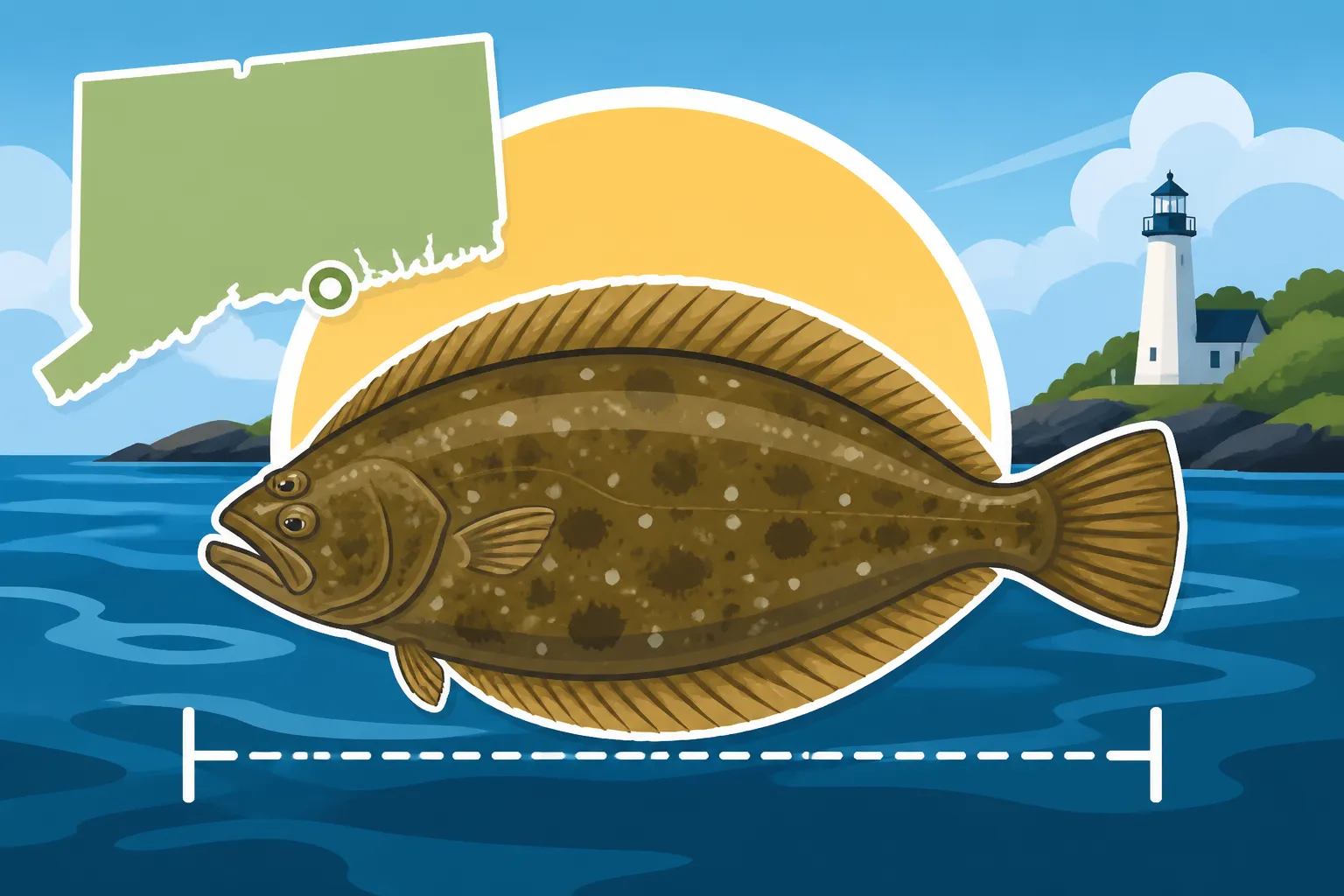
Imagine a fish that spends its life lying flat on the seabed, with both eyes migrated to one side of its head – that's your fluke! These fascinating creatures are ambush predators, perfectly camouflaged against the sandy or muddy bottom where they lie in wait for unsuspecting baitfish, squid, or crustaceans. They have a distinct brown to olive coloration on their upper side, often mottled to blend in, and a clean white underside. Unlike some other flounder species, fluke have a mouth full of sharp teeth, which is a dead giveaway when you're trying to identify your catch quickly. They're a favorite target because when you hook into a decent one, you'll feel that satisfying thump and head shake.
Their unique body shape and predatory nature make them a blast to target. Many anglers spend countless hours perfecting their drift patterns and jigging techniques specifically for these tasty flatfish. The thrill of feeling that solid strike when a fluke inhales your bait is incredibly rewarding, whether you're fishing a shallow sandy flat or a deeper channel. Just remember, these fish are well-adapted to their environment, and their camouflage is truly remarkable, making them a challenge and a joy to pursue.
Life Cycle and Habitat
Fluke have a fascinating life cycle that directly influences where and when you'll find them, and ultimately, their size. They spawn offshore in the late fall and early winter, and their tiny larvae drift with the currents. As they grow, they undergo a remarkable metamorphosis where one eye migrates to the other side of their head, allowing them to lie flat on the seafloor. Juvenile fluke then move into shallower, inshore nursery areas, like bays, estuaries, and even some of the tidal rivers feeding into Long Island Sound, where they feed and grow rapidly.
As they mature, fluke transition to deeper waters, often preferring sandy or muddy bottoms near structure, drop-offs, or channels where baitfish congregate. They are migratory, moving into Long Island Sound in the spring as water temperatures rise, and then migrating offshore again in the fall. Understanding this migration pattern is key to successful Fluke Fishing in Long Island Sound. These movements dictate not only when they'll be present but also where you'll find the larger, more mature individuals. Their preference for certain bottom types and depths can change with the seasons, making it a constant puzzle for anglers to solve.
Factors Influencing Fluke Size
The size of fluke you pull out of Long Island Sound isn't just random luck (though luck certainly plays a part!). There are several significant biological and environmental factors that contribute to how big these fish grow. Knowing these can give you an edge in understanding where and when you might encounter those bigger "doormats."
Age and Growth Rate
Like most fish species, the size of a fluke is primarily dictated by its age. Younger fluke, those in their first few years, tend to be smaller, growing quickly in their initial stages. As they get older, their growth rate might slow down a bit, but they continue to pack on length and weight, particularly the females. A small 15-inch fluke might be only a couple of years old, while a true "doormat" weighing several pounds could be 7 to 10 years old, or even more. The environment they live in, specifically the abundance of food and water temperatures, directly impacts how quickly they grow at each stage of their life.
Imagine two fluke born in the same year. One grows up in a nutrient-rich area with a steady supply of juvenile baitfish and shrimp, while the other is in a less productive area. The first fish will likely outgrow its counterpart, showcasing how crucial a good environment is for maximizing growth. This biological reality means that patience and targeting areas known for older, more mature fish are often rewarded with larger specimens.
Food Availability and Environment
The old adage "you are what you eat" definitely applies to fluke. Their growth is intrinsically linked to the availability and abundance of their preferred prey. A fluke living in an area teeming with spearing, silversides, squid, and juvenile bunker will have a much easier time packing on pounds than one in a food-scarce environment. Long Island Sound, with its rich diversity of baitfish, generally provides ample feeding opportunities, especially in areas with good tidal flow and bottom structure that concentrates prey.
Water temperature also plays a critical role. Fluke are "summer flounder" for a reason – they thrive in warmer waters, which generally means higher metabolism and more active feeding. However, excessively warm water can also stress fish. Optimal conditions, where food is plentiful and temperatures are just right, lead to faster growth and larger average sizes. Knowing where to find these ideal conditions, perhaps near a nutrient-rich estuary or a productive reef, can significantly increase your odds of encountering larger fish. This is why paying attention to local reports and understanding Fluke Habits in Long Island Sound can really pay off.
Average Size Expectations for Anglers
So, what can you realistically expect when you head out fishing for fluke in Long Island Sound? It's important to differentiate between what's common, what's legal, and what's truly a trophy.
Typical Catch Sizes
For many recreational anglers in Long Island Sound, a "typical" keeper fluke often falls within the 18 to 22-inch range. These are robust, healthy fish that provide a good meal and a satisfying fight. You'll certainly catch smaller ones, often called "shorts," which are crucial to release carefully to ensure future populations. On a good day, you might land several fish in the low 20s. These are the workhorse fish that make up the bulk of catches for most anglers.
However, it's not uncommon to hear tales of bigger fish. Anglers who consistently target deeper channels, rock piles, or specific ledges often report higher numbers of fluke pushing into the mid-20s. These are the fish that really start to feel substantial on the line. When I'm out fishing with friends, we're always thrilled to bring in a fish over 20 inches, as it feels like a genuine accomplishment. It's this range that often fills our coolers and makes for memorable fishing trips.
Legal Size Limits and How They Affect Averages
Connecticut's fishing regulations for fluke are designed to protect the breeding stock and ensure sustainable fishing for years to come. These regulations include a minimum size limit and often a daily possession limit. The minimum size limit is particularly important because it means that any fish you catch below this length must be immediately released, regardless of its health. This minimum length directly influences the average size of fish that anglers can legally keep and take home.
For instance, if the minimum size limit is 19 inches, you'll naturally only be keeping fluke that are 19 inches or larger. This skews the "average keeper size" upwards compared to the overall population. You'll often hear discussions about these limits, like those covered in Connecticut Saltwater Fishing Regulations by Species, because they directly impact the fishing experience. While it can be frustrating to release a healthy 18-inch fish, these rules are crucial for conservation, allowing younger fish to grow and contribute to future generations. Understanding and adhering to these regulations is a responsibility every angler shares.
The Thrill of a "Doormat"
Ah, the "doormat"! This is the holy grail for fluke anglers – a massive summer flounder that truly lives up to its name, lying wide and flat like a welcome mat. While most fluke you catch will be in that 18-22 inch range, the dream of landing a doormat keeps many of us coming back. These are typically fluke measuring 25 inches and up, with some truly exceptional specimens pushing past 30 inches and weighing into double digits. Catching one is a rare and exciting event, often happening in specific deeper, more productive areas where older, larger fish congregate.
I've been lucky enough to see a few doormats come over the rail, and the sheer size and weight of them are breathtaking. They fight with incredible power, often bulldogging to the bottom, and can test your tackle and your patience. Landing one usually involves a bit of skill, a lot of patience, and sometimes, just being in the right place at the right time. These are the fish that inspire tall tales and keep the passion for Fluke Fishing in Long Island Sound burning bright for many years.
Regional Variations within Long Island Sound
Long Island Sound is a vast and diverse body of water, and it's not uniform when it comes to fluke populations and their sizes. What you find in the western reaches might be quite different from what's swimming in the eastern, deeper sections. Understanding these regional nuances can really fine-tune your fishing strategy.
Eastern vs. Western Sound Differences
Generally speaking, the eastern end of Long Island Sound, closer to Block Island and the Atlantic Ocean, tends to offer opportunities for larger fluke. This area is characterized by deeper, cooler waters, stronger currents, and more diverse bottom structure, including expansive rocky reefs and ledges. These conditions are ideal for older, larger fluke seeking abundant food sources and favorable temperatures. Anglers venturing out of ports like Stonington, Niantic, or Old Saybrook often report higher numbers of larger fish, and the chances of a true "doormat" seem to increase the further east you go.
The western part of the Sound, closer to New York, is shallower and tends to warm up faster in the spring. While still productive, the average size of fluke here might trend a little smaller. You'll find plenty of keeper-sized fish, especially in bays and tidal rivers, but the really massive specimens often prefer the deeper, more oceanic influences of the eastern Sound. This isn't to say you can't find big fish out of Norwalk or Greenwich, but the overall population might lean towards younger, smaller individuals. Understanding this geographic difference can help you decide where to focus your efforts depending on whether you're chasing quantity or trophy size.
Hot Spots and Their Yields
Within both the eastern and western Sound, there are specific "hot spots" renowned for producing good fluke. These are typically areas with a combination of favorable characteristics: distinct changes in depth, strong tidal currents, structure like rock piles or wrecks, and an abundance of baitfish. Think of places like the Watch Hill reefs, the Race, Bartlett's Reef, or the various channels around the mouth of the Connecticut River. These spots often concentrate bait and provide ambush points for fluke, leading to higher catch rates and, frequently, larger fish.
Many experienced captains and guides have their secret spots, but generally, areas with good underwater topography that breaks up the current are prime real estate. You might find a spot that consistently yields plenty of 18-inchers, perfect for dinner, while another, perhaps a little deeper or with more current, consistently produces fish in the mid-20s. Consulting local bait shops, fishing forums, and even a quick search on Amazon for local fishing charts can sometimes give you clues about these productive areas. The key is to look for areas where fluke can comfortably lie in wait, concealed, and let the current bring food to them.
Maximizing Your Chances for Larger Fluke
Landing a big fluke isn't just about luck; it's about strategy, understanding their behavior, and using the right tools. If you're consistently aiming for those "doormats" or at least solid keepers, there are definitely steps you can take to stack the odds in your favor.
Effective Techniques and Baits
When it comes to targeting larger fluke, the right technique and bait make all the difference. While smaller fluke will hit almost anything, bigger fish can be a bit more discerning. Drift fishing is perhaps the most popular and effective method, allowing you to cover ground and present your bait naturally. Using a three-way swivel rig with a bucktail jig on the bottom and a teaser hook above it, tipped with a strip of Gulp! or fresh squid, is a tried-and-true setup. Many anglers swear by nuclear chicken or chartreuse Gulp! scents for their effectiveness. For really big fluke, some anglers prefer larger baits like whole squid, a bigger strip of fresh bunker, or even a live snappe bluefish if legal and available. The idea is to present a substantial meal that appeals to a larger, more opportunistic predator.
Jigging heavier bucktails or soft plastics around deeper structure can also entice bigger fluke that are less likely to chase smaller baits in shallower water. Think about adding a bit more flash or vibration to your presentation. Choosing the right rod and reel, perhaps a medium-heavy setup with braided line for sensitivity, can help you feel those subtle takes from larger fish and ensure you have the power to bring them up. You can find a vast array of bucktails, Gulp! baits, and fishing lines on Amazon to experiment with your setup.
Understanding Tides and Structure
Fluke are masters of ambush, and their strategy relies heavily on current and structure. The tide plays a crucial role – moving water is what brings food to them. Generally, the incoming or outgoing tide, especially when it's flowing moderately, is when fluke are most active. Slack tide can be slower, as the lack of current means less food drifting by. Targeting the "last of the outgoing" and the "first of the incoming" can often be extremely productive. Learning to predict these tidal movements, perhaps with a good tide app on your phone, is invaluable.
Structure is equally important. Look for natural features like rocky ledges, underwater humps, drop-offs, and channel edges. Man-made structures such as wrecks, bridge pilings, or even old clam beds can also hold big fluke. These features break the current, create eddies, and concentrate baitfish, making them perfect ambush points. When drifting, try to position your boat so your bait sweeps over or along these structural elements. A good fishfinder or a detailed chart can help you identify these underwater goldmines. Even subtle changes in bottom contour can be enough to hold a few big fish. Knowing Best Fluke Fishing Spots on Long Island Sound often comes down to knowing the local structure.
Conservation and Sustainable Fishing Practices
As responsible anglers, it's our duty to ensure that the joy of fluke fishing in Long Island Sound can be shared by future generations. Conservation isn't just a buzzword; it's about making conscious choices every time we're on the water.
Importance of Slot Limits
While Connecticut often uses a minimum size limit for fluke, other regions and even future regulations might introduce "slot limits." A slot limit means you can only keep fish within a certain size range – for example, fish between 19 and 24 inches. The rationale behind this is to protect both the very small, immature fish, allowing them to grow, and the very largest, most productive breeding fish (the "doormats"), allowing them to continue spawning and contributing to the gene pool.
Slot limits are a highly effective conservation tool because they ensure a healthy age structure within the fish population. It's about thinking beyond just one fishing trip and considering the long-term health of the fishery. If a slot limit were in place, for instance, landing a monster 30-inch fluke might mean a photo, a quick measure, and a careful release, even if it's the fish of a lifetime. It requires a shift in mindset, but it's a small price to pay for abundant fishing in the years to come. These regulations, alongside Connecticut Fishing Regulations Explained, help maintain ecological balance.
Responsible Catch and Release
No matter the size limit, responsible catch and release practices are paramount, especially for "shorts" or if you're targeting fish beyond a potential slot limit. Here are some best practices:
- Minimize Handling: Try to handle the fish as little as possible. If it's a small short, a quick unhooking at the side of the boat with a dehooker tool is ideal.
- Wet Hands: If you must handle the fish, wet your hands first. This helps protect the fish's protective slime coat, which is its first line of defense against disease.
- Support the Body: Especially for larger fluke, support their body horizontally. Don't hold them vertically by the jaw, as this can damage their internal organs and spine.
- Quick Release: Get the fish back in the water as quickly as possible. If it's sluggish, gently hold it upright in the current to help water flow over its gills until it swims off on its own.
- Barbless Hooks: Consider using barbless hooks, or crimping down the barbs on your hooks. This makes dehooking much faster and causes less damage to the fish.
Practicing these methods ensures that the fluke you release have the best possible chance of survival, growing larger, and contributing to the next generation of fish. It's a key part of ensuring vibrant fish species populations in Long Island Sound for everyone to enjoy.
Fluke Size and Characteristics Summary
Here's a quick overview of what you might expect when targeting fluke in Long Island Sound, combining legalities with typical catches.
| Category | Typical Size Range (inches) | Characteristics & Notes | Conservation Impact |
|---|---|---|---|
| Shorts/Juveniles | Under 18-19 (variable) | Must be released. Fast-growing, numerous. | Crucial for future populations. High release mortality risk. |
| Average Keepers | 19-22 | Common catch, good eating size. Satisfying fight. | Maintained by minimum size limits. |
| Good Keepers | 23-25 | Solid fish, often found in deeper, structured areas. | Sought after by many anglers. |
| "Doormats" (Trophy) | 25+ | Rare, large, powerful fish. Often older, breeding females. | Key breeders. High value for catch and release. |
Note: Minimum size limits are subject to change. Always check current Connecticut Fluke and Summer Flounder Regulations before heading out.
This guide should give you a clearer picture of what to expect when you target fluke in Long Island Sound. From understanding their biology and habitat to employing effective techniques and practicing conservation, every piece of the puzzle helps you become a more successful and responsible angler. Tight lines out there!
Disclaimer
This article is for general informational purposes only and does not constitute professional advice. Laws, prices and regulations vary by location and change over time. Consult a qualified professional for guidance on your specific situation.