Brown Trout Habits in Connecticut Streams
Many anglers in Connecticut feel like they’re constantly chasing ghosts when it comes to brown trout. You might hear whispers of someone catching a huge wild brown from a secret hole, or you struggle to find them consistently after the initial spring stocking frenzy. The truth is, brown trout are incredibly intelligent, wary, and have distinct habits that, once understood, can dramatically improve your success. This guide is all about peeling back the layers to reveal the complex behaviors of brown trout in our beautiful Connecticut streams, helping you predict their moves and entice them to bite.
Understanding Brown Trout in Connecticut
Brown trout, or Salmo trutta, are a fascinating species that have made themselves quite at home in Connecticut's diverse waterways. They're often hailed by fly anglers for their challenging nature and by bait fishermen for their willingness to put up a spirited fight. But to truly understand them, we need to look at their history here, their unique physical traits, and the crucial distinction between those born wild and those introduced through stocking programs.
A Brief History and Introduction to Connecticut
Brown trout aren't native to North America; they were actually introduced from Europe in the late 19th century. They arrived in the United States in the 1880s, brought over from Germany and Scotland, and quickly found suitable habitats in many of our colder, oxygen-rich streams. Here in Connecticut, they've thrived in many of our rivers and streams, often coexisting with, and sometimes outcompeting, our native brook trout. Their hardiness and adaptability to a wider range of water temperatures and conditions compared to brook trout have allowed them to establish strong populations, particularly in rivers that might see some warmer stretches in the summer months. Over the decades, they've become a staple of the Connecticut fishing scene, offering exciting opportunities for anglers across the state, from the Litchfield Hills to the eastern uplands. Their ability to survive and even flourish in waters that might be too warm for brook trout, or that have seen some historical environmental changes, makes them a resilient and important part of our aquatic ecosystem.
Key Identifying Features and Adaptations
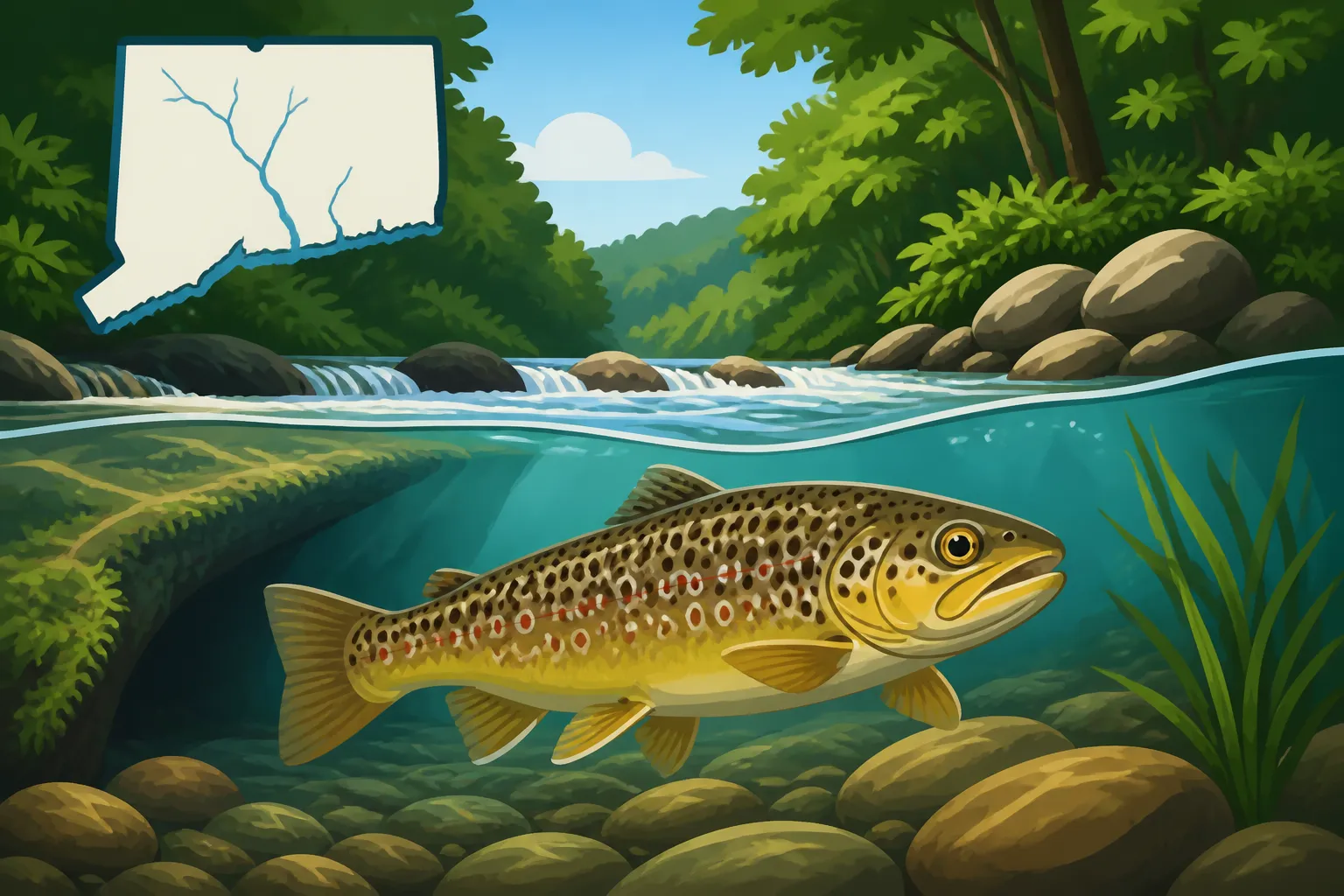
Brown trout are truly beautiful fish, and their appearance can vary quite a bit depending on their specific environment and diet. Generally, they have a body color that ranges from a golden brown to an olive green on their backs, fading to a creamy white or yellowish belly. What really makes them stand out are the distinct spots: dark spots with pale halos on their upper body, and often some red or orange spots, also with light halos, along their flanks. These spots usually extend onto their dorsal fin and adipose fin, but their caudal (tail) fin typically has few to no spots, which can be a helpful distinguishing feature when compared to a rainbow trout. Their adaptations are what make them such formidable survivors. They possess excellent eyesight, especially in low light conditions, which aids their nocturnal feeding habits. Their streamlined bodies allow them to hold strong in swift currents, and their aggressive, predatory nature means they're always on the lookout for a meal. They're also incredibly stealthy, often using cover to ambush prey, which is why a keen eye and careful approach are essential when targeting them.
Wild vs. Stocked Brown Trout Distinctions
This is where things get really interesting for Connecticut anglers. There’s a world of difference between a wild brown trout and one that's been recently stocked. Wild brown trout, born and raised in the stream, tend to be much more wary and elusive. They've learned to survive predators, navigate complex currents, and find natural food sources. Their coloration is often more vibrant and camouflaged, blending perfectly with their stream environment. They might have more defined fins, not worn down from hatchery life. These fish are typically thinner, sleek, and exceptionally strong fighters. Catching a true wild brown from a Connecticut stream is a badge of honor for many.
On the other hand, stocked brown trout, while still providing fantastic fishing opportunities, behave differently. They're raised in a hatchery environment where food is plentiful and predators are absent. When first released, they can be less wary, often more willing to take a bait or lure, and might hang out in more open, easily accessible areas. Their fins can sometimes be a bit more worn, and their coloration might be a bit duller or more uniform due to their hatchery diet. Over time, if they survive, these stocked fish can become "holdovers," adapting to the wild environment and gradually exhibiting more wild behaviors. Many of our most popular trout waters, like sections of the Farmington River or the Naugatuck River, receive regular stockings of brown trout, which ensures there are plenty of fish for everyone to enjoy. However, it’s the pursuit of those truly wild, stream-bred browns that often captures an angler's imagination. Knowing how to identify Trout Species Identification Guide for Connecticut can help you appreciate what you've caught.
Preferred Habitats and Stream Structure
If you want to find brown trout, you need to think like a brown trout. They are masters of using their environment to their advantage, both for feeding and for safety. Understanding the types of water they seek out and the specific structures they relate to is paramount to successful angling.
The Importance of Cold, Oxygenated Water
Brown trout are coldwater fish, and while they can tolerate slightly warmer temperatures than brook trout, they still require cool, well-oxygenated water to thrive. This is why you'll find them predominantly in Connecticut's higher-gradient streams and rivers, especially those fed by springs or cold groundwater. During the warmer months, as stream temperatures rise, brown trout will actively seek out thermal refuges. These can be spring-fed pockets, areas where cold tributaries enter the main stem, or deeper pools where water stays cooler. Without access to these cooler zones, brown trout can become stressed, lethargic, and susceptible to disease. This is a critical factor, especially during summer, and knowing What water temperature trout need to survive can help guide your fishing efforts. Maintaining good water quality and riparian buffers (vegetation along the stream banks) is vital for keeping these waters cool and shaded, which directly benefits brown trout populations.
Role of Structure: Rocks, Logs, and Undercuts
Brown trout absolutely love structure. They are ambush predators and also highly wary, so they use rocks, submerged logs, fallen trees, and undercut banks for both cover and feeding stations.
Imagine a large boulder in the middle of a stream: a brown trout will often be holding directly behind it, out of the main current, waiting for food to drift by. The boulder breaks the flow, creating a "cushion" of slower water where the fish can rest without expending too much energy. Similarly, fallen trees create complex underwater mazes that offer protection from overhead predators like ospreys or herons, and from the current itself.
Undercut banks, formed by erosion where the current carves out a pocket beneath the bank, are prime brown trout real estate. These offer incredible overhead cover and a dark, safe haven where a large brown can feel completely secure, waiting for an unsuspecting bug or small baitfish to swim by. When fishing, always approach these features with caution, as a wary brown trout might dart out from under an undercut bank if it senses your presence. Sometimes, a careful cast right into the shadow of a large log can yield a surprisingly big fish. Many experienced anglers will carry a good pair of polarized sunglasses, available from retailers like Amazon, to help them spot these subtle structures beneath the surface.
Deep Pools, Riffles, and Runs: A Brown Trout's Ideal Home
Brown trout utilize different stream features for different purposes, creating a dynamic habitat.
-
Deep Pools: These are critical for brown trout, offering depth, cooler water, and a sense of security. Larger, older brown trout especially favor deep pools, using them as their primary holding areas. During the day, they might be deep in the pool, resting. As light fades, they might move to the head or tail of the pool to feed. When you're fishing a deep pool, don't just cast to the middle; explore the edges, the seams where faster water meets slower water, and any submerged structure within the pool. Many of Connecticut's Best Trout Streams in Connecticut feature excellent deep pools.
-
Riffles: Riffles are shallower, faster-moving sections of stream with rocky bottoms, characterized by choppy surface water. While not primary holding lies for large browns, they are food factories! Aquatic insects hatch here, and oxygen levels are high. Brown trout will often position themselves just below or just above riffles, or in the calmer seams alongside them, to intercept food as it washes out of the fast water. They won't expend energy fighting the full force of the riffle, but they’ll be close enough to dart in for a meal.
-
Runs: Runs are transitional areas, deeper than riffles but with a more uniform flow than pools. They offer excellent feeding opportunities, especially where current seams or submerged structure create ambush points. A long, smooth run with a consistent current can be home to multiple brown trout spaced out, each holding in a prime feeding lane. These are often great places for drift fishing with nymphs or streamers.
A healthy Connecticut trout stream will have a good mix of all these features, providing a complete ecosystem for brown trout throughout their life cycle.
Diet and Feeding Behavior
Brown trout are opportunistic predators, meaning they'll eat just about anything that looks like a meal and fits in their mouth. Their diet shifts with the seasons and the availability of food sources, but understanding their general preferences and feeding habits is crucial for choosing the right presentation.
Invertebrates and Aquatic Insects
For much of their lives, especially when they are younger, brown trout primarily feed on a wide variety of aquatic invertebrates. This includes the larval and nymph stages of insects like mayflies, caddisflies, stoneflies, and midges. They also gorge on terrestrial insects that fall into the water, such as ants, beetles, grasshoppers, and crickets. When there's a significant insect hatch, brown trout will often rise to the surface, breaking the water to sip emerging adults, a sight that delights fly anglers. Even when not actively rising, they'll be keying in on nymphs drifting along the bottom or emergers struggling to reach the surface. This is why fly fishing with a well-matched hatch pattern or a versatile nymph can be incredibly effective. Even spin fishermen can mimic these food sources with small inline spinners or tiny jigs that resemble insects. It's a game of matching the hatch or, at the very least, presenting something that looks appealing and natural.
Forage Fish and Opportunistic Predation
As brown trout grow larger, their diet often shifts to include more forage fish. They become increasingly predatory, actively hunting down smaller fish. In Connecticut streams, this could mean gobbling up sculpins, dace, juvenile suckers, smaller trout, or even minnows. This is especially true for the trophy-sized brown trout that many anglers dream of catching. These larger browns often become quite solitary and territorial, establishing a prime feeding lie and aggressively defending it from other fish. They're not afraid to ambush bigger meals. This predatory behavior is why streamers, large articulated flies, and various types of lures like Rapalas or other minnow imitations are so effective for bigger browns. Even shiners or other live bait can be incredibly appealing to a hungry, opportunistic brown trout looking for a substantial meal. The bigger the fish, the more likely it is to be a piscivore, meaning its diet is largely fish-based.
Nocturnal Feeding and Low-Light Activity
One of the most important habits to understand about brown trout, particularly larger, wild specimens, is their tendency to feed under the cover of darkness or in very low light conditions. While stocked trout might feed throughout the day, truly wary browns often become most active from dusk until dawn, and on overcast days. This nocturnal activity is a survival mechanism; the darkness provides a blanket of security, allowing them to move out from their protected lies into more open water to hunt without fear of aerial predators. During these hours, their guard is down, and they are more likely to take larger, more aggressive presentations. Many big brown trout records have been set by anglers fishing through the night with large streamers, mouse patterns, or bait. If you've been struggling to connect with bigger browns during the day, consider trying your luck an hour or two before sunset, or even after dark. A headlamp (with a red light setting to preserve your night vision) is a must for this kind of adventure, and you can find many reliable options on Amazon. This low-light feeding also applies to very early morning hours, right as the sun begins to lighten the sky.
Seasonal Movements and Behavior
Brown trout are creatures of habit, but those habits are heavily influenced by the changing seasons in Connecticut. Their behavior, where they hold, and what they feed on can drastically shift from spring thaw to winter freeze.
Spring: Post-Stocking and Insect Hatches
Spring in Connecticut is a time of renewal for trout fishing. As the snow melts and stream flows increase, water temperatures begin to rise from their winter lows, triggering a burst of activity. This is also when the Connecticut DEEP performs its extensive trout stocking, releasing countless brown, rainbow, and brook trout into designated waters. Connecticut Trout Season and Stocking Rules are essential reading for any angler hitting the water in spring.
Initially, after stocking, brown trout might be a bit disoriented but also quite eager to feed. They’ll often hold in easily accessible pools and runs, making them relatively easy targets for anglers using bait like worms or corn, small spinners, or brightly colored flies. As they acclimate, they'll start to spread out and become more wary. Spring also brings the first major insect hatches of the year, such as caddisflies and early mayflies. When these hatches occur, brown trout will become more focused on these emerging insects, leading to exciting dry fly fishing opportunities on warmer days. Look for them holding in slower water downstream of riffles, or along current seams, waiting for food to drift by. The high, often turbid water of early spring can also put them close to the banks, offering a chance for anglers to approach stealthily. Spring Trout Fishing Techniques for Connecticut Streams delves deeper into these specific strategies.
Summer: Seeking Thermal Refuges
Summer is arguably the toughest time to consistently catch brown trout in many Connecticut streams, especially the wilder ones. As air temperatures soar, so do water temperatures. Brown trout become highly stressed in warm water (above 68-70°F is dangerous for prolonged exposure) and will actively seek out thermal refuges. These critical areas include deep, shaded pools, the mouths of cold tributaries, or groundwater seeps where cooler water enters the main stream. They become less active, conserving energy, and their feeding often slows dramatically, typically limited to early mornings, late evenings, or during nighttime hours.
Fishing for them during the heat of the day in summer is not only less productive but can also be detrimental to the fish. Even if caught and released, the stress of the fight in warm water can be lethal. Many conscientious anglers will avoid trout fishing altogether during the peak summer heat, especially on smaller, shallower streams. If you do fish, focus on the coldest parts of the stream, use quick release methods, and minimize handling. The Housatonic River, for example, has Connecticut Housatonic River Seasonal Closure Explained for a reason, specifically to protect trout during warm water periods.
Fall: Pre-Spawn Aggression and Spawning Runs
Ah, fall! This is arguably the best time of year to target trophy brown trout in Connecticut. As water temperatures begin to cool, and days shorten, brown trout enter a pre-spawn phase where they become incredibly aggressive and territorial. They are feeding heavily to build up energy reserves for the upcoming spawn. This means they are more willing to chase larger streamers, lures, and even dry flies if hatches are still occurring.
As fall progresses, usually from late October through November, brown trout begin their spawning migrations. They'll move upstream into smaller tributaries or shallower, gravelly areas of the main stem to lay their eggs. During this time, male brown trout, in particular, develop striking, vibrant colors and a hooked jaw (kype), becoming even more territorial and aggressive towards anything entering their spawning areas. While targeting spawning fish is generally frowned upon (and often illegal in specific designated spawning grounds) due to the stress it puts on the fish during a critical reproductive period, the pre-spawn aggression in deeper, non-spawning areas offers incredible angling opportunities for truly impressive fish. Knowing Connecticut Trout Management Area Regulations can help you understand where these special rules might apply.
Winter: Slowed Metabolism and Deep Lies
Winter fishing for brown trout in Connecticut can be a real challenge, but also incredibly rewarding for those willing to brave the cold. With water temperatures plummeting, brown trout's metabolism slows down significantly. They become much less active and conserve energy. You'll typically find them holding in the deepest, slowest pools available, often tucked tight to the bottom or under heavy cover like large rocks or submerged logs. They are looking for stability and shelter from strong currents and frigid temperatures.
Their feeding windows are short and sporadic. They'll take small, subtle presentations close to the bottom. Nymphs, small jigs, or tiny pieces of bait drifted slowly and meticulously through deep pockets are often the most effective. Patience is key, as bites can be incredibly subtle. On warmer, sunny winter days, especially if there's a mid-day midge hatch, you might find them moving into slightly shallower, sun-warmed sections to feed briefly. Always dress warmly, bring hand warmers, and prioritize safety on slippery banks. While not as active as spring, winter can produce some surprisingly large brown trout for the dedicated angler.
Spawning Habits and Reproduction
The reproductive cycle of brown trout is a crucial aspect of their life history in Connecticut streams. Understanding when and where they spawn not only helps us appreciate their resilience but also guides responsible angling practices.
The Fall Spawn: Timing and Location
Unlike rainbow trout, which typically spawn in spring, brown trout are fall spawners. In Connecticut, this usually occurs from late October through December, peaking in November, depending on water temperature and flow. As mentioned earlier, falling water temperatures and decreasing daylight hours trigger their reproductive instincts. During this time, they will migrate upstream from larger rivers or lakes into smaller, shallower tributaries or riffle sections of the main stream where conditions are suitable.
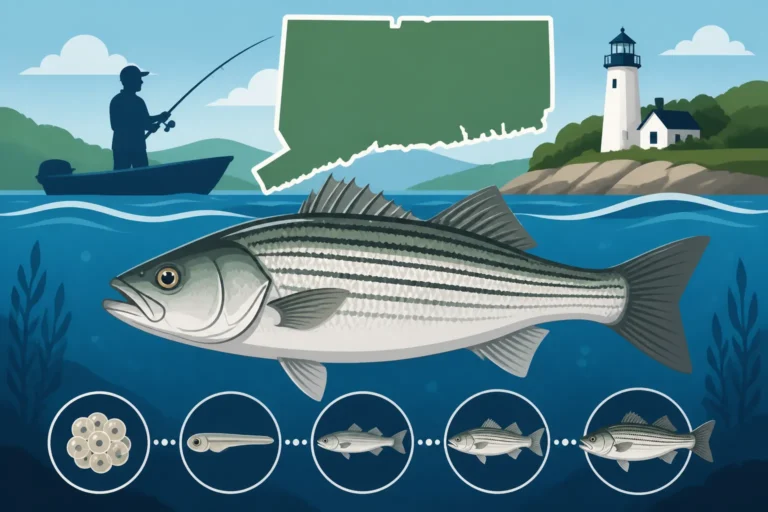
The ideal spawning location, known as a "redd," is a stretch of gravelly bottom with clean, cool, oxygenated water. The female brown trout uses her tail to excavate a depression in the gravel, into which she deposits her eggs. The male then fertilizes them, and the female covers the eggs with upstream gravel, creating a subtle mound to protect them from predators and current. This process is repeated several times until all her eggs are laid. It's a truly remarkable natural event, and observing it from a respectful distance can be awe-inspiring.
Redd Construction and Egg Incubation
The construction of the redd is a labor-intensive process for the female. She will often create a series of small depressions, depositing eggs in each, before covering them all. A redd typically appears as a lighter patch of gravel on the stream bed, where the darker algae-covered stones have been disturbed, revealing cleaner gravel underneath. Anglers should be acutely aware of these redds, especially during the spawning season. Walking through redds can dislodge and destroy eggs, severely impacting the next generation of trout.
Once deposited and covered, the eggs incubate throughout the winter. The cold water slows down their development, protecting them until conditions are right for hatching in late winter or early spring. The eggs require a constant flow of clean, oxygenated water to survive; siltation from erosion or pollution can smother them. The water temperature dictates the incubation period, but generally, it's a few months. When they hatch, the tiny "alevin" (sac fry) remain in the gravel, feeding off their yolk sac, before emerging as free-swimming "fry" in the spring, ready to begin their journey in the stream. This entire process highlights the delicate balance of the stream ecosystem and the vulnerability of trout at their earliest life stages.
Factors Affecting Reproductive Success
The successful reproduction of wild brown trout in Connecticut streams depends on several crucial factors.
-
Water Quality and Quantity: Clean, well-oxygenated water is paramount. Pollution, excessive siltation (often from runoff or erosion), or low water levels during the critical spawning and incubation periods can devastate egg survival. Stable water flows are also important to prevent redds from being scoured out by floods or exposed by droughts.
-
Habitat Availability: The presence of suitable gravel beds for redd construction, along with cold water, is non-negotiable. Loss of riparian buffer zones (trees and shrubs along the banks) can lead to increased water temperatures and bank erosion, reducing spawning habitat.
-
Predation: While in the gravel, eggs and alevin are vulnerable to predation from other fish, birds, and even some aquatic insects. Once they emerge, the fry face a gauntlet of predators, including larger trout, birds, and other wildlife.
-
Genetic Diversity: A healthy, genetically diverse population is more resilient to environmental changes and disease. Over-reliance on stocked fish (especially if they interbreed with wild populations) can sometimes dilute the genetic fitness of wild strains.
-
Angler Impact: As mentioned, disturbing redds can harm future generations. Additionally, removing too many wild, mature spawning adults can reduce the reproductive potential of a stream. This is why many special regulation areas, like some stretches of the Farmington River, have catch-and-release rules or strict slot limits to protect prime breeding stock. Understanding these factors helps us appreciate why Do Trout Reproduce Naturally in Connecticut Streams? is such an important question for conservation.
Conservation and Management in Connecticut
Protecting and enhancing brown trout populations in Connecticut is a continuous effort, involving a combination of stocking programs, habitat work, and responsible angling. The Connecticut Department of Energy and Environmental Protection (DEEP) plays a leading role, but every angler also has a part to play.
DEEP Stocking Programs
The Connecticut DEEP's trout stocking program is undeniably vital for providing diverse fishing opportunities across the state. Each year, millions of trout, including a significant number of brown trout, are raised in state hatcheries and released into hundreds of miles of rivers and streams, as well as numerous lakes and ponds. These stockings ensure that even in waters where wild populations may struggle to sustain themselves, anglers still have plenty of fish to pursue.
The DEEP uses these programs to create "put-and-take" fisheries, particularly popular in the spring, and also to supplement waters that hold wild trout but could support more fish. The Connecticut Interactive Trout Stocking Map, Explained is an invaluable tool for anglers, allowing them to see exactly where and when fish have been stocked, which can make planning a trip much easier. While some debate the long-term ecological impacts of stocking on wild populations, there's no denying that it provides accessible and enjoyable fishing for a huge number of people, including beginners and families.
Habitat Protection and Restoration Efforts
Beyond stocking, protecting and restoring natural brown trout habitat is absolutely critical for the long-term health of our wild populations. This involves a multi-pronged approach:
-
Riparian Zone Management: Protecting and restoring the vegetation along stream banks is key. Trees and shrubs provide shade, which keeps water temperatures cool in summer, and their root systems stabilize banks, reducing erosion and siltation. They also contribute leaf litter and insects, which are vital parts of the food web.
-
In-Stream Habitat Enhancement: This can involve carefully placing large boulders or logs to create more complex cover and current breaks, which benefit trout by providing holding lies and ambush points. Structures that create deeper pools or enhance riffle habitat also contribute.
-
Water Quality Improvement: Efforts to reduce pollution from agricultural runoff, stormwater, and wastewater treatment plants directly benefit brown trout and the entire aquatic ecosystem. Reducing siltation, often through erosion control measures, is also crucial, especially for spawning grounds.
-
Dam Removal and Fish Passage: Obsolete dams can block fish migration, preventing brown trout from reaching critical spawning or thermal refuge habitats. Projects to remove these dams or create fish ladders allow trout to move freely throughout river systems, improving genetic exchange and overall population health. These efforts are ongoing across the state, working to ensure the best possible conditions for brown trout and other aquatic species.
Angler Responsibility and Regulations
As anglers, we have a significant responsibility to be good stewards of Connecticut's brown trout resources. This isn't just about following the rules; it's about ethical behavior that contributes to the health of the fishery.
-
Know and Follow Regulations: Always check the current Connecticut Fishing Regulations Explained before you go out. Regulations regarding seasons, creel limits (how many fish you can keep), size limits, and tackle restrictions (e.g., fly-fishing only, single hook artificial lures only) are designed to protect fish populations. Special Trout Management Areas often have very specific rules that differ from general regulations, so pay close attention.
-
Practice Catch and Release Ethically: If you intend to release fish, learn proper catch-and-release techniques. Minimize handling, keep the fish in the water as much as possible, use barbless hooks, and revive the fish gently before letting it go. This is especially important for wild fish and during stressful periods like warm summer water or during the spawn.
-
Respect Private Property and Public Access: Always be aware of where you are fishing. Obtain permission if you're on private land, and respect public access points. Leave no trace – pack out all your trash, and avoid damaging stream banks or vegetation.
-
Educate Yourself and Others: Learn about the brown trout's life cycle, habitat needs, and the specific challenges they face in your local waters. Share this knowledge with fellow anglers, especially newer ones, to foster a culture of conservation. Many resources are available, including books on trout behavior and stream ecology that you can find on Amazon, which can deepen your understanding and appreciation. Ultimately, the future of brown trout fishing in Connecticut depends on a collaborative effort between state agencies and a community of responsible, knowledgeable anglers.
| Brown Trout Trait | Wild Trout | Stocked Trout |
|---|---|---|
| Appearance | Vibrant, natural camouflage, sleek body, well-formed fins, often thinner | Duller, more uniform color, sometimes worn fins, often "chunkier" |
| Wariness | Extremely wary, easily spooked, seeks heavy cover | Less wary initially, can be bolder in open water |
| Feeding Behavior | Selective, opportunistic predator, strong nocturnal tendencies | Opportunistic, often aggressive feeders, adapts over time |
| Habitat Preference | Seeks natural structure, cold, oxygenated water, prime lies | Can be found anywhere initially, gradually seeks more natural lies |
| Survival Rate | High natural survival if conditions are good | Lower initial survival, susceptible to predation and angling pressure |
| Reproduction | Naturally spawns in suitable stream gravels | Generally non-spawning or limited natural reproduction |
Disclaimer
This article is for general informational purposes only and does not constitute professional advice. Laws, prices and regulations vary by location and change over time. Consult a qualified professional for guidance on your specific situation.