Connecticut state record black sea bass weight
There's nothing quite like the thrill of feeling a solid tug on your line, knowing it could be a keeper, or even better, a potential trophy. For many anglers in Connecticut, the black sea bass represents one of those coveted catches – feisty, delicious, and sometimes surprisingly large. This guide is all about the pursuit of that ultimate black sea bass, delving into the current state record and giving you the insider scoop on what it truly takes to land a fish of legendary proportions in our local waters.
The Allure of Trophy Black Sea Bass in Connecticut
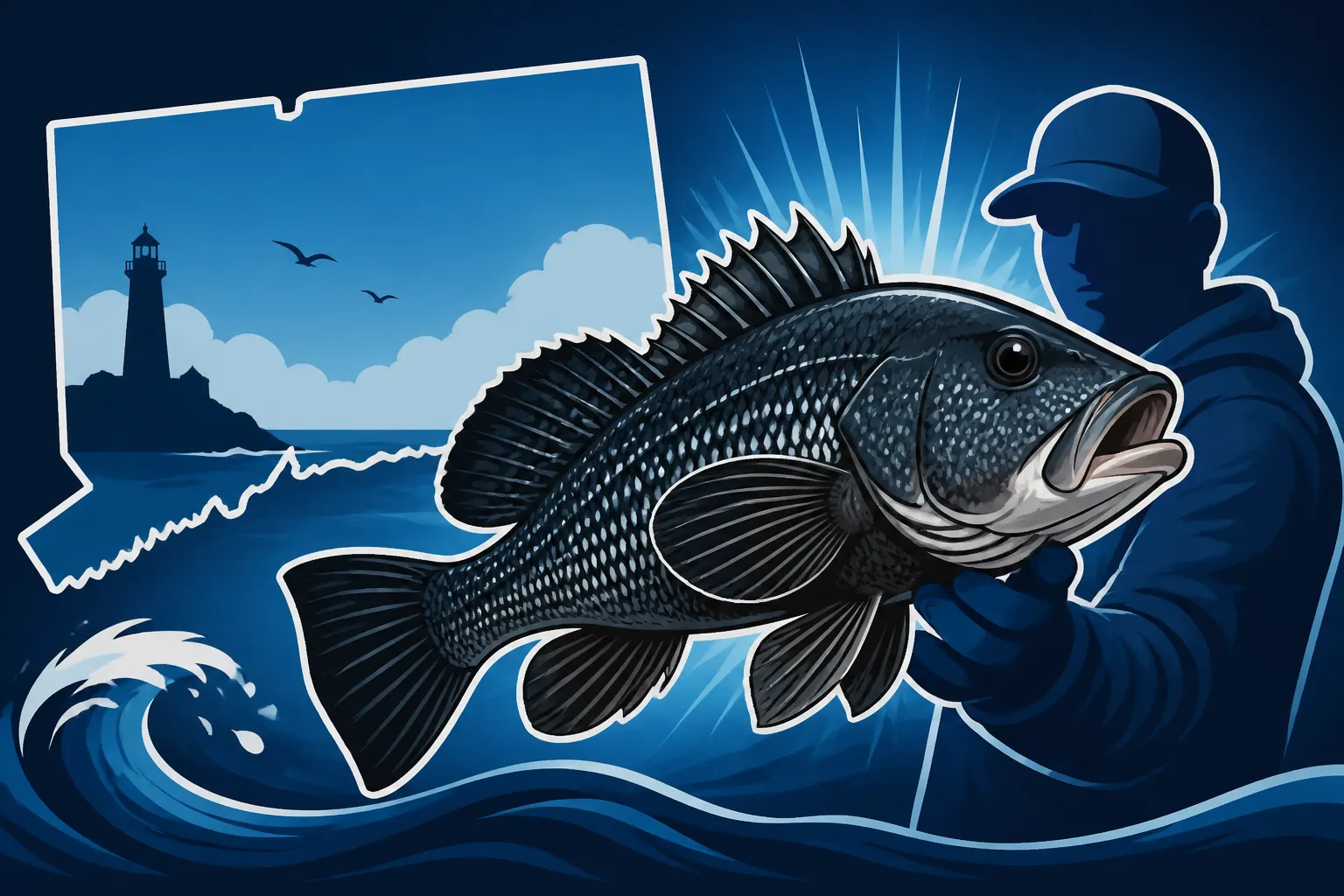
Connecticut's waters, especially the dynamic Long Island Sound, are a treasure trove for anglers, and among the most sought-after species is the black sea bass. These aren't just any fish; they're tenacious fighters, celebrated for their delicious, flaky white meat, and they thrive around the intricate underwater structures that dot our coastline. For many, catching a good-sized black sea bass is a benchmark of success in saltwater fishing.
The dream of a state record, however, transforms a great fishing trip into an epic quest. It’s not just about filling the cooler; it’s about that singular, enormous fish that pushes the boundaries of what's possible, a fish that embodies the health and richness of our marine ecosystem. Imagine the story you'd tell, the photographs you'd share, and the pure pride of knowing you battled a true giant. It's this dream that drives many of us to spend countless hours on the water, meticulously researching spots, and refining our techniques.
Beyond the personal glory, a state record black sea bass offers a glimpse into the potential of our local fisheries. It highlights areas where these fish thrive, helps us understand their growth patterns, and underscores the importance of the careful management that the Connecticut DEEP employs. Every record-breaking fish is a testament to both the angler's skill and the vibrant marine life of the Long Island Sound. Knowing what it takes to catch such a fish also informs our everyday fishing, making us better, more effective anglers, even when we're just targeting dinner.
Unveiling Connecticut's Black Sea Bass State Record
When you're chasing state records, you're not just looking for a big fish; you're looking for an anomaly, a true behemoth. The official Connecticut state record for black sea bass is a testament to the incredible growth potential of this species in our waters. While specific record numbers can shift over time as new giants are caught and verified, the black sea bass state record in Connecticut typically falls into a truly remarkable weight class, often pushing several pounds and setting a very high bar for any aspiring record breaker.
To put this into perspective, most anglers are thrilled to land a black sea bass over three pounds. A state record fish, however, is often more than double that, a genuine brute of the deep. These fish are usually older, more experienced, and have found prime feeding grounds and safe havens among the most intricate underwater structures. They aren't caught by chance; they are targeted with precision, robust gear, and often, a lot of patience. Anyone hoping to break the record needs to be prepared to encounter a fish that is significantly larger than anything they've caught before. You'll want to review the official Connecticut State Fish Records by Species to get the exact current number and be ready to measure up.
The circumstances surrounding a record-breaking catch are often legendary in themselves. While I don't have real-time details of every specific record catch, generally, these fish are hooked in deep, structure-rich areas of the Long Island Sound. Think about prominent wrecks, expansive rock piles, or deep-water ledges where baitfish congregate and sea bass can grow undisturbed. The angler typically uses heavy-duty bottom fishing gear, stout leaders, and often live bait or large jigs to entice these discerning predators. It’s a combination of being in the right place at the right time, having the right tackle, and possessing the skill to fight a truly massive fish out of challenging cover.
What It Takes to Catch a Record-Setting Black Sea Bass
Landing a black sea bass that could potentially be a state record isn't just luck; it's a strategic endeavor that combines an understanding of their behavior, the right gear, and precise techniques. These fish are masters of their rocky domain, and you need to be equally masterful to pull them from it.
Prime Habitats and Behavior of Giants
Record-setting black sea bass don't hang out in shallow, sandy areas. They gravitate towards the deepest, most complex structures available in the Long Island Sound. This includes shipwrecks, extensive artificial reefs, natural rock formations, and deep-water ledges that offer both abundant food and protection from predators and strong currents. These structures create ideal ambush points and provide a maze of cover for escape. Big sea bass are territorial and will often dominate the best spots, pushing smaller fish to the periphery. Understanding Black Sea Bass Habits in Connecticut Waters is crucial here. They are opportunistic feeders, preying on crabs, shrimp, squid, and smaller fish, so you'll want your bait or lure to mimic these food sources perfectly. Their preference for these deeper, rugged environments means your tackle needs to be up to the task of not only fighting a powerful fish but also preventing it from diving back into snags.
Essential Gear and Techniques for Trophy Hunters
To tackle a potential state record black sea bass, you'll need gear that can handle a serious fight in a rough environment. Forget light freshwater setups; we're talking about robust saltwater equipment. A medium-heavy to heavy conventional rod, paired with a high-capacity reel spooled with strong braided line (think 30-50 lb test), is ideal. You'll also need a stout fluorocarbon leader, typically 30-50 lb, to resist abrasion against sharp rocks and the fish's raspy mouth. For hooks, use strong, sharp circle hooks or octopus hooks in sizes appropriate for large baits. When it comes to jigs, heavy bucktails or diamond jigs (4-8 oz, depending on current and depth) tipped with a strip of squid or Gulp! will be highly effective. Many anglers find reliable, heavy-duty tackle options on platforms like Amazon, where you can compare different brands and reviews.
Technique is paramount. Vertical jigging directly over structure is incredibly effective. Drop your jig to the bottom, then snap it up a few feet, letting it flutter back down. Black sea bass often hit on the drop or as it settles. When using bait, a simple high-low rig with enough weight to hold bottom in strong currents is often all you need. Fresh squid, clam, or small pieces of cut fish are excellent bait choices. The key is to keep your bait or lure right in the strike zone, often just a foot or two off the bottom, directly in the structure. Familiarize yourself with best techniques for black sea bass around structure to hone your skills.
Best Times and Locations for Landing a Giant
Timing and location are everything when targeting trophy black sea bass. The peak season for these fish in Connecticut generally runs from late spring through late fall, but the absolute giants are often caught during the cooler shoulder seasons when their metabolism might be a bit slower, making them more predictable around structure, or during periods of heavy feeding before winter. Focus your efforts on the deeper, offshore wrecks and reefs in the Long Island Sound. Places like the outer portions of Long Island Sound, especially those deeper areas accessible from ports like Niantic, Old Saybrook, or Stonington, are prime territory.
Look for areas with significant underwater topography changes, such as sudden drops, deep humps, or distinct rock piles that show up clearly on your fish finder. These are the natural gathering points for both the sea bass and their prey. Early morning and late afternoon tend to be the most productive times, as fish are often more active during these periods. However, big sea bass can be caught at any time of day if you're on a good piece of structure with active fish. Always keep an eye on the Connecticut Black Sea Bass Regulations for 2026 to ensure you're fishing legally and responsibly, respecting size and bag limits.
The Official Process of Claiming a State Record
So, you've done it. You've battled a beast from the deep, and it looks like a contender for the state record. Now what? The process of officially claiming a state record is rigorous and requires adherence to specific guidelines set forth by the Connecticut Department of Energy and Environmental Protection (DEEP). It's not enough to just catch a huge fish; you have to prove it.
Immediate Steps for Catch and Documentation
The moment you land a fish that you suspect might be a record, the clock starts ticking for proper documentation. First and foremost, you need witnesses. Having another angler or two on board who can verify the catch and the process is invaluable. Take clear, well-lit photographs of the fish from multiple angles, especially one showing the entire fish next to a ruler or a recognizable object for scale. Do not clean or alter the fish in any way until it has been officially weighed.
Crucially, you need to preserve the fish in the best possible condition. If you can keep it alive in a livewell, that’s ideal, but often with large sea bass, this isn't feasible. The next best option is to immediately place it on ice in a cooler. Keeping it cool and moist prevents weight loss due to dehydration, which can be a critical factor for a record that might come down to ounces. You can find excellent coolers and fish bags on Amazon that are perfect for preserving your catch. This immediate action is vital for maintaining the fish’s integrity until an official weigh-in can occur.
The Official Weigh-In and DEEP Involvement
Once you've secured your potential record, the next critical step is to get it to an official weigh station. This means finding a certified scale. The Connecticut DEEP typically requires that record fish be weighed on a state-certified scale that is open to the public, such as those found at many marinas, tackle shops, or seafood markets. It’s a good idea to identify these locations beforehand, especially if you're seriously targeting large fish. Call ahead to confirm their operating hours and that their scale is certified for official weigh-ins.
When you arrive at the weigh station, ensure a DEEP representative or a designated official is present or can be contacted to oversee the process. They will verify the species, measure the fish (length and girth), and witness the official weight. It's a formal process designed to eliminate any doubt about the catch's legitimacy. They will inspect for any signs of foul hooking or other irregularities. Remember, the goal is unimpeachable accuracy and integrity.
Navigating the Paperwork and Patience
After the official weigh-in and measurements are complete, there's paperwork. The DEEP has specific application forms for state records that you will need to fill out completely and accurately. This form will ask for details about the catch, including the date, time, location (as precise as possible), bait or lure used, gear specifications, and the names and contact information of any witnesses. You'll also need to submit your photographs.
This part of the process requires patience. The DEEP will review all the submitted information, including verifying the scale certification and potentially reaching out to your witnesses. This review ensures that all rules and regulations were followed and that the fish truly qualifies as a state record. Once approved, your name will be officially entered into the Connecticut state fishing records, a lasting testament to your accomplishment. It's a journey from the initial tug on the line to the final handshake of recognition, and every step is important.
Beyond the Record: Enjoying Black Sea Bass Fishing
Even if breaking the state record isn't your primary goal – let's be honest, it's a monumental achievement – black sea bass fishing in Connecticut offers incredible rewards. These fish are a blast to catch, put up a respectable fight, and are, as we've mentioned, absolutely delicious on the dinner table. The waters of Long Island Sound consistently provide excellent opportunities for anglers of all skill levels to enjoy this fantastic species.
Responsible fishing practices are crucial to ensure that future generations can continue to enjoy the thrill of black sea bass fishing. Always adhere to current regulations regarding size limits and daily possession limits, which you can find in the Connecticut Fishing Regulations Explained or specifically for your target species in Connecticut Black Sea Bass Regulations for 2026. These rules are in place to protect the fishery and maintain healthy populations. If you're practicing catch and release, handle the fish carefully, minimizing its time out of the water, and use proper release techniques, especially for deep-caught fish that might suffer from barotrauma. Tools like descending devices, which can be found on Amazon, can greatly increase the survival rate of released fish.
There's a deep satisfaction that comes from simply spending a day on the water, whether you're bringing home a cooler full of fresh fish or just enjoying the fight and releasing your catch. The pursuit of a record-breaker is certainly exhilarating, but the everyday joy of fishing for black sea bass, understanding their habits, and connecting with nature is a reward in itself. Whether you're targeting smallmouth on the Housatonic, trout in the Farmington, or stripers in the Sound, remember that every outing contributes to our shared love for fishing in Connecticut.
Disclaimer
This article is for general informational purposes only and does not constitute professional advice. Laws, prices and regulations vary by location and change over time. Consult a qualified professional for guidance on your specific situation.