Connecticut Black Sea Bass Regulations for 2026
Few things are more frustrating for a Connecticut angler than heading out for a productive day of black sea bass fishing, only to realize you've misunderstood the latest regulations. It's easy to get confused with changing limits, seasons, and size requirements, especially when federal and state rules can overlap. This comprehensive guide is here to untangle the complexities of Connecticut's black sea bass regulations, helping you stay compliant and enjoy your time on the water.
Understanding Black Sea Bass in Connecticut Waters
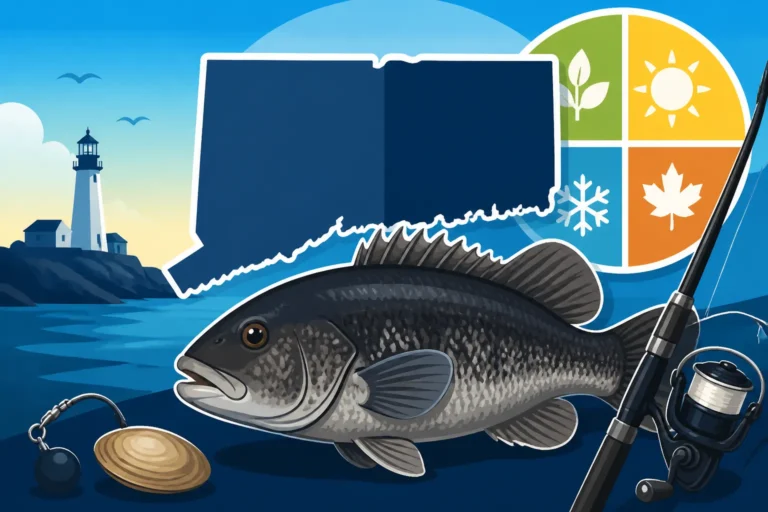
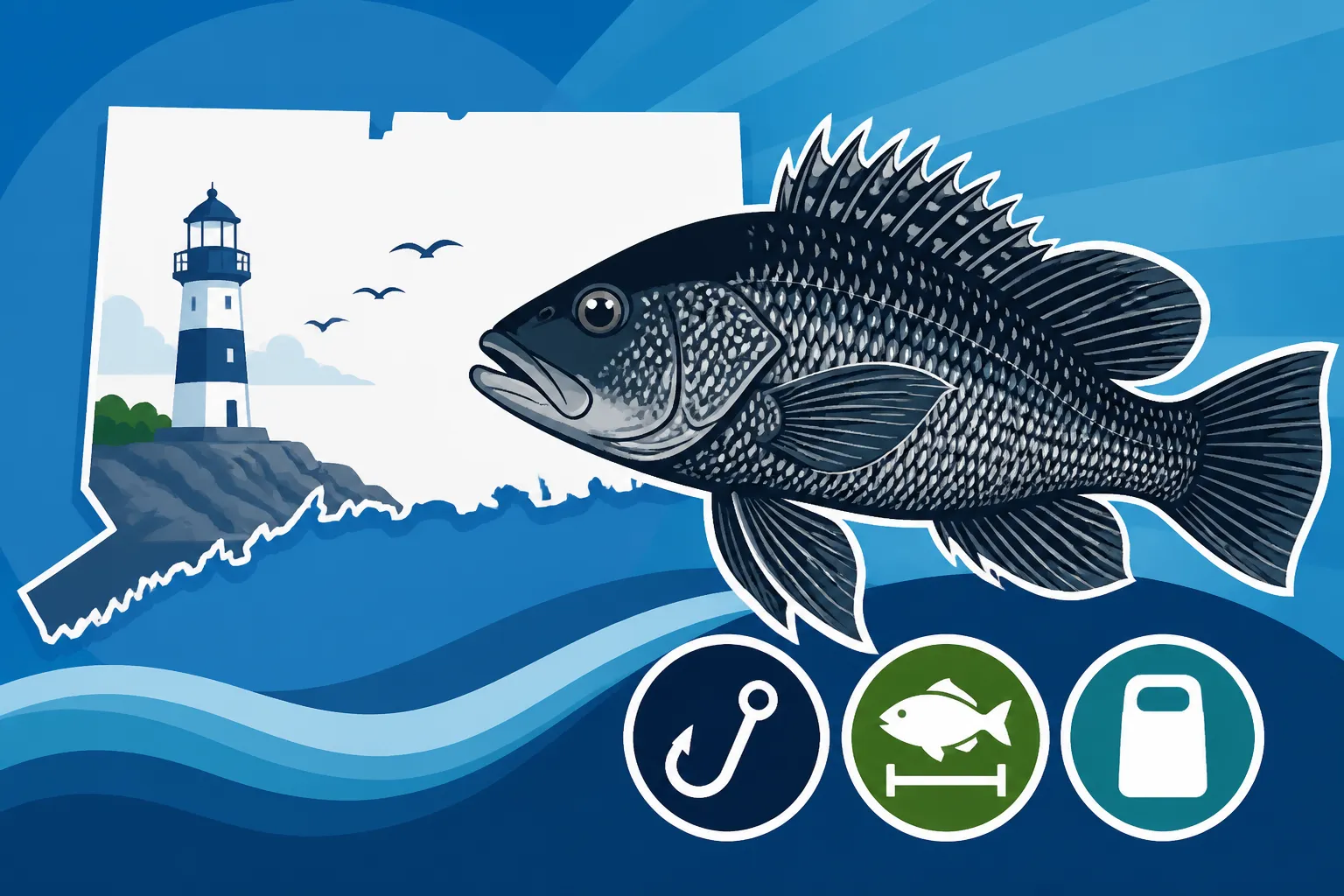
Black sea bass, or Centropristis striata, are a highly sought-after species in Connecticut's marine waters, especially in Long Island Sound. Their delicious white, flaky meat and spirited fight make them a favorite among both recreational and commercial anglers. However, their popularity also means they are closely managed to ensure sustainable populations for future generations. Knowing a bit about these fish will not only enhance your fishing experience but also help you appreciate the reasons behind the regulations.
Why Black Sea Bass Are a Hot Commodity
From late spring through early fall, black sea bass become a prime target for Connecticut anglers. They are abundant around rocky structures, wrecks, and reefs throughout Long Island Sound, making them relatively accessible for boaters and even some shore anglers on jetties. What truly sets them apart, beyond their culinary appeal, is their aggressive nature. They readily strike a variety of baits and lures, offering consistent action that can be hard to beat on a slow day for other species. Many anglers planning a trip out of Stonington or Niantic specifically target them because of their reliability and the sheer fun of catching them. They are an excellent fish for anglers of all skill levels, from beginners to seasoned veterans, providing a rewarding experience with a good chance of putting dinner on the table.
The growth rate and population health of black sea bass are also critical factors. They mature relatively quickly and are quite prolific, but heavy fishing pressure necessitates strict management. This delicate balance between angler demand and scientific sustainability is why you'll often see changes in the regulations from year to year, aiming to protect the stock while still allowing for reasonable recreational harvest. It's a continuous juggling act by fisheries managers, and as anglers, our role is to understand and respect those decisions.
Identifying Black Sea Bass
Proper identification is crucial when you're on the water, especially since other species like scup (porgy) or even small tautog can sometimes be confused with black sea bass by less experienced anglers. Black sea bass have a distinctive dark, mottled brown to black coloration, which helps them blend into their rocky habitats. They possess a long dorsal fin that typically has a white margin, and the front rays of this fin are often elongated, giving them a slightly spiny appearance. Their caudal fin (tail) is rounded, and mature males often develop a noticeable hump on their head, particularly during spawning season when their colors become more vibrant blue and purple.
One key feature to look for is their mouth: it's fairly large, and their scales are noticeably rough to the touch. The overall body shape is robust and deep-bodied, not as sleek as a bluefish or as compressed as a fluke. When you're fishing in Long Island Sound, especially around structure, you might encounter other bottom dwellers. However, the unique combination of color, fin structure, and head shape should make identifying black sea bass relatively straightforward. Always remember, if you're unsure, it's best to err on the side of caution and release the fish to avoid any potential violations.
Black Sea Bass Habitat and Habits
Understanding where black sea bass live and how they behave is key to finding them and appreciating the regulations designed to protect them. These fish are true bottom dwellers, preferring structured habitats in both shallow inshore waters and deeper offshore areas of Long Island Sound. Think rocky reefs, ledges, shipwrecks, artificial reefs, pilings, and even mussel beds – anywhere there's cover and a food source. They are opportunistic feeders, preying on small crustaceans like crabs and shrimp, as well as squid, worms, and smaller fish. This varied diet makes them susceptible to a wide range of baits, from clams and squid to artificial jigs.
Black sea bass are also migratory. While they can be found year-round in certain areas, the prime season in Connecticut really kicks off when warmer waters bring them closer to shore in large numbers. As the water cools in the fall, they tend to move to deeper, warmer offshore waters. This migratory pattern influences the timing of fishing seasons, ensuring that anglers can target them during their abundance while also protecting them during critical periods like spawning. They are known to congregate in large schools around desirable structures, which is why a good spot can yield multiple fish. The "Black Sea Bass Habits in Connecticut Waters" article delves deeper into their behavioral patterns and preferred environments, offering valuable insights for successful angling.
Navigating Connecticut's Black Sea Bass Regulations for 2026
When it comes to black sea bass, Connecticut’s regulations are a critical component of sustainable fishing. These rules are put in place by the Connecticut Department of Energy and Environmental Protection (DEEP) in coordination with federal agencies and regional councils, aiming to manage the stock effectively. It’s absolutely essential to stay current, as these regulations can and do change annually. While we're discussing 2026, the specific numbers are subject to final approval, but understanding the categories of regulations is your best defense against inadvertently breaking the law. Always consult the official Connecticut DEEP Marine Fisheries website or their printed "Connecticut Fishing Guide for 2026" when it becomes available.
Minimum Length Limit Explained
The minimum length limit for black sea bass is arguably the most fundamental regulation. This rule dictates the smallest size of fish you are legally allowed to keep. The primary purpose of a minimum length limit is to allow fish to reach sexual maturity and spawn at least once, contributing to the next generation of black sea bass before they are harvested. This biological strategy is crucial for the long-term health of the population. For 2026, while specific numbers are pending, Connecticut anglers can expect a minimum length limit similar to previous years, which has typically hovered around 15 inches total length, measured from the tip of the snout to the end of the tail.
It's vital to measure your catch accurately. A common mistake is "stretching" the fish or not having a reliable measuring device. Invest in a good, rigid measuring board. When you catch a black sea bass, lay it flat against the ruler or board, ensuring the mouth is closed and the tail is gently squeezed to achieve the maximum possible length. If it's even a hair under the legal limit, it must be released immediately and carefully. Violating length limits can lead to significant fines and penalties, so precision is key. Keep an eye on the official "Connecticut Black Sea Bass Minimum Length for 2026" as it's announced.
Daily Creel Limit and Possession Rules
Beyond size, you also have to pay close attention to the daily creel limit, which is the maximum number of fish of a particular species an individual angler can keep in a single day. This regulation is designed to distribute the harvest more equitably among anglers and prevent overfishing by limiting the total number of fish taken from the stock. For black sea bass, Connecticut's daily creel limit has historically been around 10 fish per person per day during open season.
However, sometimes the daily limit can be broken down into different "waves" or different parts of the season. For example, some years might see a higher limit for a short period, then a reduced limit. It’s also important to differentiate between the daily creel limit and the possession limit. Usually, the possession limit is the same as the daily creel limit, meaning you can't have more than the daily limit in your possession while actively fishing or transporting your catch. Some states, however, have possession limits that allow for two days' worth of fishing if you're on a multi-day trip. Connecticut typically keeps it simple with a single, clear limit. Make sure to check the "Connecticut Black Sea Bass Daily Limit" as soon as the 2026 guide is released. If you're fishing with a group, each angler is responsible for their own limit; you can't pool your fish to exceed an individual's daily take.
Season Dates and Open Periods
Perhaps the most variable aspect of black sea bass regulations is the season dates and open periods. Unlike some freshwater species that have fixed opening days, marine species like black sea bass often have seasons that are adjusted based on stock assessments, spawning patterns, and federal management plans. Connecticut's black sea bass season typically runs from spring through fall, but it might be broken into multiple segments. For instance, there could be an early spring season, a summer season, and a fall season, each with potentially different bag limits or size restrictions. These segmented seasons are a complex but effective way for fisheries managers to spread out fishing pressure and protect fish during vulnerable times, such as their peak spawning periods.
For 2026, keep your eyes peeled for the official announcement of the "Connecticut Black Sea Bass Season Dates". Missing a season opening or miscalculating a closure can lead to serious trouble. It's not uncommon for anglers to accidentally fish during a closed period if they haven't checked the absolute latest updates. I always recommend adding a reminder to your calendar or checking the DEEP website just before you head out, even if you think you know the rules. It's better to be safe than sorry, especially since changes can sometimes occur mid-season if unexpected factors affect the fishery.
Here's a table summarizing the expected (but subject to change) Black Sea Bass Regulations for Connecticut in 2026. Please note: These are based on historical patterns and should be verified with the official CT DEEP 2026 regulations once published.
| Regulation Category | Expected 2026 Connecticut Rule (Subject to Change) | Notes for Anglers |
|---|---|---|
| Minimum Length | 15 inches total length | Measure accurately from snout to tail (tail gently squeezed). |
| Daily Creel Limit | 10 fish per angler per day | No more than this amount can be possessed by an individual. |
| Season Dates | Typically segmented, late spring through fall | Dates are highly variable; always check the official DEEP 2026 Marine Fisheries Guide. |
| Federal Waters | May differ from state waters | Crucial to know your fishing location; see section below. |
Federal vs. State Waters: What You Need to Know
This is where things can get a little tricky, and it's a point of confusion for many anglers. When you're fishing in Long Island Sound, you're not just dealing with Connecticut's rules; you might also be subject to federal regulations, depending on how far offshore you venture. Understanding the distinction between state and federal waters is paramount, as the black sea bass regulations can, and often do, differ between these zones. Ignoring this distinction is a common reason for inadvertent violations, even by seasoned boaters.
Defining State Waters vs. Federal Waters
In Connecticut, state waters extend three nautical miles (about 3.45 statute miles) from the coastline. This includes all of Long Island Sound within that boundary, as well as rivers and estuaries up to the demarcation line. Any fishing activity conducted within this three-mile zone is primarily governed by Connecticut DEEP regulations. This means your typical inshore fishing trips, whether you're targeting striped bass near a jetty, fluke in a local harbor, or black sea bass over a nearshore reef, will fall under state jurisdiction.
Beyond that three-nautical-mile mark, you enter federal waters, also known as the Exclusive Economic Zone (EEZ). In this area, fishing regulations are set by federal agencies, specifically the National Oceanic and Atmospheric Administration (NOAA) Fisheries, in consultation with regional fishery management councils like the Mid-Atlantic Fishery Management Council (MAFMC) and the New England Fishery Management Council (NEFMC). These federal regulations apply to all vessels operating in federal waters, regardless of their home port. It's not uncommon for recreational fishing charters that venture further offshore to encounter federal regulations.
Reconciling Different Regulations
The challenge arises when federal and state regulations are not perfectly aligned. While Connecticut often tries to harmonize its rules with federal guidelines to simplify things for anglers, discrepancies can still exist, particularly for species like black sea bass which are managed across a broad region. For example, federal waters might have a different minimum length, daily creel limit, or even entirely different season dates than Connecticut state waters.
Imagine you're on a private boat heading out of New London, and you start fishing just inside the three-mile line, abiding by Connecticut's rules. You catch your limit, but the fishing is hot, so you decide to venture another mile or two offshore. Suddenly, you're in federal waters, and without realizing it, you might be subject to a different set of rules. Your legal catch might instantly become illegal if the federal minimum size is larger or the federal season is closed. This scenario highlights why it's so important to know your position and the corresponding regulations. Often, the more restrictive regulation applies, but it's always best to check the specific details for both federal and state laws. The "Connecticut Fishing Regulations Explained" article offers a broader overview of how various regulations interact.
The Importance of Knowing Your Location
For anglers targeting black sea bass, knowing your exact position on the water is not just good seamanship; it's a legal necessity. Modern GPS units and marine chartplotters make this relatively easy. Most marine charts clearly delineate the three-nautical-mile line, allowing you to see exactly when you are approaching or crossing into federal waters. If your vessel isn't equipped with advanced electronics, a good old-fashioned paper chart and a handheld GPS can also do the trick.
Before you even leave the dock, plan your trip. If you intend to fish beyond state waters, you must consult the federal regulations for black sea bass, which can be found on the NOAA Fisheries website. Print them out, save them on your phone, or write them down. Don't rely on hearsay. Many times, the federal regulations are more restrictive to account for the broader regional fishery. Being caught in federal waters with fish that meet Connecticut's state limit but not the federal limit is still a violation that can result in significant penalties, including fines and confiscation of your catch and gear. This diligence extends to ensuring your vessel also complies with all "Connecticut Boating Laws for Anglers", regardless of where you are fishing.
Gear and Ethical Angling for Black Sea Bass
Successful black sea bass fishing isn't just about knowing the rules; it's also about having the right gear and employing ethical angling practices. Especially with species under strict management, how you handle your catch, particularly those you intend to release, can have a significant impact on the fishery's health. Let's talk about what you need to bring and how to ensure every fish, kept or released, is handled responsibly.
Recommended Tackle and Baits
Black sea bass are not overly finicky, but having the right setup will significantly improve your success rate and make handling fish easier. A medium-light to medium action spinning rod, typically 6 to 7 feet long, paired with a reliable spinning reel spooled with 15-20 lb braided line, is a fantastic all-around choice. Braided line offers excellent sensitivity for detecting those subtle bites on the bottom and has minimal stretch for solid hooksets. A fluorocarbon leader of 20-30 lb test, about 3-4 feet long, is essential for abrasion resistance against rocky structures and to provide some stealth in clear water.
When it comes to baits, black sea bass are voracious eaters. Fresh squid strips are almost universally effective and a go-to for many. Clams, especially fresh surf clams, are another excellent option. Small crabs, like green crabs or hermit crabs, can be deadly when fished on a bottom rig. For artificials, bucktail jigs in white, pink, or chartreuse, tipped with a small strip of Gulp! or natural bait, are incredibly productive. Diamond jigs can also work well, especially in deeper water or strong currents. You can find a wide array of reliable tackle, including specialized black sea bass rigs, jigs, and measuring devices, on platforms like Amazon, making it convenient to gear up before your trip. Always bring extra rigs and sinkers, as fishing rocky bottom means snags are inevitable!
Best Practices for Catch and Release
Even if you're aiming to fill your cooler, you'll inevitably catch black sea bass that are undersized or that you simply don't want to keep. How you handle these fish is crucial for their survival. Minimizing stress and injury is key.
- Use appropriate tackle: Avoid overly light gear that prolongs the fight, exhausting the fish.
- Single hooks: If possible, switch out treble hooks on lures for single hooks. They are easier to remove and cause less damage. Circle hooks are also excellent, especially when using bait, as they typically hook fish in the corner of the mouth, reducing gut hooking. In fact, many specific regulations for species like striped bass now require circle hooks for bait fishing, demonstrating their effectiveness in reducing mortality.
- Quick release: Have your dehooking tool, a measuring device, and perhaps a pair of pliers ready. Minimize the time the fish is out of the water.
- Handle with care: Wet your hands before touching the fish to protect its slime coat, which is vital for disease prevention. Support the fish horizontally, especially larger ones, rather than holding them vertically by the jaw or tail, which can damage internal organs.
- Descending devices: If you're fishing in deeper water (say, over 60 feet) and see signs of barotrauma (e.g., bulging eyes, stomach protruding from the mouth), a descending device can be a lifesaver. These tools allow you to quickly return the fish to the depth where it was caught, recompressing its swim bladder and significantly increasing its chances of survival. These are highly recommended and can also be sourced from places like Amazon.
By adopting these practices, you're not just being a responsible angler; you're actively contributing to the sustainability of the black sea bass fishery, ensuring there are plenty of fish for everyone to enjoy in the future.
Avoiding Unintentional Violations
Nobody wants to get a ticket or face legal trouble while enjoying a day of fishing. Unintentional violations are often the result of ignorance or carelessness, which are easily preventable.
- Know the rules, then double-check: Before every trip, especially at the start of a new season or year, review the current "Connecticut Fishing Season Dates and Closures" and specific black sea bass regulations. Print them, save them to your phone, or grab a copy of the official guide.
- Measure every fish: Don't guess. Have a reliable measuring device on board and use it for every black sea bass you intend to keep.
- Count accurately: Keep track of how many keepers you have, especially if you're fishing with a group. It's easy to lose count in the excitement.
- Understand federal vs. state: As discussed, this is a major tripping point. Know where you are fishing and what rules apply.
- Educate your fishing buddies: If you're taking friends or family, make sure they understand the rules as well. Ultimately, you, as the captain or the primary angler, are responsible for what happens on your vessel.
- Have your license: This should go without saying, but ensure your "Connecticut Fishing License Guide for 2026" is valid and with you. Whether it's a physical copy or a digital one, ensure it's accessible. For details on how to get one, check out "Where and How to Buy a Connecticut Fishing License". Fishing without a license, or fishing during a closed season, carries stiff penalties, including substantial fines and potential forfeiture of equipment.
By being meticulous and informed, you can avoid common pitfalls and focus on the thrill of the catch rather than worrying about regulatory issues.
Why Regulations Change and How to Stay Informed
It can feel a bit exasperating when fishing regulations seem to change every year, making it hard to keep up. But there's a good reason for this dynamic approach to fisheries management. It's not arbitrary; it's a scientific process aimed at ensuring the long-term health and availability of popular species like black sea bass. Understanding this process can help anglers appreciate the necessity of these changes and encourage active participation in conservation.
The Science Behind Fishery Management
Fisheries management is a complex field that relies heavily on scientific data and research. For species like black sea bass, scientists conduct regular stock assessments to estimate the size of the population, its reproductive capacity, and how many fish are being caught by recreational and commercial fishermen. They analyze factors such as:
- Catch rates: How many fish are being caught per unit of effort (e.g., per hour of fishing).
- Age and growth studies: Determining how quickly fish grow and how old they are when they mature and reproduce.
- Spawning success: Monitoring the health of spawning populations and the number of young fish entering the fishery.
- Environmental factors: Assessing the impact of water temperature, habitat availability, and food sources on the stock.
This data is then used to predict future population trends and recommend harvest limits (quotas) that will prevent overfishing and allow the stock to remain healthy or rebuild if necessary. These recommendations are then reviewed by regional councils (like MAFMC and NEFMC) and state agencies (like CT DEEP), who develop the actual regulations that anglers see. Because fish populations and environmental conditions are constantly fluctuating, these assessments and the resulting regulations need to be updated frequently, leading to the year-to-year adjustments that anglers experience. The goal isn't to make fishing harder, but to secure the future of species like "Black Sea Bass Fishing in Connecticut".
How DEEP Communicates Updates
The Connecticut Department of Energy and Environmental Protection (DEEP) is the primary source for all official fishing regulations in the state. They work diligently to communicate updates to anglers through various channels, and it's your responsibility to utilize these resources.
- Official Website: The CT DEEP Marine Fisheries webpage is the most up-to-date and authoritative source. They will publish the final 2026 black sea bass regulations here as soon as they are approved. This should be your first stop for any regulatory questions.
- Annual Fishing Guide: Each year, DEEP publishes a comprehensive "Connecticut Fishing Regulations Explained" guide. This guide is usually available online as a PDF and often in print at tackle shops and town halls. It covers all species, licensing requirements, and boating laws.
- Email Alerts/Newsletters: Many state agencies offer email subscription services that send out alerts when regulations change or new information becomes available. Signing up for these is a proactive way to stay informed.
- Social Media: DEEP often uses platforms like Facebook to post timely updates and reminders, especially during peak fishing seasons or when emergency closures might occur.
- Local Tackle Shops: These businesses are often on the front lines and receive updates directly from DEEP. They can be a great resource, but always cross-reference with official sources.
When you're looking for information on "Connecticut Saltwater Fishing Regulations by Species", always prioritize the official DEEP channels. It's too important to rely on outdated information or casual conversations at the ramp.
Participating in Conservation Efforts
As anglers, we are not just users of the fishery; we are stewards. Participating in conservation efforts goes beyond simply following the rules; it's about actively contributing to the health of the marine ecosystem.
- Report violations: If you witness illegal fishing activity, such as exceeding bag limits or keeping undersized fish, report it to DEEP EnCon Police. This helps enforce regulations and protect the resource.
- Participate in surveys: DEEP and other organizations sometimes conduct voluntary angler surveys to gather data on catch rates, effort, and angler opinions. Your input can be valuable to fisheries scientists.
- Practice responsible angling: Always follow best practices for catch and release, minimize your environmental footprint, and dispose of trash and fishing line properly. Monofilament and braided line can be deadly to marine wildlife if left in the environment.
- Join local conservation groups: Organizations like Save the Sound, Connecticut River Conservancy, or local fishing clubs often engage in habitat restoration, cleanups, and advocacy for sustainable fishing policies.
- Stay educated: Continue to learn about the species you target, their life cycles, and the challenges they face. The more you know, the more effective your conservation efforts will be.
By taking an active role, you become part of the solution, ensuring that future generations of anglers can also enjoy the thrill of catching black sea bass in Connecticut waters.
Disclaimer
Please remember that fishing regulations, especially for marine species like black sea bass, are dynamic and subject to change. While this guide provides comprehensive information based on historical patterns and anticipated 2026 frameworks, the specific rules for 2026 are provisional until officially published by the Connecticut Department of Energy and Environmental Protection (DEEP). Always consult the latest official Connecticut DEEP Marine Fisheries regulations and federal regulations (if applicable) before heading out on the water. This content is for informational purposes only and does not constitute legal advice.