Connecticut State Fish Records by Species
Oh, the dream of catching a true giant, something that pushes the scales further than any fish caught before it in Connecticut waters! It’s a pursuit that ignites a special kind of fire in an angler's soul, isn't it? Many of us spend countless hours on the water, battling the elements, honing our techniques, all for that chance encounter with a fish of a lifetime. This isn't just about bragging rights, though those are certainly sweet; it's about pushing boundaries, understanding our local fisheries, and leaving a mark. This guide will walk you through the fascinating world of Connecticut's state fish records, explaining what they are, how they’re established, and what it takes to potentially etch your name into the angling history books.
Understanding Connecticut’s State Record Program
You might be wondering, what exactly is a state record fish? It’s more than just catching a really big fish; it's about formal recognition, adherence to strict rules, and a testament to the quality of a specific fishery. Connecticut, like most states, has a robust program designed to acknowledge and preserve the details of exceptional catches. It's not just a free-for-all; there are criteria to meet, and a process to follow, to ensure that every record is legitimate and earned fairly. This pursuit really embodies the spirit of angling, pushing you to learn more about fish behavior, habitat, and even the nuances of official regulations.
The Purpose Behind Keeping Records
Beyond the thrill for individual anglers, the state's record program serves a vital role for fisheries management and the angling community as a whole. It’s a living history book, showing the potential of our waters and the health of certain fish populations. Imagine looking back at records from decades ago – they tell a story about the changing landscape, the success of stocking programs, or even the impact of environmental factors. These records aren't just numbers; they inspire future generations of anglers, providing concrete goals and showcasing what’s truly possible in our rivers, lakes, and coastal waters. They encourage responsible angling practices and a deeper appreciation for the magnificent creatures we pursue.
Defining What Qualifies as a State Record
When you think "state record," most people immediately picture the heaviest fish of a certain species. And you'd be right, for the most part! The primary record category in Connecticut, as with many places, is based on weight. However, it's not always just about the sheer poundage. Some states also recognize length records, especially for species that might be primarily catch-and-release or those where weight can fluctuate dramatically. Connecticut focuses primarily on weight records for most species, ensuring a level playing field. There might also be distinctions between methods, like "fly rod" records, though the overarching goal is typically to recognize the largest specimen caught by legal angling methods. The key is that the fish must be legally caught, within all regulations for season, size, and gear, to even be considered.
The Thrill of the Chase: Why Anglers Pursue Record Fish
If you’ve spent any time on the water, you know that fishing isn't just about catching fish; it's about the entire experience, the challenge, the peace, and the occasional burst of adrenaline. But chasing a state record? That's a whole different ballgame. It elevates the pursuit from a relaxing pastime to a dedicated mission, a quest that requires immense patience, skill, and sometimes, a little bit of luck.
The Prestige and Personal Achievement
Let's be honest: there's a powerful allure to being able to say you've caught the biggest one. It's a badge of honor, a story that will be told and retold for years. For many anglers, the pursuit of a record-breaking fish is the ultimate personal challenge. It means dedicating yourself to understanding a species, its habits, its preferred habitats, and the subtle nuances of presentation that might entice a truly massive specimen. When you finally hook into that fish that feels "different," that struggles with a weight and power you rarely encounter, the heart-pounding battle is just the beginning. The satisfaction of knowing you've pushed your skills to the absolute limit and succeeded is an unparalleled feeling. It's something you can carry with you forever, a testament to your angling prowess.
Contributing to Fisheries Knowledge
While the personal glory is undeniable, dedicated record hunters also inadvertently contribute valuable data to the broader angling community and to fisheries management. Every record catch, especially when documented thoroughly, provides insights into the growth potential of a species in Connecticut waters. Where was it caught? What lure or bait was used? What time of year? This information, when aggregated over time, can help scientists understand fish populations better, identify prime habitats, and even inform future stocking decisions or regulation adjustments. It's a practical application of citizen science, where the passion of individual anglers helps paint a clearer picture of our precious aquatic ecosystems.
The Official Process: Submitting a State Record Claim
So, you've battled a monster, netted it, and it looks like a contender. What now? This isn’t the time for guesswork or relying on a buddy’s estimate. There’s a very specific, official protocol you absolutely must follow to ensure your catch is properly considered for state record status. Skipping steps here can invalidate your claim, which would be a heartbreaking end to an incredible angling achievement.
Immediate Steps After Landing a Potential Record
The moments immediately after landing what you suspect is a state record fish are critical. First, do not clean or process the fish. It needs to be weighed and, in some cases, inspected in its natural state. Keep the fish alive if possible, or preserve it on ice immediately to prevent weight loss from dehydration or spoilage. Head to the nearest certified scale as quickly as you can. We're talking about scales found at marinas, tackle shops, post offices, or grocery stores – places that are regularly inspected for accuracy. Make sure the scale is certified for trade and has been calibrated. You’ll also need witnesses; ideally, at least two unrelated individuals should observe the weighing process. Their testimony will be crucial in verifying your claim. Many record claims falter not because the fish wasn't big enough, but because the immediate post-catch steps weren't followed precisely.
Required Documentation and Verification
Once you’ve got your potential record fish on a certified scale with witnesses, it’s time for documentation. You'll need clear photographs of the fish, ideally with the angler, and especially showing the fish on the scale with the weight clearly visible. This isn't just for your personal album; it's proof for the state authorities. You'll then need to fill out an official record application form, usually available from the state's wildlife or fisheries division website. This form will ask for detailed information: species, weight, length (though weight is primary for records), date and location of catch, type of tackle used, and the names and signatures of your witnesses. Sometimes, a fisheries biologist might even need to inspect the fish to confirm the species, especially if it's a less common catch or a hybrid. Remember, honesty and meticulous detail are paramount here.
Where to Go for Official Weighing and Information
Finding a certified scale quickly can be a scramble, especially if you're out in a remote area. It’s always a good idea to know ahead of time where the closest certified scales are located. Many larger marinas and well-established bait and tackle shops, like those that often carry a wide array of fishing gear you might find on Amazon, understand the importance of accurate weighing and may have certified scales on site. Before you even head out on a trip where you think a record might be possible, do a quick search or call around to local businesses to identify potential weighing stations. Having a plan in place will save you valuable time and stress when that moment of truth arrives. The official state fisheries division website will also have the most up-to-date information on the record program, including application forms and contact details.
Freshwater Giants: Notable Record-Holding Species in Connecticut
Connecticut’s diverse freshwater systems, from sprawling lakes to winding rivers, hold some truly impressive fish. Many anglers dedicate their lives to pursuing these freshwater giants, hoping to land a fish that will put their name in the record books. The battles are often intense, requiring finesse and power in equal measure.
Largemouth Bass
The largemouth bass is arguably one of the most popular game fish in Connecticut, and for good reason! These chunky predators grow to impressive sizes, offering explosive strikes and powerful fights. A state record largemouth is a truly monstrous fish, often caught from deeper, structure-rich lakes like Candlewood Lake or some of the larger state park ponds. Anglers often spend years targeting specific bodies of water, throwing everything from heavy jigs to big swimbaits, trying to entice that one behemoth that has eluded everyone else. The challenge lies not just in finding big bass, but in coaxing them to bite and then successfully landing them from heavy cover. It's a game of patience, persistence, and often, powerful gear. If you're targeting trophy largemouth, you'll need a stout rod and reel combo, and perhaps some heavy fluorocarbon leaders, which you can easily source from a major retailer like Amazon.
Smallmouth Bass
While not reaching the sheer weight of their largemouth cousins, Connecticut's smallmouth bass are renowned for their incredible fighting spirit. Often found in clearer, rockier lakes and rivers like the Housatonic River, a state record smallmouth is typically a thick-bodied, incredibly strong specimen that pulls like a freight train. These fish are absolute bulldogs, making blistering runs and acrobatic jumps that can test even the most experienced angler's resolve. The pursuit of a record smallmouth often involves meticulous study of river currents and rocky structures, presenting tube jigs, crankbaits, or even fly patterns that perfectly mimic their forage. Catching one is a badge of honor, let alone setting a record.
Brown Trout
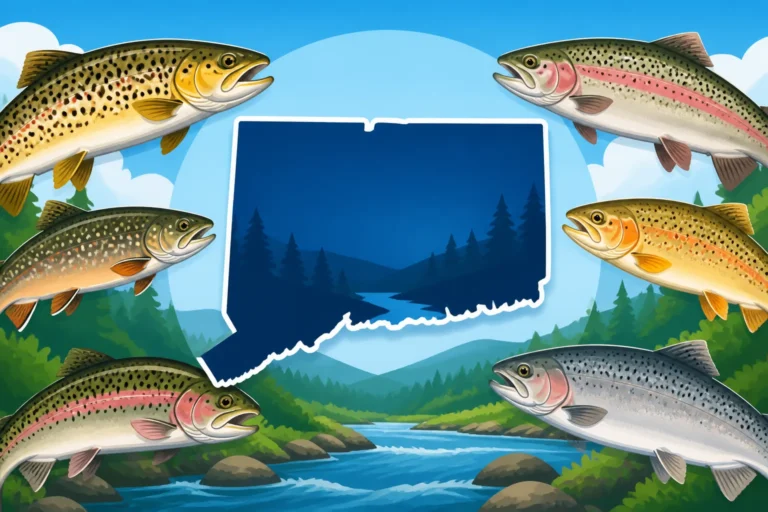
Connecticut is famous for its trout fishing, and the brown trout holds a special place in the hearts of many anglers, particularly those chasing a true trophy. While many stocked browns are caught, a state record brown trout is usually a wild or long-term holdover fish, meaning it has survived for years, growing to an incredible size in nutrient-rich waters like the Farmington River or larger reservoirs. These fish are notoriously wary, requiring stealth, precise presentations, and often, night fishing or targeting them during off-peak hours. They're cunning predators, and landing a record-breaker often means hours of dedication, sometimes in challenging conditions, using specialized gear and tactics. Their sheer beauty and elusive nature make them a highly prized catch, and a record brown trout is truly the culmination of a dedicated pursuit. The biggest brown trout ever caught in Connecticut stories are the stuff of local legend.
Northern Pike
For anglers who love a true freshwater predator, the northern pike offers a thrilling challenge. These long, toothy fish are ambush hunters, growing to impressive sizes in some of Connecticut's larger, weedy lakes such as Bantam Lake or Mashapaug Lake. A state record northern pike is an absolute torpedo of a fish, capable of incredibly fast, powerful runs and violent head shakes that can quickly snap lesser lines. Targeting these giants requires heavy-duty gear, wire leaders to protect against their razor-sharp teeth, and large baits or lures like oversized swimbaits or spoons. The fight is intense and dramatic, and successfully landing a record pike often involves careful boat handling and a well-practiced netting technique. They are a formidable adversary, and catching a record-setter is a memorable accomplishment.
Other Notable Freshwater Species
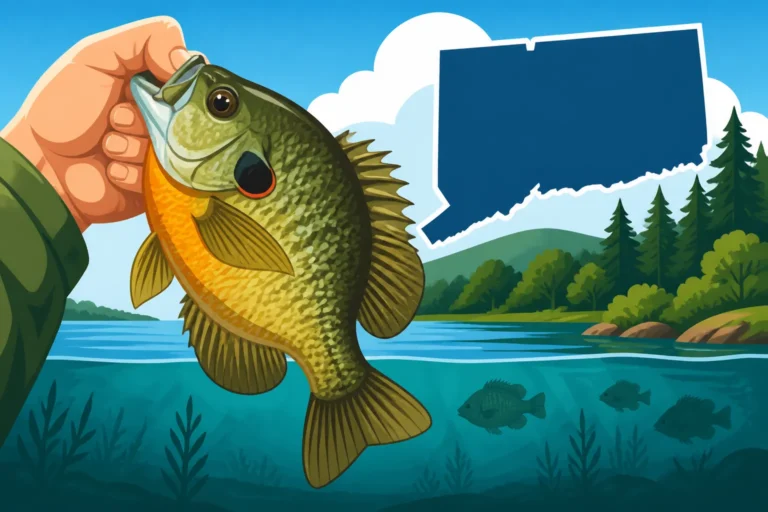
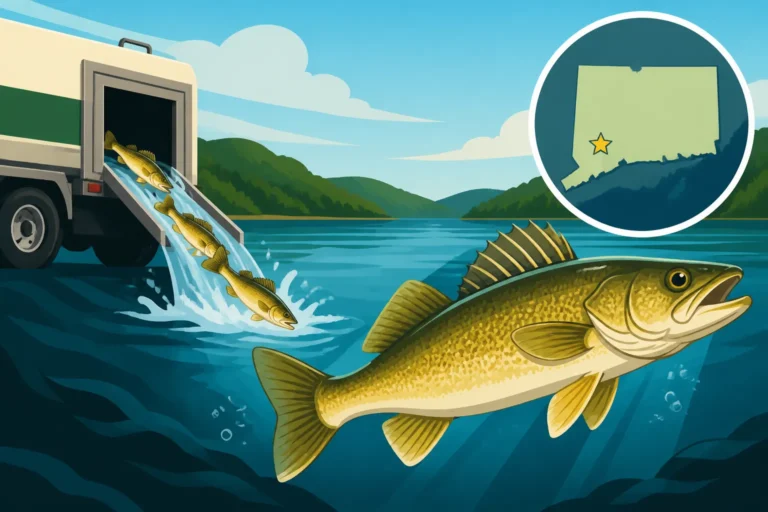
Beyond these heavy hitters, Connecticut also recognizes records for many other freshwater species. Anglers might pursue state records for panfish like Yellow Perch or White Perch, which, when they reach record size, are incredibly plump and healthy specimens. Then there are the various Catfish species, like the Channel Catfish or White Catfish, often found in the larger rivers and warmer lakes, which can grow surprisingly large and offer a tenacious fight. Even species like Chain Pickerel, despite their commonality, have impressive record weights, showcasing just how large these aggressive predators can get in the right conditions. Each of these pursuits has its own unique challenges and rewards, contributing to the rich tapestry of freshwater angling in the state. Don't forget species like Walleye, particularly in places like Lake Zoar, which also offers a challenging pursuit for a potential record fish.
Saltwater Sentinels: Prominent State Records from Long Island Sound
The vast expanse of Long Island Sound and Connecticut’s tidal rivers are teeming with marine life, offering anglers the chance to hook into some truly powerful saltwater species. The quest for a saltwater state record is often a battle against the elements as much as against the fish, demanding strong gear, seasoned skills, and a deep understanding of the ocean's rhythms.
Striped Bass
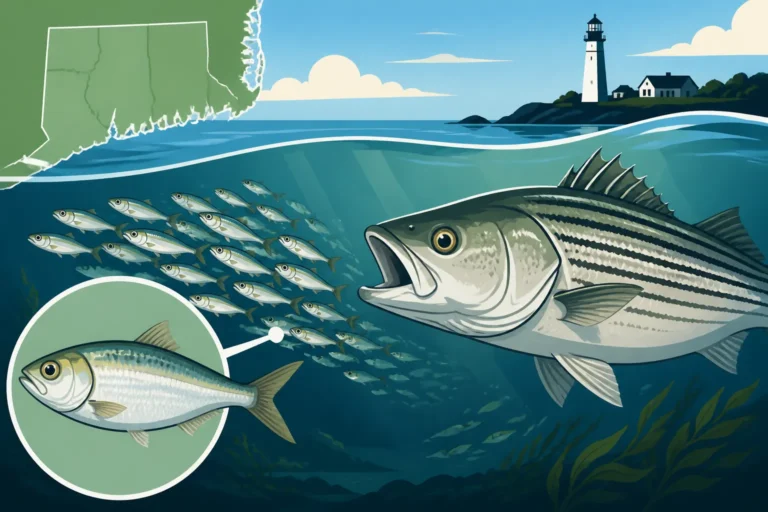
Ah, the striped bass – the king of the coast for many Connecticut anglers! These powerful anadromous fish migrate through Long Island Sound, growing to immense sizes. A state record striped bass is a truly epic catch, often weighing in at an incredible amount, a testament to its age and strength. These fish are formidable fighters, capable of long, drag-screaming runs that test the limits of your tackle and your endurance. Targeting a record striper usually involves specialized techniques like live-lining large bunker, chunking with fresh bait, or trolling massive plugs and umbrella rigs in deep channels or around prominent structures. The pursuit often means fishing through the night or in challenging weather, pushing boundaries to intercept these migrating giants. Striped Bass Fishing in Long Island Sound is a passion for many, and the ultimate goal is that record-setting fish.
Blackfish (Tautog)
If you're looking for a fish that fights with sheer stubborn power and lives in gnarly terrain, the blackfish, or tautog, is your quarry. These notoriously strong bottom dwellers inhabit rocky reefs, wrecks, and mussel beds along the Connecticut coastline. A state record blackfish is a thick, incredibly muscular specimen that fights dirty, trying to break you off in the structure the moment it feels the hook. Landing one requires heavy tackle, strong braided line, and a quick hand to keep them from diving back into the rocks. Specialized techniques using green crabs or other crustaceans as bait are key. The fight is more of a tug-of-war than a long run, demanding incredible leverage and a bit of luck to steer them clear of snags. Blackfish (Tautog) Fishing in Connecticut is a highly addictive pursuit for many, especially when chasing that elusive record.
Fluke (Summer Flounder)
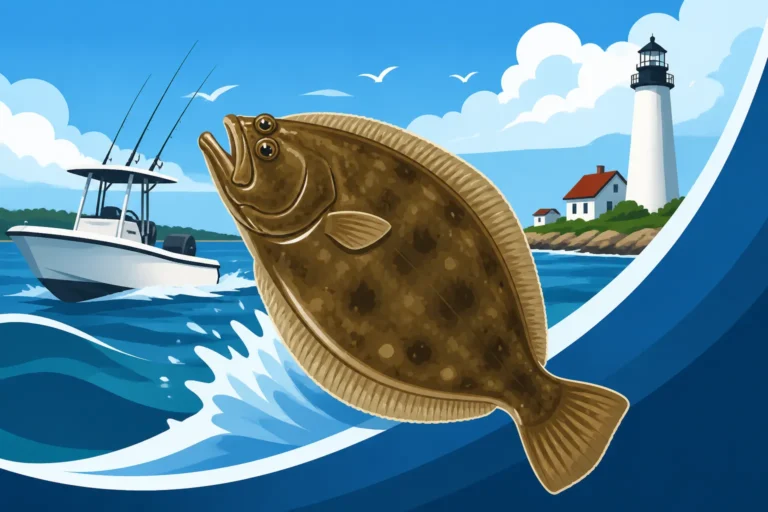
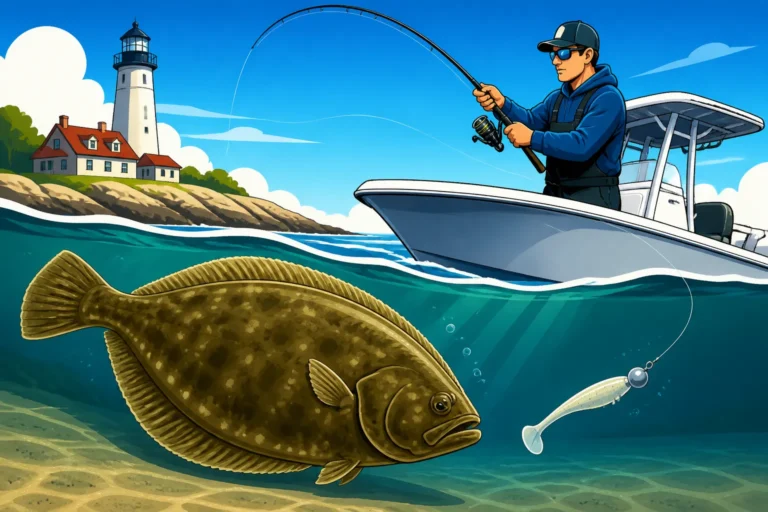
The fluke, or summer flounder, is a prized table fish and a challenging adversary for record seekers. These flatfish are ambush predators, lying camouflaged on the sandy or muddy bottom. A state record fluke is an exceptionally large, wide specimen, often taken by drifting large baits or bucktail jigs over productive bottom. The challenge lies in presenting your offering naturally and detecting their subtle bite, which can sometimes feel like just a bit of extra weight on your line. Once hooked, they put up a surprisingly strong fight with powerful head shakes and short, hard runs. Catching a fluke of record proportions requires keen observation of bottom contours, precise boat control, and the right combination of bait and presentation. Fluke Fishing in Long Island Sound provides ample opportunities for those willing to put in the time.
Black Sea Bass
Black sea bass are another popular and delicious species found in Connecticut's offshore waters, particularly around rocky bottoms, wrecks, and artificial reefs. A state record black sea bass is a robust, colorful specimen that provides a powerful, respectable fight. They are aggressive feeders, often caught by jigging or bait fishing with clams, squid, or pieces of fish. The challenge for record seekers lies in locating the largest concentrations of these fish and presenting baits effectively in often deep and current-swept areas. They fight with strong head shakes and can be quite tenacious, making for an exciting battle. Their populations have been thriving in recent years, making the prospect of a record-breaker a real possibility for dedicated anglers.
Other Notable Saltwater Species
Long Island Sound offers a plethora of other saltwater species that also have state records associated with them. Think about the powerful Bluefish, known for their ferocious strikes and brutal fighting style, or the various Scup (Porgy), which, in their larger record-breaking sizes, are quite impressive. Even less commonly targeted species like Winter Flounder or Weakfish have records that reflect the health and diversity of our marine environment. Each of these pursuits requires specialized knowledge of the species' habits and the specific marine environments they inhabit, making the journey to a state record a true adventure.
Tips for Chasing a Trophy or Record Fish
Catching a truly massive fish, let alone a state record, isn't usually a matter of pure luck (though a little never hurts!). It's often the culmination of years of learning, practice, and dedication. If you're serious about targeting that fish of a lifetime, here are some strategies that can significantly increase your odds.
Research and Location Scouting
This is perhaps the most critical step. Big fish don't just swim anywhere; they're often found in specific environments that offer abundant food, protective cover, and ideal conditions for growth. You need to become a student of the species you're targeting. Read up on their habits, preferred water temperatures, spawning patterns, and forage. Consult state fisheries reports, talk to experienced local anglers, and scour maps for potential hotspots. For example, if you're after a trophy largemouth, you'd look for lakes with deep weed lines, submerged timber, or significant rocky structures. For striped bass, you might focus on river mouths, current rips, or offshore reefs in Long Island Sound Fishing Guide. Use tools like topographical maps and even online satellite imagery to identify promising areas. The more informed you are, the better your chances of putting your bait or lure in front of that record-breaker.
Proper Gear and Tackle Selection
You wouldn't bring a knife to a gunfight, and you shouldn't bring ultralight tackle to chase a potential state record. While record rules typically require you to stay within certain line class limits (if specified), selecting the heaviest gear legally allowed for your target species is often prudent. This means strong rods with backbone, reels with smooth, reliable drags, and fresh, high-quality line. For saltwater pursuits, corrosion-resistant components are a must. Make sure your knots are meticulously tied and your hooks are razor-sharp. Investing in quality gear isn't just about durability; it's about confidence when that massive fish finally hits. Many anglers find great deals on robust rods, reels, and specialized lines on Amazon, allowing them to upgrade their arsenal without breaking the bank. Don't forget landing nets or gaffs suitable for a truly large fish.
Patience and Persistence
Let's be real: chasing record fish is often a grind. You will have many, many days where you catch nothing, or only smaller fish. This is where patience truly becomes a virtue. You might spend countless hours casting, drifting, or trolling, trying different baits and techniques, before you even get a sniff from a trophy-sized fish. Persistence means going back to the same spots, trying different times of day or different tidal stages, and constantly refining your approach. It means learning from every outing, even the slow ones. The anglers who break records are rarely those who give up easily; they are the ones who view every blank day as another step on the learning curve, bringing them closer to that ultimate goal.
Understanding Seasons and Conditions
Timing is everything in fishing, and it’s especially crucial when targeting record-class fish. Different species have peak feeding windows, spawning seasons, and migration patterns that influence where and when they are most likely to be encountered, and most importantly, when they are at their heaviest. For instance, brown trout might be at their heaviest pre-spawn in the fall, while striped bass records are often set during their strong migratory runs in spring or fall when they are gorging on baitfish. Pay close attention to water temperatures, barometric pressure, moon phases, and tidal charts. Sometimes, fishing during challenging weather, like before a storm or during a light rain, can trigger feeding frenzies in larger fish. Being adaptable and understanding how conditions influence fish behavior is a huge advantage.
Preserving and Protecting Our Fisheries
While the allure of catching a state record is powerful, it's absolutely vital that we prioritize the health and sustainability of Connecticut’s fisheries. Responsible angling practices ensure that these incredible opportunities exist for future generations of fishermen and women.
Catch and Release Considerations for Large Fish
If you’re targeting a trophy or potential record, it’s worth considering whether you intend to release the fish or keep it. For many species, especially in freshwater, larger specimens are the most valuable breeders, contributing significantly to future fish populations. If you plan to release a big fish, ensure you have the right tools on hand: a large, knotless net, dehooking tools, and maybe even a release cradle or sling for proper handling. Minimize the fish's time out of water, support its weight fully, and revive it gently before release. Even if it's a record contender, sometimes the greater achievement is allowing that magnificent creature to spawn again. However, for an official weight record, the fish must be retained and weighed on a certified scale. This creates a balance: documenting the potential of the fishery while encouraging careful consideration of each individual fish.
Adhering to All Regulations
This should go without saying, but it's paramount: always, always adhere to all Connecticut fishing regulations. This includes Connecticut Fishing License Guide for 2026, Connecticut Fishing Regulations Explained, size limits, creel limits, season dates, and specific gear restrictions. Fishing ethically and legally is the foundation of our sport. Catching a fish that would be a record, but doing so outside of legal parameters, would instantly disqualify your claim and could result in penalties. Ignorance of the rules is never an excuse. Make it a habit to regularly check the Reading the Connecticut Fishing Guide to stay updated on any changes. Our regulations are put in place to protect fish populations, and responsible anglers understand and respect this.
The Future of Connecticut’s Fishing Records
Connecticut's waters are dynamic, constantly changing with environmental factors, management efforts, and the natural ebb and flow of fish populations. The state record books aren't static; they are living documents that reflect the potential and health of our fisheries.
Potential for New Records
Will your name be the next one etched in Connecticut's angling history? There's always that exciting possibility! With dedicated conservation efforts, wise stocking programs, and the continuous evolution of angling techniques and gear (much of which is available from retailers like Amazon), there's always the chance that a new, even larger fish could be lurking out there. Perhaps a particularly mild winter allowed a brown trout to put on extra weight, or a robust baitfish population fueled the growth of an immense striped bass. The records themselves inspire us to believe that the next monster could be just around the bend, or beneath the next wave.
State Fish Records by Species Overview
To help you get a general idea of the types of species frequently recognized in Connecticut’s record books, here's a brief overview. Please remember that actual record weights and dates are constantly subject to change and should be verified through official state sources, as I cannot provide live data.
| Record Category | Example Species | Typical Habitat | Key Angling Challenge |
|---|---|---|---|
| Freshwater | Largemouth Bass | Lakes, Ponds | Enticing and landing heavy fish from dense cover |
| Smallmouth Bass | Rivers, Rocky Lakes | Handling powerful runs and jumps in current | |
| Brown Trout | Rivers, Reservoirs | Stealth, precise presentation for wary, large fish | |
| Northern Pike | Weedy Lakes | Managing aggressive strikes and sharp teeth | |
| Chain Pickerel | Ponds, Shallows | Landing large, often acrobatic, toothy predators | |
| Walleye | Deeper Lakes, Rivers | Locating and enticing nocturnal/deep-water feeders | |
| Channel Catfish | Warm Lakes, Rivers | Battling strong, bottom-dwelling fighters | |
| Yellow Perch | Lakes, Ponds | Finding and targeting exceptionally large panfish | |
| Saltwater | Striped Bass | Long Island Sound | Battling immense power, long runs in strong currents |
| Blackfish (Tautog) | Rocky Reefs, Wrecks | Preventing break-offs in heavy structure, brute strength | |
| Fluke (Summer Flounder) | Sandy/Muddy Bottoms | Detecting subtle bites, precise drifting techniques | |
| Black Sea Bass | Reefs, Wrecks, Rocks | Finding large schools, managing strong headshakes | |
| Bluefish | Long Island Sound | Handling aggressive strikes and powerful, erratic fights | |
| Scup (Porgy) | Rocky Bottoms | Targeting large specimens, discerning subtle bites | |
| Winter Flounder | Muddy/Sandy Flats | Locating and tempting these often lethargic bottom dwellers |
This table provides a general picture, but the real details, including current record holders and the official submission process, are maintained by the Connecticut Department of Energy and Environmental Protection (DEEP) Fisheries Division.
Disclaimer
This article is for general informational purposes only and does not constitute professional advice. Laws, prices and regulations vary by location and change over time. Consult a qualified professional for guidance on your specific situation.