Connecticut state record northern pike weight
There's a special kind of thrill that comes with chasing a truly monstrous fish, especially when you're dreaming of landing something that might just put your name in the record books. If you're a Connecticut angler with your sights set on the toothy, elusive northern pike, you've probably wondered just how big these freshwater predators can get in our state. This guide is all about satisfying that curiosity, delving into the current Connecticut state record for northern pike, where these giants lurk, and what it takes to land one.
The Allure of Trophy Northern Pike in Connecticut
Northern pike are apex predators in many of Connecticut's freshwater systems, known for their aggressive strikes, powerful runs, and unmistakable dagger-like teeth. For many anglers, catching a pike, especially a big one, represents a true challenge and a significant accomplishment. It's not just about the size; it's about the hunt, the strategy, and the sheer power of these magnificent fish.
Why Anglers Chase Connecticut's Pike Records
The quest for a state record isn't just about bragging rights, though those are certainly sweet! It's about pushing your own limits, perfecting your technique, and spending countless hours on the water, learning the intricacies of your chosen species. Northern pike, with their ambush predator tactics and preference for specific cover, demand patience and skill. When you finally connect with a large pike, the fight is often described as exhilarating, a true test of tackle and angling prowess. They’re not subtle, and a massive pike can definitely leave you with a story to tell, regardless of whether it breaks a record or not. The potential for a truly enormous fish is always there, and that's what keeps many of us coming back.
Understanding Northern Pike Habits and Habitat
To catch a record-breaking northern pike, you first need to understand where they live and what makes them tick. These fish are masters of camouflage, often blending seamlessly into their weedy surroundings. They prefer cool, clear water with plenty of submerged vegetation, fallen trees, or rocky structures where they can lie in wait to ambush unsuspecting prey. Lakes and slow-moving rivers with extensive weed beds and sudden drop-offs are prime northern pike territory. In Connecticut, you'll often find them cruising the edges of weed lines or hiding deep within the thick stuff, especially in shallower bays during cooler months, or moving to deeper, cooler water as summer heat sets in. They are primarily piscivorous, meaning they love to eat other fish, and they're not picky about size – a big pike will eat a surprisingly large meal! For more on their natural tendencies, you can look into Chain Pickerel Habits in Connecticut Ponds as there are some overlaps in habitat for these two toothy species.
The Connecticut State Record Northern Pike
When you're out on the water, casting for pike, there's always that thought in the back of your mind: Could this be the one? The idea of tying into a state record fish is a powerful motivator, and Connecticut has certainly produced some impressive northern pike over the years.
Unveiling the Record-Breaking Catch
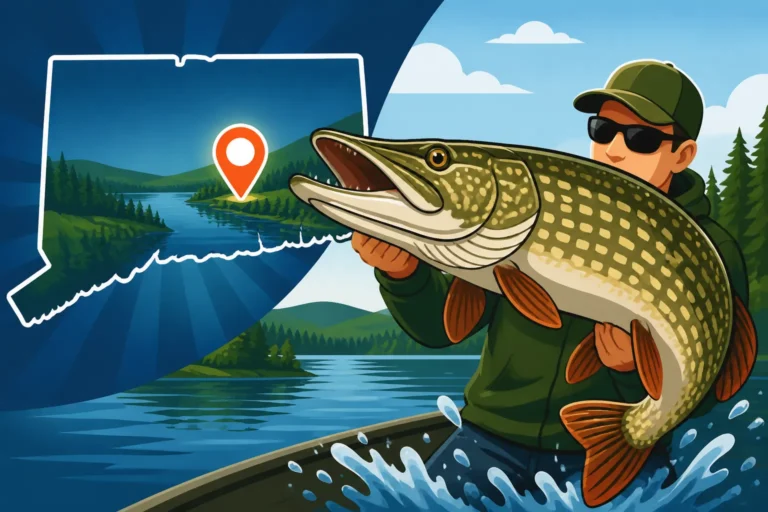
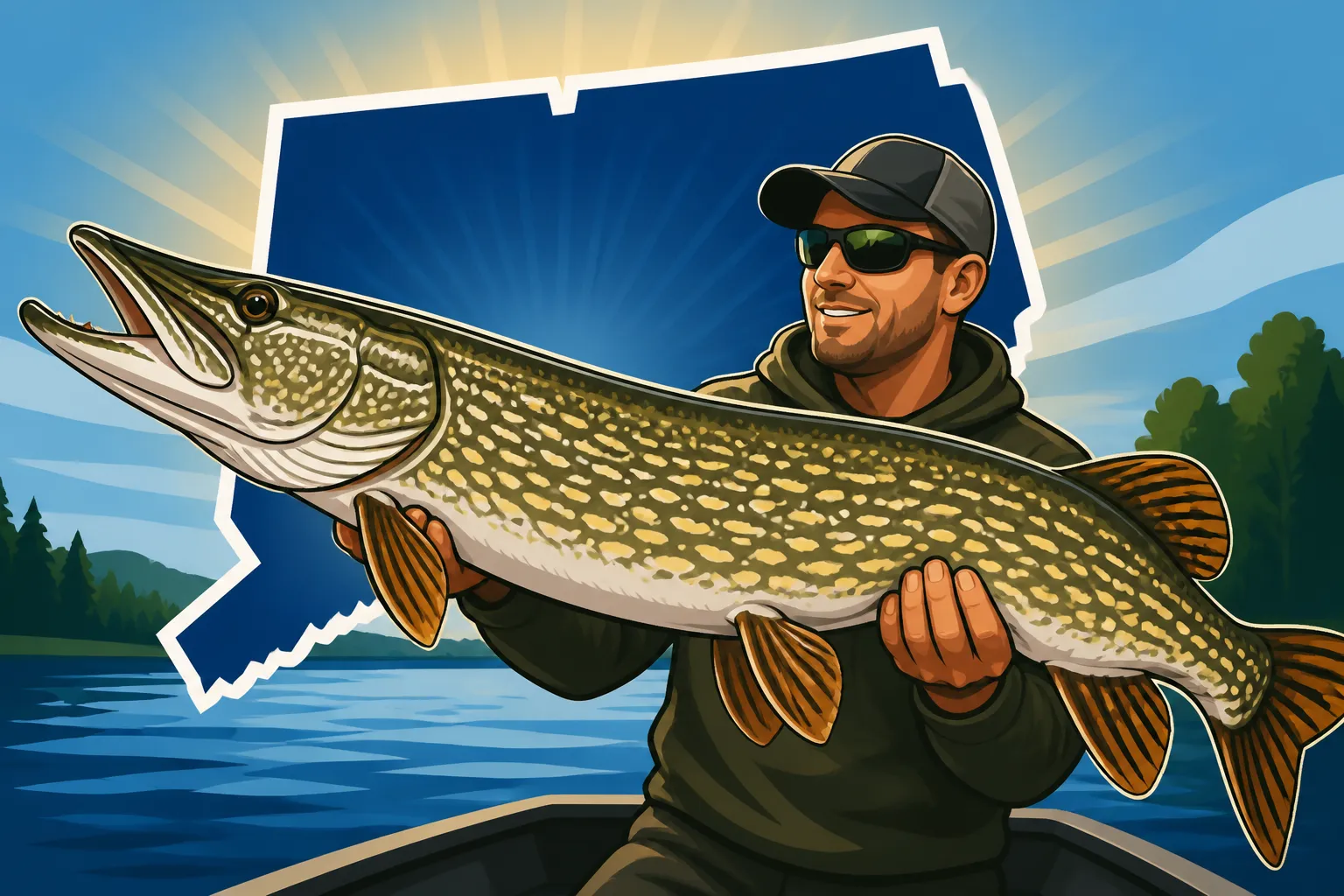
The current Connecticut state record for northern pike stands at an impressive 29 pounds, 0 ounces. This colossal fish was caught in 1999, cementing its place in the state's angling history. Imagine the thrill of reeling in a fish that heavy, a true freshwater titan! It's a testament to the healthy populations and trophy potential that exist in some of our Connecticut waters. While the exact location of the catch is always a hot topic of speculation among anglers, it's widely believed that Connecticut's larger, well-established lakes are the most likely candidates to produce fish of this caliber. Such a record isn't just a number; it represents a fish that has survived many seasons, grown to an immense size, and outsmarted countless anglers along the way. For a broader look at some of the giants caught in our state, check out Connecticut State Fish Records by Species.
The Story Behind the Trophy
While the specific details of the 1999 record catch are part of angling lore, we can imagine the scenario. Picture a crisp autumn morning, or maybe a chilly late-winter day just before ice-out, with an angler meticulously working a large lure near a submerged weed bed. The water is cold, and the big pike are hungry, needing to feed heavily before or after the lean times. Suddenly, a jarring strike that nearly rips the rod from the angler's hands. The initial run is unstoppable, line peeling off the reel as the fish bolts for deep water or wraps itself in the thickest cover imaginable. What follows would have been a grueling battle of wills, with the angler carefully managing drag, pumping the rod, and slowly, painstakingly, gaining line.
Landing a pike of this size isn't a quick affair; it requires strength, patience, and a bit of luck to avoid the razor-sharp teeth or a sudden head shake at the boat. The final moments, seeing that massive head break the surface, the wide, predatory mouth, and the sheer length of the fish, must have been unforgettable. Then comes the careful measurement, the official weighing, and the triumphant confirmation that a new state record has been set. It's a moment that every serious angler dreams of, a culmination of passion and perseverance.
Top Waters for Targeting Trophy Northern Pike in Connecticut
If the thought of landing a giant pike has you itching to hit the water, you're in luck! Connecticut has several outstanding fisheries known for their northern pike populations, and some even have a reputation for producing true monsters. Knowing where to focus your efforts is half the battle when chasing trophy fish.
Bantam Lake: A Northern Pike Hotspot
Without a doubt, Bantam Lake in Litchfield is often cited as the premier northern pike destination in Connecticut. This expansive natural lake is the largest in the state and offers everything a big pike needs: abundant forage, extensive weed beds, deep pockets, and a generally healthy ecosystem. Anglers have been pulling impressive pike from Bantam for decades, and it's consistently one of the first places local experts suggest when asked about trophy pike. Its large size means there's plenty of water to explore, and the varied structure keeps the pike spread out, offering challenges but also rewards for those who put in the time. Whether you're casting large lures or deploying tip-ups during the ice fishing season, Bantam Lake is a must-visit for any serious pike enthusiast. For more specific guidance, check out Bantam Lake Pike Fishing.
Other Productive Connecticut Pike Waters
While Bantam Lake often steals the spotlight, several other Connecticut bodies of water also hold excellent northern pike populations, with the potential for trophy-sized fish. These include:
- Lake Lillinonah: Part of the Housatonic River chain, this large reservoir offers significant depths and varying structures. Pike here often relate to the river channel and submerged timber.
- Lake Zoar: Also on the Housatonic River, Lake Zoar has a strong reputation for pike, particularly in its deeper sections and areas with good cover. While often associated with walleye, its pike fishery is robust.
- Mansfield Hollow Lake: This eastern Connecticut reservoir has developed a reputation for solid pike fishing, especially around its numerous coves and weed beds.
- Connecticut River (Tidal Sections): The lower stretches of the Connecticut River, particularly around its coves and backwaters, can hold some surprisingly large pike, especially during cooler months when they move into shallower areas to feed.
When exploring these waters, remember to look for characteristics similar to those preferred by the record-holding fish – plenty of cover, ambush points, and a good supply of baitfish. You can also explore Northern Pike Waters in Connecticut for more detailed information on where these impressive fish call home.
Techniques and Tackle for Record Northern Pike
Landing a 29-pound northern pike isn't something that happens by accident. It requires purpose-built tackle and a solid understanding of effective techniques for these powerful predators. While pike can be caught on lighter gear, targeting a potential record holder means being prepared for an intense battle.
Essential Gear for Big Pike
Think heavy-duty when it comes to trophy pike gear. You'll want a stout rod, typically a medium-heavy to heavy power with a fast action, around 7 to 9 feet long. This length gives you casting distance for big lures and leverage to turn a strong fish. Pair this with a robust baitcasting or spinning reel capable of holding a good amount of heavy line. Braided line, in the 30-65 lb test range, is often preferred for its strength, sensitivity, and lack of stretch, which is crucial for setting hooks into a pike's bony mouth.
Perhaps the most critical piece of gear is your leader. Pike have incredibly sharp teeth that will sever monofilament or fluorocarbon lines instantly. You must use a wire or heavy fluorocarbon leader (80-100 lb test) that is at least 12-18 inches long. Many anglers prefer steel leaders or titanium wire leaders for ultimate tooth protection. Don't skimp on your terminal tackle; quality swivels and snaps are essential, as are razor-sharp hooks on your lures and baits. You can find a great selection of these specialized pike-fishing items and more general fishing tackle on platforms like Amazon, ensuring you're ready for whatever monster you encounter.
Effective Lures and Baits
Northern pike are aggressive and will strike a variety of presentations. The key to catching big ones often lies in presenting large offerings. They are opportunistic predators, so mimicking their natural forage is a smart move.
- Large Spoons: Classic spoons like Dardevles, Johnson Silver Minnows, or Eppinger Daredevils in silver, gold, or red-and-white patterns are perennial pike producers. Cast them out and retrieve with a wobbling action, or jig them vertically through openings in weed beds.
- Swimbaits: Soft plastic swimbaits, particularly those 6-10 inches long, rigged with a heavy jig head or a weedless swimbait hook, are incredibly effective. Work them slowly through cover or over submerged structure.
- Jerkbaits and Stickbaits: Large, suspending jerkbaits or floating/diving stickbaits can entice aggressive strikes, especially when twitched and paused near cover.
- Spinnerbaits: Heavy-duty spinnerbaits with large blades create a lot of flash and vibration, making them ideal for covering water and pulling pike out of thick weeds.
- Live Bait: If legal in your chosen waters, large live minnows, shiners, or suckers (typically 6-10 inches) presented under a float or slow-trolled can be deadly for big pike, especially in colder water. This is often a go-to tactic during the ice fishing season. For more on cold water tactics, consider Best Techniques for Ice Fishing Pike.
Vary your retrieve, experiment with different colors, and always remember that pike often follow a lure before striking. Don't be afraid to pause your retrieve or make a sudden twitch to trigger a reaction strike.
The Importance of Conservation and Responsible Angling
Catching a truly massive northern pike is an incredible feat, but it comes with a responsibility to ensure these magnificent fish continue to thrive in Connecticut waters. Conservation practices are vital, especially when targeting trophy fish that represent a significant part of the breeding population.
Catch and Release for Trophy Fish
For a fish to reach 29 pounds, it has likely lived for many years and contributed to multiple spawning cycles. Releasing these large, healthy breeders back into the water is crucial for maintaining and improving the overall pike fishery. If you're targeting a potential state record, be prepared for catch and release. Have your camera ready, a measuring tape, and a scale that can be zeroed out. When handling a large pike:
- Minimize out-of-water time: Have your release tools (long-nosed pliers for hook removal, jaw spreader if needed) ready before the fish is even in the boat.
- Support the fish horizontally: Never hold a large pike vertically by its jaw alone; this can damage its internal organs. Support its belly with one hand while holding its head with the other.
- Wet hands: Always wet your hands before touching the fish to protect its slime coat.
- Remove hooks carefully: Use pliers to quickly and gently remove hooks. If the hook is deeply ingested, cut the line as close to the hook as possible.
- Revive the fish: Hold the fish gently in the water, facing into any current, until it regains its strength and swims away on its own.
Following these practices increases the chances that your trophy pike will live to fight another day and perhaps grow even larger. The principles are similar to those for other large gamefish, as explored in Striped Bass Catch and Release Survival Tips.
Understanding Regulations for Northern Pike
Before you even cast a line, it's absolutely essential to be familiar with the current fishing regulations for northern pike in Connecticut. These regulations are put in place by the state's Department of Energy and Environmental Protection (DEEP) to manage fish populations, ensure sustainability, and provide fair angling opportunities. Regulations can include:
- Minimum length limits: To protect juvenile fish and allow them to reach maturity.
- Daily creel limits: The maximum number of fish you can keep in a single day.
- Seasonal closures: Specific times of the year when fishing for pike may be prohibited to protect spawning fish.
It's your responsibility as an angler to know and abide by these rules. Always consult the official Connecticut Fishing Guide, which is updated annually. You can find detailed information on species-specific rules in resources like Connecticut Fishing Regulations Explained and Connecticut Fishing Season Dates and Closures. Pay particular attention to any special regulations that might apply to specific lakes or rivers, as these can vary.
Conclusion: The Quest for Connecticut Giants
The pursuit of a state record northern pike in Connecticut is a journey filled with anticipation, challenge, and the occasional heart-stopping moment. Knowing that a 29-pound behemoth was once pulled from our state's waters is a powerful reminder of the incredible fishing opportunities we have right here. By understanding where these giants live, what they eat, and how to approach them with the right gear and techniques, you put yourself in the best position for success. But remember, the true reward isn't just the weight on the scale, it's the experience, the respect for the fish, and the commitment to preserving our precious natural resources for future generations of anglers. So, get out there, fish smart, and who knows? Maybe you'll be the next name added to the record books.
Connecticut State Record Northern Pike Key Facts
| Category | Detail |
|---|---|
| Record Weight | 29 pounds, 0 ounces |
| Year Caught | 1999 |
| Typical Habitat | Weedy lakes, slow rivers, submerged structure |
| Primary Forage | Baitfish (shiners, perch, suckers) |
| Recommended Gear | Heavy action rod, robust reel, braided line |
| Essential Tackle | Wire or heavy fluorocarbon leader, large lures |
| Top CT Waters | Bantam Lake, Lake Lillinonah, Lake Zoar, Connecticut River |
| Conservation Tip | Practice catch and release for trophy fish |
Disclaimer
This article is for general informational purposes only and does not constitute professional advice. Laws, prices and regulations vary by location and change over time. Consult a qualified professional for guidance on your specific situation.