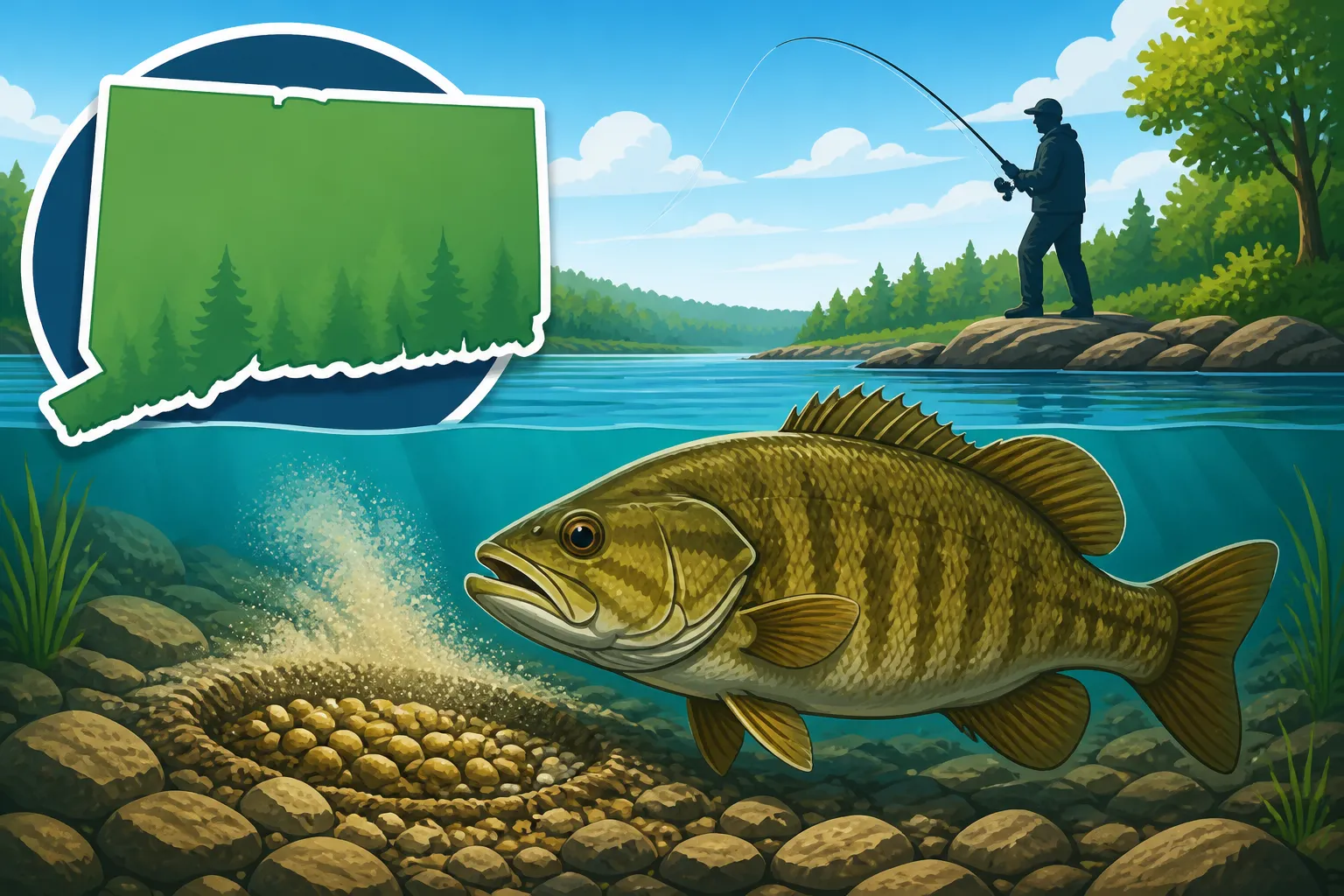
When smallmouth bass spawn in Connecticut
It's a familiar scenario: you head out to your favorite spot, rods in hand, buzzing with anticipation for some hard-fighting smallmouth bass action, only to find the bite is just… off. Often, this isn't about your technique; it's about timing. Knowing when smallmouth bass spawn in Connecticut is key to understanding their behavior and, ultimately, having a more successful and responsible day on the water. This guide will dive deep into the precise conditions and seasonal windows that trigger the smallmouth spawn across our beautiful state.
Understanding the Seasonal Dance of Smallmouth Bass Spawning
Smallmouth bass, those feisty bronzebacks we all love to chase, are creatures of instinct, and their most powerful instinct is reproduction. Unlike some fish that just broadcast their eggs and leave, smallmouth are dedicated parents, and their spawning ritual is a fascinating and crucial part of their life cycle. Understanding this "seasonal dance" is paramount for any angler hoping to connect with them or simply understand their patterns.
The Crucial Role of Water Temperature
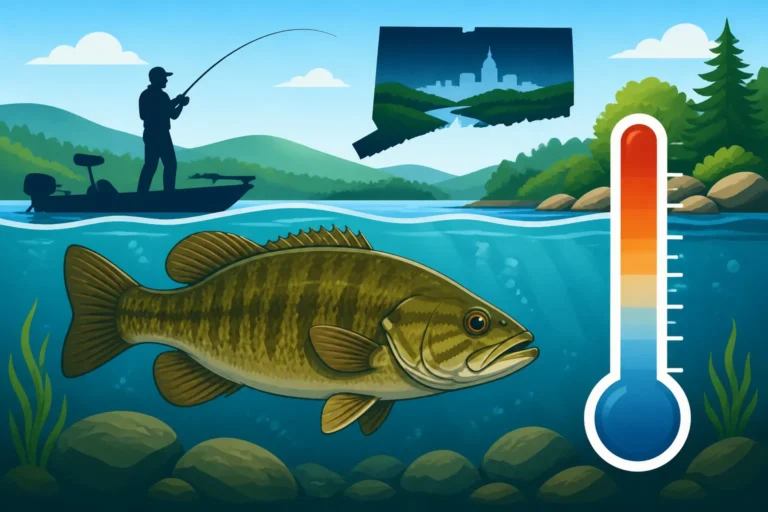
If there's one factor that dictates when smallmouth bass will spawn, it's water temperature. Think of it as their biological alarm clock. These fish are incredibly sensitive to changes in water temperature, and a specific range triggers their readiness to reproduce. Generally, smallmouth bass in Connecticut will begin their spawning activities when water temperatures consistently hold between 55 to 65 degrees Fahrenheit.
Now, that's a range, and it's important because not all bodies of water warm up at the same rate. For instance, shallow river sections, especially those with darker, rocky bottoms that absorb more sunlight, will typically reach these temperatures sooner than deep, expansive lakes like Candlewood Lake. You might find smallmouth on their beds in a sun-drenched, protected cove of the Housatonic River in early May, while the bass in the deeper parts of a large lake might not even start thinking about it until late May or even early June. This variability can be incredibly frustrating if you're hitting your usual spots expecting action and nothing's biting, when in reality, the fish just aren't there yet, or they've already moved on. Using a reliable water thermometer is truly your best friend during this transitional period, letting the fish tell you when they're ready rather than guessing by the calendar.
The Calendar's General Timeline: Late Spring to Early Summer
Given the critical role of water temperature, the general timeline for smallmouth bass spawning in Connecticut typically falls from late spring into early summer. This usually means May through June, though in some cooler, deeper, or higher-elevation waters, it can extend into early July. The exact start and end dates are never etched in stone, and that's the kicker that makes fishing so challenging and rewarding!
Imagine a year with an unusually warm April and early May; you might see smallmouth on their beds significantly earlier than a year with a prolonged cold spring. Conversely, a late cold snap can delay everything. This annual variability is precisely why relying solely on a calendar date can lead to disappointment. It validates that feeling of confusion when "last year they were biting like crazy right now!" but this year, it's crickets. The fish are just responding to their environment, and we, as anglers, need to adapt. This consistent pattern of late spring to early summer, however, gives us a solid window to start paying close attention to those water temps and to be out on the water looking for those tell-tale signs of spawning activity. You might want to brush up on Smallmouth Bass Habits on the Housatonic if that's one of your preferred spots for these feisty fish.
Pre-Spawn Behavior and Nesting Preparations
Before the actual spawning event kicks off, smallmouth bass undergo a fascinating series of preparations. It's not just about hitting the right temperature; there's a whole courtship and construction phase that happens, primarily driven by the male. Understanding this pre-spawn behavior can give you clues as to where the fish are headed and what they're up to, helping you predict their movements.
Where Smallmouth Bass Choose to Spawn
Smallmouth bass are particular about their nurseries. They don't just spawn anywhere; they select specific locations with key characteristics that ensure the survival of their future offspring. The ideal nesting sites typically feature a hard bottom – think gravel, small rocks, sand, or even bedrock – often interspersed with larger pieces of structure like boulders, submerged logs, or stumps. These spots are usually found in relatively shallow water, ranging from a few feet down to 10 or 15 feet in clearer lakes, depending on water clarity and sunlight penetration.
Why these specific spots? Well, the hard bottom provides an excellent substrate for the eggs to adhere to, keeping them from washing away or sinking into soft mud. The shallow, protected areas allow for good sunlight exposure, which helps incubate the eggs, and offer a measure of protection from strong currents or wave action that could disrupt the nest. In rivers like the Farmington or parts of the Connecticut River, you'll often find nests in the calmer water of eddies, behind large rocks, or in protected pockets along the shoreline. In lakes, coves, points, and shallow flats with rocky bottoms are prime real estate. If you're out scouting, look for those clear, relatively flat, rocky areas that get good sun exposure. It’s a hunt, but a rewarding one! Knowing Best Fishing Lakes in Connecticut will certainly help you narrow down your search.
The Male's Role in Nest Building and Defense
The male smallmouth bass takes on the lion's share of the work when it comes to spawning. Once he identifies a suitable location, he'll begin the painstaking process of nest construction. Using his tail, he’ll fan away silt and debris, creating a clean, circular depression in the hard bottom. This nest, often looking like a light-colored spot on the darker bottom, can be anywhere from 1 to 3 feet in diameter.
After the nest is built, his behavior shifts dramatically. He becomes incredibly territorial and aggressive, guarding his hard work from any perceived threats. This is where anglers often encounter the most action during the spawn. The male will defend his nest from everything – other fish, turtles, and, yes, even your lure. He's not necessarily trying to eat your bait; he's trying to eliminate an intruder. This protective instinct is why they’ll often strike at anything that enters their personal space, making them seemingly easy targets. When you're out there, you might even spot these fanned-out, lighter circles if the water is clear enough. It's an incredible sight to witness their dedication.
The Actual Spawning Event and Post-Spawn Recovery
Once the nests are ready and the water temperatures are just right, the main event begins. This phase is relatively quick but has long-lasting implications for the bass population in Connecticut's waters. Understanding the actual spawn and the subsequent recovery period helps anglers adjust their tactics and appreciate the delicate balance of the ecosystem.
The Act of Spawning and Egg Deposition
When a receptive female enters the male's territory and approves of his nest, the actual spawning takes place. It's a relatively brief but intense process. The female will approach the nest, and the male will nudge and push her towards it. Over a period of several hours to a few days, the female will deposit her eggs, usually in batches, while the male quickly follows, fertilizing them. It's not uncommon for multiple females to deposit eggs in a single nest, leading to a larger clutch of eggs.
A single female smallmouth can lay thousands of eggs, all sticky and designed to adhere firmly to the gravel and rocks of the nest. Once the eggs are laid and fertilized, the female's role is typically over, and she'll move off to recover. The male, however, remains a vigilant sentinel, continuing his dedicated watch over the developing eggs. The entire spawning process for a given population across a lake or river might stretch for several weeks, as different fish respond to varying local conditions and individual readiness.
From Fry to Independence: Parental Care and Beyond
The male's job is far from over once the eggs are laid. He becomes the primary guardian, constantly fanning the nest to keep the eggs oxygenated and free of silt, while also fiercely defending them from predators such as sunfish, perch, and even other bass. This paternal care is crucial; without the male's diligent protection, the vast majority of the eggs would likely be eaten.
After a few days to a couple of weeks, depending on water temperature, the eggs hatch into tiny fry. Even then, the male continues his watch, herding the cloud of smallmouth fry for a period of several days to a week or more until they are large enough to disperse and forage for themselves. It’s an amazing display of parental dedication in the fish world. Once the fry are independent, the male, finally exhausted from his duties and weeks of minimal feeding, will leave the nest. This marks the post-spawn period, where both males and females focus heavily on recovery and replenishing their energy reserves. They might be a bit lethargic immediately after the spawn, but soon they'll be on the prowl for food, making it a different, but still exciting, time to target them. Don't forget to check out Best Time of Year to Fish in Connecticut to get a full overview of fishing opportunities.
Angling Considerations During the Smallmouth Spawn
Fishing during the smallmouth bass spawn can be a truly unique experience. The fish are often aggressive and focused, making them seem easier to catch. However, it also brings up important ethical considerations and specific techniques that can make a big difference in both your success and your impact on the fish population.
Ethical Angling Practices During the Spawn
This is where the conversation often gets a little heated among anglers, and for good reason. Fishing for bedding bass – meaning fish actively on their nests – is a highly effective way to catch them because of their fierce protective instincts. However, it also carries a significant responsibility. When you catch a male bass off its nest, even for a short time, you leave those vulnerable eggs and fry exposed to predators. This can have a direct, negative impact on the year's recruitment of smallmouth bass.
Many ethical anglers choose to avoid targeting bedding bass altogether. If you do find yourself fishing during the spawn, and you inadvertently hook a fish guarding a nest, the absolute best practice is catch-and-release, done as quickly and gently as possible. Minimize handling, use barbless hooks, or consider tools like a fish gripper and de-hooker from reputable brands on Amazon to ensure a rapid and safe release. The goal is to get that male back on his nest to protect the future generation of smallmouth bass. Remember, we all want to ensure healthy fisheries for years to come. For more on conservation, you might find Connecticut Fishing Regulations Explained useful.
Effective Lures and Techniques for Spawning Smallmouth
If you are going to target spawning smallmouth, understanding what triggers their protective strikes can lead to more effective fishing. These fish aren't usually feeding aggressively during the spawn; they're reacting defensively. Therefore, your lures and presentation should mimic an intruder rather than a meal.
Smaller, compact baits that can be presented precisely on or very near the nest tend to be most effective. This includes tube jigs, creature baits (like small crawfish imitations), and even small finesse jigs. Dropshot rigs can be particularly deadly for vertical presentations to visible bedding bass. Bright, contrasting colors, or those that stand out against the bottom, can sometimes elicit a more aggressive response, as they appear more intrusive. The technique is often less about retrieving and more about subtle agitation: casting beyond the nest, letting the bait sink, and then slowly dragging or hopping it directly onto the bed. Once there, shake it, let it sit, or make very short, subtle movements to irritate the guarding bass. This isn't fast-paced fishing, but it can be incredibly rewarding when you finally entice that strike. You can find a wide variety of these specialized baits and tackle on Amazon, perfect for fine-tuning your approach. If you're looking for more general smallmouth advice, check out How to Catch Smallmouth Bass in Connecticut Rivers.
Regulations and Conservation Efforts
It's absolutely vital for every angler to be aware of and abide by Connecticut's fishing regulations, especially during sensitive times like the spawning season. While Connecticut might not have specific closed seasons for smallmouth bass statewide during their spawn, regulations regarding size limits, creel limits, and specific gear restrictions are always in place. These regulations are designed to help protect fish populations and ensure sustainable fishing opportunities for everyone.
The Connecticut Department of Energy and Environmental Protection (DEEP) Fisheries Division works hard to monitor bass populations and adjust rules as needed. Some specific areas, like certain Trout Management Areas, might have special regulations that indirectly benefit bass by limiting fishing pressure during certain times. Always check the current Connecticut Angler's Guide for the most up-to-date information before you head out. Understanding Connecticut Fishing Season Dates and Closures is a cornerstone of responsible angling. Your actions, combined with smart regulations, contribute directly to the health of our amazing smallmouth bass fisheries here in Connecticut.
Disclaimer
This article is for general informational purposes only and does not constitute professional advice. Laws, prices and regulations vary by location and change over time. Consult a qualified professional for guidance on your specific situation.