Best Time of Year to Fish in Connecticut
Figuring out the absolute "best" time to cast a line in Connecticut can feel a bit like chasing a moving target. Just when you think you've got it pegged for trout, the stripers are running, or the bass are boiling somewhere else entirely! This comprehensive guide is here to untangle the seasonal mysteries of Connecticut fishing, breaking down the prime windows throughout the year so you can hit the water with confidence, no matter what your angling passion might be.
Understanding Connecticut's Seasonal Fishing Cycles
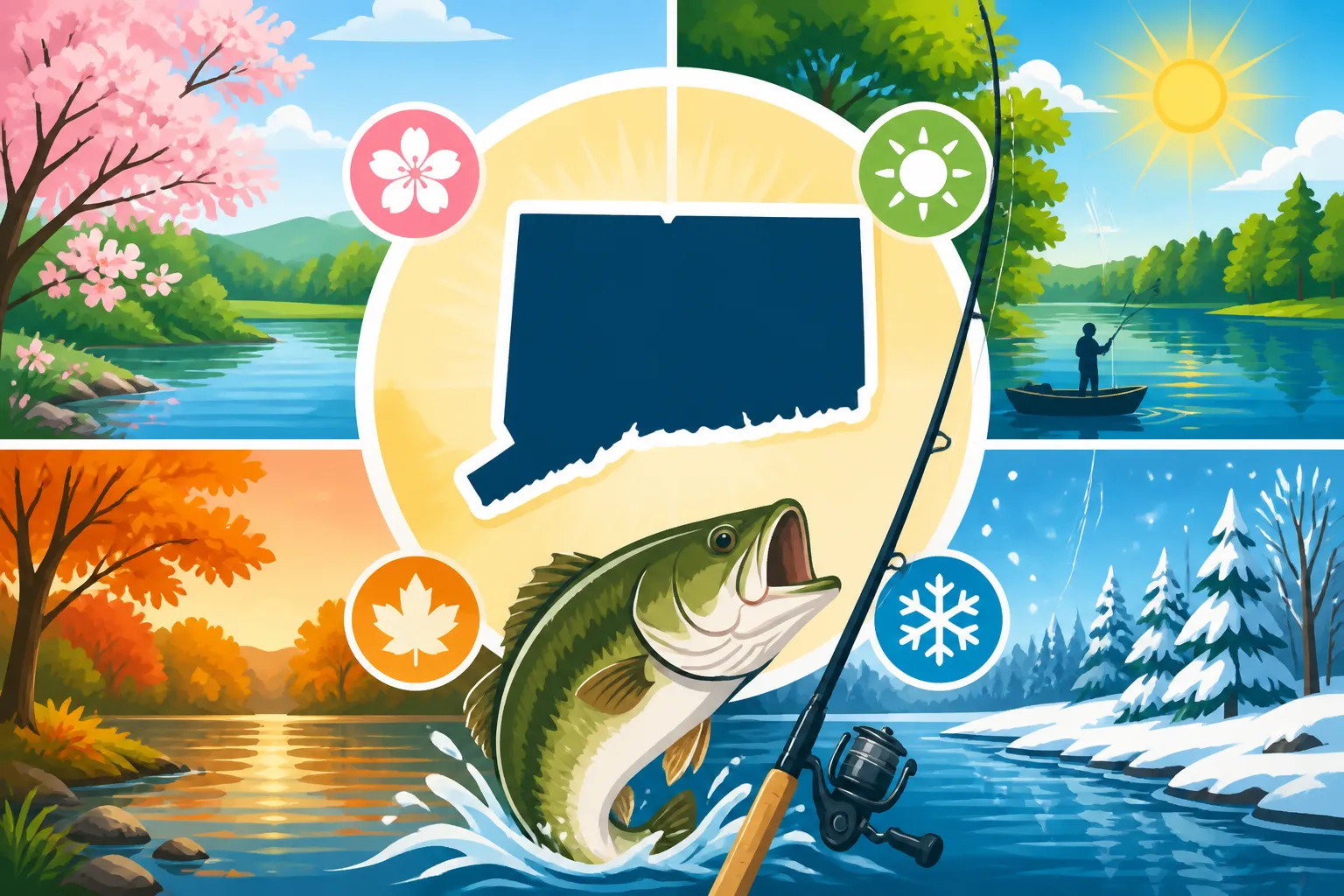
Connecticut is truly a four-season fishing state, offering incredible opportunities almost year-round. However, the exact "best time" is incredibly dependent on what you're trying to catch and where you're trying to catch it. The key to consistent success lies in understanding the natural rhythms that govern fish behavior in our diverse waters.
The Rhythmic Dance of Fish and Weather
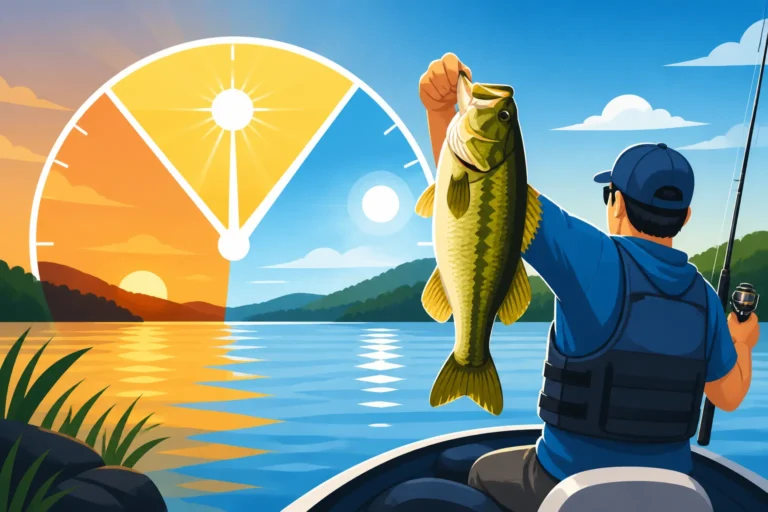
Fish, much like us, are heavily influenced by their environment. Water temperature is arguably the biggest driver, dictating metabolism, feeding activity, and even migration patterns. As the seasons change, so does the water, and consequently, so does where the fish are, what they're eating, and how aggressively they're biting. For instance, cold winter waters slow down most freshwater species, making them lethargic, while the warming embrace of spring sparks an explosion of activity. Sunlight penetration, water clarity, and even rainfall can dramatically shift conditions from one day to the next, meaning that flexibility and observation are crucial. A sudden cold snap in May, for example, can momentarily shut down a red-hot bass bite, sending them deeper until the temperatures stabilize again.
Freshwater vs. Saltwater: Different Strokes for Different Folks
It’s important to remember that Connecticut offers both fantastic freshwater and saltwater fishing, and these two worlds operate on slightly different seasonal calendars. Inland lakes and rivers respond directly to air temperature and runoff from snowmelt or rain, leading to distinct patterns for species like trout, bass, and pike. Trout, being coldwater fish, thrive in cooler temperatures of spring and fall, often seeking thermal refuge in deeper or spring-fed areas during the summer heat. Warmwater species like bass, on the other hand, become most active as the water warms, peaking in late spring through early fall.
Long Island Sound, our incredible marine playground, has its own set of influences, primarily driven by larger oceanic patterns, baitfish migrations, and tidal flows. Species like striped bass, bluefish, and fluke are migratory, arriving in spring as baitfish show up and departing in the fall as waters cool. Bottom dwellers like blackfish (tautog) and black sea bass also have specific seasons dictated by their spawning cycles and feeding habits around structure. What might be the "best" time for a big brown trout in the Farmington River could be completely different from the peak season for a trophy striper in the Sound.
Spring: A Time of Awakening and Aggression
Ah, spring! For many Connecticut anglers, this is the most anticipated season. After the long chill of winter, the warming air and rising water temperatures breathe new life into our lakes, rivers, and coastal waters, triggering intense feeding frenzies and migratory movements.
Trout Opening Day Frenzy and Beyond
The official opening day for trout season, typically held in mid-April, is practically a holiday in Connecticut. It marks the culmination of months of stocking efforts by the Department of Energy and Environmental Protection (DEEP), with thousands upon thousands of rainbow, brown, and brook trout poured into our rivers and lakes. The excitement is palpable, with anglers lining the banks of popular rivers like the Farmington River and the Housatonic River, eager to catch their limit. These freshly stocked fish are often quite cooperative, making it an excellent time for anglers of all skill levels, especially families.
Beyond the initial flurry, spring continues to offer phenomenal trout fishing as these fish disperse and acclimate to their new homes. The cooler water temperatures of April and May keep trout active and willing to feed. Fly anglers will find burgeoning insect hatches providing superb opportunities, while spin anglers can have great success with worms, powerbait, or small spinners. It's an ideal window to explore many of the state's trout management areas (TMAs) and other designated trout streams. For a deep dive into the regulations and dates, check out our guide on Connecticut Trout Season and Stocking Rules, and if you're looking for tactical advice, you'll find plenty in Spring Trout Fishing Techniques for Connecticut Streams.
Bass and Panfish on the Move
As the water warms into the 50s and 60s, a whole other world of freshwater fishing explodes. Largemouth and smallmouth bass, still recovering from winter lethargy, begin their pre-spawn gorging. This is a fantastic time to target them, as they move from deeper wintering grounds to shallower staging areas, often congregating around submerged structure, rocky points, and weed lines. In lakes like Candlewood Lake, bass can be incredibly aggressive, hitting a variety of lures from crankbaits to jigs as they prepare for the spawn.
Beyond bass, spring is also prime time for panfish – crappie, bluegill, and perch. These feisty fish become incredibly active in shallow, sun-warmed coves and ponds, making them perfect targets for light tackle and a great way to introduce new anglers to the sport. Crappie, in particular, will school up tightly around submerged brush and docks, offering fast action with small jigs or minnows. If you're keen on landing some bucketmouths, our How to Catch Largemouth Bass in Connecticut guide has some excellent tips for this season.
Early Striper Action in the Sound
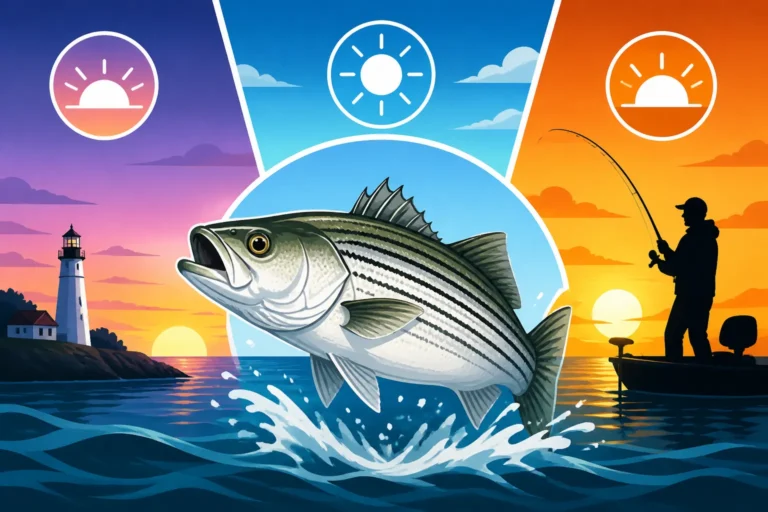
While freshwater anglers are celebrating trout opening day, saltwater enthusiasts are eagerly awaiting the arrival of migratory striped bass in Long Island Sound. Typically, by late April and certainly into May, the first waves of schoolie stripers begin to show up, following baitfish into our estuaries, harbors, and along the shoreline. These early season fish, while often smaller, are incredibly fun to catch on light tackle and signal the true start of the saltwater season.
They can be found feeding aggressively on small baitfish in shallow water, especially around river mouths and rocky points. Casting soft plastics, small plugs, or even soaking a chunk of bait can yield great results. As May progresses, larger fish start to arrive, and the opportunities expand. This is a fantastic time to hit the beaches, jetties, or small boats for some exciting action before the summer crowds really settle in. For all the details on targeting these magnificent fish, take a look at our comprehensive Striped Bass Fishing in Long Island Sound article.
Summer: Warm Waters and Diverse Opportunities
Summer in Connecticut brings with it long, warm days, and while some freshwater fishing can become a bit more challenging, the saltwater scene truly hits its stride, offering an incredible variety of species and experiences.
Challenging Yet Rewarding Freshwater Fishing
With the heat of July and August, freshwater fishing can certainly get tougher, especially for coldwater species like trout. Water temperatures in many rivers and lakes can climb into the uncomfortable or even dangerous zone for trout, pushing them into deep, cool pockets, spring holes, or causing them to cease feeding altogether. This is when specific regulations, like the Connecticut Housatonic River Seasonal Closure Explained, come into play to protect these vulnerable fish. Anglers need to be mindful of water temperatures and consider giving trout a break during the hottest parts of the summer to minimize stress on the fish.
However, summer is still prime time for warmwater species. Largemouth and smallmouth bass, though often less aggressive during midday heat, can be caught with consistency during early morning, late evening, or even night fishing excursions. They'll often move to deeper offshore structure, shady areas under docks, or thick weed beds. Topwater action can be explosive at dawn and dusk. Northern pike and chain pickerel also thrive in the warmer waters, often found lurking in weed-choked bays and coves. Many anglers use heavy cover and a variety of lures, often found conveniently on Amazon, to extract these toothy predators. Don't forget the abundant panfish, which provide consistent action for anglers of all ages throughout the summer months.
Saltwater Bonanza for Multiple Species
If you're a saltwater enthusiast, summer is your oyster. Long Island Sound comes alive with a multitude of species, and the action can be non-stop. Striped bass are present throughout the summer, though they might move to deeper, cooler water during heat waves or become more active during tidal shifts or at night. Trolling tubes, live-lining bunker, or jigging around reefs and rips are popular methods.
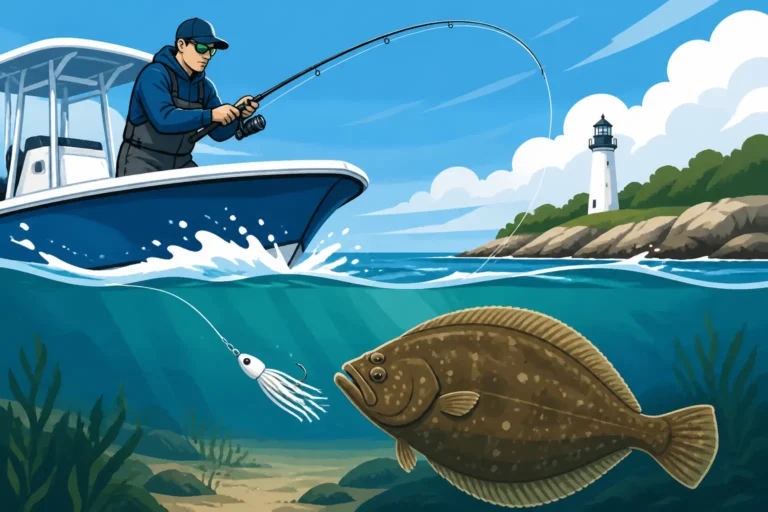
Beyond stripers, summer is the peak season for fluke (summer flounder). Anglers flock to the Sound to drift for these delicious flatfish, using bucktail jigs tipped with Gulp! or strips of bait. The season for fluke typically opens in late spring and continues strong through the summer. Similarly, black sea bass open in the late spring and offer fantastic fishing throughout the warmer months, especially around wrecks, reefs, and rocky bottom. These hard-fighting, great-eating fish are a blast to catch on jigs or bait. Bluefish also arrive in force, often creating spectacular surface blitzes as they tear through schools of baitfish. They are powerful fighters and can be caught on a variety of lures and baits. Our guides on How to Catch Fluke in Long Island Sound and Black Sea Bass Fishing in Connecticut will give you an edge in targeting these popular summer species.
Prime Time for Blackfish (Tautog)
Another saltwater favorite, blackfish (tautog), also has a strong summer presence in Connecticut waters. While the fall is often considered the peak for trophy-sized tautog, the summer season, which typically opens in early July, offers excellent opportunities for these structure-loving fish. Tautog are notoriously strong fighters, and their habit of living in and around rocky reefs, mussel beds, and wrecks makes for exciting and challenging fishing.
Baiting with crabs (green crabs, fiddler crabs, hermits) and fishing vertically with heavy tackle is the name of the game. Summer tautog might be slightly smaller on average than their fall counterparts, but they are still plentiful and provide excellent table fare. It's a great time to explore new spots or refine your tautog techniques before the fall rush. If you're passionate about these powerful bottom dwellers, be sure to check out our detailed guide on Blackfish Tautog Fishing in Connecticut to get all the tips and tricks for success.
Fall: The Season of the Feed
For many, fall is the undeniable "best time of year to fish in Connecticut." As temperatures cool, both freshwater and saltwater species enter a pre-winter feeding frenzy, bulking up for the leaner months ahead. The vibrant foliage backdrop only adds to the magic of being on the water.
Aggressive Freshwater Feeding Frenzies
As autumn takes hold and water temperatures begin to drop into the ideal range (50s and 60s Fahrenheit), freshwater fishing reignites with incredible intensity. Trout, which may have been sluggish in the summer, become incredibly active and aggressive. Many rivers receive additional stockings in the fall, providing fresh opportunities, and the holdover trout from spring are now larger and more challenging. This is an excellent time for fly fishing, as hatches continue, and streamer fishing becomes highly effective for larger brown trout. Spin anglers can find success with spoons, spinners, and various baits. Check out Best Trout Streams in Connecticut for prime fall locations.
Bass fishing also reaches a crescendo in the fall. Both largemouth and smallmouth gorge themselves, packing on weight. They can be found in a variety of depths, often chasing baitfish into shallow coves or ambushing them along steep drop-offs. Crankbaits, jerkbaits, and soft plastics can all be incredibly effective. Northern pike and pickerel, too, are exceptionally active, with their metabolism boosted by the cooling water, making them fierce predators in their weedy haunts.
Trophy Stripers and Bluefish Blitzes
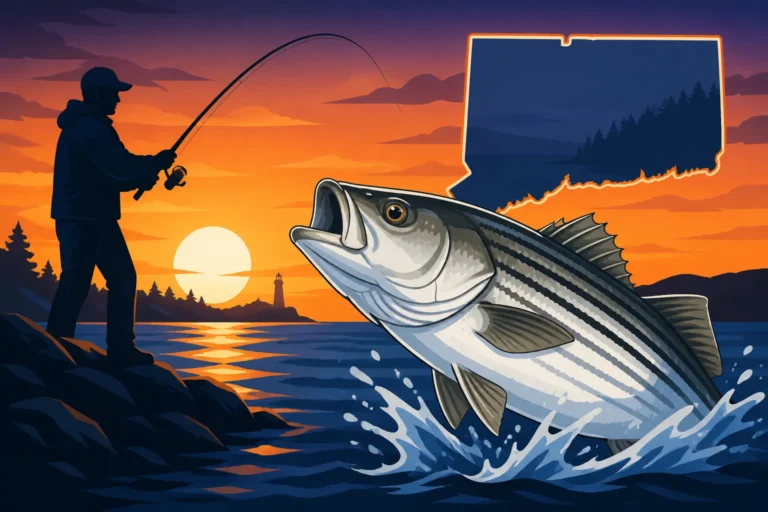
The fall run of migratory striped bass and bluefish is legendary along the Connecticut shoreline of Long Island Sound. As baitfish like bunker, mullet, and silversides begin their southward migration, stripers and bluefish follow close behind, creating spectacular feeding frenzies often referred to as "blitzes." You might witness acres of water boiling with fish, birds diving, and rods bending all around. This is the time when anglers have their best shot at trophy-sized striped bass.
Surfcasters, boat anglers, and kayakers all get in on the action. Casting large plugs, swimbaits, and topwater lures can lead to explosive strikes. Live-lining fresh bait such as bunker or eels is also highly effective for targeting larger fish. Bluefish are often mixed in with the stripers, providing powerful, drag-screaming battles. This incredible period of fishing typically runs from September through November, tapering off as water temperatures drop significantly. For more details on this exciting season, revisiting How to Catch Striped Bass in Long Island Sound is a must.
Tautog and Cod Opportunities
While summer offers a good tautog bite, fall is unequivocally the best time for blackfish in Connecticut. As the water cools further, these robust bottom dwellers become even more aggressive, feeding heavily before winter sets in. Trophy-sized tautog are common during the fall season, which often has different bag limits and size restrictions than the summer season. Anglers targeting tautog will often fish rocky ledges, mussel beds, and submerged wrecks with green crabs, hermit crabs, or even Asian crabs as bait. The fight of a big tautog around structure is something every angler should experience. For details on regulations specific to this season, our Connecticut Blackfish Tautog Season Dates guide is invaluable.
For those willing to venture further offshore as winter approaches, the first signs of cod begin to appear. While not as prevalent as in past decades, dedicated offshore trips in late fall can yield some respectable cod catches as they move into deeper waters off the coast.
Winter: Ice, Cold, and Unique Pursuits
Winter fishing in Connecticut might seem daunting, but for the dedicated angler, it offers unique challenges and incredible rewards, especially for those willing to embrace the cold.
Ice Fishing Adventures
Once our lakes and ponds develop safe, thick ice (typically January and February), a whole new world of angling opens up. Ice fishing is a fantastic winter pastime, allowing access to parts of the water body that are inaccessible by boat in other seasons. Popular ice fishing destinations include Bantam Lake, Candlewood Lake, and numerous other smaller ponds and lakes across the state.
Anglers bundle up and use specialized gear like ice augers, tip-ups, and short ice fishing rods to target a variety of species. Northern pike are a top draw for ice anglers, often caught on tip-ups baited with large shiners. Perch, crappie, and bluegill are also popular targets, providing consistent action with small jigs and grubs. Safety is paramount when ice fishing; always check ice thickness and conditions before venturing out. For a comprehensive overview, our Ice Fishing in Connecticut guide is a fantastic resource. When you're gearing up for ice fishing, remember that essential items like ice picks, thermal clothing, and portable shelters are readily available on Amazon to keep you safe and comfortable.
Coldwater River Trout
Even in the dead of winter, certain coldwater rivers in Connecticut continue to offer trout fishing opportunities for the determined angler. The lower sections of rivers like the Farmington River, particularly its West Branch, benefit from consistent water flows and stable temperatures from dam releases, allowing trout to remain active. These are primarily holdover brown trout and rainbows, which can be exceptionally challenging and rewarding to catch.
Fly fishing with nymphs and streamers is the most effective technique during winter, as insect hatches are minimal. The fish are often holding in deeper, slower pools or behind structure, conserving energy. Stealth and a slow presentation are key. While it requires dedication and warm gear, landing a beautiful, robust trout against a snowy backdrop is an unforgettable experience. Our guide to Farmington River West Branch Trout Fishing delves into the unique conditions and techniques for this special fishery.
Offshore Cod and Winter Flounder
For those with access to larger, offshore-capable vessels, winter can offer opportunities for cod fishing in the deeper offshore waters of Long Island Sound and beyond. While not a banner cod fishery compared to northern New England, persistent anglers can find success on deep reefs and wrecks.
Additionally, in very specific, sheltered harbors and estuaries, there can be a limited winter flounder fishery. These flatfish bury themselves in the mud during the colder months but can occasionally be coaxed into biting on small baits like sea worms fished on the bottom. These are niche opportunities, requiring specific knowledge and patience, but they offer a chance to connect with fish when many other species are dormant.
Species-Specific Seasonal Breakdown
To help you quickly identify the prime times for your favorite fish, here's a handy overview:
| Species | Early Spring (Mar-Apr) | Late Spring (May-Jun) | Summer (Jul-Aug) | Early Fall (Sep-Oct) | Late Fall (Nov-Dec) | Winter (Jan-Feb) |
|---|---|---|---|---|---|---|
| Trout (stocked) | Excellent | Good | Fair (coldwater areas) | Excellent | Good | Fair (some rivers) |
| Largemouth Bass | Good | Excellent | Good (early/late) | Excellent | Fair | Slow |
| Smallmouth Bass | Good | Excellent | Good (early/late) | Excellent | Fair | Slow |
| Striped Bass | Good (arrival) | Excellent | Excellent | Excellent (migration) | Fair (late season) | Very Slow |
| Bluefish | Fair | Good | Excellent | Excellent | Fair | Absent |
| Fluke (Summer F.) | N/A | Good (opening) | Excellent | Good | N/A | N/A |
| Black Sea Bass | N/A | Good (opening) | Excellent | Excellent | N/A | N/A |
| Blackfish (Tautog) | N/A | Good (opening) | Excellent | Excellent | Excellent | N/A |
| Northern Pike | Good | Good | Fair | Excellent | Good | Excellent (ice fishing) |
| Panfish | Good | Excellent | Excellent | Excellent | Good | Excellent (ice fishing) |
Local Factors and Planning for Success
While understanding the general seasonal patterns is a huge step, truly successful fishing in Connecticut often comes down to paying attention to hyper-local conditions and staying informed. The "best time" can shift dramatically from one week to the next, or even one day to the next, based on a few critical factors.
Monitoring Weather and Water Conditions
Never underestimate the power of real-time conditions. A warm spell in February can open up some early season trout spots, just as a late cold front in May can temporarily shut down a hot bass bite. Always check the weather forecast, paying close attention to air temperature, wind direction, and recent rainfall. Heavy rains can blow out rivers, making them muddy and unfishable for a few days, or conversely, they can trigger a bite as new food washes in. For saltwater, tide charts and current predictions are non-negotiable. Many species, especially striped bass, feed most actively during specific phases of the tide. Online resources, local news, and even simple weather apps can provide critical information, but nothing beats actually looking at the water before you commit to a spot.
Consulting Stocking Reports and Regulations
For freshwater anglers, especially those targeting trout, staying abreast of stocking reports is absolutely key. The Connecticut DEEP frequently updates its stocking schedules, letting you know exactly when and where new fish are being introduced. This information can transform a slow day into a banner day.
Equally important, and often overlooked by novice anglers, is a thorough understanding of the regulations. These are not static; they change by species, by water body, and sometimes even by season. Minimum sizes, daily creel limits, and specific gear restrictions (like circle hook requirements for striped bass) are all critical to know. Certain sections of rivers, like Trout Management Areas (TMAs), have highly specific rules that differ from general statewide regulations. You don't want to get caught unaware. Always make sure to consult the current Reading the Connecticut Fishing Guide and delve into specifics like Connecticut Fishing Regulations Explained before you head out. These resources are your best friends for staying legal and informed.
Essential Gear for Every Season
The "best time" to fish also dictates the "best gear" to use. You wouldn't use a light trout rod for offshore black sea bass, nor would you wear shorts in January on the ice. Each season calls for specific equipment:
- Spring: Lighter spinning gear for trout and panfish, medium-action rods for bass, and sturdy inshore setups for early stripers. Layers of clothing are crucial as temperatures can fluctuate wildly.
- Summer: Lighter tackle for finesse bass fishing, medium-heavy setups for fluke and black sea bass, and robust gear for bluefish and larger stripers. Sun protection (hats, sunglasses, long sleeves) and hydration are vital.
- Fall: Heavier setups for trophy bass and stripers, specialized tautog rods, and warm, waterproof outerwear.
- Winter: Specialized ice fishing gear (tip-ups, short rods), heavy winter clothing, and safety equipment for ice. For river anglers, waders and thermal layers are a must.
Investing in versatile gear, or even specialized items for specific pursuits, will greatly enhance your success and comfort. Many of these seasonal essentials, from sturdy waders to durable tackle boxes, can be found conveniently on Amazon.
Making the Most of Any Season
No matter what time of year you find yourself in Connecticut, there's always a fish to be caught and a lesson to be learned. The key is approaching each outing with the right mindset and being prepared to adapt.
Flexibility and Adaptability
One of the biggest lessons any seasoned angler learns is that fish don't always read the calendar. While the "best times" are generally reliable, conditions can change. If your plan to catch stripers in the Sound gets derailed by bad weather or slow fishing, don't be afraid to pivot. Maybe that means heading to a sheltered inland lake for bass, or targeting panfish in a local pond. If the river you planned to fish is running too high and muddy after a rain, look for a nearby reservoir that might offer clearer water. Being adaptable means you'll spend less time frustrated and more time enjoying the act of fishing, discovering new spots, and honing different techniques.
Learning from Local Experts and Resources
While guides like this one provide a great foundation, nothing beats hyper-local, real-time intelligence. Strike up a conversation with the folks at your local bait and tackle shop; they are often an invaluable source of information on what's biting, where, and on what. They see and hear about catches every day. Consider booking a trip with a local fishing guide or charter captain, even just once. Their knowledge of specific spots, techniques, and current conditions can fast-track your learning curve. For exploring opportunities on the Sound, checking out our Best Fishing Charters in Connecticut guide can point you toward some excellent local captains who know the waters intimately. Joining local online fishing forums or social media groups can also provide a community of anglers willing to share insights and tips.
Respecting the Resource Year-Round
Ultimately, the best time to fish in Connecticut is any time you can get out on the water, provided you do so responsibly. No matter the season, practicing good angling ethics is paramount. This means knowing and adhering to all regulations, properly handling fish (especially those you intend to release), minimizing your impact on the environment by taking out what you bring in (and a little extra trash if you see it), and respecting other anglers and landowners. By being good stewards of our natural resources, we ensure that the "best time to fish" continues for generations to come.
Disclaimer
Please remember that fishing conditions, regulations, and opportunities can change. Always consult the latest Connecticut Department of Energy and Environmental Protection (DEEP) fishing guide and regulations before heading out. Safety should always be your top priority on the water.