When largemouth bass spawn in Connecticut
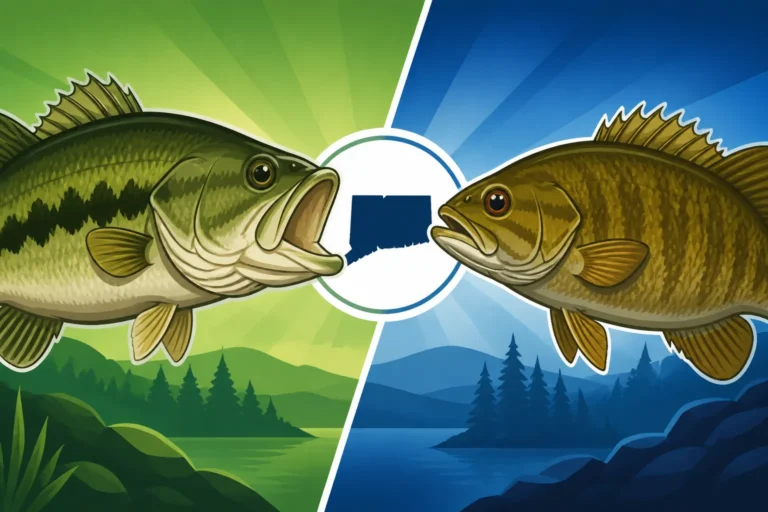
There's nothing quite like the thrill of chasing largemouth bass in Connecticut, but let's be honest, sometimes it feels like they vanish into thin air. A common frustration for many anglers, myself included, is trying to pinpoint when these elusive fish are most active, especially around their spawning season. This guide is all about demystifying the largemouth bass spawn in our beautiful Nutmeg State, helping you understand the "when," "why," and "how" so you can plan your fishing trips more effectively and ethically.
Understanding the Largemouth Bass Spawning Cycle in Connecticut
The largemouth bass spawning cycle is a fascinating, instinct-driven period in their annual life. It’s not just a single event but a multi-stage process governed by ancient biological imperatives, all designed to ensure the next generation of these popular sport fish. For us anglers, understanding these stages isn't just about catching more fish; it's about appreciating the intricate natural rhythms of our lakes and ponds.
The Biological Imperative: Why Bass Spawn
At its core, the largemouth bass spawning cycle is all about reproduction. It's the annual window where male and female bass come together to perpetuate their species. This biological drive is incredibly powerful, overriding many of their usual feeding and schooling behaviors. As temperatures rise after the long Connecticut winter, the bass's internal clocks start ticking, signaling that it's time to find a mate and create a nursery for their offspring. This isn't just a casual affair; it's a critical time for the health of the entire bass population in any given body of water, from small farm ponds to larger lakes like Candlewood.
During this period, the male bass takes on the primary role of preparing the spawning bed and guarding the eggs and fry. This intense focus on nesting and protection means their behavior becomes highly predictable, but also incredibly vulnerable. Knowing this helps us not only locate them but also appreciate the delicate balance of their natural world.
General Spawning Habits: From Nest to Fry
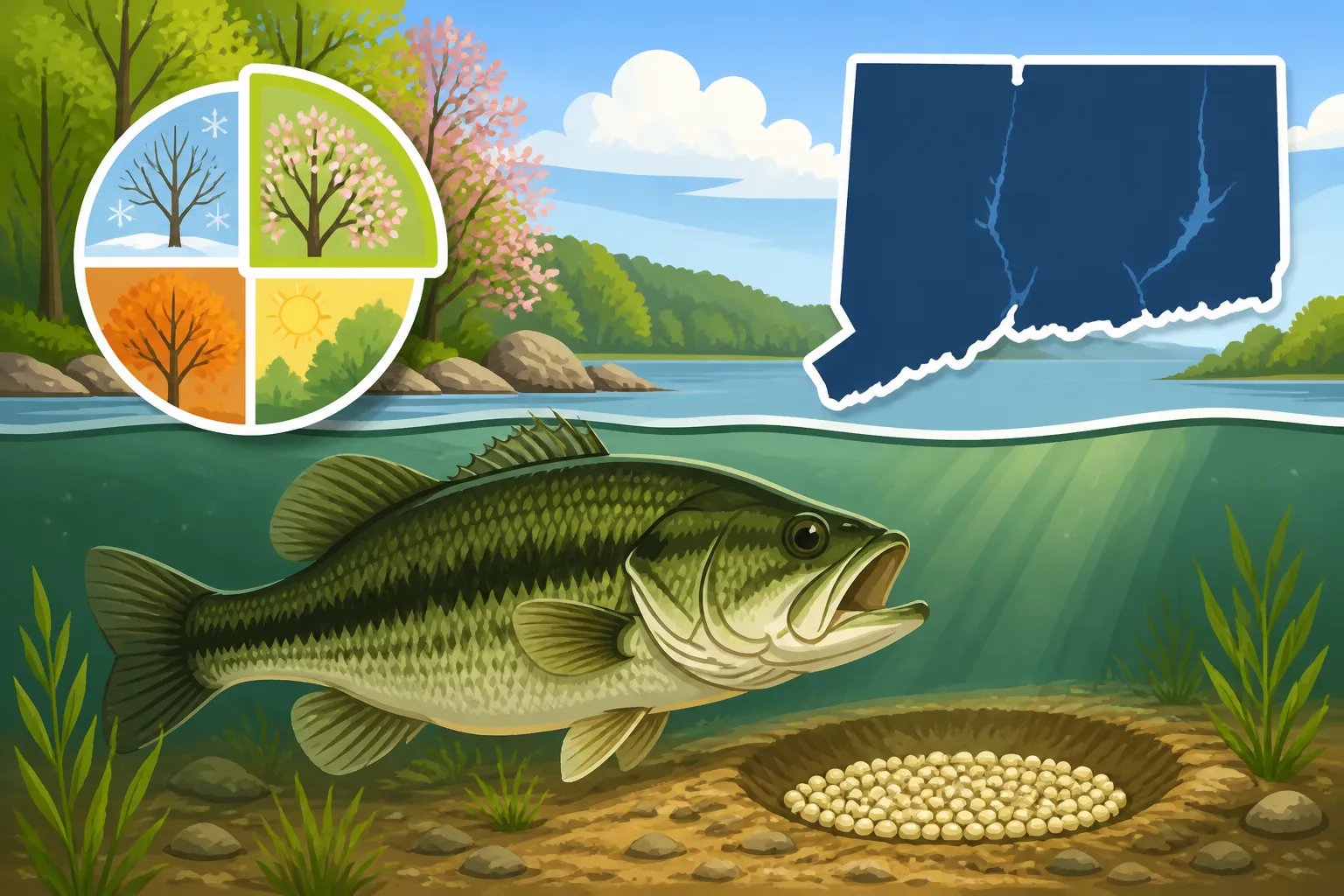
The spawning process itself is a marvel of nature. Once the water temperatures reach the right threshold, male largemouth bass will begin to scout out suitable locations for their nests, often called "beds." These are typically shallow, firm-bottomed areas, perhaps near submerged logs, rocks, or lily pad stems, where they can fan out a circular depression with their tails. Think of those sandy, gravelly flats in a quiet cove on Lake Lillinonah or a smaller, less trafficked pond.
After the nest is prepared, the female is enticed to lay her eggs, which the male then fertilizes. She typically deposits thousands of tiny, adhesive eggs, attaching them to the cleaned bottom of the bed. Once the eggs are laid, the female usually departs, leaving the male to diligently guard the nest. He'll fan the eggs to keep them oxygenated and free from silt, and aggressively defend them against any perceived threats, whether that's a curious sunfish or a sneaky snapping turtle. This guarding continues even after the eggs hatch into fry, with the male often protecting the tiny black cloud of offspring for a short period before they disperse. This incredible parental dedication is why we often find male bass lingering in very shallow water during the spawn.
Key Environmental Triggers for Spawning in Connecticut
Pinpointing the exact moment largemouth bass spawn in Connecticut isn't as simple as circling a date on a calendar. It's a dynamic process, heavily influenced by environmental factors. What might be happening in a shallow pond down in southern Connecticut might be weeks ahead of a deep, spring-fed lake up in the Litchfield Hills. The key is understanding the triggers, rather than memorizing a single date.
Water Temperature is King: The Primary Signal
Without a doubt, water temperature is the most critical factor dictating when largemouth bass begin to spawn in Connecticut. While there's a general range, bass typically initiate their spawning activities when water temperatures consistently hold between 60 and 70 degrees Fahrenheit. Many anglers will tell you that the sweet spot often falls right around 62-68°F.
This temperature range usually starts to occur in Connecticut sometime in late April and extends through May, sometimes even into early June in colder, deeper waters or during unseasonably cool springs. If we have a warm, early spring, bass might start staging for the spawn in mid-April. Conversely, a prolonged cold snap can push the entire process back by a week or two. It's a dance with Mother Nature, and the bass are listening closely to her cues. You really need to be paying attention to the weather patterns and getting out on the water to check those temperatures yourself.
Photoperiod and Location: Secondary, Yet Important Cues
While temperature holds the crown, other factors play supporting roles. The increasing length of daylight hours, known as photoperiod, is another important signal for bass, telling their bodies that spring is truly here. As the days grow longer, it cues their hormonal changes, preparing them for reproduction.
Beyond that, the specific characteristics of each body of water in Connecticut greatly influence spawning timing.
- Shallow ponds and lakes with dark bottoms: These areas warm up much faster than deeper, clearer lakes. You might find bass on beds in a small pond in eastern Connecticut well before they show up in a larger, deeper impoundment. Places like Hopeville Pond or some of the smaller state park lakes can be early starters.
- Deep, clear lakes: Lakes like Candlewood Lake or Lake Zoar, with their greater volume of water and often deeper averages, take longer to warm up. Bass in these waters will usually spawn later than those in smaller, shallower bodies. Even within a large lake, the shallow, sun-drenched northern coves will see spawning activity sooner than deeper, shaded southern shorelines.
- Weather fluctuations: Those classic New England spring days with wild temperature swings can delay or even interrupt spawning. A few warm days might get bass moving shallow, only for a sudden cold front to send them retreating to deeper water. Understanding these fluctuations is crucial for Cold Front Fishing Tactics for Connecticut Bass.
The Phases of the Spawn: Pre-Spawn, Spawn, and Post-Spawn Behavior
Thinking about the largemouth bass spawning season as distinct phases can dramatically improve your fishing success and help you approach the fish more thoughtfully. Each phase presents unique challenges and opportunities, driven by the bass's changing priorities. Knowing these behaviors is far more effective than just hoping for the best.
Pre-Spawn: The Feeding Frenzy Before the Work Begins
Before the actual spawning begins, largemouth bass enter what's known as the "pre-spawn" phase. This is often heralded as one of the absolute best times of year to catch big bass in Connecticut. Why? Because the fish are hungry, agitated, and moving from their deeper wintering haunts towards shallower staging areas. Their biological clock is ticking, telling them they need to pack on calories to fuel the arduous spawning process that's just around the corner.
During pre-spawn, you'll find bass congregating in transition zones—areas where deeper water meets shallow flats, often near points, humps, or the mouths of coves. They're looking for baitfish like alewives or shiners, and crayfish, anything to bulk up. Their metabolism is high, and they're willing to chase down a meal. This is when anglers can really shine by throwing larger, aggressive baits like lipless crankbaits, jerkbaits, or jigs. They're actively feeding and less wary than during the actual spawn. Often, the biggest females are caught during this window, just before they commit to their beds.
The Actual Spawn (Bedding): Nesting, Guarding, and Ethical Dilemmas
This is the phase we've been talking about: when the water temperature is consistently in that 60-70°F sweet spot, and bass are actively building nests, laying eggs, and guarding their future generations. During this time, male bass are incredibly territorial and protective. You can often spot their circular beds in clear, shallow water, with the male hovering nearby.
Fishing for bedding bass, often called "sight fishing," is a hot topic among anglers. While it can be very effective because the male bass will strike anything that approaches its nest, many anglers consider it unethical or detrimental to the bass population. When a male bass is pulled off its bed, even briefly, it leaves the eggs and fry vulnerable to predators like sunfish, perch, or turtles. This can significantly reduce the survival rate of the new generation. In Connecticut, there are no specific regulations prohibiting fishing for bedding bass, but it's important to consider the impact of your actions. Many responsible anglers choose to avoid directly targeting bedding fish or practice catch-and-release with minimal disturbance to allow the male to return quickly. It's a personal choice, but one that impacts our shared fishery.
Post-Spawn: Recovery and Dispersal After the Effort
After the intense effort of spawning and guarding, both male and female bass enter the post-spawn phase. This can be a challenging time for anglers because the fish are often exhausted, lethargic, and less interested in feeding aggressively. Females, in particular, need time to recover, moving to slightly deeper, cooler water or dense cover to recuperate. They've expended a tremendous amount of energy and body mass.
During this period, bass might be found near deeper structure adjacent to spawning flats, under docks, in shaded areas, or within dense weed lines. They're still feeding, but often more subtly and opportunistically. As the water warms further into late spring and early summer, they'll gradually resume more normal feeding patterns and disperse throughout the lake or pond. Fishing during post-spawn often requires finesse tactics, smaller baits, and a more patient approach. Understanding this recovery period helps set realistic expectations and allows you to adapt your strategy accordingly.
Here's a quick look at the typical conditions and behavior during these phases:
| Spawning Phase | Water Temperature (F) | Bass Behavior | Fishing Opportunities | Ethical Consideration |
|---|---|---|---|---|
| Pre-Spawn | 50-60 | Moving shallow, actively feeding, staging | Excellent for larger, aggressive baits. Big females caught. | Minimal concern, fish are feeding naturally. |
| Spawn | 60-70 | Bed building, egg laying, male guarding | Sight fishing on beds; aggressive strikes from males. | High concern; removing males from beds leaves eggs/fry vulnerable. Practice quick release or avoid direct targeting. |
| Post-Spawn | 70+ | Recovering, lethargic, dispersing, seeking cover | Tougher fishing, finesse tactics, targeted structure. | Minimal concern, fish are recuperating. |
Tailoring Your Fishing Strategies to the Spawning Season in Connecticut
Knowing when largemouth bass spawn is only half the battle; the other half is knowing how to adjust your fishing strategy to match their behavior during each phase. Anglers who consistently catch bass throughout the spring understand that a "one-size-fits-all" approach simply won't work. Let's break down how to approach each stage effectively and ethically in Connecticut.
Pre-Spawn Tactics: Capitalizing on the Feeding Frenzy
The pre-spawn phase is often the most exciting time for largemouth bass fishing in Connecticut. Bass are actively searching for food to bulk up before the energy-intensive spawning ritual. This is your chance to really connect with some aggressive fish.
You'll want to focus your efforts on those transition areas we discussed earlier: points, secondary humps, channel swings, and the mouths of coves. These are the highways bass use to move from deep water to their eventual spawning grounds. Think about areas where Best Bass Fishing Lakes in Connecticut might offer prime staging grounds, like the deeper channels leading into the coves of Bantam Lake. Lures that mimic large baitfish or crayfish are incredibly effective.
- Jerkbaits and Lipless Crankbaits: These are fantastic for covering water and triggering strikes from aggressive, pre-spawn bass. Cast them near cover or along drop-offs and retrieve with a stop-and-go action. You can find a huge variety of these on Amazon, with different colors and rattles to match the conditions.
- Spinnerbaits and Bladed Jigs: When bass are looking for a meal, the flash and vibration of a spinnerbait or a bladed jig can be irresistible. Work them around submerged timber, rock piles, or early weed growth. For instance, How to fish a spinnerbait for Connecticut lake bass provides great detail on how to best utilize these lures.
- Jigs: A good football jig or a Texas-rigged creature bait can be deadly when fished slowly along the bottom, especially where bass might be staging near rock or wood cover. Bass are often looking for easy, high-protein meals like crayfish, and jigs perfectly imitate them.
Remember, bass are actively looking for food, so don't be afraid to try slightly larger or more aggressive presentations during this window.
During the Spawn: Navigating Ethical Waters
When bass are actively on their beds, the fishing can be incredibly tempting. You see the fish, you see the bed, and the male bass is often very willing to strike anything that enters its territory. However, as discussed, this is where ethical considerations come strongly into play.
If you choose to fish during this phase, remember the goal is not just to catch the fish, but to ensure its quick return to its guarding duties.
- Targeting Adjacent Areas: Instead of casting directly onto beds, try focusing on the immediate vicinity. Often, unspawned females might be lurking nearby, waiting for their turn or moving between staging areas.
- Soft Plastics and Finesse Rigs: If you are trying to coax a strike, subtle presentations are key. Texas-rigged worms, Senkos, or small creature baits fished slowly and gently near the bed can provoke a strike. The idea is to make the lure seem like an intruder that needs to be removed. Many anglers choose not to use these tactics, but if you do, use gear that allows for a quick fight and release. You can find quality finesse gear on Amazon that helps you be gentle yet effective.
- Minimize Disturbance: If you do catch a bedding fish, land it quickly, handle it gently, and release it immediately so it can return to its nest. Avoid prolonged fights or excessive handling. It's a moment to weigh the thrill of the catch against the long-term health of the fishery.
Many anglers use this time to scout new areas for Best largemouth bass ponds in Connecticut or to simply enjoy the beauty of spring on the water, leaving the bedding bass undisturbed.
Post-Spawn Challenges and Opportunities: The Recovery Period
After the intensity of the spawn, bass need a break. This post-spawn period can be frustrating because bass often seem to disappear or become incredibly finicky. They're recovering, and their priorities have shifted from reproduction to recuperation.
- Seek Deeper Cover: Females, especially, will often retreat to deeper, cooler water or dense cover to recover. Look for them around deeper submerged grass beds, under docks, or in shady areas with significant overhead cover. Points adjacent to deeper water are also key. Best time to fish Candlewood Lake in summer will touch on how fish behave as waters warm up and they seek deeper comfort.
- Finesse is Key: During this time, aggressive baits often get ignored. Think finesse worms, shaky head jigs, drop shots, or even wacky-rigged Senkos. These presentations are more subtle and appealing to a less aggressive fish. Slow retrieves are crucial.
- Early Morning/Late Evening: Just like during the heat of summer, post-spawn bass often become more active during the cooler parts of the day. Topwater lures can be effective during low-light conditions when bass feel more comfortable feeding in open water. You might find a good selection of these on Amazon to try out.
- Transition to Summer Patterns: As the post-spawn progresses, and water temperatures climb further into the 70s, bass will gradually transition into their summer patterns, becoming more predictable around deeper structure, submerged vegetation, or shaded cover. Understanding How to pattern bass on an unfamiliar Connecticut lake becomes invaluable during this transitional phase.
By recognizing these different phases and adapting your techniques, you'll not only increase your chances of success but also develop a deeper appreciation for the fascinating life cycle of largemouth bass in Connecticut. It’s all about being a thoughtful and adaptable angler, ready for whatever the season throws at you.
Disclaimer
This article is for general informational purposes only and does not constitute professional advice. Laws, prices and regulations vary by location and change over time. Consult a qualified professional for guidance on your specific situation.