Best Fishing Lakes in Connecticut
Oh, the quest for that perfect fishing lake in Connecticut! It’s a challenge many of us face, isn't it? With so many sparkling bodies of water scattered across our beautiful state, from the tranquil ponds nestled deep in state parks to the expansive, bustling lakes, it can feel overwhelming trying to pick the right spot for your next big catch. This guide is here to cut through the confusion and highlight the absolute best fishing lakes Connecticut has to offer, helping you spend less time guessing and more time reeling in memories.
Why Connecticut Lakes are a Fisher's Paradise
Connecticut might be small, but when it comes to freshwater fishing, it packs a serious punch. Our lakes offer an incredible diversity of environments, from deep, cold-water havens perfect for trout to shallower, weedy expanses that are prime territory for bass and panfish. What makes them so special isn't just the sheer number of options, but also the dedicated stocking programs and careful management by the Connecticut DEEP (Department of Energy and Environmental Protection) that ensure healthy, thriving fish populations.
A Rich Tapestry of Habitats
Connecticut's lakes are far from uniform; each has its own distinct personality and ecosystem. You’ll find everything from glacially carved, rocky-bottomed lakes with dramatic drop-offs to shallower, fertile impoundments rich with aquatic vegetation. This variety means that no matter your preferred fishing style—be it casting for largemouth bass with topwater lures, jigging for crappie, or fly fishing for trout—there’s a lake that perfectly fits the bill. The underlying geology and surrounding landscape play a huge role in shaping these habitats, leading to unique fishing experiences across the state. For instance, lakes in the Litchfield Hills often have clearer, colder water compared to some of the more central or eastern lakes.
Robust Stocking Programs and Conservation Efforts
One of the biggest reasons Connecticut lakes are so appealing to anglers is the state's proactive approach to fisheries management. The DEEP works tirelessly to maintain healthy fish populations, which includes extensive stocking programs, especially for trout. They stock tens of thousands of trout—rainbows, browns, and brookies—into many of our lakes and ponds each spring and fall. This effort not only provides fantastic opportunities for anglers but also helps balance ecosystems, especially where natural reproduction might be limited. Beyond stocking, the DEEP also implements specific regulations for different water bodies, sometimes designating them as Trout Management Areas (TMAs) or other special regulation waters, to protect and enhance specific fisheries. Understanding these can greatly improve your success; for example, you'll want to review the current Connecticut Trout Season and Stocking Rules before heading out.
Candlewood Lake: The Crown Jewel of Connecticut Fishing
When you talk about fishing lakes in Connecticut, Candlewood Lake almost always comes up first, and for good reason. It’s not just the largest lake in the state; it's also a phenomenal multi-species fishery that draws anglers from all over the Northeast. Spanning over 5,000 acres across five towns (Danbury, New Fairfield, Brookfield, Sherman, and New Milford), Candlewood is a truly impressive body of water. Its unique history as a hydroelectric reservoir, with submerged structures from old towns and forests, creates an incredibly complex and diverse underwater landscape that holds a staggering amount of fish.
Premier Destination for Bass Anglers
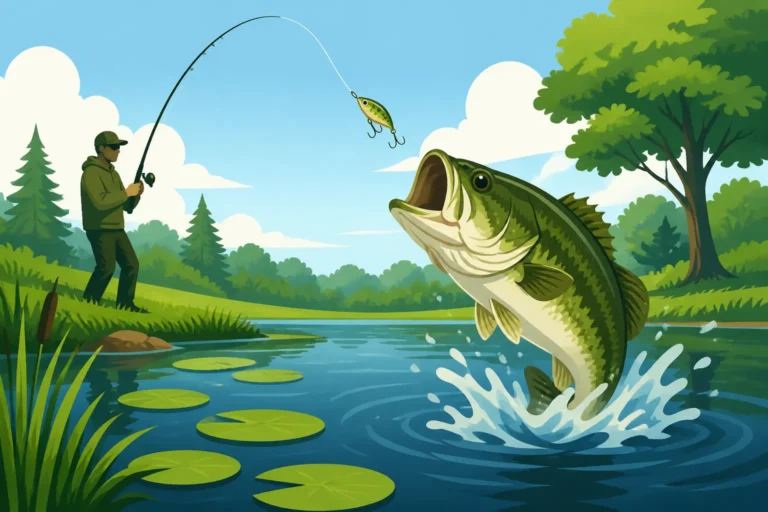
If you're a bass angler, Candlewood Lake is your Disneyland. It's consistently ranked among the top bass fishing lakes in the Northeast, harboring an incredible population of both largemouth and smallmouth bass. The lake's deep, clear waters and abundant forage—including alewives—allow bass to grow to impressive sizes. You'll find largemouth bass tucked into the countless coves, around docks, and in the extensive weed beds that flourish in its shallower sections. Smallmouth, on the other hand, often prefer the deeper, rocky points, humps, and submerged roadbeds that characterize Candlewood's vast structure. Tournament anglers flock here, and it's not uncommon to hear tales of five-pound-plus smallmouth and largemouth regularly being caught. Anglers often find success using a variety of techniques, from topwater baits early in the morning, to jigs and drop-shots on deeper structure, especially if they're looking for that trophy fish. Many seasoned anglers planning a trip will consult with guides listed on platforms like FishingBooker to maximize their chances.
Beyond Bass: Trout, Panfish, and More
While bass might get all the glory, Candlewood Lake is far from a one-trick pony. It also boasts a thriving population of trout, particularly brown trout, that are stocked annually by the DEEP. These trout thrive in the lake's cooler, deeper sections, especially during the spring and fall. Trolling with spoons or stickbaits is a popular method for targeting these elusive beauties. Additionally, Candlewood offers fantastic panfishing opportunities. Anglers can easily find hefty yellow perch, sunfish, and even some quality black crappie, especially around submerged brush piles and docks. These species provide excellent action for families and beginner anglers, making Candlewood a versatile choice for any outing. It’s also home to a healthy population of chain pickerel, adding another exciting option for those who enjoy targeting predatory fish. If you're planning a trip specifically for bass, you might want to dive deeper into our dedicated Candlewood Lake Fishing Guide.
Bantam Lake: A Northern Pike Haven
Moving eastward, we come to Bantam Lake, another jewel in Connecticut’s freshwater fishing crown. Located in Litchfield County, Bantam is the largest natural lake in Connecticut, covering approximately 947 acres. While perhaps not as famous as Candlewood, Bantam Lake offers a very distinct and equally rewarding fishing experience, particularly for those targeting a toothy predator that thrives in its fertile waters: the northern pike.
Trophy Pike Potential
Bantam Lake is, without a doubt, Connecticut's premier destination for northern pike. Its extensive shallow flats, abundant weed beds, and rich forage base create the perfect environment for these aggressive ambush predators to grow large and plentiful. Anglers here regularly pull out pike in the 30-inch range, with the potential for truly trophy-sized fish over 40 inches. Early spring and late fall are particularly productive times, as pike are often more active in cooler water and can be found cruising the edges of weed lines or holding near submerged timber. Large crankbaits, spinnerbaits, and especially big shiners or suckers fished under a bobber are popular and effective baits. The thrill of a big pike hitting your line is an experience every freshwater angler should have, and Bantam Lake is the place to make it happen. You'll find more specific tips and techniques in our article on Northern Pike Waters in Connecticut.
Diverse Panfish and Bass Opportunities
Beyond its reputation for pike, Bantam Lake is also an excellent all-around fishery. It supports robust populations of largemouth bass, which thrive in the same weedy cover that pike inhabit. Anglers targeting bass here can expect solid action using plastics, jigs, and topwater lures around lily pads and submerged vegetation. The lake also offers fantastic panfishing, with abundant black crappie, bluegill, and yellow perch providing consistent bites. These panfish are often found congregating around docks, brush piles, and fallen trees, making them accessible to shore anglers and those in smaller boats. In winter, Bantam Lake becomes a popular spot for ice fishing, with anglers setting up shanties and tip-ups hoping to catch pike, perch, and crappie through the ice. It’s a year-round fishery that consistently delivers. For a deeper dive, check out our Bantam Lake Fishing Guide.
Other Top Contenders for Freshwater Anglers
While Candlewood and Bantam often steal the spotlight, Connecticut is home to many other fantastic lakes and ponds that deserve recognition. Each offers its unique charm and fishing opportunities, catering to different preferences and target species.
Lake Lillinonah and Lake Zoar
Both Lake Lillinonah and Lake Zoar are impoundments on the Housatonic River, offering excellent fishing in the western part of the state. These lakes are known for their strong populations of smallmouth and largemouth bass, particularly around the rocky shorelines, submerged humps, and river channels. Smallmouth tend to dominate in the clearer, more current-swept sections, while largemouth prefer the quieter coves. Beyond bass, these lakes are also popular for chain pickerel and panfish. Lake Zoar, specifically, is one of the few places in Connecticut where you can consistently target walleye, a highly prized game fish known for its delicious fillets. Walleye are often found in deeper sections, especially near structure or drop-offs, and are best targeted with jigs, crankbaits, or live bait. The currents from the river create unique fishing challenges and opportunities, making these dynamic fisheries.
Mashapaug Lake and Coventry Lake
Heading to Eastern Connecticut, Mashapaug Lake in Union and Coventry Lake (also known as Lake Wangumbaug) in Coventry offer great fishing. Mashapaug, nestled in Bigelow Hollow State Park, is a beautiful, deep lake known for its trout fishing, with both brown and rainbow trout stocked regularly. It also holds good populations of smallmouth bass, especially on its rocky points, and chain pickerel. Coventry Lake is another solid choice for multi-species angling. It's known for its decent populations of largemouth and smallmouth bass, as well as plenty of panfish like yellow perch and crappie. The lake is also stocked with trout, providing additional opportunities, particularly in cooler months. Both lakes offer public boat launches and are popular choices for local anglers looking for a diverse day on the water.
| Lake Name | Primary Target Species | Key Features & Habitat | Public Access | Location (Towns) |
|---|---|---|---|---|
| Candlewood Lake | Largemouth Bass, Smallmouth Bass, Trout, Panfish | Deep, clear, complex submerged structure, abundant forage | Multiple Ramps | Danbury, New Fairfield, Brookfield, Sherman, New Milford |
| Bantam Lake | Northern Pike, Largemouth Bass, Panfish | Large natural lake, extensive weed beds, shallow flats | Multiple Ramps | Litchfield, Morris |
| Lake Lillinonah | Smallmouth Bass, Largemouth Bass, Chain Pickerel | Riverine impoundment, rocky shorelines, current | Multiple Ramps | Bridgewater, Brookfield, New Milford, Newtown |
| Lake Zoar | Walleye, Smallmouth Bass, Largemouth Bass, Pickerel | Riverine impoundment, deeper channels, structure | Multiple Ramps | Monroe, Newtown, Oxford, Southbury |
| Mashapaug Lake | Trout, Smallmouth Bass, Pickerel | Deep, clear, cold-water lake, rocky bottom | Boat Ramp (State Park) | Union |
| Coventry Lake | Largemouth Bass, Smallmouth Bass, Trout, Panfish | Varied structure, weed lines, popular all-around | Boat Ramp | Coventry |
Lakes for Specific Species: Targeting Your Catch
Sometimes, you're not just looking for "fishing"; you're looking for bass fishing, or trout fishing. Connecticut's lakes excel at providing dedicated opportunities for specific species, allowing you to tailor your outing to your passion.
Top Lakes for Bass Fishing
While Candlewood Lake remains king for bass, several other lakes in Connecticut offer fantastic opportunities for both largemouth and smallmouth. For largemouth bass, look to lakes with ample shallow cover, such as weed beds, lily pads, and fallen timber. Lakes like Lake Pocotopaug in East Hampton, Gardner Lake in Salem/Bozrah/Montville, and Hopeville Pond in Griswold are consistently good bets. These lakes provide the ideal habitat for largemouth to grow large, with plenty of ambush points. For smallmouth bass, you’ll want to focus on clearer, deeper lakes with rocky structure, humps, and points. Beyond Candlewood, Lake Lillinonah and Lake Zoar are excellent. Squantz Pond in New Fairfield, adjacent to Candlewood, is also a highly regarded smallmouth fishery, offering deep, clear waters and excellent rocky structure. If you're truly dedicated to finding the biggest bucketmouths, our Best Bass Fishing Lakes in Connecticut guide offers even more detail.
Prime Spots for Trout Fishing
Connecticut’s trout stocking program is truly impressive, and many lakes and ponds receive regular infusions of rainbow, brown, and brook trout. These stockings create fantastic opportunities, especially in the spring and fall when water temperatures are ideal. Popular trout lakes include Mashapaug Lake, Squantz Pond, and West Hill Pond in Barkhamsted. Crystal Lake in Ellington and Gardner Lake are also routinely stocked and can produce some impressive trout, particularly for those who master trolling or still-fishing techniques in deeper water. Many of these lakes will see significant trout activity shortly after stocking. Remember, while some rivers like the Farmington and Housatonic get a lot of attention for trout, these lakes offer a different kind of experience, often allowing for boat fishing and deeper presentations. Always check the DEEP stocking reports to know which lakes have recently received fish. You might also want to review Trout Fishing in Connecticut for general tips.
Panfish Powerhouses
For those looking for consistent action, family-friendly outings, or just a relaxing day catching plenty of fish, panfish are the answer. Lakes across Connecticut are brimming with bluegill, sunfish, yellow perch, and black crappie. Almost any lake or larger pond will have good panfish populations. Favorites include Lake Waramaug in New Preston, often lauded for its scenic beauty and diverse fishing; Lake Compounce in Bristol/Southington; and the many smaller ponds within state parks like Burr Pond in Torrington or Black Rock Pond in Watertown. These waters are perfect for introducing kids to fishing, as success is often guaranteed with simple tactics like a bobber and a worm or small jigs. You don't need fancy gear, just a light rod, some bait, and a bit of patience for a day of fun. You can even find local guides on platforms like FishingBooker who specialize in family-friendly panfishing trips.
Navigating Regulations and Access on Connecticut Lakes
Before you even think about wetting a line in one of Connecticut's fantastic lakes, there are a few practicalities to consider. Understanding the regulations and knowing how to access the water are crucial for a legal, safe, and enjoyable day.
Essential Licenses and Permits
The most important thing to remember is that anyone aged 16 or older needs a valid Connecticut fishing license to fish in the state’s freshwater or saltwater. This applies whether you're targeting bass on Candlewood or panfish in a small pond. Non-residents also need a license, though options exist for shorter durations like a 3-day permit. You can easily purchase your license online through the DEEP website, at participating town clerks' offices, or at many sporting goods stores like Cabela's or your local tackle shop. It’s always a good idea to buy it in advance. Keep in mind that for certain specialized fishing, like trout and salmon, you might also need an additional stamp on top of your regular fishing license. Knowing the specific requirements is important, so checking out our Connecticut Fishing License Guide for 2026 is highly recommended. If you're not sure where to start, our guide on How to Buy a Fishing License Online in Connecticut can walk you through the process.
Boating Laws and Safety
For many of Connecticut's best fishing lakes, a boat is essential for truly exploring the waters and reaching prime fishing grounds. However, boating comes with its own set of rules and safety considerations. For instance, any motorized vessel (including those with electric motors) operating on Connecticut waters generally needs to be registered. Additionally, if you operate a motorboat or sailboat that is 16 feet or more in length, or any vessel with a motor larger than 10 horsepower, you'll need a Safe Boating Certificate. Life jackets are also mandatory, with specific rules for children under 13, and everyone on board during certain cold-water months (October 1st to May 31st). Always check local lake ordinances as well, as some lakes might have speed limits, horsepower restrictions, or designated no-wake zones. Staying informed about these rules is not just about avoiding fines; it's about ensuring your safety and the safety of others on the water. A thorough review of Connecticut Boating Laws for Anglers will cover most of what you need to know.
Tips for Success on Connecticut's Best Fishing Lakes
Getting on the water is just the first step; catching fish requires a bit more thought and strategy. While every lake is unique, some universal tips can significantly increase your chances of success on Connecticut's best fishing lakes.
Understanding Seasonal Patterns
Fish behavior is heavily influenced by the seasons, especially water temperature.
- Spring: This is prime time for trout, especially right after stocking. Bass are in their pre-spawn and spawn phases, often found in shallower, warming coves.
- Summer: As water temperatures rise, many species, especially bass, move to deeper water or seek shade. Early mornings and late evenings often offer the best bites. Panfish remain active in shallower areas.
- Fall: A fantastic time to fish! As water cools, fish become more active, feeding heavily in preparation for winter. This is a great period for big bass and active pike. Trout fishing also picks up again after summer doldrums.
- Winter: Ice fishing becomes popular on many lakes once safe ice forms. Pike, perch, and crappie are common targets.
Knowing these general patterns helps you choose the right lake, the right time of day, and the right techniques. For instance, understanding Connecticut Fishing Season Dates and Closures can also help you plan your trips effectively, ensuring you're fishing when and where it's legal and most productive.
Best Techniques and Baits
The "best" technique or bait is always debatable among anglers, but here are some tried-and-true methods for Connecticut lakes:
- For Bass: Jigs, plastic worms, crankbaits, spinnerbaits, and topwater lures are all highly effective. Vary your retrieve and presentation until you find what the fish are keying in on. Live shiners or golden shiners can also be deadly. If you're specifically interested in How to Catch Largemouth Bass in Connecticut, there are many specialized rigs to explore.
- For Trout: PowerBait, worms, corn, and small spoons or spinners (like Kastmasters or Phoebe) are excellent choices for stocked trout. Trolling with various lures like Rapalas or Mooselook Wobblers can be effective for larger, holdover trout in deeper lakes.
- For Pike: Large shiners or suckers fished under a bobber are tough to beat. Big spinnerbaits, jerkbaits, and spoons are also very effective, especially when worked along weed edges.
- For Panfish: Worms, mealworms, small jigs, or tiny pieces of Gulp! bait fished under a bobber are universally successful.
Don't be afraid to experiment! What worked yesterday might not work today, and conditions on a lake can change rapidly. Always observe the water for signs of baitfish or feeding activity. When planning your trip, consider checking FishingBooker for local charter services that can provide insights into current conditions and effective techniques.
Planning Your Lake Fishing Adventure
Now that you've got the lowdown on some of Connecticut's best fishing lakes, it's time to put your plan into action. A little preparation goes a long way in ensuring a memorable and successful trip.
Essential Gear Checklist
Before you head out, double-check your gear. Beyond your rod, reel, and tackle, here’s a quick checklist to consider:
- Valid Fishing License: Don't leave home without it! (And any necessary stamps).
- Life Jackets: One for every person on board, properly sized.
- Sun Protection: Hat, sunglasses, sunscreen – even on cloudy days, the sun reflects off the water.
- First-Aid Kit: Small cuts, hooks, or scrapes happen.
- Cooler: For keeping your catch fresh (if you plan to keep fish) and your drinks cold.
- Snacks and Water: Stay hydrated and energized.
- Navigation: Map of the lake, GPS, or a reliable fish finder can be invaluable.
- Pliers/Forceps: Essential for safely removing hooks.
- Landing Net: Especially helpful for larger fish like pike or trophy bass.
- Trash Bag: Pack out everything you pack in!
- Appropriate Clothing: Dress in layers, and consider waterproof outer layers.
Packing smart means you'll be prepared for whatever the day brings, allowing you to focus on the fishing rather than unexpected hiccups.
Respecting the Environment and Fellow Anglers
Connecticut's lakes are shared resources, and it's up to all of us to ensure they remain beautiful and productive for years to come. Practice Leave No Trace principles:
- Pack it in, pack it out: Never leave trash, line, or bait containers behind.
- Respect private property: Be mindful of shoreline properties and stay within public access points.
- Follow regulations: Adhere to all size and creel limits. Releasing fish carefully if you don't plan to keep them ensures they can reproduce and grow. Learn about proper catch and release techniques to minimize harm.
- Be courteous: Give other anglers space, especially if they are fishing a specific spot. Keep noise levels down.
- Prevent invasive species: Clean your boat, trailer, and gear thoroughly between water bodies to prevent the spread of aquatic invasive species.
By being a responsible angler, you contribute to the health of our fisheries and ensure that future generations can enjoy the same incredible opportunities that Connecticut's lakes offer today.
Disclaimer
Please note that fishing regulations, stocking schedules, and local ordinances can change. While this guide provides comprehensive and up-to-date information, it is always best practice to consult the official Connecticut Department of Energy and Environmental Protection (DEEP) website or the current Connecticut Angler's Guide for the most precise and timely details before any fishing trip.