Best Black Sea Bass Charters in Connecticut
There's nothing quite like the thrill of feeling that distinct tug on your line, the tell-tale sign of a feisty black sea bass, and for many anglers in Connecticut, getting out on the water specifically for these delicious and fun-to-catch fish is a yearly tradition. However, navigating the world of fishing charters to find the perfect boat and captain for a black sea bass trip can feel overwhelming, with so many options and details to consider. This guide aims to simplify that process, helping you understand what makes a great black sea bass charter experience in Connecticut, from understanding the fish to picking the right captain.
Why Target Black Sea Bass in Connecticut?
Black sea bass are a beloved species for many Connecticut anglers, offering a fantastic blend of exciting fishing and superb table fare. Their aggressive strikes, challenging fights, and delicious white meat make them a top target for both seasoned veterans and newcomers to saltwater fishing.
The Appeal of Black Sea Bass
These fish aren't just pretty faces; they’re incredibly fun to catch. They tend to hold tight to structure, like reefs, wrecks, and rocky bottoms, providing a challenge as you try to coax them out. When you hook into one, you'll immediately notice their strong, head-shaking fight. It’s not uncommon to pull up a succession of these eager eaters once you locate a productive spot. Beyond the fight, their culinary value is a huge draw. Fresh black sea bass fillets are lean, flaky, and mild, making them perfect for grilling, baking, or frying. Many anglers consider them one of the best-tasting fish in Long Island Sound, a claim I certainly wouldn't argue with on a good day! Plus, targeting them often takes you to some beautiful parts of the Sound, offering stunning views alongside the fishing action.
Prime Season for Black Sea Bass
Like many species, black sea bass fishing in Connecticut is highly seasonal, dictated by both their migratory patterns and state regulations. Generally, the prime window for catching them in significant numbers and sizes opens up as the waters warm in late spring and continues strong through the summer and into the fall. You'll often hear anglers talking about the "spring run" when the first waves of fish arrive, eager to feed after their winter migration. This then transitions into consistent summer fishing, where they’re spread out over various structures, and then a strong fall bite as they feed heavily before moving south again. The exact timing can shift a bit year to year based on water temperatures and bait availability, but a good charter captain will be intimately familiar with these seasonal nuances and know precisely when and where to find the most active fish. For specific dates, you'll want to check Connecticut Black Sea Bass Regulations for 2026, as these can be updated annually.
Understanding Connecticut Black Sea Bass Regulations
One of the biggest headaches for any angler, especially when fishing for regulated species like black sea bass, is keeping up with the rules. Regulations can change from year to year, and nobody wants to be on the wrong side of the law, even accidentally.
Size and Bag Limits
Connecticut, in cooperation with other states along the Atlantic coast, sets specific rules to manage black sea bass populations, ensuring sustainable fishing for years to come. These regulations typically include minimum size limits and daily possession limits. The minimum size limit means any fish you catch below a certain length must be immediately and safely released. This protects younger, smaller fish, allowing them to grow and reproduce. The daily bag limit, on the other hand, specifies the maximum number of black sea bass you're allowed to keep per person per day. It’s crucial to know these numbers before you even step on the boat. A reputable charter captain will always be up-to-date on the latest regulations and will help ensure everyone on board is compliant. They'll have measuring boards on hand and will guide you on proper release techniques if you catch an undersized fish. Always double-check the latest figures; while I can tell you the type of regulations to expect, the exact numbers often shift!
Season Dates and Changes
Just like size and bag limits, the fishing season for black sea bass in Connecticut is structured with specific opening and closing dates. Sometimes, the season might even be broken into multiple segments throughout the year, with different rules applying to each segment. These season dates are put in place to protect the fish during critical times, such as spawning, or to manage overall harvest levels. Missing the open season means you can’t legally keep black sea bass, even if you accidentally catch one. It’s a common frustration for anglers when seasons shift or close unexpectedly, but these measures are vital for the long-term health of the fishery. When booking a charter, always confirm that your chosen date falls within the legal black sea bass season. Good captains will clearly communicate this, but it never hurts to be informed yourself by checking the official Connecticut DEEP guidelines. These regulations often align with broader regional management plans, so what's happening in Connecticut might mirror rules in neighboring states for Long Island Sound Fishing Guide.
What Makes a Great Black Sea Bass Charter?
When you’re shelling out your hard-earned money for a fishing trip, you want the best possible experience. For black sea bass, that means more than just a boat ride; it means putting fish in the cooler and having a great time doing it.
Experienced Captains and Crew
The captain is the heart and soul of any charter, and for black sea bass, their experience is paramount. A truly great captain for black sea bass knows the local waters like the back of their hand. This isn't just about knowing where the main channels are; it's about understanding the subtle nuances of the bottom topography – those hidden rock piles, obscure wrecks, and sudden depth changes that sea bass absolutely love. They'll have a mental map (and often a digital one!) of countless spots, and more importantly, they’ll know which spots are producing on any given day, considering factors like tide, current, and recent fishing pressure.
Beyond just finding fish, an experienced captain prioritizes safety, provides clear instructions, and adapts to the conditions and the skill level of their clients. A good mate, if one is on board, is also invaluable. They’re there to help with baiting, netting fish, untangling lines, and making sure everyone has what they need, enhancing the overall experience significantly. They're often the unsung heroes of a successful charter trip, keeping lines in the water and spirits high. Look for captains who have a strong reputation and positive reviews specifically for black sea bass trips.
The Right Boat and Gear
You wouldn't bring a butter knife to a steak dinner, and similarly, you need the right tools for black sea bass. A specialized black sea bass charter will operate a vessel that's well-suited for the task. This usually means a boat stable enough to handle the swells of Long Island Sound, equipped with modern electronics like a high-quality fish finder and GPS to pinpoint those underwater structures where sea bass congregate. The boat should also have ample deck space for comfortable fishing, especially if you have a group.
Equally important is the fishing gear provided. You'll want sturdy, sensitive rods and reels spooled with appropriate line (often braided line for better feel) that can handle the aggressive strikes and strong fights of these fish. Charters typically provide all the necessary terminal tackle – jigs, sinkers, hooks – and fresh bait. Having a variety of jig types and colors on hand, and knowing when to switch, can make a huge difference on a tough bite. Make sure to ask what kind of gear is included and if you can bring your own if you prefer. For a comfortable and safe trip, the boat should also meet all Connecticut Boating Laws for Anglers and have life jackets for everyone on board.
Knowing the Hot Spots
This is where the local knowledge of your charter captain truly shines. Black sea bass are creatures of structure. They don't just swim around aimlessly; they hang out on reefs, wrecks, rock piles, ledges, and even artificial structures like bridge pilings or mussel beds. These bottom features provide both shelter from currents and ambush points for prey. A good black sea bass charter captain has spent countless hours exploring and mapping these underwater landscapes. They know which wrecks hold bigger fish, which rock piles are productive on an incoming tide, and which secret ledges are less pressured by other boats.
They also understand the seasonal movements of the fish. As the water temperature changes, sea bass will often move to different depths or structures. A captain who regularly targets black sea bass will track these patterns, ensuring they take you to the most productive areas at that specific time of year. This intimate understanding of the fish's behavior and their habitat is what separates a truly "best" charter from just an ordinary one. Their ability to put you directly on the fish is worth its weight in gold, turning a hopeful fishing trip into a memorable catching adventure.
Finding and Booking Your Black Sea Bass Charter
So, you’re ready to chase some black sea bass! The next step is finding the right charter for your trip. It can be a bit like searching for a needle in a haystack if you don’t know where to start.
Researching Local Options
Start your search by looking at charters operating out of ports known for good access to Long Island Sound, such as Niantic, Old Saybrook, Stonington, or even Norwalk and Greenwich further west. Each port offers slightly different access to various fishing grounds. For example, boats out of Niantic or Old Saybrook might have quicker access to deeper reefs and wrecks in the central Sound.
Once you have a few ports in mind, dive into online reviews and testimonials. Sites like FishingBooker are fantastic resources because they aggregate listings from many charter captains and include genuine feedback from previous clients. Look for reviews that specifically mention successful black sea bass trips, the captain's knowledge, the quality of the gear, and the overall experience. Pay attention to how the captain interacts with guests – are they patient, helpful, and good with beginners? A charter isn't just about catching fish; it's about the entire experience. You're looking for a captain who can teach you a few things, keep spirits high, and ensure a comfortable trip. You can also ask local bait shops or marinas for recommendations; they often know the most reputable captains in the area.
What to Ask Before Booking
Before you commit to a charter, have a list of questions ready. Don't be shy; a good captain will be happy to answer them. Here are some key things to inquire about:
- Target Species: Clearly state that black sea bass is your primary target. While many captains fish for multiple species, confirm they specialize in or have a strong track record with black sea bass for your chosen dates.
- Trip Duration and Cost: Understand the different trip lengths (half-day, full-day) and what’s included in the price. Does it cover bait, tackle, and fish cleaning? Remember, prices are typically for the boat, not per person, but confirm group size limits.
- What to Bring: Ask about anything specific you should bring, such as food, drinks, sunscreen, or appropriate clothing for the weather and conditions out on Long Island Sound. This helps avoid any surprises.
- Licensing: Confirm that the captain holds all necessary licenses (like a Coast Guard Master license) and that the boat is properly insured and inspected. While most reputable charters will, it’s fair to ask. For more on this, see Licensing Requirements for Connecticut Charter Captains.
- Catch Policy: Understand if it’s a "catch and keep" or "catch and release" focused trip, and if they will clean and bag your catch at the end of the day.
- Cancellation Policy: What happens if the weather turns sour? Good charters have clear policies for rescheduling or refunds in case of unsafe conditions.
Having these questions answered upfront will ensure you and the captain are on the same page and help manage expectations for your trip.
Leveraging Online Platforms
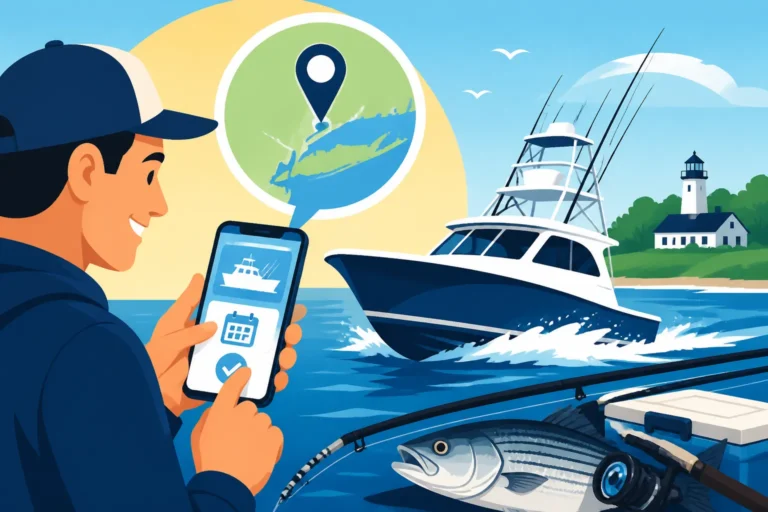
In this digital age, online booking platforms have revolutionized how we find and book fishing charters. FishingBooker, for instance, serves as a central hub where you can browse numerous Connecticut charters, filter by target species (like black sea bass), read detailed descriptions, check availability, and compare prices. These platforms often include verified reviews from past customers, which can be incredibly insightful.
Here's how platforms like FishingBooker help:
| Feature | Benefit for Finding Black Sea Bass Charters |
|---|---|
| Comprehensive Listings | See many charters in one place, detailing their boats, capacities, and target species. |
| Verified Reviews | Read real feedback from anglers who have fished for black sea bass with specific captains. |
| Availability Calendar | Easily check which dates are open, especially helpful during peak black sea bass season. |
| Direct Communication | Message captains directly with your specific questions before booking. |
| Secure Booking | Streamlined process to reserve your trip with deposit and payment options. |
| Clear Pricing | Transparent display of trip costs and what's included, avoiding hidden fees. |
Using such platforms can save you a lot of time and provide peace of mind that you're booking with a legitimate and well-reviewed operation. It also allows you to compare different offerings side-by-side, helping you make the most informed decision for your black sea bass adventure. Remember, while these platforms are great, a quick follow-up call with the captain can always clarify any remaining doubts and build rapport.
Preparing for Your Black Sea Bass Adventure
You've booked your charter, the excitement is building, and now it's time to get ready for the big day. A little preparation goes a long way in ensuring a comfortable and successful trip.
Essential Gear and Clothing
Even though charters typically provide the rods, reels, and bait, what you wear and bring personally can make a huge difference.
- Dress in Layers: The weather on Long Island Sound can change rapidly. A calm, sunny morning can quickly turn into a cool, breezy afternoon. Layers are your best friend. Start with a moisture-wicking base, add a fleece or sweatshirt, and a waterproof and windproof outer shell. Even in summer, a light jacket can be crucial.
- Footwear: Wear comfortable, non-slip shoes with good traction. Boat decks can get wet and slippery, and safety is paramount. Closed-toe shoes are always a good idea to protect your feet from errant hooks or falling weights.
- Sun Protection: The sun's reflection off the water can be intense, even on cloudy days. Bring a wide-brimmed hat, sunglasses (polarized ones help cut glare and spot fish!), and plenty of high-SPF sunscreen. Reapply frequently, especially if you're sweating or getting splashed.
- Seasickness Medication: If you're prone to seasickness, take preventative measures before you board the boat. Over-the-counter options like Dramamine or Bonine work best when taken an hour or two in advance. Don't wait until you feel green! Being prepared means you can focus on the fishing, not your stomach.
What to Bring and What's Provided
Most reputable black sea bass charters will have a clear list of what they provide and what you should bring. However, it's always good to have a checklist yourself.
Typically Provided by the Charter:
- Rods and reels specifically rigged for black sea bass fishing.
- Terminal tackle (hooks, weights, jigs, leader material).
- Fresh bait (squid, clams, green crabs, etc. – depending on what's working best).
- Cooler for your catch (though you might want your own for drinks and snacks).
- Safety equipment (life jackets, first-aid kit, communication devices) as required by Connecticut Boating Laws for Anglers.
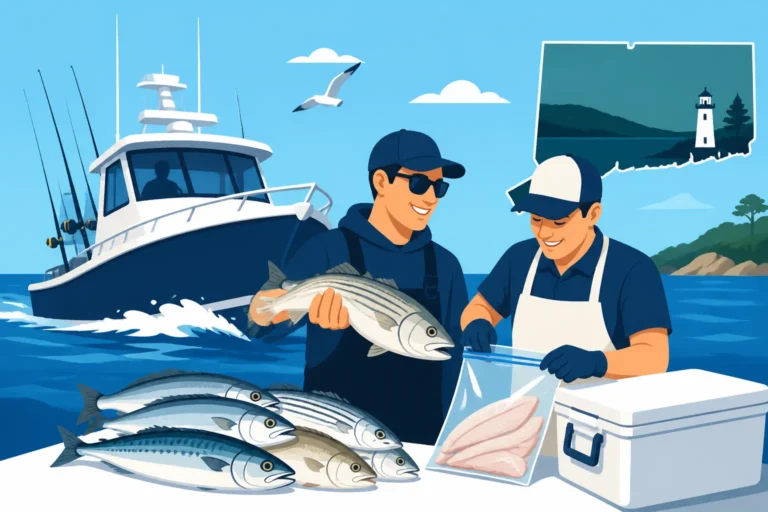
- Fish cleaning services (often for a small additional fee or part of the tip).
What You Should Bring:
- Food and Drinks: Pack your own snacks, sandwiches, and beverages. While some charters might offer bottled water, it's best to be self-sufficient. A small cooler dedicated to your provisions is a good idea.
- Camera: To capture those memorable moments and your impressive catches! Just be mindful of keeping it dry.
- Small Backpack: To keep your personal items (phone, wallet, keys) organized and protected from spray.
- Small Towel: Handy for wiping hands or drying off splashes.
- Motion Sickness Meds: As mentioned, take these before you leave the dock.
- Gratuity: It’s customary to tip the captain and/or mate (usually 15-20% of the trip cost) if they provided good service and worked hard to put you on fish.
By showing up prepared, you'll be able to relax and fully immerse yourself in the experience of catching some fantastic black sea bass in Connecticut waters. And who knows, maybe you'll even learn a new trick or two from the captain that you can apply to your next fishing adventure!
Disclaimer
This article is for general informational purposes only and does not constitute professional advice. Laws, prices and regulations vary by location and change over time. Consult a qualified professional for guidance on your specific situation.