Best charters for trolling umbrella rigs
Trying to find a fishing charter in Connecticut that specializes in a particular technique like trolling umbrella rigs can feel like searching for a needle in a haystack. Many captains offer a range of services, but if you're serious about targeting larger migratory fish with this specific method, you need a boat and crew specifically set up for it. This guide will walk you through everything you need to know to identify and book the perfect Connecticut charter for trolling umbrella rigs, ensuring you maximize your chances of a successful and exciting trip.
Understanding Umbrella Rigs and Their Effectiveness in Connecticut Waters
Before you even start looking for a charter, it's really helpful to understand what an umbrella rig is and why it's such a powerhouse, especially in our Connecticut waters. It's not just a bunch of lures; it's a strategic presentation designed to mimic a school of baitfish, which, let's be honest, is irresistible to bigger predators.
The Anatomy of an Umbrella Rig
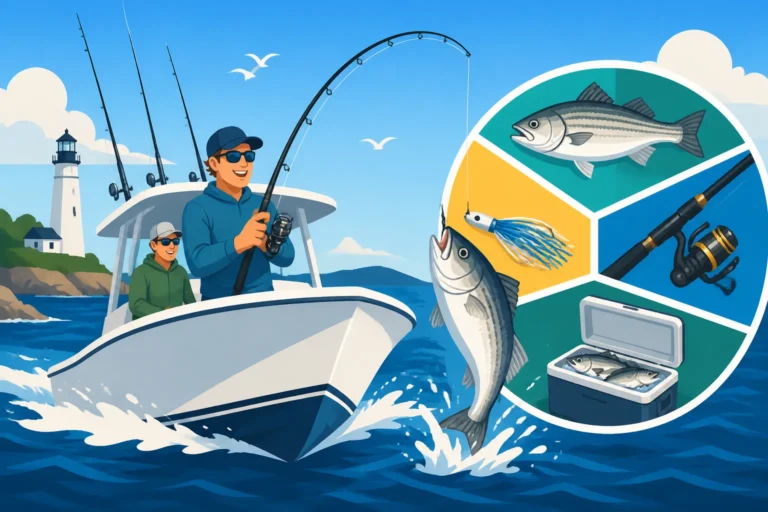
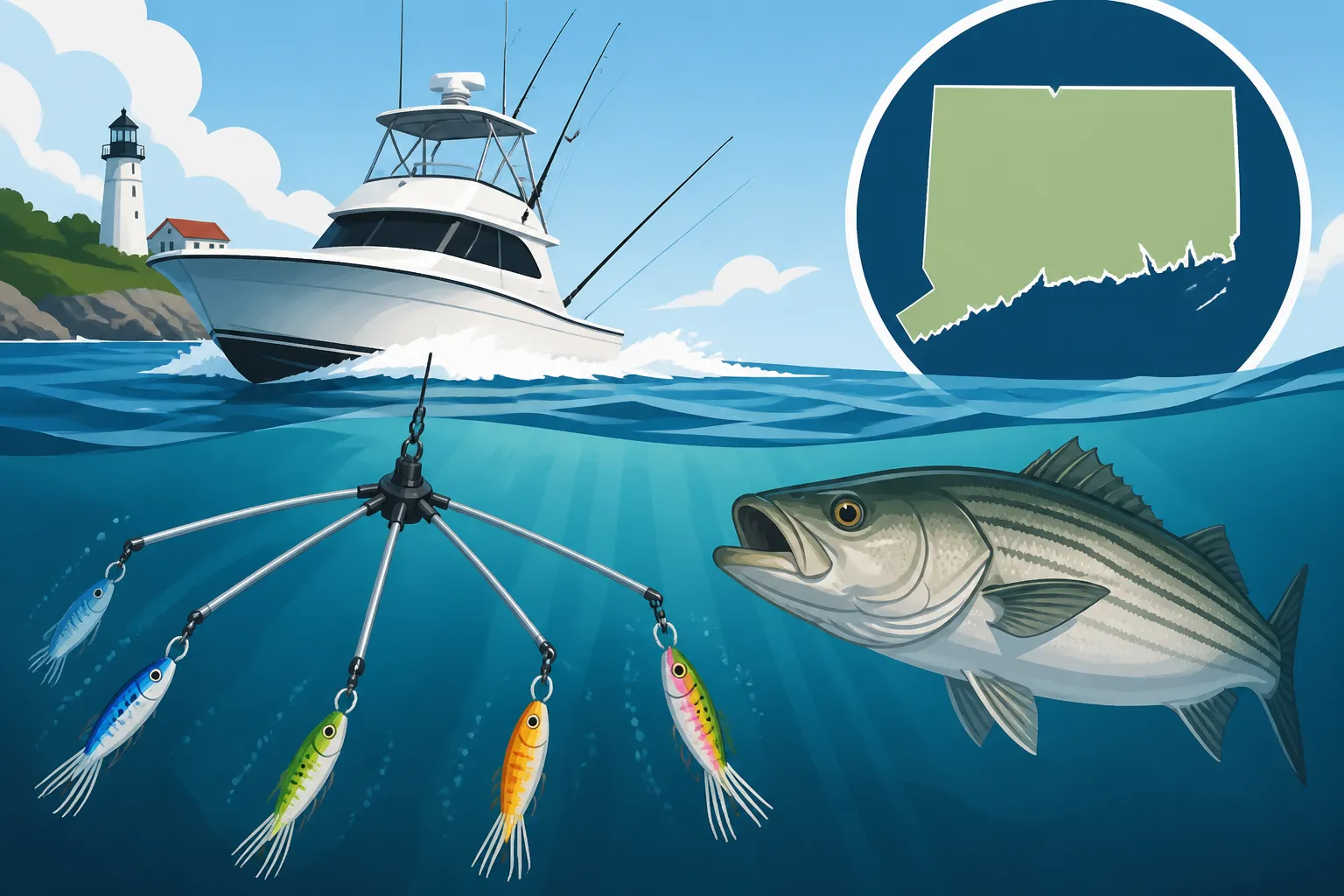
Picture this: you've got a main leader, often heavy-duty monofilament or fluorocarbon, with anywhere from three to six wire arms extending out. At the end of these arms, you'll find teaser baits – usually soft plastics, tubes, or small spoons – that don't have hooks. The magic happens at the center or trailing behind, where one or two "stinger" baits are rigged with hooks. When this entire contraption is pulled through the water, those teaser baits create a disturbance, a vibration, and a visual impression of a small school of baitfish scattering. It's an illusion, but a highly effective one, especially for fish like striped bass and bluefish that are wired to chase down schools. The captain and crew on a dedicated umbrella rig charter will know precisely how to rig these for maximum effect, often tailoring them to the specific baitfish present in Long Island Sound or the lower Connecticut River during your trip.
Target Species and Conditions for Umbrella Rig Trolling
Umbrella rigs truly shine when targeting larger, aggressive game fish that feed on schools of baitfish. In Connecticut, this almost exclusively means striped bass and bluefish, particularly during their migratory movements or when they're actively gorging on bunker (menhaden) or other forage. Striped Bass Fishing in Long Island Sound is often at its peak when these rigs are most effective. Charters specializing in umbrella rigs know the seasonal patterns, where these baitfish schools congregate, and how to position the boat and rigs to intercept hungry predators. You'll typically find them deploying these rigs in open water, along channel edges, or over submerged structure in Long Island Sound, where fish are cruising for an easy meal. This technique isn't usually for your dainty trout streams; it's for big water and big fish.
Key Considerations When Choosing an Umbrella Rig Trolling Charter
So, you're sold on the umbrella rig. Great! Now, how do you pick the right charter? It’s not just about finding any boat with rods. You need specialists. Think about it: you wouldn't hire a general contractor to build a custom race car, right? Same principle applies here.
Captain's Experience and Local Knowledge
This is perhaps the single most crucial factor. An experienced captain who regularly trolls umbrella rigs isn't just dropping lines in the water; they're reading the water, the tides, the currents, and the fish finders. They understand where the bait is holding, how deep the fish are, and at what speed to troll. A truly knowledgeable captain will have years of experience with Trolling Techniques for Long Island Sound Striped Bass, understanding the subtle nuances that make the difference between a slow day and a banner day. They know the specific reefs, rips, and channels in areas like Niantic, Old Saybrook, or the lower Connecticut River that consistently hold fish. Don't be afraid to ask about their experience specifically with umbrella rigs and the species you're targeting. A good captain will be proud to share their approach.
Boat Setup and Equipment for Trolling
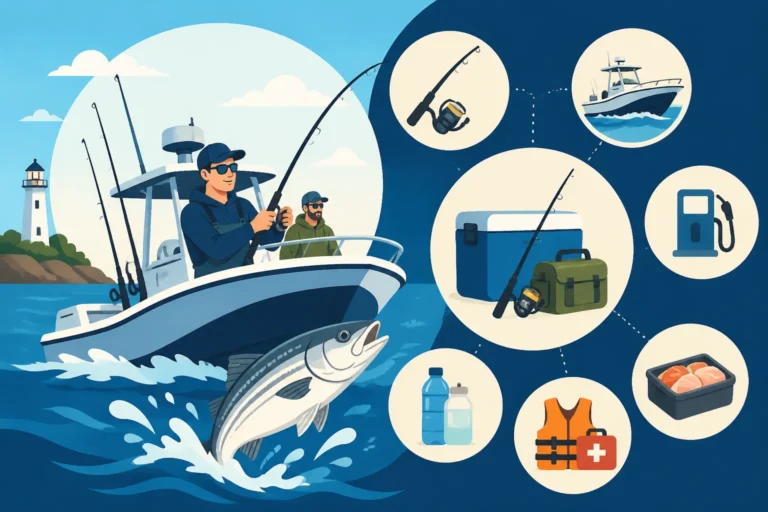
Trolling umbrella rigs isn't something you can just do with any old rod and reel. These rigs are heavy, create significant drag, and require specialized gear. A dedicated umbrella rig charter will have:
- Heavy-Duty Rods and Reels: We're talking stout rods with enough backbone to handle the weight of the rig and the force of a striking fish, paired with conventional reels spooled with heavy braided line.
- Downriggers or Planer Boards: Often, umbrella rigs need to be fished at specific depths to reach the fish. Charters will utilize downriggers to get the rigs deep, or planer boards to spread them out wide, covering more water. This is crucial for presenting the "school" effectively.
- Proper Rod Holders: Trolling multiple heavy rigs means you need strong, secure rod holders that can withstand the constant strain and the explosive strike of a large striped bass.
- Advanced Electronics: High-quality fish finders and GPS are indispensable for locating bait schools, identifying structure, and marking productive trolling passes. The captain will be glued to these screens.
When you're looking for a charter, consider platforms like FishingBooker, which often allow you to filter by specific techniques or see detailed descriptions of the boat's equipment. It’s a great way to verify that a charter truly has the right setup for What Gear a Connecticut Charter Provides.
Focus on Specific Species
While umbrella rigs can sometimes accidentally catch other species, their primary target in Connecticut is striped bass and, to a lesser extent, bluefish. If a charter advertises itself as an "umbrella rig specialist," it almost certainly means they are dialed in on these two migratory predators. They'll know the movements of Striped Bass Migration Along the Connecticut Coast and the best times to intercept them with these rigs. This specialization means their tactics, gear, and chosen fishing grounds will all be geared towards maximizing your chances of hooking into a trophy striper or a hard-fighting bluefish. If your goal is specifically to catch a big striped bass using this method, ensure the charter's focus aligns with that objective.
Finding and Booking Your Ideal Umbrella Rig Charter
Now that you know what to look for, how do you actually go about booking a trip that promises that umbrella rig thrill? It’s not as hard as it might seem, especially with modern resources at your fingertips.
Online Platforms and Local Marinas
The internet has made finding specialized charters much easier than the old days of just driving to the dock. Online booking platforms are a fantastic starting point. Sites like FishingBooker allow you to search for charters in specific regions (like Connecticut) and often include details about the techniques they specialize in. You can read reviews from other anglers, see photos of their boats and catches, and get a feel for the captain's expertise. When using FishingBooker, make sure to look for captains who explicitly mention "trolling," "umbrella rigs," or targeting "striped bass" and "bluefish" as their primary focus.
Don't discount the old-school methods either. Visiting local marinas in coastal towns like Old Saybrook, Clinton, or Mystic and chatting with bait and tackle shop owners can provide invaluable local recommendations. They often know which captains are the real "umbrella rig experts" in their area. You might also stumble upon a gem by looking at Best Fishing Charters in Connecticut lists or simply searching for "Connecticut River Striped Bass Guide Trips" if you're keen on the lower river.
Questions to Ask Before Booking
Once you've identified a few potential charters, it's time to pick up the phone or send an email. Don't be shy; this is your fishing trip, and you want to make sure it's the right fit. Here are some key questions to ask:
- "How often do you run trips specifically for trolling umbrella rigs?" You want a captain who does this regularly, not just occasionally.
- "What size striped bass or bluefish are you typically targeting with umbrella rigs this time of year?" This helps set expectations.
- "What kind of equipment do you use for trolling umbrella rigs?" They should be able to rattle off heavy conventional gear, downriggers, etc.
- "What's your philosophy on catch and release versus keeping fish when trolling umbrella rigs?" Some anglers prefer one over the other, and it's good to align. For example, understanding Connecticut Striped Bass Slot Limit and Season is crucial for keeping legal fish.
- "What happens if the weather doesn't cooperate?" Understand their cancellation and rescheduling policies upfront. You can find more general advice on this in What happens if weather cancels a Connecticut charter.
Here's a quick comparison of what to look for in a general charter versus an umbrella rig specialist:
| Feature | General Fishing Charter | Umbrella Rig Trolling Specialist |
|---|---|---|
| Primary Focus | Variety of species/techniques (bottom fishing, light tackle) | Striped Bass, Bluefish using heavy trolling setups |
| Gear | Mixed rod/reel setups, lighter tackle often available | Heavy-duty trolling rods, conventional reels, braided line |
| Specialized Equipment | Basic electronics, perhaps some outriggers | Downriggers, planer boards, advanced sonar/GPS, specific rod holders |
| Captain's Expertise | Broad knowledge across different fishing styles | Deep understanding of migratory patterns, baitfish schools, trolling speeds, rig adjustments |
| Fishing Locations | Diverse spots depending on target | Open water, channels, rips, structure known for schooling baitfish |
| Target Fish Size | Varies widely | Often focused on larger, migratory fish |
What to Expect on an Umbrella Rig Trolling Trip
You've booked your trip, you're excited, now what? Knowing what to expect on the day of your charter can help you mentally prepare and fully enjoy the experience. Umbrella rig trolling is a bit different from other types of fishing.
Typical Trip Duration and Areas Fished
Most umbrella rig trolling charters in Connecticut will run half-day or full-day trips. A half-day is typically 4-5 hours, while a full-day can be 7-9 hours. For umbrella rigs, especially when targeting migratory fish, a full-day trip often provides more time for the captain to locate the fish and make multiple passes over productive grounds. They'll typically be fishing in Long Island Sound, potentially ranging from the mouth of the Connecticut River out towards deeper offshore structures, or working specific sections of the Sound known for Long Island Sound Striped Bass Spots. They might also focus on specific areas like The Race or other known rips and reefs where current brings baitfish to hungry stripers. They are constantly moving, covering ground, and looking for those telltale signs of bait or fish on the sonar.
The Role of the Crew and Angler Participation
On an umbrella rig trolling charter, the crew's role is absolutely vital. The captain is at the helm, constantly monitoring the boat's speed, direction, and the sonar. The mate, if one is present (and highly recommended for this type of trip), will be rigging the baits, deploying the heavy umbrella rigs, monitoring the rods for strikes, and helping you fight fish. When a fish hits, especially a big striped bass, it can be a violent strike, and the mate will guide you to the rod, ensure you're strapped into a fighting belt if needed, and coach you through the fight. It's a team effort! Your participation as an angler will involve waiting for the strike, fighting the fish, and following the crew's instructions. You might also help with re-rigging or netting. Don't be afraid to ask questions about the technique; most captains and mates love to share their knowledge, especially when it comes to How to Catch Striped Bass in Long Island Sound. Remember, while you might not be casting constantly, the excitement of a screaming reel when a huge striper smashes an umbrella rig is unparalleled!
Disclaimer
This article is for general informational purposes only and does not constitute professional advice. Laws, prices and regulations vary by location and change over time. Consult a qualified professional for guidance on your specific situation.