Best fly fishing charters for striped bass on the flats
Let's talk about one of the most exhilarating and, let's be honest, sometimes frustrating, ways to chase striped bass in Connecticut: fly fishing for them on the flats. It's not always easy to find a guide who truly understands the nuances of this specialized pursuit, navigating the shallow tidal waters, and putting you on fish with a fly rod. This guide is all about helping you understand what makes this kind of fishing so special, what to look for in a top-notch charter, and how to prepare for an unforgettable day chasing stripers in the skinny water.
Why Fly Fishing for Striped Bass on Connecticut Flats is a Unique Challenge (and Reward!)
Fly fishing for striped bass, particularly in the shallowest parts of our coastal waters, isn't just a different technique; it's a completely different mindset. It’s less about brute force and more about finesse, presentation, and truly hunting your quarry.
The Allure of Shallow Water Stripers
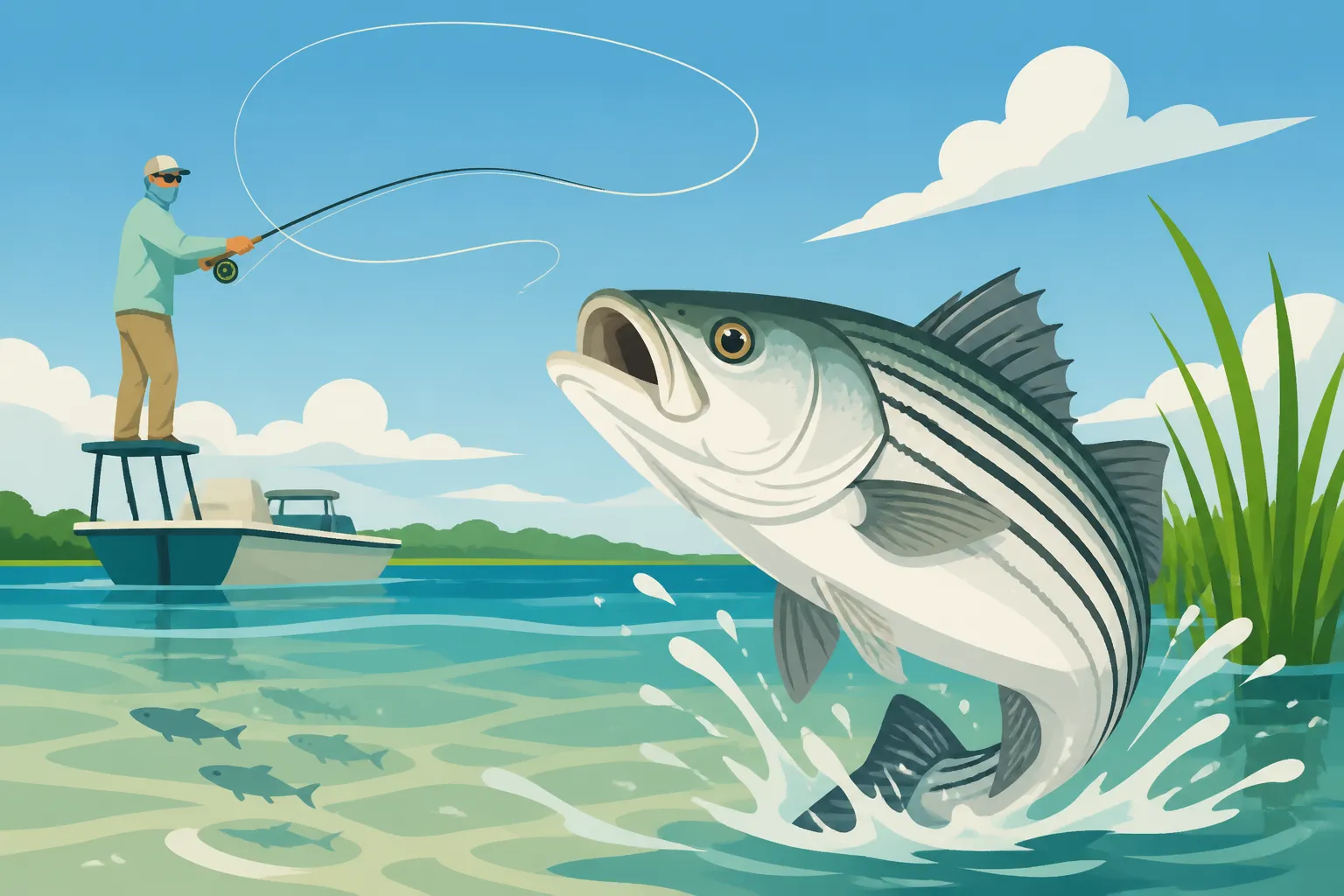
Imagine this: you're standing on the bow of a shallow-draft skiff, the sun barely above the horizon, and the water around you is so clear you can see the bottom. Suddenly, a dark shadow materializes, cruising stealthily along a weed line. Your heart pounds. This isn't deep-water trolling or bait fishing; this is pure, sight-fishing adrenaline. Targeting striped bass on the flats offers a level of visual engagement and intimacy with the fish that other methods simply can't match. It's a true hunt, demanding keen observation, stealthy approaches, and precise casting. The satisfaction of fooling a wary striper with a well-placed fly in just a foot or two of water is incredibly rewarding. While it's a different game than, say, battling bigger bass in the rips of Long Island Sound, the challenge and the visual strike make it addicting.
Understanding Connecticut's "Flats" Landscape
Now, let's be realistic: Connecticut isn't the Florida Keys. When we talk about "flats" here, we're not picturing vast expanses of white sand and crystal-clear water where you can spot bonefish from a mile away. Our Connecticut flats are often a bit more subtle, but no less productive. Think tidal estuaries, shallow coves, expansive marsh edges, and sandy or muddy bottoms exposed or barely covered at lower tides, often studded with eelgrass or rock piles. These areas warm up faster in the spring and hold baitfish, drawing stripers in to feed.
The key to unlocking these areas is understanding the tides. Unlike tropical flats where fish might hold all day, our stripers move in and out with the ebb and flow, following the bait. A good flats captain knows exactly how the moon phases and tidal currents impact these feeding patterns, and where to position the boat for the best shots. It's a complex, ever-changing puzzle, and that's precisely what makes it so fascinating for a fly angler. For a deeper dive into how different waters in our state behave, check out Connecticut Saltwater Fishing Regulations by Species to understand which areas might hold these shallow water opportunities.
What to Look For in a Fly Fishing Charter for Connecticut Flats
Finding the right captain is paramount when you're looking to fly fish for striped bass on the flats. This isn't just about finding someone with a boat; it's about finding a specialist.
The Captain's Expertise and Boat Setup
First and foremost, you need a captain who isn't just proficient with a spinning rod, but who genuinely understands the nuances of fly fishing for stripers in shallow water. They should be passionate about it themselves! This means someone with experience poling a boat quietly, spotting fish from a distance, and positioning you for an optimal cast without spooking your target. A good captain for the flats will possess an intimate knowledge of local tides, currents, and where baitfish congregate, almost like they have an internal GPS system for the skinny water.
Their boat setup is also critical. Look for guides operating true shallow-draft skiffs or bay boats that can get into those skinny areas where the stripers feed, but also handle some chop if you need to cross open water. A dedicated casting platform on the bow is a huge plus, giving you a better vantage point to spot fish and make accurate presentations. They should be skilled in poling, not just running the outboard, to ensure stealth. When you're looking for that perfect fit, resources like Best Fly Fishing Guides in Connecticut can point you towards some excellent specialists, and How to Choose a Connecticut Fishing Charter offers broader advice on vetting captains.
Gear Provided vs. Bringing Your Own
Most reputable fly fishing charters will have quality rods and reels available for your use, typically 8-weight to 10-weight setups, which are ideal for handling striped bass and casting larger flies in windy conditions. They'll also provide the appropriate fly lines, usually intermediate or sinking lines for getting flies down just below the surface, or floating lines for topwater action on calm mornings.
However, many dedicated fly anglers prefer to bring their own gear. If you do, make sure your captain approves of your setup, particularly the line weights and leader configurations, as conditions can vary. Discussing this beforehand is crucial. As for flies, expect patterns like classic Deceivers, Clouser Minnows, and Half-and-Halfs in white, chartreuse, olive, and blue/white combinations. Having a few Gurgler or Crease Fly patterns for those exciting topwater bites is always a good idea too. The best advice is always to chat with your captain before the trip to see what flies they've been having success with.
The Importance of Communication and Expectations
Before you even step foot on the boat, open and honest communication with your prospective captain is key. Be upfront about your fly casting skill level. Are you a seasoned veteran who can consistently double-haul 60 feet into the wind, or are you still working on your 30-foot presentation? A good captain will tailor the trip to your abilities, offering casting tips if needed, or adjusting the approach to give you the best chance at success.
It's also important to manage your expectations. Fly fishing the flats for stripers is often a "hunting" trip rather than a "catching" trip. There might be periods of searching, missed shots, and challenging conditions. The reward lies in the pursuit, the visual aspect, and the skill required, not necessarily in boating a dozen fish. Understanding this upfront will ensure you have a much more enjoyable experience, regardless of the final count. Remember, the journey and the beautiful surroundings are a huge part of the fun!
Finding Your Ideal Connecticut Flats Charter
Now that you know what to look for, how do you actually find that perfect guide who specializes in fly fishing for striped bass on our local flats? It takes a bit of research, but it's well worth the effort.
Researching Local Guides and Their Specialties
One of the best places to start your search is by leveraging online platforms and local knowledge. Websites like FishingBooker are fantastic resources because they allow you to search for charters by location and even filter by specific fishing techniques and target species. Many captains list their specialties, and you can often find reviews from other fly anglers that highlight a guide's particular expertise in shallow water.
Beyond online listings, don't underestimate the power of your local fly shops. These community hubs are often staffed by seasoned anglers who know all the local guides and can offer personal recommendations based on your specific interests and skill level. They can tell you who truly "gets" fly fishing for stripers. Word-of-mouth is also huge in the fishing community, so ask around on local fishing forums or at tackle shops. For a broader look at available guides, check out Best Fishing Charters in Connecticut.
Here's a quick comparison of where to find guides:
| Source | Pros | Cons |
|---|---|---|
| Online Platforms | Wide selection, reviews, easy booking | Less personal, may not highlight true specialists |
| Local Fly Shops | Expert recommendations, niche knowledge | Limited to local network, may need in-person visit |
| Word-of-Mouth | Highly trusted, personal endorsement | Harder to find, relies on existing network |
Key Questions to Ask Before Booking
Once you've identified a few potential captains, it's time to pick up the phone and have a conversation. This is your chance to really gauge their suitability for a flats fly fishing trip. Here are some essential questions to ask:
- "What's your specific experience guiding fly anglers on the flats for striped bass?" You want to hear about their specific track record, not just general striper fishing.
- "What's your approach to finding and stalking fish in shallow water with a fly rod?" Listen for details about poling, tide knowledge, and spotting techniques.
- "What's a typical day like on your flats trip?" This helps set expectations for effort, travel, and fishing time.
- "What gear do you provide, and what should I bring?" Confirm everything from rod weights to specific fly patterns.
- "What's your policy for bad weather, poor fishing conditions, or cancellations?" Understand the logistics upfront, especially for a weather-dependent activity like flats fishing.
Be prepared to talk about your own experience too. A good guide will want to know if you can cast accurately, handle wind, and are comfortable with a fast retrieve, or if you're looking for more instruction. And don't forget to inquire about the cost; a good general resource for understanding price ranges is Connecticut Fishing Charter Cost Guide.
Understanding Seasons and Tides for Flats Fishing
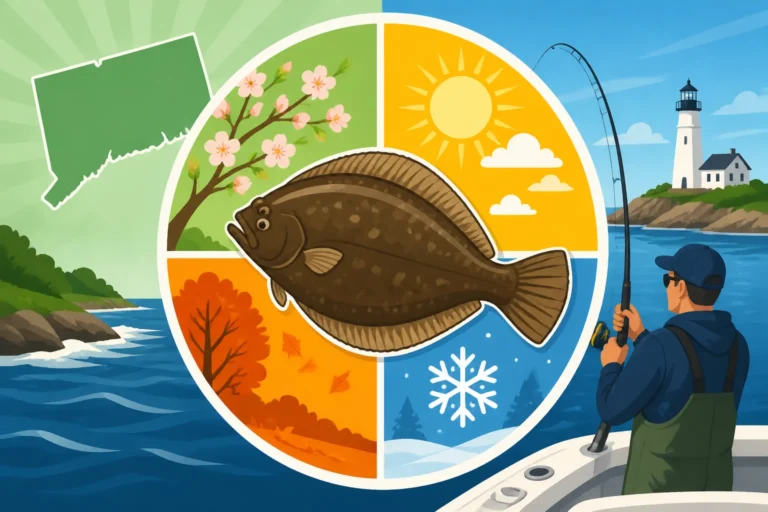
Timing is everything when it comes to fly fishing the Connecticut flats. The best windows usually occur from late spring through early fall when water temperatures are conducive to baitfish and, consequently, striped bass being active in the shallowest areas.
- Spring (Late April/May): As water warms, stripers move into estuaries and shallow bays, gorging on herring and other baitfish. This can be prime time for aggressive shallow-water action.
- Summer (June/July/August): Early mornings and late evenings are often the most productive as fish avoid the heat of the day. Fish can still be found on the flats during high tides, especially near marsh edges.
- Fall (September/October): As baitfish schools gather and prepare to migrate, stripers can be found pushing them into shallow areas, creating epic sight-fishing opportunities.
Beyond the general season, understanding the specific tides on any given day is paramount. Stripers will move onto the flats with the incoming tide to feed, and then retreat to deeper channels or adjacent structure as the tide falls. Your captain will be the ultimate expert on reading these tidal movements for optimal fishing. For more detailed seasonal breakdowns, take a look at Connecticut Fishing Seasons by Month and Best Time of Year to Fish in Connecticut.
Maximizing Your Flats Fly Fishing Experience
You've booked the charter, you've chatted with your captain, and you're ready for the big day. Now, let's talk about what you can do to make sure it's an experience you'll never forget.
Practicing Your Casting and Presentation
Fly fishing on the flats demands a certain level of casting proficiency. Unlike trout fishing in a small stream (though lessons from Fly Fishing for Trout in Connecticut can certainly help!), you'll often need to make quick, accurate casts at cruising fish, sometimes with wind and under pressure. This is where practicing your double-haul cast comes in handy. The ability to quickly load your rod and shoot line, often 40-60 feet, can mean the difference between a missed opportunity and a tight line.
Practice casting in your backyard or a local field. Try to simulate real-world scenarios: casting quickly, hitting a moving target, and delivering the fly gently to avoid spooking fish. A smooth, quiet presentation is crucial in shallow, clear water. Remember, accuracy often trumps distance in these situations.
Being Prepared for the Elements and the Hunt
Flats fishing can be physically demanding. You'll be standing for long periods, often scanning the water intently. Being prepared for the elements is critical:
- Layered Clothing: Mornings can be cool, but the sun quickly heats up. Layers allow you to adapt.
- Polarized Sunglasses: These are non-negotiable! Quality polarized lenses will cut the glare and allow you to spot fish and structure that are invisible to the naked eye.
- Hat and Sunscreen: Protection from the sun is vital.
- Hydration and Snacks: Bring plenty of water and some easy-to-eat snacks to keep your energy up.
Most importantly, bring a healthy dose of patience and persistence. Flats fishing isn't always fast and furious. There will be times when you're searching, waiting, and making repeated casts without a hookup. Embrace the "hunt" and the beauty of the surroundings. Focus on the learning experience and the thrill of spotting a fish, even if it doesn't always eat your fly. Sometimes, the most memorable moments aren't about the size of the fish, but the challenge of the chase itself. If you're looking for different ways to experience these shallow water zones, considering Best Kayak Fishing Spots in Connecticut or Best Shore Fishing Spots in Connecticut might inspire you to explore independently as well.
Catch and Release Best Practices on the Flats
Given the emphasis on sight fishing and the often warmer, shallower water conditions, practicing responsible catch and release is especially important for striped bass on the flats. These fish are often stressed by the fight, and minimizing their time out of the water is crucial for their survival.
- Barbless Hooks: Consider crimping down the barbs on your flies. This makes hook removal much easier and quicker, reducing stress on the fish.
- Minimize Handling: Try to keep the fish in the water as much as possible, especially during warmer months. If you need a photo, do it quickly and support the fish horizontally with wet hands.
- Revive Gently: If a fish seems sluggish, hold it gently in the water, facing into a mild current, until it regains its strength and swims off on its own. Never "pump" a fish back and forth, as this can force water over its gills incorrectly.
Your captain will be an excellent resource for demonstrating proper handling techniques. By following these practices, you're helping to ensure that these incredible fish continue to thrive in Connecticut's shallow waters for future generations of fly anglers. For more insights on this vital topic, check out Striped Bass Catch and Release Survival Tips.
Disclaimer
This article is for general informational purposes only and does not constitute professional advice. Laws, prices and regulations vary by location and change over time. Consult a qualified professional for guidance on your specific situation.