Best Time of Day to Book a Charter for Striped Bass
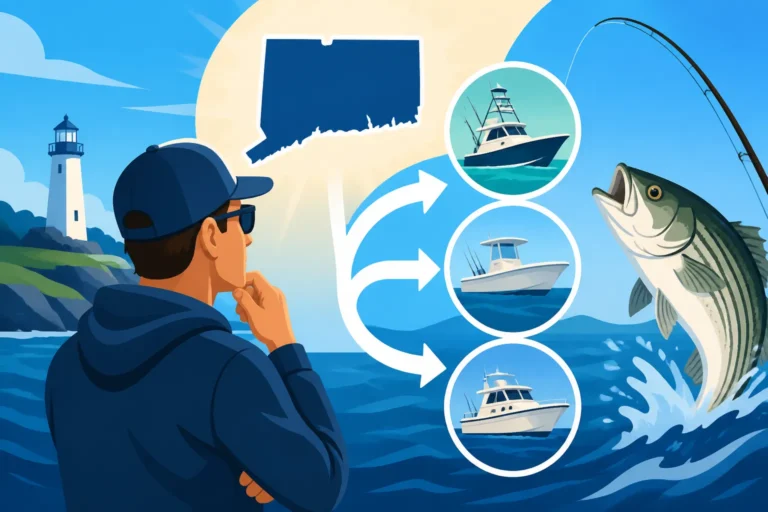
One of the biggest head-scratchers for any angler planning a striped bass charter in Connecticut is figuring out the perfect time of day to go. It's not just about when the captain is available; it’s about aligning your trip with when those elusive stripers are most likely to be biting. This guide will dive deep into the daily habits of striped bass and help you pinpoint the ideal charter time to maximize your chances of a successful and memorable fishing experience, whether you're targeting a trophy or just looking for some consistent action.
Understanding Striped Bass Behavior: The Daily Rhythm
Striped bass, often simply called "stripers," are creatures of habit, and their feeding patterns are heavily influenced by environmental factors that change throughout the day. Light levels, water temperature, and baitfish activity all play a critical role. Understanding these rhythms is the first step to choosing the best time for your charter.
How Light Levels Affect Striper Activity
Striped bass, especially the larger ones, are often more active feeders during periods of low light. This is a predatory advantage for them. In the dim light of dawn, dusk, or under the cover of night, baitfish are less able to detect approaching predators, giving stripers the upper hand. During bright midday sun, stripers tend to move to deeper, cooler water or seek out structures that provide shade, conserving energy and waiting for more favorable hunting conditions. This doesn't mean they never bite in bright sun, but it often requires different tactics and location choices from your captain.
Think of it like us trying to hunt for snacks in a brightly lit kitchen versus a dimly lit pantry – the latter feels a bit more clandestine and effective for sneaking around! The same applies to striped bass. Their eyes are well-adapted for low-light conditions, making them formidable predators when the sun isn't glaring down.
The Role of Water Temperature and Depth
Water temperature is another key factor in striper behavior, and it fluctuates throughout the day, especially in shallower areas. As the sun climbs higher, surface waters warm up. Stripers generally prefer cooler water, especially during the warmer months on Long Island Sound. This means that during the peak heat of a summer day, they might move to deeper channels, rips, or wrecks where the water remains cooler and more oxygenated.
A good charter captain will know these deep-water haunts and how to target them, but understanding this preference can help you appreciate why certain times of day might inherently be better for finding active fish closer to the surface or in shallower structures. In spring and fall, when water temperatures are more moderate, stripers might be active in a wider range of depths throughout the day, making midday fishing more viable.
Morning Charters: The Dawn Patrol Advantage
Many seasoned anglers swear by morning charters, and for good reason. The early hours offer a unique set of advantages that can lead to some truly epic striped bass action. It often requires an early wake-up call, but the rewards can be well worth the effort.
Capitalizing on the Pre-Dawn and Early Morning Bite
The period just before and immediately after sunrise is often referred to as the "magic hour" or "golden hour" for striped bass. During these low-light conditions, stripers are frequently at their most aggressive, venturing into shallower water, busting bait on the surface, and actively hunting. They’ve had all night to rest and are ready to feed. The water is usually at its coolest point of the day, which can also stimulate feeding.
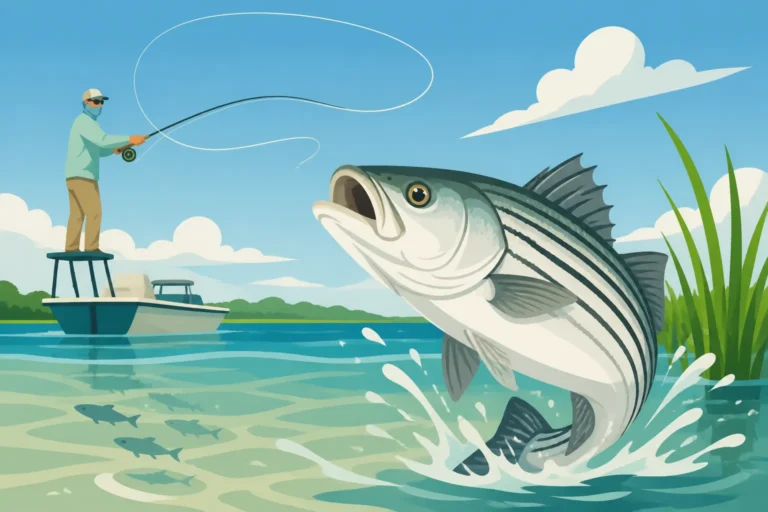
Many charters will aim to be on the fishing grounds as the first hints of light appear, giving you a prime opportunity to cast into active fish. Surface plugs, soft plastics, and live baits can all be incredibly effective during this window. If you're hoping for that exhilarating topwater strike, this is often your best bet. It's not uncommon to witness schools of stripers corralling baitfish against the surface, creating a chaotic and exciting spectacle that's hard to forget. Best Time of Day to Catch Striped Bass is usually centered around these prime morning and evening windows.
Navigating Crowds and Cooler Conditions
Another often-overlooked benefit of morning charters is the reduced boat traffic. While Long Island Sound can get quite busy during prime fishing seasons, getting out before the main rush means less competition for the best spots and a more peaceful fishing experience. Less boat noise and fewer lines in the water can also contribute to more relaxed fish and, therefore, more bites.
Furthermore, the cooler air temperatures in the morning make for a much more comfortable trip, especially during the sweltering summer months. You're less likely to be battling intense sun and heat, allowing you to focus on the fishing. This is a significant advantage if you're sensitive to heat or if you're bringing children along who might get uncomfortable in direct, hot sun.
Afternoon Charters: Midday Strategies and Evening Bites
While mornings often get the most hype, afternoon charters have their own distinct charm and can be incredibly productive, especially if you know what to expect and your captain adjusts their strategy accordingly.
Adapting to Midday Lulls and Deeper Waters
After the morning feeding frenzy subsides and the sun climbs high, stripers tend to retreat. During the bright, high sun of midday, they often move to deeper, cooler water, seeking refuge in channels, around significant underwater structures like wrecks or reefs, or in areas with strong current breaks. Your captain will likely shift tactics, focusing on vertical jigging, bottom fishing with bait, or trolling umbrella rigs in these deeper zones. Trolling Techniques for Long Island Sound Striped Bass are often crucial during these times.
While the fast-paced, surface action might diminish, patient anglers can still find success. It’s a different kind of fishing, often more about technique and finding those specific holding spots. You might not see big schools busting on the surface, but a well-placed jig or a slowly trolled bait can still entice a quality striper from the depths. This can be a great time to learn about different presentations and how stripers behave when they're not actively chasing.
The Evening Push: Sunset and Dusk Opportunities
Just like the morning, the transition from day to night—the dusk hours—offers another fantastic window for striped bass fishing. As the sun begins to set and light levels drop, stripers once again become more active. They'll move out of their deeper refuges and start to hunt more aggressively as baitfish become disoriented in the fading light. This "evening bite" can be just as strong, if not stronger, than the morning bite, especially for larger fish.
Evening charters offer beautiful sunset views over Long Island Sound, a truly memorable experience even without a fish on the line. As the light fades, topwater lures, soft plastics, and live bait fishing become highly effective again. Many anglers prefer evening trips for the relaxed atmosphere and the chance to witness nature's show while waiting for that tell-tale tug on the line.
Night Charters: Hunting the Elusive Big Striper
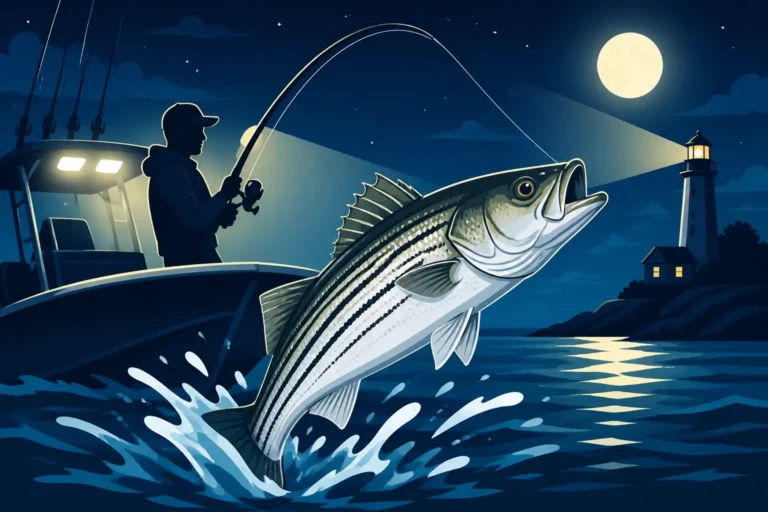
For the dedicated angler looking to target truly large, wary striped bass, night charters are often the secret weapon. This is a specialized form of fishing that offers a different kind of thrill and often yields impressive results. If you're serious about a trophy, this is a time to strongly consider.
The Cover of Darkness: Advantage for Trophy Fish
Large striped bass are often incredibly cautious during daylight hours, having learned to avoid boats and anglers. Under the cloak of darkness, however, their predatory instincts take over, and they become much bolder. They'll move into shallower areas, around structure, and into rips where they wouldn't dare venture in broad daylight. The biggest stripers in the Sound are frequently caught after dark. Best Night Fishing Charters for Striped Bass specifically cater to this unique opportunity.
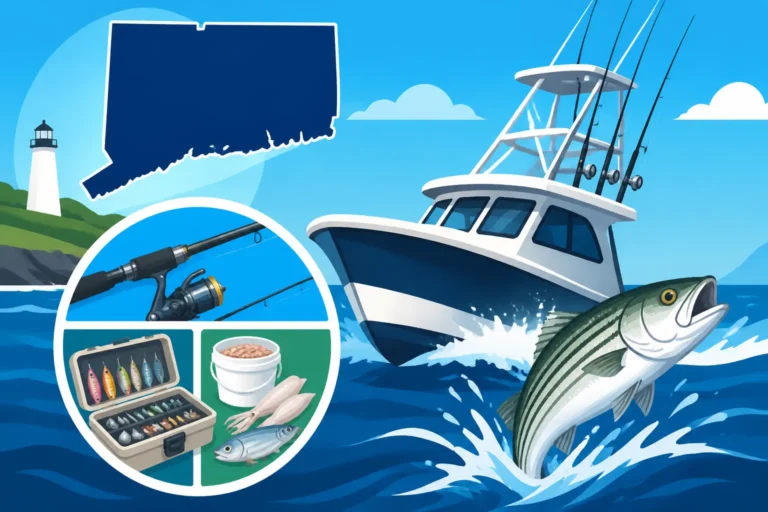
Night fishing requires different equipment and techniques. Artificial lures that create strong vibrations or silhouettes, such as large swimming plugs, dark-colored soft plastics, or eels, are often the baits of choice. Live eels are particularly deadly at night, and many captains specialize in this method for tempting big fish. The quiet and solitude of night fishing can be an incredibly immersive and rewarding experience.
Navigating the Challenges of Night Fishing
While the rewards can be great, night fishing isn't without its challenges. Visibility is obviously reduced, which can make casting, rigging, and landing fish more difficult. Safety is paramount, and a reputable charter captain will have all necessary lighting and safety equipment. It can also be colder at night, even in summer, so dressing in layers is crucial.
The reduced visibility also means you'll be relying heavily on your captain's knowledge of the fishing grounds. They know where the structure lies, where the rips are, and where the big stripers hide, even when you can't see it yourself. It's a testament to their expertise that they can guide you to success in conditions that would be impossible for an inexperienced boater. Looking for charters specializing in night trips on platforms like FishingBooker can help you find captains with this specific expertise.
Tidal Influence on Striped Bass Feeding Windows
Beyond the time of day, tides are arguably the most critical factor influencing striped bass behavior, particularly in saltwater environments like Long Island Sound. Savvy anglers know that "time and tide wait for no man," and matching your charter to the right tidal stage can dramatically increase your success.
Understanding the Strong vs. Slack Tide Bite
Striped bass are opportunists, and moving water provides them with opportunities to ambush baitfish. As a general rule, current is your friend when targeting stripers. Strong tidal currents push baitfish around, disorient them, and concentrate them in certain areas, creating ideal feeding scenarios for stripers. Whether it's the beginning, middle, or end of an incoming or outgoing tide, any period of strong current can trigger a bite.
However, the specific "best" tide can vary by location and even by the day. Some spots fish better on a ripping outgoing tide, pushing bait out of a river mouth, while others excel on an incoming tide, bringing fresh bait into an area. Many captains will schedule charters to coincide with these prime current movements. Discussing the tidal schedule with your charter captain before booking is always a good idea. They often have specific windows they prefer for certain areas based on years of experience.
How Tides Interact with Time of Day
The ultimate sweet spot for striped bass fishing often occurs when favorable light conditions (dawn, dusk, night) align with a strong tidal current. Imagine a ripping outgoing tide at dawn or an incoming tide just as the sun sets—these are the moments when conditions are truly stacked in your favor. This combination creates a perfect storm for active stripers, as the low light gives them a visual advantage, and the current brings the food right to them.
For example, a charter that departs an hour before sunrise to catch the last hour of an outgoing tide and the first hour of the incoming tide during low light could be incredibly productive. Or, an evening trip that hits a strong incoming current as dusk settles over the water. When booking through a service like FishingBooker, you can often filter by trip duration and time, then cross-reference with tide charts for your chosen area.
Seasonal Considerations for Charter Times
The time of year in Connecticut also heavily influences the daily patterns of striped bass and, consequently, the optimal time for a charter. Stripers are migratory, and their priorities change from spring to fall.
Spring Migration and Early Season Opportunities
In the spring, as water temperatures warm and striped bass begin their migration into Long Island Sound, they are often ravenous. They've just completed a long journey and are looking to feed heavily. Early spring fishing can be excellent during various times of day, as the water temperatures are still cool enough that the fish aren't as sensitive to bright sun. However, morning and evening still offer advantages for finding actively feeding fish in shallower waters.
As spring progresses into late spring, coinciding with baitfish runs like river herring and bunker, the prime times often narrow down to those low-light periods. Fish are pushing into estuaries and rivers, and an early morning or late afternoon charter focusing on these areas can be incredibly productive. Striped Bass Migration Along the Connecticut Coast explains this seasonal movement in more detail.
Summer Heat and Fall Runs
During the peak of summer, when water temperatures in Long Island Sound are at their highest, striped bass become more nocturnal or crepuscular (active at dawn and dusk). This is when night charters or very early morning departures truly shine, allowing you to target fish before the intense sun drives them deep. Midday fishing during summer often means targeting deeper structure or areas with significant current.
Come fall, as water temperatures cool again, the stripers begin their southern migration. This "fall run" can be a spectacular time to fish, with stripers aggressively feeding to fatten up for their journey. During the fall, mornings and evenings remain prime, but midday action can also be strong, as the cooler air and water temperatures make fish active throughout the day. It’s a fantastic time for both artificial lures and live bait, and the fish are often less wary than in the summer. Best Season to Book a Striped Bass Charter is often considered to be the fall for trophy fish.
Charter Time Comparison
To help you decide, here's a quick overview of the typical advantages and disadvantages of different charter times for striped bass fishing in Connecticut:
| Charter Time | Best For | Typical Conditions | Key Advantages | Potential Disadvantages |
|---|---|---|---|---|
| Morning | Active feeding, topwater action, trophy fish | Low light (dawn), cooler water/air, less boat traffic | High chance of aggressive bites, comfortable temperatures, scenic sunrise | Requires very early wake-up |
| Afternoon | Deeper water fishing, structural targeting | Bright sun, warmer water (summer), moderate boat traffic | More relaxed departure time, often good for bottom fishing & trolling | Midday lulls can occur, hotter temperatures in summer |
| Evening | Active feeding, topwater action, trophy fish | Fading light (dusk), cooling water/air, moderate boat traffic | Strong bite as light fades, beautiful sunsets, more relaxed pace | Can run late, potential for more boat traffic at start |
| Night | Large, wary stripers, specialized techniques | No light, cooler temperatures, minimal boat traffic | Best chance for trophy fish, unique experience, fish are bolder | Reduced visibility, can be colder, requires specialized captain knowledge |
When looking for charters, platforms like FishingBooker allow you to sort by departure time, helping you easily find captains offering trips during your preferred window. Always communicate your goals with the captain when booking – whether it's trophy hunting or consistent action – so they can best advise on the ideal time. How to Choose a Connecticut Fishing Charter is about finding the right fit for your needs.
Making Your Choice: Balancing Goals and Logistics
Ultimately, the "best" time of day to book a charter for striped bass isn't a one-size-fits-all answer. It depends heavily on your personal preferences, your target fish size, and the time of year.
If you’re primarily looking for aggressive, visual strikes and prefer a cooler, quieter environment, those pre-dawn and early morning charters are going to be your sweet spot. For those who can't stomach an early alarm or prefer the aesthetic of a sunset on the water, an evening trip is an excellent choice for similar action. And for the dedicated trophy hunter, the unique challenges and potential rewards of a night charter are unmatched. Don't forget to consider how the tides align with these windows.
No matter when you decide to go, booking with a reputable charter that understands the local waters and striper behavior will be your greatest asset. A good captain is the real secret weapon, knowing how to adapt to conditions and find the fish, regardless of the sun's position.
Disclaimer
This article is for general informational purposes only and does not constitute professional advice. Laws, prices and regulations vary by location and change over time. Consult a qualified professional for guidance on your specific situation.