Best charters that supply all tackle and bait
There's nothing quite like the excitement of hitting the water, rod in hand, ready for a day of fishing in Connecticut's diverse waters. But let's be honest, for many of us, especially if you're visiting from out of state or just getting into the sport, owning a full arsenal of tackle and knowing what bait works best can be a huge hurdle. This guide is here to walk you through the world of Connecticut fishing charters that simplify your angling adventure by supplying all the tackle and bait you'll need, making your trip seamless and enjoyable from start to finish.
Why Charters That Supply Gear Are a Game Changer
Booking a fishing charter that takes care of all the rods, reels, and bait is more than just a convenience; it's a fundamental shift in how accessible and stress-free your fishing experience can be. No more scrambling last minute, no more wondering if you have the right setup for the species you're targeting. These charters are designed to make your day on the water purely about the fishing.
Convenience for Travelers and Tourists
Imagine flying into Connecticut for a vacation, perhaps to explore the charming coastal towns or enjoy the scenic countryside. You want to squeeze in a fishing trip, but lugging multiple rod cases and tackle boxes through airports, or trying to find a local tackle shop on short notice, can turn a fun idea into a logistical nightmare. This is where charters supplying gear shine. You can step off the plane, head straight to the dock, and find everything you need waiting for you. It's truly a grab-and-go experience, allowing you to be spontaneous and flexible with your travel plans without sacrificing your desire to fish. This approach frees up precious luggage space, eliminates the worry of damaged equipment during transit, and instantly immerses you in the local fishing scene. It's especially appealing for families where multiple members might need different setups.
Perfect for Beginners and Novices
For those new to fishing, or even experienced anglers trying a new technique or targeting an unfamiliar species, the world of tackle can be incredibly daunting. What rod action do you need for striped bass? What leader material is best for blackfish around rocky structure? Which lures are actually catching fluke this week? A charter that provides all the gear removes this barrier entirely. You're not just getting equipment; you're getting equipment curated by seasoned professionals who know exactly what works for the current conditions and target species. This means you're using high-quality, well-maintained gear without the significant upfront investment. It also offers a fantastic "try before you buy" opportunity. You can experience different types of rods and reels, learn how they feel, and understand their applications, which is invaluable if you're considering purchasing your own setup down the line. It really democratizes access to fantastic fishing experiences.
Access to Specialized Tackle
Connecticut's waters, from the Long Island Sound to its numerous inland lakes and rivers, offer a wide array of fishing opportunities. Depending on the season and target species, the required tackle can vary dramatically. Targeting a massive striped bass in the rips of Long Island Sound demands heavy-duty conventional gear capable of handling strong currents and powerful fish, whereas delicate fly fishing for trout on the Farmington River requires an entirely different, finesse-oriented setup. Charters that supply gear are equipped with precisely this specialized tackle. They invest in high-end rods, reels, and terminal gear designed for specific conditions and species, often featuring equipment you might not even know exists or would be hesitant to purchase for a single trip. This ensures you're always using the optimal setup, maximizing your chances of success and providing an experience that truly matches the ambition of your fishing trip. The captain and crew's expertise in selecting and maintaining this gear is an added bonus, as they can quickly adapt to changing conditions and techniques.
What "All Tackle and Bait Supplied" Really Means
When a charter advertises that they supply all tackle and bait, it generally covers the essentials, but it's helpful to understand the components that make up this comprehensive package. This ensures you know exactly what to expect and can mentally prepare for the type of fishing ahead.
Rods, Reels, and Line
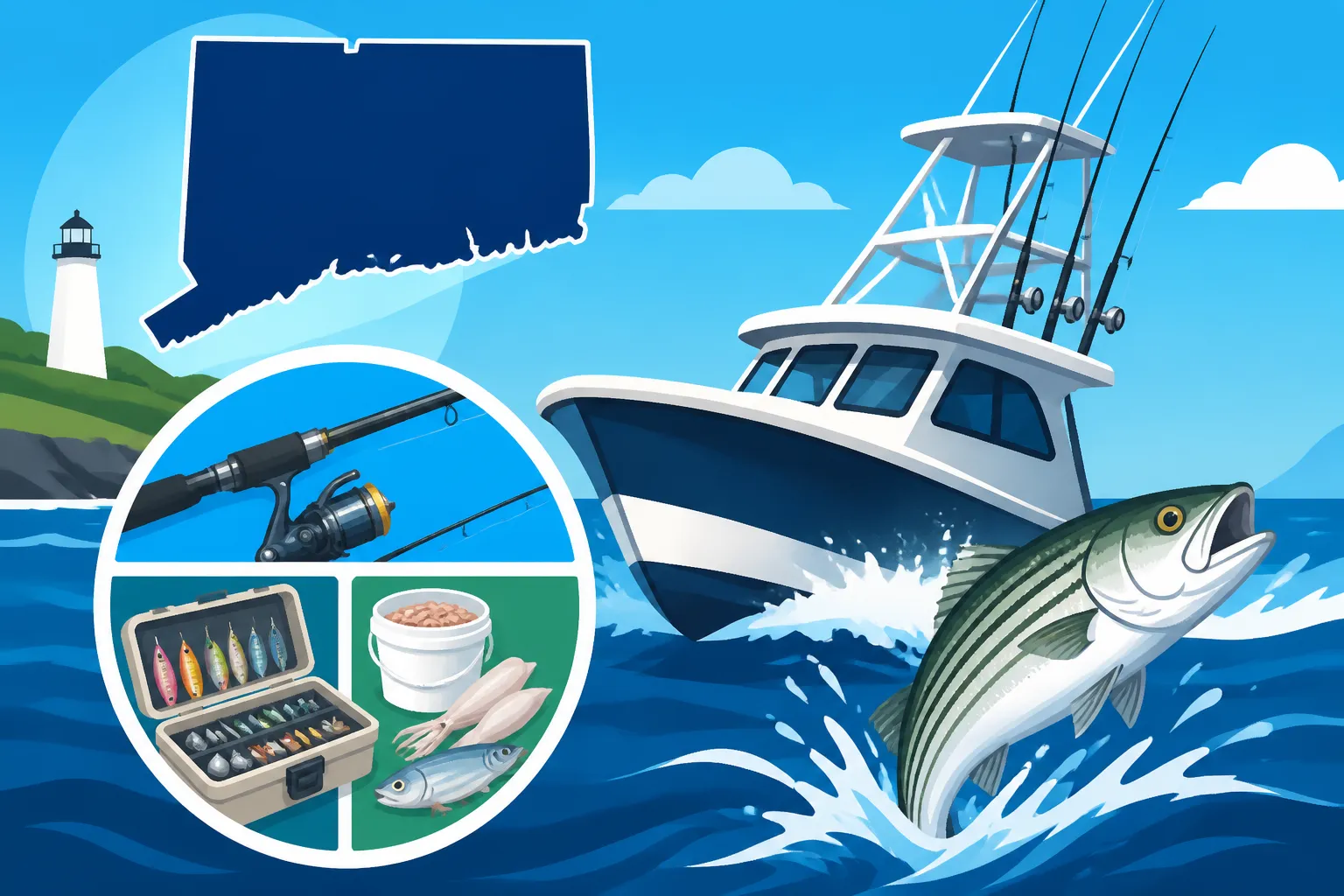
The foundation of any successful fishing trip is, of course, the rod and reel. Charters that supply all tackle will typically have a variety of setups suitable for the target species and fishing style. If you're heading out for Striped Bass Fishing in Long Island Sound, you might see sturdy conventional outfits with heavy braided line, perfect for trolling large lures or dropping live bait. For bottom fishing for species like blackfish or fluke, you might be handed lighter spinning or conventional gear with sensitive tips to detect subtle bites.
The captain and crew take great pride in maintaining their equipment. This means reels are typically spooled with fresh, strong line, rods are inspected for damage, and everything is rigged appropriately for the day's conditions. They'll show you how to use the equipment, how to cast (if needed), and how to fight a fish properly with their specific setups. Don't be afraid to ask questions; they're there to help you get comfortable and confident with the gear.
Lures, Rigs, and Terminal Tackle
Beyond the rods and reels, charters come stocked with an impressive array of lures, rigs, and terminal tackle. This includes everything from artificial baits like jigs, soft plastics, and plugs for species like striped bass or bluefish, to specialized rigs for bottom fishing. For example, a fluke charter might have an assortment of bucktail jigs and dropper rigs already tied with appropriate hooks and leader material. A blackfish trip will have specific tog jigs or snelled hooks ready for green crabs.
The beauty of this is that the captain has spent years on these waters and knows exactly what lures and rigs are producing results right now. They have a vast inventory, allowing them to quickly adapt if the fish are finicky or switch their preference. This saves you the guesswork, time, and money of trying to buy the "hot" lure of the week. All the necessary hooks, swivels, sinkers, and leaders are also provided, ensuring a complete and ready-to-fish setup. You can simply focus on the fishing, not on your knot-tying skills or tackle box organization.
Live and Fresh Bait
The importance of fresh, quality bait cannot be overstated, especially when targeting certain species. Charters that supply bait take this burden entirely off your shoulders. They often spend extra time before your trip, sometimes in the wee hours of the morning, catching or procuring the freshest bait possible. For saltwater trips in Long Island Sound, this might mean a live well full of lively bunker (menhaden) for striped bass, or a bucket of green crabs, fiddler crabs, or clams for blackfish. For freshwater outings, it could be shiners or worms.
The crew will handle the baiting of your hooks, ensuring it's presented correctly to entice a strike. This is a huge benefit, as bait can be expensive, hard to find, and messy to handle for the uninitiated. You don't have to worry about storing it, keeping it alive, or dealing with the residual smells in your car. It's another layer of convenience that allows you to fully enjoy the experience, without the typical prep work involved.
How to Find Charters That Supply All Tackle and Bait
Finding the right charter can sometimes feel like a treasure hunt, but with a few smart strategies, you can easily locate captains who provide all the necessary gear. It's about knowing where to look and what questions to ask.
Online Charter Booking Platforms
One of the most efficient ways to find charters that supply all tackle and bait is by utilizing online booking platforms. Websites like FishingBooker have revolutionized the way anglers connect with charter captains. These platforms typically offer detailed profiles for each charter, including information on what's included in the trip price. You can often filter your search specifically for "tackle included" or "bait included," making your quest much simpler.
Beyond just finding charters, these platforms also provide invaluable resources like customer reviews and ratings. This allows you to get a sense of other anglers' experiences, learn about the captain's style, and see if they truly deliver on their promise of supplying quality gear. Many listings will explicitly state, "All fishing gear and bait provided," or "License included for all passengers." It's a fantastic starting point for anyone planning a trip, whether you're looking for a Best Half-Day Fishing Charters in Connecticut or a full-day offshore adventure. Always double-check the specifics in the description or contact the captain directly through the platform if you have any lingering questions.
Directly Contacting Captains
While online platforms are great for initial searches, sometimes the best approach is a direct one. If you have a specific captain or boat in mind, or if you've heard good things through word-of-mouth, don't hesitate to reach out to them directly. Most charter captains have their own websites or social media pages where you can find contact information.
When you call or email, be clear about your expectations. Ask specific questions like:
- "Does the charter fee cover all rods, reels, and tackle for the target species?"
- "Is live bait included, and what kind of bait do you typically use?"
- "Are there any hidden fees for lost tackle or special bait?"
- "Do I need to bring my own Connecticut Fishing License Guide for 2026 or is it covered?"
Clear communication upfront ensures there are no surprises on the day of your trip. This direct interaction also gives you a chance to gauge the captain's personality and responsiveness, which can be a good indicator of the kind of experience you'll have. You might even discover some nuances about their operation that aren't readily available online.
Local Word-of-Mouth and Tackle Shops
Sometimes, the best information comes from local sources. If you're already in Connecticut, or planning a trip to a specific area, swing by a local bait and tackle shop. These shops are often hubs for local anglers and charter captains, and the proprietors usually have their finger on the pulse of the local fishing scene. They can recommend captains who are known for providing excellent gear and service.
Similarly, talking to other anglers at boat ramps, marinas, or even local diners can provide valuable insights. A recommendation from someone who has recently fished with a particular charter and had a positive experience with their supplied gear is gold. This personal touch can often lead you to hidden gems – perhaps a smaller, independent captain who doesn't market heavily online but runs a fantastic, well-equipped operation. Remember, even with a strong recommendation, it's still a good idea to follow up with a direct call to confirm all details about tackle and bait provision.
Here's a quick comparison of what's typically included versus what you might still need to ask about:
| Category | Typically Included | Worth Confirming/Asking About |
|---|---|---|
| Rods & Reels | Standard setups for target species | Specialized gear for trophy fish, left-handed reels |
| Line & Terminal | Fresh line, hooks, swivels, weights, leaders | Specific brand preferences, extra heavy leader |
| Lures & Artificials | Popular, effective lures for current conditions | Niche lures, specific color requests |
| Bait | Common live or fresh bait (bunker, crabs, worms) | Premium bait (eels, large quantities), special requests |
| Licenses | Often covered for all passengers on for-hire vessels | Individual fishing licenses for casual shore fishing |
| Fish Cleaning | Usually included for keeper fish | Filleting vs. whole, packaging for transport |
| Safety Gear | Life jackets, first aid, flares (mandated) | Specialized child life jackets, specific medical needs |
What to Expect Onboard and Best Practices
Even when a charter supplies everything, your conduct and understanding of how things work onboard can significantly enhance your experience. It's a shared space, and a respectful, cooperative attitude goes a long way.
Care for Provided Equipment
While the tackle and bait are provided, it doesn't mean they're disposable. These are often high-quality, expensive tools that the captain and crew rely on daily. Treat the rods, reels, and other gear as if they were your own, or even better.
- Be Mindful of Your Surroundings: Don't lay rods down where they can be stepped on or fall overboard.
- Handle with Care: Avoid banging reels against hard surfaces or bending rod tips unnecessarily.
- Communicate Issues: If a reel starts to feel sticky, a line gets a knot, or a rod feels odd, immediately let a crew member know. They can often fix minor issues before they become major problems.
- No Unnecessary Adjustments: Don't try to tinker with the reel drag settings or make modifications to the rig without consulting the crew. They've set it up for a reason.
Responsible use of their gear ensures a smooth trip for everyone and shows respect for the captain's investment and livelihood. After all, a broken rod means downtime for the crew and potentially a missed fish for another angler.
Listening to Your Captain and Crew
This is perhaps the most crucial "best practice" on any fishing charter, especially when using their supplied gear. The captain and crew are not just steering the boat; they are your guides, your instructors, and your safety officers. They have years of experience on these specific waters, understanding the nuances of currents, tides, and fish behavior.
- Follow Instructions: When they tell you how to drop your bait, how to reel, or where to cast, follow their directions precisely. They know the most effective techniques for the current conditions.
- Safety First: They will give you safety briefings, point out potential hazards, and instruct you on what to do in various situations. Pay close attention.
- Fish Handling: When you hook a fish, they'll often guide you on how to fight it, how to bring it to the boat, and how to handle it safely for both you and the fish. This is especially important for species with sharp teeth or spines.
- Ask for Help: Don't struggle in silence. If you're tangled, unsure, or need assistance, politely ask the crew. That's what they're there for.
Remember, they want you to have a successful and enjoyable trip just as much as you do. Their expertise, combined with their supplied, well-prepared What Gear a Connecticut Charter Provides, is your best asset.
Tipping Etiquette When Gear is Included
One common question anglers have is about tipping, especially when the charter fee already covers tackle and bait. The answer is unequivocal: tipping is customary and highly appreciated, regardless of what's included in the base price. The crew works incredibly hard, often starting long before dawn to prepare for your trip, baiting hooks, untangling lines, gaffing fish, cleaning up, and ensuring your safety and enjoyment.
Standard tipping rates for fishing charters generally range from 15% to 20% of the total charter cost.
- Consider the Service: If the crew went above and beyond – patient instruction, constant re-baiting, expert netting, and a genuinely friendly demeanor – consider tipping on the higher end.
- Cash is King: While some may accept digital payments, cash is usually preferred for tips and can be distributed immediately among the crew.
- Factor It In: When budgeting for your trip, always remember to factor in the tip. It's a critical part of the crew's income and a direct reflection of your appreciation for their hard work.
For more detailed information, you can always refer to Tipping Etiquette for Connecticut Fishing Charters. A generous tip for excellent service not only acknowledges their effort but also helps ensure they continue providing fantastic experiences for future anglers.
Beyond the Basics: What Might Still Be Good to Bring
Even with a charter that supplies all tackle and bait, there are still a few personal items that can significantly enhance your comfort and overall enjoyment on the water. Think of it as packing for a day outdoors, rather than a full-blown fishing expedition. After all, What to Bring on a Connecticut Fishing Charter is always a good question to ponder before you leave home.
Personal Comfort Items
Spending hours on the water means you're exposed to the elements, and being prepared for varying weather conditions is key.
- Sun Protection: Even on cloudy days, UV rays can be intense, especially when reflected off the water. A wide-brimmed hat, sunglasses (polarized are a huge plus for spotting fish!), and plenty of reef-safe sunscreen are non-negotiable. Reapply frequently!
- Layers of Clothing: Connecticut weather can be notoriously fickle, with temperatures fluctuating throughout the day. Dress in layers, even in summer. A waterproof and windproof outer layer is always a smart choice, regardless of the forecast. Think about how much colder it feels offshore or on a fast-moving boat.
- Non-Slip Shoes: Boat decks can get wet and slippery. Wear comfortable, closed-toe shoes with good grip. Leave the flip-flops at home!
- Motion Sickness Medication: If you're prone to seasickness, take preventative medication well before the trip. It's much easier to prevent than to cure once you're out on the water. Ginger chews can also help.
Snacks, Drinks, and Lunch
While some high-end charters might offer light refreshments, it's generally best to assume you'll need to provide your own food and drinks.
- Stay Hydrated: Bring plenty of water, especially on warm days. Dehydration can quickly sap your energy and enjoyment.
- Pack Smart Snacks: Granola bars, sandwiches, fruit, and other easy-to-eat snacks are perfect. Avoid anything overly greasy or messy.
- Cooler: Bring a small cooler to keep your drinks and food cold. Ensure it's not too large to be an obstruction on the boat. Remember, this is separate from any cooler you might bring for your catch.
A well-fed and hydrated angler is a happy angler, and a happy angler is usually a more successful one!
Cooler for Your Catch
If you're planning on keeping any legal fish, you'll definitely want to bring your own cooler to transport your fillets home. Most charters will clean and bag your catch for you at the end of the trip, but they won't typically provide a cooler for your personal use.
- Size Matters: Choose a cooler appropriate for the amount of fish you hope to keep. A 45-quart cooler is a good versatile size for most trips.
- Ice: Bring your own ice to put in the cooler, especially if you have a long drive home. Keeping your fish on ice immediately after cleaning ensures the best quality.
- Labeling: If you're on a shared charter, it's a good idea to put your name on your cooler to avoid any mix-ups.
Having your own cooler means your fresh catch stays in prime condition until it makes it to your kitchen, ready for a delicious meal.
Disclaimer
This article is for general informational purposes only and does not constitute professional advice. Laws, prices and regulations vary by location and change over time. Consult a qualified professional for guidance on your specific situation.