Connecticut River Striped Bass Guide Trips
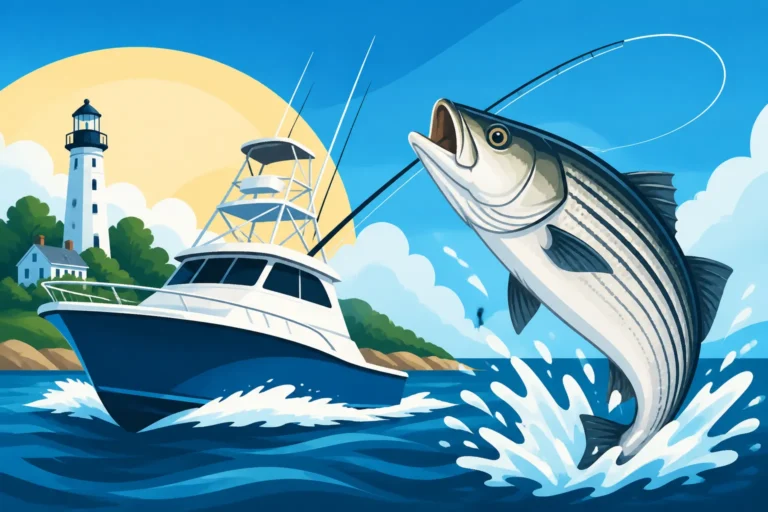
It can be incredibly frustrating to dream of reeling in a trophy striped bass from the legendary Connecticut River, only to feel overwhelmed by the sheer size of the waterway, the complex tides, and the specialized techniques needed to find these elusive fish. If you've ever felt lost trying to figure out where to start or what gear to use, you're certainly not alone. This comprehensive guide is here to shed light on how Connecticut River striped bass guide trips can transform your fishing experience, offering expert knowledge, essential gear, and a direct path to success on one of New England's premier fishing destinations.
Why the Connecticut River is a Striped Bass Hotspot
The Connecticut River isn't just a scenic waterway; it's a vital artery for migratory fish, especially striped bass. For anglers, it represents a dynamic and challenging environment, offering incredible opportunities to catch these powerful fish, from aggressive "schoolies" to the true giants that make their way far upstream. Understanding why stripers flock to this river is the first step to appreciating the value of a guided trip.
The Spring Run and Fall Migration Phenomenon
Every spring, as water temperatures rise, the Connecticut River becomes a bustling highway for striped bass. These fish, often referred to as "stripers," migrate from their overwintering grounds, following warmer water and an abundance of baitfish up into freshwater to spawn. This spring run is a spectacular event, drawing anglers from all over the Northeast hoping to intercept these hungry fish as they stage and eventually move into their spawning grounds further upriver. It's a prime time for consistent action, as the stripers are actively feeding and pushing upstream.
As summer fades into fall, the process reverses. The stripers, along with their offspring, begin their journey back towards Long Island Sound and eventually the open ocean for their winter migration. This fall run is another fantastic opportunity, often characterized by aggressive feeding frenzies as the fish gorge themselves on bait to build up reserves for the colder months ahead. Guides are intimately familiar with these seasonal movements, knowing exactly when and where the fish are likely to be concentrating, making a significant difference in your success rate.
Unique Riverine Habitat for Stripers
Unlike the open ocean or even large estuaries, the Connecticut River offers a diverse range of habitats that striped bass utilize throughout their migration. From the vast, open expanses of the lower river near the Sound to narrower, more winding sections upstream, there's always a new challenge and opportunity. You'll find stripers holding around various structures like bridge pilings, submerged rock piles, channel edges, and drop-offs. These features provide current breaks, ambush points, and vital cover for both predators and their prey.
Additionally, the river is dotted with countless coves, tidal flats, and feeder creeks, all of which can hold significant numbers of baitfish – and therefore, striped bass. Navigating these varied environments requires a deep understanding of how tides, currents, and water depth influence fish behavior. A skilled guide knows these nuances like the back of their hand, having spent countless hours on the water observing and adapting. They can lead you to productive spots you'd likely never find on your own, significantly enhancing your chances of a successful day. You might even discover some of the Connecticut River Striped Bass Fishing hotspots that are local secrets.
What a Connecticut River Striped Bass Guide Trip Offers
Trying to tackle the Connecticut River's striped bass fishery on your own, especially without a properly equipped boat or local knowledge, can be daunting. This is precisely where a professional guide trip shines. It's more than just a boat ride; it's an immersive, educational experience designed to put you on fish and teach you the ropes.
Expert Knowledge and Local Insights
The biggest advantage of a guided trip is undeniably the guide's intimate knowledge of the Connecticut River. These seasoned professionals spend hundreds of days a year on the water, honing their understanding of striped bass behavior in this specific ecosystem. They know the river's moods, the subtle changes in current that signal a bite, and the best tides for different locations. They've seen it all, from the bustling spring spawning runs to the aggressive fall feeding frenzies.
A good guide understands the "when, where, and how" for striped bass on the Connecticut River, often better than any fishing report could tell you. They can interpret the subtle signs of baitfish, predict where stripers will hold based on water temperature and flow, and pivot tactics on the fly if conditions change. This local insight means less time searching and more time fishing. You'll benefit from their years of trial and error, getting straight to the action and learning invaluable lessons about reading the water and the fish.
Specialized Gear and Techniques
Let's be honest, getting into striped bass fishing can require a significant investment in specialized gear. From heavy-duty rods and reels capable of handling powerful fish to a myriad of lures, baits, and terminal tackle, it adds up fast. On a guide trip, all of this is typically provided. You step onto the boat, and everything you need is ready to go, often top-of-the-line equipment perfectly suited for the conditions and target species. This is a huge relief, especially if you're new to the sport or just visiting.
Guides also specialize in the techniques that are most effective on the Connecticut River. This could mean precise casting with artificial lures around structure, delicate presentations of live bait, or even advanced trolling patterns designed to cover vast areas. They'll teach you how to properly work a jig, retrieve a plug, or present a live eel, providing hands-on instruction that's far more effective than watching a video. You'll learn the nuances of knot tying, proper fish handling for Striped Bass Catch and Release Survival Tips, and how to maximize your hook-up ratio. This specialized knowledge and gear are invaluable, transforming a potentially frustrating day into a highly productive one.
Maximizing Your Chances of Success
Ultimately, a guide trip significantly boosts your chances of catching striped bass. While no guide can guarantee fish (it is fishing, after all!), their expertise and resources drastically increase the odds. They're not just taking you for a boat ride; they're actively working to find fish and put you on them. This includes using advanced electronics to locate bait and structure, monitoring local conditions, and making strategic decisions based on their deep understanding of the river.
Beyond just catching fish, a guided trip offers an educational experience. You'll learn about Striped Bass Migration Along the Connecticut Coast, the types of forage fish they target, and the impact of tides on their feeding patterns. This knowledge empowers you to become a more effective angler in the long run, even when you're fishing on your own. It's an investment in both an enjoyable day on the water and your personal fishing skill development, allowing you to build confidence and understanding far faster than you would through trial and error.
Types of Connecticut River Striped Bass Guide Trips
The beauty of booking a striped bass guide trip on the Connecticut River is that there are options to suit nearly every angler's preference and skill level. Whether you're a seasoned pro looking for a specific challenge or a family hoping for some action, a guide can tailor the experience.
Light Tackle Casting & Jigging Trips
For many anglers, the most exciting way to catch striped bass is on light tackle, actively casting and jigging. These trips often focus on using artificial lures like soft plastics, topwater plugs, and bucktail jigs. The thrill comes from feeling the strike directly on the rod, engaging in a direct battle with the fish. Guides who specialize in light tackle will position the boat strategically, allowing you to target specific structures like bridge abutments, rocky shorelines, or current seams where stripers ambush bait.
You might be casting at breaking fish, working a jig along a channel edge, or skipping a lure under docks. This style of fishing is highly interactive and requires constant attention, but the rewards are immense. It's also an excellent way to cover a lot of water and try different presentations. Your guide will provide the right rods, reels, and a selection of lures, and more importantly, they'll show you how to work them effectively to entice a strike. This approach is fantastic for both experienced anglers and those who enjoy the hands-on aspect of fishing.
Live Bait and Trolling Trips
When targeting larger, more elusive striped bass, especially during certain tides or in deeper sections of the river, live bait and trolling can be incredibly effective. Live bait, such as eels, bunker (menhaden), or pogies, offers a natural presentation that big stripers often can't resist. Guides will often net or catch fresh bait before or during the trip, ensuring you have the freshest offering possible. You might be drifting these baits along channel edges or anchoring in a strategic spot, waiting for a hungry striper to cruise by.
Trolling, on the other hand, involves dragging lures or baits behind the boat at a controlled speed. This method is excellent for covering vast stretches of water, especially when the fish are scattered or holding in specific depth ranges. Guides often use sophisticated electronics and multiple rods to present a variety of lures, like umbrella rigs, tubes and worms, or large swimming plugs, at different depths. While less interactive than casting, trolling can be incredibly productive for finding schools of fish or coaxing strikes from more lethargic stripers. It's often the preferred method for chasing those truly gargantuan fish.
Fly Fishing for Striped Bass
For the dedicated fly angler, the Connecticut River offers phenomenal, albeit challenging, opportunities to target striped bass with a long rod. While many might associate fly fishing with trout streams, the shallow flats and abundant baitfish of the lower Connecticut River create a perfect environment for fly rodders. These specialized trips are usually geared towards experienced fly casters, though some guides are happy to instruct beginners. You'll typically be sight fishing for cruising stripers or casting at breaking schools of fish.
The challenge lies in making accurate, long casts with heavy fly lines and large, wind-resistant flies that imitate baitfish. Guides who offer fly fishing trips will often have poling platforms on their boats, allowing them to quietly maneuver in shallow water and spot fish. The experience of seeing a striped bass chase down and inhale your fly is incredibly exhilarating. While not every guide specializes in fly fishing, those who do provide the necessary heavy-duty fly rods, reels, and a selection of custom-tied flies designed specifically for Connecticut River stripers. It’s an unforgettable way to connect with these powerful fish, even if the action can sometimes be more sporadic than traditional tackle.
Choosing the Right Guide for Your Adventure
Deciding to book a guide trip is an excellent choice, but selecting the right guide is crucial for a successful and enjoyable experience. Just like any service, quality and specialization vary. Taking the time to research and ask the right questions will pay off.
What to Look for in a Connecticut River Guide
When you're looking for a guide, start with their experience. How long have they been guiding on the Connecticut River specifically for striped bass? A guide with years of local knowledge is invaluable, as they've learned the river's patterns through countless hours on the water. Look for someone who is passionate not just about fishing, but about sharing their knowledge and ensuring your enjoyment.
Consider their boat and equipment. Is it well-maintained, safe, and appropriate for the type of fishing you want to do? A good guide will have a boat designed for the river, often equipped with advanced electronics like fish finders and GPS. Check if they provide all necessary gear, including rods, reels, and tackle, and if it's high-quality and in good condition. You can often find detailed information and compare various guides, their boats, and specialties on platforms like FishingBooker, which can be incredibly helpful for seeing reviews and photos. Beyond the tangible, think about their communication style. Are they responsive, clear, and easy to talk to? A friendly, patient guide can make all the difference, especially if you're bringing kids or are new to fishing.
Questions to Ask Before Booking
Before you commit, don't hesitate to ask a few key questions to ensure the trip aligns with your expectations. First, clarify the trip duration: Is it a half-day or a full-day trip? What are the start and end times? Next, understand what's included in the price. Does it cover bait, tackle, and fuel? Do you need a fishing license, or does the charter cover a blanket license for passengers? (Often, with individual guides, you will need your own Connecticut Fishing License Age Requirements and Connecticut Fishing License Guide for 2026).
Also, discuss the target species and techniques. While you're primarily after striped bass, are there other species you might encounter? What methods will be used, and are they flexible if you have a preference (e.g., more casting, less trolling)? Inquire about their cancellation policy, especially regarding weather. What happens if the weather turns foul? A reputable guide will have a clear policy for rescheduling or refunds. Finally, ask about group size and accommodations – is it a private charter or a shared trip? This helps you gauge the personal attention you'll receive.
Understanding Trip Costs and Tipping Etiquette
Connecticut River striped bass guide trips aren't typically cheap, but they offer immense value for the experience and expertise provided. The cost can vary significantly based on factors like the length of the trip (half-day vs. full-day), the size of the boat, the number of anglers, and whether it's a private or shared charter. Generally, you're paying for the guide's time, specialized knowledge, boat expenses (fuel, maintenance, insurance), and the use of high-quality gear. It’s worth noting that guides' websites or platforms like FishingBooker will clearly outline their pricing structure, though exact figures are dynamic and should be checked directly.
Beyond the base cost, it's customary to tip your guide and any mates at the end of a successful trip, much like you would service staff in a restaurant. This is a significant part of their income and acknowledges their hard work, effort, and expertise. A common range for tipping is 15-20% of the trip's total cost, but if they went above and beyond, or you had an exceptional day, a more generous tip is always appreciated. Always have cash available for this, as it's often preferred.
Preparing for Your Connecticut River Striped Bass Trip
Once you've booked your guide trip, a little preparation goes a long way to ensure you have the best possible experience on the water. Thinking ahead about what to wear, bring, and when to go can make all the difference.
What to Bring and What to Expect
Even on a guided trip where most gear is provided, there are essential personal items you'll want to bring along. Dress in layers, as weather on the Connecticut River can change quickly. Even on warm days, mornings can be cool, and boat speed can create a chill. A good quality rain jacket and pants are always smart, even if the forecast looks clear – better safe than soaked! Comfortable, non-slip shoes are a must for safety on a wet boat deck.
Sun protection is critical, even on cloudy days. Bring a wide-brimmed hat, polarized sunglasses (they also help spot fish and structure!), and plenty of sunscreen. Pack enough water and snacks for the duration of your trip; while some guides might offer drinks, it's best to be self-sufficient. If you're prone to seasickness, take preventative measures before you get on the boat. Discuss any specific needs or preferences with your guide ahead of time so they can best accommodate you. Expect an engaging experience where you'll learn a lot, get hands-on with the tackle, and hopefully, battle some amazing fish. You might even check out some general advice on What to Expect on a Connecticut Fishing Charter.
Best Times to Go
The Connecticut River offers distinct striped bass fishing opportunities depending on the season, making the "best" time somewhat subjective and dependent on your goals. The spring run, typically from late April through June, is a prime time for consistent action as fish move upriver to spawn. This is when you'll find large numbers of eager fish. The fall migration, from September through November, offers another fantastic window, often characterized by aggressive feeding frenzies as stripers prepare for winter. Fish tend to be fatter and healthier then.
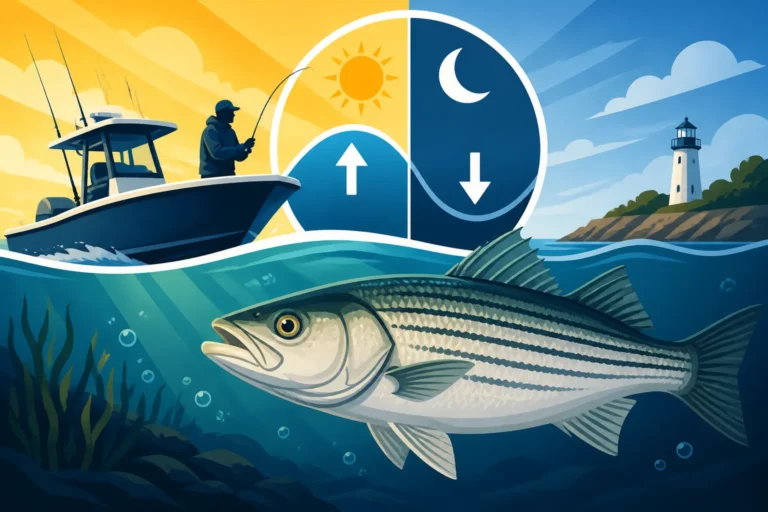
During the peak of summer (July-August), striped bass can be found in the lower river and into Long Island Sound Fishing Guide, but the intense heat can make them more lethargic or push them into deeper, cooler water. A good guide will know where to find them even then. Beyond the season, tidal stages play a massive role in striped bass activity on the river. Many guides prefer specific tides, whether it's the incoming or outgoing, for targeting certain areas or techniques. Discussing this with your guide when booking will help you align your trip with the best possible conditions for success. Don't forget to consider general Best Time of Year to Fish in Connecticut.
Respecting the Resource
As anglers, we have a responsibility to protect the resources we enjoy. When fishing for striped bass on the Connecticut River, especially with a guide, understanding and practicing ethical angling is paramount. This includes adhering to all Connecticut Fishing Regulations Explained, including size limits, bag limits, and specific seasonal rules, which can vary. Your guide will be well-versed in these rules, but it’s good practice to familiarize yourself with Connecticut Saltwater Fishing Regulations by Species.
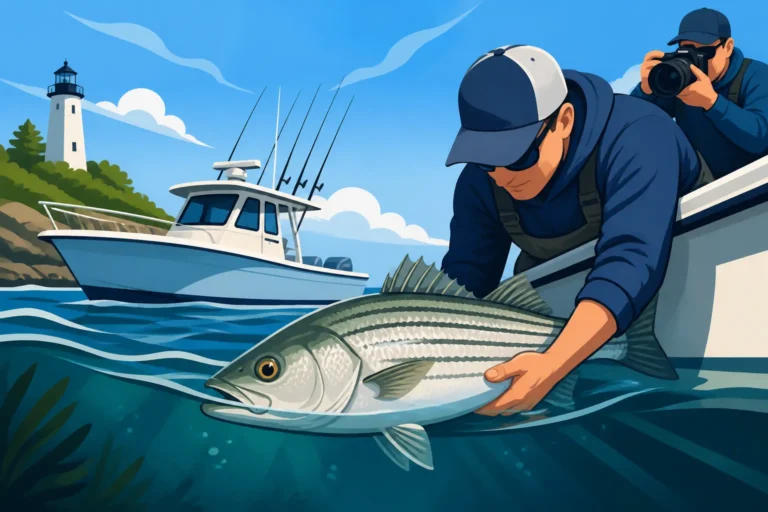
Many striped bass guide trips on the Connecticut River operate primarily as catch-and-release, especially for larger fish. Big stripers are often the most important breeders, and releasing them ensures the health of the population for future generations. If you intend to keep fish, communicate this with your guide beforehand so they can plan accordingly and ensure any kept fish meet the legal requirements. Learn proper fish handling techniques: minimize their time out of the water, support their body weight, and use circle hooks when appropriate, as required by Connecticut Circle Hook Requirement for Striped Bass, to reduce gut-hooking. A responsible guide will always prioritize the fish's well-being and educate you on best practices.
Other Considerations for Your Trip
Beyond the core fishing experience, there are a few other practical aspects to consider when planning your Connecticut River striped bass guide trip. These details can enhance your comfort and ensure the trip is a perfect fit for everyone involved.
Group Size and Boat Capacity
Guide boats and charters come in various sizes, and their capacity will directly impact your group size. Most individual guides operate smaller boats, often accommodating 1-3 anglers comfortably, providing a more personalized and hands-on experience. These smaller vessels are excellent for navigating tighter areas of the river or getting into shallower water for light tackle casting.
Larger charter boats, while less common for dedicated "guide" trips on the river itself (more so for Long Island Sound), might accommodate larger groups, typically 4-6 passengers. These boats offer more space but can sometimes feel less intimate. When booking, always confirm the maximum number of anglers the boat can comfortably and legally carry. This ensures everyone has enough room to fish without feeling crowded, and that the guide can dedicate proper attention to each person. Don't just consider the legal limit, but also what feels right for your desired experience.
Family-Friendly Options
Fishing is a fantastic activity for families, and many Connecticut River guides are experienced in catering to kids and beginners. If you're planning a family outing, it's vital to communicate this when you book. A good family-friendly guide will prioritize safety, patience, and creating an encouraging environment. They often have lighter tackle available for smaller hands and understand that kids might have shorter attention spans.
Some guides might even offer specific "kids' trips" that are shorter in duration or focus on more consistent action with smaller fish, to keep the younger anglers engaged. It’s also worth asking about amenities on board, such as a restroom, which can be a game-changer for families with children. The goal is to make the experience fun and memorable, fostering a love for fishing in the next generation. A guide who genuinely enjoys teaching and interacting with families can make all the difference between a good trip and a truly great one.
Disclaimer
This article is for general informational purposes only and does not constitute professional advice. Laws, prices and regulations vary by location and change over time. Consult a qualified professional for guidance on your specific situation.