Best charters targeting striped bass at the reef
The thrill of chasing striped bass in Connecticut's waters is undeniable, but if you've ever felt overwhelmed trying to find a charter that truly understands how to target those elusive linesides hunkered down on rocky reefs, you're certainly not alone. It's not just about finding any boat with a captain; it's about finding the right one who knows the specific intricacies of fishing structure in Long Island Sound. This guide is here to cut through the confusion and help you pinpoint the best charters designed to put you on striped bass at the reefs, ensuring a more productive and enjoyable day on the water.
The Unique Appeal of Targeting Striped Bass on Reefs
There's something incredibly rewarding about hooking into a strong striped bass that's been holding tight to a piece of reef structure. These aren't just any stripers; they're often larger, more aggressive fish that use the complex underwater terrain to ambush prey and seek shelter. But it's also a challenging environment that demands a specific skill set from a charter captain.
Why Stripers Gravitate Towards Reef Structure
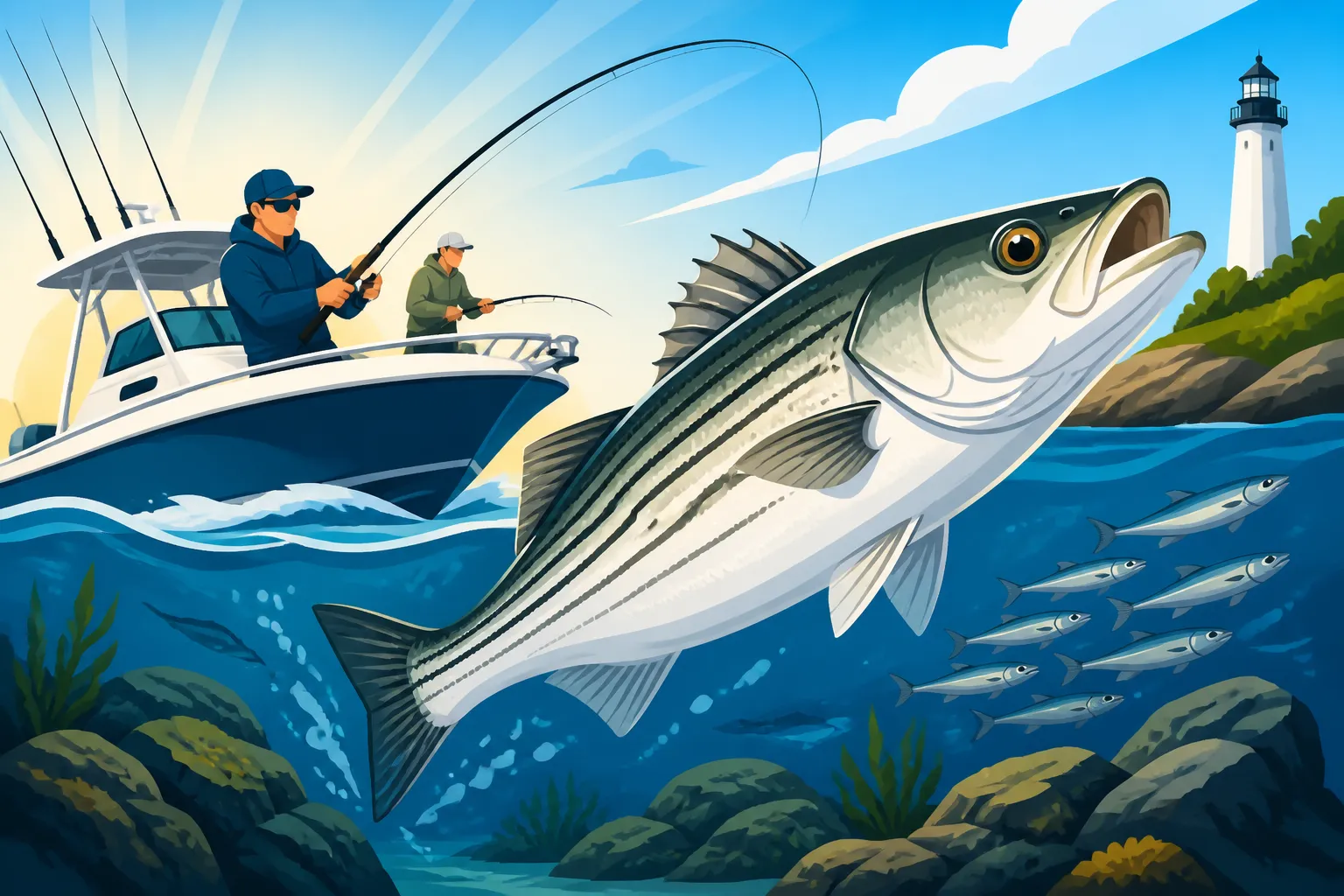
Think about it from a striped bass's perspective. Reefs, ledges, and rocky bottom formations are essentially underwater cities. They provide everything a predatory fish could want: ambush points to surprise baitfish, shelter from strong currents and larger predators, and a rich ecosystem that supports a diverse food chain. Small baitfish like spearing, sand eels, and even juvenile bunker will congregate around these structures, seeking refuge from the open water. This, in turn, draws in the larger striped bass. It’s a natural hunting ground, a buffet, and a fortress all rolled into one. A captain who understands these dynamics knows exactly where to position the boat, whether it's on the edge of a rip, in a current seam, or drifting over a specific rock pile where fish are likely to be stacked up.
The Specific Challenges of Reef Fishing
While incredibly productive, reef fishing isn't without its difficulties. The same jagged rocks that attract fish also love to snag lines and lures. Strong currents, often intensified by the structure itself, can make it tricky to keep your bait or lure in the strike zone. Furthermore, the varying depths and complex bottom contours require intimate knowledge of the area, not just a general understanding. Many an angler has spent a frustrating day losing tackle and catching nothing but rocks because their approach wasn't tailored to the specific challenges of reef fishing. This is precisely why choosing a charter captain with extensive experience in this particular niche is paramount. They’ve learned the hard way where the snags are, how to drift effectively, and what tackle stands the best chance of enticing a bite without getting hung up every five minutes.
What Makes a Charter Ideal for Reef Striped Bass
Not all fishing charters are created equal, especially when you're looking to tackle specific habitats like reefs. To truly excel at putting you on striped bass in these challenging environments, a charter needs a unique blend of captain expertise, boat capabilities, and specialized gear.
A Captain's Deep Knowledge and Experience
The heart of any successful reef fishing charter is the captain. You need someone who has spent countless hours navigating the intricacies of Long Island Sound's submerged structures. This isn't just about knowing where the reefs are on a chart; it's about understanding how the tide, current, and wind interact with those specific structures on any given day.
- Reading the Water: A top-tier reef striper captain possesses an almost instinctual ability to "read" the water. They know how to spot subtle current breaks, rips, and eddylines that betray where stripers might be holding. They can tell you why they're setting up a drift a certain way, or why they're working a specific side of a reef based on the conditions. This kind of nuanced understanding comes only from years of dedicated time on the water, meticulously learning each rock pile, each channel, and how the fish react to the ever-changing environment. This is critical because a few yards can make all the difference between a barren drift and a fish-filled one.
- Fish-Finding Technology Savvy: While experience is key, modern technology complements it beautifully. The best captains are masters of their fish-finding electronics. They can interpret sonar readings to identify not just bait schools, but also individual fish holding tight to the bottom structure. They use side-scan and down-imaging to paint a clear picture of the underwater landscape, pinpointing ledges, boulders, and humps where trophy striped bass might be lurking. They understand how to adjust sensitivities, frequencies, and display settings to cut through water column clutter and reveal the fish hiding within the reef's embrace.
- Specialized Techniques and Tackle: Reef fishing for stripers often calls for specific techniques, whether it's heavy jigging, three-way rigging with live bait, or carefully controlled drifts with eels. A great captain will have the right tackle on board – rods, reels, lines, and an extensive array of lures and baits – specifically suited for these methods. They'll also be expert teachers, patiently guiding you through the techniques, showing you how to feel the bottom without getting snagged, and how to detect those subtle striper bites that can be easily missed in a strong current. They'll also have the right gear to safely land and release larger fish, understanding the importance of proper fish handling.
Appropriate Vessel and Equipment Considerations
Beyond the captain's skill, the physical assets of the charter – the boat itself and its onboard equipment – play a huge role in a successful reef fishing trip.
- Boat Design and Stability: For fishing rugged reef areas, you want a boat that's stable and capable of handling potentially choppy conditions. A vessel that provides a steady platform allows you to focus on fishing rather than struggling to keep your balance. Boats with ample deck space are also a plus, especially if you're fishing with a few friends, allowing everyone room to cast and fight fish comfortably. Many modern center console boats, known for their stability and open layouts, are well-suited for this kind of fishing.
- Electronics Suite: As mentioned, advanced electronics are vital. Look for charters that boast high-quality GPS, sonar, and radar systems. GPS is critical for pinpointing exact reef locations and marking productive drifts. Powerful sonar units help locate fish and distinguish between bottom structure and actual fish. Radar can be a safety feature, especially in foggy conditions, ensuring safe navigation around other vessels and back to port.
- Specialized Tackle and Rigging: A charter specializing in reef striped bass will have heavy-duty rods and reels capable of handling large fish and the sometimes-heavy tackle needed to get to the bottom in strong currents. They'll stock a variety of jigs, bucktails, weighted swim shads, and perhaps even live bait setups appropriate for different reef depths and conditions. The quality of their terminal tackle – swivels, leaders, hooks – should be top-notch, designed to stand up to the rigors of big fish and abrasive structure. Don't be shy about asking what kind of tackle is provided; it's a good indicator of their commitment to this specific type of fishing. The right gear helps reduce frustration and increases your chances of success.
Finding and Booking Your Ideal Reef Striper Charter
So, how do you go about finding this dream charter that specializes in putting you on reef stripers? It takes a bit of research and knowing the right questions to ask.
Researching Charters that Specialize in Reefs
The internet is your friend here, but remember, not all glossy websites tell the full story. Start by looking for charters that explicitly mention targeting striped bass around "structure," "reefs," "rockpiles," or "ledges" in their descriptions.
- Online Platforms and Reviews: Many anglers start their search on reputable online booking platforms like FishingBooker. These sites allow you to filter charters by location, species, and even type of trip. More importantly, they often feature extensive customer reviews. Pay close attention to reviews that specifically mention successful trips targeting striped bass on reefs, noting if anglers praise the captain's knowledge of structure fishing, ability to get on fish, and tackle provided. A charter might have great reviews for fluke, but that doesn't necessarily translate to expertise on striper reefs.
- Local Bait and Tackle Shops: This is an invaluable, often overlooked resource. Local bait and tackle shop owners and staff live and breathe local fishing. They hear direct feedback from anglers and captains alike and often know who the serious reef specialists are. Pop into a shop in coastal towns like Old Saybrook, Niantic, or Stonington and simply ask for recommendations for captains who excel at striped bass fishing on reefs. They might even have business cards or know a captain personally.
- Asking the Right Questions: Once you've got a few potential charters in mind, it's time to call them up. Don't be afraid to ask direct questions:
- "How often do you target striped bass on the reefs?"
- "What techniques do you typically use for reef stripers (e.g., jigging, live bait, three-way rigs)?"
- "What kind of tackle do you provide for this specific type of fishing?"
- "Do you use advanced electronics to pinpoint structure and fish on the reefs?"
- "What's your approach to minimizing snags on rocky bottom?"
A captain who is knowledgeable and confident in their reef fishing abilities will be happy to answer these questions in detail. Look for that enthusiasm and specific detail in their responses. This is also a good time to confirm details like Connecticut fishing license age requirements and if the charter covers that for you.
What to Expect and How to Prepare
Booking a charter is just the first step. To make the most of your reef striper adventure, you need to know what to expect and how to prepare.
- Gear Provided vs. What to Bring: Most quality charters will provide all necessary rods, reels, and terminal tackle, especially for specialized techniques like reef fishing where specific heavy-duty gear is often required. However, it's always wise to confirm this beforehand. You should still bring your own protective clothing (rain gear, layers), polarized sunglasses, sunscreen, a hat, and any personal snacks or drinks. Many charters allow you to bring a cooler with your own provisions, but check their policy. If you have a favorite lucky lure, ask if it's okay to bring it along! Also, consider bringing a camera to capture those memorable moments – just make sure it’s waterproof or well-protected.
- Understanding Tides and Conditions: Reef fishing is highly dependent on tides and currents. Your captain will likely choose a departure time based on the optimal tidal movement for the specific reefs they plan to fish. Be prepared for potentially strong currents and the need to retrieve and re-drop baits frequently to stay in the strike zone. The captain will guide you through this, but being aware of it helps manage expectations. Weather can also play a significant role; discuss the charter's Connecticut fishing license refund and replacement policy if a trip needs to be canceled due to inclement weather.
- Physical Demands: While thrilling, reef fishing can be physically demanding. Holding a heavy rod for extended periods, repeatedly dropping and retrieving heavy jigs in current, and battling strong striped bass can be tiring. Make sure you're physically prepared for the activity. If you have any physical limitations, discuss them with the captain when booking so they can accommodate you or suggest alternative techniques if possible.
- Patience and Persistence: Like all fishing, there will be lulls. Even the best reef spots don't produce fish on every single drift. Trust your captain, listen to their instructions, and maintain a positive attitude. Sometimes, that next drift or that slight change in technique is all it takes to turn the bite on.
Prime Reef Fishing Locations and Seasons in Connecticut
Connecticut's portion of Long Island Sound is dotted with countless reefs, ledges, and rocky bottom areas that hold striped bass. Knowing generally where and when to target them can significantly increase your chances of success.
Productive Reef Systems in Long Island Sound
While a good captain won't reveal their secret honey holes, there are general areas of Long Island Sound known for productive reef fishing. These submerged structures range from subtle rocky bumps to prominent ledges and artificial reefs. These features create eddies and current breaks that stripers adore. Charters operating out of ports like Niantic, Old Saybrook, or Stonington often have direct access to some of the most consistent reef fishing grounds in the Sound. Long Island Sound Fishing Guide can give you a broader overview of the area. These captains are often dialed into the specific nuances of these local structures, knowing which reefs hold fish under different conditions.
Seasonal Considerations for Reef Stripers
The presence and activity of striped bass on Connecticut's reefs are heavily influenced by their annual migration patterns and water temperature. Knowing the best times to go can make a huge difference.
- Spring (May – Early June): As water temperatures rise, striped bass begin their migration into Long Island Sound. Early season, they'll often be found staging on the deeper edges of reefs and ledges, looking for the first waves of baitfish. This can be an excellent time for aggressive jigging or slow-trolling live baits. The fish are often hungry after their migration. For more on seasonal timing, check out Best Time of Year to Fish in Connecticut.
- Summer (Mid-June – August): During the warmer summer months, stripers will scatter more, but many will still patrol the reefs, especially during dawn, dusk, and nighttime hours. They often move into deeper water or onto the cooler, current-swept sides of reefs during the heat of the day. Live baiting eels or chunking fresh bunker can be highly effective during this period, particularly around tide changes. Many charters offer Best Night Fishing Charters for Striped Bass during this period, as the big fish often feed more actively under the cover of darkness.
- Fall (September – November): This is arguably the peak season for reef striper fishing in Connecticut. As baitfish like bunker, mullet, and spearing begin their southward migration, large schools of striped bass follow suit, often congregating on prominent reefs and rips to ambush their prey. This can lead to explosive topwater action, intense jigging, or incredible live-lining opportunities. The fish are aggressively feeding, putting on weight before their journey back south. If you're looking for best time of year to catch striped bass, fall is definitely a prime contender.
- Winter (December – April): While not typically a prime time for active reef striper fishing due to their migration out of the Sound, a few holdover fish might be found in deeper, warmer pockets of the Sound, though targeting them specifically on reefs is less common. Most charters focusing on stripers will be seasonal, following the main migration.
Here's a quick look at some key aspects of reef striped bass fishing:
| Aspect | Ideal Conditions & Techniques | Tackle Considerations | Best Seasons |
|---|---|---|---|
| Current/Tide | Strong moving water, especially around peaks of outgoing/incoming. | Heavy jigs (2-6 oz), 3-way rigs with sinkers. | All |
| Depth | 15-60 feet typically, but can vary by reef. | Braided line (30-60lb) for sensitivity, fluorocarbon leader (30-80lb). | All |
| Baits/Lures | Live eels, bunker (chunked or live), bucktail jigs, soft plastics, weighted swim shads. | Sturdy hooks, quality swivels, strong rod/reel combo. | All |
| Structure Focus | Ledges, rock piles, humps, current breaks, edges of rips. | Sonar/GPS essential for captain. | All |
| Time of Day | Dawn/Dusk often best, also coincides with favorable tides. | Headlamp for night trips, polarized sunglasses for day. | Summer, Fall |
Making the Most of Your Reef Striper Adventure
Going out on a charter specifically tailored for targeting striped bass on reefs is an investment in a specialized fishing experience. To maximize your enjoyment and success, remember to communicate, learn, and appreciate the expertise of your captain.
Always be clear with your captain about your expectations and experience level. Are you hoping for a trophy fish, or just some consistent action? Are you new to fishing, or a seasoned angler looking for new techniques? The more information you provide, the better they can tailor the trip. Don't hesitate to ask questions during the trip about the techniques, the fish behavior, or the area. The best captains are often passionate educators who love to share their knowledge. Platforms like FishingBooker are a great way to find reviews and ratings that can guide your decision, ensuring you pick a charter with a proven track record for this type of specific fishing.
By choosing a charter with a strong focus on reef fishing, a captain with deep local knowledge, and an understanding of the challenges and rewards, you're setting yourself up for an incredible day battling powerful striped bass. Whether it’s the intense tug of a big striper on a jig or the exhilarating strike on a live eel, fishing Connecticut's reefs for striped bass offers an unmatched thrill.
Disclaimer
This article is for general informational purposes only and does not constitute professional advice. Laws, prices and regulations vary by location and change over time. Consult a qualified professional for guidance on your specific situation.