Tipping Etiquette for Connecticut Fishing Charters
It’s a fantastic feeling to hook into a trophy striped bass off the Connecticut coast, or perhaps reel in a delicious black sea bass. But as the boat heads back to shore, a different kind of question often surfaces: how much do I tip the crew? Navigating tipping etiquette on a Connecticut fishing charter can feel a little murky, especially for first-timers or those used to different service industries. This guide is here to clear the waters, ensuring you can show your appreciation confidently and appropriately for a great day on the Sound or an inland lake.
Why Tipping Matters on a Fishing Charter
Many anglers, especially those new to charter fishing, might not fully understand why tipping is such a crucial part of the experience. It's not just a nice gesture; it's a deeply ingrained industry standard that directly impacts the livelihood of the hardworking individuals who make your trip possible. Think of it like dining out at your favorite restaurant or getting a fresh haircut – the service industry operates on gratuities.
The Unseen Work of the Crew
Before you even step foot on the boat, a charter crew has often put in hours of unseen work. They're up before dawn, checking weather forecasts, fueling the boat, prepping bait, rigging rods and reels, and ensuring all safety equipment is in order. Imagine all the time it takes to clean the boat from the previous trip, spool fresh line, sharpen hooks, and organize tackle. This isn't just a job for them; it's a passion and a profession that demands immense dedication, often seven days a week during peak season.
During your trip, the mate or captain is constantly working. They’re baiting hooks, untangling lines, netting fish, explaining techniques, and ensuring everyone's safety. When you finally get that prized fish to the boat, they expertly net it, measure it, and often help you with photos. They’re essentially your personal fishing assistant and guide for the day, and their attentiveness can make or break your overall enjoyment, especially when you're targeting specific species like blackfish around tricky structure. And once you're back at the dock, the work continues with fish filleting, boat cleaning, and preparing for the next group. This extensive labor, both visible and invisible, is a significant part of what your tip acknowledges and rewards.
It's Part of Their Income
For many charter captains and, especially, mates, tips form a significant portion of their income. While the charter fee covers the boat's operating costs, fuel, maintenance, insurance, and the captain's base pay, it doesn't always fully compensate the crew for their extensive hours and physical labor. A mate might work for a lower base wage, with the expectation that gratuities will supplement their earnings to a respectable level. This is a common structure across the service industry, and fishing charters are no different.
When you book a trip, whether it's through a platform like FishingBooker or directly with a captain, understanding this financial dynamic helps you appreciate why a fair tip is so important. It’s not just about rewarding good service; it’s about contributing to a sustainable living for the professionals who dedicate their lives to helping others enjoy the water. A good tip shows respect for their expertise, their strenuous work, and the long, unpredictable hours they put in, often leaving their own families to help yours create lasting memories on the water.
Standard Tipping Percentages and How to Calculate Them
So, what's the magic number? This is where many anglers feel the most uncertainty. While there's no hard-and-fast rule carved in stone, the fishing charter industry generally adheres to a widely accepted range, much like other service professions. Understanding this baseline and how to apply it will help you feel much more comfortable at the end of your trip.
The Baseline Expectation
In Connecticut, and across much of the charter fishing world, a standard tip for the crew typically falls between 15% and 20% of the total charter cost. This is the generally accepted range for good service. If the crew went above and beyond, provided exceptional guidance, or made a particularly challenging day successful, you might consider tipping towards the higher end of that scale, or even a little more. For example, if you snagged your personal best striped bass thanks to the mate's keen eye and quick net work, that extra gratitude is certainly warranted.
Conversely, if the service was adequate but not outstanding, 15% is a perfectly respectable tip. It’s important to remember that the crew cannot control the fish activity or the weather; their effort and attitude are what you’re tipping on. Even on slow fishing days, if the crew worked hard, kept spirits high, and made the experience enjoyable, they still deserve a fair tip for their time and dedication. This standard range applies whether you're out chasing Fluke Fishing in Long Island Sound or targeting inland species on a lake.
Calculating Your Tip on Different Charter Types
Calculating your tip is usually straightforward, but it can vary slightly depending on whether you're on a private or shared charter, or if there were any special circumstances in your booking, perhaps found through a site like FishingBooker.
- Private Charters: For a private trip, where you've booked the entire boat for your group, simply take the total cost of the charter and apply the 15-20% percentage. For instance, if your full-day charter cost a certain amount, and you had an amazing day reeling in your limit of black sea bass, you'd calculate 20% of that total. If there are multiple people in your group, you can then divide that total tip amount amongst yourselves to contribute.
- Shared (Open Boat) Charters: On a shared charter, where you've paid per person to join a group, you'll calculate your tip based on your individual share of the trip cost. So, if your spot on a shared charter cost a certain amount, your tip would be 15-20% of that amount. It’s not uncommon for these trips to have a specific crew box, or you can hand it directly to the mate.
- Charters with "Included Gratuity": Very occasionally, a charter might state that gratuity is already included in the price. This is rare, but if it is explicitly mentioned, double-check to confirm. If it's truly included, you are not obligated to tip further, though exceptional service might still warrant a little something extra if you feel compelled. Always clarify this upfront if you're unsure, perhaps when booking or when reviewing the Connecticut Fishing Charter Cost Guide.
Let’s look at an example:
| Charter Type | Base Cost (Example) | Standard Tip (15-20%) | Low End (15%) | High End (20%) |
|---|---|---|---|---|
| Private Full-Day | $1000 | $150 – $200 | $150 | $200 |
| Shared Spot | $150 | $22.50 – $30 | $22.50 | $30 |
Remember, these figures are illustrative. Always check the actual cost of your charter and apply the percentage based on the quality of service you received.
Factors That Influence Your Tip
While the 15-20% range is a solid starting point, tipping isn't just a rigid mathematical equation. There are many factors that can and should influence whether you lean towards the lower or higher end of that scale, or even go beyond it. Your tip is a direct reflection of your satisfaction and recognition of the crew's hard work.
Exceptional Service and Effort
This is perhaps the biggest driver for a higher tip. Did the crew go above and beyond? Maybe the mate patiently taught your child how to cast, spending extra time with them even when the bite was slow. Perhaps the captain expertly maneuvered the boat to keep you on the fish, making extra drifts despite challenging currents on the Connecticut River Striped Bass Fishing grounds. Did they provide local insights, tell interesting stories, or share tips that genuinely improved your technique or enjoyment?
Exceptional service isn't just about catching fish; it’s about the entire experience. It’s the genuine enthusiasm, the proactive assistance, the way they anticipate your needs before you even ask. If you felt truly cared for, informed, and entertained throughout the day, recognizing that effort with a more generous tip is a fantastic way to show your appreciation.
Challenging Conditions and Tough Fishing
Here's where common misconceptions often come into play. Many anglers mistakenly believe that if the fish aren't biting, the crew doesn't deserve a good tip. This couldn't be further from the truth! The crew has absolutely no control over whether the fish decide to cooperate, or if a sudden front pushes the bite down. What they can control is their effort and attitude.
Did they work tirelessly to find fish, moving to multiple spots, trying different techniques, and remaining optimistic despite the slow action? Did they maintain a positive attitude and keep spirits high even when the conditions were difficult, such as a choppy Long Island Sound Fishing Guide trip? If the crew put in maximum effort under challenging circumstances, they've earned their gratuity, perhaps even a higher one to acknowledge their perseverance. It's about the hunt, not just the harvest, and their dedication to making the best of a tough day should be recognized.
Handling the Catch
For many anglers, especially those looking to bring home dinner, the post-fishing processing of the catch is a huge bonus. Did the mate expertly fillet your striped bass, black sea bass, or fluke, carefully removing bones and packaging the pristine meat for your freezer? This is a skilled and often messy job that saves you a significant amount of time and effort once you get home. It’s also a service that some smaller charter operations might not automatically include, making it an extra value when they do.
If the crew took the time to process your fish efficiently and cleanly, transforming your raw catch into ready-to-cook fillets, that definitely warrants a higher tip. This service alone can be worth a good chunk of your tip, as it’s something you’d typically pay extra for at a fish market or do yourself after a long day.
Cleanliness and Boat Upkeep
A well-maintained boat isn't just about aesthetics; it's about safety and professionalism. Did you step onto a clean, organized vessel at the start of your trip? Was the deck clear of debris, the tackle organized, and the restroom (if available) tidy? A crew that takes pride in their boat's appearance and upkeep demonstrates a high level of professionalism and care for their equipment, and by extension, for their clients.
Observing a clean and orderly boat reflects the crew's dedication to their craft and your comfort. This often goes unnoticed, but it contributes significantly to the overall quality and safety of your fishing experience, from a simple trip on a local pond to a more involved Connecticut Boating Laws for Anglers excursion. Recognizing this attention to detail with your tip is a subtle but meaningful way to show your appreciation for their ongoing diligence.
Educational Value and Patience
Sometimes, a fishing charter is as much about learning as it is about catching. Did the captain or mate patiently explain how to tie a specific knot, demonstrate the proper retrieve for a lure, or teach you about the local marine ecosystem? Were they particularly good with children or novice anglers, taking the time to guide them without making them feel rushed or incompetent?
This educational aspect can add immense value to your trip, turning a simple outing into a genuine learning experience. It's particularly valuable for beginners or families who might be booking a Best Family-Friendly Fishing Charters in Connecticut. The crew's willingness to share their knowledge, coupled with their patience and encouragement, can leave a lasting positive impression and significantly enhance your overall enjoyment, making a higher tip well-deserved.
Who to Tip and When
Knowing who to hand the money to and at what point in the day can sometimes feel like a delicate dance. You want to show your gratitude without causing awkwardness or confusion. Generally, it's quite straightforward once you understand the typical roles on a charter boat.
Tipping the Captain vs. the Mate
On most Connecticut fishing charters, especially those with multiple crew members, the mate is generally the primary recipient of your tip. Mates often work for a smaller hourly wage, with the understanding that their exceptional service and hard work will be rewarded by satisfied clients. They are typically the ones doing the most hands-on work during the trip – baiting, untangling, netting, cleaning fish, and catering to your needs.
When you hand the tip to the mate, they will usually share a portion of it with the captain, or the captain might receive a smaller separate tip, depending on the boat's internal arrangement. If it's a smaller operation with just a captain and no mate, you'd naturally hand the tip directly to the captain. If you want to specifically thank the captain for their excellent navigation, fish-finding skills, or overall leadership, you can always hand them a portion directly and state your appreciation. However, the mate typically handles the bulk of the "service" work, making them the most direct recipient of your gratitude. If you're unsure, a polite question at the end of the trip, like "Who should I give this to for the crew?" can often clarify the situation without being impolite.
The Best Time to Hand Over the Gratuity
The ideal time to present your tip is at the very end of the trip, once you are back at the dock and your gear is packed up, but before you disembark from the boat. This allows you to assess the entire experience, from start to finish, and offer your thanks directly to the crew.
Here’s why this timing works best:
- Full Assessment: You've seen the full scope of their service, including any fish cleaning or final assistance.
- Private Moment: It can be a more private exchange, especially on shared charters, rather than fumbling with cash in front of other passengers.
- Direct Thanks: It allows you to offer a sincere verbal thank you alongside the monetary tip, reinforcing your appreciation.
- Avoids Awkwardness: It prevents any assumptions or expectations being set midway through the trip.
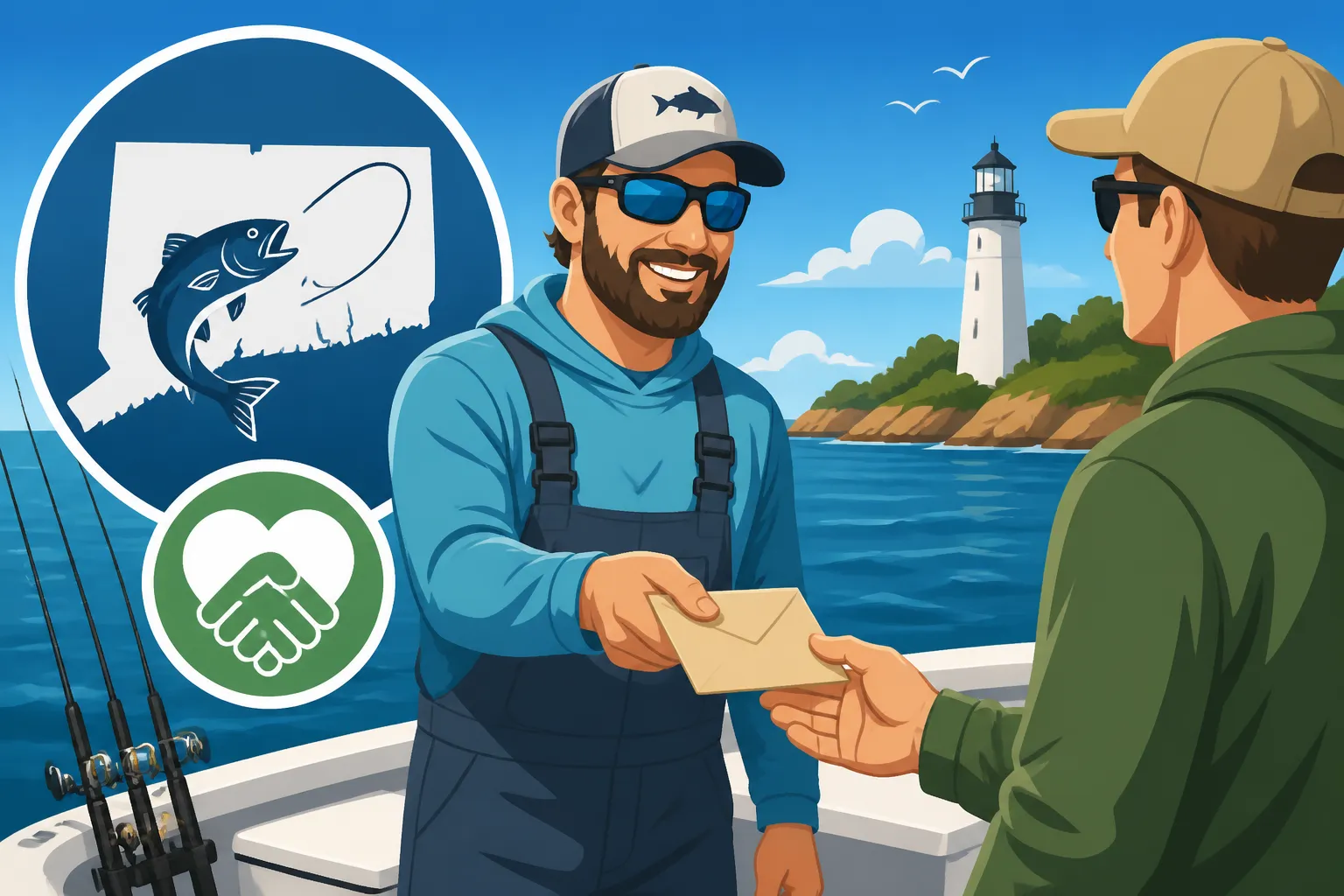
Simply approach the mate (or captain if there's no mate), hand them the cash, and say something like, "Thank you for an amazing day, we really appreciate all your hard work!" or "That was a fantastic trip, please enjoy this." It’s a simple, clear, and universally understood gesture.
Beyond the Cash: Other Ways to Show Appreciation
While a monetary tip is the standard and most appreciated form of gratitude, sometimes you want to go the extra mile, or perhaps the trip was so exceptional that you feel cash alone isn't enough. There are indeed other meaningful ways to show your appreciation that can significantly help the crew and the business.
Positive Reviews and Referrals
In today's digital age, online reviews are gold for small businesses, and fishing charters are no exception. A glowing review on platforms like FishingBooker, Google, Facebook, or the charter's own website can be incredibly impactful. It helps new clients find reliable captains, bolsters the charter's reputation, and acts as free advertising. Mention specific details: the excellent communication, the mate's patience with your kids, the captain's skill in finding fish, or the pristine condition of the boat.
Word-of-mouth referrals are equally powerful. If you had a fantastic experience, tell your friends, family, and colleagues. Share photos on social media and tag the charter. Recommend them directly if someone asks for a local fishing recommendation, whether it's for Best Fishing Charters in Connecticut or for a specific target species like Striped Bass Fishing in Long Island Sound. These actions cost you nothing but time and can bring immense value to the charter business, helping them secure future bookings and thrive.
Offering Assistance
While the crew is there to serve you, a little help from passengers, when appropriate, can go a long way. This doesn't mean you should try to take over the boat or get in the way. Rather, it's about being observant and offering a hand where it's genuinely useful. For example:
- During Setup: If the mate is bringing out rods, offer to carry some, or help untie dock lines if you're experienced and asked.
- While Fishing: If a fish is landed and the mate is busy, offer to clear lines, or coil up a loose rope.
- During Cleanup: Once back at the dock, if the mate is hosing down the boat, ask if there's anything you can quickly wipe down or carry off.
Always ask first ("Can I help with anything?") to ensure you're not hindering their process or getting in the way of safety protocols. A responsible crew will likely decline most offers, preferring to handle things themselves, but the gesture itself shows respect for their work ethic and a willingness to be part of the team.
Bringing Food or Drink
A small gesture of hospitality can make a big difference, especially on longer trips. While many charters advise you to bring your own food and drink, bringing a little extra to share with the crew can be a thoughtful touch. A cooler with extra waters, sodas, or even some snacks like sandwiches or cookies can be greatly appreciated, particularly on a hot summer day or a long Best Full-Day Fishing Charters in Connecticut adventure.
This isn't an expectation, nor is it a substitute for a cash tip, but it's a kind gesture that shows you're thinking of their comfort and well-being during a long day on the water. It can foster a friendly atmosphere and contribute to a more enjoyable experience for everyone on board.
Common Tipping Misconceptions and Awkward Situations
Even with a good understanding of etiquette, some anglers still harbor misconceptions or find themselves in uncomfortable situations when it comes to tipping. Let's address some of these common anxieties and clarify the best approach.
"No Fish, No Tip?" Dispelling This Common Myth
This is perhaps the most prevalent and unfair misconception. As we discussed earlier, the crew has no magic wand to make fish bite. Factors like weather, tides, water temperature, bait presence, and fish migration patterns are entirely beyond their control. A "slow day" or a "skunk" can be incredibly frustrating for anglers, but it's often even more so for the captain and mate, whose reputation and livelihood depend on client satisfaction.
You are tipping for their effort, expertise, service, and attitude, not for the number of fish caught. Did they try their absolute best? Did they move to multiple spots, change tactics, offer advice, and maintain a positive, encouraging demeanor despite the challenging conditions? If the answer is yes, then they absolutely deserve a tip within the standard 15-20% range. Reducing or withholding a tip because the fish weren't biting is unfair and penalizes them for something they cannot control. A good crew will work tirelessly even on a tough day, and that effort merits recognition.
The "Included Gratuity" Trap
Sometimes, especially with larger party boats or special event charters, you might see a note like "gratuity included" or "18% service charge added." While this seems straightforward, it's always wise to clarify.
- Read the Fine Print: Ensure it explicitly states "gratuity" and not just a "service fee" or "fuel surcharge," which are different.
- Ask Directly: If you're unsure, politely ask the booking agent (or even the captain when you board): "Is the crew gratuity already covered in the price?" This simple question can save you from double-tipping or, worse, not tipping when it was expected.
If gratuity truly is included, you are not obligated to tip more. However, if the service was truly outstanding, and you feel moved to do so, a small additional cash tip handed directly to the mate with a sincere "Thank you for going above and beyond!" will undoubtedly be appreciated. Just be sure you're not paying for the tip twice unintentionally. When evaluating different options, especially on booking sites like FishingBooker, paying close attention to these details can help you compare Connecticut fishing charter cost more accurately.
Feeling Pressured to Over-Tip
No one wants to feel like they're being guilt-tripped into paying more than they're comfortable with. While the standard 15-20% is a solid guideline, you should never feel pressured to over-tip if the service doesn't warrant it or if it stretches your budget uncomfortably.
- Trust Your Judgment: If the service was genuinely subpar due to lack of effort, poor attitude, or unsafe practices (which are rare but can happen), you have the right to adjust your tip accordingly. However, be honest with yourself about whether it was truly poor service or just a slow fishing day.
- Be Prepared: The best way to avoid feeling pressured is to arrive prepared with cash and a clear idea of what you plan to tip based on the standard percentages. This way, you can confidently offer your gratuity without hesitation.
- Focus on Effort, Not Catch: Remind yourself that you're tipping for the effort and service, not the number of fish in the cooler. This mental clarity will help you make an objective decision.
Remember, a tip is a token of appreciation for service rendered. By understanding the norms, recognizing the hard work involved, and using your judgment, you can navigate tipping etiquette on your Connecticut fishing charter with confidence and ensure a positive experience for everyone involved. After all, a day out on the water, whether chasing Connecticut Trout Season and Stocking Rules or battling a big striper, should be enjoyable from start to finish!
Disclaimer
This article is for general informational purposes only and does not constitute professional advice. Laws, prices and regulations vary by location and change over time. Consult a qualified professional for guidance on your specific situation.