Best remote backcountry trout streams in Connecticut
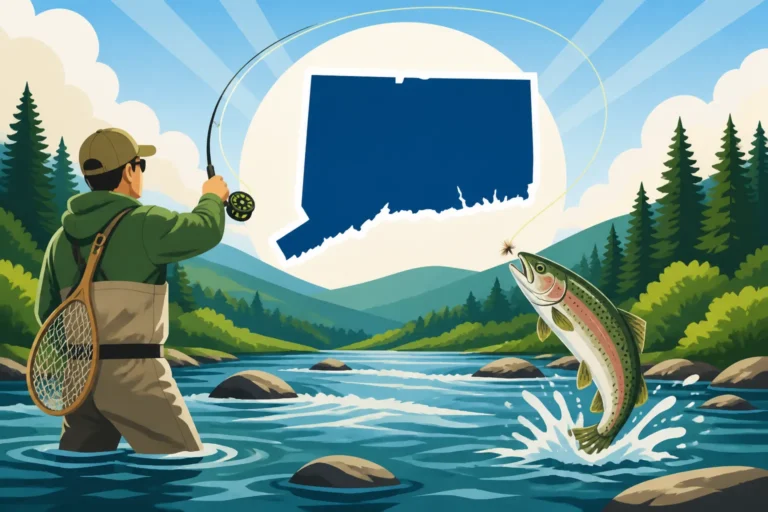
Finding those truly untouched, pristine trout streams in Connecticut can feel like searching for a needle in a haystack. With so many popular, easily accessible, and heavily stocked waters, it’s easy to get discouraged when you’re craving a genuine backcountry experience away from the crowds. This guide is here to help you navigate beyond the well-trodden paths and discover the hidden gems—remote, wild trout streams where solitude and a thrilling challenge await.
The Allure of Connecticut's Backcountry Trout Streams
There’s a special magic to backcountry fishing, a sense of adventure that’s hard to find in more accessible spots. It's about more than just catching fish; it's about the journey, the quiet, and the satisfaction of finding undisturbed waters. In Connecticut, while it might seem like a small, densely populated state, pockets of wilderness still hold onto this allure, particularly in its lesser-known waterways.
Escaping the Crowds and Embracing Solitude
One of the biggest frustrations for many anglers is the sheer number of people on popular rivers and lakes, especially during prime fishing seasons. It can feel less like a peaceful escape and more like a competitive sport. Backcountry streams offer a stark contrast. Here, you might hike for miles and not see another soul, allowing you to fully immerse yourself in nature. This solitude isn't just a luxury; it often translates to less pressured fish that are more willing to bite, offering a more natural and rewarding angling experience. Imagine casting your line into a pristine pool, surrounded only by the sounds of the forest and the trickling stream – that’s the essence of backcountry fishing in Connecticut.
The Thrill of Wilder Fish
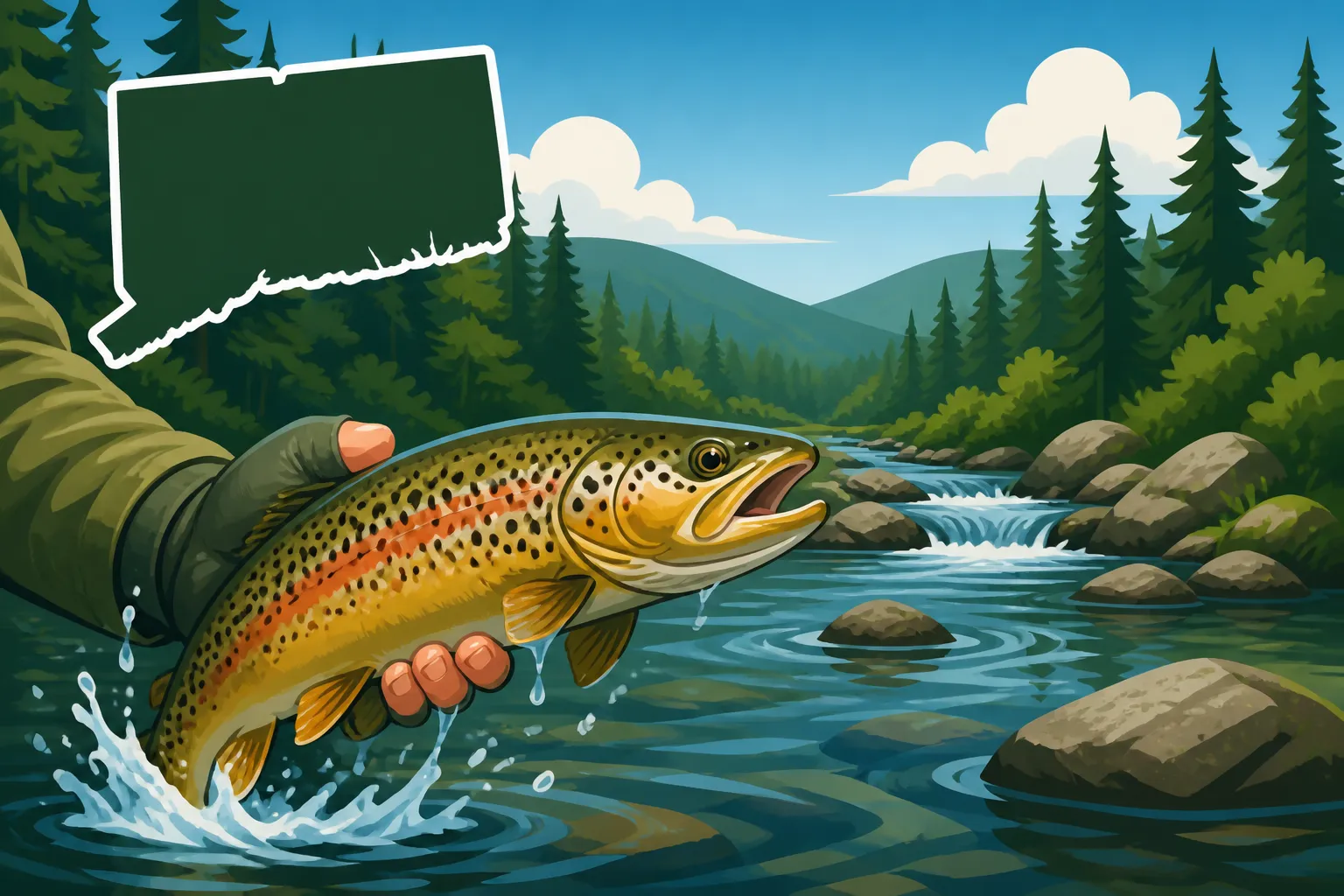
While Connecticut does an excellent job stocking its waters, there's a unique thrill that comes from catching a wild trout that has survived purely on its instincts and the stream's natural bounty. These fish, often smaller but incredibly vibrant, are a testament to the health of the ecosystem. They tend to be warier, demanding more skill and stealth, but the fight they put up, proportionate to their size, is often more spirited. Focusing on these wild populations, especially the native Brook Trout: Connecticut's Native Trout, connects you to the true heritage of angling in our state. These fish are finicky, often requiring a delicate presentation and a deep understanding of their habitat, making each successful catch feel like a significant achievement.
What Defines a Backcountry Stream in Connecticut
When we talk about "backcountry" in Connecticut, we're generally referring to streams that require significant effort to reach. This usually means a hike, often more than a mile, through unmaintained trails or dense woodland. These aren't the broad, easily accessible rivers like parts of the Farmington or Housatonic, but rather their smaller tributaries, headwater streams, or creeks nestled deep within state forests and natural preserves. They might be relatively narrow, perhaps only a few feet wide in places, characterized by rocky bottoms, dense overhead canopy, and numerous small riffles, runs, and plunge pools. Access points might not be clearly marked, demanding good navigational skills and a willingness to explore. It’s also important to differentiate these from popular "special regulation" waters, which, while offering excellent fishing, often still see considerable angler traffic.
Identifying Prime Backcountry Trout Waters
Finding these hidden gems isn't about looking for signs that say "Best Trout Fishing Here!" It's about understanding the land, the water, and the subtle clues that point to healthy, self-sustaining trout populations. You won't find these spots highlighted on the main Connecticut Interactive Trout Stocking Map, Explained because we're looking for streams that nurture wild fish, not just stocked ones.
Characteristics of a Promising Remote Stream
To start, look for streams that originate from cold springs or seepages high up in the watershed. Trout, especially native brook trout, thrive in consistently cold, well-oxygenated water.
- Headwater Streams: These are the smallest branches of a river system, often found in higher elevations. They tend to be less impacted by pollution and urban runoff, maintaining colder temperatures year-round.
- Dense Canopy Cover: Mature forest cover over a stream provides crucial shade, keeping water temperatures down, and contributes organic matter and insects that form the base of the food chain. Look for areas with thick woods hugging the streambanks.
- Rocky Substrate: A bottom composed of gravel, cobble, and small boulders provides essential habitat for aquatic insects—the primary food source for trout—and creates spawning grounds.
- Remote Location: Streams requiring a hike of a mile or more from the nearest road or parking area are prime candidates. This natural barrier to entry helps preserve the stream's wild character and minimizes angling pressure. Areas within large state forests or land trusts are excellent places to start.
Key Indicators for Wild Trout Populations
Spotting wild trout often comes down to looking for signs of a healthy ecosystem, not just fish.
- Absence of Stocking: First and foremost, cross-reference any potential stream with the Connecticut DEEP's stocking reports. If a stream isn't on the list, it dramatically increases the likelihood of finding wild, naturally reproducing trout.
- Natural Reproduction Evidence: While you might not spot actual redds (spawning beds), the presence of multiple size classes of trout, from fingerlings to larger adults, is a strong indicator of successful natural reproduction.
- Abundant Aquatic Insect Life: Turn over rocks in the stream. If you find a diverse array of caddisfly larvae, stonefly nymphs, and mayfly nymphs, it means the water quality is excellent and there's a robust food source for trout. These insects are critical to the trout's diet and survival.
- Water Quality: Clear, clean, and cold water is non-negotiable for wild trout. Avoid streams with visible pollution, excessive sediment, or unnaturally warm temperatures. A good healthy stream will often have a vibrant, almost effervescent quality to its flow.
Utilizing Maps and Online Resources
Your best friends in this quest are detailed topographical maps and satellite imagery.
- Topographical Maps: Use these to identify steep terrain, elevation changes, and the presence of blue lines (indicating streams) that don't intersect with many roads. Look for streams running through large, unbroken patches of green (forest). The contour lines will tell you about the gradient; steeper sections often mean more riffles and plunge pools, which are excellent trout habitat.
- Satellite Imagery (Google Maps, etc.): Zoom in on potential areas. Look for dense tree cover, clear stream beds (where visible), and the absence of development or obvious access roads. You can trace stream paths deep into forested areas.
- Connecticut DEEP Data: While you're avoiding stocked waters, the DEEP does publish information on designated Wild Trout Management Areas or streams with naturally reproducing trout. While some of these might still see traffic, they can also point you towards systems that have healthy wild populations, from which you can then explore smaller, less accessible tributaries. Remember to consult the Connecticut Fishing Regulations Explained before heading out, as specific rules might apply even to remote areas. Many fishing apps, like those often partnered with services like FishingBooker, incorporate layers that show public land boundaries, which can be invaluable for identifying potential backcountry areas.
Essential Gear and Preparedness for Remote Stream Angling
Heading into the backcountry, even in Connecticut, requires a different level of preparedness than a trip to your local pond. You'll be self-sufficient, potentially out of cell service, and relying on your gear and wits.
Lightweight Tackle Setup
When you're hiking a few miles, every ounce counts. Forget the heavy bass gear; think nimble and practical.
- Packable Rods: A 2-4 weight, 7 to 8.5-foot fly rod that breaks down into 4-6 pieces is ideal. Brands like Orvis or TFO offer great options. For spin fishing, a light or ultra-light spinning rod, 5-6 feet long, that can be easily strapped to a pack is perfect. Carbon fiber or graphite rods are lighter and more sensitive.
- Small Reels and Appropriate Line: Pair your rod with a lightweight reel. For fly fishing, a simple click-and-pawl or small disc-drag reel with a floating line (weight-forward trout taper) is excellent. For spin, a 1000-2000 series reel spooled with 4-6 pound monofilament or fluorocarbon line will handle most backcountry trout. The lighter line helps with presenting smaller baits or lures naturally.
- Minimal Lure/Fly Selection: Don't bring your entire tackle box. For fly fishing, focus on a few reliable patterns: small nymphs (Pheasant Tail, Hare's Ear), dry flies (Elk Hair Caddis, Adams, Parachute Adams), and perhaps a few small streamers. For spin fishing, bring an assortment of small inline spinners (Mepps, Panther Martin), tiny spoons, and perhaps some micro jigs with small soft plastics. Think subtle presentations for wary wild trout. For more on specific techniques, check out Fly Fishing for Trout in Connecticut.
Wading Gear and Safety
Safety on slippery, uneven stream beds is paramount.
- Studded Wading Boots: Felt soles or rubber soles with studs offer superior grip on mossy rocks and slick streambeds, significantly reducing the risk of a fall. Hip waders or lightweight chest waders are essential for staying dry in colder water and navigating deeper sections. Make sure your waders fit well to prevent chafing during long hikes.
- Wading Staff: A collapsible wading staff is an absolute must. It provides an extra point of contact, helping you gauge depth and stability, especially in fast currents or unfamiliar territory. It's like a third leg for balance.
- Appropriate Clothing: Dress in layers, even on warm days, as temperatures can drop quickly in shaded valleys. Quick-drying synthetics are best. A good rain jacket is non-negotiable, even if the forecast looks clear. A wide-brimmed hat and polarized sunglasses are also key for sun protection and spotting fish. For more on navigating streams, consider looking into Wading Techniques for Connecticut Trout Streams.
Navigation and Emergency Essentials
Being prepared for the unexpected is crucial when you’re off the grid.
- GPS Device/Smartphone with Offline Maps: Don't rely solely on cell service, as it's often non-existent in remote areas. Download offline maps of the area (e.g., Gaia GPS, AllTrails) onto your smartphone or carry a dedicated GPS unit. Always know your route in and out.
- First Aid Kit: A compact kit with essentials for cuts, blisters, insect bites, and minor sprains is critical. Include any personal medications you might need.
- Water and Filtration: Carry plenty of water. For longer trips, bring a water filter or purification tablets to replenish from stream sources. Never drink untreated stream water directly.
- Communication Device: A fully charged cell phone (for emergency calls if you find service), and perhaps a personal locator beacon (PLB) or satellite messenger for true off-grid emergencies, can be lifesavers. Tell someone your plan and expected return time.
- Bear Spray/Wildlife Awareness: While rare, black bears are present in Connecticut's backcountry. Know how to react to wildlife encounters.
- Leave No Trace Principles: Pack out everything you pack in, including all trash. Avoid disturbing vegetation, stay on established trails (if any), and minimize your impact on the stream and surrounding environment. This preserves the wilderness experience for everyone.
Recommended Remote Backcountry Trout Streams
While truly remote and unnamed streams are best discovered through personal exploration and map study, there are specific regions and tributaries within Connecticut that are known to hold wild trout and offer that sought-after backcountry feel. These are not the well-known, easy-access hotspots, but rather the less-traveled arteries of larger systems or streams deep within extensive state properties.
Western Connecticut's Litchfield Hills Tributaries
The Litchfield Hills region, particularly in the western part of the state, offers some of the most rugged and least developed terrain in Connecticut. This makes it a prime area for finding remote trout streams.
- Macedonia Brook State Park: While the main Macedonia Brook itself can see some fishing pressure, its smaller, unnamed tributaries that flow down from the hills within the park are excellent candidates for exploration. These tiny flows, often requiring bushwhacking, can hold surprisingly healthy populations of native brook trout. The park's steep terrain and dense woods make access challenging, which is exactly what keeps them remote. You'll need to use topographical maps to identify these smaller feeder streams and plan your approach carefully.
- Mohawk Mountain State Forest: Similar to Macedonia, the smaller streams winding through the vastness of Mohawk State Forest (not the main Mohawk River, which is more accessible) can offer a true backcountry experience. Look for blue lines on your map that run through the deepest parts of the forest, far from roads. These can be tiny rivulets, barely a few feet wide, but they often hold small, jewel-toned brook trout eager to rise to a dry fly.
- Paugnut State Forest: This lesser-known state forest in the Litchfield Hills also contains numerous small streams that are part of the Housatonic River watershed. Again, the key is to look for those tributaries that demand a hike and are surrounded by unbroken forest cover. Access can be difficult, but the reward is often unpressured water and a sense of discovery.
Eastern Connecticut's Hidden Gems
While western Connecticut often gets the most attention for its wild trout, the eastern part of the state also has its share of opportunities, particularly in larger state forests.
- Natchaug State Forest and Bigelow Hollow State Park (including Mashapaug Brook tributaries): The Natchaug River system, especially its smaller tributaries within these large forested areas, can hold wild trout. Look for streams that feed into the Natchaug or even Mashapaug Lake itself (though not the lake directly). The dense forest and wetlands here provide excellent cover and temperature regulation for wild populations. It's often about finding those small, overlooked feeder creeks that many anglers pass by.
- Tributaries of the Salmon River: While the Salmon River itself is a popular trout fishery, its upper reaches and numerous smaller feeder streams that course through state land (such as Salmon River State Forest) can offer more secluded opportunities. These are typically smaller, faster-flowing streams that require careful wading and a stealthy approach. Focus on areas where the stream runs far from paved roads and where the canopy is thick.
The Value of Exploration
Ultimately, the best remote backcountry trout streams are the ones you discover yourself. The places that aren’t explicitly named in a guide, but rather found through diligent map study, careful observation, and a willingness to hike and explore. Services like FishingBooker might list guides for more accessible waters, but for these true backcountry experiences, you are your own guide. It's a process of elimination: find an unstocked stream on the map, look for public access points (state forests, DEP properties), and then commit to the hike. The joy is not just in catching the fish, but in the journey of finding them in their natural, wild habitat.
| Characteristic | Stocked Stream | Backcountry Stream |
|---|---|---|
| Access | Easy, roadside parking, well-maintained trails | Difficult, requires hiking, unmaintained paths |
| Angler Pressure | High, especially during stocking season | Low, often solitary experience |
| Fish Species | Primarily rainbow, brown, and brook trout (stocked) | Primarily wild brook trout, some wild brown trout |
| Fish Size | Often larger, recently stocked fish | Generally smaller, wild, naturally reproducing |
| Water Clarity | Varies, can be impacted by heavy pressure | Usually clear, pristine |
| Habitat | Often wider, open, predictable pools | Narrow, rocky, dense canopy, complex structure |
| Required Skill | Less subtle techniques often effective | Requires stealth, delicate presentation, stream craft |
| Experience | Social, higher catch rates often anticipated | Solitary, adventurous, focus on wilderness |
Disclaimer
The information provided in this guide is for general informational purposes only and is subject to change. Always consult the latest official Connecticut Department of Energy and Environmental Protection (DEEP) fishing regulations and advisories before planning any fishing trip. Be aware of private property boundaries, obtain necessary permissions, and prioritize safety when exploring remote areas. Fishing conditions and accessibility can vary significantly.