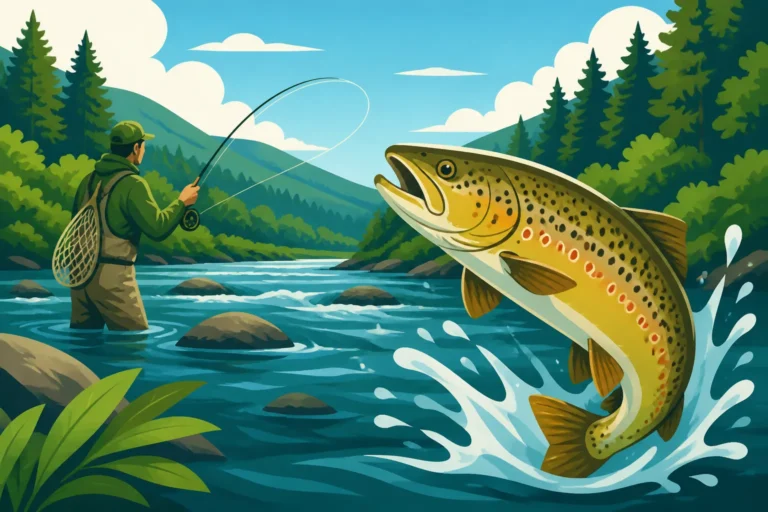
Best trout ponds accessible by short hike
There's nothing quite like the urge to cast a line into clear water, hoping for the thrill of a trout on the other end. But let's be honest, sometimes the most popular fishing spots can feel less like an escape and more like a crowded carnival. And while a multi-day backcountry trek sounds romantic, it's not always practical. If you're yearning for a peaceful trout fishing experience in Connecticut that doesn't require an epic journey, you're in the right place. This guide is all about those fantastic, serene trout ponds accessible by a short, enjoyable hike, giving you that wild feeling without all the effort.
The Allure of Hidden Ponds for Trout Anglers
For many of us, fishing is more than just catching fish; it's about finding tranquility, connecting with nature, and stepping away from the daily grind. Roadside spots can be convenient, but they often come with noise, competition, and a distinct lack of that "wilderness" feeling. That's where the beauty of a short-hike trout pond truly shines.
Finding Solitude Without the Trek
Let's face it, we've all been there: pulling up to a popular stream access point only to find three other cars already parked, or trying to fish a beautiful pool while someone else is splashing around just upstream. It can be frustrating when you're looking for peace and quiet, but feel like you're still in the thick of it. The good news is, in Connecticut, a surprisingly short walk can often lead you to a completely different world. We're talking about a 5, 10, or maybe 20-minute stroll from your parking spot – just enough distance to weed out the casual drive-by anglers and immerse you in a more natural setting.
These spots offer a unique appeal. The quiet rustle of leaves underfoot, the absence of traffic noise, and the feeling of having a bit of the water all to yourself can transform a simple fishing trip into a truly restorative experience. You might spot a deer drinking from the opposite bank, hear a hawk cry overhead, or simply enjoy the sounds of nature uninterrupted. It's that sweet spot between roadside convenience and full-blown backcountry adventure, perfectly tailored for a few hours of blissful angling. Plus, knowing you've put in just a little effort often makes the fish you catch feel even more rewarding.
A Different Kind of Trout Challenge
Fishing for trout in a pond or a small lake presents a wonderfully different challenge compared to tackling swift-flowing rivers and streams. Without the constant current, pond trout behave differently, often cruising edges, hanging around submerged structure, or congregating near deeper drop-offs. This means you'll need to adapt your tactics, moving beyond simple drift fishing and embracing techniques better suited for stillwater. It’s an opportunity to expand your fishing repertoire and learn new ways to entice these beautiful fish.
While many of these ponds are regularly stocked by the Connecticut Department of Energy and Environmental Protection (DEEP), providing ample opportunities for success, some also hold healthy populations of "holdover" trout from previous stockings, or even wild brook trout in very specific, less-impacted locations. These holdovers and wild fish can be significantly more cunning and offer a truly rewarding catch. The joy of discovering a new, quiet spot, observing the subtle rises, and figuring out the puzzle of pond trout can be incredibly satisfying. It forces you to slow down, observe, and really think like a fish, sharpening your angling instincts in a serene environment.
Connecticut's Best Ponds for a Short-Hike Trout Adventure
Connecticut is peppered with incredible fishing opportunities, and while the major rivers get a lot of attention, our state parks and forests hide some truly wonderful ponds that are perfect for a quiet trout outing. These spots often require just a brief walk from the parking area, making them highly accessible for a spontaneous trip or a family outing.
Central Connecticut's Quiet Waters
If you're looking for that sweet escape without venturing too far, Central Connecticut offers some fantastic options. These ponds are typically well-maintained and offer scenic beauty along with good fishing.
Black Pond in Middlefield
Nestled within the sprawling Cockaponset State Forest, Black Pond in Middlefield is a real jewel. Getting to it requires a short, relatively easy walk from the main parking area off Route 66, but the slight effort pays off immediately with a sense of calm and seclusion. The trail winds through mature forest before opening up to the tranquil waters of the pond. This pond is regularly stocked with trout, primarily rainbows, but you might also encounter brook trout in its cooler, spring-fed sections, particularly earlier in the season.
The pond offers ample shoreline access for casting, with some areas featuring small clearings perfect for setting up a camp chair. It's a great spot for both bait anglers, using PowerBait or worms, and lure casters trying small spinners or spoons. Fly anglers will also find success, especially with woolly buggers or small nymphs fished near drop-offs. The natural beauty surrounding Black Pond, with its thick tree cover, makes it feel much more remote than it actually is, providing a fantastic backdrop for a peaceful day of fishing. Remember to check the Connecticut Trout Season and Stocking Rules before heading out to know the best times.
Day Pond in Colchester
Day Pond State Park is another excellent choice for those seeking easy access to quiet trout fishing. While the main parking lot is very close to the pond, a pleasant, gentle loop trail encircles the water, allowing you to walk just a few minutes in any direction to find your own secluded casting spot. This makes it perfect for anglers who want to escape the more crowded beach area and find a quieter section of the pond. Day Pond is consistently stocked with a good number of rainbow trout, providing reliable action, especially in the spring and fall.
The pond itself is beautiful, surrounded by woodlands, and its relatively shallow nature in many areas makes it approachable for anglers of all skill levels. You can cast from various points along the shore, and the calm waters are also excellent for a small kayak or canoe if you want to explore different angles. It’s a wonderful spot for families, as the short walks are manageable for kids, and the chance of catching stocked trout is high. For those who enjoy a bit of light tackle fishing, Day Pond truly delivers that classic pond experience.
Eastern Connecticut's Secluded Stocked Gems
The eastern side of the state also holds its share of fantastic ponds where a short walk can lead to excellent trout fishing. These spots often provide a blend of managed access and natural beauty.
Hopeville Pond in Griswold
Hopeville Pond State Park, located in Griswold, offers a larger body of water than some other "pond" entries, but it still maintains many areas that feel secluded and require a short walk to access prime fishing spots. While there's a popular swimming beach and boat launch, the extensive shoreline trails lead away from the busier areas, providing peaceful coves and points perfect for trout fishing. The DEEP regularly stocks Hopeville Pond with rainbow trout, ensuring good opportunities throughout the season.
Walking along the trails, you can find quiet spots beneath the trees or on small points that jut out into the water. These areas can be especially productive, as they receive less fishing pressure than the more obvious access points. It’s a great pond for exploring, and a short, leisurely stroll can reveal several promising locations. Because of its size, Hopeville Pond can also hold some larger, wilder-feeling holdover trout that have had time to grow. For those interested in understanding the stocking schedule, the Connecticut Interactive Trout Stocking Map, Explained is an invaluable resource.
Schreeder Pond at Chatfield Hollow State Park in Killingworth
Chatfield Hollow State Park is a popular destination, but Schreeder Pond, while easily accessible from parking, also offers that "short hike" advantage if you take the time to walk its perimeter. The pond is relatively small and intimate, making it easy to cover a lot of ground in a short amount of time. It's a key stocking location for the DEEP, meaning a good number of rainbow trout are released here each season.
While the main access point near the parking is convenient, a short walk along the pond's edge, past the picnic areas and toward the more wooded sections, can often lead to quieter waters and less competition. The pond's structure, including some submerged logs and weed beds, provides excellent cover for trout. It's an ideal spot for a quick fishing trip after work or a relaxed weekend outing. The overall beauty of Chatfield Hollow, with its rock formations and diverse trails, adds to the appeal of fishing at Schreeder Pond.
Equipping Yourself for Pond Perfection
Heading to these tucked-away ponds doesn't require a full expeditionary loadout, but having the right gear can make all the difference between a frustrating day and a fantastic one. Simplicity and versatility are key when you're combining a short hike with your fishing adventure.
Light Tackle and Smart Lures
When it comes to tackle for these Connecticut trout ponds, think light and agile. A light-power spinning rod, around 6 to 7 feet in length, paired with a small spinning reel (size 1000 or 2000) spooled with 4 to 6-pound monofilament or fluorocarbon line, is generally ideal. This setup provides enough backbone for casting small lures or baits while still being sensitive enough to detect subtle bites from wary trout. If you're wondering about getting your license, check out How to Buy a Fishing License Online in Connecticut.
For bait anglers, staples like PowerBait (especially in bright colors like chartreuse, orange, or rainbow), real earthworms, and even kernel corn can be incredibly effective on stocked trout. Present these on a small hook (size 10-14) under a tiny bobber or with a small split shot for bottom fishing. Lure enthusiasts will find success with a variety of small, flashy options: think 1/16 to 1/8 oz Kastmasters, Phoebes, or Super Dupers, which imitate baitfish. Small inline spinners like Mepps Aglia or Panther Martin, in sizes 0 to 2, are also perennial favorites and irresistible to trout. When it comes to retrieve, experiment with slow, steady cranks, or add small twitches to entice a strike.
If you're a fly fisher, these ponds are a fantastic place to hone your stillwater skills. A 3-5 weight fly rod is perfect, allowing for delicate presentations. Streamers like Woolly Buggers (black, olive, brown) are excellent for imitating baitfish or leeches cruising the edges. Nymphs, such as Prince Nymphs or Hare's Ears, fished under a strike indicator, can imitate the aquatic insects trout feed on. And don't forget a few small dry flies for those magical moments when trout are rising to surface hatches, especially during early morning or late evening. For more specific fly fishing advice, our guide on Fly Fishing for Trout in Connecticut has you covered.
Beyond the Rod: Comfort and Essentials
Your "short hike" might not be a mountain ascent, but proper preparation ensures comfort and safety. First and foremost, wear comfortable, supportive footwear suitable for uneven trails. Hiking shoes or sturdy sneakers are usually perfect. Avoid flip-flops or open-toed sandals.
A small backpack is indispensable for carrying your essentials. This should include plenty of water to stay hydrated, especially on warmer days, and some snacks to keep your energy up. Don't forget bug spray, as biting insects can be a real nuisance, particularly near still water. Sunscreen and a hat are also crucial, even on overcast days, to protect you from UV rays. A small first-aid kit with basics like band-aids and antiseptic wipes is always a smart addition.
Other useful items include a small tackle box or bag to keep your lures and baits organized, a pair of polarized sunglasses to reduce glare and help you spot fish or underwater structure, and a small net for safely landing and releasing fish. If you plan on keeping your catch, bring a stringer or a small cooler with ice to keep your trout fresh. And while you might not think about it for a short hike, a lightweight rain jacket can be a lifesaver if an unexpected shower rolls through. Before you even head out, make sure you have your Connecticut Fishing License Guide for 2026 in hand, whether it's a physical copy or you're Printing or Carrying a Digital Fishing License in Connecticut.
Maximizing Your Short-Hike Trout Experience
You've got the gear, you've picked your spot, but what else can you do to make your short-hike trout trip as successful and enjoyable as possible? A little insight into trout behavior and a commitment to responsible angling practices can go a long way.
Understanding Pond Trout Behavior
Trout in ponds behave differently than their river counterparts. Without the constant flow of current to deliver food, pond trout often cruise the margins, looking for insects, small baitfish, or even terrestrial creatures that fall into the water. They'll also seek out structure, like submerged logs, rocks, or weed lines, as ambush points or areas of security. Deeper sections and drop-offs are also key holding areas, especially during warmer parts of the day when they seek cooler water.
Timing can be everything. The periods of low light, such as early morning (dawn to a couple of hours after sunrise) and late evening (a couple of hours before sunset until dark), are often the most productive. During these times, trout feel more secure and are actively feeding. Overcast days can also provide excellent fishing throughout the day, as the reduced light makes trout less wary. After a fresh stocking, trout can be quite aggressive and easy to catch, but as they acclimate, they become more discerning. For a deeper dive into techniques, our Spring Trout Fishing Techniques for Connecticut Streams guide offers great crossover tips for pond fishing too.
One key aspect of pond fishing for trout is stealth. Unlike river fishing where the moving water can obscure your presence, stillwater amplifies everything. Approach the shoreline quietly, avoid heavy footsteps, and make long, accurate casts to avoid spooking fish in shallower areas. Observe the water for any signs of feeding activity, like rises on the surface or subtle swirls, which can indicate where trout are actively holding.
Conservation and Courtesy on the Water
Even on a quiet pond, practicing good angling etiquette and environmental stewardship is crucial. The beauty and serenity of these spots depend on everyone doing their part. Always adhere to the "pack it in, pack it out" principle, ensuring that any trash, fishing line, or discarded bait leaves with you. This keeps the environment pristine for wildlife and future anglers.
Be mindful of other people using the pond or trails. Many of these areas are multi-use, attracting hikers, birdwatchers, and families simply enjoying nature. Give them space, keep noise to a minimum, and always be polite. If you encounter another angler, a friendly nod or brief greeting is usually sufficient, allowing both of you to maintain your peace.
When it comes to the fish, always be aware of the specific regulations for the pond you're fishing. The Connecticut Fishing Regulations Explained guide is your go-to resource. If you're practicing catch and release, handle the trout gently with wet hands, minimize their time out of the water, and ensure they are revived before release. Using barbless hooks can also reduce harm to the fish. Understanding the Connecticut Trout Limit and Possession Rules is also vital to ensure you're compliant if you choose to keep some fish for the dinner table. By respecting the resource and fellow outdoor enthusiasts, you help ensure these wonderful short-hike trout ponds remain special places for everyone for years to come. For those considering taking their angling further, resources like FishingBooker can provide insights into local guides and charter services in Connecticut, should you ever wish to explore larger waters or target different species.
Connecticut Short-Hike Trout Pond Comparison
For those looking to quickly compare some of the great options for accessible trout ponds in Connecticut, here's a handy table summarizing the key features we've discussed.
| Pond Name | Location | Typical Hike Length (from parking) | Primary Trout Species Stocked | Best Feature |
|---|---|---|---|---|
| Black Pond | Middlefield | 5-10 minutes | Rainbow, Brook | Secluded forest setting, quiet atmosphere |
| Day Pond | Colchester | 2-5 minutes (to secluded spots) | Rainbow | Easy loop trail, family-friendly |
| Hopeville Pond | Griswold | 5-15 minutes (to quieter areas) | Rainbow | Larger water, more exploration, diverse access |
| Schreeder Pond | Killingworth | 2-10 minutes (to perimeter spots) | Rainbow | Intimate size, quick access, scenic park |
Note: Hike lengths are estimates and can vary based on your specific chosen spot along the pond's edge and starting parking location. For a broader view of fishing possibilities, a visit to a site like FishingBooker might inspire your next adventure, whether it's a quiet pond or a bustling charter.
Disclaimer
Please remember that fishing regulations and conditions can change. Always consult the official Connecticut Department of Energy and Environmental Protection (DEEP) website or the current Connecticut Angler's Guide for the most up-to-date rules, stocking schedules, and any specific pond closures or advisories before planning your fishing trip. While the information in this guide is designed to be helpful, it should not replace official sources.