Fly Fishing for Trout in Connecticut
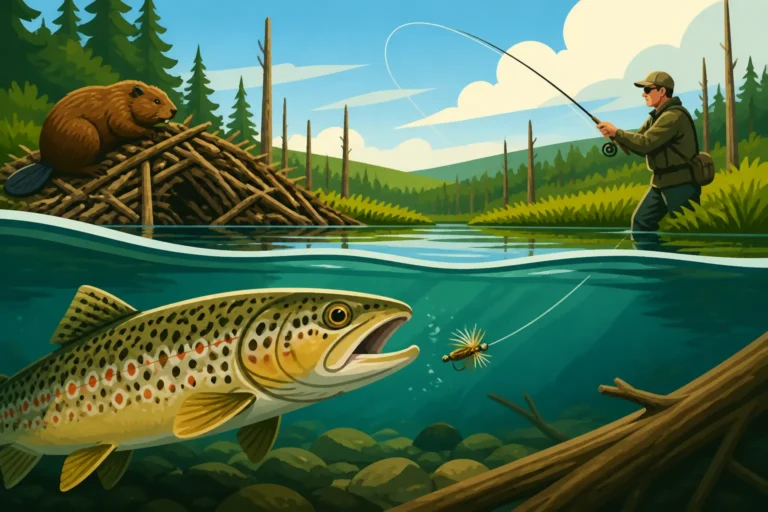
There's nothing quite like the gentle rhythmic cast of a fly rod, the line unfurling gracefully, and the anticipation of a trout rising to your perfectly presented fly. But let's be honest, getting started with fly fishing for trout in Connecticut can feel a bit like trying to solve a puzzle with half the pieces missing. From navigating the state's diverse waters to understanding the ever-changing regulations and what flies to even tie on, it can be a real head-scratcher. This comprehensive guide is here to break down every facet of fly fishing for trout in the Nutmeg State, ensuring you're well-equipped and confident for your next, or first, angling adventure.
Understanding Connecticut's Trout Species and Waters
Before you even think about casting a line, it’s crucial to understand the stars of the show: the trout themselves, and the distinct environments they call home in Connecticut. We've got a fantastic mix of native residents and actively stocked beauties, each with their own preferences and challenges.
Native Brook Trout vs. Stocked Rainbows and Browns
Connecticut is a fascinating state when it comes to trout, offering a diverse fishery that includes both wild, native species and robust stocking programs. For many fly anglers, the holy grail is the wild brook trout, the state's only native salmonid. These vibrant, intricately patterned fish are true gems, often found in the colder, pristine headwater streams and smaller tributaries. They tend to be smaller than their stocked cousins, but their beauty and the challenge of finding them in remote, untouched waters make them incredibly rewarding to pursue.
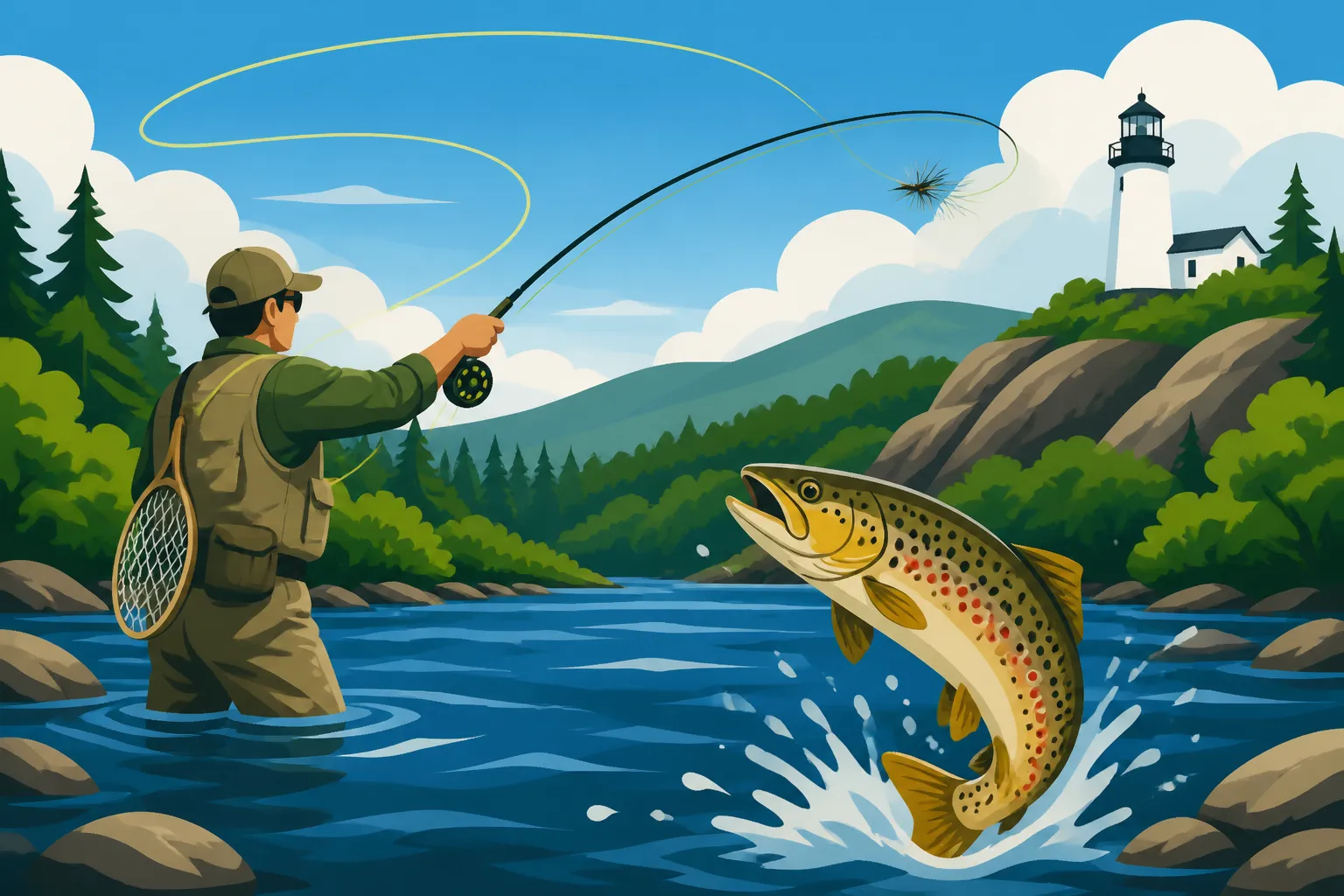
Then we have our stocked trout, primarily rainbow and brown trout. The Connecticut Department of Energy and Environmental Protection (DEEP) does an incredible job with its stocking program, releasing hundreds of thousands of trout into rivers, streams, and ponds across the state each year. Rainbow trout are known for their spirited fights and willingness to chase a fly, making them a favorite for many anglers, especially right after stocking. Brown trout, on the other hand, are often more elusive and can grow to impressive sizes, particularly in the larger rivers and lakes. They're wary, smart, and often demand a more subtle, precise presentation, truly testing a fly angler's skill. Understanding the nuances of their behavior and preferred habitats, which you can learn more about in resources like the guide on Brown Trout Habits in Connecticut Streams, is key to consistent success.
Identifying Connecticut's Diverse Trout Habitats
Connecticut boasts an impressive array of trout habitats, each requiring a slightly different approach. You'll find everything from tiny, shaded brooks barely wide enough to cast across, to broad, powerful rivers, and even serene trout ponds. Small streams, often tucked away in state forests or land trust properties, are typically where you'll encounter wild brook trout. These waters are characterized by tight cover, plunge pools, and short riffles, demanding stealthy approaches and accurate short casts. You might be knee-deep in water no more than a few feet wide, but the solitude and the beauty of these environments are unparalleled.
Larger rivers like the Farmington and Housatonic offer expansive waters with complex currents, deep pools, long runs, and oxygenated riffles. These are the prime locations for both stocked and holdover brown and rainbow trout, often growing to significant sizes due to abundant food sources and less fishing pressure once the initial stocking frenzy subsides. Fishing these larger rivers often involves wading, drift boats, or even small rafts, allowing you to cover more water and access prime holding lies. Beyond rivers and streams, Connecticut also has numerous trout-stocked ponds and lakes. These stillwater environments present their own unique challenges, often requiring different tactics like indicator nymphing or stripping streamers, and sometimes a float tube or kayak can be invaluable for reaching deeper sections.
Key Trout Management Areas and Special Regulation Waters
Connecticut takes its trout fishing seriously, and a significant part of that dedication is reflected in its numerous Trout Management Areas (TMAs) and other special regulation waters. These designated stretches of rivers and streams are managed with specific goals in mind, often to create trophy fisheries or unique angling experiences. For example, some TMAs are managed for "Trophy Trout," where size limits are higher, and catch-and-release is often encouraged or even mandated for larger fish. Other sections might be designated as "Catch and Release Fly Fishing Only Waters," which means only artificial flies can be used, and all trout must be immediately returned to the water. These areas are fantastic for honing your skills, as the trout tend to be more educated but also more numerous and larger.
The regulations in these special areas can differ significantly from general statewide rules, so it's absolutely crucial to consult the latest Connecticut Fishing Regulations Explained or specific guides like the Connecticut Trout Management Area Regulations before you head out. Failing to do so could result in fines or penalties. For instance, the renowned West Branch of the Farmington River has multiple sections, each with its own set of rules regarding tackle, creel limits, and season dates. These special regulations are designed to protect the resource and enhance the angling experience, making these areas true gems for the dedicated fly angler. Always double-check the signs posted at access points and the official DEEP fishing guide to ensure you're compliant.
Essential Gear for Connecticut Fly Fishing
Venturing into the world of fly fishing can feel like stepping into a gear shop with a foreign language spoken all around you. Rod weights, line types, leader formulas, and a dizzying array of flies – it's enough to make your head spin! But don't fret; for Connecticut trout, you can simplify things quite a bit. Having the right tools for the job makes all the difference, not just in catching fish, but in enjoying your time on the water comfortably and effectively.
Rod, Reel, and Line Selection for Connecticut Waters
When choosing your primary setup for Connecticut trout, versatility is key. For most of our streams and rivers, a 4-weight or 5-weight fly rod, typically between 8 feet 6 inches and 9 feet in length, will be your workhorse. A 4-weight offers a more delicate presentation, which is ideal for smaller streams and wary trout, especially when throwing dry flies or light nymphs. A 5-weight is slightly more powerful, giving you a bit more backbone for casting larger streamers, handling windy conditions, or fighting bigger fish in heavier current. If you're planning on fishing very small brooks for native brook trout, a shorter, lighter 2-weight or 3-weight rod might be a joy to use, allowing for tight-quarter casts.
Your reel doesn't need to be an expensive, super-smooth drag system for trout unless you're specifically targeting trophy fish. A good quality, lightweight reel that balances well with your chosen rod and has a reliable click-and-pawl or a simple disc drag system is perfectly sufficient. Its primary job is to hold your line, not necessarily to fight fish, as most trout are fought by hand-stripping the line.
The fly line is arguably the most important component, as it's what carries your fly to the target. For general trout fishing in Connecticut, a weight-forward (WF) floating line matched to your rod weight is the standard. This line design has more weight towards the front, which helps with casting distance and turnover. If you plan to do a lot of nymphing in faster, deeper water, you might consider a nymphing-specific line or integrate sink tips or poly leaders, but for starters, a WF floating line is your best friend. For those looking to explore different options, Amazon offers a wide selection of fly rod and reel combos that are perfect for beginners, often bundling everything you need to get started.
Fly Patterns for Different Seasons and Hatches
The world of fly patterns is vast and intimidating, but you don't need a thousand different flies to be successful in Connecticut. Focus on a core selection that imitates common aquatic insects and baitfish, and you'll be well-prepared.
- Nymphs: These are subsurface flies that imitate aquatic insect larvae and pupae, which constitute the vast majority of a trout's diet. Essential patterns include the Pheasant Tail Nymph, Hare's Ear Nymph, Prince Nymph, and Walt's Worm. Carry them in various sizes (e.g., #12-20) and weighted versions (with a bead head) to get them down to the fish.
- Dry Flies: These float on the surface, imitating adult insects. Key patterns include the Parachute Adams, Elk Hair Caddis, Blue Wing Olive (BWO), Sulphur, and various terrestrial patterns like an Ant, Hopper, or Beetle. Sizes #12-20 will cover most bases. Matching the hatch, or identifying the insects currently emerging, is crucial for dry fly success, and you can delve deeper into specific patterns by checking out resources like Fly Patterns for Connecticut Trout Streams.
- Streamers: These flies imitate baitfish, leeches, or larger aquatic invertebrates and are excellent for targeting aggressive trout, especially larger browns. Woolly Buggers (black, olive, brown), Mickey Finns, and Clouser Minnows are fantastic choices. Carry them in sizes #4-10.
It’s always a good idea to check local fly shop reports or online forums for recent hatch information for specific rivers you plan to fish. This can give you a heads-up on what insects are active and which flies are producing.
Waders, Boots, and Essential Accessories
Staying comfortable and safe on the water is paramount. Investing in a good pair of waders and wading boots will open up countless angling opportunities. Chest waders are generally preferred for trout fishing, as they allow you to wade deeper and keep you warmer in cold water. Breathable waders made from Gore-Tex or similar materials are worth the investment for year-round comfort. Pair these with sturdy wading boots that offer good ankle support and felt or rubber soles for traction on slippery riverbeds. Some boots even have studs or cleats for extra grip.
Beyond the big three, a few key accessories will make your life much easier:
- Net: A rubber-mesh landing net is essential for safely landing and releasing trout without damaging their protective slime coat or fins.
- Forceps/Hemostats: For safely removing hooks, especially small ones.
- Nippers: Small clippers for trimming line.
- Floatant: For keeping your dry flies riding high on the water.
- Leader and Tippet: Spools of various sizes (e.g., 3X-6X) to build and extend your leader.
- Indicators/Strike Detectors: For nymphing, these help you see subtle takes.
- Fly Boxes: To keep your precious flies organized.
- Vest or Pack: To comfortably carry all your gear.
- Sun Protection: Hat, sunglasses (polarized are a must for seeing into the water), and sunscreen.
Many of these essential accessories, from quality waders to polarized sunglasses, can be found readily on Amazon, allowing you to equip yourself thoroughly before hitting the stream. Remember, the goal is to be prepared, but not overladen. Streamline your gear to what you genuinely need for the day.
Reading the Water and Locating Trout in Connecticut
One of the most intimidating, yet rewarding, aspects of fly fishing is learning to "read the water." Trout aren't just randomly distributed throughout a river; they hold in specific locations that offer them food, cover, and a break from strong currents. Understanding these holding lies is critical to putting your fly in the right place.
Decoding Riffles, Runs, Pools, and Eddies
Every river and stream is a dynamic environment, a constant flow of water shaping the streambed and creating distinct features where trout prefer to live and feed.
- Riffles: These are shallow, fast-moving sections of water, often characterized by a broken, agitated surface. While they might seem too turbulent, riffles are prime feeding grounds. The fast current dislodges insects, and the broken surface provides cover from predators, including observant anglers. Trout will often sit at the very tail-end of a riffle, just before it smooths out, or in small pockets within the riffle itself, darting out to grab drifting food.
- Runs: Longer, moderately flowing sections of water with a relatively consistent depth. Trout often hold in runs, especially along the edges where the current is slightly slower, or behind larger rocks or structure that break the flow. These are excellent places for nymphing, as your flies can drift naturally for longer distances. Look for changes in bottom contour or subtle seams where fast and slow water meet.
- Pools: Deeper, slower-moving sections of water. Pools offer trout a safe haven, especially during periods of bright sunlight or when water temperatures are high. The head of a pool, where the faster water enters, is often a prime feeding lie, as insects are flushed in. The deeper middle sections provide security, and the tail-out of a pool, where the water begins to speed up again, is another excellent ambush point. Larger, more wary trout often reside in the deeper parts of pools.
- Eddies: Swirling pockets of water where the current reverses or slows significantly, often found behind large obstructions like boulders, fallen trees, or along steep banks. Eddies are natural traps for drifting food, making them attractive to trout. Fish often sit at the "seam" where the main current meets the slower eddy water, waiting for morsels to wash by. These areas can be tricky to fish effectively due to the conflicting currents, requiring careful mend of your line to achieve a natural drift.
By understanding these features and how they interact with the flow, you can begin to predict where trout will be holding and plan your approach accordingly.
Understanding Trout Behavior and Feeding Lies
Trout, like all animals, are driven by survival: finding food, avoiding predators, and conserving energy. Their behavior is largely dictated by these needs, and successful fly anglers learn to anticipate it. A "feeding lie" is a location where a trout can comfortably hold in relatively slow water while having easy access to a continuous conveyor belt of food in the faster current. Think of a trout sitting directly behind a large boulder; it expends minimal energy in the slower water but can quickly dart into the main current to intercept a drifting nymph or emerger.
In the morning and evening, especially during hatch periods, trout might move into shallower, more exposed feeding lies as insect activity increases. During bright midday sun or high water temperatures, they often retreat to deeper, cooler water or seek refuge under overhanging banks, submerged logs, or heavy cover. Recognizing these patterns and adapting your approach is crucial. Sometimes, trout might be "on the prowl," actively moving and searching for food, while at other times they're "holding tight," only willing to move a few inches for a perfectly presented fly. Observe the water for signs of feeding, such as rising fish for dry flies, or subtle flashes if they're taking nymphs just below the surface.
Environmental Factors Affecting Trout Activity
Beyond the immediate stream structure, a host of environmental factors can profoundly impact trout activity and where they choose to hold.
- Water Temperature: This is perhaps the most critical factor. Trout are cold-water fish, thriving in temperatures between 45-65°F (7-18°C). As water temperatures rise above this range, trout become stressed, lethargic, and often cease feeding, retreating to cold-water refuges like spring seeps or deep pools. Conversely, very cold water can also slow their metabolism. Knowing What water temperature trout need to survive is key for both success and ethical angling.
- Water Levels and Clarity: High, turbid water after heavy rains can push trout into slower, shallower areas closer to the bank, or make them difficult to locate as visibility drops. Clear, low water, common in summer, can make trout extremely spooky, demanding longer leaders, finer tippets, and stealthier approaches.
- Light Conditions: Overcast days often lead to more active feeding, as trout feel less exposed. Bright, sunny conditions usually send them to deeper, shaded lies. Dawn and dusk are prime feeding times due to lower light and increased insect activity.
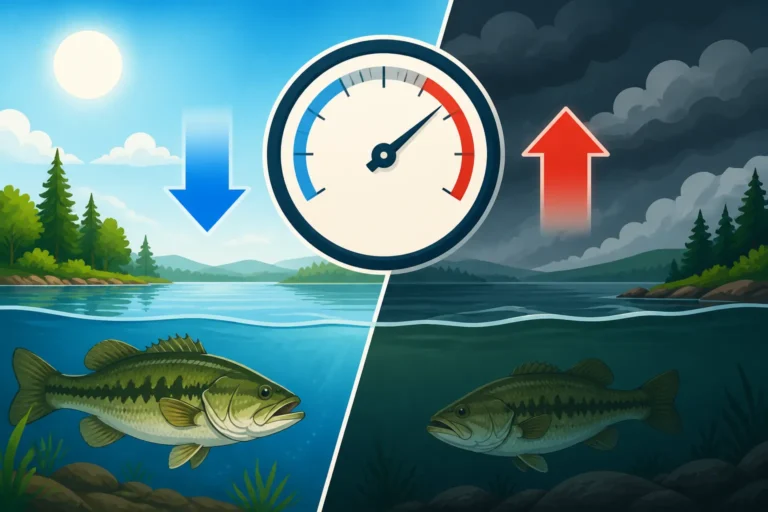
- Barometric Pressure: While less obvious, changes in atmospheric pressure can influence fish behavior. A rapidly dropping barometer before a storm might trigger a feeding frenzy, while a stable high-pressure system can sometimes lead to slower activity.
- Time of Year: Seasons dramatically impact hatches, water temperatures, and trout behavior. What works in spring won't necessarily work in late summer. This is why having an understanding of Connecticut Fishing Seasons by Month is invaluable for planning your trips.
By combining an understanding of stream features, trout behavior, and these environmental variables, you'll develop a holistic approach to reading the water, significantly increasing your chances of finding and catching trout in Connecticut's diverse fisheries.
Mastering Core Fly Fishing Techniques for Connecticut
Once you understand where trout typically hold and what influences their behavior, the next step is to present your fly effectively. Fly fishing is more than just casting; it's about making your artificial imitation behave like a natural insect or baitfish, drifting freely without drag. These core techniques will form the foundation of your success.
Nymphing Strategies for Subsurface Success
Nymphing is arguably the most consistent way to catch trout, as they feed subsurface about 90% of the time. The goal is to get your fly down to the trout's feeding zone and have it drift naturally, imitating a dislodged insect larva or pupa.
- Indicator Nymphing: This is the most common approach. A strike indicator (a small bobber) is attached to your leader, and your nymph (often weighted with a bead head) is tied a foot or two below it. The indicator serves two purposes: it suspends your fly at the desired depth, and it signals a strike. When the indicator hesitates, dips, or moves unnaturally, set the hook! The key is to achieve a "dead drift," where your indicator and fly move at the exact same speed as the surrounding current, without any drag caused by your fly line. You'll often use split shot or tungsten putty on your leader to help get the fly down faster and deeper.
- Euro Nymphing (Contact Nymphing): A more advanced, but incredibly effective, technique that minimizes the use of a strike indicator. Instead, a specialized leader (often a sighter made of brightly colored line) is used, and the angler maintains direct "contact" with the flies, feeling for subtle takes. This method excels in faster, broken water where traditional indicators might be difficult to see or get dragged under. It requires precise casting and line control, but allows for incredibly sensitive strike detection. When learning, consider starting with a simple two-nymph rig, ensuring your flies are heavy enough to get to the bottom quickly.
- Dry-Dropper Rig: A versatile combination where a buoyant dry fly is tied on as your "indicator," and a nymph is tied off the bend of the dry fly's hook (the "dropper"). This setup allows you to fish both the surface and subsurface layers simultaneously. The dry fly also acts as a subtle strike indicator, twitching or disappearing when a fish takes the nymph. This is a fantastic rig for prospecting new water or when fish might be feeding opportunistically on both emerging insects and those drifting below.
Regardless of the nymphing style, achieving a natural, drag-free drift is paramount. Mend your line upstream to counteract conflicting currents and ensure your flies are moving at the same pace as the water around them.
Dry Fly Tactics for Surface Takes
The magic of dry fly fishing – seeing a trout rise to sip your fly from the surface – is what captivates many anglers. While less frequent than subsurface feeding, dry fly opportunities are plentiful in Connecticut, especially during hatches.
- Matching the Hatch: The holy grail of dry fly fishing. This involves observing what insects are emerging (mayflies, caddisflies, stoneflies) and selecting a fly pattern that closely mimics their size, shape, and color. Watch for rising fish to identify the specific insects they are targeting. Sometimes, "matching the hatch" means throwing a slightly different pattern or size if the fish are being particularly selective.
- Presentation: This is everything. Your dry fly must land softly and float naturally, without any drag. Drag occurs when different parts of your line are pulled by different currents, causing the fly to skate unnaturally across the surface. Mastering the "reach cast" (extending your rod arm at the end of the cast to place the line upstream of the fly) and careful upstream mending can help eliminate drag. Cast upstream and across, allowing your fly to drift down to where you expect a trout to be holding.
- Reading the Rise: Not all rises are equal. A subtle "sip" often indicates a trout feeding on emergers just below the surface or small, delicate dries. A splashy "gulp" might mean the fish is aggressively taking larger insects. Tail-outs of pools, smooth runs, and eddies are prime spots for dry fly rises. Keep your casts accurate and avoid spooking the fish with shadow or excessive movement.
Dry fly fishing demands patience and observation, but the reward of a trout rising to your imitation is truly unforgettable.
Streamer Fishing for Aggressive Trout
When trout aren't rising to dries or subtly picking off nymphs, a well-presented streamer can often elicit an aggressive, predatory strike. Streamers imitate baitfish, leeches, or larger aquatic fare, appealing to the trout's instinct to hunt. This technique is especially effective for larger brown trout, which are often piscivorous (fish-eating).
- Casting and Retrieving: Cast your streamer across or slightly downstream and allow it to sink to the desired depth. The retrieve is key. Strip the line in short, erratic pulls, varying the speed and pauses to mimic a wounded or darting baitfish. Some days trout prefer a fast, aggressive retrieve; other days, a slow, methodical strip with long pauses is more effective. Experiment!
- Targeting Structure: Streamers are excellent for fishing deeper pools, undercut banks, and around submerged logs or boulders where larger trout lurk. Cast your streamer to these likely hiding spots, allowing it to swing or drift past before beginning your retrieve. Often, the strike will come right as the streamer swings into or out of a current seam.
- When to Use Streamers: This technique shines in higher, slightly off-color water (when trout are less spooky), during low light conditions (dawn, dusk, or overcast days), and during the fall and early spring when larger fish are more aggressive. It's also a great choice when no visible hatch is occurring, and trout are likely holding deep. When considering different types of flies, always remember that you can find a huge variety of quality patterns for sale on Amazon, allowing you to stock up for any situation.
Understanding the Drift and Presentation
At the heart of all successful fly fishing techniques is the concept of a natural, drag-free drift and precise presentation. Trout have excellent vision and a keen sense of their environment. Any unnatural movement of your fly, caused by the line pulling it faster or slower than the current (known as "drag"), will usually result in a refusal.
- Dead Drift: For nymphs and dry flies, a dead drift is paramount. Your fly must float or sink at the exact same speed as the natural food items around it. This is achieved through careful casting, line management, and mending.
- Mending: This is the act of repositioning your fly line on the water to eliminate drag and extend your drift. If your fly is drifting downstream faster than your line, you'll mend upstream, throwing a loop of line upstream to give the fly more slack to drift naturally. If your line is dragging the fly too fast, you'll mend downstream. Mastering mending takes practice but is absolutely essential for consistent success.
- Presentation: This refers to where and how your fly lands on the water. A soft, accurate cast that places the fly just upstream of a likely feeding lie, without spooking the fish, is ideal. Avoid "splatting" your fly on the water. For dry flies, aim for a delicate landing. For nymphs, ensure they sink quickly into the feeding zone.
By focusing on these principles – getting your fly in the right place, at the right depth, and moving at the right speed – you'll unlock a deeper understanding of trout behavior and significantly improve your catch rate.
Seasonal Strategies for Connecticut Trout Fishing
Connecticut's trout waters offer year-round opportunities for the dedicated fly angler, but success often hinges on adapting your strategies to the distinct challenges and opportunities each season presents. From the frenetic energy of Spring Opening Day to the subtle rewards of winter, understanding the seasonal shifts is key. You can find detailed information on many of these seasonal patterns in resources like Best Time of Year to Fish in Connecticut.
Spring: Opening Day Excitement and Early Season Hatches
Spring in Connecticut is a time of renewed vigor for both trout and anglers. The official Trout Season Opening Day, typically the second Saturday in April, is a huge event, signaling the start of prime fishing. The initial weeks see a tremendous influx of freshly stocked trout across the state, making for some excellent, though often crowded, fishing. These newly introduced fish are often less wary and more willing to take a variety of flies.
- Early Spring (April-May): Focus on nymphing. The water is often still cold, and trout are primarily feeding subsurface on nymphs like Pheasant Tails, Hare's Ears, and Caddis larvae. Streamers can also be incredibly effective for larger, more aggressive trout, especially during high water. As the water warms, you'll start to see early hatches of Blue Wing Olives (BWOs) and Caddisflies, offering your first dry fly opportunities. Pay attention to water levels; high, cold water can push fish to slower eddies and seams.
- Late Spring (May-June): This is often the peak of insect activity. You'll encounter prolific hatches of Sulphurs, Hendricksons, March Browns, and more diverse Caddis species. Dry fly fishing can be phenomenal during these periods, but don't neglect nymphing, as trout will still be feeding heavily subsurface before and during the hatch. Water temperatures are typically ideal, and trout are actively feeding across most sections of rivers and streams. This is also a fantastic time to explore the Best Spring Trout Streams in Connecticut.
Summer: Low Water Challenges and Terrestrial Opportunities
Summer in Connecticut brings warmer weather, and often, lower, clearer water conditions. While this can make trout spookier, it also opens up unique opportunities.
- Warm Water Challenges: As air temperatures rise, river temperatures can quickly become too warm for trout, especially in smaller, shallower streams. Trout become lethargic and stressed in water above 68-70°F. During these periods, focus your efforts on cold-water refuges: spring-fed creeks, shaded sections, or the tailwaters below large dams like the West Branch of the Farmington, which maintains cooler temperatures. Fish early in the morning or late in the evening when water temperatures are at their coolest. Consider a thermometer to monitor water temps; if it's too warm, it's best to leave the trout alone to reduce stress.
- Terrestrial Fishing: With lush vegetation along the banks, summer is prime time for terrestrial insects—ants, beetles, and grasshoppers—falling into the water. Fishing imitations of these bugs (often larger, foam-bodied patterns) can be incredibly productive, especially on sunny days when trout are looking up. Cast these flies tight to banks, under overhanging branches, and near grassy areas.
- Night Fishing for Big Browns: In larger rivers, hot summer days often push big brown trout to feed under the cover of darkness. This can be an exciting, if challenging, experience, typically using large mouse patterns or dark streamers.
Fall: Trophy Browns and Cooler Water Action
Fall is a favorite season for many Connecticut fly anglers, offering stunning foliage, comfortable temperatures, and often some of the best fishing of the year, particularly for large brown trout.
- Cooling Waters: As air temperatures drop, river temperatures cool into the ideal range for trout. This reinvigorates fish, making them more active and aggressive. Hatches of Blue Wing Olives and midges will become more prevalent, and streamers can be deadly as trout begin to put on weight for winter.
- Brown Trout Spawning Season: Late fall marks the spawning season for brown trout. While it's illegal and unethical to target actively spawning fish on their "redds" (nesting areas of clean gravel), the pre-spawn and post-spawn periods can offer incredible opportunities for large, aggressive browns. They are often bulking up on protein, making streamers and larger nymphs particularly effective. Be mindful of disturbing redds, which appear as clean, light-colored patches of gravel.
- Diverse Opportunities: Fall offers a fantastic mix of techniques. You might start the morning nymphing deep pools, switch to dry flies during a midday BWO hatch, and finish the evening by stripping large streamers along undercut banks, looking for a trophy brown. This is a prime season for targeting larger holdover trout that have grown significantly since stocking.
Winter: Tailwater Tactics and Persistence
While many anglers put their gear away for the winter, dedicated fly fishers know that Connecticut offers some fantastic, though challenging, winter trout fishing, particularly on our renowned tailwater fisheries.
- Tailwater Gold: The Farmington River West Branch, for example, is famous for its year-round fishing thanks to the cold, consistent water releases from the bottom of the Colebrook Dam. These constant cool temperatures mean trout remain active even when other streams are frozen or too cold.
- Nymphing Dominates: Winter fishing is overwhelmingly a nymphing game. Trout metabolism slows, and they often hold in deeper, slower water, unwilling to expend much energy. Focus on small nymphs (sizes #18-24) like midges, tiny Caddis pupae, and subtle Pheasant Tails. Presentation must be exceptionally precise, and a dead drift is absolutely crucial. Trout takes will be incredibly subtle, often just a slight pause or twitch of your indicator.
- Slow and Low: Fish deep, fish slow. Use enough weight to get your flies directly to the bottom, and target slower, deeper pools and runs. Persistence and meticulous presentation are the keys to success in winter. On warmer, sunny winter days, you might even see a sporadic midge hatch, offering a rare dry fly opportunity for those paying close attention. It's a serene, beautiful time to be on the water, offering a different kind of challenge and reward.
Each season presents its own unique set of conditions and opportunities. By understanding these shifts and adapting your techniques, you can enjoy productive fly fishing for trout in Connecticut throughout the entire year.
Navigating Connecticut's Fishing Regulations and Ethics
Understanding and adhering to Connecticut's fishing regulations isn't just about avoiding a fine; it's about being a responsible angler and contributing to the conservation of our precious trout resources. The rules can vary significantly from one water body to another, particularly in special management areas, so a little homework before you go is essential.
Understanding Creel Limits, Size Restrictions, and Catch & Release
The Connecticut DEEP sets specific rules to manage trout populations, ensuring sustainable fishing for generations to come. These regulations typically cover:
- Creel Limits (Daily Limits): This is the maximum number of trout you can keep in a single day. For general open waters, this might be a certain number of trout per person, but it often changes for specific species or within designated areas. For example, some ponds might have a lower daily limit than a river, or a specific species like Atlantic salmon (when present) might have an immediate catch-and-release rule.
- Size Restrictions (Minimum/Maximum Lengths): To protect juvenile fish and allow larger, spawning fish to reproduce, some waters or species will have minimum or maximum length requirements for trout you can keep. A common example is "trophy trout" waters, which might require any kept trout to be above a certain size, say 12 or 16 inches. Conversely, some waters might have a "slot limit" where you can keep fish within a certain size range, but not those smaller or larger.
- Catch and Release: Many sections of Connecticut rivers, especially designated TMAs, are managed as "Catch and Release Only." This means all fish caught must be immediately and carefully returned to the water. These areas are designed to create high-quality fisheries with larger, more experienced trout. Even in waters where keeping fish is allowed, many fly anglers choose to practice catch and release voluntarily, especially for larger, wild, or holdover trout, as a conservation measure. Always check the specific rules for the water you're fishing to ensure compliance with Connecticut Trout Limit and Possession Rules.
Specific Rules for Trophy Trout Streams and TMA Waters
Connecticut's special regulation areas, particularly the Trophy Trout Streams and Trout Management Areas (TMAs), have highly specific rules that override general statewide regulations. These rules are crucial to understand because they often dictate tackle restrictions (e.g., fly fishing only, artificial lures only), bait restrictions, creel limits, and seasonal closures.
- Tackle Restrictions: You might find "Fly Fishing Only" sections, meaning you can only use a fly rod, reel, line, and artificial flies. Other areas might be "Artificial Lures Only," prohibiting live bait but allowing spinning gear with lures or flies. Always verify the allowed tackle for your chosen stretch of water.
- Seasonal Management: Some TMAs or specific river sections might have different open seasons or specific times of year when certain regulations apply. For instance, a TMA might be catch-and-release year-round, while another might have a harvest season for a few weeks in the spring, then revert to catch-and-release.
- Housatonic and Farmington Examples: The Housatonic River Trout Management Area and the Farmington River West Branch have some of the most detailed regulations, often broken down into specific zones or sections. These can include different size limits, creel limits, and tackle restrictions within just a few miles of each other. It's not uncommon for a section to be "Catch and Release Fly Fishing Only" immediately adjacent to a section where a few trout can be kept with artificial lures. Consult the official Connecticut DEEP Angler's Guide or specific guides like Connecticut Farmington River Trophy Trout Stream Rules for the precise details.
Practicing Responsible Angling and Conservation
Beyond simply following the rules, responsible angling involves a commitment to ethical practices and conservation.
- Handle Fish with Care: If you're practicing catch and release, minimize handling of the fish. Keep them in the water as much as possible, use a rubber-mesh net (which is gentler on their scales and slime coat), and wet your hands before touching them. Remove hooks gently with forceps or hemostats. If a fish is deeply hooked, it's often best to cut the line as close to the hook as possible rather than tearing its throat to remove it. Avoid "beaching" fish on rocks or gravel.
- Leave No Trace: Pack out everything you pack in. This includes all trash, broken line, and discarded leader material. Respect private property and stay on designated access points.
- Respect Other Anglers: Connecticut's popular trout streams can get crowded. Give other anglers plenty of space, avoid wading directly in front of someone, and be courteous.
- Report Poaching: If you witness any illegal fishing activity, such as exceeding creel limits, using illegal tackle, or fishing in closed areas, report it to the Connecticut DEEP Environmental Conservation Police.
- Support Conservation: Consider purchasing a Connecticut Trout and Salmon Stamp, Explained even if not strictly required, as the funds directly support trout stocking and management programs. Participating in stream cleanups or supporting local conservation groups also contributes to the health of our fisheries.
Being well-versed in the regulations and committed to ethical practices ensures that everyone can enjoy the incredible trout fishing opportunities Connecticut has to offer for years to come.
Top Fly Fishing Destinations in Connecticut
Connecticut might be small, but it boasts some truly outstanding fly fishing destinations, particularly for trout. While the entire state offers numerous smaller streams and ponds, a few rivers stand out as prime locations that draw anglers from across the region. Knowing these spots and what they offer is crucial for planning your next trip.
The Legendary Farmington River
When fly fishing for trout in Connecticut is mentioned, the Farmington River almost always comes up first. Specifically, the West Branch of the Farmington, below the Colebrook River Lake dam, is renowned as a true blue-ribbon trout fishery, famous for its wild brown trout, holdover rainbows, and consistent stocking.
- Tailwater Fishery: The Farmington's success largely stems from its status as a tailwater fishery. Water released from the bottom of the Colebrook Dam maintains cool, stable temperatures year-round, creating ideal conditions for trout even during hot summer months when other rivers become too warm. This consistent cold water allows trout to thrive, grow large, and often leads to consistent insect hatches throughout the year.
- Diverse Sections and Regulations: The Farmington River is managed intensely by the CT DEEP, with several distinct sections, each boasting specific regulations. From the "Trophy Trout" section below the dam in Riverton, which is often fly-fishing-only with strict catch-and-release rules for larger fish, to general management sections downstream allowing for some harvest, it's vital to know where you are and what the rules are. The fishing can be challenging but incredibly rewarding, offering opportunities for large, wary browns that demand skilled presentation. You can learn more about its specific rules in our guide to Farmington River West Branch Trout Fishing.
- Access and Amenities: Public access points are numerous, with well-marked parking areas and easy wading access in many spots. Towns like Riverton and New Hartford cater to anglers, with local fly shops (like UpCountry Sportfishing) offering guide services, local knowledge, and all the gear you might need. The Farmington's clear, cold waters and beautiful surroundings make it a premier destination.
The Mighty Housatonic River
Another jewel in Connecticut's fly fishing crown is the Housatonic River, particularly its upper stretches above the Derby Dam. While different in character from the Farmington, the "Housy" offers fantastic opportunities for big trout, especially large browns and robust rainbows.
- Big River, Big Trout: The Housatonic is a much larger river than the Farmington, offering a broader flow and deeper channels. It's known for its populations of large brown and rainbow trout, many of which are wild or long-term holdovers. This river is more influenced by weather patterns and snowmelt, meaning water levels and clarity can fluctuate more dramatically.
- Trout Management Area: The river features a significant Trout Management Area (TMA) from Falls Village to its confluence with the Ten Mile River. This area is managed for wild and trophy trout, with specific regulations in place to protect the fishery. It's a favorite for anglers who enjoy streamer fishing and nymphing in larger, more powerful currents. Access points can be a bit more spread out, and float trips (drift boats or rafts) are popular ways to cover water and access prime lies, but there are also many excellent wading opportunities. Dive deeper into this area with our Housatonic River Trout Management Area Fishing guide.
- Scenic Beauty and Challenges: The Housatonic flows through stunning scenic areas, particularly in the Litchfield Hills, offering a truly immersive natural experience. While it can be more challenging to wade and navigate due to its size and stronger currents, the reward of hooking into a powerful Housatonic trout is well worth the effort. It's a great river to test your casting and mending skills on a larger scale.
Lesser-Known Gems and Stocked Waters
Beyond the two titans, Connecticut is dotted with numerous other fantastic, often less-pressured, trout fishing opportunities.
- Smaller Streams: Many smaller streams and brooks across the state, particularly in the eastern and northwestern corners, hold populations of wild brook trout. These are intimate fisheries that demand stealth, accurate short casts, and an appreciation for solitude. They may not hold trophy fish, but the beauty of a native brook trout in its natural habitat is unparalleled. Look for these hidden gems in state forests and undeveloped areas, often found by exploring detailed maps or the Connecticut Interactive Trout Stocking Map, Explained.
- Stocked Ponds and Lakes: Connecticut boasts a fantastic program of stocking trout into dozens of lakes and ponds, particularly in the spring. These stillwater fisheries offer excellent opportunities for beginners, families, and those who prefer bank fishing or float tubing. While not always a classic fly fishing experience, these waters can be incredibly productive for nymphs and streamers, especially early in the season. Some popular options include Squantz Pond, Coventry Lake, and Mashapaug Lake.
- Other Rivers: Don't overlook other significant rivers like the Naugatuck River (which has seen tremendous restoration efforts and now hosts trout), the Shetucket River, and the Salmon River, all of which receive regular trout stockings and offer quality fishing throughout the season. Each river has its own character and unique challenges, making exploration a rewarding part of the Connecticut fly fishing experience. For a broader view, consider reading up on the Best Fly Fishing Rivers in Connecticut.
Whether you're looking for the challenge of a trophy brown on a big river, the delicate art of dry fly fishing on a renowned tailwater, or the solitude of a small brook, Connecticut truly offers a diverse and exciting fly fishing landscape for trout anglers of all skill levels.
Hiring a Guide or Taking a Class in Connecticut
Embarking on your fly fishing journey in Connecticut can be incredibly rewarding, but it also comes with a steep learning curve. While self-teaching through books, videos, and trial-and-error is definitely an option, for many, hiring a guide or taking a dedicated class can dramatically accelerate the learning process and enhance your enjoyment of the sport.
Benefits of a Guided Fly Fishing Trip
A guided fly fishing trip in Connecticut offers an invaluable shortcut to success, especially if you're new to the area or new to fly fishing entirely. Think of it as a concentrated dose of local knowledge and personalized instruction.
- Local Expertise: A good guide lives and breathes their home waters. They know where the fish are holding based on current conditions, what flies they're eating, and the subtle nuances of specific river sections that only come from years of experience. They'll put you on fish faster than you could ever hope to on your own. For example, a guide on the Farmington River will know exactly which nymph rig works best in the "Trophy Trout" section during a particular flow rate, information that would take you days to figure out on your own.
- Personalized Instruction: Guides are excellent teachers. They'll observe your casting technique, help you understand mend, teach you how to read currents, and explain why certain fly patterns or presentations are effective. This one-on-one coaching is often far more impactful than trying to learn from videos or books alone. They can break down complex techniques like Euro Nymphing or specific dry fly presentations into digestible steps tailored to your learning style.
- Access to Gear and Prime Spots: Most guides provide all the necessary gear, including rods, reels, lines, and flies, removing the initial investment barrier. They also often have access to private water or know the best public access points, allowing you to focus on fishing rather than logistics. This is particularly beneficial for those looking for a guided fly fishing trip on the Housatonic River, where understanding access and river conditions is key.
- Safety and Confidence: Navigating a river, especially a larger one like the Housatonic, can have hidden dangers. A guide ensures your safety, teaches you proper wading techniques, and helps you build confidence on the water. This is particularly important when considering wading a river like the Farmington, which can have strong currents.
- Conservation Education: Beyond just catching fish, many guides are passionate conservationists. They'll teach you about fish handling, ethical angling, and the local ecosystem, fostering a deeper appreciation for the resource.
- Saving Time and Frustration: Instead of spending hours fruitlessly casting in the wrong spots with the wrong flies, a guide helps you maximize your time on the water, leading to more catches and a much more enjoyable experience. This is especially true for those with limited time for fishing.
Local Fly Shops and Instructional Resources
If a full-day guided trip isn't in the cards, or you're looking for ongoing learning opportunities, Connecticut's local fly shops and other instructional resources are invaluable.
- Local Fly Shops: These aren't just retail stores; they're community hubs for fly anglers. Shops like UpCountry Sportfishing in Pine Meadow (near the Farmington) or Housatonic River Outfitters in Cornwall Bridge (for the Housy) are treasure troves of information. The staff often fish these waters daily and can provide up-to-the-minute reports on hatches, water conditions, and productive fly patterns. They offer advice, sell the flies that are currently working, and can connect you with local guides. They also often carry specialized gear, from specific leader formulas to unique fly patterns.
- Casting Clinics and Classes: Many fly shops, local angling clubs, or even some environmental education centers offer beginner casting clinics or fly tying classes. These are excellent, affordable ways to learn the fundamentals in a group setting. A good casting clinic can correct bad habits early on and teach you the mechanics of an efficient, effortless cast. Fly tying classes offer insight into insect life cycles and how different patterns imitate them, deepening your understanding of the entire sport.
- Online Resources and Forums: While not a substitute for hands-on learning, online forums dedicated to Connecticut fly fishing can be great for connecting with other anglers, sharing reports, and asking questions. Just be mindful that online information can sometimes be outdated or less reliable than direct advice from a local professional.
- Books and Videos: There's a wealth of instructional content available, covering everything from basic casting to advanced nymphing techniques. Pairing these resources with your time on the water, practicing what you've learned, is a proven path to improvement.
Whether you opt for a guided trip, a class, or self-study with the help of local resources, dedicating time to learning and refining your fly fishing skills will undoubtedly lead to a more profound and successful experience on Connecticut's beautiful trout waters.
Disclaimer
Please remember that fishing regulations, seasons, and access points can change. Always consult the latest official Connecticut Department of Energy and Environmental Protection (DEEP) fishing guide and local advisories before heading out on the water. Stay safe and respect our natural resources.