Best Fly Fishing Rivers in Connecticut
For many anglers, the thought of fly fishing in Connecticut brings to mind endless stretches of beautiful rivers, but knowing which ones truly stand out for a prime fly fishing experience can feel like searching for a needle in a haystack. With diverse regulations, varying access points, and specific fish habitats, it's easy to get overwhelmed. This comprehensive guide will cut through the noise, revealing Connecticut's absolute best fly fishing rivers and equipping you with the knowledge to make your next outing a memorable one.
The Allure of Connecticut Fly Fishing: Why Our Rivers Stand Out
Connecticut, often perceived as a small, bustling state, holds a surprising secret for the discerning angler: an incredible network of rivers and streams that offer some of the finest fly fishing opportunities in the Northeast. From serene stretches of wild trout water to renowned trophy fisheries, the Nutmeg State punches well above its weight when it comes to the art of the long rod. What makes these waters so special, and why do so many passionate fly anglers call them home or travel great distances to experience them? It's a combination of diverse ecosystems, dedicated conservation efforts, and the sheer challenge and reward these rivers provide.
A Rich Tapestry of Waters for Every Angler
The beauty of Connecticut's fly fishing scene lies in its variety. You're not just limited to one type of stream or one species of fish. We have robust tailwater fisheries that maintain consistent temperatures year-round, creating ideal conditions for large trout to thrive. Then there are the classic freestone streams, tumbling down from the hills, offering exciting pocket water and riffles. Further east, you'll find rivers winding through state forests, where native brook trout still dart amongst the rocks, a testament to healthy, untouched ecosystems. This rich tapestry means that whether you're a seasoned veteran looking for a challenging technical fishery or a beginner hoping to catch your first trout on a dry fly, there's a river here perfectly suited to your skill level and preferences. It's a state where you can truly explore and expand your fly fishing horizons, finding new favorite spots with every cast.
The geological makeup of Connecticut plays a significant role in this diversity. Rivers like the Farmington, fed by cold, deep reservoirs, offer stable environments crucial for trout survival, particularly during warmer months. Conversely, many smaller tributaries, often found in less populated areas, are more susceptible to seasonal changes but offer glimpses into pristine natural habitats. These contrasting environments foster a variety of insect life and aquatic organisms, which in turn supports a healthy food chain for the fish, ensuring vibrant and active fisheries across the state. Understanding this geographical foundation is key to appreciating the unique characteristics and fishing opportunities each river presents.
Year-Round Opportunities and Diverse Species
One of the most appealing aspects of fly fishing in Connecticut is the extended season, with opportunities stretching far beyond the traditional spring and fall. While many associate fly fishing solely with trout, our rivers host a vibrant array of species that can be targeted with a fly rod, including smallmouth bass, largemouth bass, pike, and even carp in certain areas. This multi-species approach means that even when trout streams might be challenging due to high water or warm temperatures, there are still plenty of options to keep your rod bent and your spirits high.
For trout enthusiasts, the state's proactive stocking programs ensure a steady supply of fish, particularly in popular areas. However, it's the wild and holdover trout, particularly brown trout and the elusive native brook trout, that truly capture the fly angler's imagination. These fish are harder to fool, require more refined techniques, and offer an immense sense of accomplishment when brought to hand. Beyond trout, imagine casting a popper for an aggressive smallmouth bass on a summer evening or presenting a large streamer to a predatory pike lurking in the weeds. This diversity of species and the chance to fish almost any day of the year means that Connecticut’s fly fishing rivers are a truly dynamic and rewarding destination for any dedicated angler. For a deeper dive into the seasonal aspects, explore our guide on Connecticut Fishing Seasons by Month.
The Farmington River: Connecticut's Crown Jewel
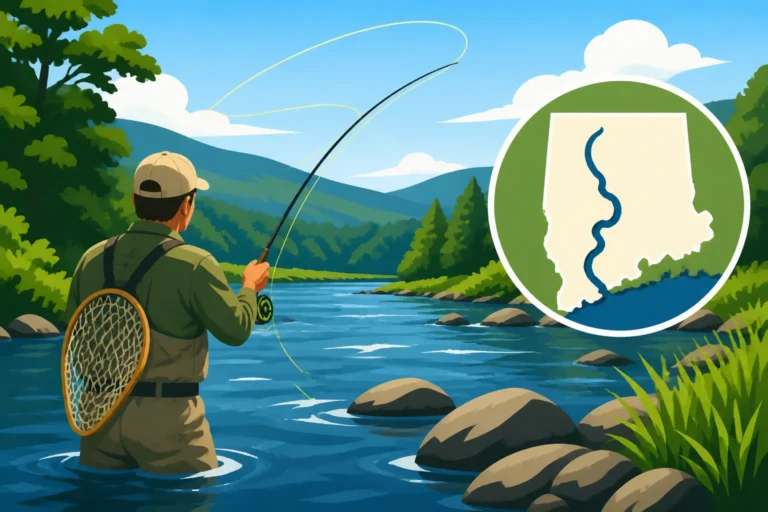
When serious fly anglers talk about Connecticut, the Farmington River almost invariably comes up first. This is not by accident. The Farmington has earned its reputation as one of the Northeast's premier trout streams, a true gem that draws anglers from far and wide. Its consistent cold flows, abundant insect life, and healthy populations of wild and stocked trout make it a bucket-list destination for many. Flowing through picturesque valleys and rocky gorges, the Farmington offers miles of accessible water, ranging from serene, slow-moving pools to classic riffles and runs that scream "trout." It’s a place where you can truly immerse yourself in the rhythm of the river.
The Farmington's distinct characteristics stem largely from its tailwater nature, fed by the deep, cold waters released from the Goodwin Dam. This ensures stable water temperatures even during the warmest summer months, a critical factor for trout survival and growth. As a result, the Farmington supports a thriving aquatic insect population, leading to prolific hatches that draw fish to the surface and excite dry fly anglers. This river is not just a place to catch fish; it’s an ecosystem in miniature, constantly offering new challenges and rewards, whether you're sight-fishing to a rising brown trout or nymphing a deep hole for a subtle take.
Understanding the Trophy Trout Management Area
The heart of the Farmington's fame lies within its "Trout Management Area," specifically the West Branch. This section of the river, roughly from the Goodwin Dam in Barkhamsted down to the confluence with the Still River in New Hartford, operates under special regulations designed to foster large, healthy trout populations. The goal here isn't just to stock fish; it's to create a world-class, self-sustaining fishery where trout can grow to impressive sizes, offering anglers a true "trophy" experience. The regulations in this area often include stricter catch-and-release rules, specific tackle restrictions, and longer closed seasons to protect spawning fish.
Anglers venturing into this prime section will quickly appreciate the difference. The fish here are often larger, warier, and more selective, demanding precise presentations and careful technique. It's a challenging but incredibly rewarding environment, perfect for honing your fly fishing skills. The DEEP (Department of Energy and Environmental Protection) manages these areas meticulously, ensuring excellent water quality and healthy habitats. Before you go, it's absolutely crucial to consult the latest Connecticut Trout Management Area Regulations to ensure you're compliant, as fines for violations can be steep. Understanding these specific rules is paramount to enjoying this special fishery responsibly.
Seasonal Strategies and Essential Fly Patterns
Fishing the Farmington River successfully often boils down to understanding its seasonal nuances and knowing which fly patterns to present. Each season brings its own set of challenges and opportunities, and being prepared with the right approach can make all the difference between a frustrating day and a memorable one.
- Spring (April-June): This is often considered prime time. As water temperatures rise, insect hatches become more abundant and diverse. You'll encounter Quill Gordons, Hendricksons, Caddisflies, and Sulphurs. Nymphing with imitations of these emerging insects can be incredibly effective, but keep a lookout for rising fish, as dry fly opportunities are plentiful. Streamer fishing can also be productive, especially after a rain, targeting aggressive post-spawn browns.
- Summer (July-August): While some rivers struggle with warm water, the Farmington's tailwater nature keeps it cool enough for trout to remain active. Early mornings and late evenings are often best. Terrestrial patterns like ants, beetles, and hoppers become important as insects fall from streamside vegetation. Light nymphing and small dry flies mimicking Tricos and midges can also be highly effective during specific hatches.
- Fall (September-November): Many consider fall to be the Farmington's second prime season. Water temperatures are ideal, and larger brown trout become aggressive as they prepare for spawning. Streamers become king, mimicking baitfish. You'll also encounter late-season hatches of Olives and Caddis, offering dry fly action, particularly on overcast days. Egg patterns can be effective during the spawn (just be mindful of trout redds and avoid disturbing them).
- Winter (December-March): Don't pack away your rods! Winter fishing on the Farmington can be incredibly rewarding, though it demands patience and a slower approach. Midges are the dominant insect, and tiny nymph patterns presented deep and slow are the go-to. Small streamers can also entice a lethargic but hungry trout. Layers of warm clothing are essential, and remember to check for ice, especially in shallower, slower sections.
Regarding specific patterns, a well-stocked box for the Farmington should include staples like Pheasant Tail Nymphs, Hare's Ear Nymphs, Caddis Larva imitations (like Green Caddis Pupas), and stonefly nymphs. For dry flies, Sulphur Duns, Blue-Winged Olives, Elk Hair Caddis, and Parachute Adams are a must. Streamer patterns like Woolly Buggers (olive, black, white) and Zonkers are always productive. For more specific patterns, our article on Fly Patterns for Connecticut Trout Streams provides excellent suggestions tailored to local waters.
Access Points and Local Considerations
One of the great advantages of the Farmington River is its accessibility. Numerous public access points, ranging from roadside pull-offs to designated parking areas, make it easy for anglers to reach the water. However, understanding the nuances of these spots and respecting private property is crucial.
- Upstream (Barkhamsted/Riverton): This section, particularly around Riverton, is very popular and offers excellent wading opportunities. Spots like the "Wall" and the "Whale Tail" are famous for their deep pools and reliable hatches. Parking is available, but it can fill up quickly on weekends. Always be respectful of other anglers and give them space.
- Mid-River (New Hartford/Collinsville): As the river flows south, it generally widens, offering a mix of wading and floating opportunities. Public parks and state forest lands provide good access. The section through Satan's Kingdom State Recreation Area is particularly scenic, though can be challenging to wade due to deeper channels and stronger currents.
- Downstream (Unionville/Farmington): Below the Trophy Trout Management Area, the river becomes larger and warmer, and while still holding trout, it transitions more into a mixed-species fishery. This area can be good for smallmouth bass on a fly rod during summer. Access often involves town parks or less formal pull-offs.
When planning your trip, consider hiring a local guide, especially if it's your first time. They can offer invaluable insights into current conditions, hot spots, and specific techniques. Many excellent guides operate on the Farmington, and sites like FishingBooker can help you find highly-rated professionals for Best Guided Fly Fishing Trips on the Farmington River. Always be mindful of changing water levels and flows, which can impact wading safety and fish behavior. The DEEP website often provides real-time flow data, which is an essential tool for any angler.
The Housatonic River: Big Water, Big Fish
While the Farmington shines as Connecticut's technical trout stream, the Housatonic River presents a different, equally compelling fly fishing experience. Often referred to as "The Housy," this is a big, powerful river, particularly in its upper stretches in western Connecticut, offering expansive water and the chance at truly large brown trout and spirited smallmouth bass. It's a river that demands a bit more respect, especially for waders, but rewards those who embrace its scale with incredible angling opportunities. Its dramatic scenery, with steep hillsides and sweeping bends, only adds to its allure, making every trip feel like a genuine wilderness adventure.
The Housatonic's character is shaped by its journey through a more rugged landscape, including sections influenced by dams that create a unique tailwater effect further downstream. Upstream, it's more of a freestone river, susceptible to rain and snowmelt, which can lead to significant flow variations. This dynamic nature means adapting your tactics and being aware of water conditions is paramount. The river supports a robust population of both wild and stocked trout, but it's the large, aggressive brown trout that often capture the headlines, especially during certain times of the year when they become highly predatory.
Navigating the Housatonic Trout Management Area
Similar to the Farmington, a significant portion of the Housatonic River is designated as a Trout Management Area (TMA), specifically from the confluence of the Tenmile River in Kent down to the Cornwall Bridge. This roughly 12-mile stretch is managed with special regulations aimed at producing and protecting a trophy trout fishery. These rules typically emphasize catch-and-release, often with single, barbless hook requirements, to ensure that these magnificent fish can grow to their full potential and contribute to the reproductive cycle.
The Housatonic TMA is known for its strong currents, deep pools, and extensive runs, providing ideal habitat for large trout. This section is also heavily stocked with brown and rainbow trout, which, combined with a healthy population of wild browns, offers fantastic angling. However, the size and power of the river can make wading challenging, even dangerous, in certain areas, especially during high flows. Many anglers opt for drift boats or rafts to cover water effectively and safely. Understanding the Housatonic River Trout Management Area Fishing details and strictly adhering to the regulations is vital for both your safety and the health of the fishery. Always wear a wading belt and use a sturdy wading staff when entering the water.
Targeting Brown Trout and Smallmouth Bass
The Housatonic offers a fantastic multi-species fly fishing experience, with brown trout and smallmouth bass being the primary targets for many.
- Brown Trout: The Housatonic is renowned for its large brown trout. These fish are often found in the deeper runs, pools, and around significant structure like submerged logs and rock formations. They can be incredibly opportunistic feeders. In spring and fall, streamers are highly effective, mimicking the baitfish that these larger trout prey upon. Think large Woolly Buggers, Sculpin patterns, and flashy articulated streamers in olive, black, and natural baitfish colors. During hatches, such as Hendricksons, Sulphurs, and Caddis, you'll find trout rising, offering exciting dry fly opportunities. Nymphing with heavier patterns, often with split shot to get down in the current, is consistently productive.
- Smallmouth Bass: As water temperatures rise in late spring and summer, the Housatonic becomes an exceptional smallmouth bass fishery. These feisty fish offer incredible sport on a fly rod, often hitting aggressively and fighting hard. They prefer rocky areas, current breaks, and the edges of submerged weed beds. Topwater poppers and sliders in white, chartreuse, or black can produce explosive strikes, especially during low light conditions. Subsurface patterns like Clouser Minnows, Deceivers, and crayfish imitations are also deadly when fished near structure or along drop-offs. The smallmouth here are abundant and provide fantastic action when the trout might be less cooperative due to warmer water.
The ability to switch between targeting trout and smallmouth bass, sometimes in the same day or even the same run, makes the Housatonic a truly dynamic river. Always carry flies for both, as you never know what the river will offer next.
Best Seasons and Floating vs. Wading
Successfully fishing the Housatonic often depends on selecting the right season and deciding between floating or wading, each offering distinct advantages.
Best Seasons:
- Spring (April-June): Fantastic for trout. High water can be common early on, making floating beneficial. As flows drop and temperatures rise, prolific hatches occur, offering excellent dry fly action. Trout are actively feeding after winter.
- Summer (July-August): While challenging for trout, this is prime time for smallmouth bass. Focus on smallmouth in the rocky sections with topwater or subsurface patterns. Early mornings and evenings are best for any trout you might target.
- Fall (September-November): A true trophy trout season. Large brown trout become aggressive. Streamer fishing is highly effective. Late-season hatches of Blue-Winged Olives can provide dry fly opportunities. The vibrant fall foliage makes for an incredibly scenic experience.
- Winter (December-March): Similar to the Farmington, winter fishing can be productive, primarily with nymphs and small streamers fished deep and slow. Conditions can be harsh, so proper layering and safety gear are paramount.
Floating vs. Wading:
- Floating (Drift Boat/Raft): Given the Housatonic's size and strong currents, floating in a drift boat or raft is often the most effective way to cover significant water and access prime lies that are difficult or impossible to reach by wading. It also allows for easier navigation of deeper channels and stronger flows, making it safer. Many local guides offer Best Guided Fly Fishing Trips on the Housatonic River using drift boats, which is an excellent option for those unfamiliar with the river.
- Wading: While more limited, wading is still possible and productive in certain areas. Look for shallower riffles, slower runs, and areas with stable footing. Always use a wading staff, wear a wading belt, and understand your limits. Some popular wading spots are found around Cornwall Bridge, Falls Village, and Kent. Be extra cautious after heavy rains when flows are elevated.
The choice largely depends on current water conditions, your experience level, and what sections of the river you intend to fish. Combining both approaches over multiple trips will give you the most comprehensive understanding of this magnificent river.
Smaller Gems and Hidden Havens: Beyond the Big Two
While the Farmington and Housatonic often grab the headlines, Connecticut's fly fishing landscape is far richer than just these two rivers. Scattered across the state are numerous smaller rivers and streams that, while perhaps not offering the same trophy potential or consistent conditions, provide unique and incredibly rewarding experiences. These "hidden gems" often see less pressure, flow through wilder landscapes, and can offer a more intimate connection with nature and the fish. They are perfect for exploring, honing different techniques, and discovering the subtle beauty of Connecticut's diverse waterways.
These rivers might be smaller in stature, but they are mighty in character. Some hold wild brook trout, untouched by hatchery programs, while others are meticulously stocked to provide abundant opportunities. From winding freestone streams to revitalized urban fisheries, each offers its own charm and challenge, proving that world-class fly fishing isn't always about the biggest fish or the most famous rivers.
The Saugatuck River: A Scenic Challenge
Nestled in Fairfield County, the Saugatuck River offers a tranquil and picturesque fly fishing escape, particularly in its upper stretches. While not as large as the Farmington or Housatonic, it boasts a dedicated Trout Management Area from the Dorr's Mill Dam in Redding to the Georgetown Dam in Wilton, providing a quality trout fishery in a beautiful, often overlooked setting. This section of the river is regularly stocked with trout, but also holds a decent population of holdover fish that can grow to respectable sizes.
The Saugatuck is characterized by its clear, cool waters, a mix of riffles, runs, and some deeper pools, all flowing through a scenic, wooded corridor. Its smaller size makes it an excellent river for wading, though caution is still advised. Anglers here will often find success with traditional nymphing techniques, especially during colder months, and with dry flies during spring and fall hatches. Because it's a bit further south and generally smaller, it can be more susceptible to warming temperatures in mid-summer, so focusing on cooler parts of the day or other species during peak heat is advisable. The aesthetic appeal of the Saugatuck is undeniable, making it a fantastic choice for those seeking a peaceful day on the water surrounded by nature.
The Salmon River: Stocked Trout and Wild Beauty
Flowing through eastern Connecticut, the Salmon River is another excellent destination for fly anglers, offering a different flavor of trout fishing. Its designated Trout Management Area, stretching from the dam at Andover Lake to the junction with the Blackledge River, is heavily stocked by the Connecticut DEEP, ensuring abundant opportunities for catching rainbow, brown, and brook trout. What sets the Salmon River apart is its relatively wild feel, despite its accessibility. It meanders through state forests and woodlands, offering a sense of seclusion and natural beauty.
The Salmon River presents a classic freestone stream environment, with a varied bottom of gravel and rock, creating numerous riffles, runs, and pocket water perfect for nymphing and dry fly fishing. Spring and fall are prime seasons, with robust hatches of caddis, mayflies, and stoneflies. During these periods, anglers can experience fast action, especially after a fresh stocking. While the fish might not reach the trophy sizes of the Farmington or Housatonic, the sheer numbers and the beautiful surroundings make it a consistently enjoyable river. It’s an ideal river for intermediate anglers to hone their skills in a picturesque setting, often experiencing multiple hook-ups throughout the day.
The Naugatuck River: A Revitalized Fishery
The Naugatuck River tells a remarkable story of environmental recovery and revitalization. Once heavily polluted by industrial activity, it has undergone extensive cleanup efforts and is now a vibrant, cold-water fishery, particularly known for its impressive runs of sea-run brown trout and Atlantic salmon. While technically not a "fly fishing river" in the traditional sense for wild populations, the Naugatuck's stocking programs and the unique migratory fish it supports make it an exciting destination for fly anglers seeking a different challenge.
The primary draw for fly anglers is the fall and winter fishery for Atlantic salmon and the sea-run brown trout. These powerful fish, stocked by the DEEP, provide an incredible fight on a fly rod. Heavy nymphing rigs, egg patterns, and large streamers are the go-to flies for tempting these hard-fighting anadromous species. The river flows through several towns, offering good access in various spots, but its urban-industrial past means some sections are less scenic than others. However, the incredible angling opportunity it provides is undeniable, a testament to what dedicated conservation efforts can achieve. Always check the specific regulations for the Naugatuck, as they can be quite detailed regarding seasons, catch limits, and tackle, especially for the salmon. The Naugatuck is a river that exemplifies persistence and hope, a true phoenix of Connecticut's waterways.
Essential Gear and Techniques for Connecticut Rivers
Embarking on a fly fishing adventure in Connecticut's diverse rivers requires more than just a rod and reel; it demands a thoughtful approach to gear and a willingness to adapt your techniques. From the subtle presentations needed on the Farmington to the powerful casts required on the Housatonic, having the right setup and understanding the local nuances can significantly enhance your success and enjoyment. It’s not about having the most expensive gear, but rather the most appropriate tools for the job at hand.
Beyond the basics, successful fly fishing in Connecticut often hinges on a deep understanding of entomology – the study of insects. Knowing what insects are hatching or are present in the water column at any given time can drastically improve your fly selection and presentation. Local fly shops are invaluable resources for this, often providing up-to-the-minute hatch charts and advice. Moreover, patience and observation are perhaps the most crucial "gear" an angler can possess; taking the time to watch the water, identify feeding lanes, and notice subtle rises will always pay dividends.
Rods, Reels, and Lines for Diverse Conditions
Choosing the right rod, reel, and line combination is critical for effectively tackling Connecticut's varied fly fishing rivers.
-
Rods:
- 3-weight or 4-weight rods (7.5 to 9 feet): These are ideal for the smaller, more technical streams like the upper Saugatuck or for delicate dry fly presentations on the Farmington. They offer finesse and sensitivity for smaller fish and lighter tippets.
- 5-weight rods (8.5 to 9 feet): This is the quintessential all-around trout rod and perhaps the most versatile choice for Connecticut. It handles nymphs, dry flies, and small streamers with ease, making it perfect for most situations on the Farmington and many smaller rivers. It offers a good balance of power and sensitivity.
- 6-weight rods (9 to 9.5 feet): For the larger waters of the Housatonic, particularly when throwing larger streamers for big brown trout or targeting smallmouth bass, a 6-weight provides the extra backbone needed to cast heavier flies and handle stronger fish. It also performs better in windy conditions.
- 7-weight or 8-weight rods: If you're specifically targeting the sea-run salmon or larger smallmouth and pike, especially on the lower Housatonic or Naugatuck, these heavier rods are necessary for casting big flies and landing powerful fish quickly and efficiently.
-
Reels: A good fly reel doesn't need to be overly expensive, but it should have a smooth drag system and match the weight of your rod. For trout fishing, a standard large-arbor reel that balances your rod and has a reliable drag is sufficient. For larger species like salmon or pike, a more robust reel with a sealed drag system is highly recommended to withstand the abuse of hard-fighting fish and potentially saltwater environments if venturing to coastal areas for species like striped bass.
-
Lines:
- Weight-Forward (WF) Floating Line: This is your primary line for almost all trout fishing in Connecticut, perfect for dry flies, nymphs with indicators, and even light streamers. The weight-forward taper helps with casting distance and turnover.
- Sink-Tip Line or Full Sinking Line: For effectively fishing streamers in deeper runs or stronger currents, especially on the Housatonic or for the Naugatuck's salmon, a sink-tip or full sinking line is invaluable. These lines get your flies down to where the fish are holding quickly.
- Leaders and Tippet: A 7.5 to 9-foot tapered leader is standard. Tippet size will vary dramatically based on water clarity, fly size, and fish wariness. You'll typically use 4x-6x for trout, sometimes even 7x for super spooky fish on the Farmington. For smallmouth or salmon, you might go heavier with 0x-2x. Always carry a range of tippet sizes.
Having a selection of these gear combinations will prepare you for nearly any fly fishing scenario you encounter in Connecticut, allowing you to adapt to different river conditions and target species.
Mastering Local Fly Fishing Techniques
Beyond the gear, successful fly fishing in Connecticut hinges on mastering a variety of techniques to match the diverse conditions and fish behaviors. No single method will work everywhere, all the time.
- Dry Fly Fishing: The quintessential fly fishing experience, and often incredibly effective during hatches on the Farmington and Salmon Rivers. Presentation is key: a soft, accurate cast that lands your fly gently on the water, allowing for a natural drift over feeding fish. Watch for rises, identify the insect, and match the hatch. This often means using long, fine leaders and tippets to avoid spooking wary trout.
- Nymphing: Arguably the most consistent way to catch fish in Connecticut rivers, as trout spend the majority of their time feeding subsurface.
- Indicator Nymphing: Using a strike indicator to suspend nymphs at the proper depth. This is a highly effective method for covering water and detecting subtle takes. Adjust your weight (split shot) and indicator placement to ensure your flies are drifting naturally near the bottom.
- Euro Nymphing/Tightline Nymphing: A more direct, contact-oriented method where the angler maintains a tight line to the nymphs without an indicator. This technique excels in detecting subtle strikes and controlling the drift in varied currents, particularly popular on the Farmington's technical sections. For a detailed guide on this, consider resources on Euro Nymphing Connecticut Trout Streams.
- Streamer Fishing: Best for targeting larger, aggressive trout and smallmouth bass. Streamers imitate baitfish or larger aquatic insects. Casting across or slightly upstream and stripping the fly back in varying retrieves can entice predatory fish. This is particularly effective during high water, overcast days, or in the fall for big brown trout on the Housatonic.
- Swinging Wet Flies: A traditional technique that can be very effective, especially for prospecting water or when fish are not actively rising. Wet flies are cast across and slightly downstream, then allowed to swing through the current, mimicking emerging insects. This can be deadly for active trout in riffles.
- Wading Techniques: Safe and effective wading is paramount. Always test the depth and current with a wading staff before taking a step. Move slowly and deliberately. When fishing, try to wade upstream if possible to avoid disturbing fish below you. Understanding Wading Techniques for Connecticut Trout Streams is not just about catching more fish, but ensuring your safety in variable river conditions.
Practicing these techniques and learning when to apply each one will make you a more versatile and successful fly angler on Connecticut's rivers. Don't be afraid to experiment, and always observe the water and the fish to inform your approach.
Reading the Water and Approaching Fish
One of the most crucial skills in fly fishing, regardless of the river, is the ability to "read the water" – understanding where fish are likely to hold and feed – and then approaching them without spooking them. This is especially true on Connecticut's often clear and pressured rivers.
-
Identifying Holding Lies: Fish, particularly trout, seek out areas that offer three things: food, cover, and a comfortable current.
- Riffles: The shallow, broken water at the head of a pool often churns up insects, providing a conveyor belt of food. Fish will hold in the seams and pockets behind larger rocks.
- Runs: Deeper, faster sections of the river. Fish will hold along the bottom, in current seams, or behind structure, expending less energy while still having access to drifting food.
- Pools: Slower, deeper areas. Fish will often hold in the deepest sections, especially in summer, or cruise the edges during hatches.
- Pocket Water: Sections with numerous rocks and boulders creating small, distinct pockets of slower water. These are prime lies, especially in faster sections, offering fish a break from the current and ambush points.
- Eddies and Backflows: Areas where the current reverses or slows down. These are excellent places for fish to rest and intercept food that gets washed into them.
- Structure: Submerged logs, undercut banks, overhanging vegetation, and large boulders provide essential cover from predators and strong currents. Always investigate areas with good structure.
-
Stealthy Approach: Once you've identified a potential holding lie, your approach is critical.
- Low Profile: Stay low, especially in clear, shallow water. Fish have excellent vision, and a silhouetted angler is easily spotted.
- Move Slowly: Avoid sudden movements or heavy footsteps on the bank, which can send vibrations through the water.
- Wade Upstream: If wading, try to move upstream, as fish generally face into the current, making them less likely to see you from behind. This also prevents you from kicking up sediment into the water you're about to fish.
- Sun Position: Cast with the sun at your back or side, so your shadow doesn't fall over the water you're fishing.
- Observe Before Casting: Take a few moments to watch the water before making your first cast. Look for rises, fish darting, or insect activity. This observation often reveals exactly where and how fish are feeding.
Mastering these skills takes time and practice, but they are the bedrock of consistent success on any fly fishing river, particularly those as beautiful and challenging as Connecticut's.
Navigating Regulations and Conservation Efforts
Fly fishing in Connecticut is not just about casting and catching; it's also about understanding and respecting the rules that protect our precious aquatic resources. The Connecticut Department of Energy and Environmental Protection (DEEP) manages these resources, establishing a comprehensive set of regulations designed to maintain healthy fish populations and ensure sustainable angling for future generations. Ignoring these rules isn't just illegal; it undermines the very health of the fisheries we cherish. Beyond regulations, many anglers and organizations actively participate in conservation, recognizing that the health of our rivers depends on our collective stewardship.
A vital first step for any angler is to secure the necessary licenses. You can find comprehensive details on the Connecticut Fishing License Guide for 2026, which outlines who needs a license, how to obtain one, and the various types available. Failing to carry a valid license is one of the quickest ways to ruin a fishing trip and incur a penalty. These fees directly support the stocking programs, research, and enforcement efforts that keep our rivers vibrant.
Understanding Connecticut Trout and Salmon Stamp Requirements
For those specifically targeting trout and salmon in Connecticut's inland waters, there's an additional, but crucial, requirement: the Connecticut Trout and Salmon Stamp. This isn't just an extra fee; it's a dedicated fund specifically earmarked to support the state's trout and salmon programs. Every dollar generated by the sale of these stamps goes directly back into maintaining and enhancing these popular fisheries.
The Trout and Salmon Stamp is required for anyone 16 years of age or older who plans to fish in a Trout Management Area, a Wild Trout Management Area, or any water designated as a "Trout & Salmon Stamp Water." This includes the highly popular Farmington and Housatonic TMAs, as well as many smaller streams across the state. It's an annual stamp, and it's essential to purchase it in addition to your regular fishing license. Think of it as your contribution to the well-being of the specific fish species you love to pursue. You can learn more about its requirements and cost in our detailed guide: Connecticut Trout and Salmon Stamp, Explained. Ensuring you have both your general fishing license and the Trout and Salmon Stamp is a non-negotiable part of responsible fly fishing in Connecticut.
Catch and Release Ethics and Special Regulations
Many of Connecticut's premier fly fishing rivers, especially the designated Trout Management Areas, operate under strict catch-and-release regulations for specific species or throughout certain seasons. These rules are not arbitrary; they are scientifically determined to protect vulnerable fish populations, particularly large, breeding-size trout, and to enhance the quality of the fishery for all anglers.
- Catch and Release Zones: In areas like the Farmington and Housatonic TMAs, catch and release is often mandatory for trout. This means that any trout caught must be immediately returned to the water, unharmed. Anglers are typically required to use single, barbless hooks to minimize injury to the fish.
- Minimizing Harm: When practicing catch and release, handle fish as little as possible. Keep them in the water if you can. If you must remove a fish for a quick photo, wet your hands first, support the fish horizontally, and return it gently to the water as quickly as possible. Avoid dragging fish onto dry land or squeezing them.
- Specific Gear Rules: Beyond barbless hooks, some special regulation waters may prohibit the use of bait, restricting anglers to artificial lures or flies only. Always consult the official Connecticut Fishing Guide or the DEEP website for the most current regulations for the specific waterbody you plan to fish. Details on specific species regulations, like Connecticut Trout Limit and Possession Rules or Connecticut Striped Bass Slot Limit and Season (if you venture to the tidal sections of rivers), are frequently updated.
- Redd Avoidance: During the fall spawning season, be extremely careful not to wade on or disturb "redds" – the shallow, gravelly nests where trout lay their eggs. These appear as clean, light-colored depressions in the riverbed. Walking on them can destroy eggs and future generations of fish.
Adhering to these ethics and regulations is not just about compliance; it's about being a responsible steward of the environment and ensuring these fantastic fisheries remain healthy and vibrant for years to come. Many rivers even have Connecticut Catch and Release Fly Fishing Only Waters, underscoring the state's commitment to conserving these precious resources.
Supporting River Conservation
Beyond following regulations, active participation in or support of river conservation efforts is vital for the long-term health of Connecticut's fly fishing rivers. Many dedicated organizations work tirelessly to protect, restore, and advocate for our waterways.
- Local Organizations: Groups like the Farmington River Watershed Association, the Housatonic Valley Association, and local Trout Unlimited chapters (e.g., Candlewood Valley TU, Northwestern CT TU) are on the front lines. They organize river cleanups, conduct habitat restoration projects (such as planting trees for shade or creating instream structures), monitor water quality, and educate the public. Joining one of these organizations or donating to their efforts directly impacts the rivers you love to fish.
- Advocacy: These groups also advocate for protective legislation, sustainable land use practices, and responsible water management to ensure that our rivers remain clean and flow robustly. They often engage with state agencies like the DEEP to influence policy and resource allocation.
- Simple Practices: Even as an individual angler, you can contribute. Practice Leave No Trace principles: pack out everything you pack in, and perhaps even pick up a piece of litter someone else left behind. Avoid leaving monofilament line, which can entangle wildlife. Report pollution or suspicious activity to the proper authorities. Use environmentally friendly products when possible.
- Educating Others: Share your knowledge of ethical angling and conservation with fellow anglers, especially newer ones. Inspire a love and respect for the resource.
By actively supporting conservation, whether through membership, volunteering, or simply practicing mindful angling, we ensure that the beauty and bounty of Connecticut's fly fishing rivers endure for generations to come.
Planning Your Connecticut Fly Fishing Adventure
A successful and enjoyable fly fishing trip to Connecticut isn't just about showing up with a rod and reel. Thoughtful planning, from understanding local conditions to arranging logistics, can make all the difference. Whether you're a seasoned local or traveling from out of state, a bit of preparation goes a long way in maximizing your time on the water and making the most of what our incredible rivers have to offer.
Considering the unpredictable nature of weather and river conditions, having a flexible plan is always a good idea. Sometimes the best-laid plans can be altered by a sudden downpour or an unexpected heatwave. Therefore, staying updated with weather forecasts, river flow data, and even local angler reports (often found on fly shop websites or social media groups) is crucial. This proactive approach ensures you can pivot to a different river, section, or technique if your initial plan faces challenges.
Finding Local Guides and Outfitters
For anglers unfamiliar with Connecticut's rivers, or for those looking to significantly steepen their learning curve, hiring a local fly fishing guide is an invaluable investment. These professionals possess intimate knowledge of the rivers, current conditions, hatches, and proven techniques.
-
Benefits of a Guide:
- Local Knowledge: Guides know the best spots, hidden access points, and where fish are holding at any given time.
- Technique Refinement: They can offer personalized casting instruction, help you perfect your nymphing rig, or teach you the nuances of dry fly presentation.
- Fly Selection: They'll have the right flies for the day's conditions, saving you time and money.
- Safety: Particularly on larger rivers like the Housatonic, guides can navigate challenging waters safely, often using drift boats.
- Efficiency: Maximize your fishing time by eliminating guesswork.
-
How to Find a Guide: Many excellent independent guides operate on the Farmington and Housatonic Rivers. Local fly shops are often the best resource for guide recommendations. Additionally, online platforms like FishingBooker can help you find reputable and experienced guides specializing in Fly Fishing for Trout in Connecticut or even more specifically for Best Guided Fly Fishing Trips on the Farmington River or Best Guided Fly Fishing Trips on the Housatonic River. When booking, discuss your experience level, what you hope to achieve, and what equipment is provided.
-
Outfitters and Fly Shops: Even if you don't hire a guide, stopping at a local fly shop like UpCountry Sportfishing in New Hartford (for the Farmington) or Housatonic River Outfitters in Cornwall Bridge (for the Housatonic) is a must. They offer up-to-date river reports, sell essential flies and gear, and provide invaluable advice on current conditions and regulations.
Lodging and Dining Options for Anglers
To truly make your fly fishing trip an enjoyable experience, considering comfortable lodging and good dining options is key. Many of Connecticut's best fly fishing rivers flow through or near charming New England towns that cater to outdoor enthusiasts.
- Near the Farmington River: Towns like New Hartford, Riverton, and Canton offer a range of lodging options, from quaint bed and breakfasts to chain hotels. Riverton, in particular, has a rustic, angling-centric charm. Dining options vary from casual diners to more upscale restaurants, often featuring local ingredients. Consider staying at the Old Riverton Inn or looking for Airbnb options for a more localized experience.
- Near the Housatonic River: Kent, Cornwall, and Falls Village are excellent bases. These towns embody classic Litchfield Hills charm. You'll find charming inns, small hotels, and vacation rentals. Kent has a vibrant arts scene with several good restaurants. For a more secluded experience, explore options closer to the river in Cornwall or Falls Village.
- Camping: For the more adventurous or budget-conscious, various state parks and private campgrounds are available throughout Connecticut, offering a chance to stay close to nature and your chosen fishing spot. Always check availability and book in advance, especially during peak seasons.
Plan your meals according to your fishing schedule. Early mornings on the river might mean packing a quick breakfast, while evenings are perfect for exploring local cuisine. Don't forget to pack plenty of water and snacks for your time on the water, regardless of where you're staying.
Utilizing Online Resources for Real-Time Conditions
In today's digital age, staying informed about real-time river conditions is easier than ever, and it's an essential part of responsible and effective fly fishing. River conditions, particularly water flow and temperature, can change rapidly and dramatically impact fish behavior and angler safety.
- USGS Water Data: The U.S. Geological Survey (USGS) provides real-time streamflow data for numerous rivers across Connecticut. Look for gauges on the Farmington River (e.g., near Riverton or Unionville) and the Housatonic River (e.g., near Falls Village or Gaylordsville). Understanding what constitutes a good fishing flow for your target river is crucial. Too high, and wading can be dangerous; too low, and fish can be spooky.
- Water Temperature: Many local fly shops and even some dedicated angler forums will post current water temperatures. This is vital, especially in summer, as excessively warm water can stress trout. If water temperatures are above 68-70°F, it's generally best to avoid targeting trout and perhaps switch to warm-water species like smallmouth bass or simply postpone your trip to protect the fish.
- Weather Forecasts: Always check the weather forecast for the specific area you plan to fish. Rain can cause rivers to rise and become muddy, while sudden drops in temperature can make fish lethargic.
- Online Forums and Social Media: Angler groups on Facebook or dedicated fishing forums often provide up-to-the-minute reports from fellow anglers. While these shouldn't be your sole source of information, they can offer valuable insights into recent hatches, successful patterns, or challenging conditions.
- Fly Shop Websites: As mentioned, local fly shops are goldmines of information. Many maintain regularly updated blog posts or "river reports" on their websites, detailing current conditions, recommended flies, and recent activity. For example, UpCountry Sportfishing's Farmington River report is highly regarded.
By regularly checking these resources, you can make informed decisions, choose the best time and place to fish, and ultimately have a safer and more productive experience on Connecticut's incredible fly fishing rivers.
Seasonal Breakdown for Optimal Fly Fishing
Understanding the rhythm of the seasons is paramount for successful fly fishing in Connecticut. Each time of year brings unique conditions, different hatches, and varying fish behavior. Being prepared for these changes allows you to adapt your strategies and maximize your chances of success, whether you're chasing trophy browns on a crisp autumn day or delicate risers during a spring hatch. Ignoring the seasons means missing out on prime opportunities or, worse, potentially harming fish by targeting them when they're stressed.
This seasonal knowledge helps you decide not just when to go, but where to go. Some rivers, like the Farmington's tailwater sections, remain productive year-round for trout due to stable cold water. Others, like smaller freestone streams, might have shorter "prime" windows. Embracing the seasonal flow of the fishery makes you a more versatile and ultimately more successful angler.
Spring: Hatches and High Water Excitement
Spring in Connecticut is a time of renewal and unparalleled excitement for fly anglers. As the last vestiges of winter melt away, water temperatures begin their slow ascent, signaling to insects and fish that it's time to become active. This period is often characterized by fluctuating water levels due to snowmelt and spring rains, which can create challenging but rewarding conditions.
- Early Spring (March-April): Water levels are often higher and colder. Nymphing is incredibly effective, getting your flies down deep to lethargic but hungry trout. Streamers can also be deadly, mimicking baitfish awakened by warming waters. As temperatures slowly rise, the first major hatches, like Quill Gordons and Hendricksons, begin to appear, offering early dry fly opportunities, particularly on warmer, overcast days. This is when the trout are really waking up after winter.
- Mid-to-Late Spring (May-June): This is often considered the peak fly fishing season. Hatches become prolific and diverse, including a succession of Caddisflies, Sulphurs, and Green Drakes. Dry fly fishing can be exceptional, with trout actively rising to the surface. Nymphing remains consistently productive, especially when fish aren't visibly rising. Water temperatures are typically ideal, and fish are actively feeding across all river sections. For specific strategies, consult guides on Best Techniques for Early Spring Trout or Connecticut Spring Fishing Day and Opening Day Rules.
The sheer energy of spring, with vibrant insect life and hungry fish, makes it a favorite season for many fly anglers. Just remember to be mindful of potentially high flows and always check river conditions before heading out.
Summer: Challenging but Rewarding
Summer fly fishing in Connecticut brings its own set of unique challenges and rewards. While many anglers focus on spring and fall, summer can offer fantastic opportunities if you know where to look and how to adapt your approach. The key challenge is often warmer water temperatures, which can stress trout.
- Trout Strategies: For trout, focus on tailwater rivers like the Farmington, which maintain cooler temperatures thanks to dam releases. Fish early mornings and late evenings when water temperatures are at their coolest and fish are most active. Terrestrial patterns (ants, beetles, hoppers) become crucial as land-based insects fall into the water. Small, delicate dry flies mimicking Tricos (often early morning) and midges can also be highly effective during specific hatches. Seek out deeper pools, shaded areas, and oxygenated riffles where trout will seek refuge. Avoid fishing for trout when water temperatures exceed 68°F, as the stress of being caught can be fatal.
- Smallmouth Bass Opportunities: This is prime time for smallmouth bass on rivers like the Housatonic. Smallmouth thrive in warmer water and offer aggressive topwater action with poppers and sliders. Subsurface flies like Clouser Minnows and crayfish patterns are also highly effective. Targeting smallmouth in summer provides an exciting alternative when trout fishing is difficult or unethical.
- Other Species: Don't forget about other warm-water species like panfish (bluegill, sunfish) in slower sections or ponds accessible with a fly rod. They offer consistent action and are great for beginners or for honing casting skills.
Summer requires more thoughtful planning and often a shift in target species or fishing times, but the rewards—like a feisty smallmouth on a popper or a subtle take from a selective trout on a tiny dry fly—are well worth the effort.
Fall: Trophy Trout and Stunning Scenery
Fall is widely regarded as another prime fly fishing season in Connecticut, especially for anglers pursuing trophy trout. As autumn colors explode across the landscape, water temperatures cool to ideal levels, and fish become incredibly active, preparing for winter and the spawning season. The scenery alone is worth the trip, with vibrant reds, oranges, and yellows reflecting on the water.
- Trophy Trout: Large brown trout, in particular, become highly aggressive in the fall as they near their spawning period. This is the time when streamers become king. Throwing large, articulated baitfish patterns or Woolly Buggers into deep runs and pools on rivers like the Housatonic and Farmington can entice truly massive fish. Aggressive retrieves and targeting likely ambush points are key.
- Late Season Hatches: While not as prolific as spring, fall still sees consistent hatches of Blue-Winged Olives (BWO's), particularly on overcast days. Small dry flies mimicking these insects can lead to fantastic dry fly action, especially in the afternoon.
- Nymphing Continues Strong: Nymphing remains a highly effective method throughout the fall, as trout are constantly feeding subsurface to build up energy. Stonefly, Caddis, and Mayfly nymph imitations are all productive.
- Egg Patterns: During the trout spawning season (typically late fall), egg patterns can be effective, especially below redds where trout may be feeding on loose eggs. However, exercise extreme caution and ethical judgment when using these, and avoid disturbing spawning fish or walking on redds.
The combination of comfortable weather, stunning foliage, and the chance at a truly memorable fish makes fall an exceptional time to fly fish Connecticut's rivers. It’s a season that truly showcases the wild beauty and abundant resources of our state.
Winter: Steelhead-Style Fishing
Many anglers put their fly rods away once winter truly sets in, but for the dedicated few, Connecticut's rivers offer a unique and often rewarding "steelhead-style" fishery for trout and even Atlantic salmon. While conditions can be challenging, the rewards of connecting with a hard-fighting fish in a serene, snow-dusted landscape are unparalleled.
- Targeting Deep Lies: Fish become lethargic in cold water and hold in the deepest, slowest pools and runs, conserving energy. Your primary technique will be heavy nymphing, getting your flies down to the bottom with plenty of weight. Midges are the dominant insect, so small, dark midge larva and pupa patterns are essential. Stonefly nymphs also remain a reliable choice.
- Atlantic Salmon and Sea-Run Browns: On rivers like the Naugatuck and sections of the Shetucket, winter is prime time for targeting stocked Atlantic salmon and sea-run brown trout. These powerful fish provide an incredible fight in cold water. Large streamers, weighted nymphs, and egg patterns are often the flies of choice. Remember to check specific regulations for these unique fisheries, as they can be quite strict.
- Patience is Key: Winter fishing requires immense patience. Takes can be incredibly subtle, often just a slight hesitation in your indicator or a barely perceptible bump on a tightline nymphing setup. Focus on presenting your flies slowly and deliberately, allowing them to drift naturally through known holding lies.
- Safety and Comfort: Dressing in layers, with waterproof and insulated outer shell, is absolutely critical. Hand warmers, insulated boots, and a warm hat are non-negotiables. Be extremely cautious of ice formation along river banks and in shallower areas. Always check flow conditions, as dangerously high or low water can make winter fishing impossible or unsafe. Wearing a PFD (Personal Flotation Device) is also a good safety measure, especially when wading in strong currents.
Winter fly fishing is not for everyone, but for those willing to brave the cold, it offers a peaceful, solitary experience and the chance to hook into some of the strongest fish of the year. It's a testament to the year-round opportunities that Connecticut's diverse fly fishing rivers truly provide.
Disclaimer
The information provided in this guide is for general informational purposes only. Fishing regulations, season dates, and license requirements in Connecticut are subject to change. Always consult the official Connecticut Department of Energy and Environmental Protection (DEEP) website or the current Connecticut Angler's Guide before engaging in any fishing activity. It is the angler's responsibility to know and follow all applicable laws and regulations. Fishing involves inherent risks; please exercise caution and ensure your safety on and around the water.