Best technique for finesse fishing clear water bass
There's nothing quite as frustrating as seeing those beautiful, clear Connecticut lake waters and knowing the bass are there, but they just won't bite your usual lures. It's a common scenario, especially in pressured fisheries where bass become incredibly wary. This guide is all about equipping you with the specialized finesse techniques needed to trick even the most finicky largemouth and smallmouth bass when the water is crystal clear and conditions are tough.
Understanding Clear Water Bass Behavior
Clear water is a double-edged sword for bass anglers. On one hand, you can often see the fish or the structure they're holding on, which feels like a superpower. On the other hand, those bass can see you and your offerings much more easily, making them significantly more cautious. They've seen it all, and they're not falling for the same old tricks.
Why Clear Water Changes Bass Habits
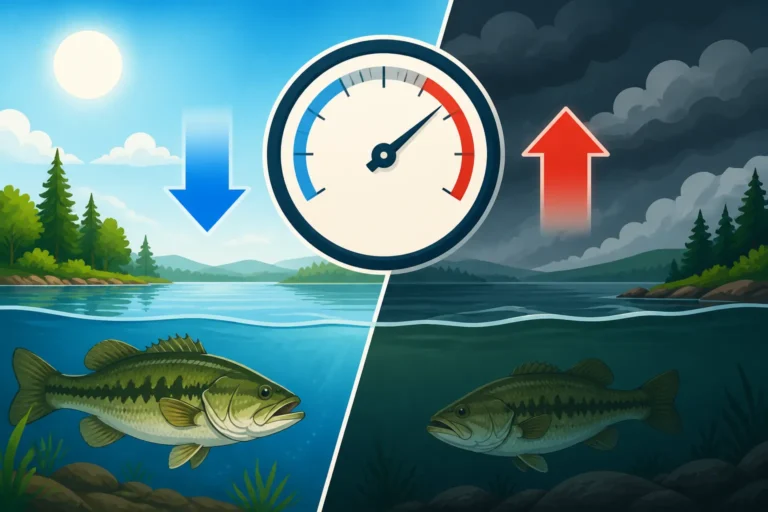
In gin-clear water, bass rely heavily on their eyesight, but this also means they become much more aware of their surroundings, including potential predators (that's you!) and unnatural presentations. They become easily spooked by boat shadows, loud noises, or lures that look too large, too clunky, or simply "wrong." This often drives them deeper, into denser cover, or makes them incredibly sluggish and selective in their feeding. Think about fishing a place like Candlewood Lake after a stretch of sunny, calm weather—the bass suddenly get lockjaw on your favorite spinnerbait. It's not that they aren't there; it's that they've adapted to the conditions.
They're looking for subtle, natural-looking meals that don't scream "danger." This means a perfectly still presentation, or one with extremely minimal movement, can be the ticket. They often become ambush predators, hiding in the darkest shadows or tightest structure, waiting for an easy, non-threatening meal to drift by. Trying to muscle a big jig through clear water often results in a refusal or a spooked fish.
The Impact of Light and Pressure
Light penetration is amplified in clear water. On bright, sunny days, bass will often retreat to deeper water or seek dense shade under docks, fallen trees, or thick weed mats. This is not just for comfort; it's a survival instinct to avoid predators from above. They might suspend themselves in the water column near submerged timber or rocky points, just out of direct sunlight.
Fishing pressure, especially on popular lakes and rivers in Connecticut, further compounds this wariness. If a hundred boats have tossed bulky crankbaits and flashy spinnerbaits at the same fish all week, those bass become conditioned. They learn what looks like a threat and what doesn't. This is where finesse truly shines, as it offers a presentation that feels novel, subtle, and non-threatening to these pressured fish. It's like offering a gourmet meal to a dog that's tired of kibble – suddenly, they're interested again. Understanding this behavior is the first step in unlocking success.
Essential Finesse Tackle for Clear Water
You can't bring a chainsaw to a surgery and expect precision. The same goes for finesse fishing. Your tackle needs to be scaled down, refined, and hyper-sensitive to detect those barely-there bites that clear water bass often deliver. Investing in the right gear makes a huge difference, turning subtle "ticks" into hooksets.
Rods, Reels, and Line Selection
For finesse fishing, the name of the game is light and sensitive. Forget your heavy-action flipping sticks; we're talking about spinning gear that allows for delicate presentations and excellent feel.
- Rods: A 6'9" to 7'3" spinning rod with a medium-light or medium power and a fast or extra-fast action is ideal. The fast action tip allows for precise casting of light lures and excellent bite detection, while the backbone provides enough power to drive a hook home and fight a decent bass. Brands like St. Croix, G. Loomis, or even more budget-friendly options from Fenwick offer excellent finesse rods. You need a rod that feels like an extension of your arm, transmitting every bump and tap directly to your hand.
- Reels: Pair your rod with a high-quality spinning reel in the 2000 to 3000 size range. Look for smooth drag, consistent line lay, and a lightweight body. Shimano and Daiwa are often go-to brands for their reliability and performance. The smooth drag is crucial because you'll be using lighter line, and sudden surges from a bass could snap you off.
- Line: This is perhaps the most critical component for clear water finesse. You absolutely need fluorocarbon line or a fluorocarbon leader.
- Fluorocarbon Main Line: Many anglers opt for 6-10 lb test fluorocarbon directly on their spinning reel. It's virtually invisible underwater, extremely abrasion-resistant, and has very low stretch, which enhances sensitivity. The low stretch means you feel everything, from a subtle bite to your bait ticking a small pebble on the bottom. You can find a wide variety of fluorocarbon lines on Amazon from brands like Seaguar and Sunline.
- Braided Main Line with Fluorocarbon Leader: A popular alternative is to spool your reel with 10-20 lb test braided line (like PowerPro or Sufix) for its superior casting distance and zero stretch, then attach a 6-10 lb test fluorocarbon leader (typically 6-10 feet long) using a strong knot like an FG knot or an Albright knot. The braid gives you distance and sensitivity, while the fluoro leader provides the stealth needed in clear water. This setup is fantastic for detecting the slightest takes.
Bait and Lure Choices
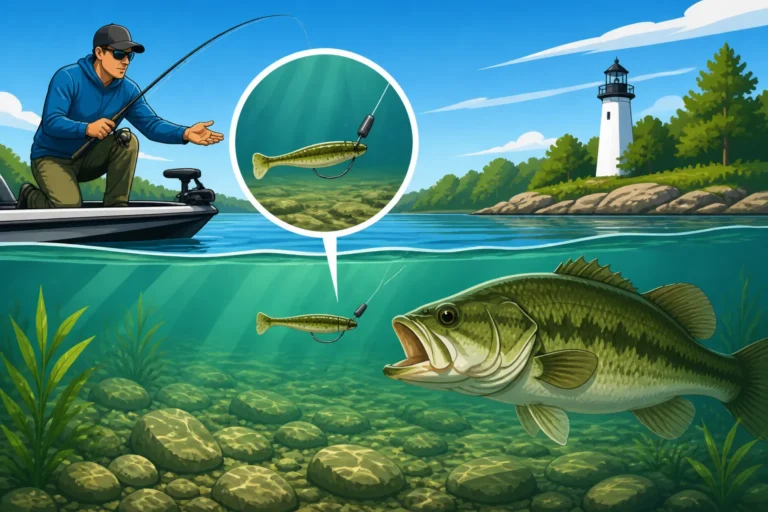
The key here is small, subtle, and natural. Think about what a bass might naturally forage on—tiny baitfish, crawfish, worms, and insects. Your lures should imitate these things in a non-threatening manner.
- Soft Plastics: These are the backbone of finesse fishing.
- Drop Shot Worms/Minnows: Small, slender worms (3-5 inches), flukes, or minnow imitations are deadly on a drop shot. Colors like green pumpkin, clear, or natural baitfish patterns excel. Look for ones with subtle tails that quiver with minimal movement.
- Ned Rig Baits: Short, stubby worm sections (2.5-3 inches) with buoyant properties are perfect. The Z-Man TRD series is iconic for this, but many companies make similar baits. Their buoyancy allows them to stand up off the bottom, creating an irresistible presentation.
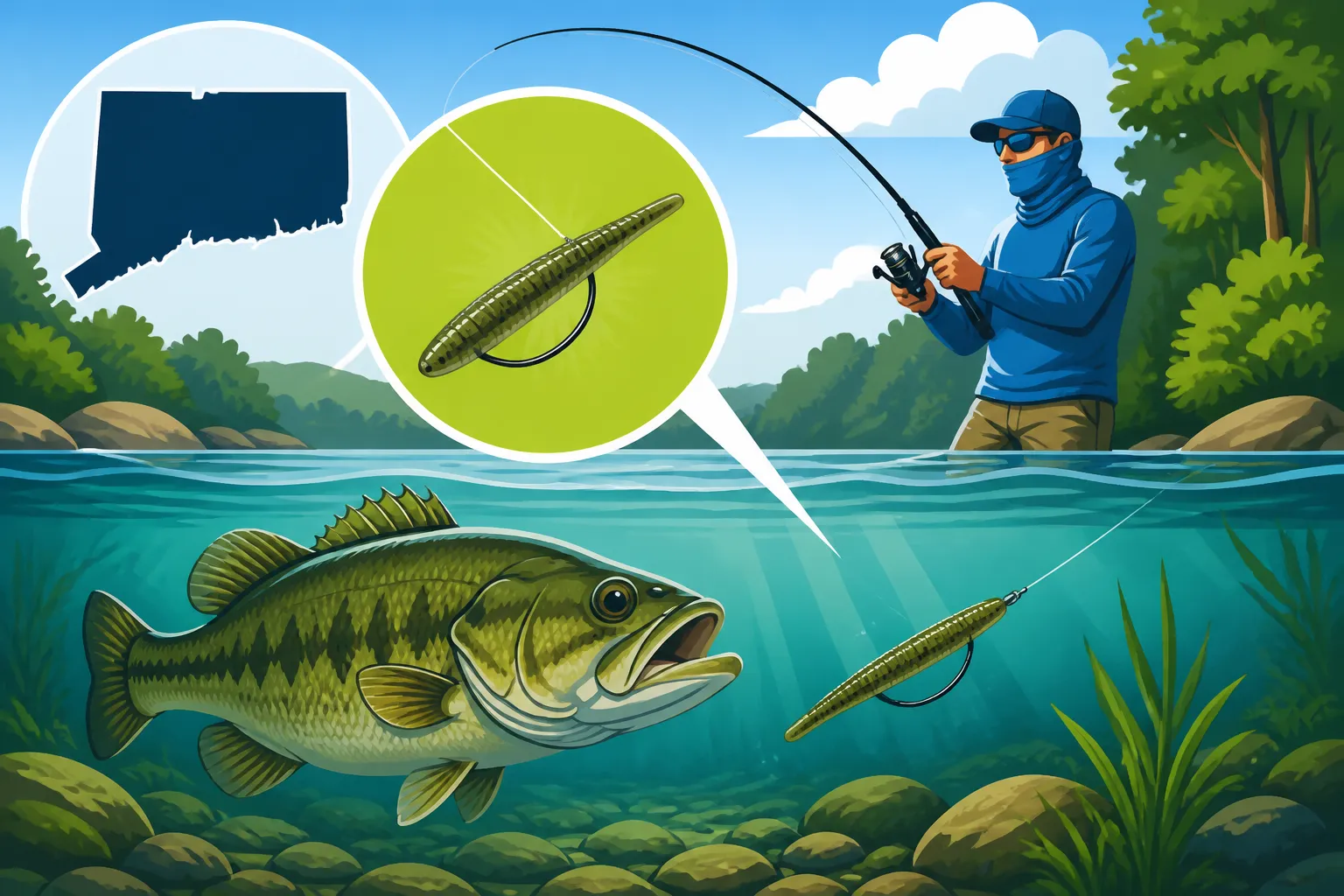
- Wacky Rig/Neko Rig Senkos: A 4- or 5-inch Yamamoto Senko (or similar stick bait) rigged wacky style (hooked through the middle) or Neko style (weight inserted in one end, hooked through the middle) offers an incredible shimmy on the fall. Green pumpkin, black, and natural variations are always good.
- Small Swimbaits: 2-3 inch paddle tail swimbaits on a light jig head (1/8-1/4 oz) can imitate small baitfish fleeing or struggling. These are great for covering water or when bass are feeding on schools of bait.
- Small Creatures/Craws: Tiny crawfish or creature baits (2-3 inches) on a shaky head or small jig can mimic a defensive crawfish, especially effective around rocky bottom or wood cover.
- Jig Heads & Weights:
- Drop Shot Weights: Pencil weights or cylinder weights from 1/8 oz to 1/2 oz are common. The weight allows the bait to suspend freely above the bottom.
- Ned Rig Jig Heads: Mushroom-shaped jig heads from 1/16 oz to 1/8 oz are standard. The unique shape allows the bait to stand up.
- Shaky Heads: Football-style or stand-up jig heads from 1/8 oz to 3/8 oz work well for Texas-rigging smaller worms.
- Wacky/Neko Weights: Small nail weights (1/32 oz to 1/8 oz) can be inserted into soft plastics to control fall rate and orientation.
When browsing for these items, you'll find an enormous selection of soft plastics and jig heads on Amazon, making it easy to experiment with different shapes and colors without having to visit multiple bait shops.
Top Finesse Techniques for Tricky Bass
Once you have the right gear, it's time to learn the techniques that will make those clear-water bass finally commit. These methods focus on subtle movements, natural presentations, and precise bait placement.
The Drop Shot Rig
The drop shot rig is arguably the king of clear water finesse techniques, especially when bass are suspended or holding tightly to vertical structure. It presents your bait horizontally, hovering enticingly at a specific depth above a sinker.
- How to Rig It: Tie a Palomar knot to your hook (typically a size 1 or 2 wide gap or specialized drop shot hook), leaving a long tag end. Thread the tag end back through the eye of the hook from the top, so the hook stands straight out. Then, tie your drop shot weight to the very end of that tag line. You can vary the leader length between the hook and weight, usually 6 inches to 2 feet, depending on how high off the bottom you want your bait. Thread a small, slender soft plastic worm, minnow, or fluke onto the hook, usually Nose-hooking it for maximum action.
- Presenting it Vertically: This rig excels when fished vertically over structure like submerged humps, rock piles, brush piles, or bridge pilings. Drop your bait directly down, let the weight hit bottom, then reel up any slack until your line is taut. The key is to barely move your bait. Lightly twitch your rod tip, shake it, or just hold it perfectly still. The subtle movements of your boat or the current will impart action on the bait. You're trying to mimic a suspended baitfish or an insect slowly twitching in the water.
- Bottom Contact: While the bait is off the bottom, the weight remains in contact. This allows you to feel changes in bottom composition and structure. Slowly drag or hop the weight along the bottom, pausing frequently. Many times, the strike will feel like a slight "mushy" feeling, or simply added weight. Set the hook with a gentle, sweeping motion rather than a hard jerk, as you're using light line.
The Ned Rig
The Ned rig is disarmingly simple, yet incredibly effective, especially for wary smallmouth bass and finicky largemouth. It's often dubbed the "cheater rig" because of how well it works when nothing else does.
- Simple Rigging: It consists of a small, mushroom-shaped jig head (1/16 oz to 1/8 oz is most common) paired with a short, buoyant soft plastic worm (typically 2.5-3 inches). The buoyancy of the plastic, often made from ElaZtech or similar material, causes it to stand straight up off the bottom like a feeding minnow or crawfish.
- Subtle Movements: The beauty of the Ned rig is its subtlety. Cast it out, let it sink to the bottom, and then impart minimal action. You can drag it slowly along the bottom, let it sit perfectly still, or make tiny hops. The key is to let the bait do the work. When you pause, the buoyant plastic stands up, creating a natural, irresistible profile.
- Effectiveness: This rig is fantastic for tempting bass that are reluctant to chase. It's excellent on hard bottoms, around sparse cover, or when fishing docks. The bites are often very light – sometimes just a subtle pressure or a slight twitch in your line – so pay close attention. It's also an excellent choice for How to fish rocky points for smallmouth, as the small profile rarely snags.
Wacky Rigging and Senkos
The wacky rig, particularly with a Senko-style worm, offers a natural, undulating fall that few bass can resist, especially around docks, laydowns, and sparse weeds.
- Natural Fall: A Senko rigged wacky style simply means hooking it through the middle. As it falls through the water column, both ends of the worm shimmy and quiver, looking incredibly lifelike, like an injured or dying baitfish. The fall rate is slow, which gives bass plenty of time to ambush it. For even slower falls and added durability, you can use a small O-ring on the worm's center and hook through the O-ring.
- Minimal Weight: Often, no weight is used at all, allowing for that irresistible slow, horizontal fall. If you need to get it down deeper or cast further, a small nail weight can be inserted into one end (Neko rig style), which changes the fall to a more nose-down orientation and adds another dimension of action.
- Presenting to Cover: This technique shines when casting to specific targets. Pitch it to the shady side of a dock, alongside a fallen tree, or into small pockets in weed lines. Let it fall on a slack line, watching for any twitch or jump in your line. Once it hits bottom, give it a few gentle twitches, let it sit, then slowly retrieve or pitch it to the next spot. It’s a great choice for tempting wary bass that are hiding in ambush.
Shaky Head and Carolina Rig (Light Version)
While traditional shaky heads and Carolina rigs can be heavy, scaled-down finesse versions are incredibly effective in clear water for presenting soft plastics along the bottom.
- Shaky Head: A finesse shaky head uses a lighter jig head (1/8-3/16 oz) with a smaller, straight-tail worm (4-6 inches) Texas-rigged onto it. The worm stands up on the bottom due to the jig head's design, and a slight shake of the rod tip makes the tail quiver enticingly. It's a fantastic technique for dragging over rocky bottoms, through sparse weeds, or around submerged timber. The weedless nature of the Texas rig makes it versatile for different types of cover.
- Light Carolina Rig: A traditional Carolina rig can be quite heavy, but a finesse version uses lighter weights (1/4-1/2 oz bullet or egg sinker), a small swivel, and a light fluorocarbon leader (2-4 feet) with a smaller soft plastic bait (craw, lizard, or straight worm). This allows for a slower, more deliberate drag across the bottom. The unweighted bait drifts enticingly behind the weight, making it look like a fleeing or foraging creature. It's excellent for covering large areas of open, clear bottom or points, especially when trying to locate scattered bass.
| Finesse Technique | Typical Bait | Ideal Depth | Target Cover | Key Action |
|---|---|---|---|---|
| Drop Shot | Small worms, minnows, flukes | Mid-water to deep | Vertical structure, open water, humps | Vertical jigging, subtle shakes, holding still |
| Ned Rig | 2.5-3" buoyant worms | Shallow to mid-depth | Hard bottom, sparse weeds, docks | Dragging, subtle hops, dead-sticking |
| Wacky Rig (Senko) | 4-5" stick baits | Shallow to mid-depth | Docks, laydowns, weed pockets | Slow fall, twitching after bottom contact |
| Shaky Head | 4-6" straight tail worms | Mid-depth to deep | Rocky bottoms, sparse weeds, timber | Dragging, subtle shakes, pausing |
| Light Carolina Rig | Small craws, lizards, worms | Mid-depth to deep | Open flats, points, transitions | Slow dragging, pausing |
Reading the Water and Adapting Your Approach
Finesse fishing isn't just about the rigs; it's a mindset. It requires keen observation, stealth, and a willingness to constantly adapt. Clear water provides clues, but also demands a higher level of precision.
Locating Bass in Clear Water
In clear water, bass are masters of concealment. You need to think like them and anticipate where they'll feel safest and have the best ambush points.
- Deeper Cover: As mentioned, bright sun often pushes bass deeper. Look for submerged humps, rock piles, deep weed lines, or the thermocline if it's summer. Your electronics become invaluable here. Pay attention to contour lines on your map and use your sonar to identify depth changes, brush piles, or schooling baitfish. For example, if you're on Best Bass Fishing Lakes in Connecticut, deep rock piles on Lake Lillinonah could be prime spots.
- Shade and Overhangs: Bass will seek out any available shade. Docks, fallen trees, overhanging branches, bridge pilings, and even boat hulls can provide crucial relief from the sun and a hidden spot to ambush prey. The darker the shade line, the better.
- Transitions: Look for areas where different types of cover meet – a rock pile blending into a sand flat, the edge of a weed line, or where a creek channel meets the main lake. These transition zones often concentrate baitfish and provide bass with multiple escape and ambush routes. If you're fishing Best Bass Fishing Techniques for Candlewood Lake, focusing on those deep rock-to-sand transitions can be very productive.
Stealth and Presentation
This is where many anglers go wrong in clear water. You can have the perfect bait, but if you spook the fish, it won't matter.
- Longer Casts: Always try to cast beyond your target and retrieve your lure into the strike zone. This minimizes the disturbance your bait makes when it enters the water directly over a fish's head. The further you can stay from the fish, the better. Use your braided main line with a fluorocarbon leader to maximize casting distance.
- Quiet Boat Handling: Avoid dropping tackle, slamming lids, or running your trolling motor on high speed directly over known fishing spots. Electric trolling motors on lower settings, or even drifting silently with the wind (if safe), are your best friends. Anchoring quietly, if conditions allow, can also be beneficial for working a precise spot.
- Casting Beyond the Target: Instead of casting directly to a dock post, cast ten feet past it and retrieve your bait slowly along the structure. This gives the bass a chance to see the bait coming from a distance and decide to commit, rather than being startled by a splash nearby.
- Subtle Retrieves: The retrieve should match the subtlety of your lure. Slow drags, tiny hops, and prolonged pauses are far more effective than aggressive jerks or fast cranking. In clear water, bass have more time to inspect your bait, so a natural, unhurried movement is key. For example, when fishing a Ned Rig, letting it sit perfectly still for 10-15 seconds can often trigger a strike from a curious bass. When learning How to pattern bass on an unfamiliar Connecticut lake, start with super slow, subtle retrieves.
Experimentation and Patience
Finesse fishing in clear water demands patience and a willingness to adapt. What worked yesterday, or even an hour ago, might not work now.
- Change Baits and Colors: Don't be afraid to cycle through different soft plastic profiles (worms, craws, minnows) and a range of natural colors (green pumpkin, watermelon, browns, clear with flake). Sometimes, a slight change in silhouette or a hint of flash can be the trigger. Keep a tackle box or tray specifically for your finesse plastics and jig heads, easily accessible, perhaps after browsing the extensive selection on Amazon.
- Vary Retrieve Speed and Action: If dragging slowly isn't working, try tiny hops. If hops aren't working, try dead-sticking it for extended periods. Sometimes, a series of quick, sharp twitches followed by a long pause is the ticket. Pay attention to how the bass are reacting, or not reacting, to your presentation. If you're using How to fish a jerkbait for early spring bass in clear water, subtle twitches and longer pauses are often more effective than aggressive rips.
- Patience Pays Off: These aren't always aggressive, reaction strikes. Finesse bites can be incredibly subtle—a slight tick, a feeling of "mushiness," or your line just moving sideways. You have to be patient, stay focused, and trust your gut. Sometimes, waiting that extra few seconds after a perceived bite can make all the difference, allowing the bass to fully inhale the bait. Remember that Cold Front Fishing Tactics for Connecticut Bass often rely on similar patient, subtle approaches, as bass become lethargic.
By mastering these finesse techniques and understanding the nuances of clear water bass behavior, you'll be well on your way to catching more bass in those beautiful, but often challenging, Connecticut waters.
Disclaimer
This article is for general informational purposes only and does not constitute professional advice. Laws, prices and regulations vary by location and change over time. Consult a qualified professional for guidance on your specific situation.