Best flies for Housatonic River trout
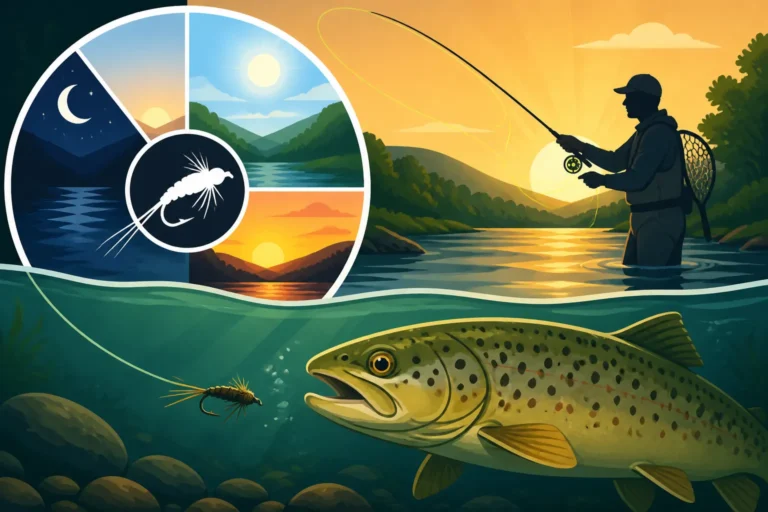
There's nothing quite like the Housatonic River in Connecticut for trout fishing, is there? But if you've spent any time on its banks, you know it can also be one of the most frustrating rivers around. The trout can be picky, the hatches can be sporadic, and figuring out what fly to tie on can feel like a riddle wrapped in an enigma. This guide is all about cutting through that confusion, giving you the best fly patterns and strategies to tackle the Housatonic's magnificent trout, no matter the season or conditions.
Understanding the Housatonic River's Unique Character
Before we even talk about specific flies, it's crucial to understand the personality of the Housatonic River. It's not your typical small New England trout stream; it's a big, diverse, and often moody river. Its unique characteristics dictate what flies will be most effective, and ignoring these nuances can lead to a long, fishless day.
Flow Dynamics and Water Clarity
The Housatonic is a tailwater fishery, meaning its flow is largely regulated by the power generation dam upstream. This creates a more stable water temperature compared to freestone streams, which can be a huge advantage for trout, especially in summer. However, it also means that flow can fluctuate dramatically. On days with higher generation, the river can rise and become powerful, requiring heavier nymphs or streamers to get down to the fish. Conversely, during low flow periods, the water can be incredibly clear and still, making presentation paramount and calling for lighter tippets and smaller, more imitative flies. Understanding the river's daily flow schedule from the USGS website before you go can save you a lot of guesswork.
Water clarity also plays a significant role. After heavy rains, the Housatonic can get a bit off-color, especially downstream of tributaries that might be dumping in sediment. In these conditions, flies with a larger profile or more vibrant colors, or even those with a bit of flash, tend to stand out better. When the water is gin-clear, which is often the case during stable weather and lower flows, stealth and realism become your best friends. These are the days for perfectly tied dries and subtly weighted nymphs. It's truly a river that demands adaptability.
Insect Life and Trout Behavior
The Housatonic boasts a rich and diverse insect population, which is precisely why it's such a renowned trout fishery. You'll encounter prolific hatches of various mayflies, caddisflies, and stoneflies throughout the year. Knowing what insects are active, or what stage of their life cycle the trout are keying in on, is fundamental to selecting the right fly. For example, during a strong Hendrickson hatch in the spring, trout will often rise readily to adults. But if the hatch is sparse, they might still be feeding on emergers or nymphs just below the surface. This river can sometimes feel like a puzzle, but paying attention to what's flying around or what you see under rocks can provide vital clues.
The trout themselves—primarily brown and rainbow trout, with some brook trout in certain areas—exhibit varied behavior depending on the season and pressure. Stocked trout, especially early in the season, might be less selective, while wild or holdover trout, particularly those in the Housatonic River Trout Management Area, are often far more wary. They've seen it all, and they've developed a discerning palate. This means sometimes you need to match the hatch exactly, and other times, a well-presented attractor pattern can still do the trick. For a broader overview of the river, check out our full Housatonic River Fishing Guide.
Essential Dry Flies for Housatonic Trout
When the trout are looking up, there's nothing more exhilarating than catching them on a dry fly. The Housatonic can offer some incredible dry fly fishing, especially during significant hatches. Having a selection of these patterns in your fly box is non-negotiable for spring, summer, and fall excursions.
Mayfly and Caddisfly Imitations
Mayflies are arguably the most iconic insect for dry fly fishing, and the Housatonic has a good variety. Here are some top picks:
- Blue-Winged Olives (BWO): These small, dark mayflies (Baetis species) hatch throughout the year, especially on cloudy or rainy days, and are a staple. Keep sizes #18-22 in your box. Patterns like a Parachute BWO or a small Sparkle Dun can be deadly.
- Hendricksons: A classic spring hatch (Ephemerella subvaria), these larger mayflies (#12-14) bring many trout to the surface. A standard Hendrickson dry or a Comparadun imitation works wonders.
- Sulphurs: Later in spring and into early summer, these beautiful yellow mayflies (#14-18) often hatch in the late afternoon or evening. A Sulphur Dun or a Rusty Spinner (for the spent fall) is essential.
- Light Cahills: These cream-colored mayflies (#12-16) are another summer evening delight. Similar to Sulphurs, a Cahill Dun or Compara-Cahill will serve you well.
- Green Drakes: While not as prolific as on some other rivers, you can encounter sporadic Green Drake hatches (#10-12) in late spring/early summer. A large Green Drake Comparadun can be effective if you hit it right.
Caddisflies are also incredibly important. They often hatch in large numbers, skittering across the surface, and trout will key in on their erratic movement.
- Elk Hair Caddis: This is perhaps the most versatile dry fly out there. Have it in tan, olive, and even black, in sizes #12-18. It imitates many different caddis species and is a great searching pattern when nothing else is hatching.
- Henryville Special: A slightly different profile, the Henryville Special in olive or tan (#14-16) can be very effective when trout are being finicky about the Elk Hair Caddis.
- Grannom Caddis: In early spring, the Grannom Caddis (Brachycentrus) can hatch in incredible numbers, blanketing the water. A black Elk Hair Caddis in sizes #14-16 is often all you need to imitate this hatch.
For a deeper dive into insect patterns, our guide on Fly Patterns for Connecticut Trout Streams offers more detail.
Terrestrials and Attractor Patterns
Sometimes, the trout aren't focused on aquatic insects, or there's simply no hatch happening. That's when terrestrials and general attractor patterns come into their own, especially during the warmer months.
- Ants: Often overlooked, ants are a trout staple throughout summer. Black, cinnamon, and red ant patterns in sizes #16-20 can be incredibly effective, especially when fished tight to the banks or under overhanging vegetation.
- Hoppers: Grasshoppers are a fantastic summer and early fall food source. A Dave's Hopper, Charlie Boy Hopper, or a tan/yellow Stimulator in sizes #8-14 fished along grassy banks can draw explosive strikes from larger trout.
- Beetles: Both foam and hard-bodied beetle patterns in black or dark brown (#14-18) are excellent choices when no other insects are apparent. They provide a high-protein meal for opportunistic trout.
- Adams: While it imitates nothing specifically, the Parachute Adams is a phenomenal general attractor pattern. It rides low in the water, mimicking a wide range of mayflies, and often works when fish are rising selectively but you can't quite match the hatch. Have it in sizes #12-20.
- Stimulator: This shaggy, high-floating fly can imitate a large caddis, a stonefly, or even a hopper. In yellow, orange, or olive, sizes #10-16, it's a great choice for prospecting faster water or when you need a fly that really floats.
Go-To Nymph Patterns for Subsurface Success
Let's be realistic: trout spend about 90% of their time feeding subsurface. If you're not nymphing on the Housatonic, you're missing out on a huge portion of the action. Nymphing can be incredibly productive, especially during periods of low or no surface activity.
Mayfly and Caddisfly Nymphs
These are the bread and butter of Housatonic nymphing. Trout are constantly sifting through the river bottom for these insects.
- Pheasant Tail Nymph: This classic pattern, in sizes #12-20, imitates a wide variety of mayfly nymphs. It's subtle, realistic, and an absolute must-have. Have some with a beadhead for getting down quickly in faster currents, and some unweighted for shallower water or softer presentations.
- Hare's Ear Nymph: Another legendary pattern, the Hare's Ear (#12-18) is buggy and impressionistic, mimicking many different aquatic insects, including caddis larvae and various mayflies. Its natural shagginess makes it incredibly effective. Both natural and olive versions are good to have.
- Pat's Rubber Legs: While a stonefly imitation, this pattern (#8-14) is also a fantastic general attractor and a great lead fly in a two-nymph rig. Its rubber legs provide enticing movement, and the larger size gets attention. It's especially good in higher flows or dirtier water, and you can find well-tied versions of these, along with a variety of other flies, available on Amazon for convenience.
- Prince Nymph: With its distinctive white biots, the Prince Nymph (#10-16) is a flashy attractor pattern that can also pass for a stonefly or caddis pupa. It's great for prospecting when you're not sure what they're eating.
- Green Weenie/Squirmy Wormy/San Juan Worm: Okay, these aren't traditional "nymphs," but they're irresistible to Housatonic trout, especially after stocking events or during periods of elevated water. Have them in red, pink, and worm-brown, in sizes #10-16. While some purists may scoff, fish love them, and they work.
Attractor Nymphs and Larval Patterns
Beyond specific insect imitations, certain patterns just flat-out catch fish due to their profile, color, or movement.
- Zebra Midge: Midges are present year-round, and trout are almost always feeding on their larval and pupal stages. The Zebra Midge in black, olive, or red (sizes #18-22) is incredibly effective, especially in slower pools or during winter months.
- Copper John: This heavily weighted nymph (#12-18) with its flashy copper body is an excellent "point" fly (the bottom fly in a multi-nymph rig) for getting your other flies down quickly. It imitates a variety of caddis pupae and small stoneflies.
- Walt's Worm: A simple, buggy pattern (#10-16) that's often tied with natural fur dubbing, the Walt's Worm is a fantastic general purpose nymph that can imitate everything from sowbugs to caddis larvae to small cranefly larvae. It's often most effective in olive or natural brown tones.
- Scuds/Sowbugs: While less common in fast-flowing sections, these crustaceans are vital food sources in calmer pockets and slower stretches, particularly where aquatic vegetation is present. Gray, olive, or orange scud patterns in sizes #14-18 can be deadly.
- Caddis Larva (Green Rock Worm): Often tied with a bright green body, this pattern (#12-16) is a very specific imitation of the free-living caddis larvae found clinging to rocks. When trout are keying on these, this fly is a must.
For those interested in the art of nymphing, our article on Euro Nymphing Connecticut Trout Streams provides advanced techniques.
Streamers for Aggressive Housatonic Trout
When you're after the biggest, baddest trout in the Housatonic, especially a trophy brown trout, it's time to tie on a streamer. Streamers imitate baitfish, leeches, or other larger prey, and they often trigger an aggressive, predatory strike rather than a subtle sip.
Baitfish Imitations
Big trout eat smaller fish. It's a simple fact. Having a selection of streamers that mimic the baitfish found in the Housatonic is crucial.
- Woolly Bugger: The undisputed king of streamers, the Woolly Bugger is a must-have in every fly box. Black, olive, brown, and white in sizes #4-10. It can imitate anything from a sculpin to a leech to a small baitfish. Fish it weighted or unweighted, stripped, swung, or dead-drifted. Its versatility is unmatched. You can get multi-packs of various colors and sizes of Woolly Buggers on Amazon, which is a great way to stock up without breaking the bank.
- Clouser Minnow: Primarily a saltwater pattern, the Clouser Minnow (in chartreuse/white, blue/white, or olive/white, sizes #4-8) is deadly for freshwater gamefish too, including big Housatonic trout. Its weighted eyes create a jigging action that predatory fish find irresistible.
- Sculpin Patterns: Sculpins are a significant food source for larger trout, especially brown trout. Patterns like the Muddler Minnow, Sculpzilla, or other weighted sculpin imitations in olive, brown, or black (sizes #4-10) are excellent choices. Fish them low and slow along the bottom, mimicking their natural habitat.
- Flash-A-Bugger: This is essentially a Woolly Bugger with added flashabou in the tail and body. That extra shimmer can be the trigger needed to get a reluctant trout to commit, especially in slightly off-color water or on bright days. Black, olive, and white are great colors.
Attractor and Leech Patterns
Sometimes, you want a streamer that just looks good and triggers a reaction, even if it doesn't perfectly mimic a specific baitfish.
- Articulated Streamers: For truly big fish, articulated streamers that offer more movement and a larger profile can be incredibly effective. Patterns like the Sex Dungeon or Drunken Disorderly in sizes #2-6 in natural baitfish colors (olive, brown, white) can entice a trophy strike. They require heavier rods and lines to cast but are worth it for the potential reward.
- Bugger-Style Leeches: While the Woolly Bugger covers a lot of ground, specific leech patterns, often tied with rabbit strips for incredible movement, can be very effective, especially in darker water or during low light conditions. Black or purple rabbit strip leeches in sizes #6-10 are great to have.
- Gartside Leech: This pattern, often tied in black or brown, has a subtle yet highly effective profile that mimics leeches. It's a fantastic choice when trout are being finicky with more flashy or aggressive patterns. The key with leech patterns is usually a slow, methodical retrieve that makes them appear like an easy meal.
Remember, when fishing streamers, don't be afraid to experiment with retrieve speeds and pauses. A sudden dart or a dead drift followed by a quick strip can often be the trigger.
Seasonal Fly Selection Strategies
The Housatonic River changes dramatically throughout the year, and so should your fly selection. What works wonders in spring might be completely ignored in summer or winter. Adapting your approach with the seasons is key to consistent success.
Spring: Hatches and High Water
Spring is arguably the most exciting time on the Housatonic, with increasing water temperatures triggering major insect hatches. The trout are waking up and actively feeding after the leaner winter months.
- Early Spring (March-April): Think nymphs and streamers. The water can still be cold and flows can be high from snowmelt or spring rains. Heavy nymph rigs with patterns like Pat's Rubber Legs, Copper Johns, and Pheasant Tails are essential to get down to the bottom where trout are holding. Streamers like Woolly Buggers and Sculpzilla patterns stripped slowly can also pick up aggressive fish. Look for early caddis (Grannoms) and some Blue-Winged Olives on warmer days.
- Mid-Spring (April-May): This is prime time for hatches. The Hendrickson hatch is a major event, followed by caddis and early Sulphurs. Have your dry flies ready, including Hendrickson Duns, Elk Hair Caddis, and Parachute Adams. Don't neglect emerger patterns like a CDC Comparadun or a LaFontaine Sparkle Pupa fished in the film, as trout often key into these vulnerable stages. This is also when the Connecticut Trout Season and Stocking Rules are in full swing, meaning some freshly stocked fish might be less selective.
- Late Spring (May-June): Sulphurs and various caddis continue, and terrestrials start to become more active. Trout might be more spread out and willing to rise to larger dry flies. Continue with your Sulphur and Caddis patterns, but also start incorporating ant and beetle imitations, especially on sunny days.
Summer: Terrestrials and Low Flows
Summer on the Housatonic often means lower, clearer water, and sometimes higher water temperatures, which can make fishing more challenging. However, it can also offer excellent terrestrial fishing.
- Morning and Evening: These are often the best times to fish during summer. Early mornings can still see some caddis or BWO hatches, while evenings are great for Sulphurs, Light Cahills, and caddis.
- Mid-Day Strategy: During the bright, hot parts of the day, trout will often tuck into shaded, oxygenated holding lies. This is prime time for terrestrials. Fish hoppers, ants, and beetle patterns tight to the banks, under trees, and near undercut banks. Nymphing with smaller patterns like Zebra Midges, Pheasant Tails (#18-20), and smaller Green Weenies can also be effective in deeper pools. Be mindful of warm water; if the water temperature exceeds 68-70°F, it's best to give the trout a break to avoid stressing them. This is also why the Connecticut Housatonic River Seasonal Closure Explained is in place for a portion of the river.
Fall: Aggressive Feeding and Big Browns
Fall is a favorite season for many Housatonic anglers, and for good reason. Trout become incredibly active, feeding aggressively in preparation for winter, and larger brown trout start to get restless for spawning.
- Major Hatches: Fall sees a resurgence of Blue-Winged Olives and various caddis hatches, often requiring smaller dry fly patterns. Sulphurs can still be around too. Keep an eye out for crane flies as well.
- Streamer Time: This is prime time for throwing streamers, especially for big brown trout. Olive, brown, black, and white Woolly Buggers, Sculpin patterns, and Articulated Streamers fished aggressively can entice truly impressive fish. Target deeper pools, current seams, and areas with structure.
- Nymphing: Nymphing remains highly effective. Larger stonefly nymphs (Pat's Rubber Legs), Hare's Ears, and Pheasant Tails are excellent choices as trout feed heavily on a variety of subsurface insects.
Winter: Subtle Bites and Midges
Winter fishing on the Housatonic can be slow, but it can also be incredibly rewarding for those willing to brave the cold. Trout are less active but still feed.
- Slow and Deep: The key to winter fishing is slow presentations and getting your flies deep. Nymphing is by far the most effective technique.
- Midges are King: Midges are the predominant food source in winter. Zebra Midges (black, olive, red, purple) in sizes #18-24 are essential. Fish them on very light tippet (6x or 7x) under a small indicator, or try tight-line nymphing.
- Small Nymphs: Small Pheasant Tail Nymphs, Hare's Ears, and even tiny Green Weenies can also pick up fish. Concentrate on slow, deep pools and the soft edges of currents.
- Sporadic Streamer Bites: Occasionally, a slowly stripped Woolly Bugger in black or olive can entice a larger, lethargic trout, especially on warmer winter days.
To ensure you're compliant with regulations, always check the current Connecticut Fishing Regulations Explained before heading out, as specific rules for certain areas might change.
Here’s a quick overview of some top Housatonic fly patterns by type and season:
| Fly Type | Pattern | Key Colors | Sizes | Primary Season(s) | Notes |
|---|---|---|---|---|---|
| Dry Flies | Parachute BWO | Olive, Gray | #18-22 | Spring, Fall, Winter | Great for cloudy days. |
| Elk Hair Caddis | Tan, Olive, Black | #12-18 | Spring, Summer, Fall | Versatile, great searching pattern. | |
| Hendrickson Dry | Rusty Brown | #12-14 | Spring | Essential for spring hatch. | |
| Sulphur Dun | Pale Yellow | #14-18 | Late Spring, Summer | Evening hatch producer. | |
| Dave's Hopper | Tan, Yellow | #8-14 | Summer, Early Fall | For bank-feeding trout. | |
| Parachute Adams | Gray | #12-20 | All Seasons | General attractor, works when nothing specific is hatching. | |
| Nymphs | Pheasant Tail Nymph | Natural, Flashback | #12-20 | All Seasons | Mayfly imitation, a true staple. |
| Hare's Ear Nymph | Natural, Olive | #12-18 | All Seasons | Buggy and impressionistic. | |
| Pat's Rubber Legs | Black, Brown, Olive | #8-14 | Spring, Fall | Stonefly/attractor, good lead fly. | |
| Zebra Midge | Black, Olive, Red, Purple | #18-24 | All Seasons, esp. Winter | Tiny, but deadly. | |
| Copper John | Copper, Red, Chartreuse | #12-18 | All Seasons | Gets deep fast, flashy attractor. | |
| Green Weenie/Squirmy Worm | Green, Red, Pink, Worm-Brown | #10-16 | All Seasons, esp. Post-Stocking | Irresistible, though non-traditional. | |
| Streamers | Woolly Bugger | Black, Olive, Brown, White | #4-10 | All Seasons | Imitates variety of prey, incredibly versatile. |
| Sculpzilla | Olive, Brown | #4-10 | Spring, Fall, Winter | Mimics sculpins, for bigger trout. | |
| Clouser Minnow | Chartreuse/White, Olive/White | #4-8 | Spring, Fall | Baitfish imitation, jigging action. | |
| Rabbit Strip Leech | Black, Purple | #6-10 | All Seasons | High movement, for aggressive or lethargic fish. |
Final Considerations for Housatonic River Success
Remember, the Housatonic is a big river, and conditions can vary significantly from one section to another. Always be prepared to change flies and tactics.
Carrying a good selection of flies, a reliable tippet in various sizes (from 3x down to 7x), and split shot or tungsten putty for nymphing is crucial. A sturdy wading staff is also highly recommended when wading this powerful river. For more general advice, you might find our guide on Fly Fishing for Trout in Connecticut helpful. And don't forget to check the forecast – not just the weather, but also the river flows – before you head out! The Housatonic is a challenging but immensely rewarding river, and with the right flies and a bit of persistence, you'll be well on your way to a memorable day on the water.
Disclaimer
The information provided in this guide is for general informational purposes only. Fishing regulations, seasons, and licensing requirements can change. Always consult the official Connecticut Department of Energy and Environmental Protection (DEEP) website or current fishing guide for the most up-to-date and accurate information before fishing.