How to pattern bass on an unfamiliar Connecticut lake
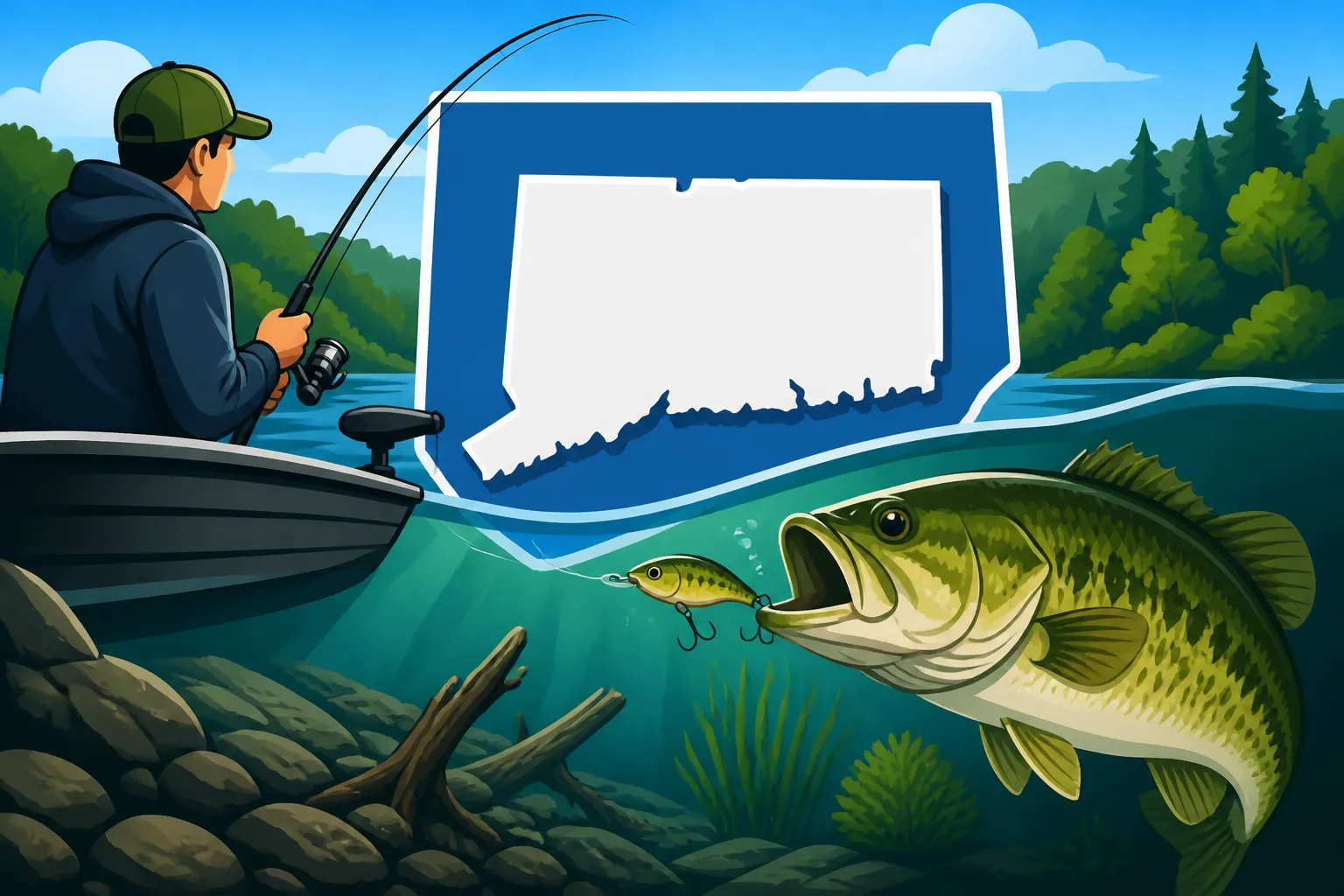
Ever pulled up to a new lake in Connecticut, looked out over the vast expanse of water, and thought, "Where do I even begin looking for bass here?" It's a completely relatable feeling, a mix of excitement and genuine bewilderment. Trying to decipher a new body of water can feel like reading a map written in a foreign language. This guide is all about giving you the tools to break down an unfamiliar Connecticut lake, helping you quickly understand its nuances and zero in on those promising bass hideouts.
Pre-Trip Homework: The Digital Reconnaissance Mission
Before your boat even touches the water, or your boots hit the bank, there's a treasure trove of information you can gather from the comfort of your home. Think of this as your mission briefing; the more intel you have, the better equipped you'll be to adapt when you're actually out there. This phase is crucial for building a foundational understanding of the lake, preventing you from wasting precious fishing time on unproductive water.
Topographical Maps and Satellite Imagery
This is your secret weapon. Online mapping tools, whether it's a dedicated fishing app or just a satellite view, can reveal so much. You're looking for underwater contours, old creek beds, humps, points, and even subtle changes in bottom composition that might indicate rocky areas or weed lines. These maps often show depth changes, which are critical for finding bass, especially during different seasons. A steep drop-off visible on a contour map could be a prime ambush point for a hungry largemouth, or a key transition zone for smallmouth moving between shallow and deep water. Pay attention to how the land features around the lake relate to what's underwater; a prominent hillside often continues its slope beneath the surface, creating excellent structure. You might even find some excellent maps or dedicated fishing charts on Amazon that highlight these features explicitly.
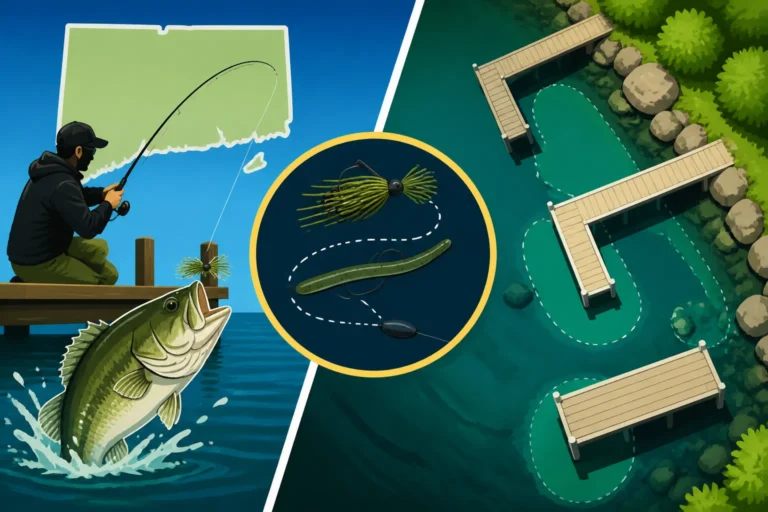
Satellite imagery, on the other hand, gives you a bird's-eye view of the visible structure. Look for docks, fallen trees (also known as laydowns), lily pad fields, distinct weed beds, and even subtle color changes in the water that could indicate varying depths or bottom types. A dark patch might be a deep hole, while lighter areas could signal shallower sand or rock. Identifying these features beforehand helps you quickly navigate and target promising areas once you're on the water. Think of how many docks you can visually scan before arriving and save time by knowing where the best ones are.
Online Fishing Reports and Local Forums
Don't underestimate the power of community knowledge! Fishing reports, especially those from local bait shops or seasoned anglers, can offer invaluable, current insights. While you won't get exact spots, you'll learn about general patterns, what baits are working, and what depth ranges fish are being found in. For example, a report might mention that the bass are still holding deep on main lake points, or that a topwater bite is starting in the shallow coves. These snippets of information can drastically narrow down your initial search.
Local fishing forums and social media groups dedicated to Connecticut fishing are also gold mines. Anglers often share their experiences, post photos, and sometimes even discuss what lakes are fishing well and why. While you should always take online advice with a grain of salt and never expect someone to give away their honey hole, you can often pick up on trends, common challenges, and general areas of interest. This helps you understand the overall personality of the lake and what challenges, like fishing pressure or specific forage, you might encounter. Look for discussions about particular lakes, such as Candlewood Lake Bass Fishing or Bantam Lake Bass Fishing, to get specific insights.
Understanding the Lake's General Characteristics
Every lake has its own "personality," and understanding this before you go can make a huge difference. Is it a deep, clear, rocky lake like many in northern Connecticut, known for smallmouth? Or is it a shallower, weedy, fertile lake perfect for largemouth? Knowing the predominant species and their typical habitat preferences is key. For instance, if it's a deep, clear lake with lots of rock and submerged timber, you'll likely focus on smallmouth tactics. If it's shallower with extensive weed beds and lily pads, largemouth will be your primary target.
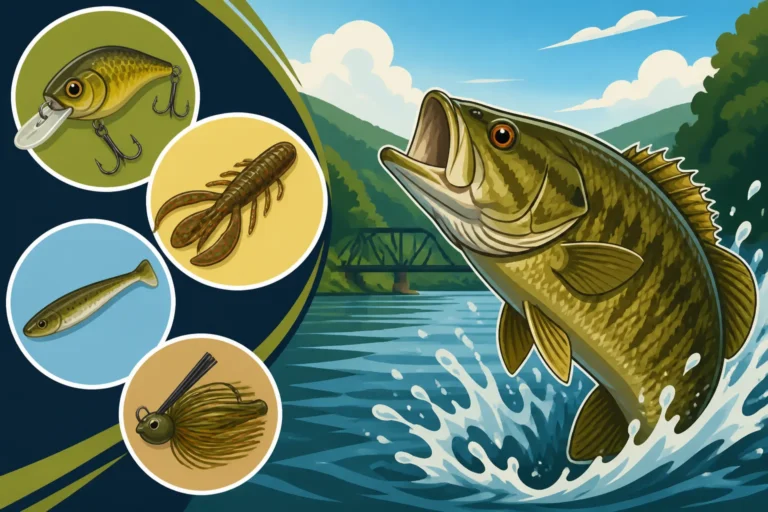
Consider the primary forage base as well. Are there alewives, shiners, perch, or crawfish? Matching your lure selection to the dominant baitfish or aquatic creatures in the lake will significantly increase your chances. A lake rich in crawfish, for example, might mean jigs and creature baits are the ticket, while a lake with abundant baitfish could call for jerkbaits or swimbaits. Also, look into any unique features: is there a river inlet or outlet? Is it a hydropower lake with fluctuating water levels? These factors all influence bass behavior and where they position themselves.
On-the-Water Reconnaissance: Your First Impressions
Once you're actually on the lake, your pre-trip research gets put to the test. Now it's time to become a detective, observing every detail and using your gear to confirm or deny your hypotheses. This is where the real "patterning" begins, by connecting the visible and subsurface clues to actual bass locations.
Visual Cues and Shallow Water Indicators
Your eyes are your most important tools when first arriving. Before even casting, take some time to observe the surface and shoreline. Are there baitfish flickering on the surface? Are birds diving, indicating schools of forage? Are there any visible weed lines, docks, fallen trees, or rocky outcroppings? Bass love cover and structure, and anything that breaks up the monotony of open water is a potential holding spot. Best technique for docks and laydowns is a good article to review for this.
Pay attention to water clarity and color. Clear water often means bass are more skittish and prone to deeper cover, or prefer subtle, natural presentations. Stained or muddy water might mean they're shallower and more aggressive, keying in on vibration or brighter colors. Look for transitions in water color, as these often indicate changes in depth or bottom composition, which are prime areas for bass to ambush prey. Also, observe any ripples or disturbances near structure – sometimes a bass will give away its position with a subtle swirl or rise.
Sonar and Electronic Diagnostics
For boat anglers, your fishfinder or sonar unit is indispensable for patterning a new lake. Start by running over prominent structures identified in your maps, like points, humps, or creek channels. Look for baitfish schools, which will show up as clouds or arches, and larger individual arches that could be bass. Your side imaging or down imaging can reveal hidden rock piles, brush piles, or submerged timber that aren't visible on traditional 2D sonar or maps. These are often bass magnets.
When driving around, pay close attention to depth readings and bottom composition changes. A sudden change from a soft, muddy bottom to a hard, rocky one is a high-percentage area. Mark anything interesting as a waypoint – a bait ball, a significant drop-off, a school of fish, or a brush pile. This allows you to return and thoroughly fish that spot later. Don't just look for fish; look for their environment. If you find a productive depth range or type of cover where you see fish or get bites, that's a clue to expand your search to similar areas across the lake. Best sonar settings for finding structure on Candlewood Lake offers great tips, even if not on the exact lake you're fishing.
The Importance of a Systematic Approach
It's easy to get overwhelmed on a new lake and just start casting randomly. Instead, employ a systematic approach. Divide the lake into sections, or focus on a specific type of structure, and fish it thoroughly before moving on. For example, you might decide to focus on all main lake points on the northern shore first, or all docks in a particular cove. This structured approach helps you eliminate unproductive water and confirm what isn't working, which is just as important as finding what is.
Consider a "milk run" strategy. Pick a few promising areas based on your pre-trip research and initial observations, and hit them one after another. If you get bites at one, try to understand why the bass were there and look for similar characteristics in other areas. If nothing works, don't be afraid to change your entire game plan. The goal is to gather data and adjust. Start by fishing quickly and covering water with search baits like crankbaits or spinnerbaits, then slow down and fish more thoroughly with jigs or soft plastics once you've identified potential holding areas. Using Best technique for fan casting a new lake can help you cover water efficiently.
| Lake Feature | Typical Bass Species | Where to Look (Season Dependent) | Forage Indicators | Ideal Water Conditions |
|---|---|---|---|---|
| Rocky Points | Smallmouth, Largemouth | Deep sides, transition zones | Crawfish, Baitfish | Clearer, colder water |
| Weed Beds | Largemouth, Pickerel | Edges, pockets, dense patches | Baitfish, Frogs, Insects | Stained to clear, warmer water |
| Fallen Trees (Laydowns) | Largemouth, Smallmouth | Trunk, branches, shade line | Baitfish, Perch | Any, especially after rain |
| Submerged Humps | Smallmouth, Largemouth | Top, sides, adjacent drop-offs | Baitfish, Crawfish | Deeper, clear water |
| Docks & Piers | Largemouth, Panfish | Shade, pilings, nearby cover | Baitfish, Bluegill | Warmer, sunny days |
| Creek Channels | Largemouth, Smallmouth | Bends, intersections, deeper holes | Baitfish migrations, Crawfish | During current, post-rain runoff |
Decoding Bass Behavior: Seasonal and Environmental Factors
Understanding why bass are where they are is the essence of patterning. Their behavior is largely dictated by the season, the weather, and the specific conditions of the water. Being able to read these factors allows you to predict their movements and feeding habits.
Seasonal Movements and Forage Patterns
Bass are creatures of habit, largely driven by their need to spawn, feed, and find comfortable temperatures. In early spring, as water temperatures rise, bass will move into shallower, protected coves and sun-exposed flats to feed and stage for the spawn. During the spawn itself, they'll be on beds in very shallow water. Post-spawn, they might move to slightly deeper cover near their spawning grounds, recovering and feeding aggressively. You can learn more about this by checking out When largemouth bass spawn in Connecticut or When smallmouth bass spawn in Connecticut.
Summer sees them often move to deeper, cooler water, seeking thermoclines, offshore humps, or deep structure, especially during the heat of the day. They might move shallow to feed at dawn, dusk, or overnight. Fall is often a period of aggressive feeding as they gorge on baitfish in preparation for winter, pushing shad or other forage into backs of coves or against structure. In winter, they become lethargic and often suspend over deep water or hug the bottom near subtle structural elements. Understanding these general seasonal patterns gives you a framework for where to start looking.
Weather, Water Temperature, and Clarity
These environmental factors can turn a hot bite into a cold one, or vice-versa, in a matter of hours. A sudden cold front can shut bass down, pushing them deeper and making them less willing to chase baits. Cold Front Fishing Tactics for Connecticut Bass goes into detail on how to approach these tough conditions. Conversely, stable weather, especially with overcast skies, can often make bass more active and willing to move into shallower feeding areas.
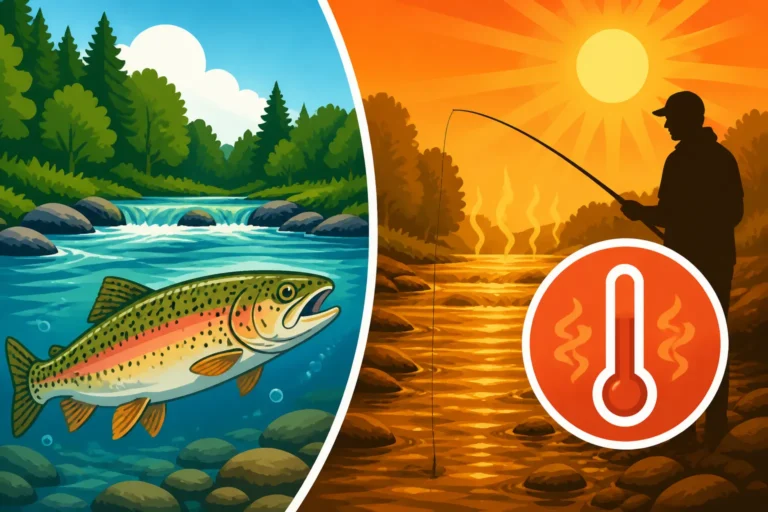
Water temperature is perhaps the most critical factor. Bass are cold-blooded and their metabolism is directly tied to water temperature. Each species has preferred temperature ranges for feeding, spawning, and comfort. Too cold, and they're sluggish. Too hot, and they seek refuge in deeper, cooler water. Knowing What water temperature smallmouth bass prefer can guide your depth and location choices. Similarly, How barometric pressure affects Connecticut bass fishing explains how atmospheric changes influence their behavior, often making them more active on stable or falling pressure and less active on rising pressure.
Water clarity also plays a huge role in lure choice and presentation. In clear water, bass rely heavily on sight, so natural colors, smaller baits, and longer leaders are often effective. In stained or muddy water, they rely more on lateral lines to detect vibration and smell, making brighter colors, larger profiles, and baits with rattles or scent more productive.
Adjusting to Pressure and Time of Day
Even on an unfamiliar lake, you can often gauge fishing pressure. If you see many boats fishing specific spots, or evidence of recent angling (like discarded line or bait containers), it's a good indication that those areas might be pressured. Highly pressured bass are often more wary, require more subtle presentations, and might shy away from popular baits. In these situations, try fishing off-the-beaten-path areas, or using finesse techniques that imitate natural forage.
The time of day is another non-negotiable factor. Early morning and late evening typically offer the best low-light conditions when bass are most active in shallower water. During bright, sunny midday hours, bass will often retreat to deeper cover, seeking shade or cooler temperatures. However, during overcast days, bass might remain active in shallow water throughout the day. Your observation of these factors will help you make educated guesses about where bass are positioned and what baits they might be most receptive to.
Putting it All Together: Developing a Pattern
The goal of all this reconnaissance and observation is to develop a "pattern." A pattern isn't just about finding fish in one spot; it's about understanding why they are there, and then replicating those conditions elsewhere on the lake. It's the culmination of your homework, observations, and understanding of bass behavior.
Experimentation and Adaptation
You've done your homework, you've scanned the water, and you have some initial theories. Now it's time to test them. Don't be afraid to experiment! If you start fishing a certain depth with a specific lure and aren't getting bites, change it up. Try a different depth, a different presentation, a different retrieve speed, or a completely different lure type. This is where you might find yourself switching from a deep-diving crankbait to a weightless worm, or from a jig to a topwater plug.
Adaptability is key. The bass might be telling you something, but you have to be listening. If you catch a bass on a rocky point in 10 feet of water, immediately look for other rocky points with similar depths across the lake. If you find them holding tight to thick lily pads, assume other lily pad fields will hold fish too. The more you experiment and adapt, the quicker you'll stumble upon the current productive pattern. It’s like putting together a puzzle, and each fish you catch (or even a missed strike) is a piece of that puzzle.
Refining Your Bait and Presentation Choices
Once you start getting bites, it's time to refine. If you caught a smallmouth on a shaky head jig in 15 feet of water on a main lake point, think about the next steps. Is there a specific jig color that worked better? Was it a subtle retrieve, or a more aggressive hop? What was the exact depth? You want to try and replicate all of those factors as precisely as possible in other similar locations. This meticulous approach is how you turn a single bite into a consistent pattern. You might find a whole array of specific lures, like those from reputable brands often found on Amazon, that perfectly match the local forage or presentation needs.
Consider the retrieve speed, cadence, and even the type of line you're using. Sometimes a slight change in the plastic trailer on your jig, or switching from fluorocarbon to monofilament, can make a significant difference. Pay attention to how the bass are biting – a subtle tick versus a crushing strike tells you something about their mood and how aggressively they're feeding. Are they hitting the bait on the fall, or after it's been sitting still? These small details are what separate a good day from a great day on the water.
Keeping a Fishing Log for Future Success
This might sound old-school, but a detailed fishing log is one of the most powerful tools for long-term success, especially on lakes you plan to revisit. Note down everything: date, time, weather conditions (air temp, cloud cover, wind, barometric pressure), water temperature, clarity, exact locations fished, specific baits used, retrieve methods, and, of course, what you caught (species, size, how many). If you're exploring a new lake, it will become an invaluable record of your findings. You can find many kinds of fishing logs or journals on Amazon if you prefer a dedicated book.
Over time, this log will help you identify recurring patterns for specific lakes, seasons, and conditions. You'll begin to see that on cloudy, post-front days in mid-July, bass on this particular lake tend to hold on deep rock humps, biting on green pumpkin jigs. Or that during the fall baitfish migration, topwater lures work best in specific coves. Your log transforms individual fishing trips into a cumulative learning experience, building your knowledge base and making you a more effective and efficient angler on any unfamiliar Connecticut lake you encounter in the future.
By approaching an unfamiliar lake with a plan, a keen eye for observation, and a willingness to adapt, you'll not only unlock its bass fishing secrets but also deepen your understanding of these incredible fish. Happy fishing!
Disclaimer
This article is for general informational purposes only and does not constitute professional advice. Laws, prices and regulations vary by location and change over time. Consult a qualified professional for guidance on your specific situation.